





Whey Products
(0 Results)
Shop whey products and compare protein supplements by protein per serving, ingredients, flavor, and serving size. Whey is derived from milk, so review each product’s allergen information and preparation directions when choosing an option that fits your dietary preferences and routine.
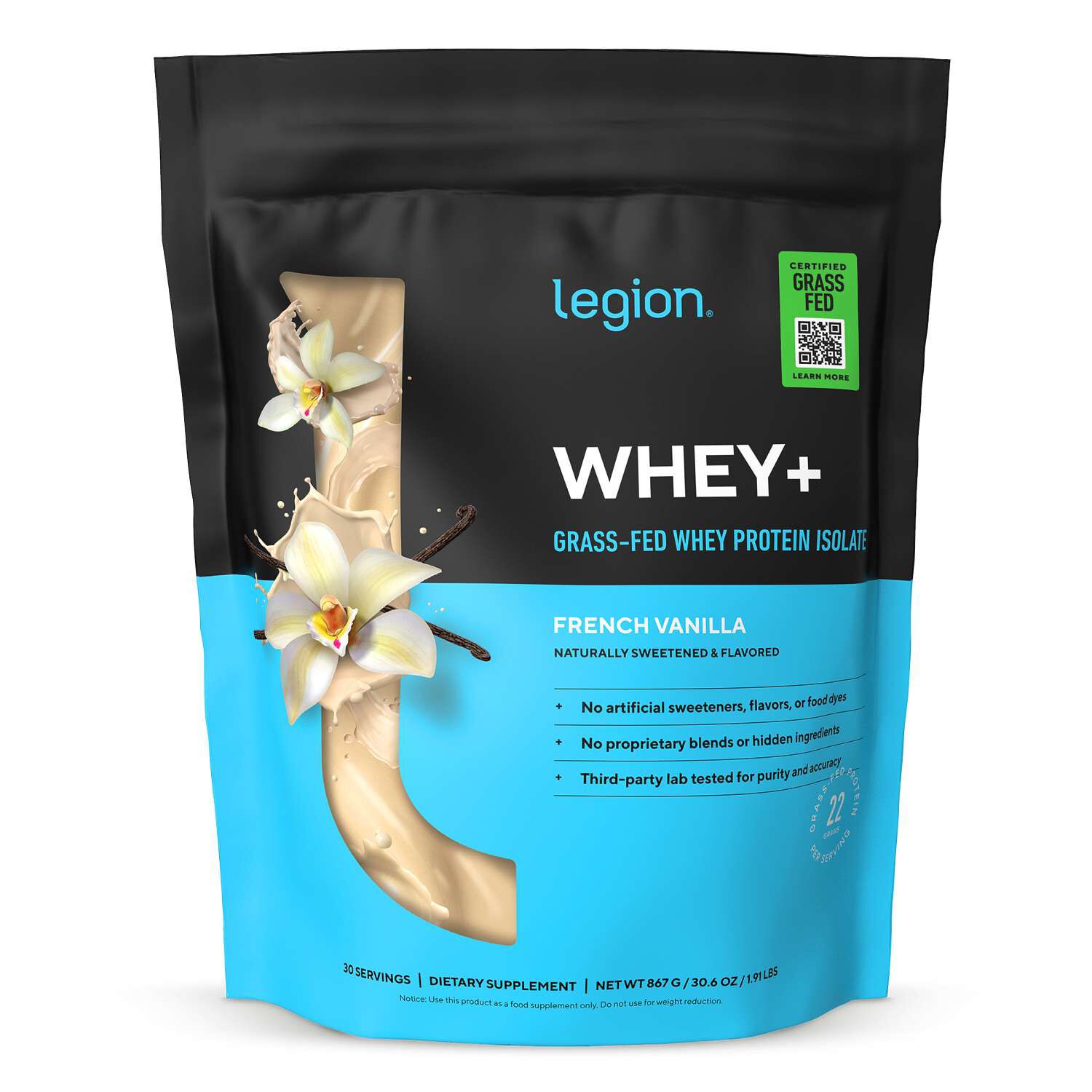
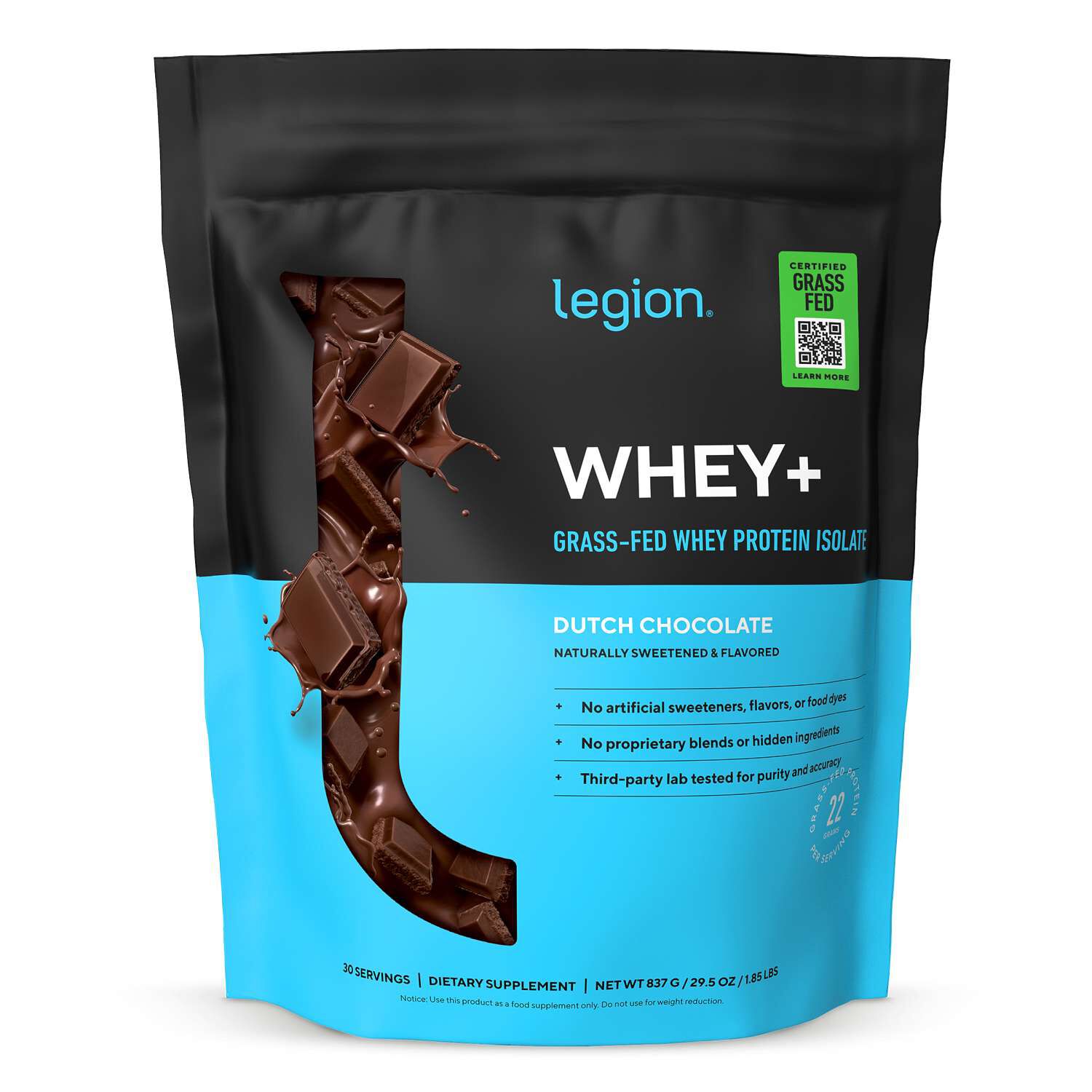


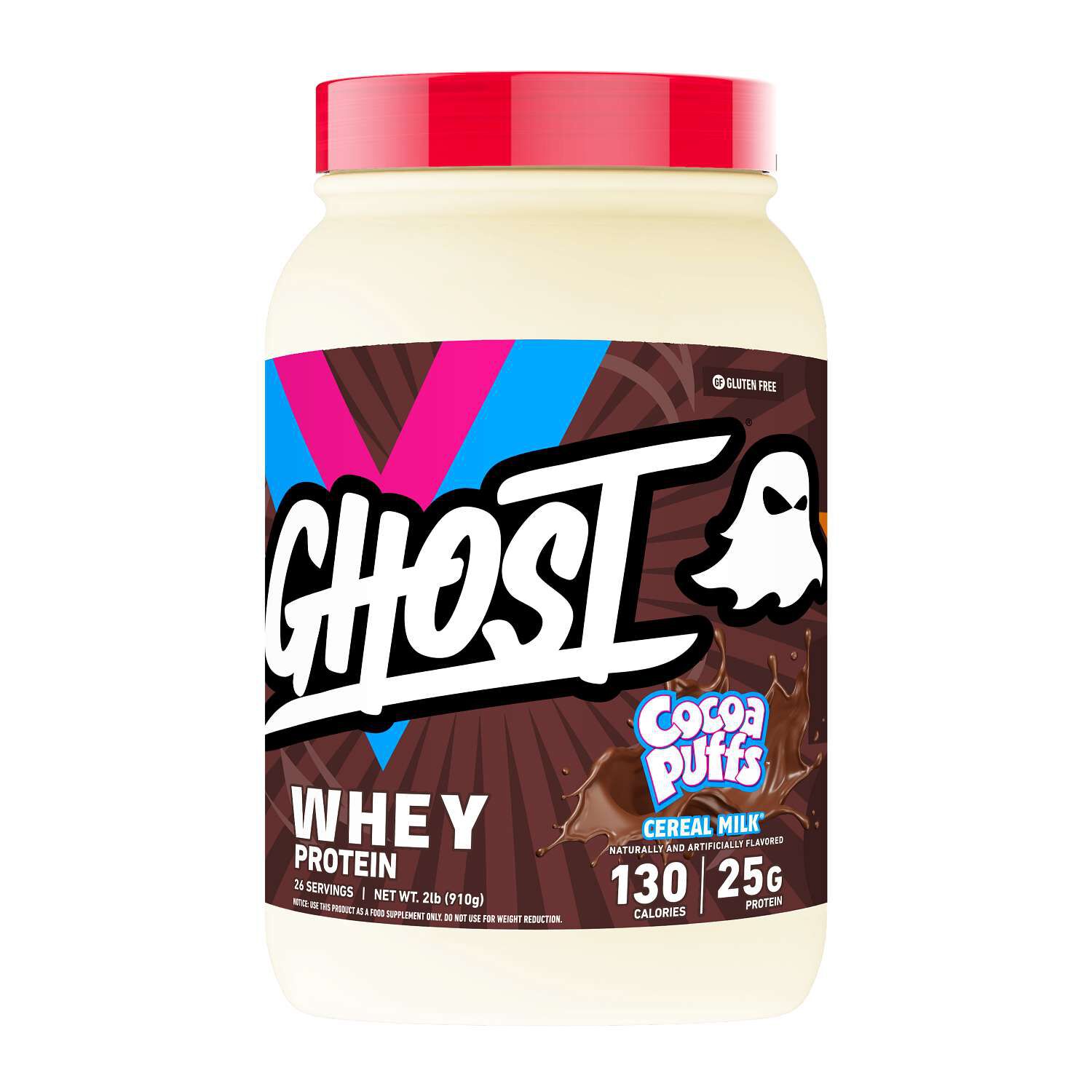
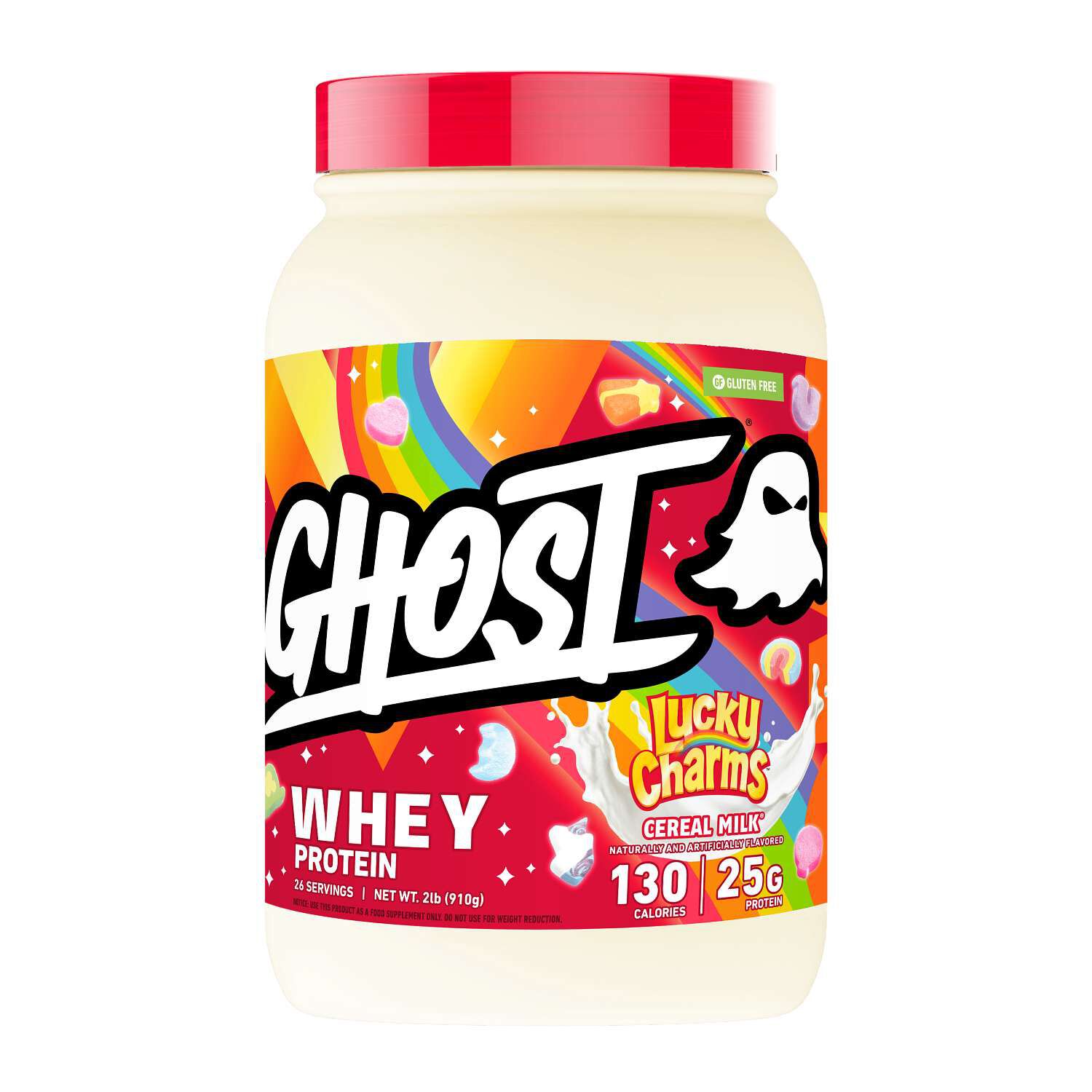
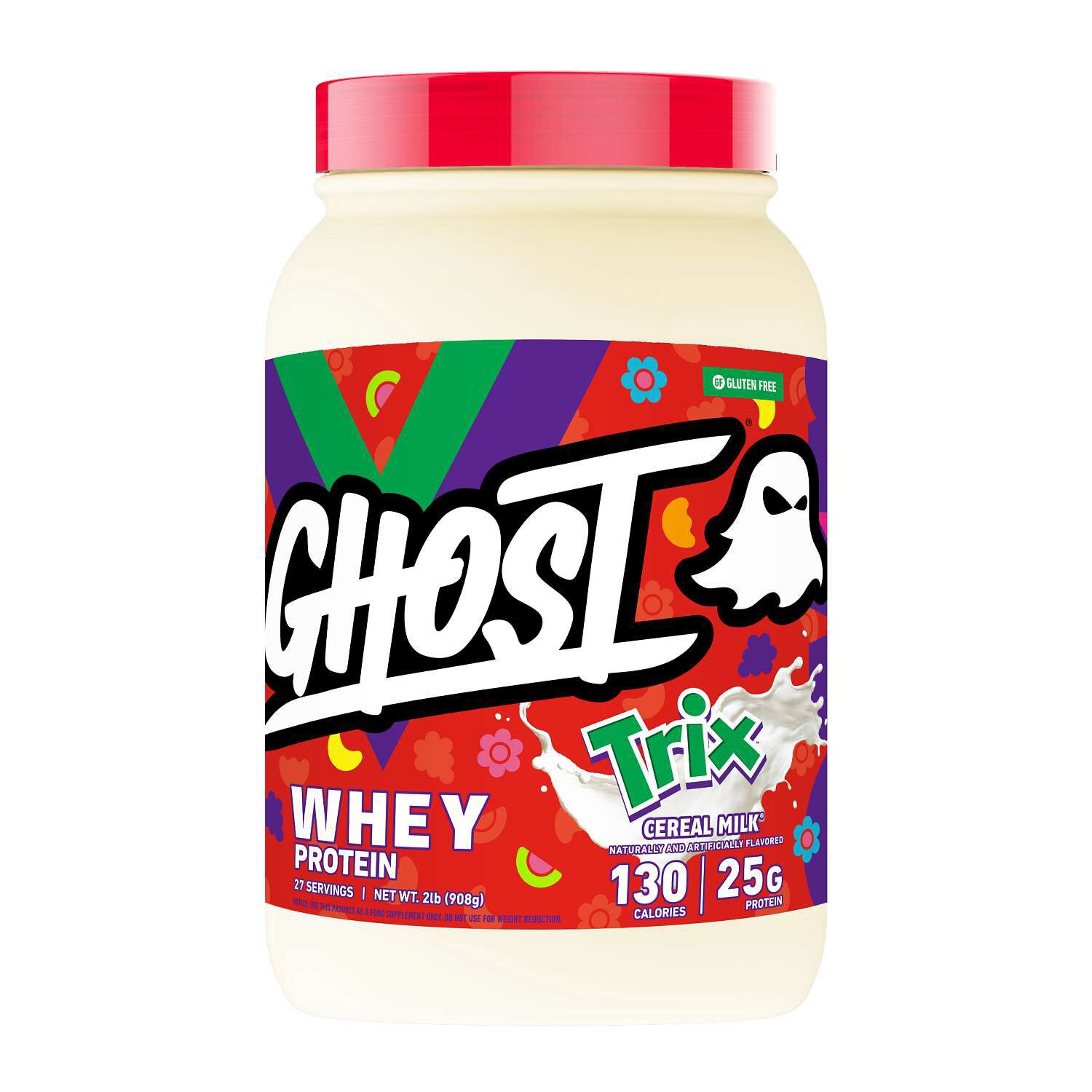
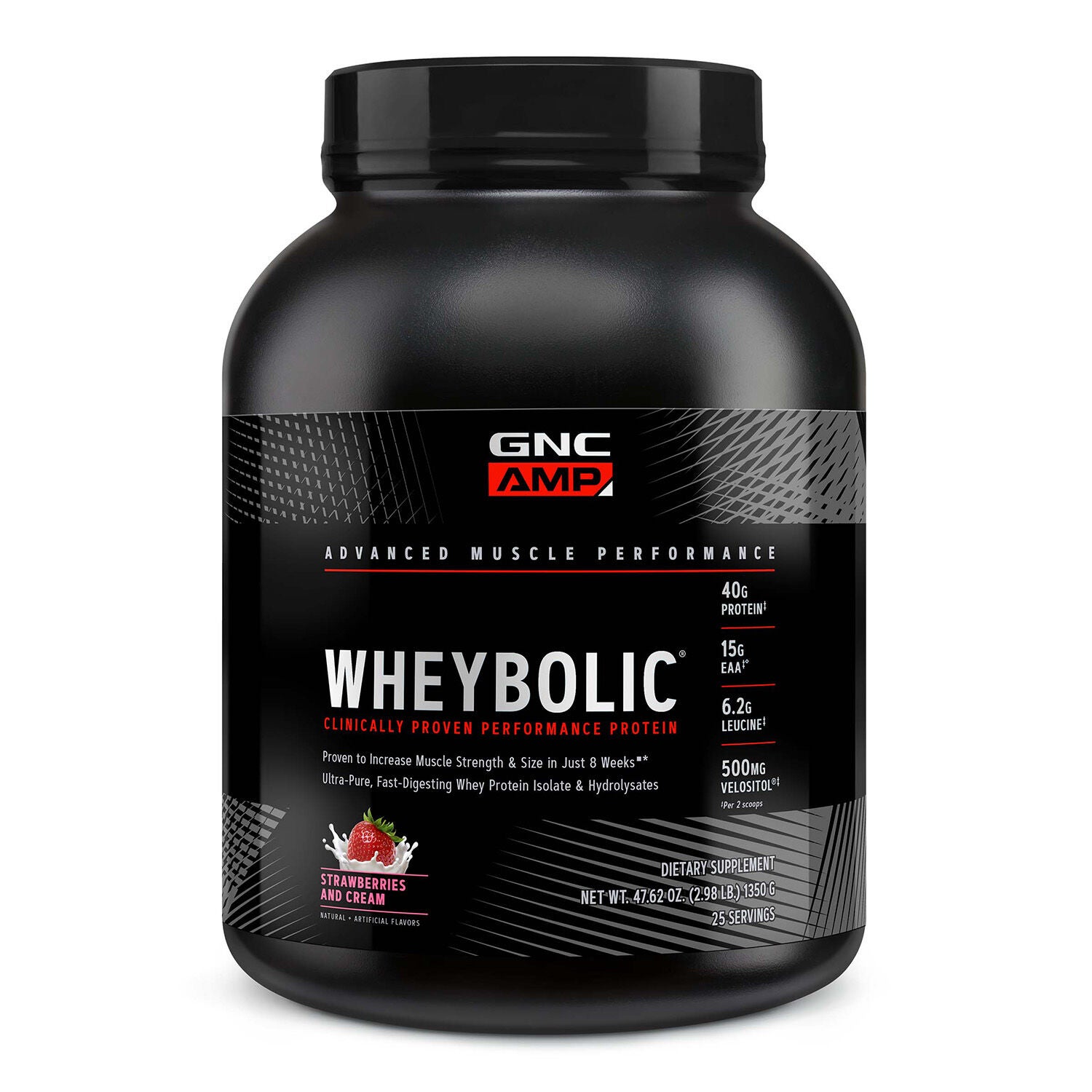


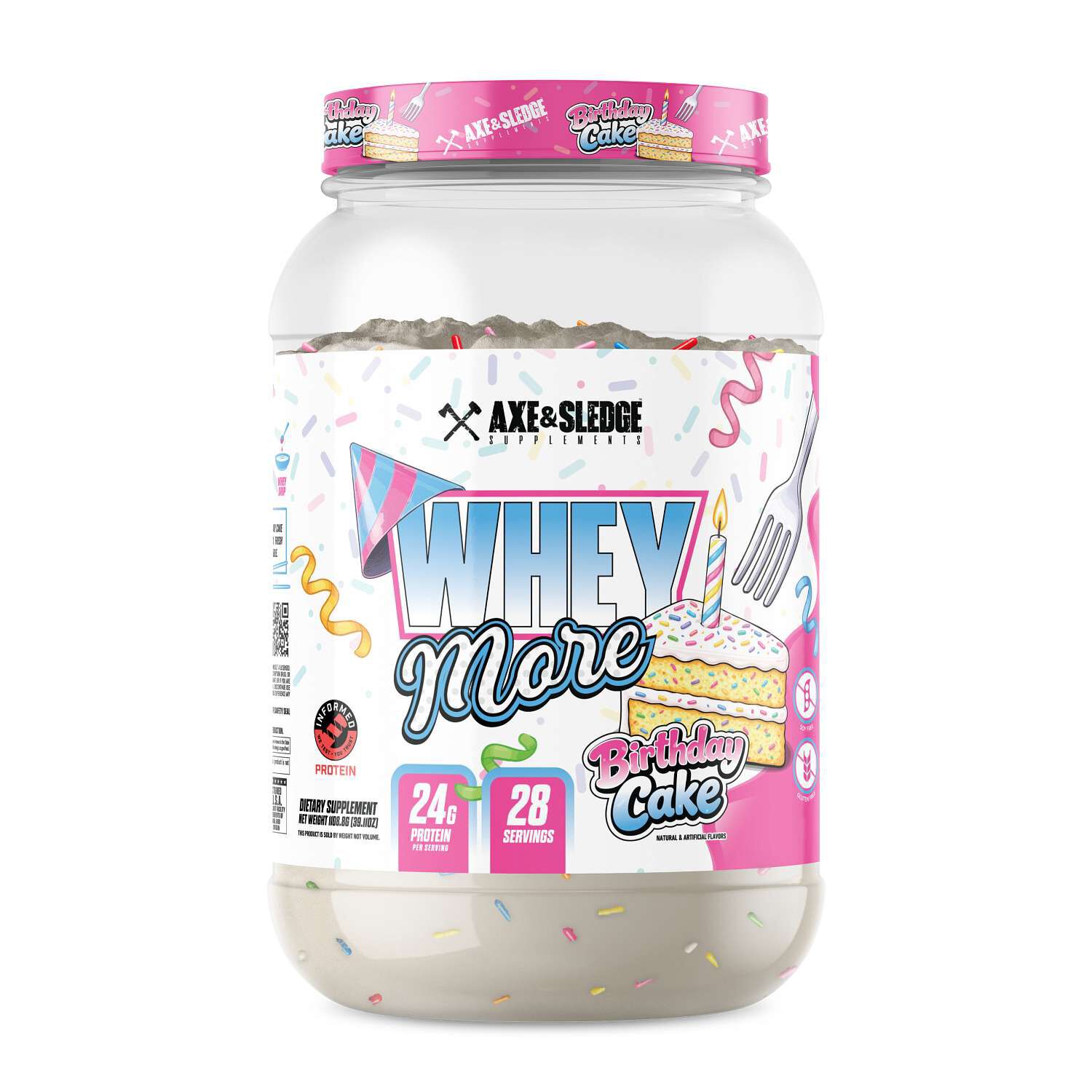
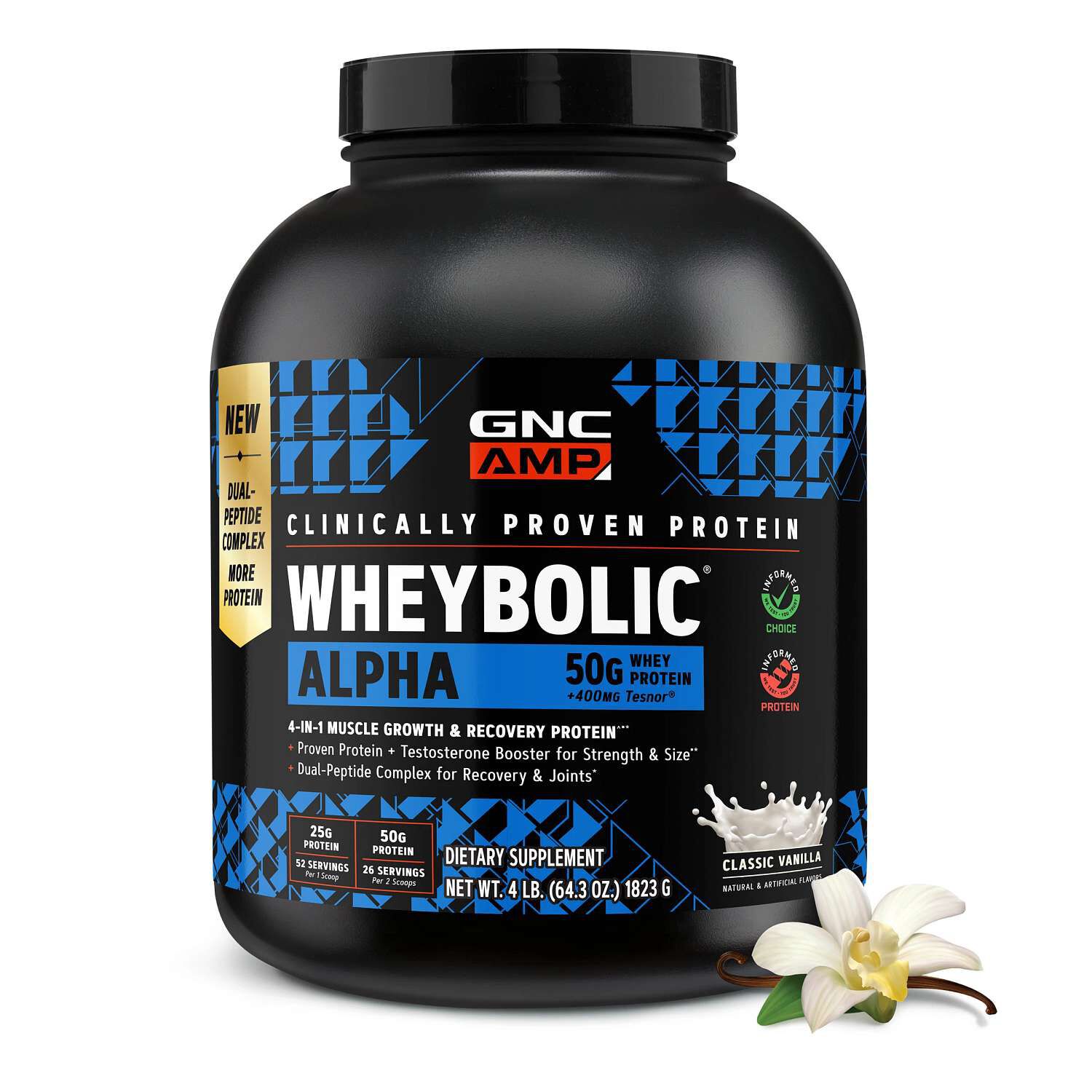
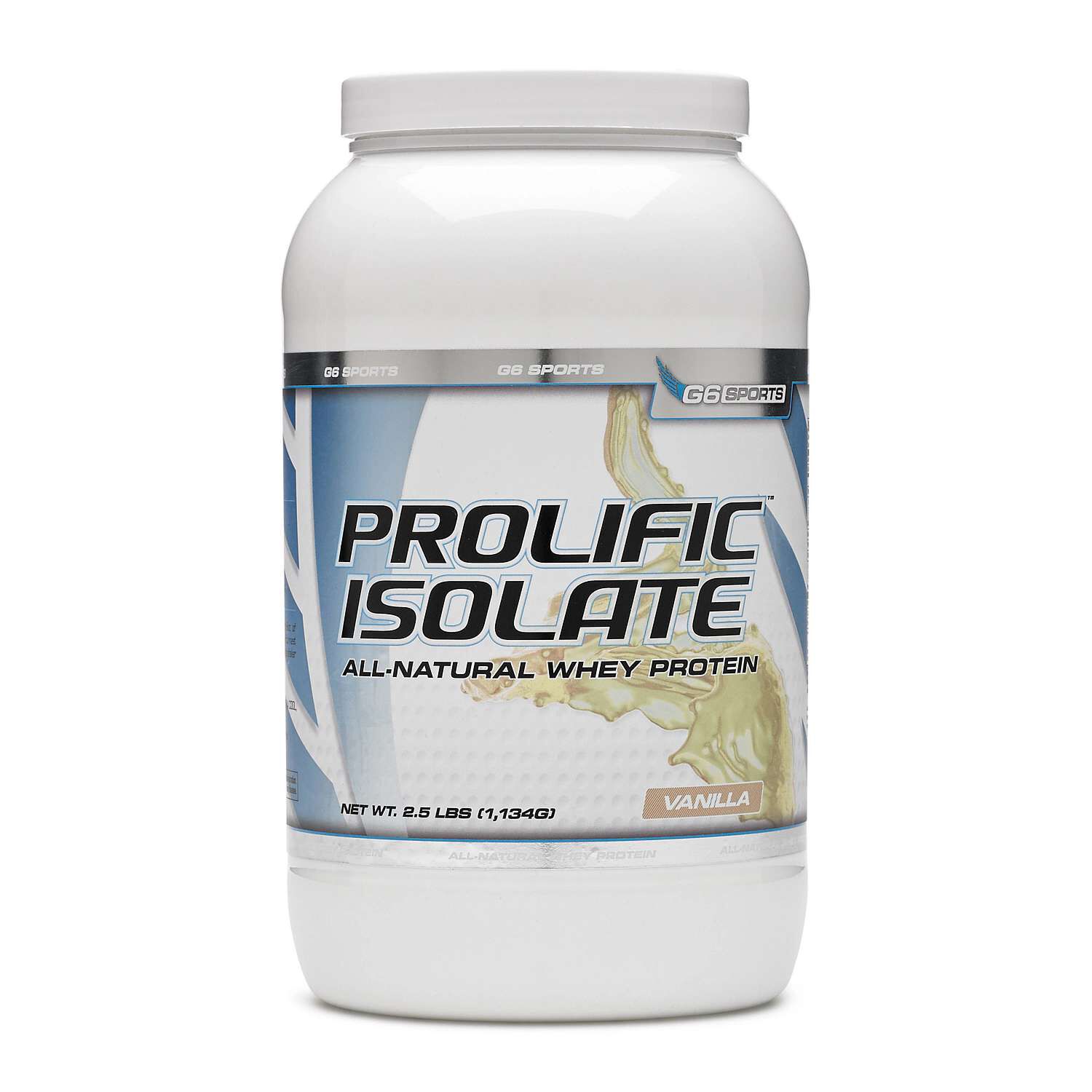

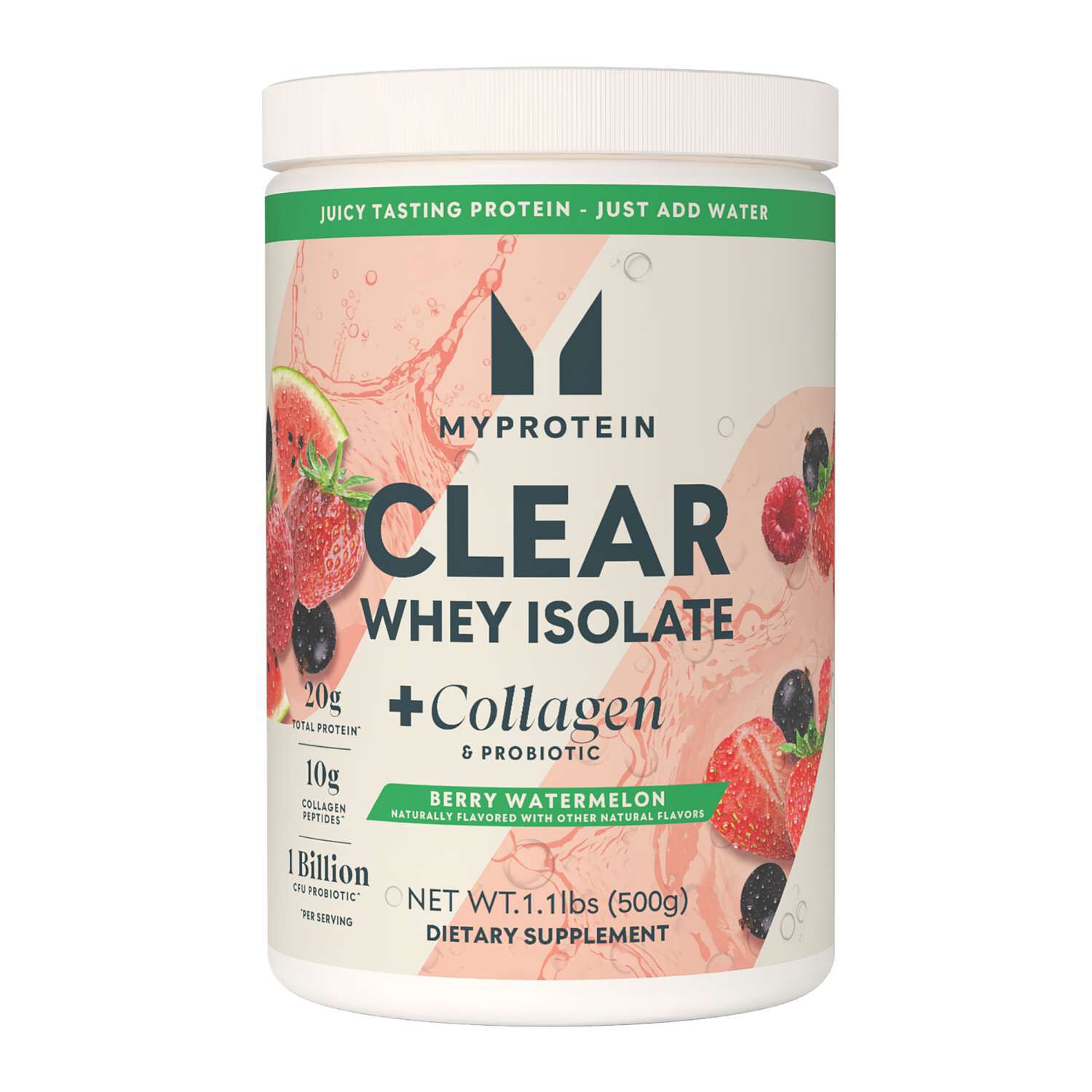


Whey products are foods and supplements made with a protein ingredient derived from milk. The three main forms are whey protein concentrate, whey protein isolate, and hydrolyzed whey protein, sometimes called whey hydrolysate. These forms differ in processing, protein concentration, and the amount of other milk components they retain. Many concentrates used in sports nutrition contain approximately 70–80% protein by dry weight, along with varying amounts of lactose and fat. Whey isolate undergoes additional filtration and typically contains around 90% protein or more as an ingredient, with less lactose and fat. Hydrolyzed whey has been processed to divide some of its protein into smaller chains called peptides; it can be made from concentrate or isolate. These ingredient percentages are not the same as the protein percentage of a finished flavored powder or bar, which may include cocoa, sweeteners, oils, or other ingredients. Whey contains all nine amino acids the body cannot make on its own, including leucine. It may be digested relatively quickly, although digestion can vary with the formula and the other foods eaten alongside it. For shoppers comparing whey protein products, these distinctions provide a useful starting point without making one form the automatic choice for every routine. Concentrate is common in everyday protein powders, while isolate may appeal to shoppers looking for a higher proportion of protein relative to carbohydrates and fat. Hydrolyzed formulas offer another processing option, but the ingredient name alone does not describe the finished product’s flavor, texture, or serving size. The label provides that context. Protein grams, serving weight, carbohydrates, sugars, fat, and the full ingredient list all deserve attention. A larger scoop does not necessarily mean a more concentrated protein formula, and two similarly sized servings can have different nutritional profiles. Whey remains a milk-derived ingredient even when its lactose content is low, so a whey isolate is not a nondairy protein. Checking the milk allergen statement and the other listed ingredients helps distinguish products that otherwise look similar.
The intended use of a whey product often matters as much as its protein type. Someone carrying a shaker bottle to a workout may prefer a powder measured into a single serving, while someone eating breakfast at home may want a flavor suited to oatmeal or a smoothie. Whey protein may help fill a gap between the protein in everyday meals and a person’s preferred daily intake, but it is only one component of an eating pattern that also includes other foods. A shake after exercise may fit one schedule; a serving alongside breakfast or an afternoon snack may fit another. There is no need to treat every whey product as a workout-only purchase. Flavor and texture are practical considerations because the same powder can taste different depending on what accompanies it. Chocolate and vanilla are familiar options, while fruit-inspired flavors offer a different direction for shakes made with water or blended fruit. Unflavored whey still has a dairy character rather than an absence of taste. Concentrate-based powders may have a fuller mouthfeel, while some isolate formulas may seem lighter; sweeteners, thickeners, and the mixing liquid also influence the result. Hydrolyzed whey may have a more noticeable bitter note, depending on processing and flavoring. For preparation, the suggested liquid amount on the package is a sensible starting point. Adding liquid before powder and leaving room in the bottle may help the mixture move around during shaking. A blender may be useful when combining whey with ingredients such as oats, bananas, or nut butter, while a spoon may be enough for stirring a small amount into yogurt. Adding powder gradually may make the texture easier to adjust. More powder is not automatically better for a recipe: the serving weight and the amount of liquid both matter, especially when using whey in batters or other foods where texture is part of the appeal.
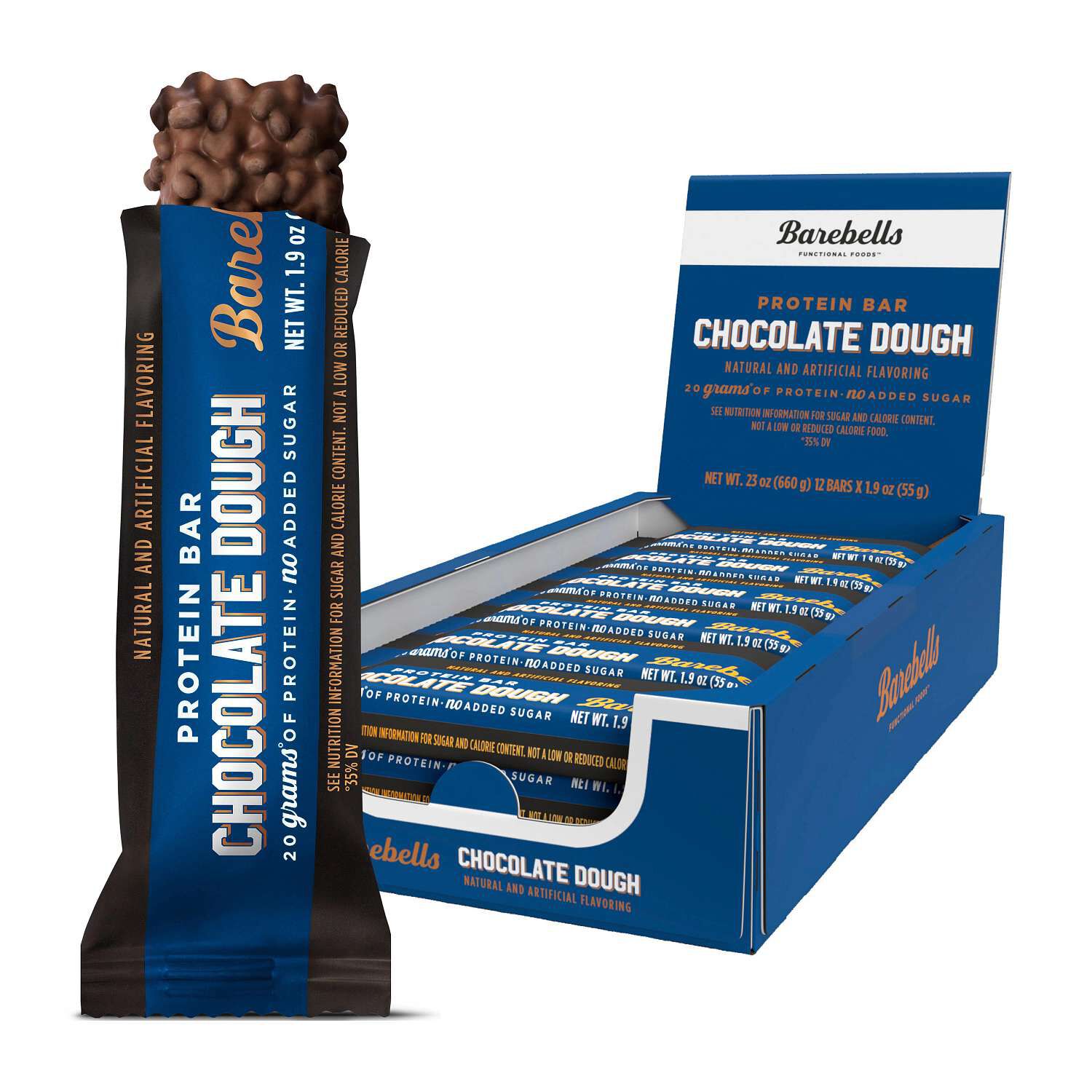
Whey also appears in portable foods, offering another format for people whose routines do not always include a shaker bottle or kitchen counter. The Whey Protein Bars category offers a way to explore whey in a ready-to-eat format rather than as a powder that needs mixing. Bars can vary considerably in their protein sources, coatings, fillings, sweeteners, and textures, so the presence of whey does not mean two bars have the same composition. Some formulas combine whey with other proteins, and the ingredient list identifies those combinations. For a snack packed beside a laptop or carried between errands, portion size and wrapper format are practical details alongside protein grams. Texture preferences matter, too: a dense, chewy bar is a different eating experience from a crisp or layered one. Across powders and bars, package care deserves the same attention as flavor selection. Powder containers belong tightly closed in a dry storage area, following the package directions and keeping moisture away from the contents. A clean, dry scoop and a securely closed lid may help limit clumping caused by moisture. Single-serving packets offer a different packing format, while larger containers require enough shelf space and a lid that is easy to close after each use. Individually wrapped foods should remain in their original packaging until needed, with attention to the printed date and storage instructions. For households sharing a pantry, clearly labeled containers also make it easier to distinguish flavors and formulas without relying on appearance alone. The most useful comparison brings these everyday details together: the type of whey, protein per serving, other ingredients, taste preferences, preparation needs, and packaging. A product that fits a familiar breakfast, a packed snack, or an established exercise routine may be a more practical choice than one selected for a single prominent label claim.
- Q: What are whey protein products made from?
A: Whey protein comes from milk. Whey is the liquid that separates from curds during cheese making, and it is filtered and dried to create protein powder used in shakes, drink mixes, and other foods. - Q: What is the difference between whey protein concentrate, isolate, and hydrolysate?
A: Whey protein concentrate contains protein along with varying amounts of milk carbohydrates and fat. Whey protein isolate undergoes additional processing to remove more of those components. Whey protein hydrolysate is processed to break some protein chains into smaller peptides. - Q: How can you use whey protein powder in drinks and recipes?
A: Whey protein powder can be mixed with water or milk, blended into smoothies, or stirred into yogurt and oatmeal. Some recipes also incorporate it into pancake batter or baked goods. Follow the preparation directions for the formula and recipe you choose. - Q: What flavors are common in whey protein powders?
A: Common whey protein powder flavors include chocolate, vanilla, strawberry, and cookies and cream. Unflavored varieties are another option for recipes where you prefer not to add a distinct flavor. Taste and sweetness vary by formula. - Q: How does whey protein differ from plant-based protein?
A: Whey protein is sourced from milk, while plant-based protein comes from ingredients such as peas, soy, rice, or blends of plant sources. The two categories can differ in flavor, texture, and how they mix into drinks and recipes.
Best Sellers


Related Pages



Top Collections
- GLP 1 Support For Adults
- Supplements For Yoga Joint Flexibility
- Joint Mobility Supplement Packs
- Supplements For Balance
- Zinc Supplements For Men
- Chronic Fatigue Supplements
- Capsule Supplements For Energy And Stamina
- Zinc Supplements | Top Brands at Great Prices | GNC
- Supplements For Anxiety Relief Support
- Adult Mobility Supplements