





High Quality Milk Protein Powders
(0 Results)
High quality milk protein powders could be a versatile addition to your daily routine, whether you're looking to support your active lifestyle or simply seeking convenient ways to increase your protein intake. With options that blend easily into shakes, smoothies, and recipes, high quality milk protein powders may fit seamlessly into a variety of nutrition plans. Explore a selection designed for those who prioritize both taste and performance in their wellness journey.
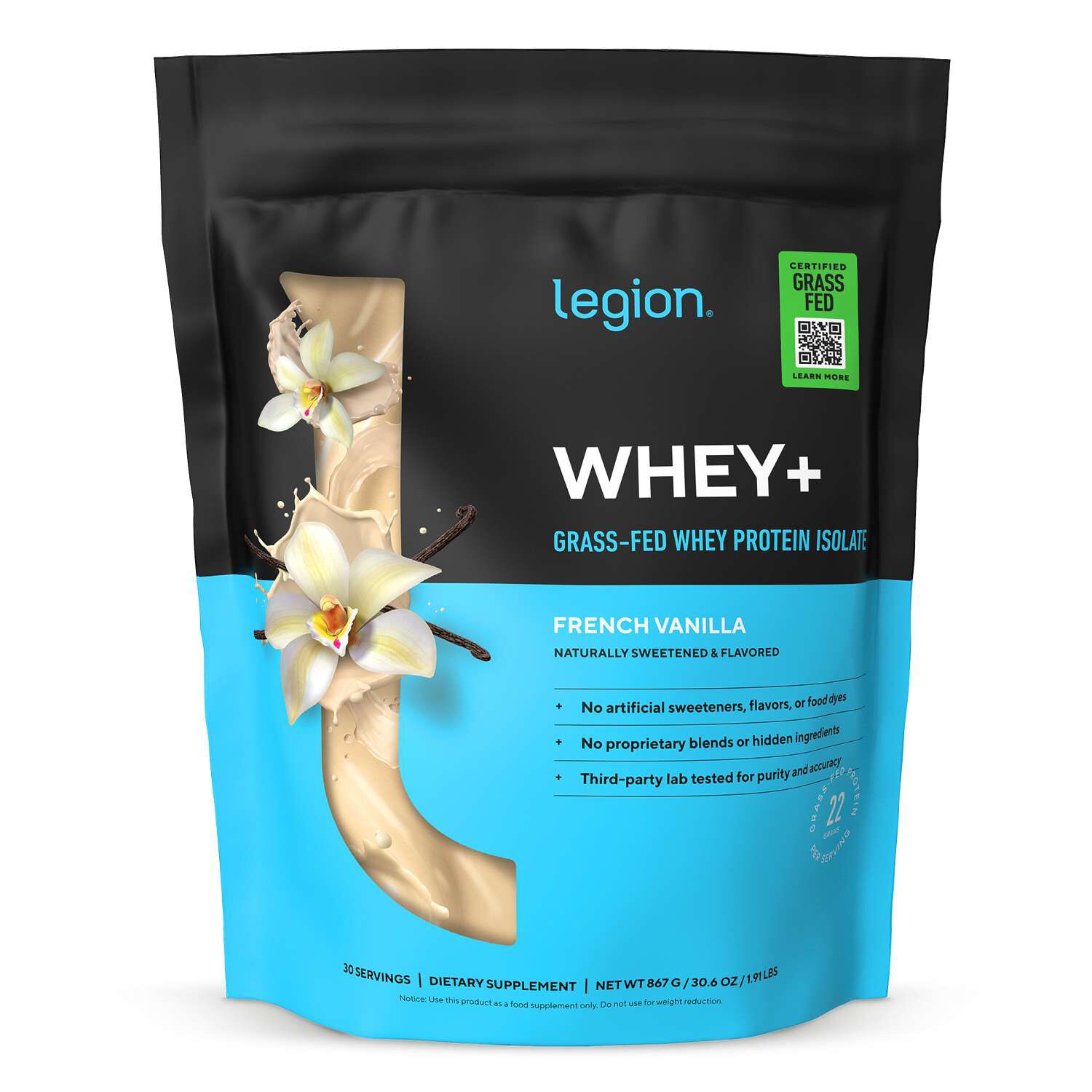
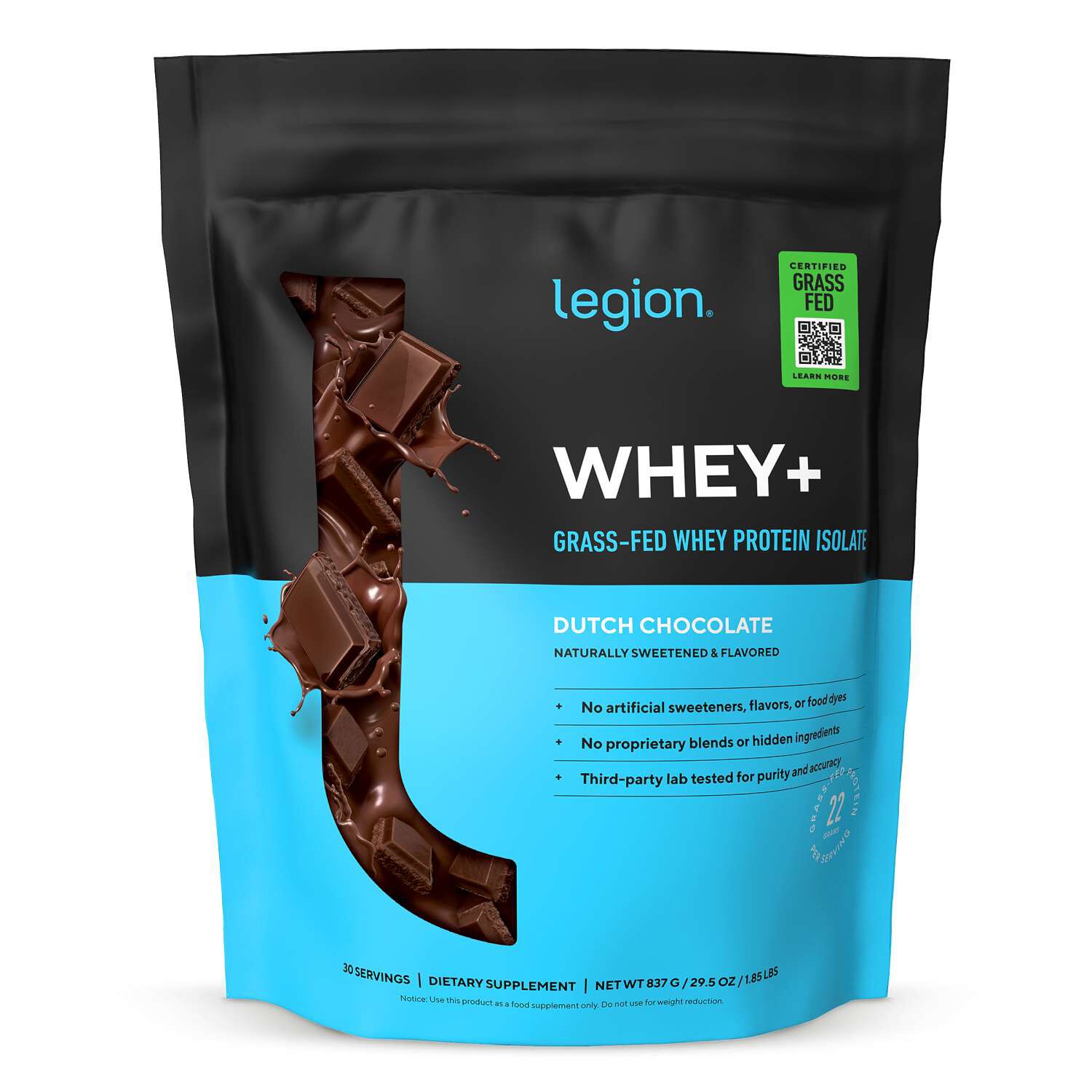


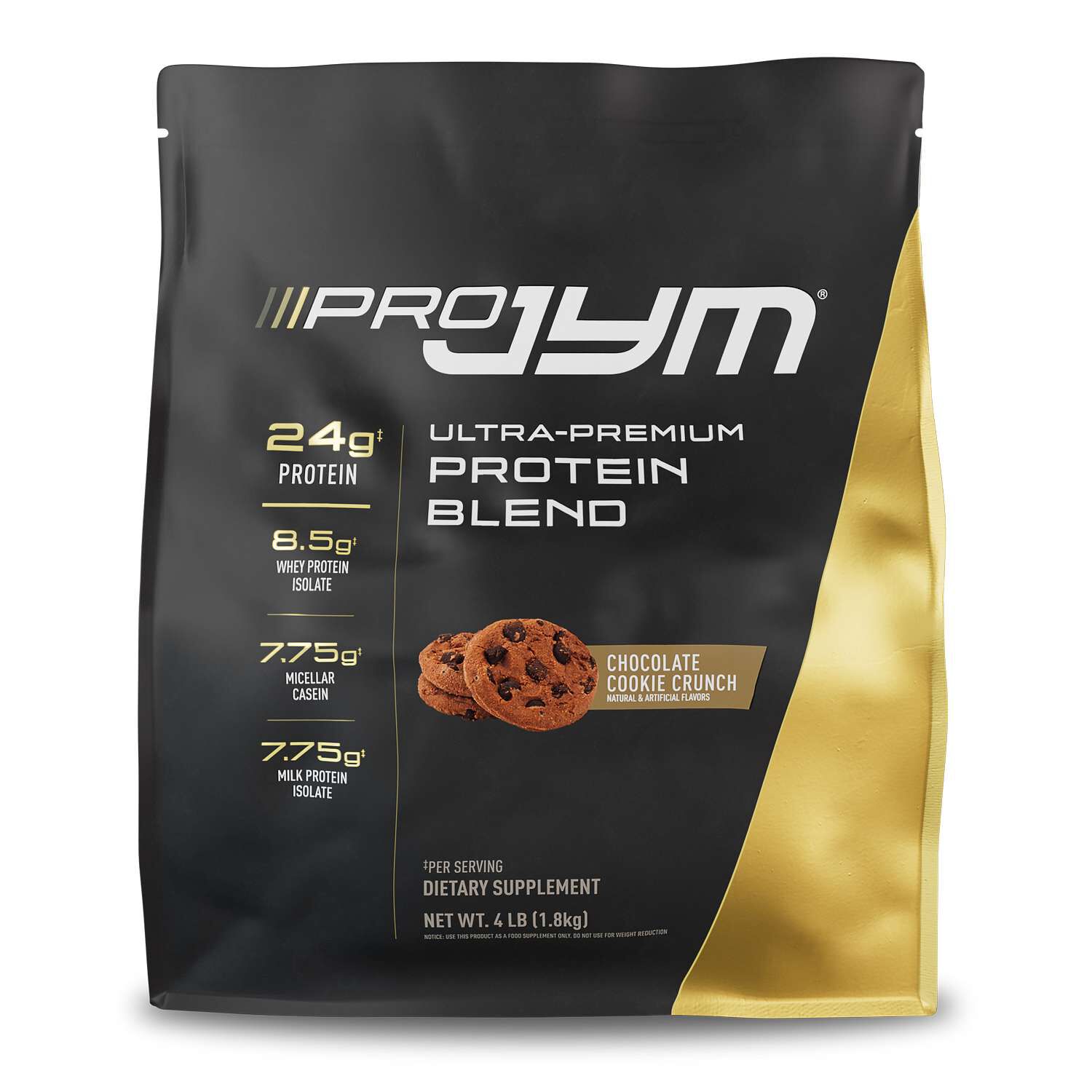

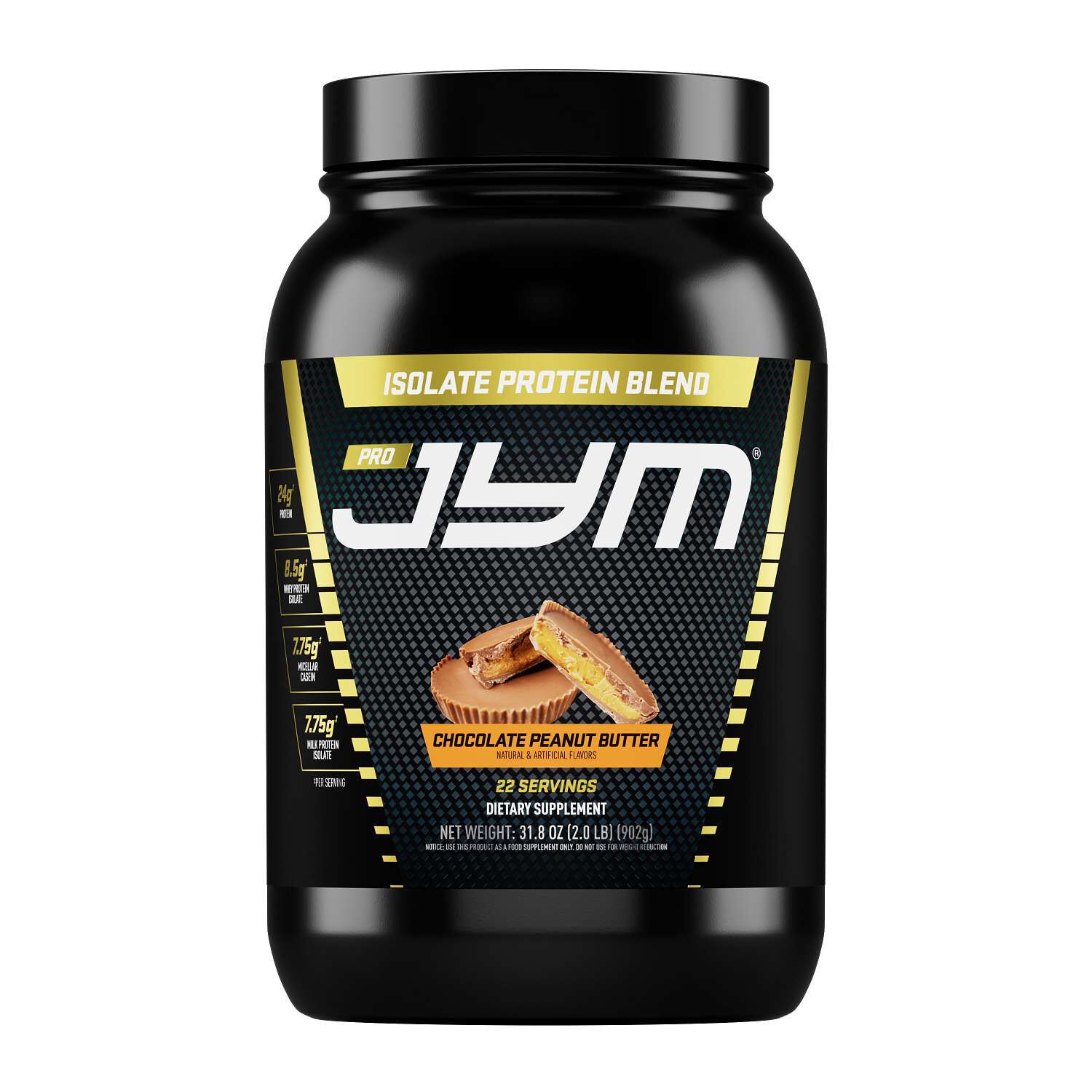


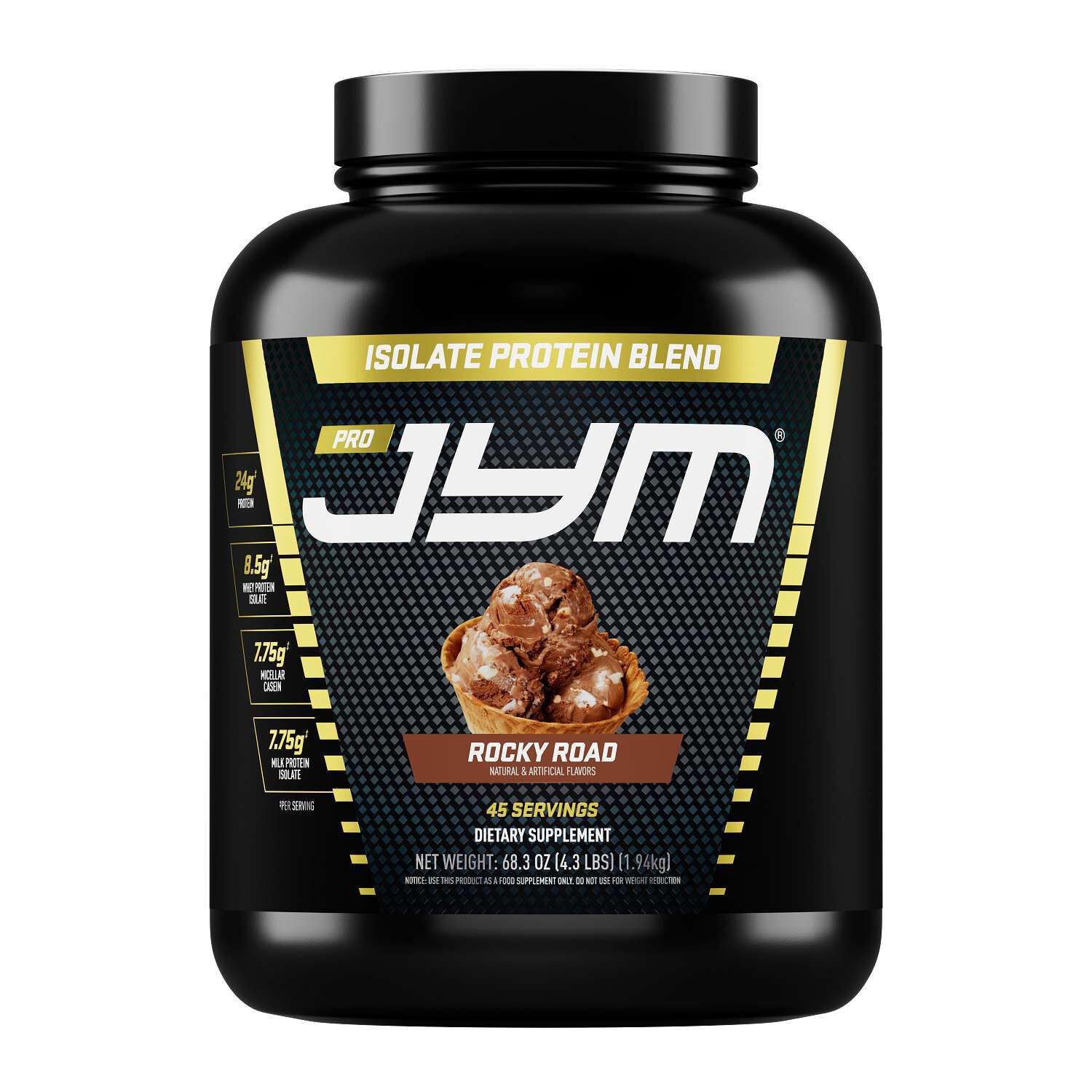
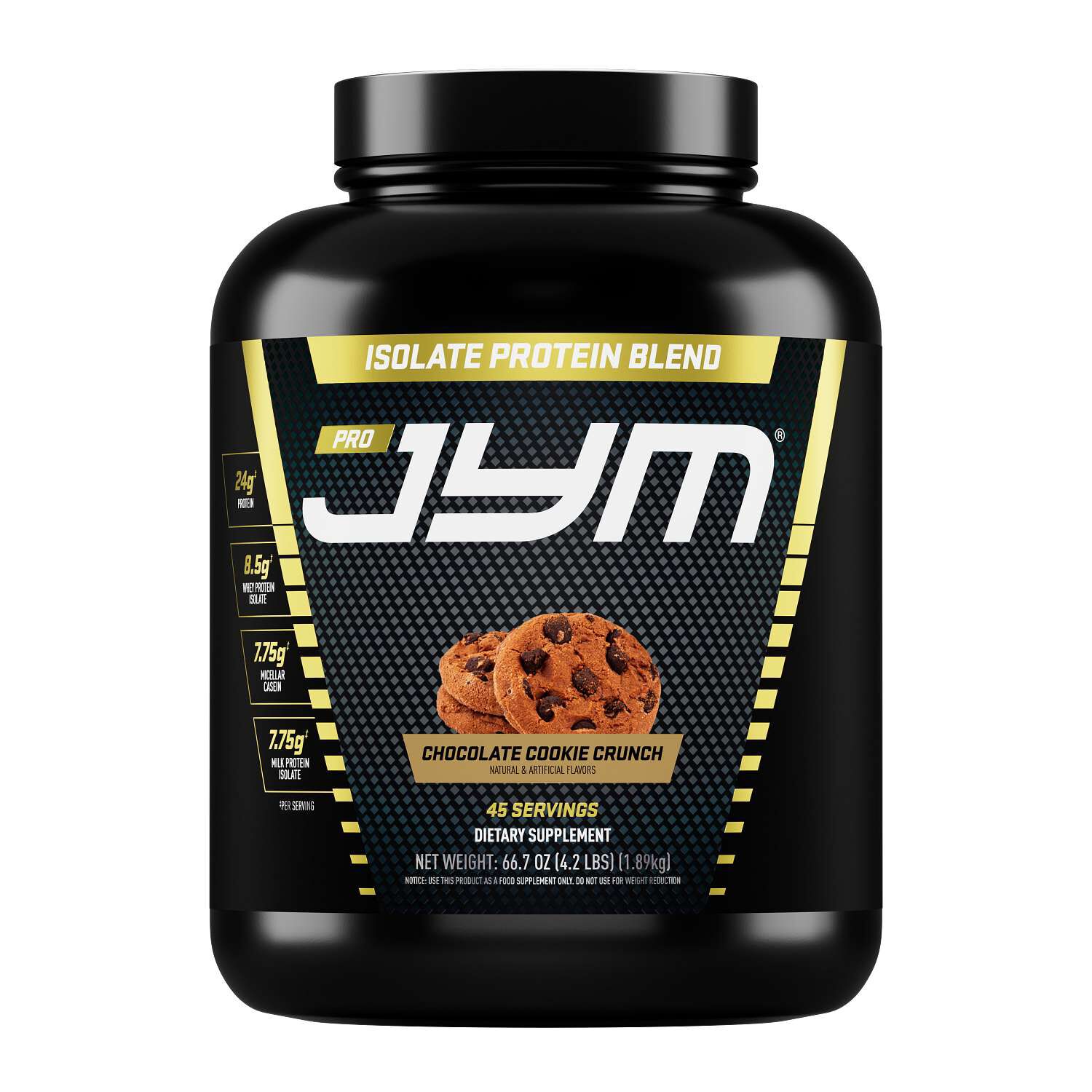
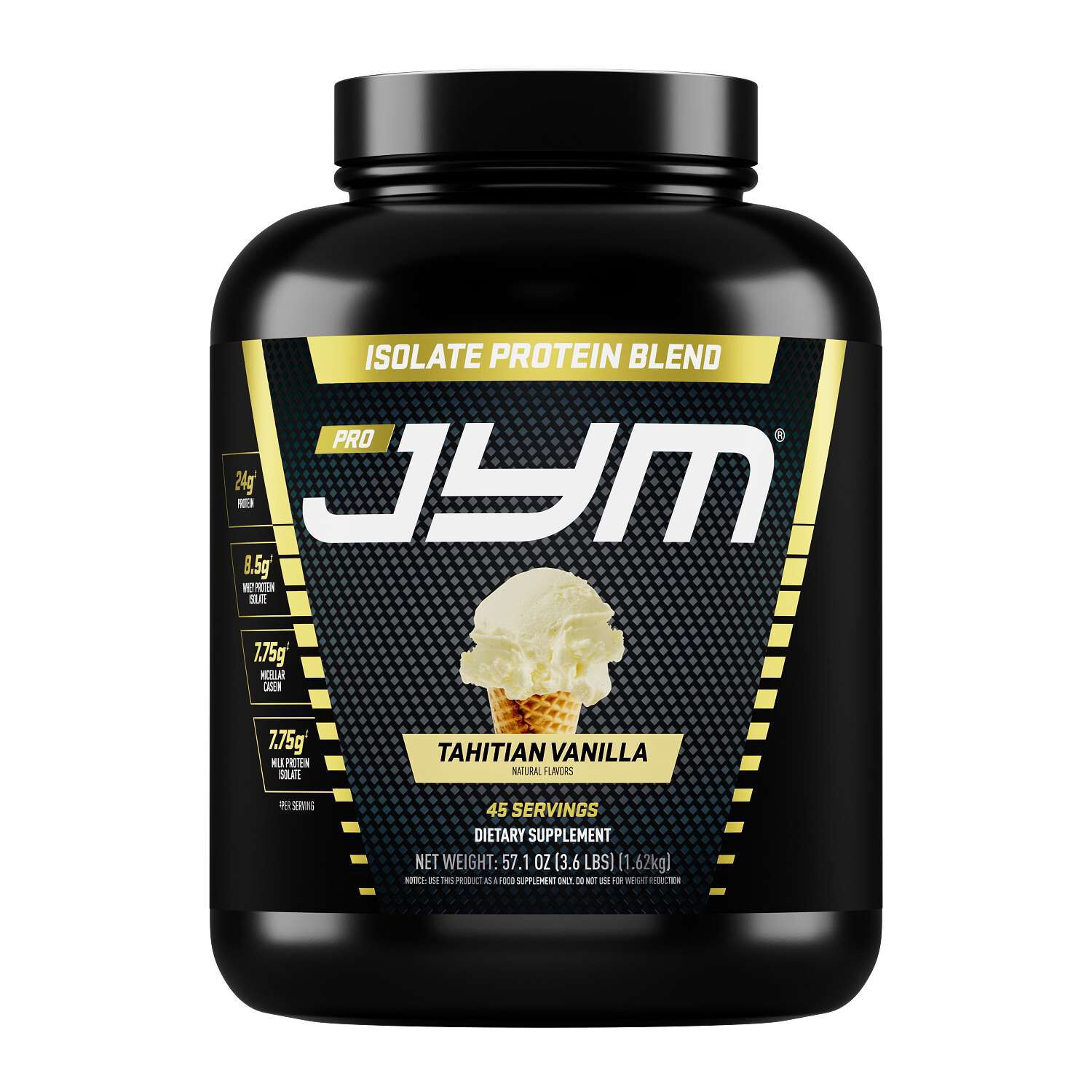
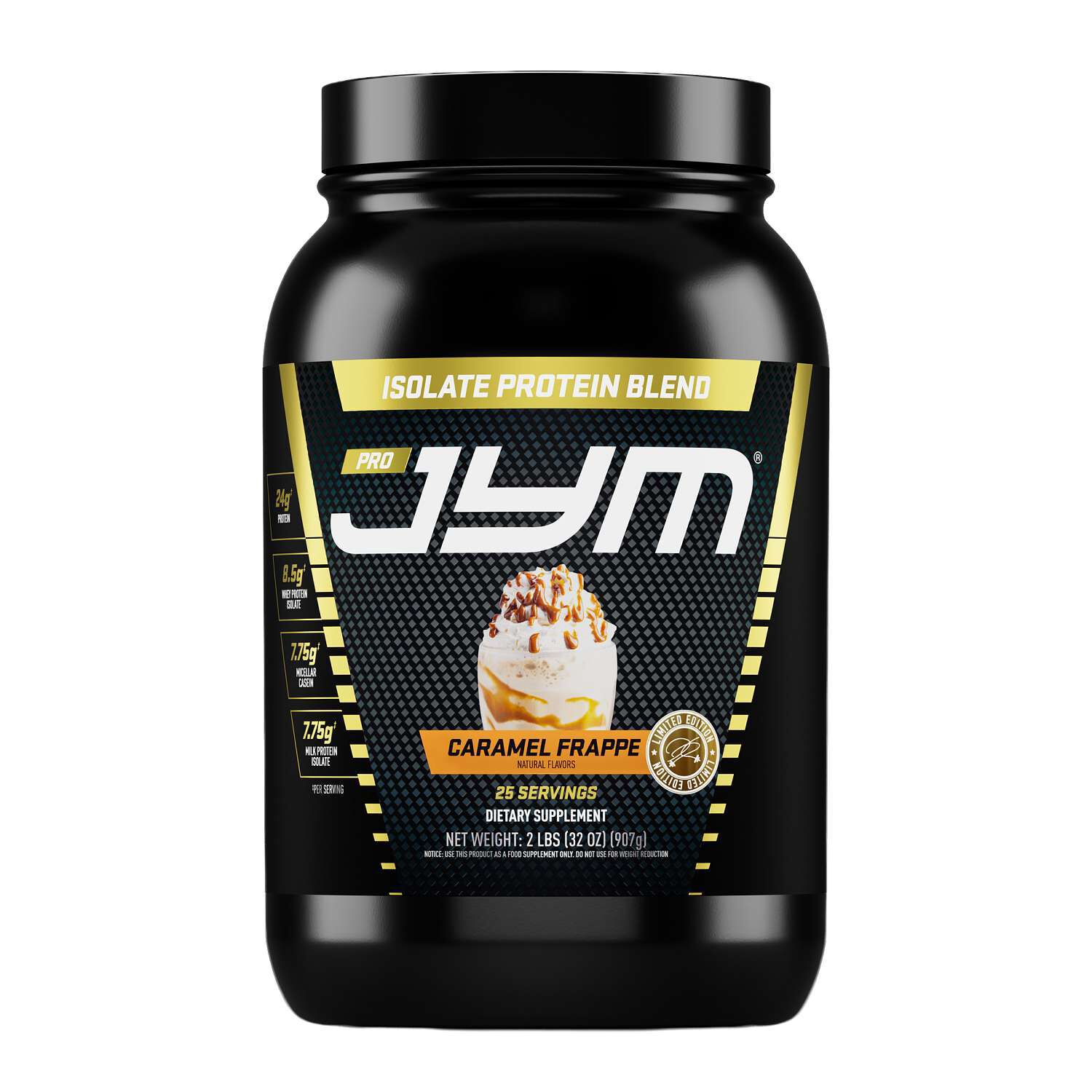

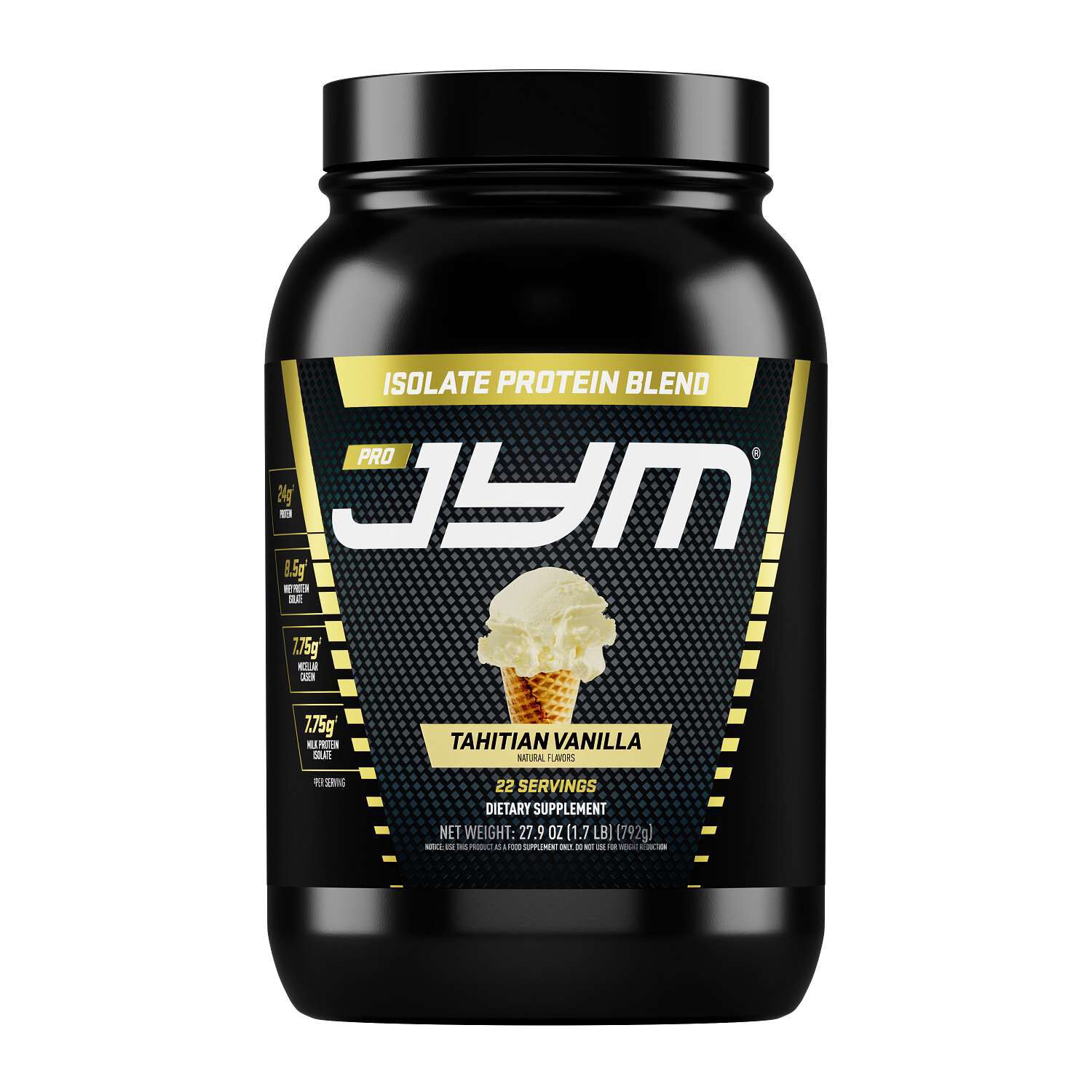
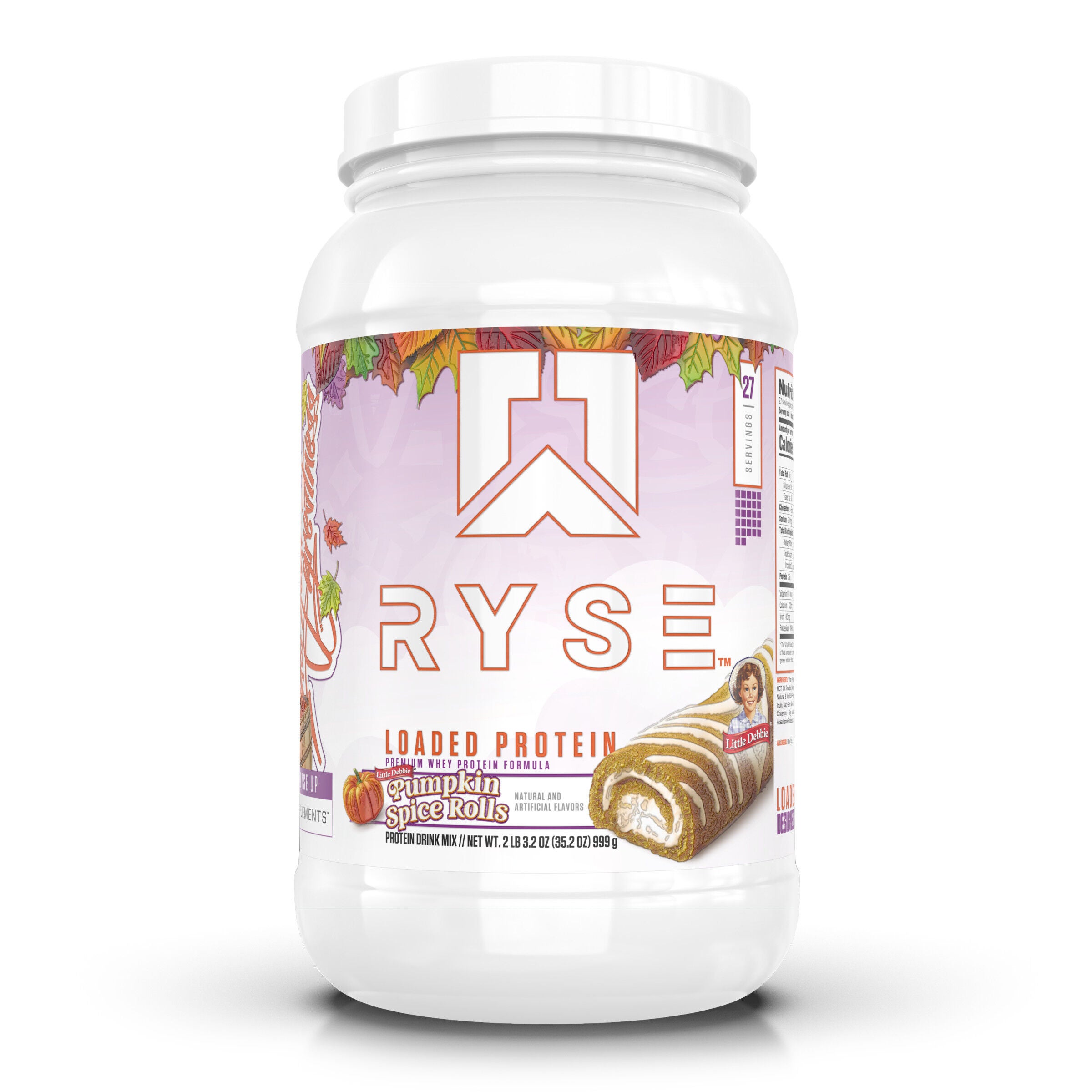
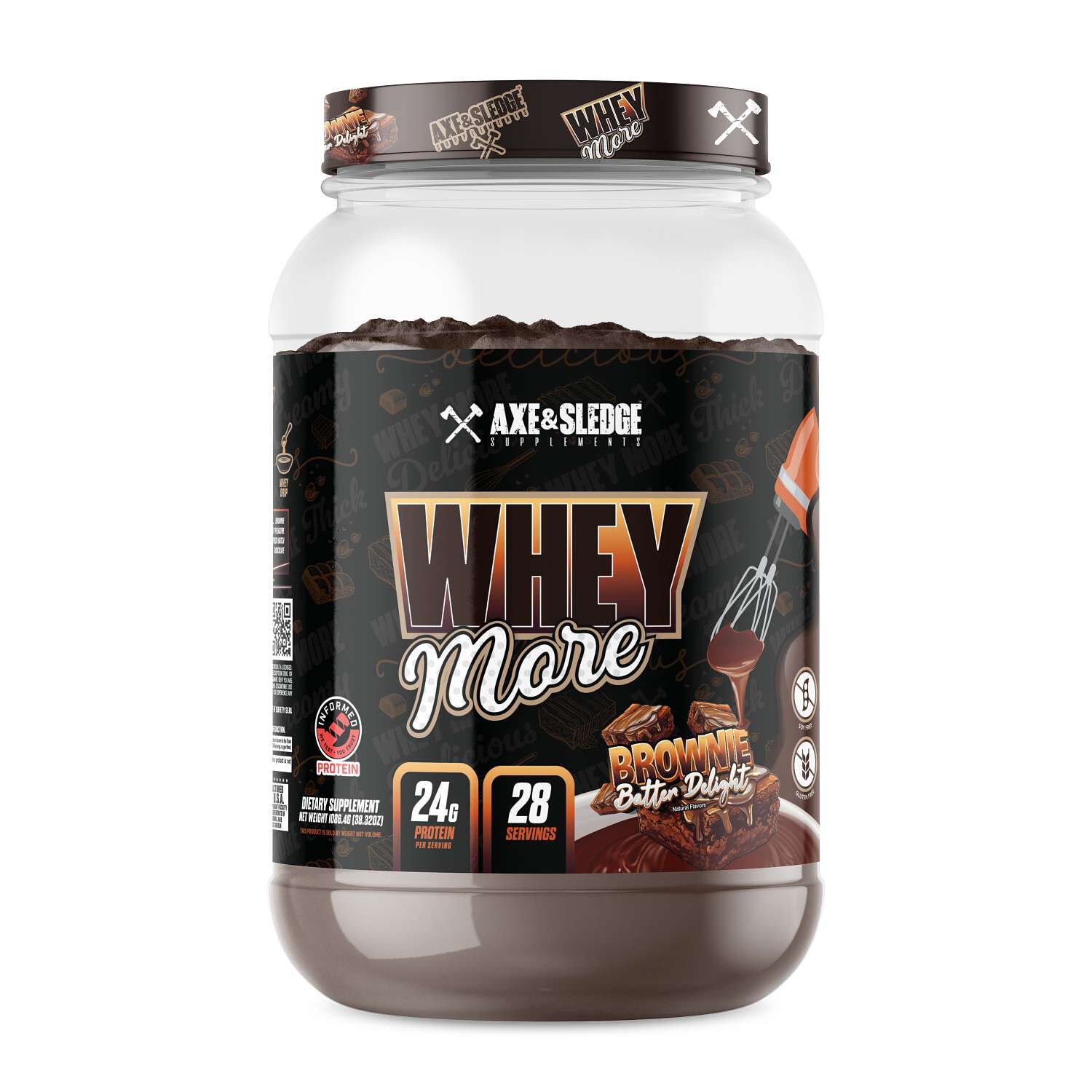
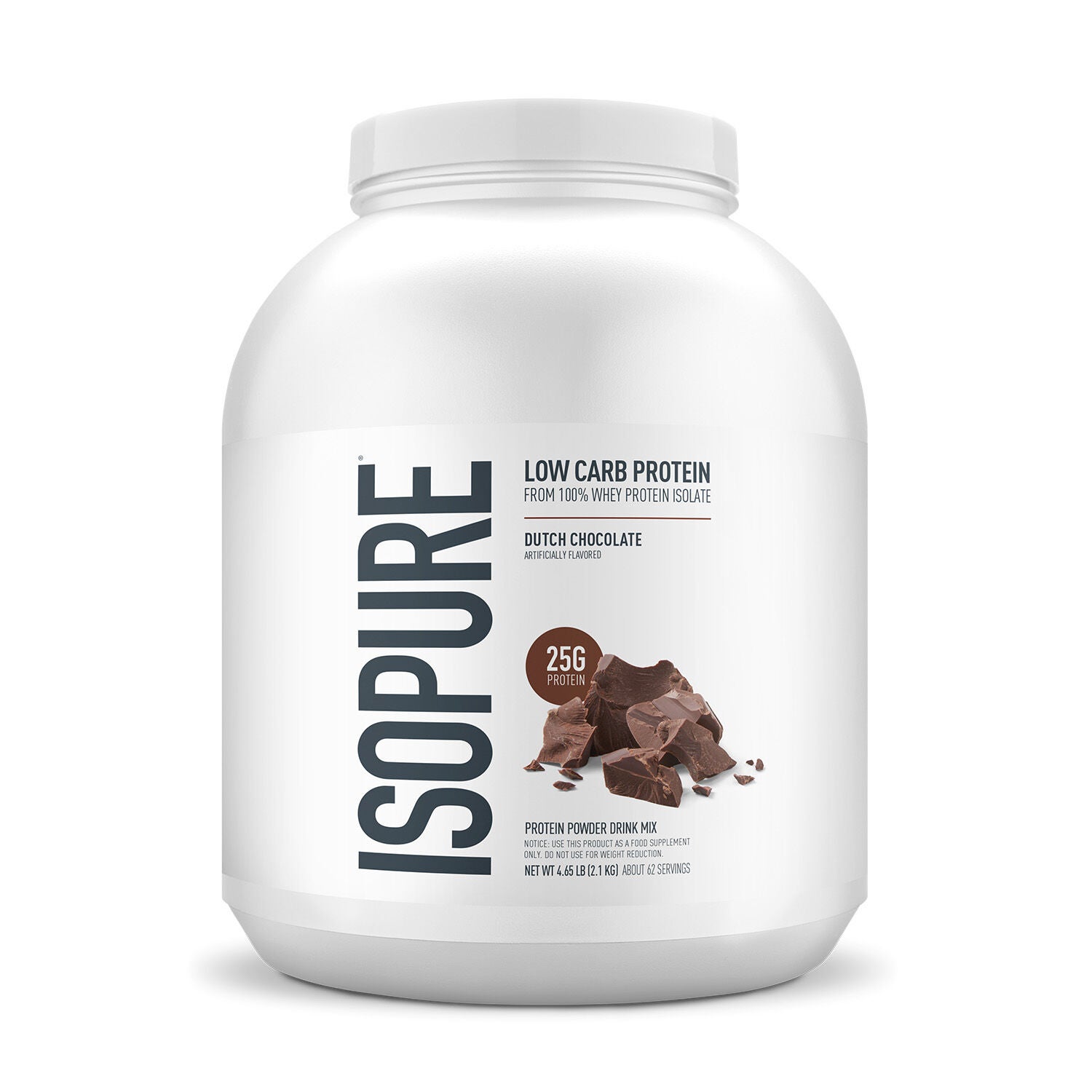
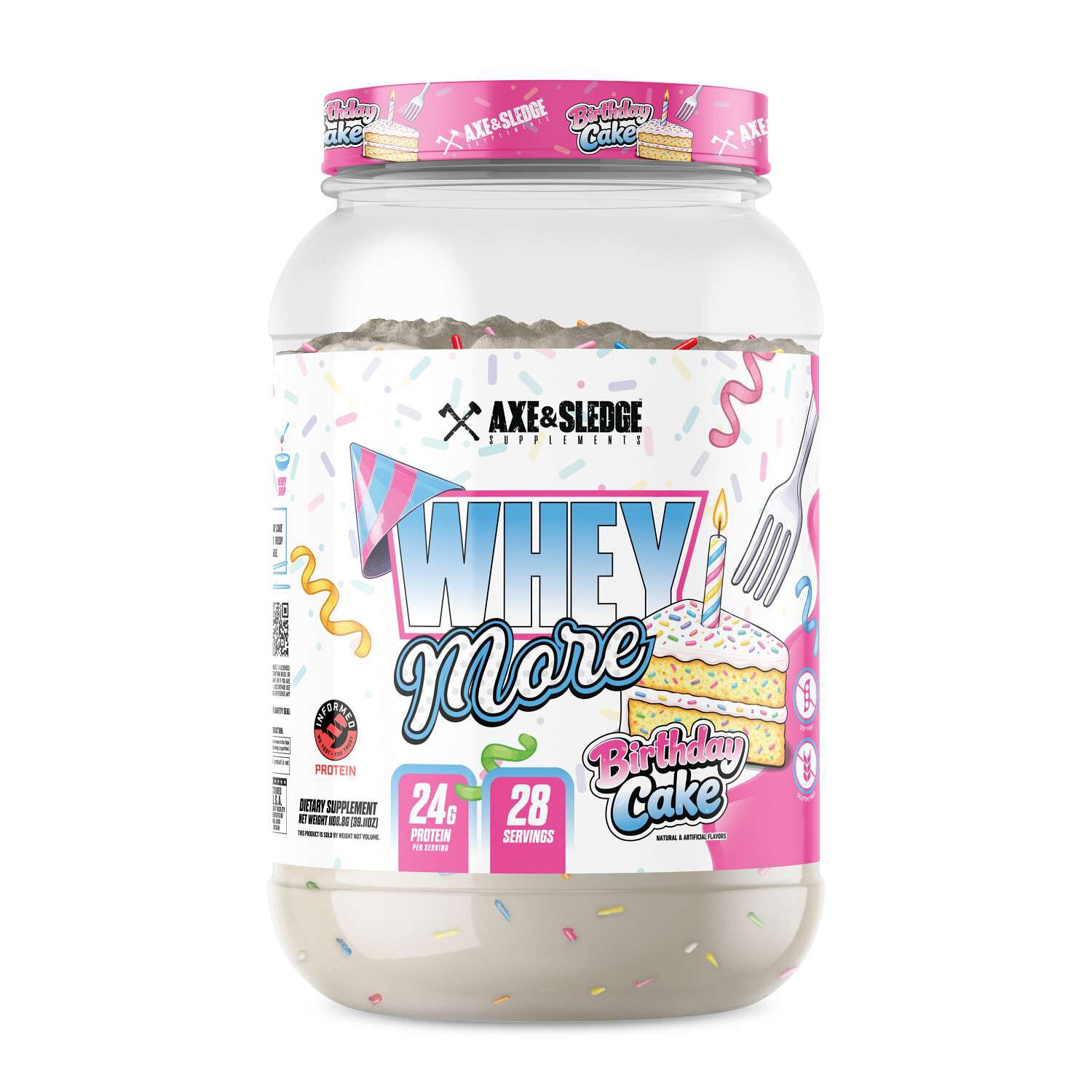
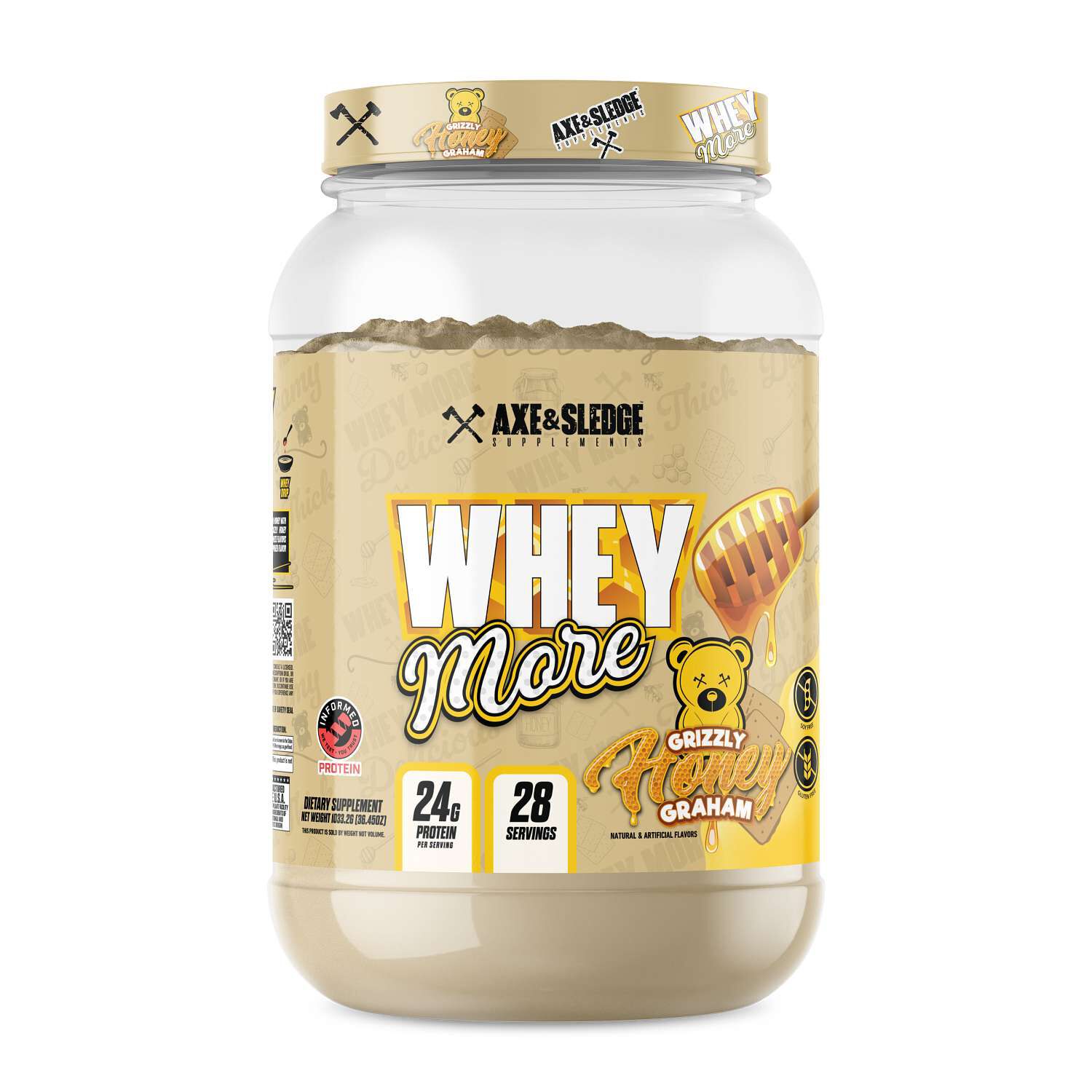
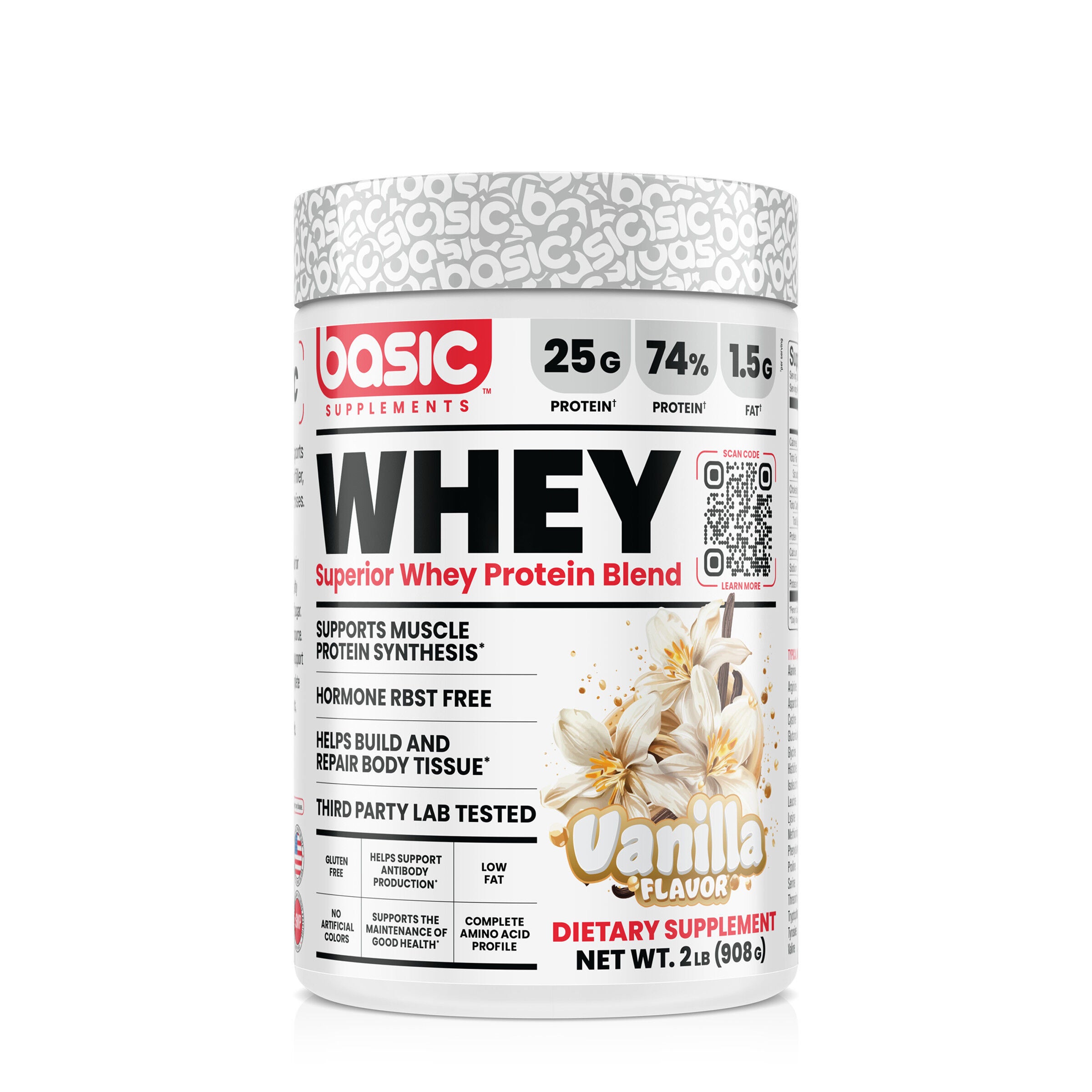

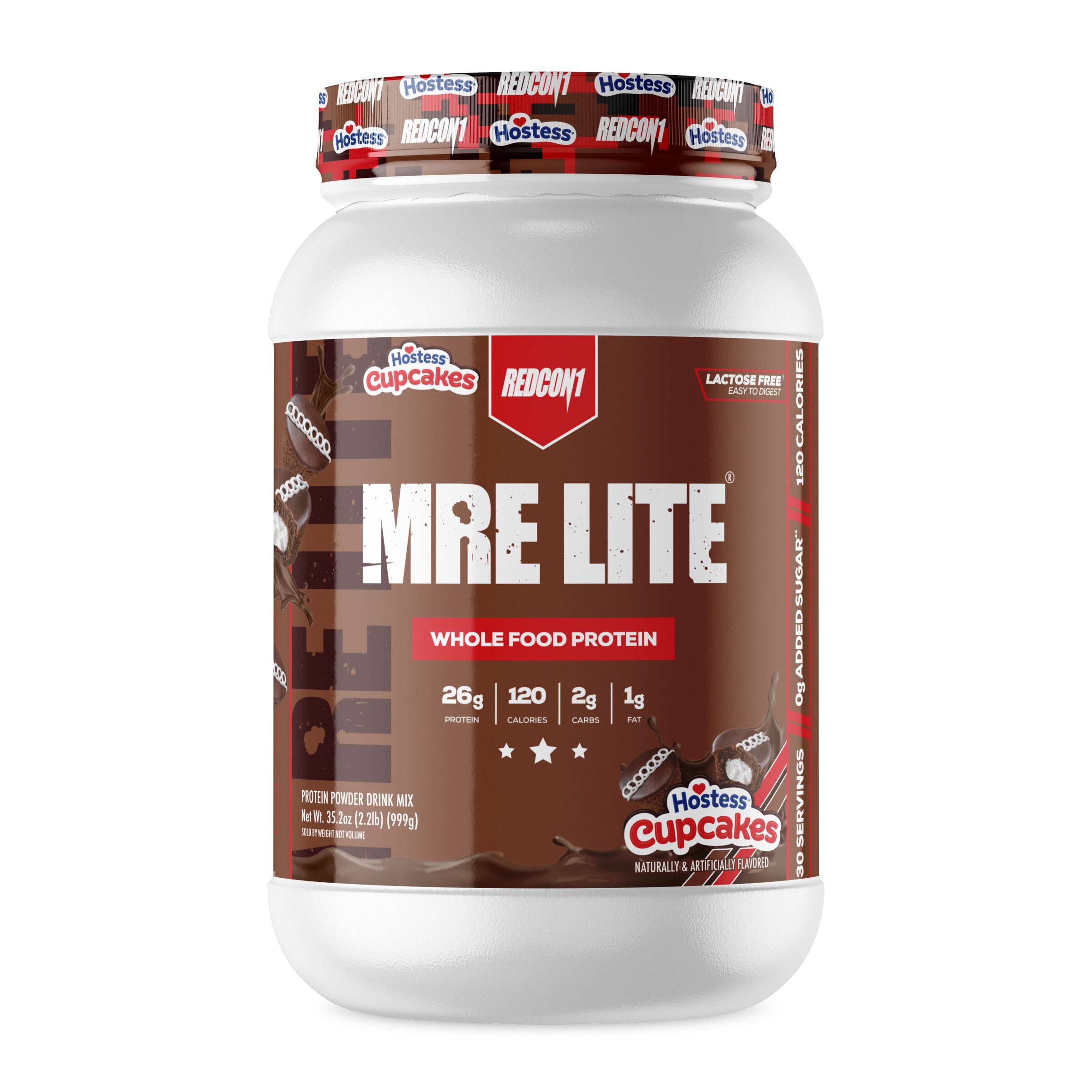
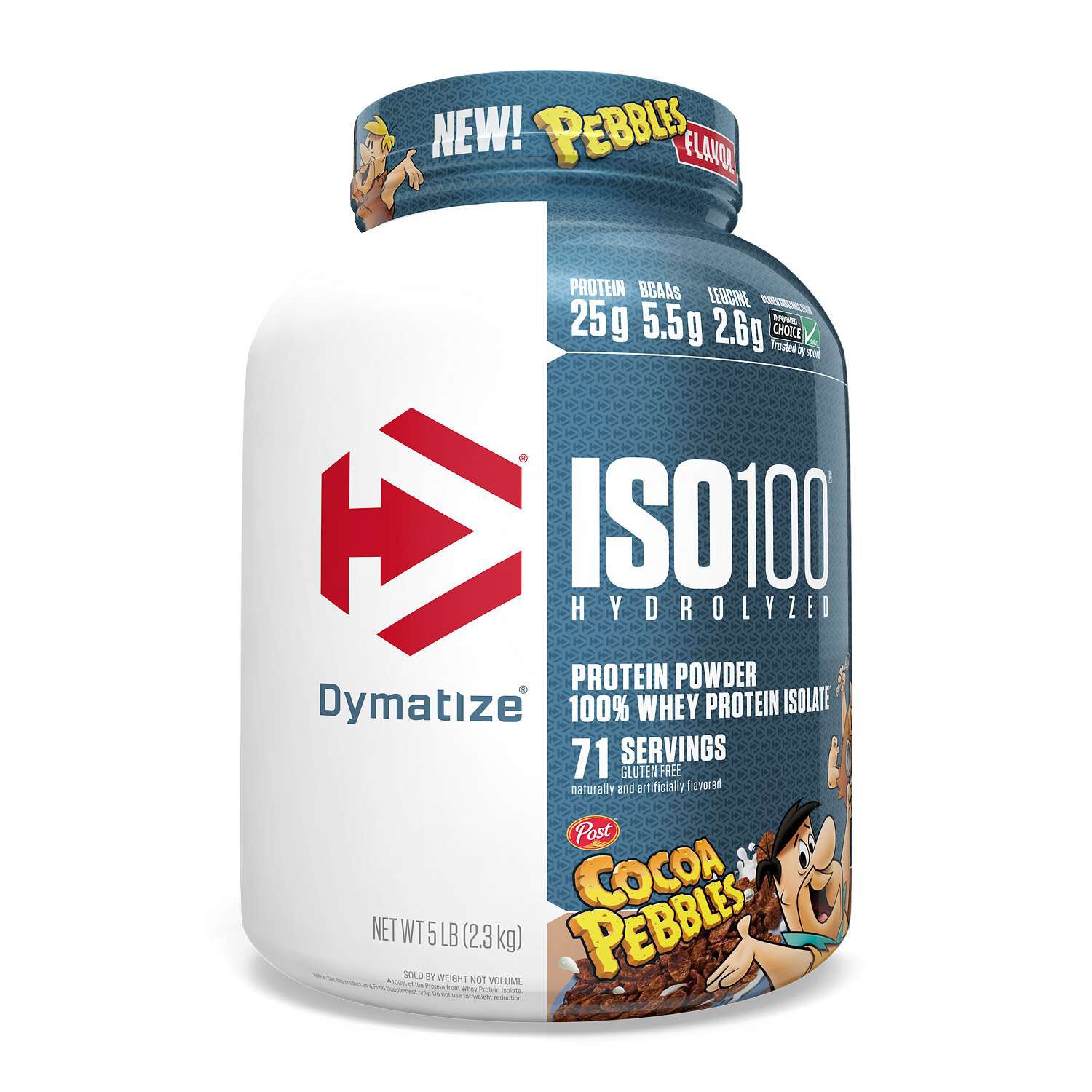
High-quality milk protein powders bring dairy-based protein into a format that fits a range of everyday routines, from a shake after an afternoon workout to a scoop stirred into breakfast. The category includes whey protein, casein protein, and blends containing both, with differences in processing, texture, flavor, and preparation. Whey and casein are the two main proteins naturally present in milk, and both contain all nine amino acids that the body cannot make on its own. Whey may be digested more quickly than casein, while casein may provide a more gradual release of amino acids. Those differences make protein type a useful starting point, but quality also depends on clear labeling, ingredient transparency, and suitability for the intended use. Whey concentrate retains varying amounts of milk’s carbohydrates and fat alongside protein. Whey isolate undergoes additional filtration and generally contains a higher proportion of protein by weight, with less fat and lactose than concentrate. Milk protein concentrate and milk protein isolate contain both whey and casein, rather than only the whey portion of milk. A blend may combine several dairy protein ingredients, so the ingredient list offers more detail than the front label alone. For a straightforward comparison, consider protein grams per serving alongside serving size, calories, carbohydrates, fat, and the number of scoops required. A larger scoop does not necessarily indicate a more concentrated protein powder. Likewise, isolate is not automatically the best match for every person or every recipe. Someone who enjoys a rich breakfast smoothie may favor a different formula than someone who prefers a lighter shake mixed with water. High quality is most useful as a description of a well-made, clearly labeled powder that suits a particular routine, rather than a single protein type or an impressive phrase on a container. The details on the label make those distinctions easier to understand.
Flavor and texture matter because milk protein powder often becomes part of something prepared repeatedly. A vanilla powder can pair with oats, cinnamon, or frozen peaches, while chocolate works naturally with banana, peanut butter, or a chilled coffee mixture. Unflavored options offer flexibility for people who prefer to choose their own sweetness, though unflavored does not mean tasteless; dairy notes can still come through, especially when the powder is mixed with water. Sweeteners, cocoa, flavorings, gums, and other ingredients all contribute to the finished drink. A short ingredient list may appeal to someone seeking a simple recipe, while a more developed formula may suit someone who values a particular consistency or dessert-style flavor. Neither approach establishes quality by itself. Whey powders often produce a lighter drink, while casein-containing formulas tend toward a thicker texture, particularly after standing. The amount and temperature of the liquid, mixing method, and other ingredients also influence the result. Water keeps preparation simple and leaves more of the powder’s flavor exposed. Milk adds its own protein, carbohydrates, and texture, while plant-based beverages vary considerably in composition and sweetness. Following the package’s mixing directions provides a practical starting point before adjusting liquid to suit personal taste. A shaker bottle works for a simple powder-and-liquid combination; a blender is more appropriate when fruit, oats, or nut butter are part of the recipe. For oatmeal or other warm foods, preparation instructions matter, since adding powder directly to very hot liquid can cause clumping. Mixing a small amount with cooler liquid first may produce a smoother result when the recipe allows. During the cooler months, familiar flavors such as cocoa and cinnamon fit naturally into breakfast bowls without requiring a change in the underlying routine. People who prefer the convenience of a prepared drink can also explore Milk Protein Shakes, a related format with its own serving sizes, ingredients, and storage directions.
Intended use helps put the rest of the label into perspective. Milk protein powders may offer a convenient way to add protein to an eating routine, whether the setting is a kitchen before work, a campus apartment, or a gym bag packed for an evening session. They are not interchangeable with a varied meal simply because they contain protein; the accompanying ingredients and the rest of the meal still matter. A powder blended with fruit and oats has a different nutritional profile from the same serving shaken with water. People who exercise regularly may value a portable mixing routine, while home cooks may care more about how a formula behaves in yogurt, batter, or a breakfast bowl. For households with more than one user, individual flavor preferences and dietary requirements deserve attention rather than assuming a single container suits everyone. All milk protein powders are dairy-derived, including whey isolate, and they are not appropriate for someone who must avoid milk proteins. Lower lactose content does not mean lactose is absent, so ingredient information and any stated lactose content remain important. Sourcing descriptions, such as grass-fed, describe aspects of the milk supply rather than establishing how much protein a serving contains or how the powder will taste. Where independent testing or certification is stated, the named organization and the scope of its assessment provide more useful context than a general quality slogan. Care after purchase also deserves consideration. Keep powder in its original, tightly closed container and follow the labeled storage directions, typically in a cool, dry location away from excess heat and moisture. Use a clean, dry scoop, avoid leaving an open container beside a steaming kettle, and observe the printed date and any directions for use after opening. A dry powder and a prepared shake have different storage needs, so follow the package instructions for each. Taken together, protein source, nutritional composition, flavor, mixing performance, and careful storage provide a grounded way to compare high-quality milk protein powders for everyday use.
Best Sellers


Related Pages


Top Collections
- Daily Collagen Supplements | Top Brands & Deals | GNC
- Natural Collagen Supplements | Top Brands & Deals | GNC
- Top Rated Collagen | Shop Customer Favorites | GNC
- Cortisol Supplements
- Vitamins For Hair Loss
- Spirulina Tablets
- NAD+ Supplement Tablets
- Peptide Supplements
- Best Brand of Magnesium Glycinate
- Vitamins That Help Support Weight Gain