Protein Shake Alternatives
(0 Results)
Exploring protein shake alternatives opens up a variety of options for those looking to support their nutrition goals in new ways. Whether you’re interested in plant-based blends, ready-to-drink options, or convenient powders, there are plenty of choices available to fit different preferences and lifestyles. Discover protein shake alternatives that may work for your routine, offering versatility and flexibility for your daily nutrition needs.
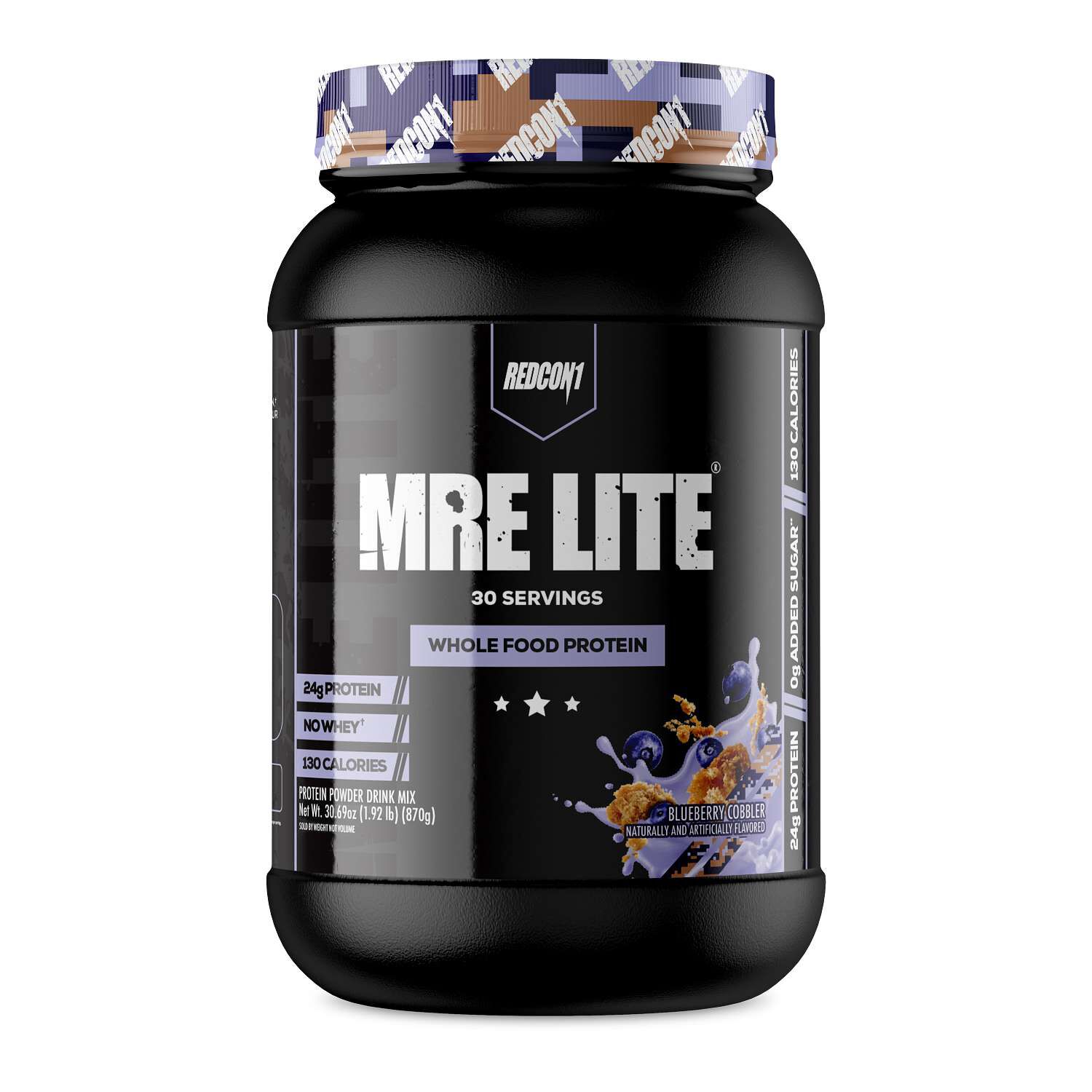
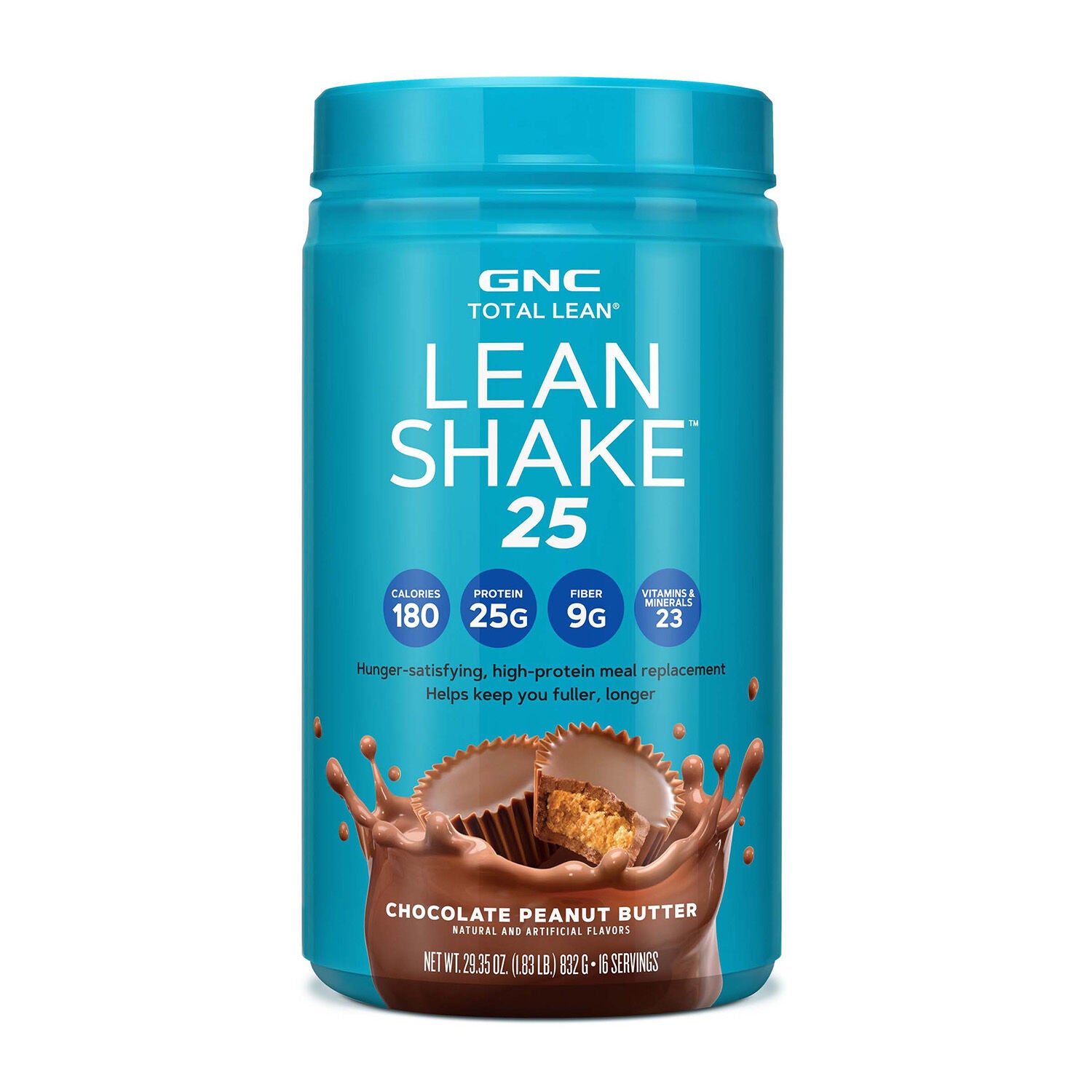


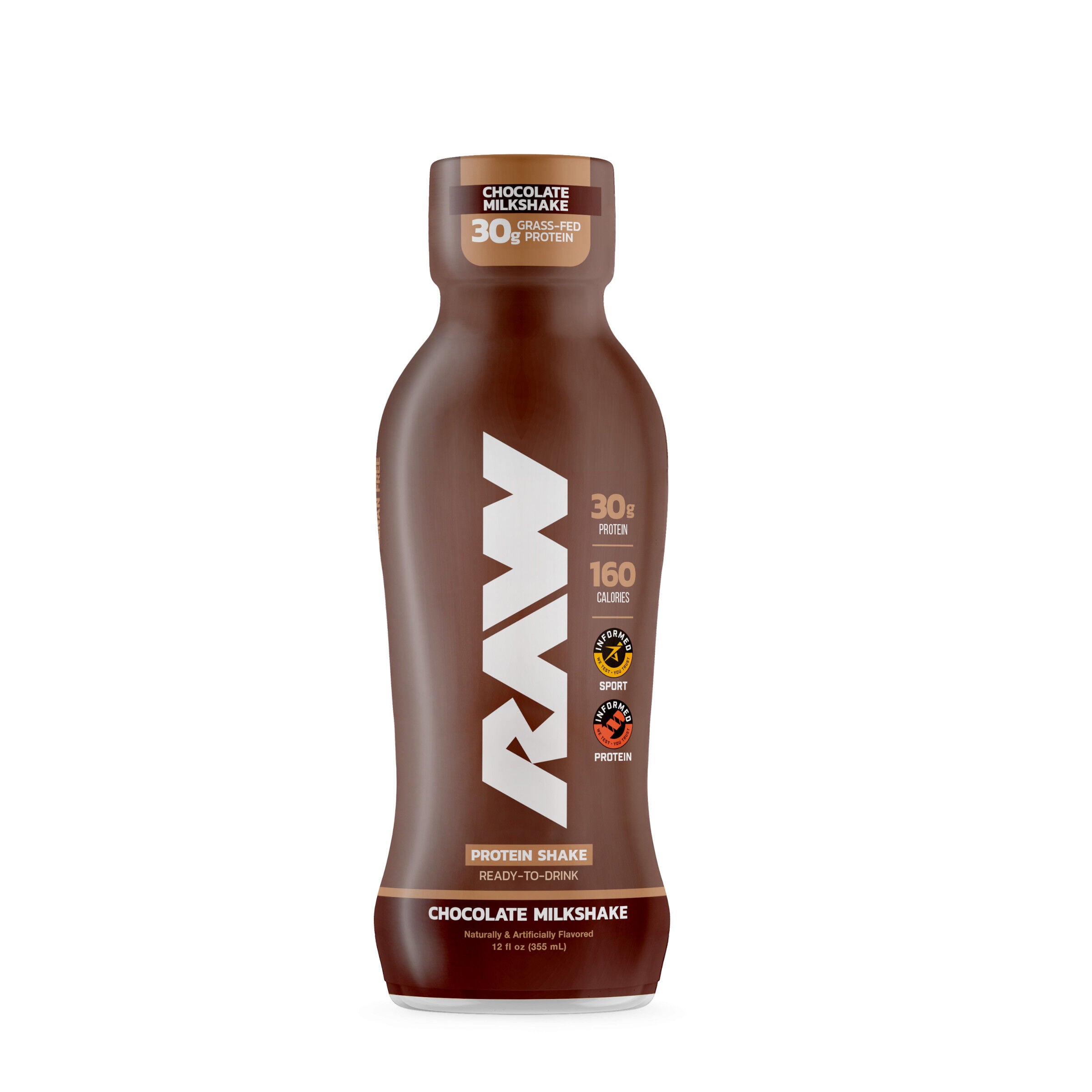
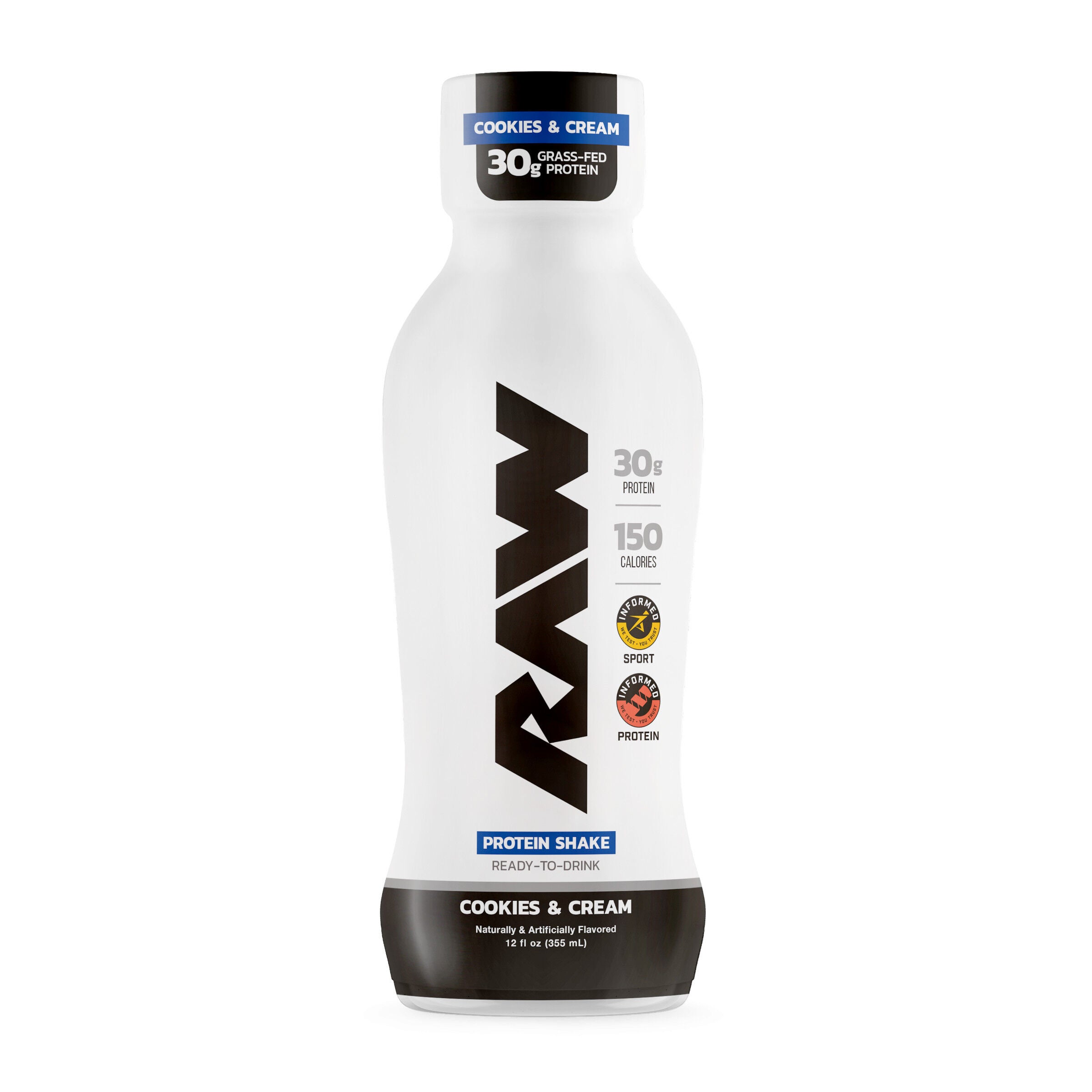


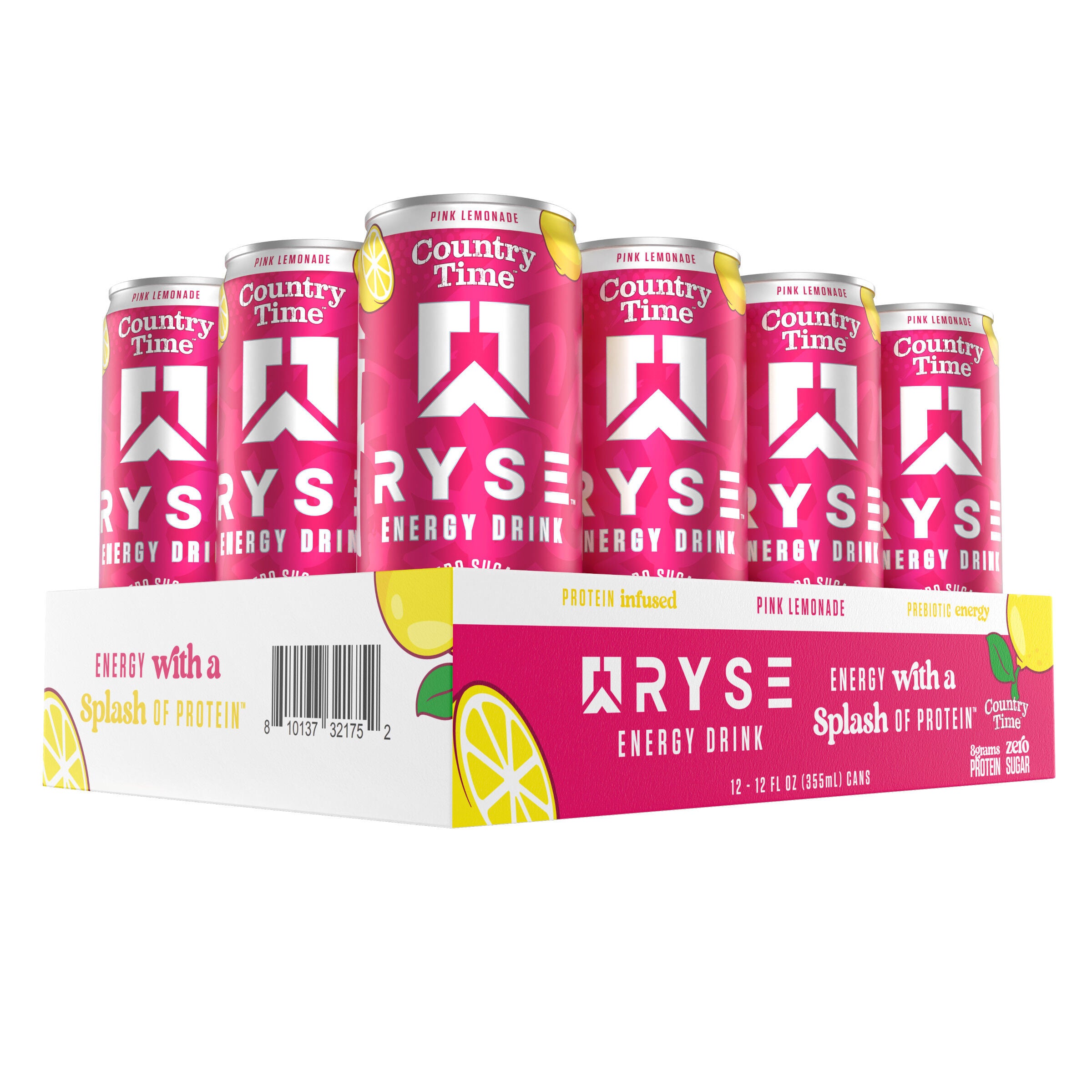


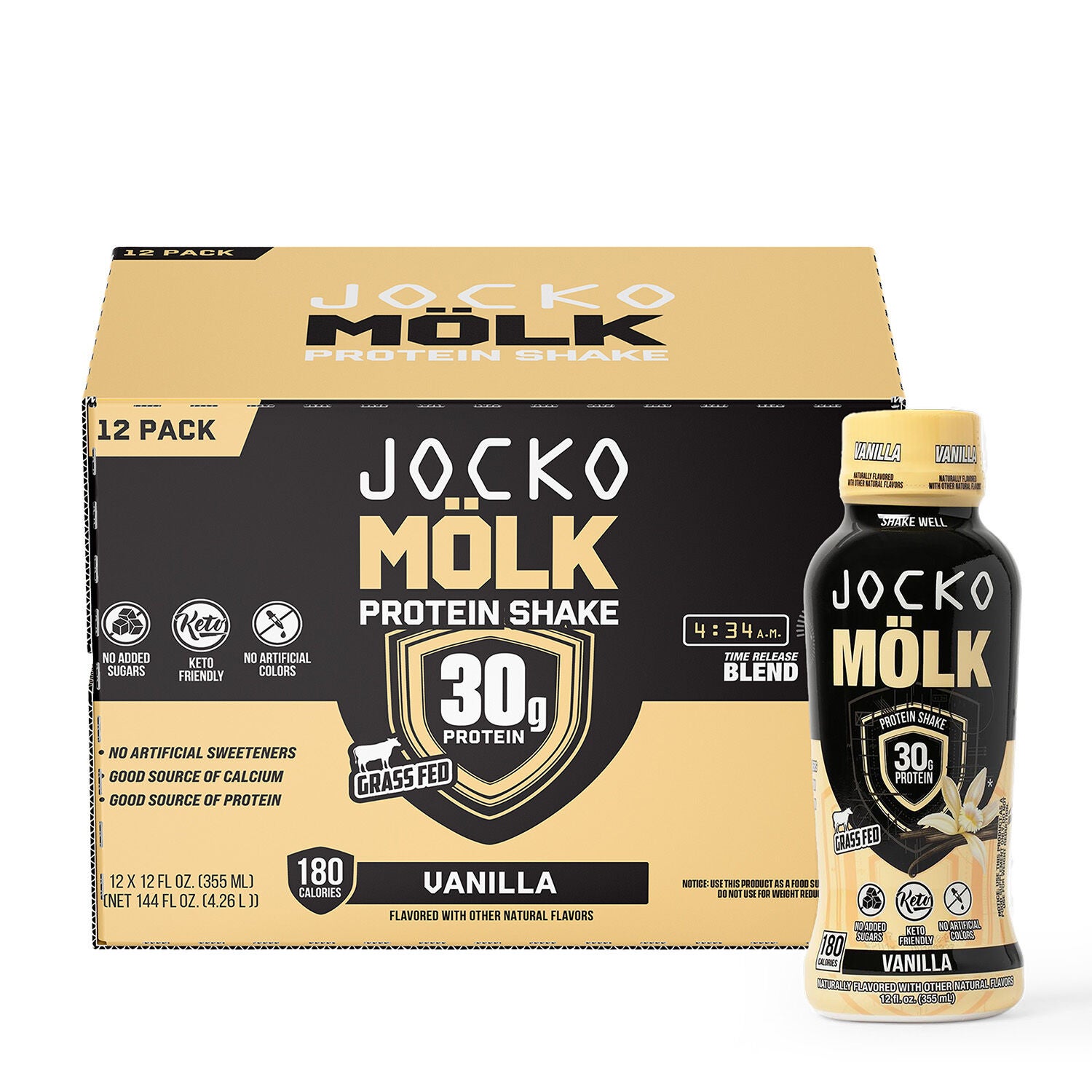
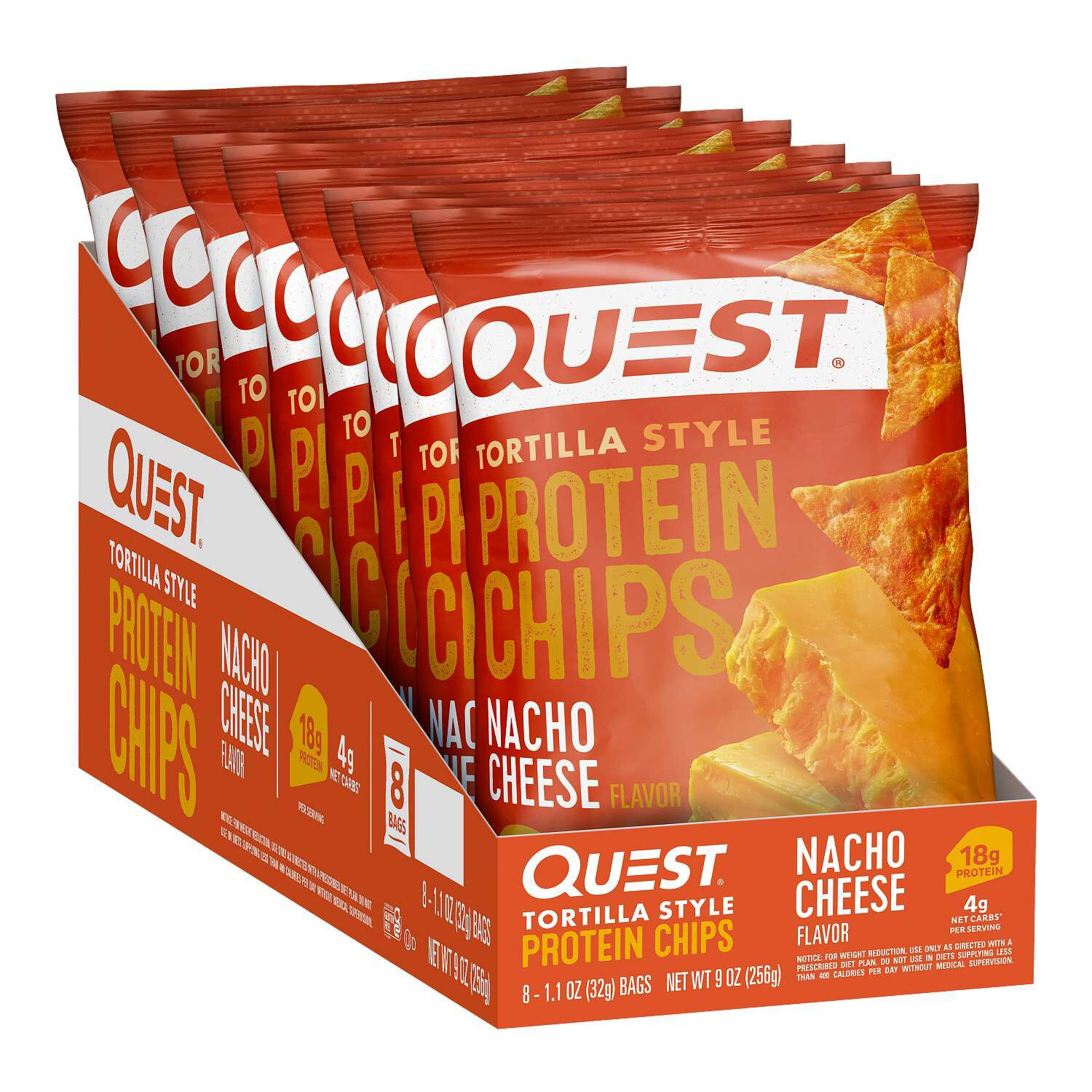
Protein shake alternatives include protein bars, roasted legumes, nut butters, savory protein snacks, high-protein dairy foods, and drinks made with familiar food ingredients rather than protein powder. These formats offer different flavors, textures, and serving styles for shoppers who prefer something other than a traditional shake. A chewy bar, a spoonful of creamy yogurt, or a handful of crisp roasted edamame creates a different eating experience from sipping a blended beverage. Some alternatives are ready to eat straight from the package, while others pair naturally with fruit, crackers, oats, or a meal. The distinction matters because an alternative does not have to look or taste like a shake to belong in a protein-focused routine. Greek yogurt and cottage cheese contain protein from milk, while eggs, poultry, and fish provide food-based options with savory flavors. Plant-based choices include soy foods, chickpeas, nuts, seeds, and products made with pea or soy protein. Protein amounts vary by food, recipe, and serving size, so similar-looking portions are not necessarily comparable. A nut butter packet, for example, has a different nutrient profile from a dairy-based bar or a serving of roasted soybeans. Bars often combine a protein ingredient with grains, nuts, sweeteners, or a coating, creating textures that range from soft and doughy to crisp and layered. Savory alternatives bring variety through roasted, toasted, or dried textures, especially for shoppers who do not want another chocolate or vanilla flavor. Food-based smoothies remain an option for those who enjoy a drink but prefer milk, yogurt, fruit, oats, or nut butter as the starting ingredients. Protein-containing coffee drinks offer another beverage format, with caffeine content as a separate label consideration. Across these categories, the common thread is protein in a format that may fit a particular appetite, schedule, or preference more comfortably than a standard shake. The appeal is as much about the eating experience as it is about the protein amount printed on the package.
Choosing among protein shake alternatives often comes down to the details that distinguish one food format from another: protein source, portion size, ingredient composition, flavor, texture, and storage requirements. A bar made with whey or milk protein differs from one made with soy or pea protein, even when the labeled protein amounts are similar. Nuts and seeds contribute their own texture and fat content, while oats and other grains add a more cereal-like character. Coatings, dried fruit, and sweeteners change the balance between dessert-like flavors and a milder snack profile. Nutrition Facts panels provide a consistent place to compare protein, carbohydrates, fiber, fat, and added sugars, with serving size kept in view. One package may contain more than one serving, and a smaller portion does not necessarily match the protein content of a larger drink. Ingredient lists also distinguish a short, food-centered recipe from a layered snack with several components. Milk, eggs, soy, peanuts, and tree nuts appear in many alternatives, making ingredient and allergen information relevant to household preferences and requirements. Dietary labels deserve the same attention: a plant-based appearance or nut-forward flavor does not, by itself, establish that every ingredient matches a vegan eating pattern. Packaging and care are practical differences, too. Individually wrapped bars and sealed snack pouches lend themselves to a desk drawer or gym bag when their storage directions allow it. Yogurt, cottage cheese, prepared smoothies, and many other food-based options require refrigeration. Nut butter packets offer portioned packaging, while jars suit repeated use at home and have their own instructions after opening. Resealable containers make it possible to portion snacks across several occasions, although freshness still depends on proper closure and storage. Texture matters during transport as well: delicate coatings and crumbly pieces behave differently from dense bars or sturdy roasted snacks. These differences shape how a protein shake alternative fits into everyday use, beyond the front-of-package description. A format that works neatly at a kitchen table may be less convenient during a commute, while a compact snack may suit a short break better than a cup that needs a spoon.
Everyday settings give protein shake alternatives their practical appeal. At a desk, a wrapped bar creates a different kind of snack break from a shaker bottle, with no mixing or blending involved. In a lunch bag, a chilled yogurt cup pairs with berries or oats, while cottage cheese offers a savory direction alongside vegetables or crackers. For a commute or a day of errands, compact packages may be easier to accommodate than a drink container, provided the food is stored as directed. A portion of roasted chickpeas brings a crisp bite, nut butter pairs with apple slices, and a savory snack provides contrast when sweet flavors start to feel repetitive. After an exercise session, some shoppers prefer to sit down with food rather than drink a shake; others want a beverage but would rather use yogurt or milk as its base. Neither preference makes every alternative interchangeable. A small snack, a substantial bar, and a food-based smoothie differ in portion size and nutrient composition, and the protein amount alone does not describe the whole eating occasion. Breakfast pairings, afternoon snacks, and additions to a packed lunch each call for a different balance of convenience and substance. Households with varied tastes may appreciate a mix of chewy, creamy, crunchy, sweet, and savory formats rather than several versions of the same flavor. Individually packaged protein snacks may also suit a practical gift for someone who enjoys hiking, recreational sports, or keeping snacks at work, with familiar flavors and dietary preferences guiding the selection. Shoppers who still enjoy a drinkable format may also explore Protein Shakes With Natural Ingredients alongside solid-food choices. The most useful comparison is between formats that match the same occasion: a portable snack for a short break, a refrigerated food for lunch, or a beverage to sip at home. Protein shake alternatives bring that variety into focus, making room for familiar foods and packaged snacks without requiring every protein choice to come from a blender or shaker bottle.
- Q: What are some common alternatives to traditional protein shakes?
A: Common alternatives to traditional protein shakes include protein bars, high-protein yogurts, nut butters, cottage cheese, hard-boiled eggs, and plant-based protein snacks. These options can provide similar protein content in different formats for variety and convenience. - Q: Are there plant-based options for protein shake alternatives?
A: Yes, there are many plant-based protein shake alternatives such as protein bars made with pea or brown rice protein, roasted chickpeas, edamame snacks, tofu-based products, and nut or seed butters. These options cater to those following vegetarian or vegan diets. - Q: Can whole foods be used as a substitute for protein shakes?
A: Absolutely! Whole foods like Greek yogurt, cottage cheese, lean meats, eggs, nuts, seeds, and legumes are excellent sources of protein and can be used as substitutes for protein shakes to help meet daily protein needs. - Q: What are the benefits of choosing a protein shake alternative?
A: Protein shake alternatives can offer more variety in texture and flavor, may contain additional nutrients like fiber or healthy fats, and can be more satisfying for some people. They also provide options for those who prefer not to drink their calories or have dietary restrictions. - Q: How do I choose the best protein shake alternative for my lifestyle?
A: Consider your dietary preferences (such as plant-based), convenience needs (on-the-go vs. at-home), taste preferences, and any additional nutritional goals like added fiber or lower sugar. Reading ingredient labels and nutrition facts can help you select the best option for your routine.