Protein Supplement Alternatives
(0 Results)
Exploring protein supplement alternatives could be a great way to support your unique wellness goals. Whether you’re looking for plant-based options, different sources of protein, or new formats to fit your lifestyle, there are a variety of choices available. Protein supplement alternatives may offer flexibility for those with dietary preferences or specific routines, making it easier to find something that aligns with your needs. Discover the possibilities and see how protein supplement alternatives might fit into your daily regimen.



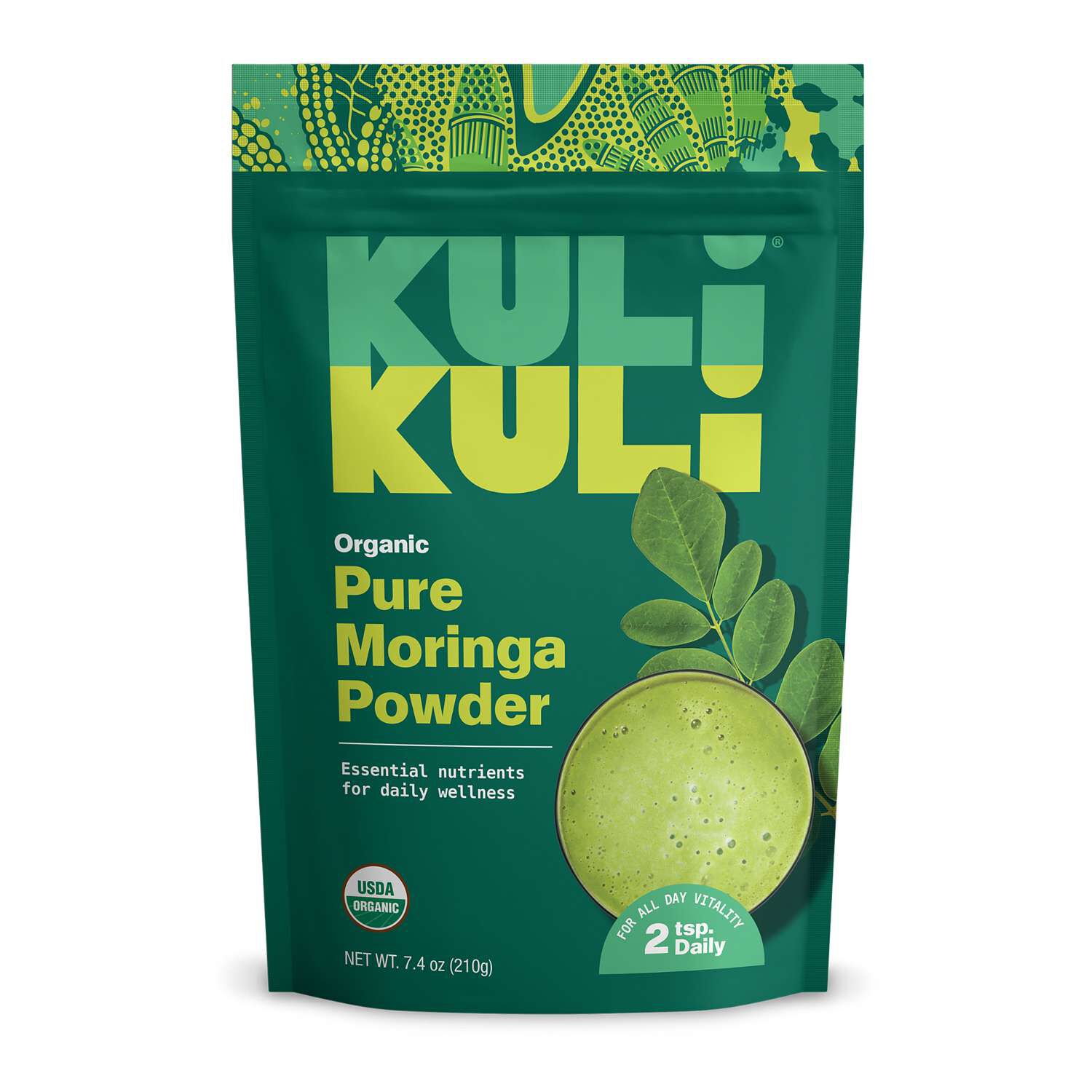
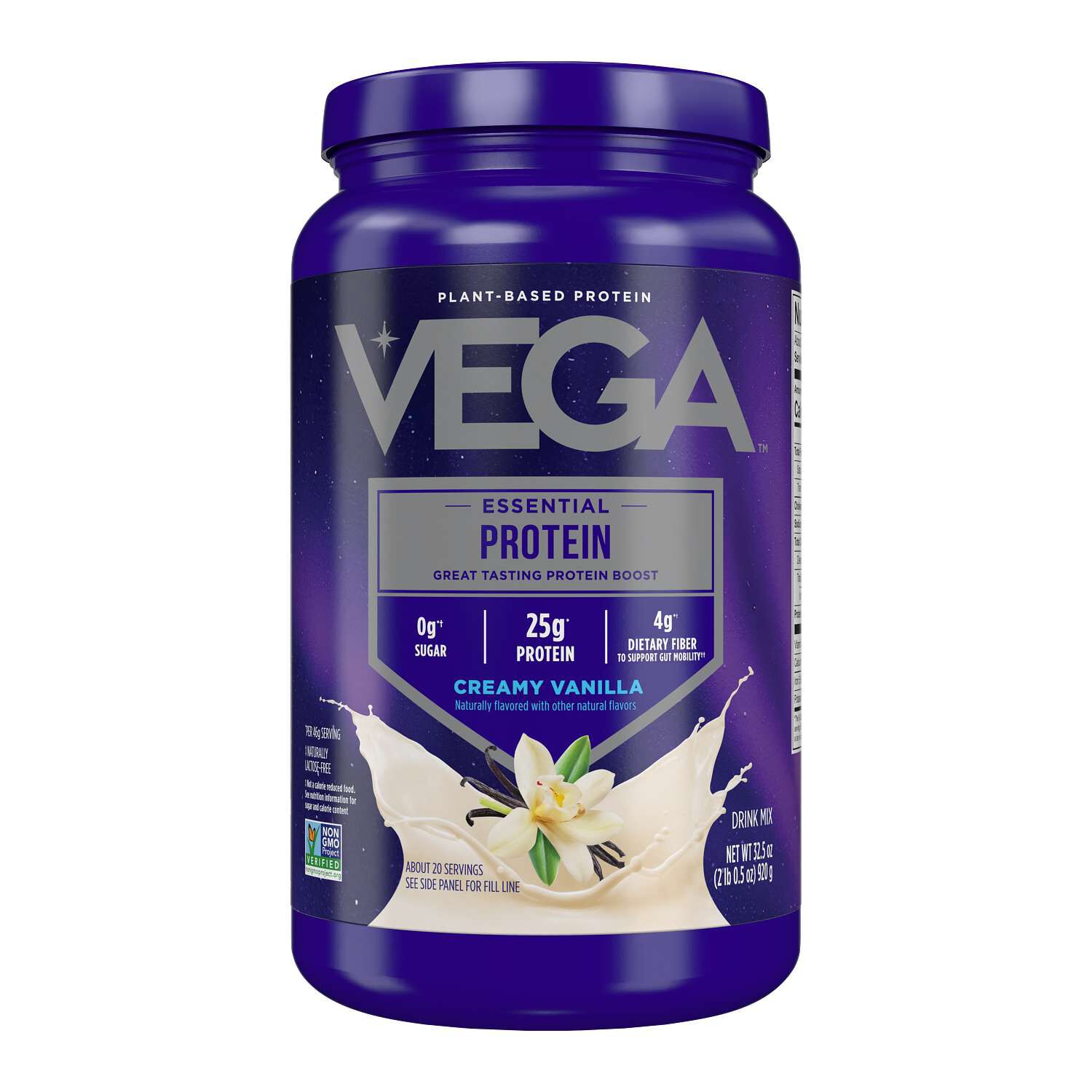


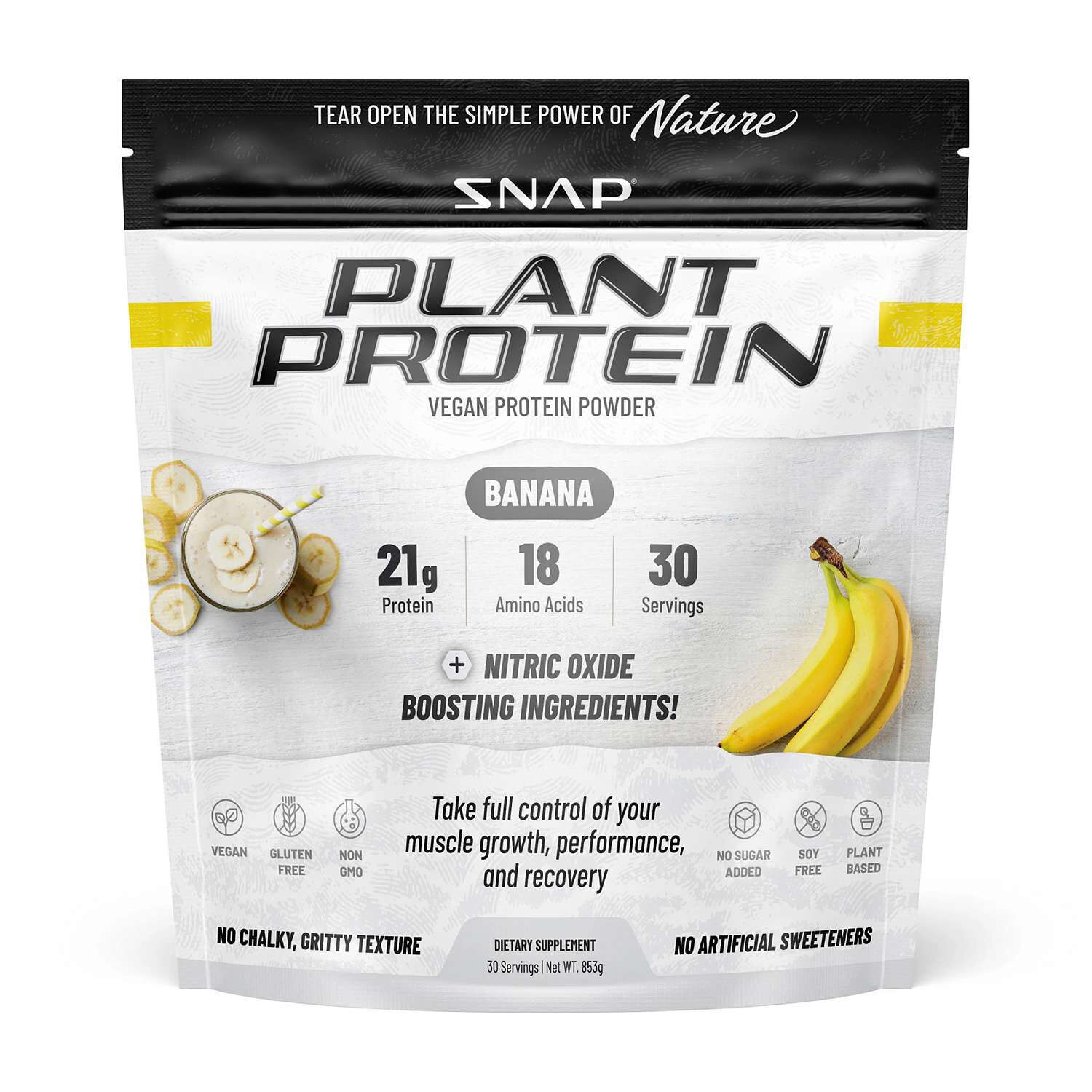
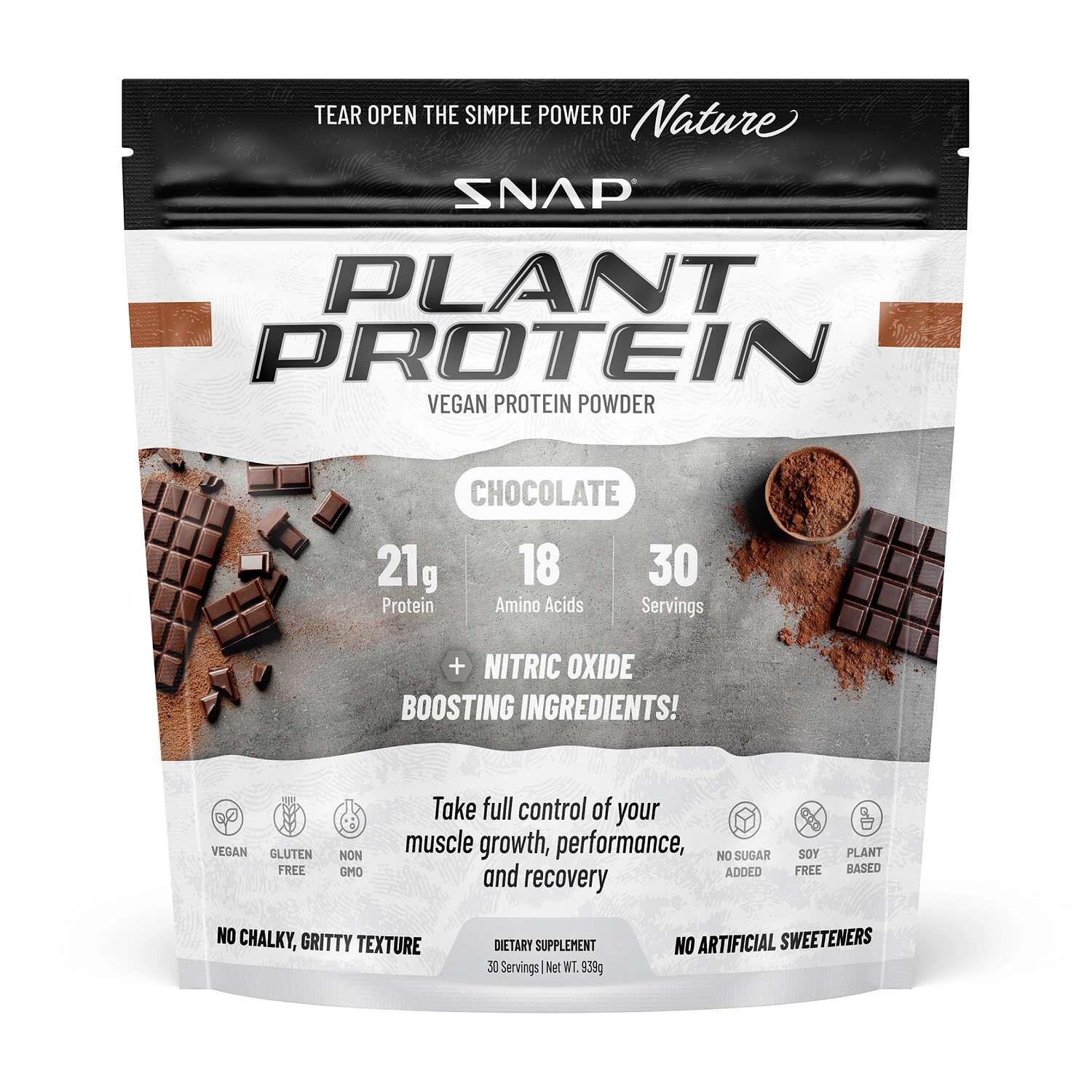
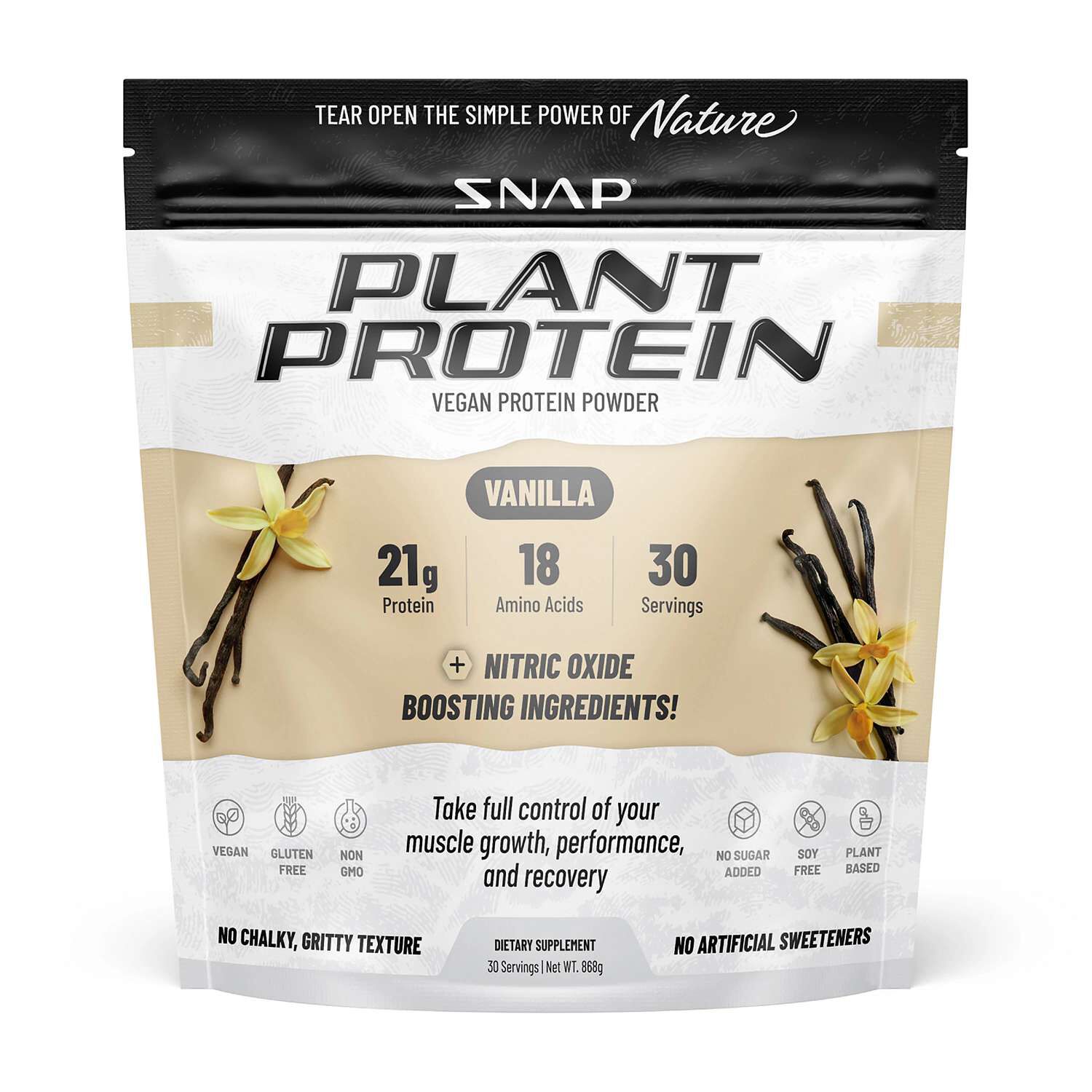


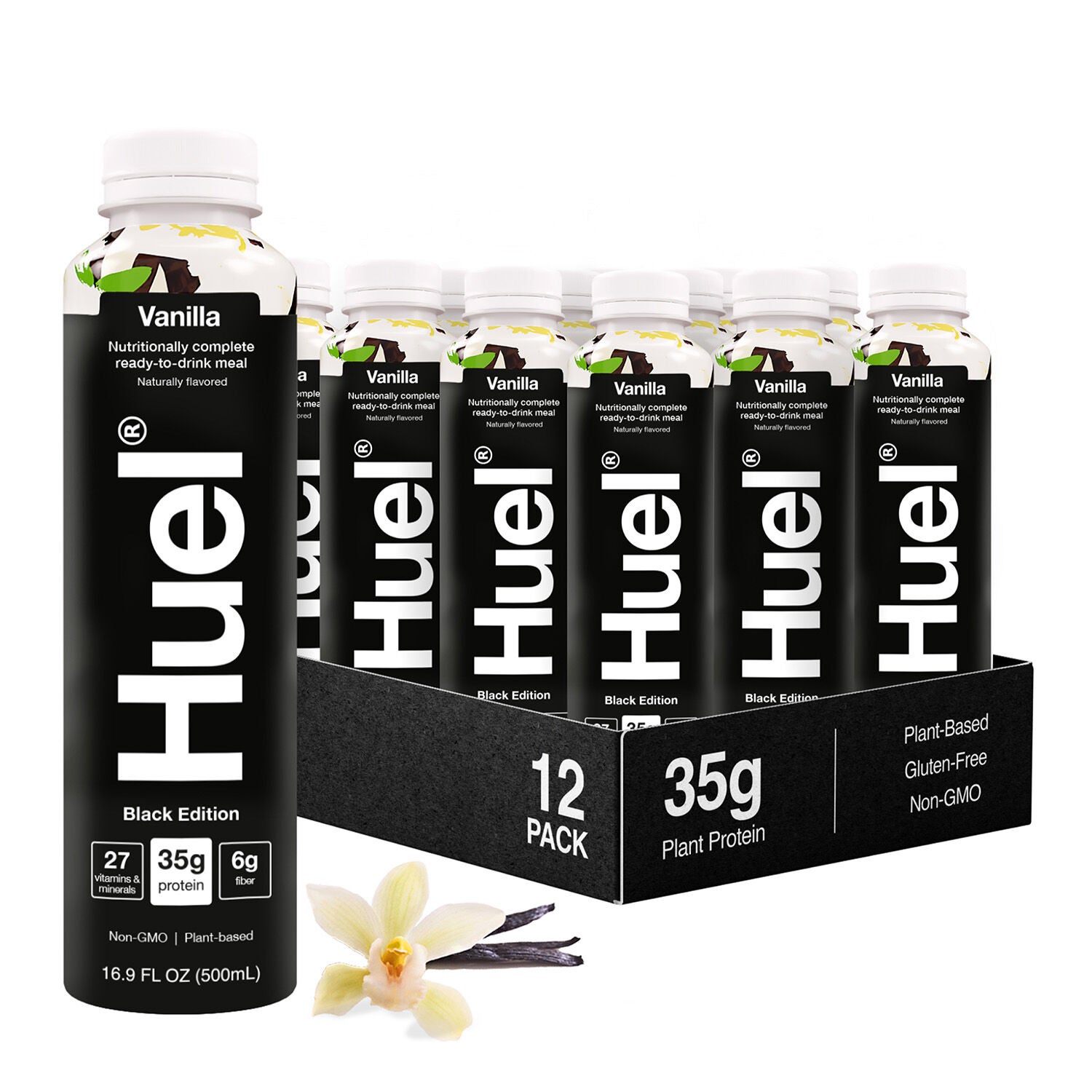
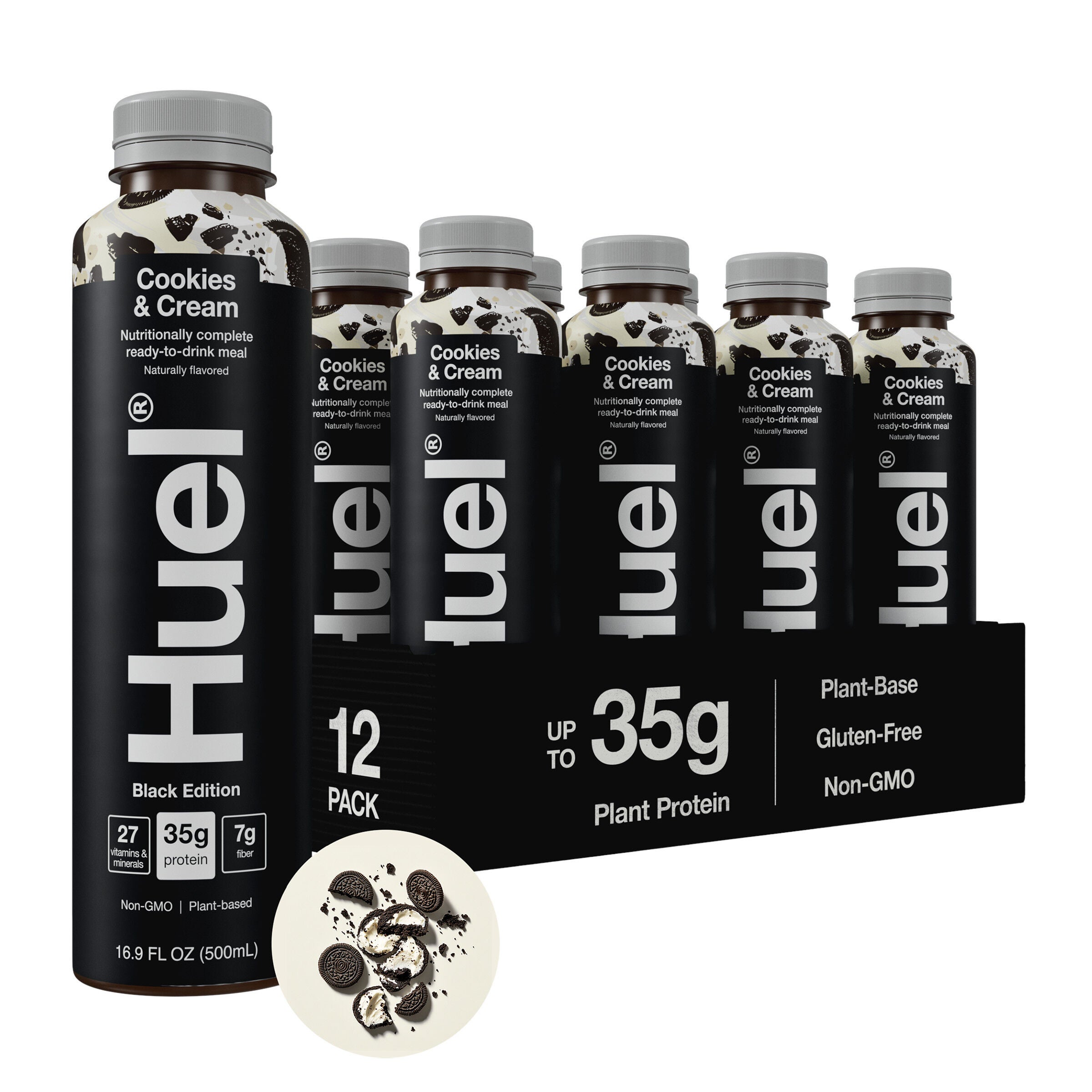

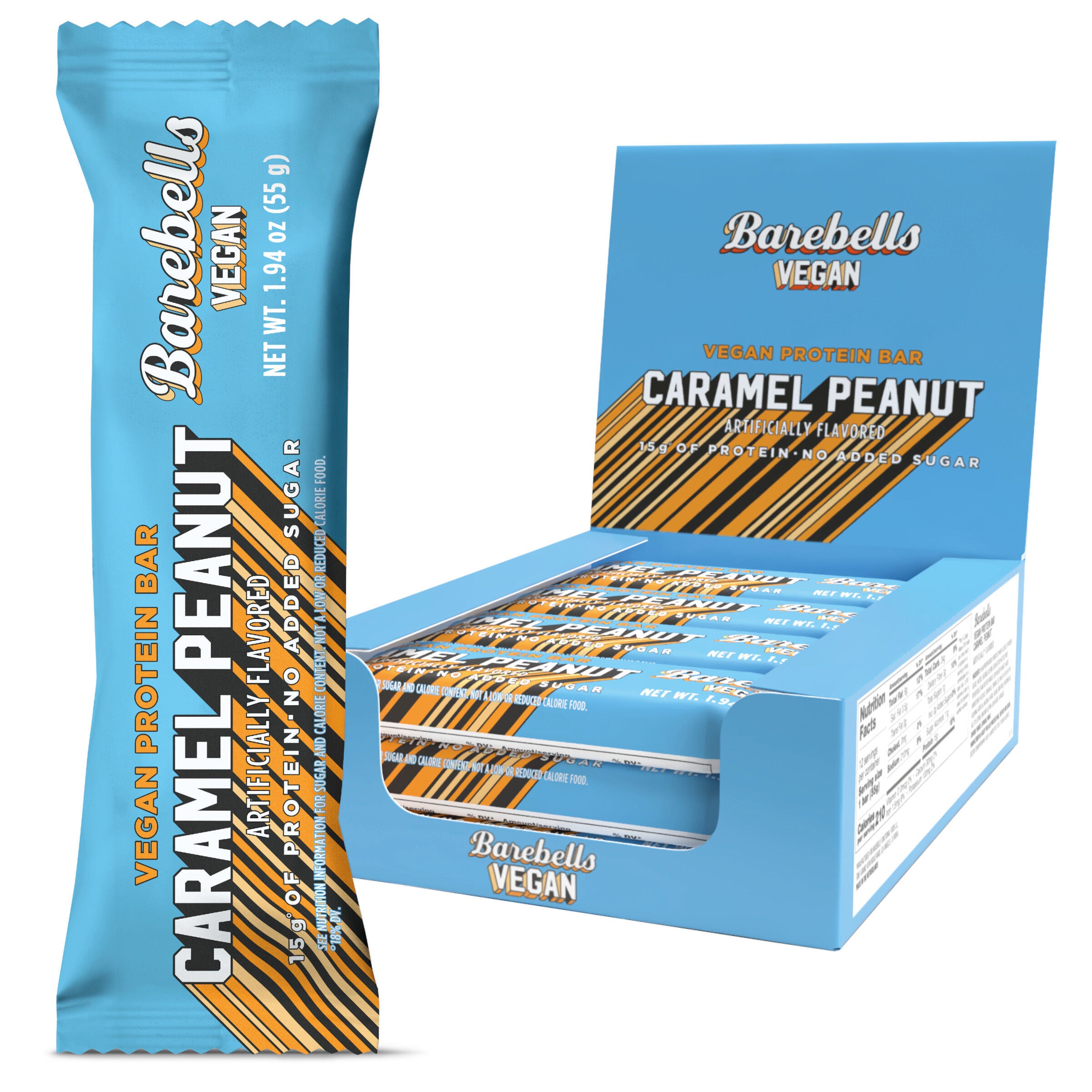
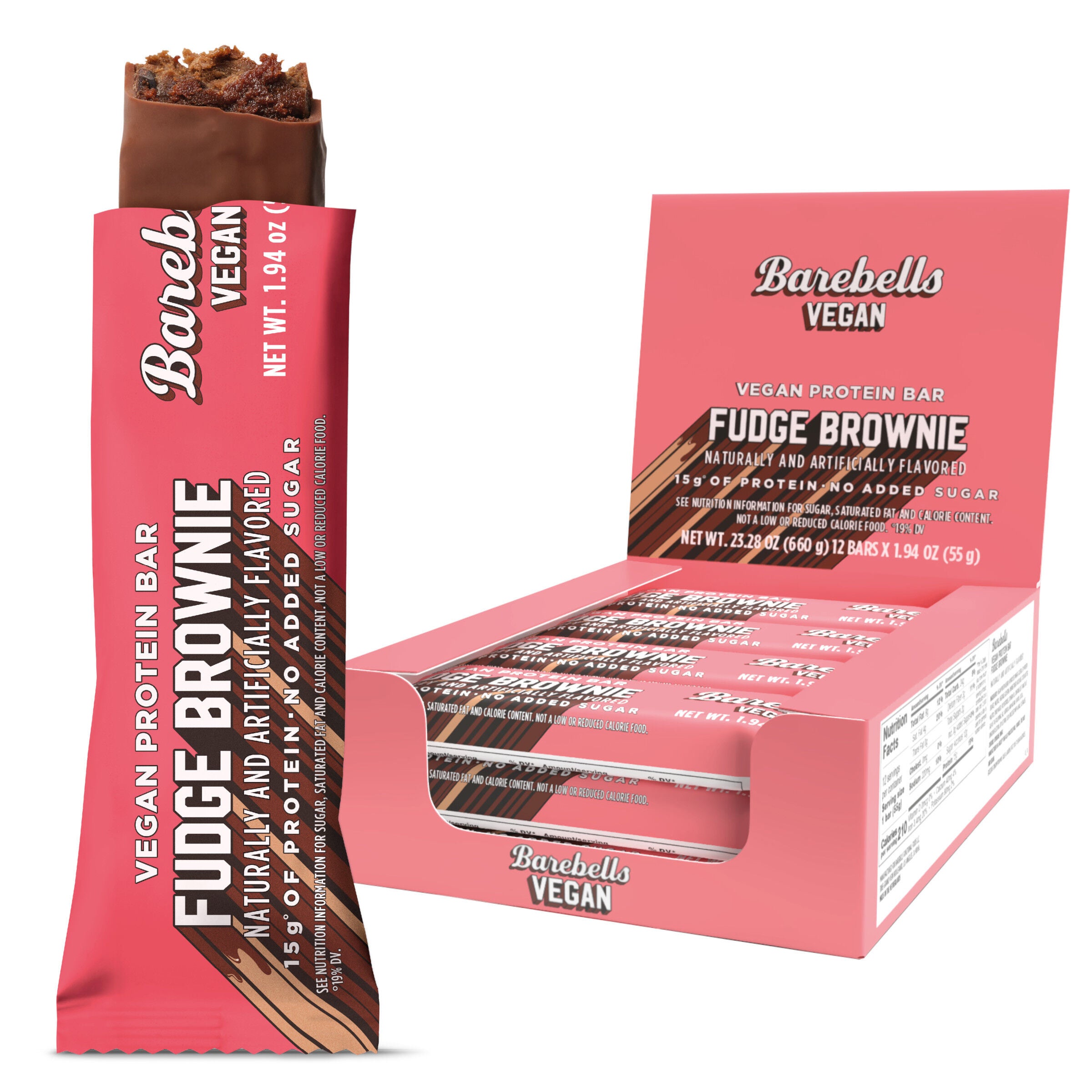
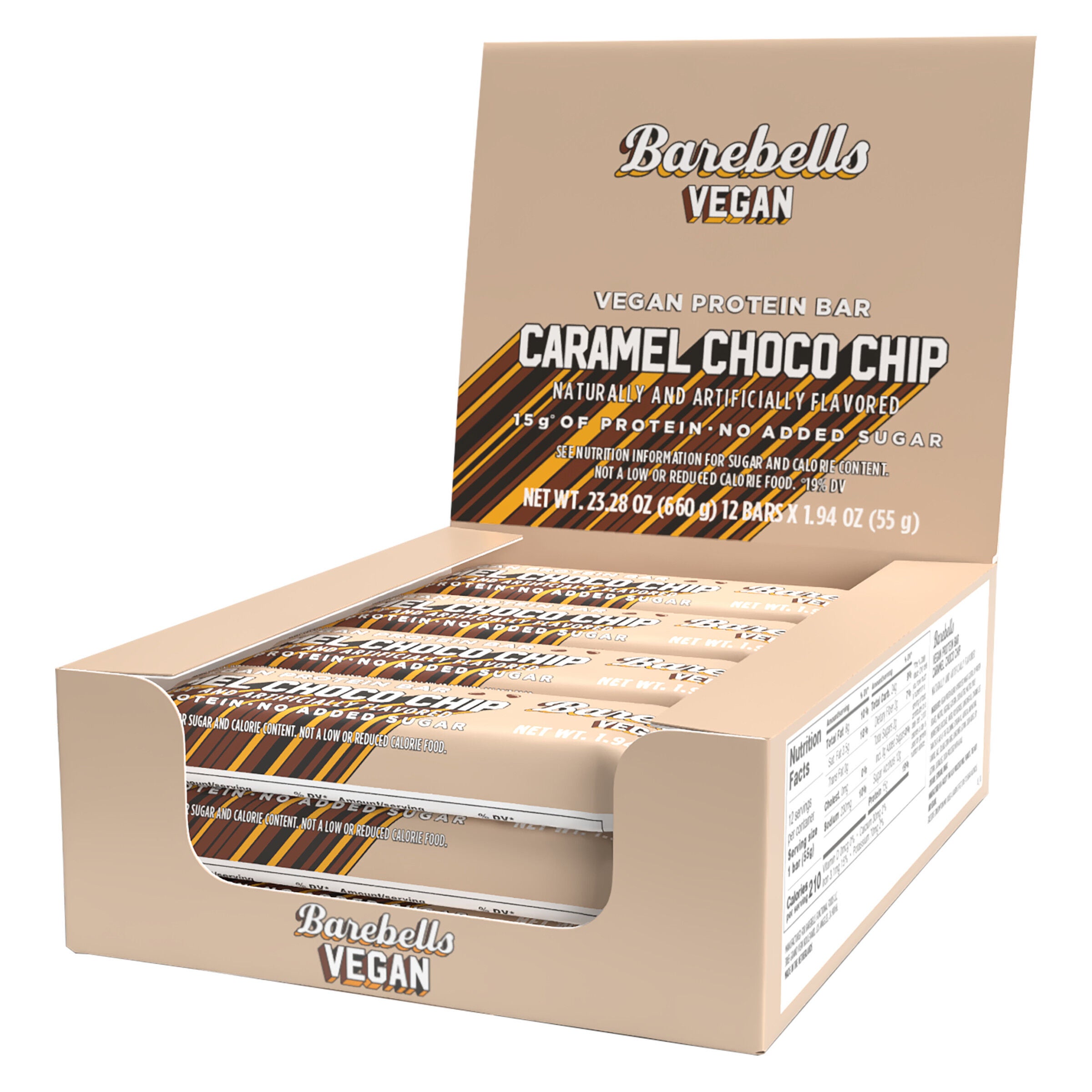


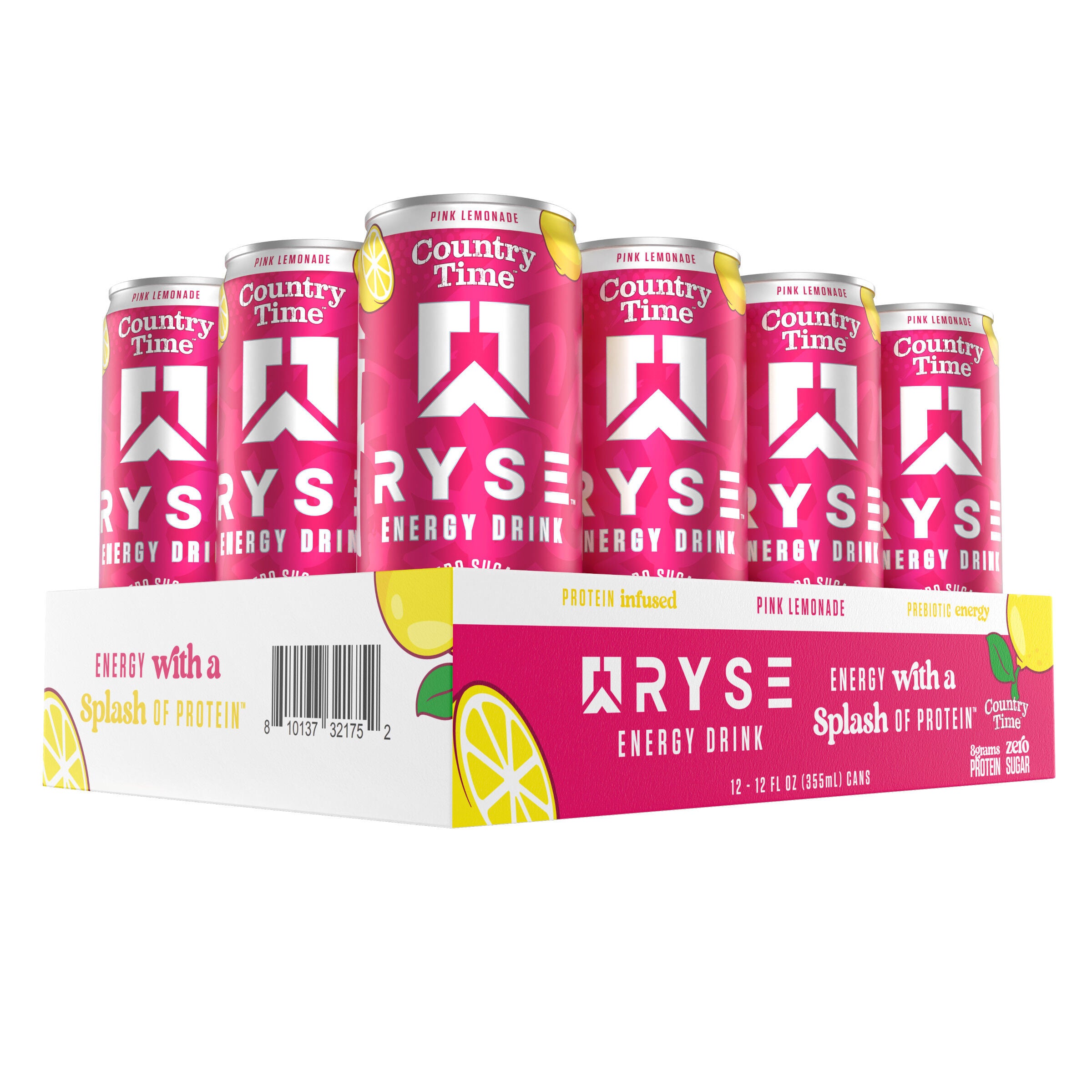
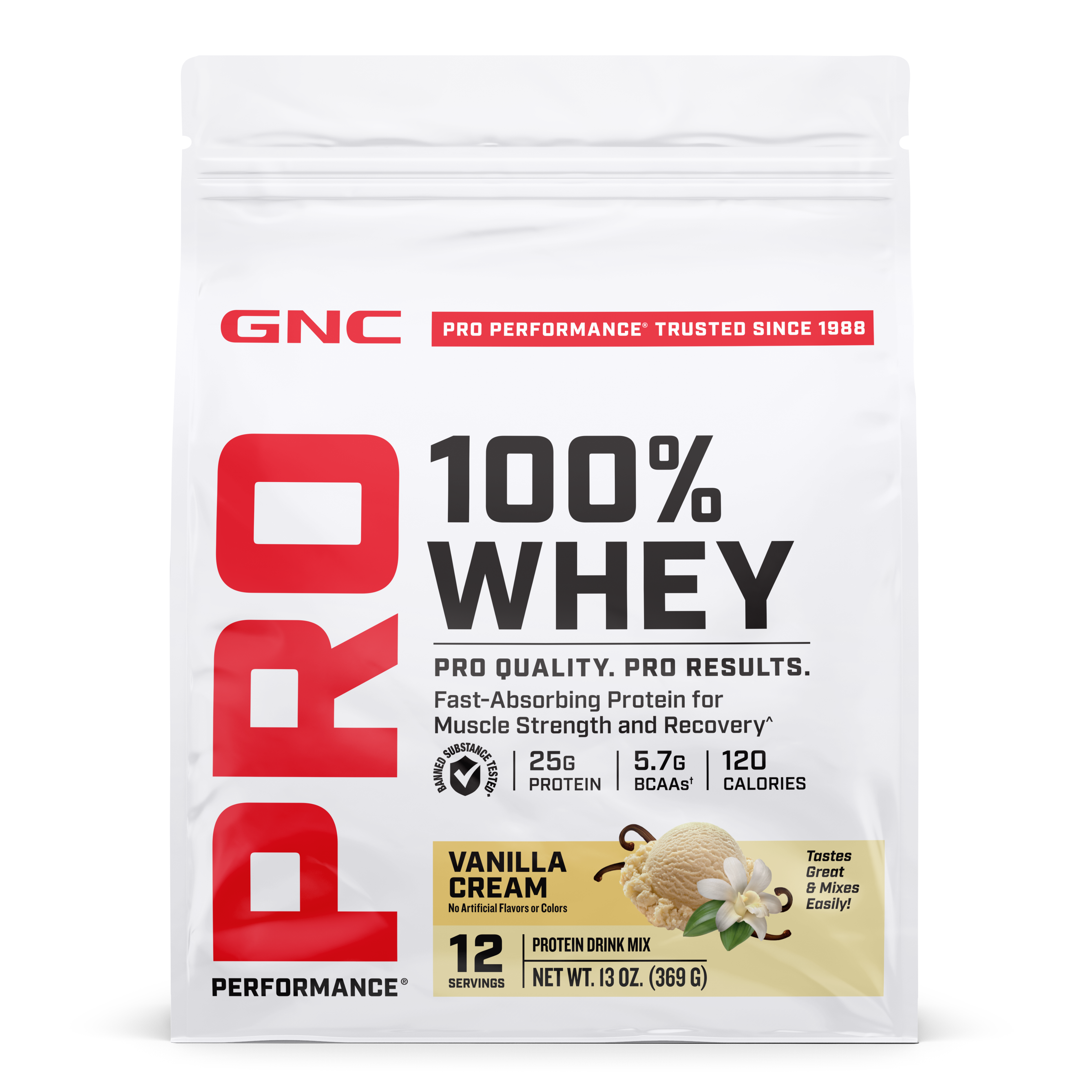
Protein supplement alternatives include everyday foods, prepared snacks, and beverages that offer protein in formats other than a traditional powder or shake. Greek yogurt, eggs, cottage cheese, poultry, fish, tofu, beans, and lentils are familiar examples, with different flavors, textures, and preparation needs. These foods are not interchangeable serving for serving: a large egg contains about 6 grams of protein, while a 3-ounce portion of cooked chicken breast provides approximately 26 grams. A 6- to 7-ounce serving of plain Greek yogurt often contains around 15 to 20 grams, depending on the recipe and brand. Those differences make portion size an important part of comparing alternatives, whether the intended use is a small afternoon snack or the main ingredient in lunch. Whole foods also bring their own mix of nutrients. Beans and lentils contain fiber, dairy foods commonly provide calcium, and eggs contain vitamin B12. The exact amounts depend on the food and how it is prepared; no single option has the same nutritional profile as every protein supplement. For someone who prefers chewing a snack to drinking a shake, a yogurt cup with oats or an egg alongside whole-grain toast may be a more enjoyable fit. Someone who likes the convenience of a drink may prefer milk, a soy beverage, or a homemade smoothie blended with yogurt. Protein bars and other packaged protein snacks offer another format, although they are formulated foods rather than direct equivalents to ingredients such as eggs or beans. The distinction matters when comparing labels, ingredients, and intended use. A familiar breakfast food, a portable snack, and a beverage can each provide protein, but they serve different roles in an eating routine. Taste and practicality often shape the choice as much as the number printed on the nutrition panel, especially when a food needs to work at a desk, in a lunch bag, or between a commute and an evening activity.
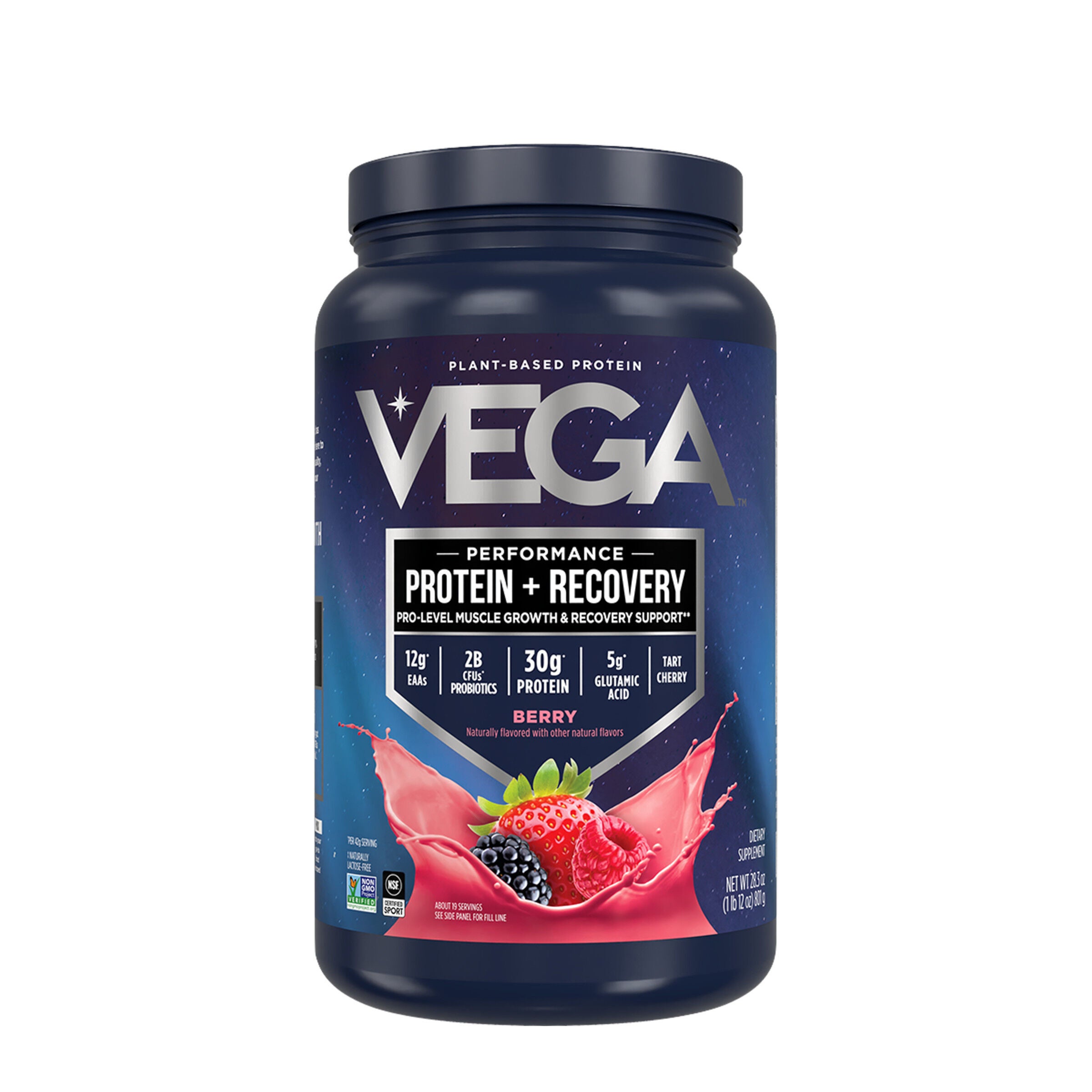
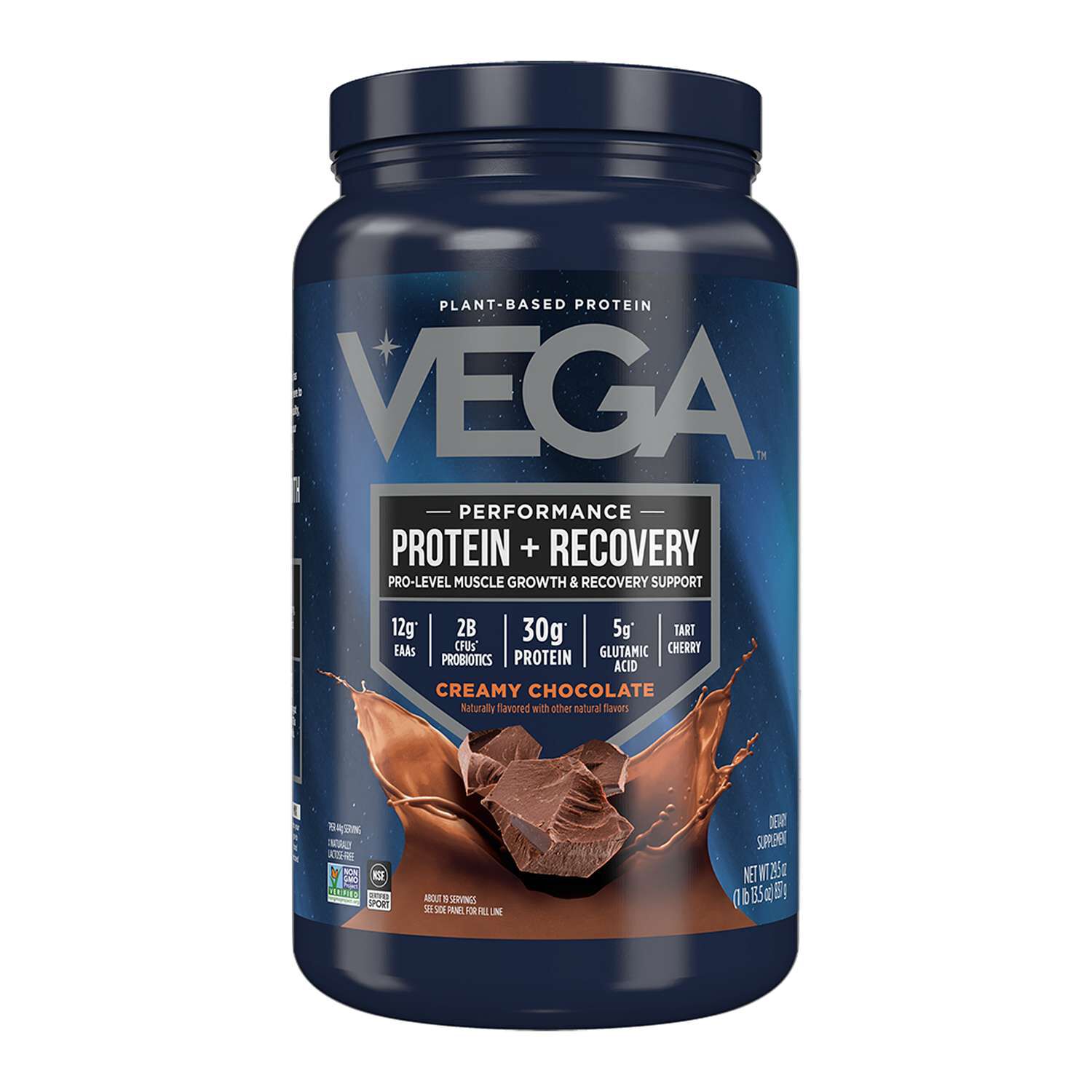
The ingredients behind protein supplement alternatives help explain their differences in texture, flavor, and everyday use. Dairy options range from spoonable yogurt and cottage cheese to milk and cultured beverages, with plain and flavored versions offering different amounts of added sugar. For plant-based choices, cooked lentils provide roughly 9 grams of protein per half cup, and many soy beverages contain about 7 to 8 grams per cup. Tofu varies considerably by firmness and preparation, so its package label is a better comparison point than a single general estimate. Nut butters contribute protein along with fat and a dense, spreadable texture, but a spoonful should not be treated as nutritionally equivalent to a serving of poultry or a cup of yogurt. Similarly, beverages made from almonds, oats, and soy can differ substantially in protein content, even when their cartons look alike. For a shopper comparing packaged alternatives, the useful details include serving size, protein per serving, added sugars, sodium, and the ingredient list. Allergen statements are another consideration, particularly for foods containing milk, soy, eggs, peanuts, or tree nuts. Personal preferences also matter: a short ingredient list, a chewy texture, a savory flavor, or a product made without animal ingredients may each influence the fit. Homemade smoothies allow flexibility with ingredients, but their protein content depends on what goes into the blender. Banana and ice create a different drink from banana blended with milk and Greek yogurt. A thick smoothie eaten with a spoon also feels different from a thin beverage carried in a travel cup. For those comparing food-based choices with more concentrated formats, Protein Supplements For Muscle Support offers a related category to consider alongside everyday options. Neither format needs to define an entire routine. A person might prefer eggs at breakfast, lentils at lunch, and a packaged snack on a day with less time for preparation. The practical comparison is between actual portions and ingredients, rather than broad assumptions about powders, whole foods, or packaged snacks.
Storage, packaging, and preparation can be just as important as flavor when choosing protein supplement alternatives for regular use. Refrigerated foods such as yogurt, cooked eggs, cottage cheese, and prepared tofu require attention to package directions and appropriate chilled storage during transport. An insulated lunch bag with cold packs may make these choices more practical for a workday or a trip to the gym. Shelf-stable foods and individually wrapped snacks have different storage requirements, and some beverages need refrigeration once opened. Resealable packaging may suit a shared pantry, while smaller portions may be easier to pack without extra containers. Packaging durability matters when food will spend the morning in a crowded backpack: a sturdy container may help protect a soft snack, while a securely closed bottle may reduce spills. Reusable cups, utensils, and food containers also need washing according to their care instructions, particularly when used with thick dairy foods or nut butter. At home, preparation time creates another useful distinction. Eggs need cooking, dried legumes need planning, and canned beans usually involve little more than opening, draining, and incorporating them into a meal. During cooler weather, lentils stirred into soup or tofu added to a warm grain bowl may feel more appealing than a chilled drink. For an early commute, overnight oats made with yogurt may suit someone who wants breakfast ready to carry; for an afternoon at a desk, a portioned snack may be easier to manage than a meal that requires reheating. Students, active adults, and people packing lunches for a busy household may all value different combinations of portability, flavor, and preparation time. Food-based gifts or snack assortments require a little more thought, including the recipient’s ingredient preferences, allergies, and access to refrigeration. Across these uses, the most relevant alternatives are those that match the setting as well as the preferred source of protein. Familiar ingredients, readable labels, appropriate storage, and portions suited to the occasion make the differences between options tangible, whether the choice is creamy, crunchy, savory, or ready to sip.