





Protein Supplements For Vegetarians
(0 Results)
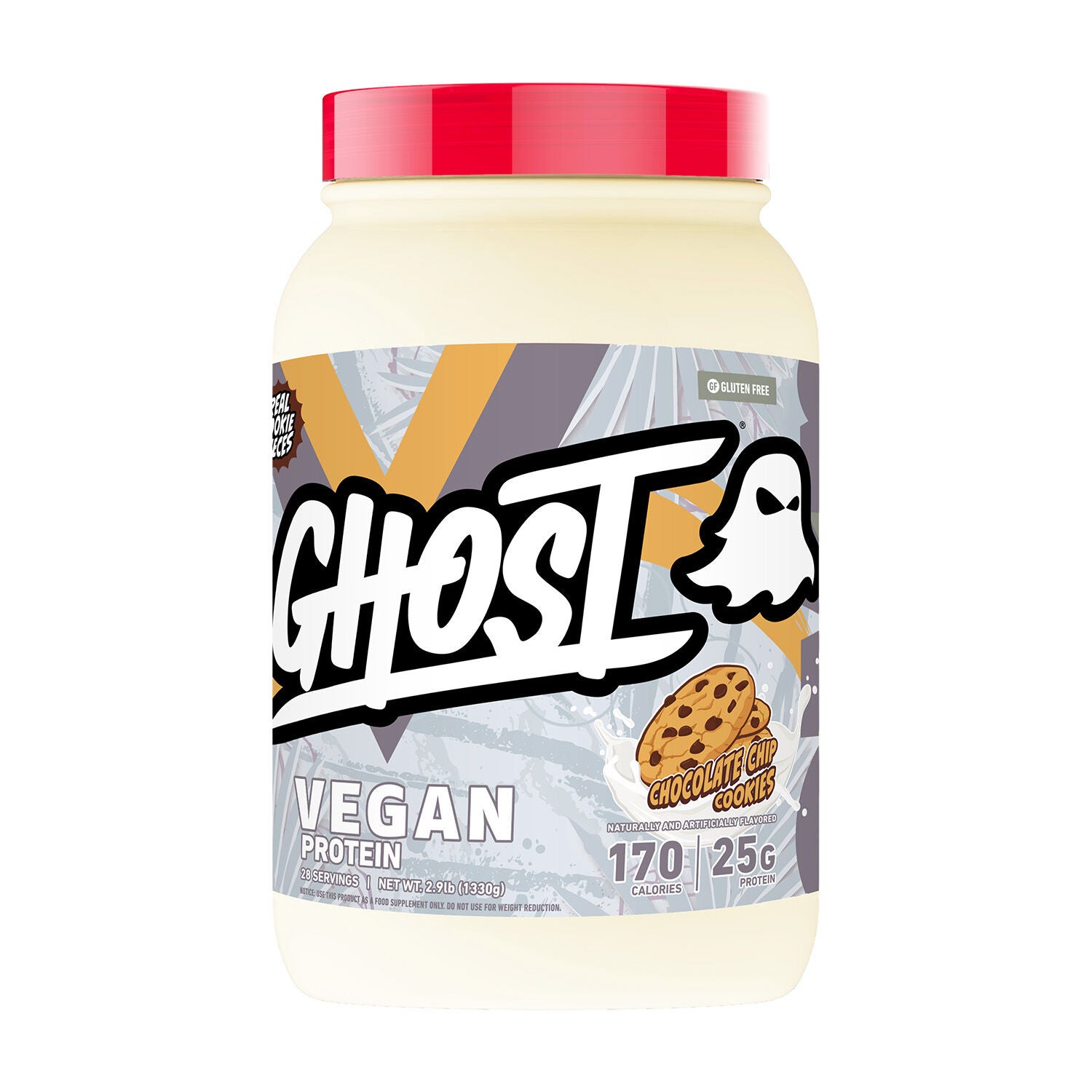
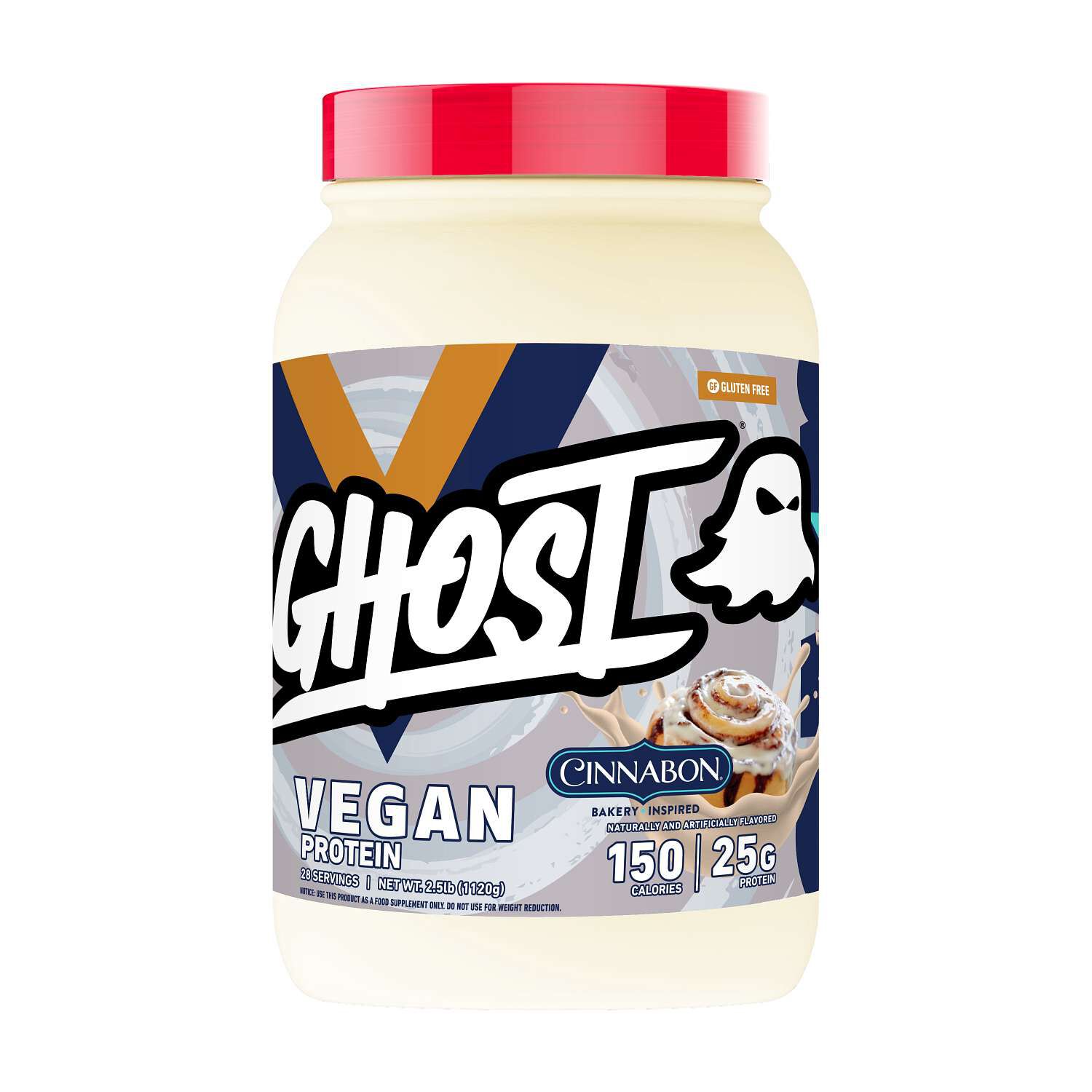
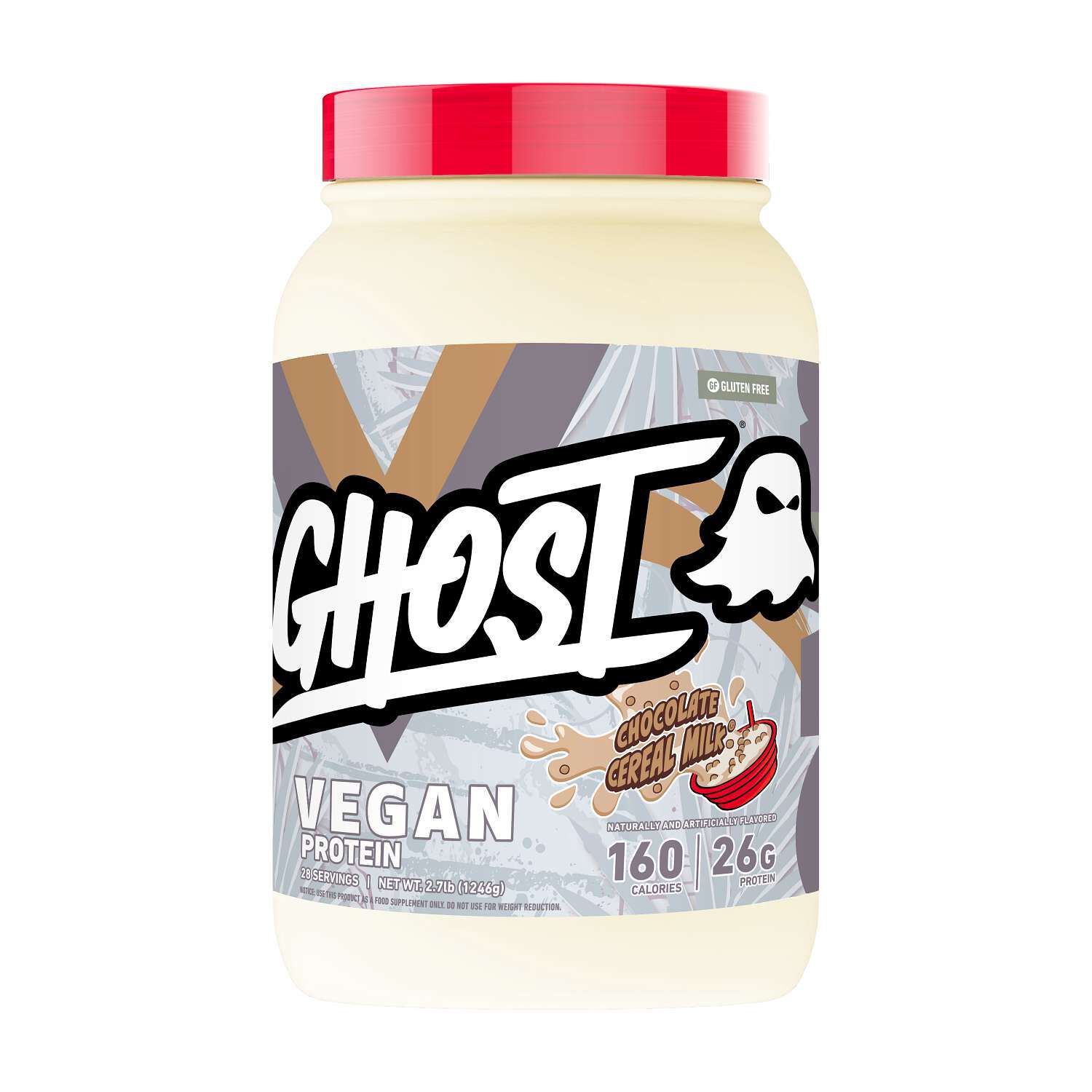
Shop protein supplements for vegetarians by comparing protein sources, ingredients, and grams of protein per serving. Whether you prefer plant-based protein or include dairy in your diet, check each product’s label for vegetarian suitability, then compare flavors and serving formats to find an option that fits your routine.
-

-
-
-
-
-

-
-
-

-

-
 Gym Snack$39.99
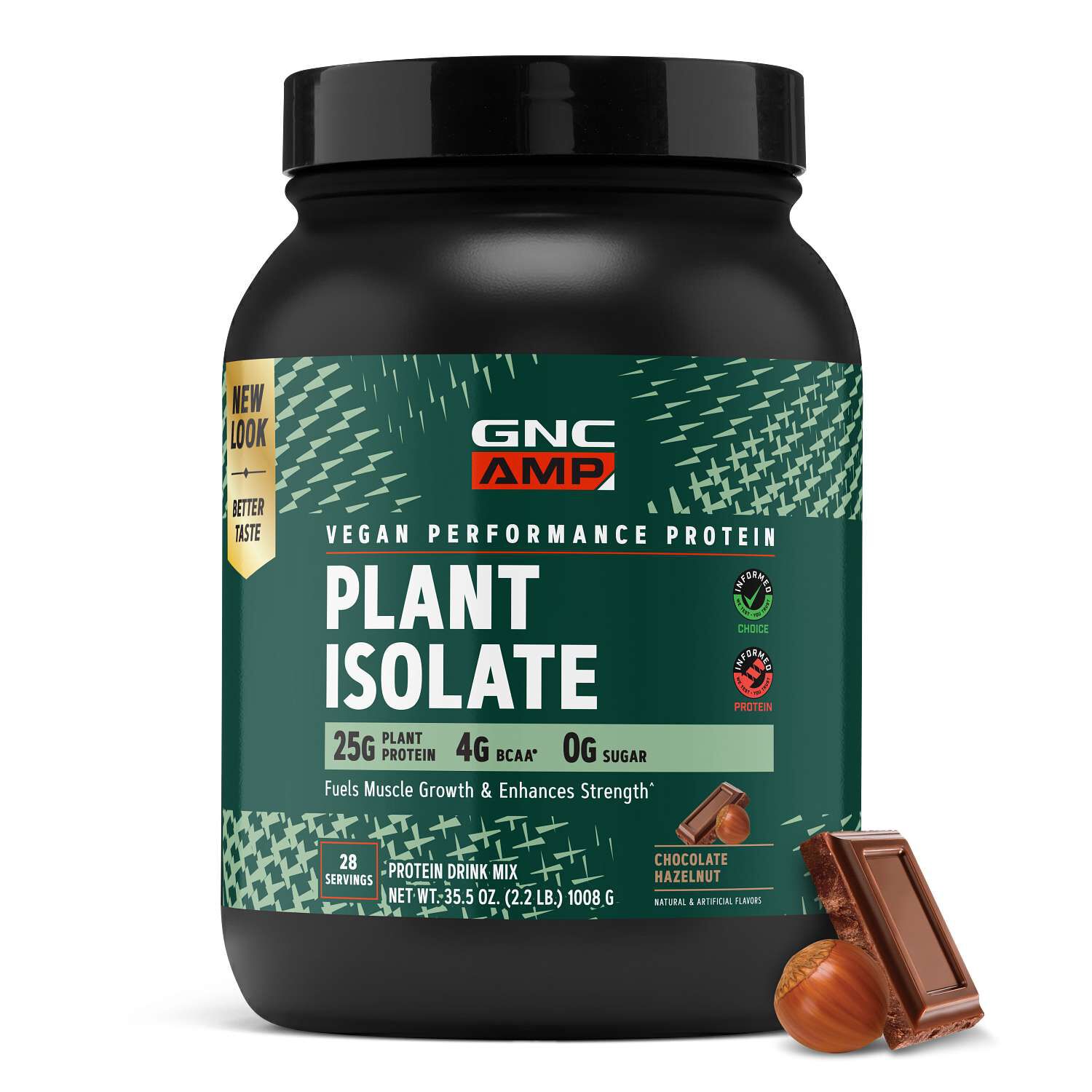
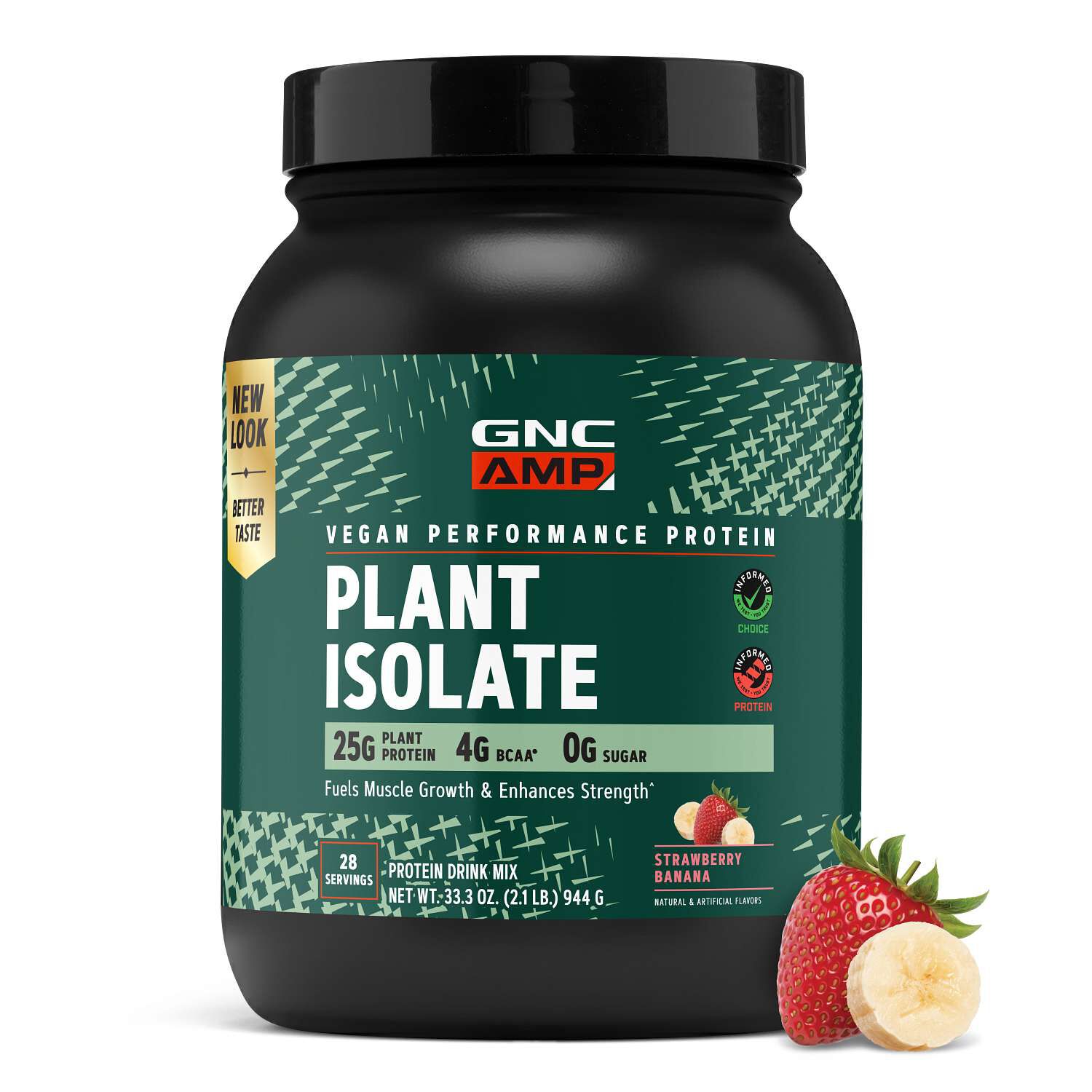
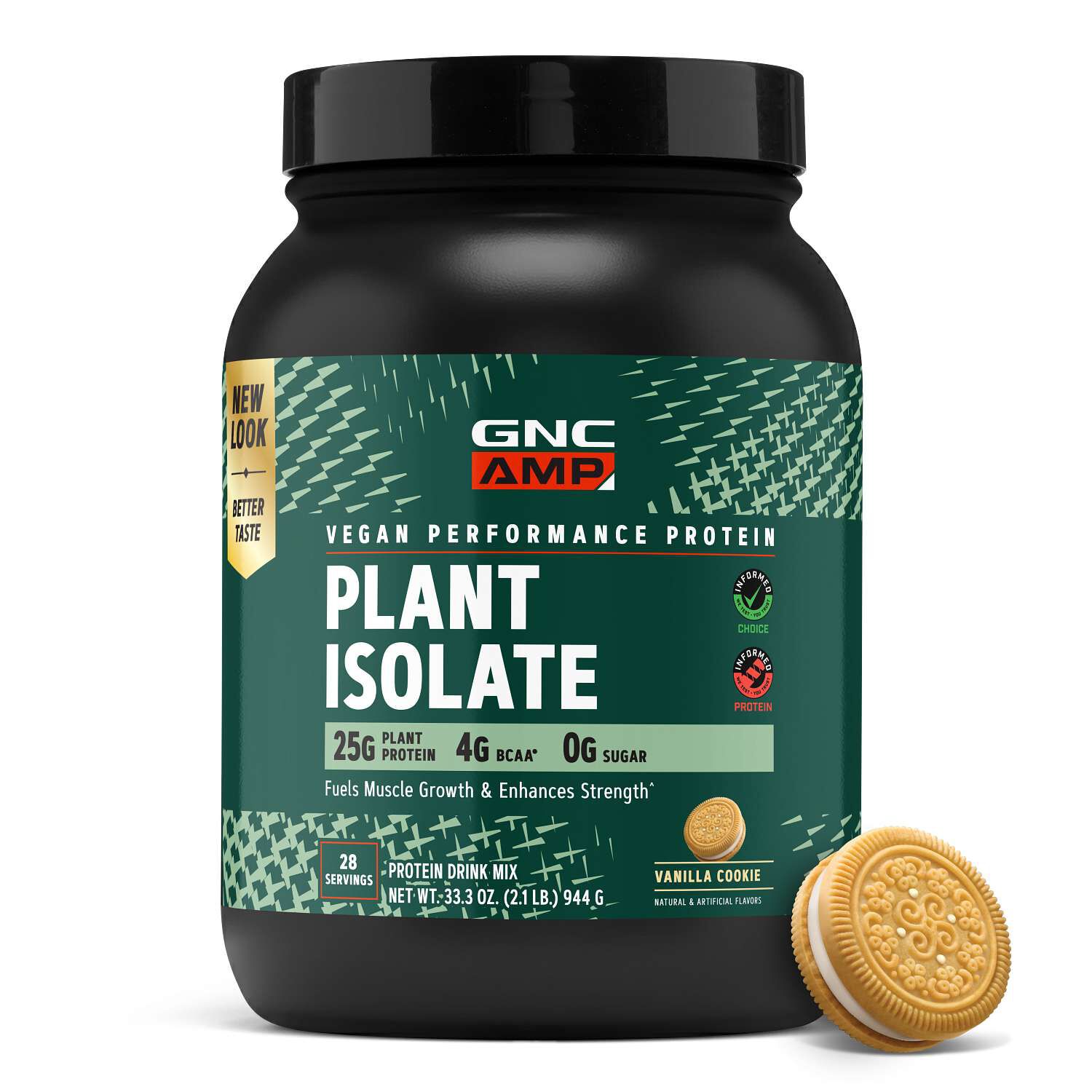
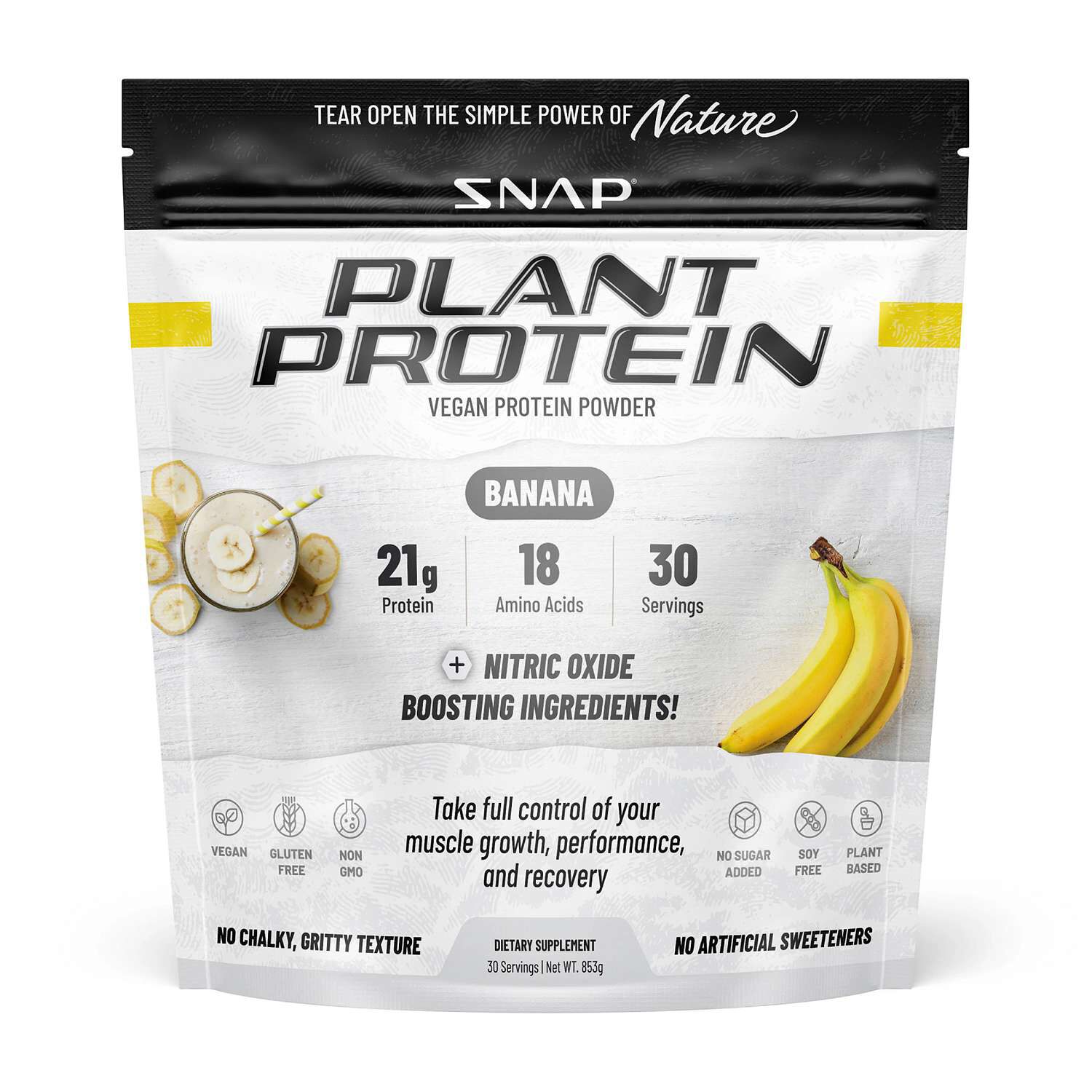
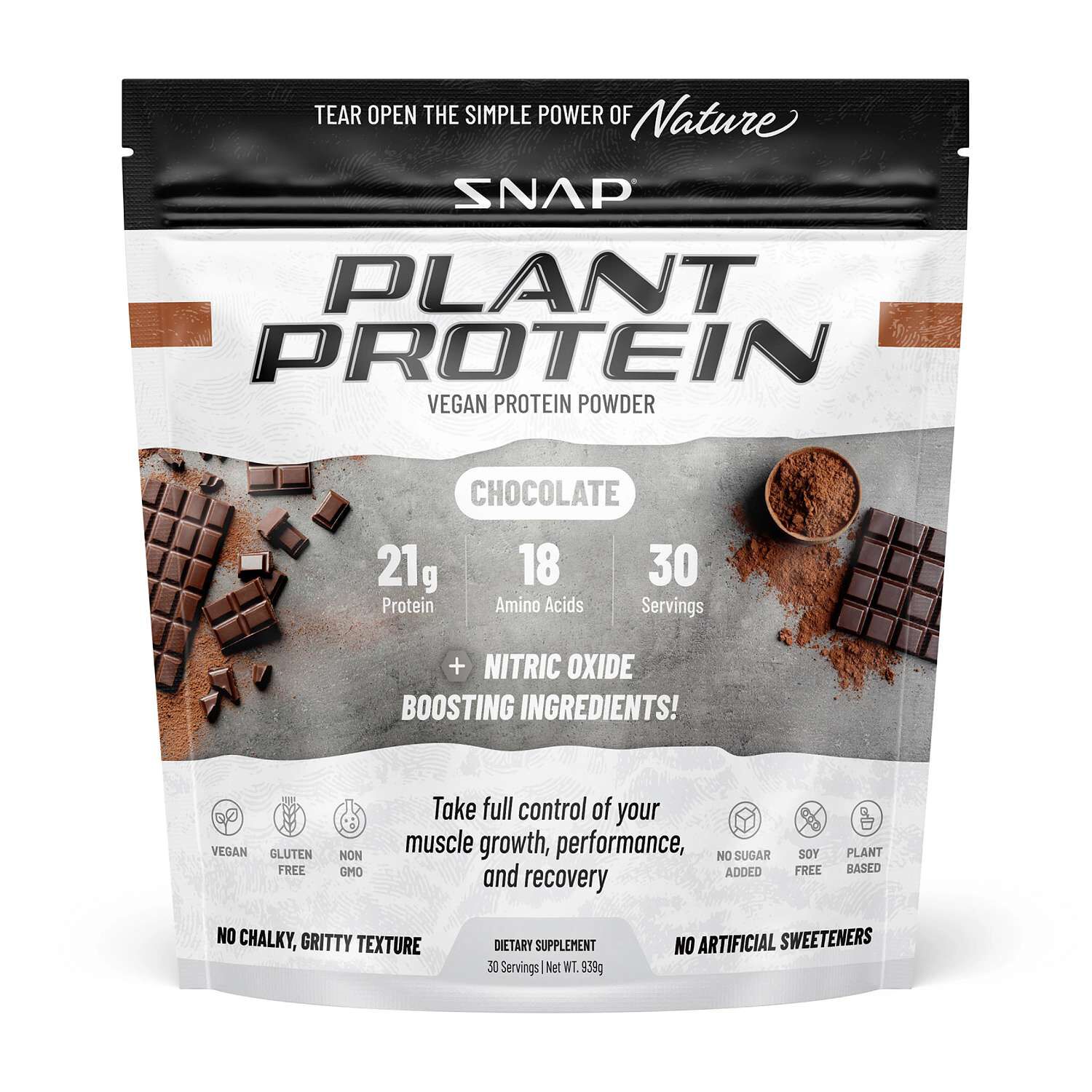
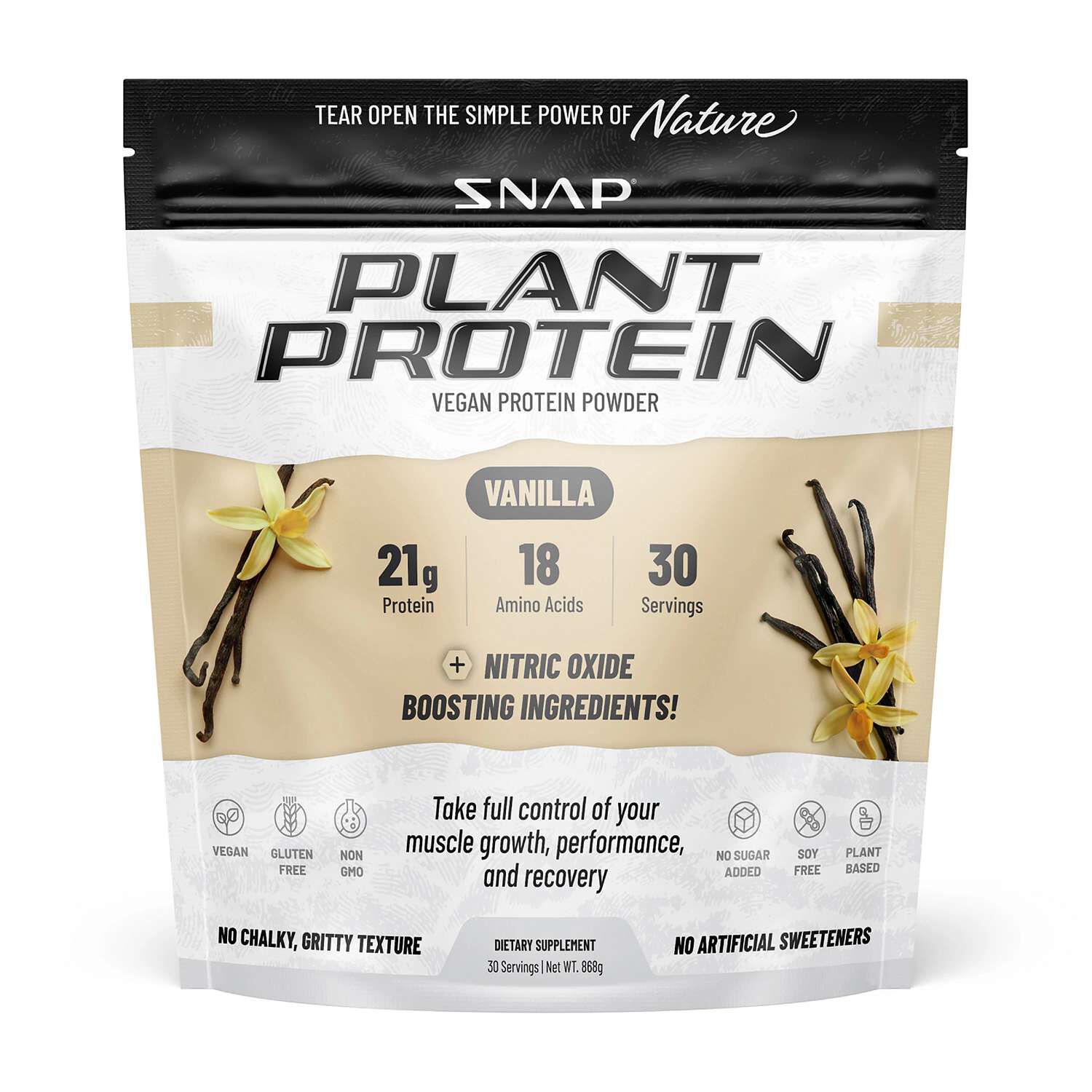
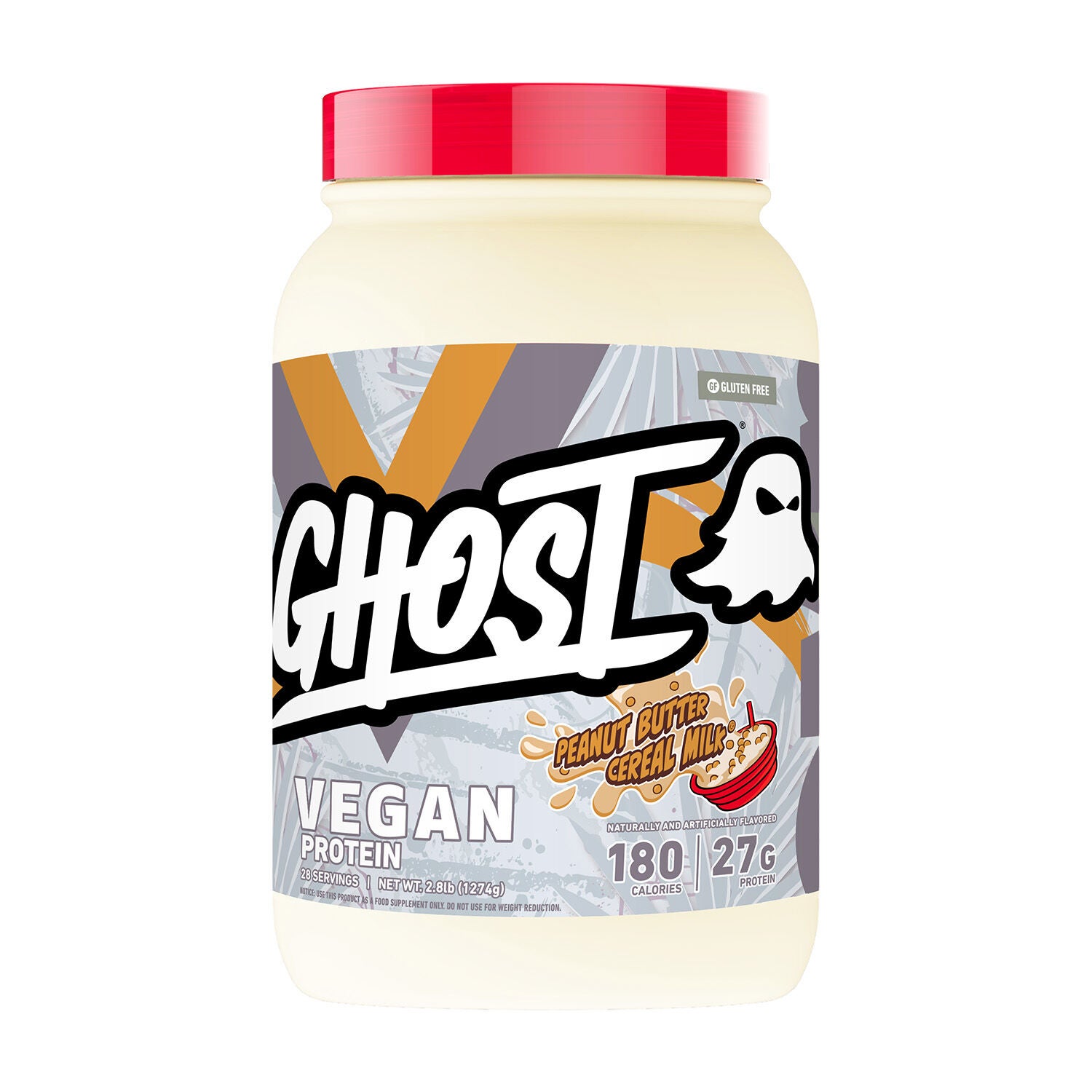
Protein supplements for vegetarians include plant-based powders made from pea, soy, brown rice, and pumpkin seed, along with milk-based whey and casein and egg-based options for eating patterns that include those ingredients. The distinction between vegetarian and vegan matters: whey, casein, and egg proteins come from animal sources, while vegan formulas use plant-derived ingredients. Both groups belong within the broader vegetarian protein category, but the right fit depends on which foods a person includes in everyday meals. Someone who eats yogurt and eggs may consider a different selection than someone who avoids all animal-derived ingredients. Single-source powders feature one primary protein ingredient, while blends combine two or more sources with different amino acid profiles. The source alone does not describe everything in the container; flavorings, sweeteners, oils, and other ingredients also shape the formula. Protein grams per serving, serving size, and the ingredient list provide a more useful comparison than the size of the tub or the appearance of the scoop. A serving may consist of one scoop, several scoops, or a measured amount by weight, depending on the formula. Likewise, the grams of powder in a serving are not the same as the grams of protein it contains. For a vegetarian who regularly eats lentils, tofu, beans, dairy, or eggs, a supplement may serve as an additional protein option rather than the foundation of every meal. These products may appeal to students with early classes, commuters carrying breakfast, recreational athletes, and anyone whose schedule leaves limited time for food preparation. Their intended use ranges from a simple drink mixed with water to an ingredient in a smoothie or prepared meal. Comparing the source, format, and serving information keeps the focus on how a protein supplement might fit an existing eating pattern, rather than assuming that every vegetarian needs the same formula.
Flavor and texture are meaningful differences among vegetarian protein supplements, especially for something intended for repeated use. Plant-based powders may have earthy, grain-like, or nutty notes, while milk-based formulas may have a milder dairy character. Individual recipes vary, so those descriptions are starting points rather than rules. Cocoa, vanilla, fruit flavors, and unflavored options offer different possibilities for everyday preparation. A vanilla powder might suit a banana-and-oat smoothie, while an unflavored formula could be a better match for someone who prefers to choose the flavor through fruit, yogurt, or other ingredients. Unflavored does not necessarily mean tasteless, and a powder described as unsweetened may still have a noticeable character from its protein source. Sweeteners and added sugars are separate details worth comparing on the label. Texture also depends on the full formula, the liquid, and the preparation method. A shake made with water may feel different from the same powder blended with milk or a plant-based beverage, and thicker ingredients such as oats or nut butter may change the finished consistency. For the person mixing a drink at an office desk, suitability for a shaker bottle may matter more than a recipe that assumes access to a countertop blender. Someone preparing breakfast at home may prefer a powder intended for smoothies or food preparation. Package directions provide the relevant mixing amounts and uses, including whether a formula is intended for cooking. Powders, ready-to-drink shakes, and individual serving packets also suit different routines. A larger container involves measuring and storing the powder, while a sealed packet contains a predetermined portion. Ready-to-drink formats require no mixing, although storage instructions may differ before and after opening. The format that fits a gym bag is not always the one that fits a shared kitchen cabinet. Considering the actual setting—a quick breakfast before a commute, an afternoon at a desk, or a drink after a workout—makes these practical differences more relevant than flavor names alone.
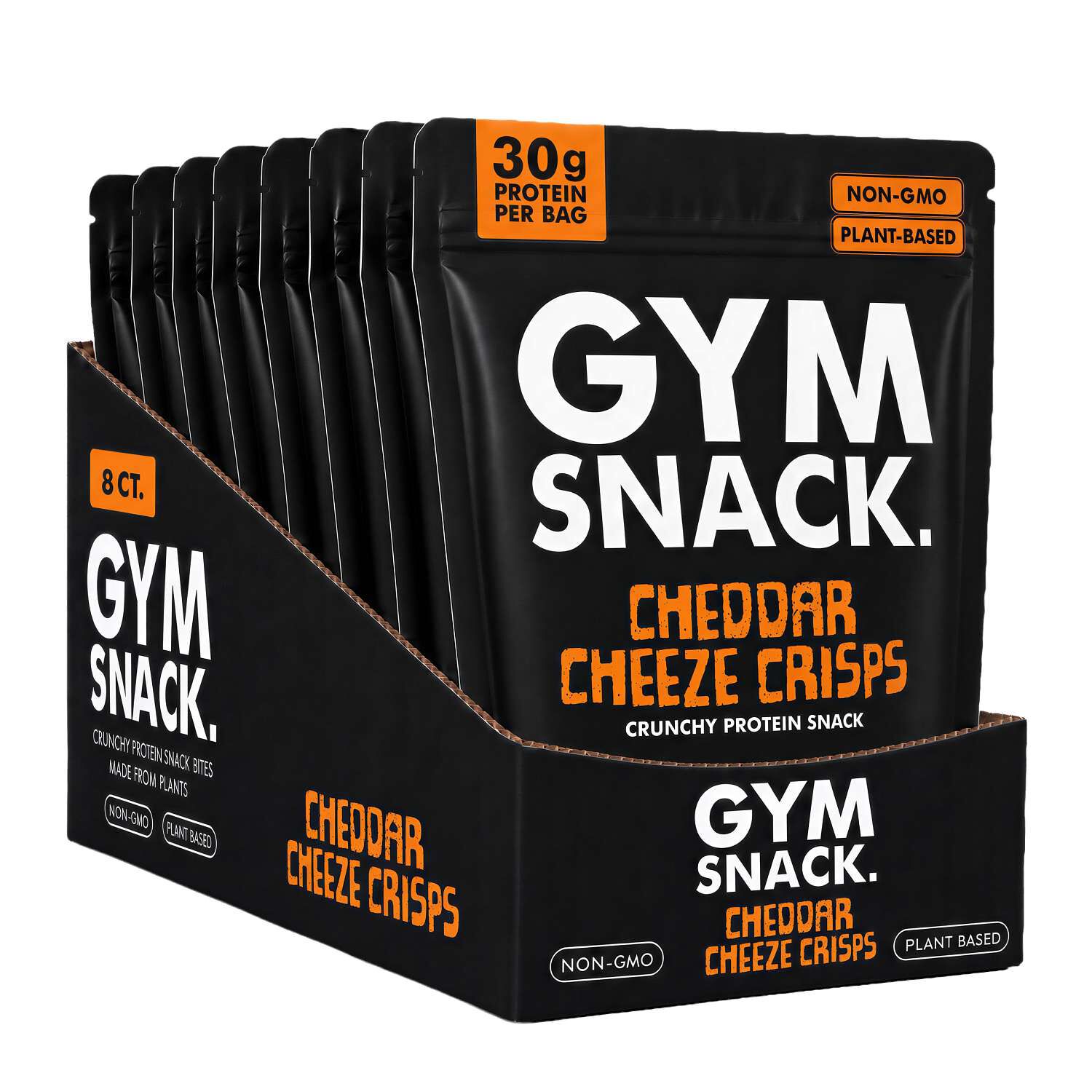
Ingredient preferences deserve the same attention as format. A plant-based protein source does not automatically describe every ingredient in a flavored formula, and a vegetarian label is not interchangeable with a vegan label. Milk, egg, and soy declarations, along with the full ingredient statement, help distinguish formulas that otherwise look similar from the front of the package. Gelatin and other animal-derived ingredients may also matter to someone following a vegetarian eating pattern. Nutrition Facts panels show differences beyond protein, including carbohydrates, sugars, fat, and sodium; comparing equivalent serving amounts gives those details context. Preparation adds another layer, since milk, plant-based beverages, fruit, and nut butter contribute their own nutrients to a finished shake. Some shoppers prefer a short ingredient list, while others value a particular flavor or a format suited to carrying between activities. Neither preference makes every formula interchangeable. Storage and everyday handling matter, too. A container with a secure lid, room for its measuring scoop, and packaging suited to the intended storage space may be a practical choice for repeated use. Label directions specify storage conditions and date information. Keeping a scoop dry, closing the container after use, and cleaning mixing bottles according to their care instructions are ordinary parts of using powdered supplements. For drink formats, container size and instructions for opened portions are worth considering alongside the nutrition panel. Protein powders and shakes are only one part of the vegetarian protein category; Protein Snacks for Vegetarians offers a related option for shoppers who prefer something to eat rather than mix or sip. Across these formats, the most relevant differences remain the protein source, ingredients, serving information, taste preferences, and intended use. A powder for a morning smoothie, a drink carried to a workout, and a snack packed for a long afternoon each have a different place in an everyday routine.
- Q: What types of protein supplements are suitable for vegetarians?
A: Vegetarian protein supplements include dairy-based options, such as whey and casein, and plant-based options made from peas, soy, rice, or pumpkin seeds. Egg white protein is another option for vegetarians who include eggs in their diet. - Q: What is the difference between vegetarian and vegan protein supplements?
A: Vegetarian protein supplements can contain milk or egg ingredients. Vegan protein supplements exclude animal-derived ingredients and use plant protein sources, such as pea, soy, rice, or seed proteins. - Q: What is a plant-based protein blend?
A: A plant-based protein blend combines protein from two or more plant sources, such as pea and rice. The ingredient list identifies the protein sources used in each formula. - Q: How can I use vegetarian protein powder in everyday recipes?
A: Vegetarian protein powder can be blended into smoothies or stirred into oatmeal and yogurt. It can also be incorporated into pancake batter or homemade snack bars. Follow the package directions for preparation, and choose flavors that complement your recipe. - Q: What should vegetarians look for on a protein supplement ingredient list?
A: Start by identifying the protein source and checking whether the other ingredients fit your dietary preferences. Whey and casein come from milk, while egg white protein comes from eggs. Collagen and gelatin are animal-derived ingredients that do not fit a vegetarian diet.
Best Sellers
Related Pages



Top Collections
- Chronic Fatigue Supplements
- Vitamins For Hair Loss
- Zinc Supplements For Men
- Active Supplements
- Supplements For Yoga Joint Flexibility
- Capsule Supplements For Energy And Stamina
- Adult Vitamins
- Joint Mobility Supplement Packs
- Zinc Supplements | Top Brands at Great Prices | GNC
- Magnesium Bisglycinate Supplements