





Protein Snacks For Vegetarians
(0 Results)
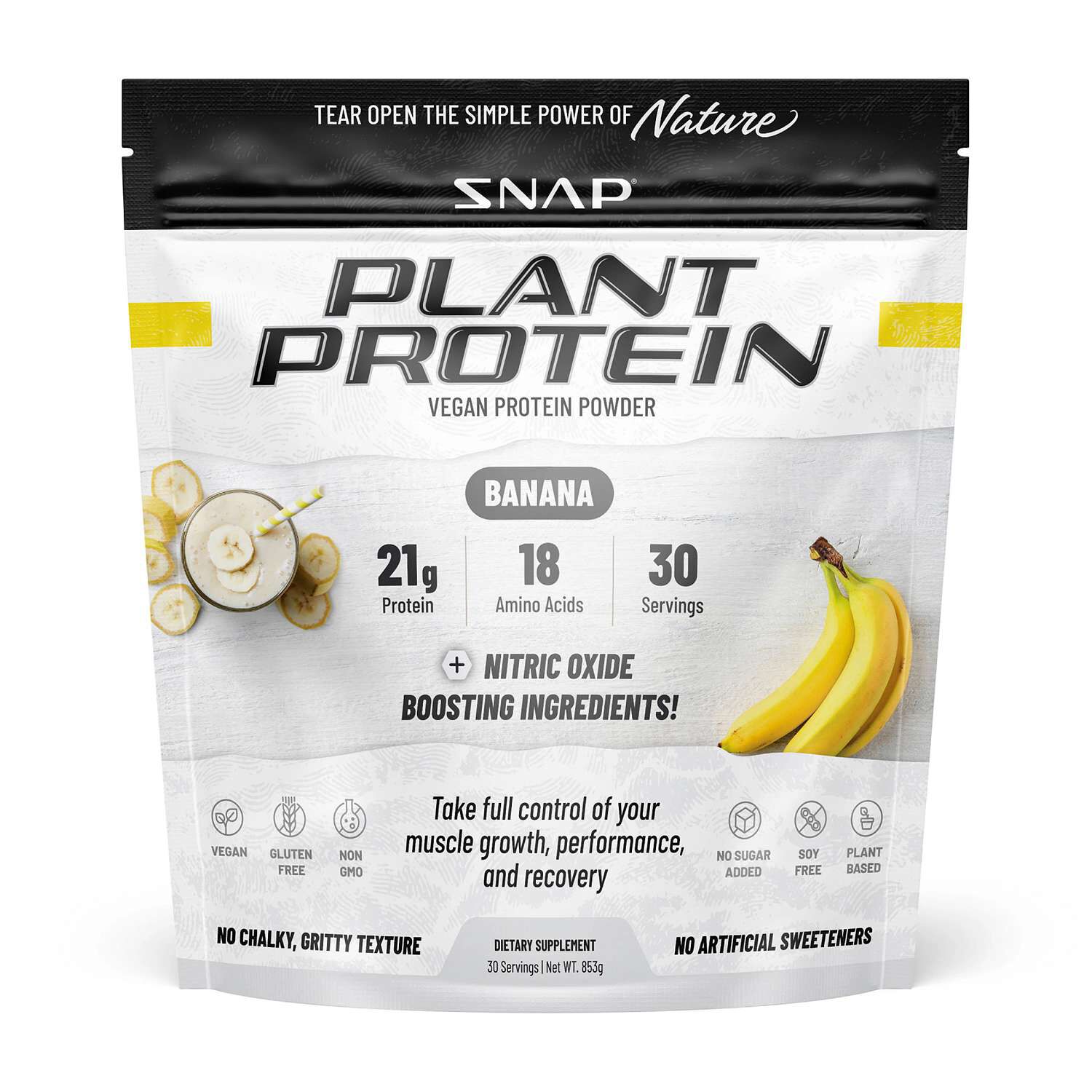
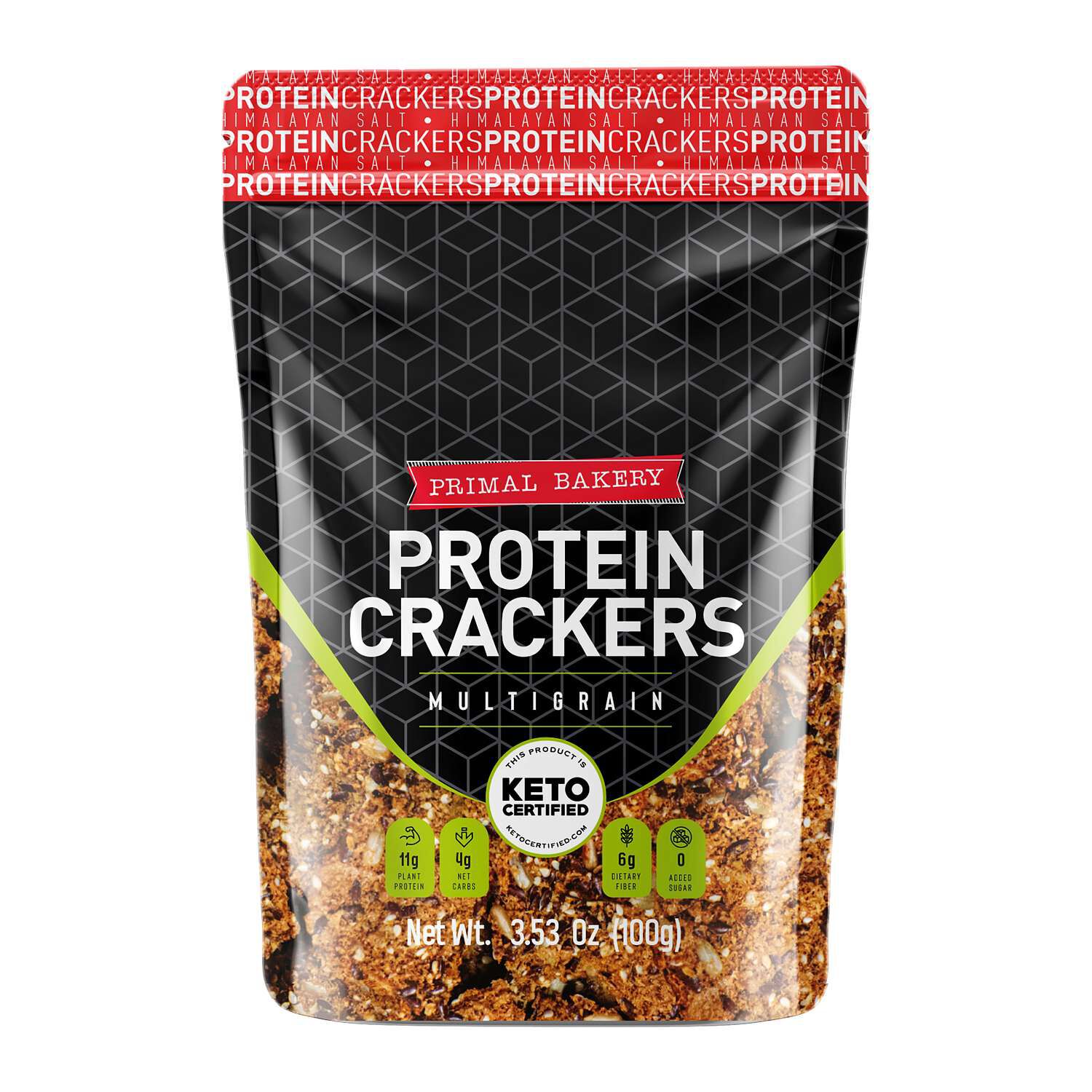
Protein snacks for vegetarians offer a convenient and satisfying way to support your daily nutrition goals while fitting seamlessly into a plant-based lifestyle. Whether you’re looking for something savory or sweet, there are a variety of options that could fit your taste preferences and busy schedule. Explore protein snacks for vegetarians that may help you stay fueled throughout the day, whether at home, at work, or on the go.
-

-

-

-

-

-
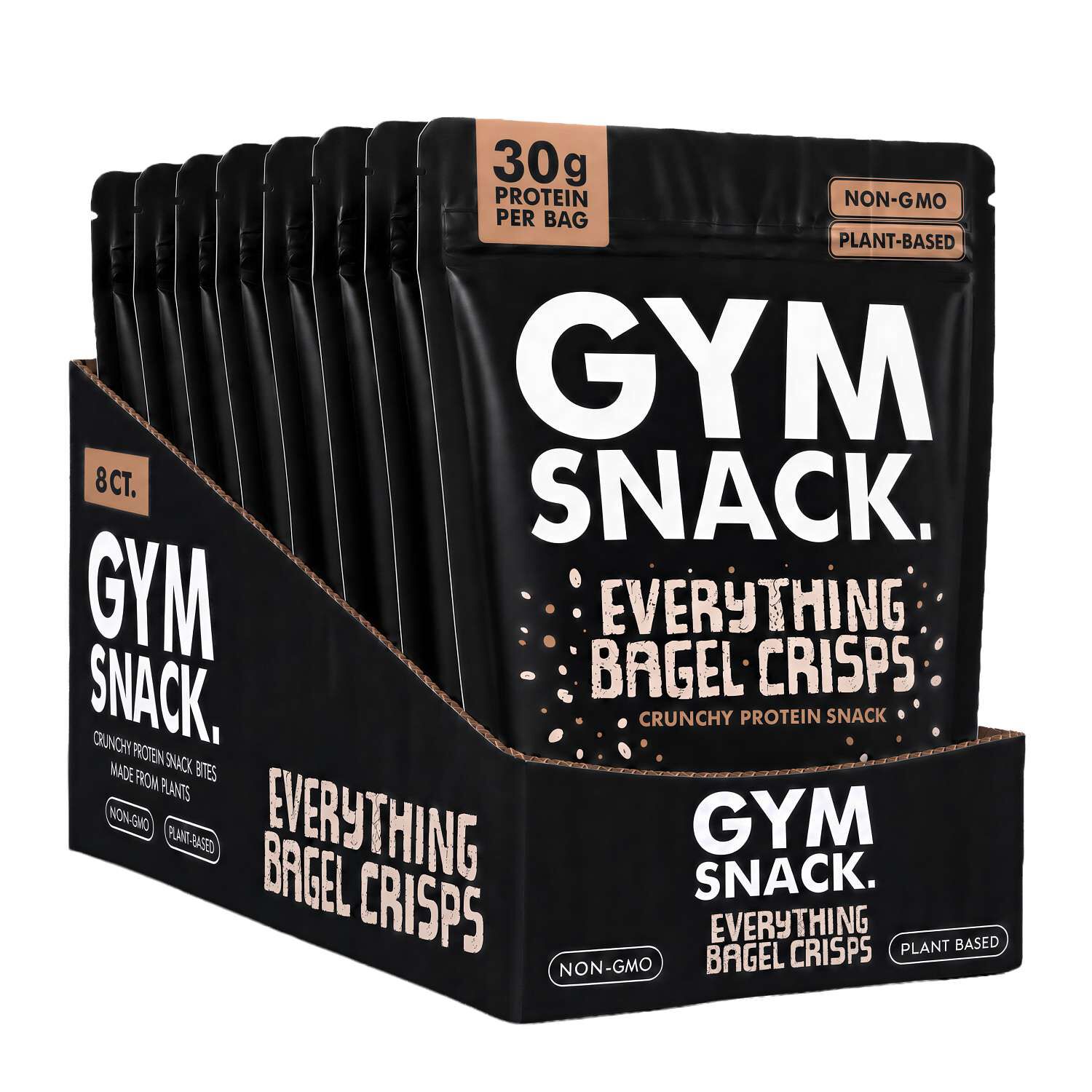 $39.99
-

-
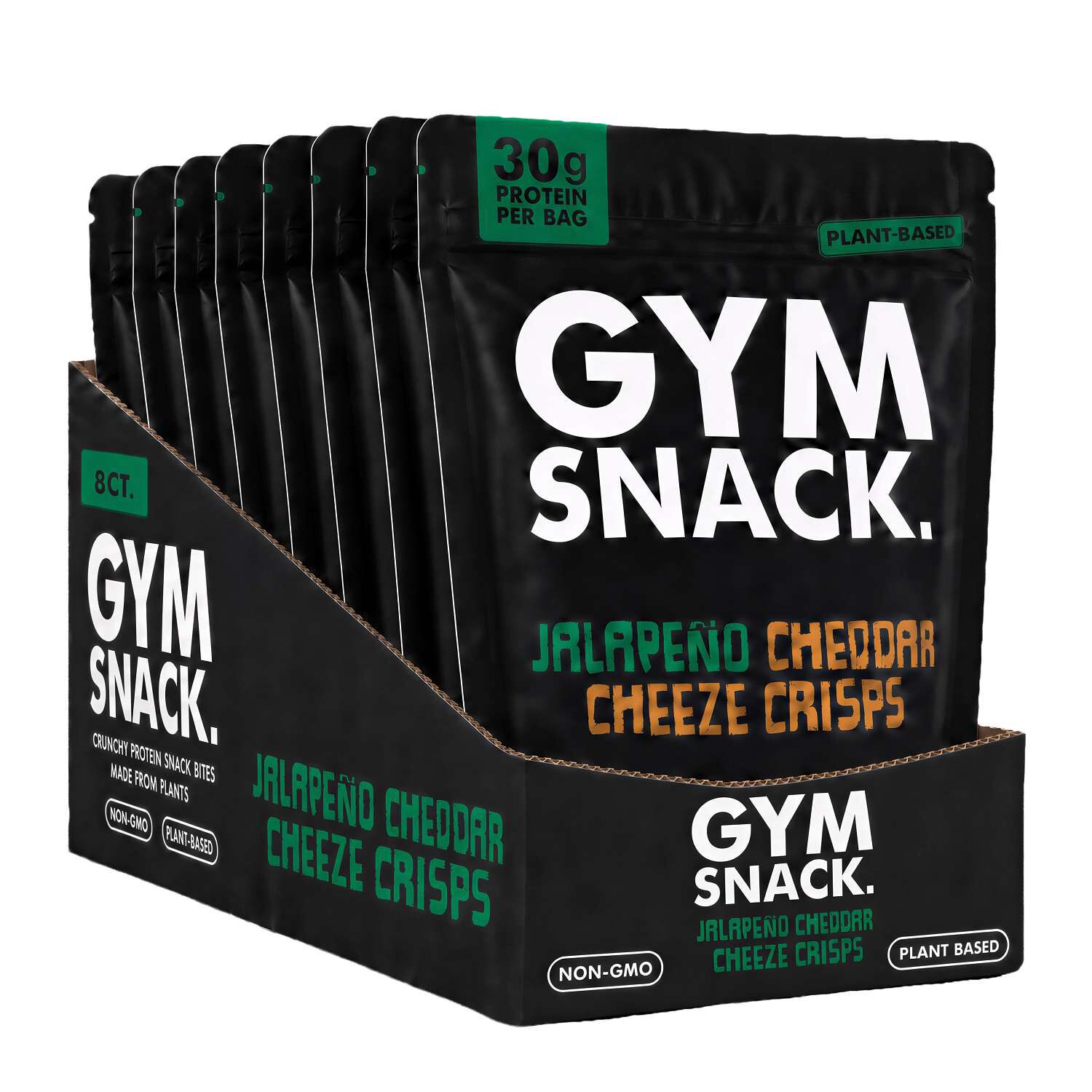 $39.99
-
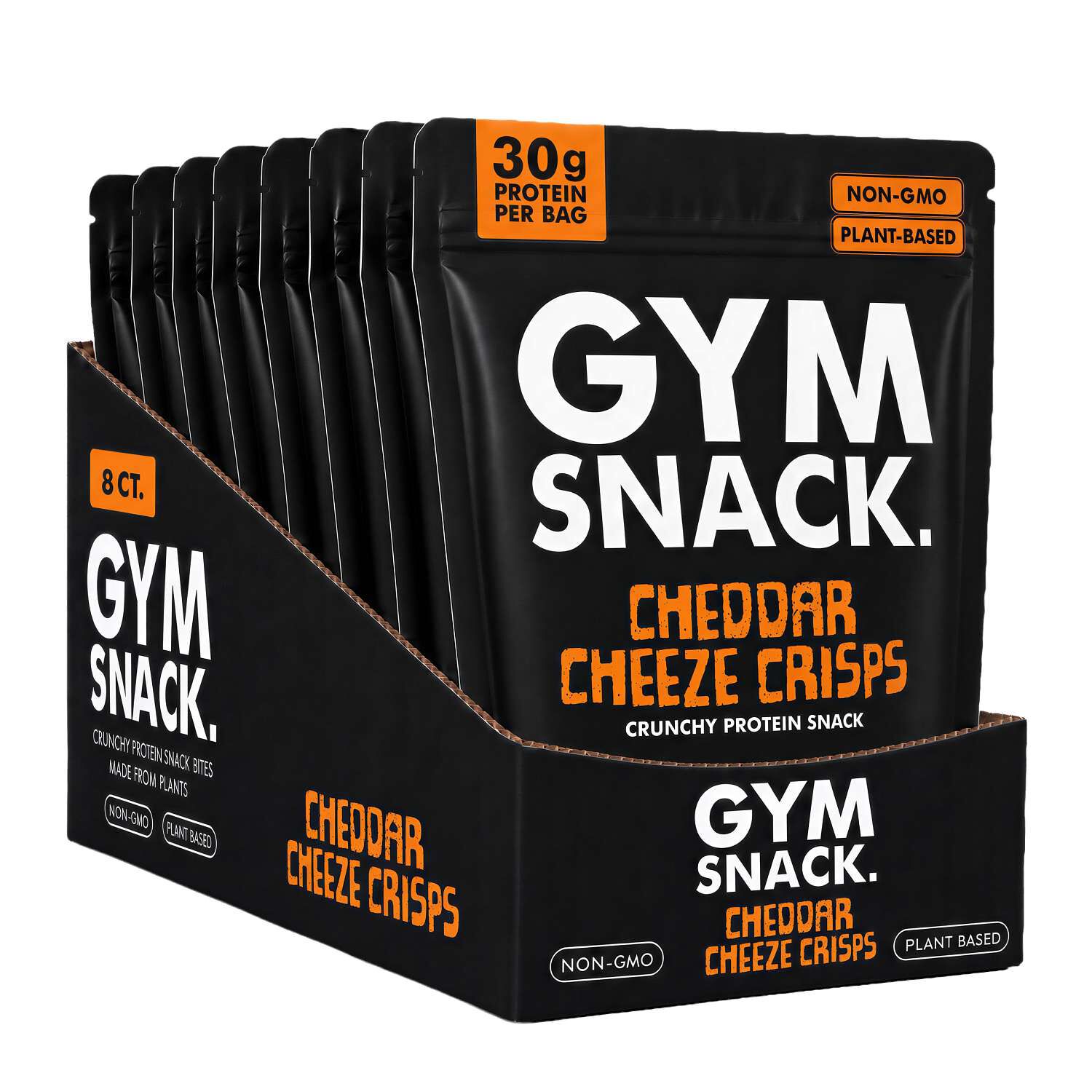 Gym Snack$39.99
-
-

-
-

-

-

-
-

-
-
-
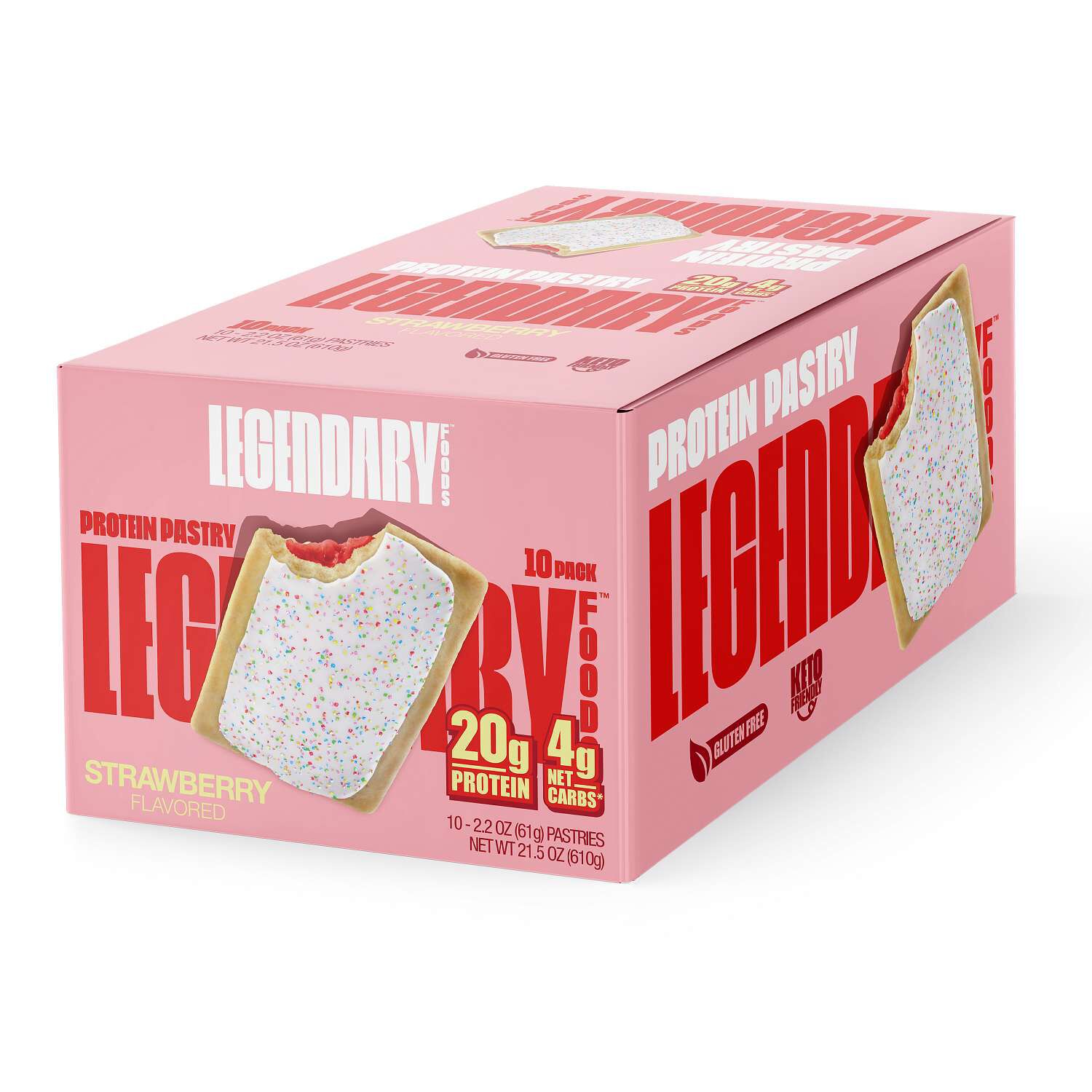
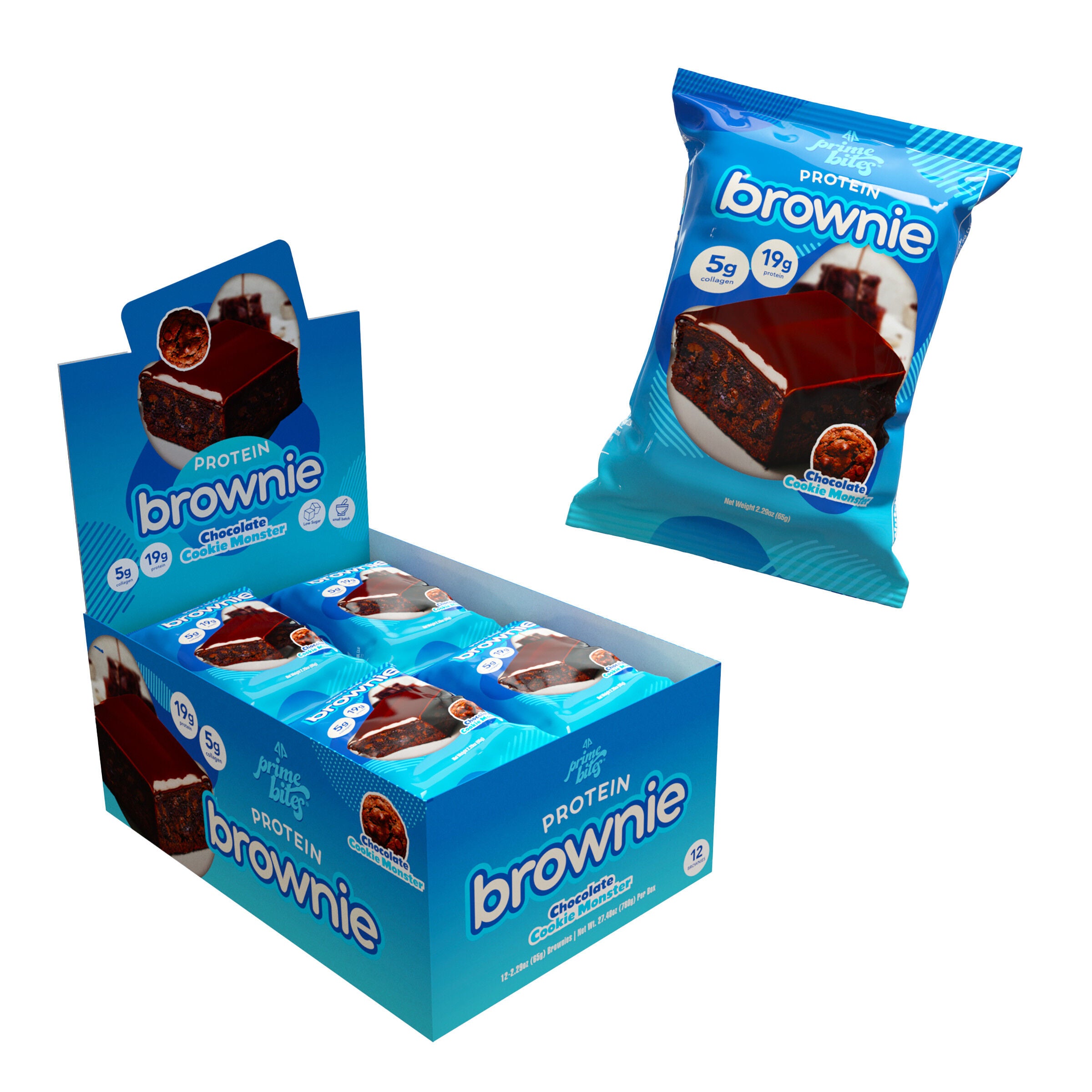
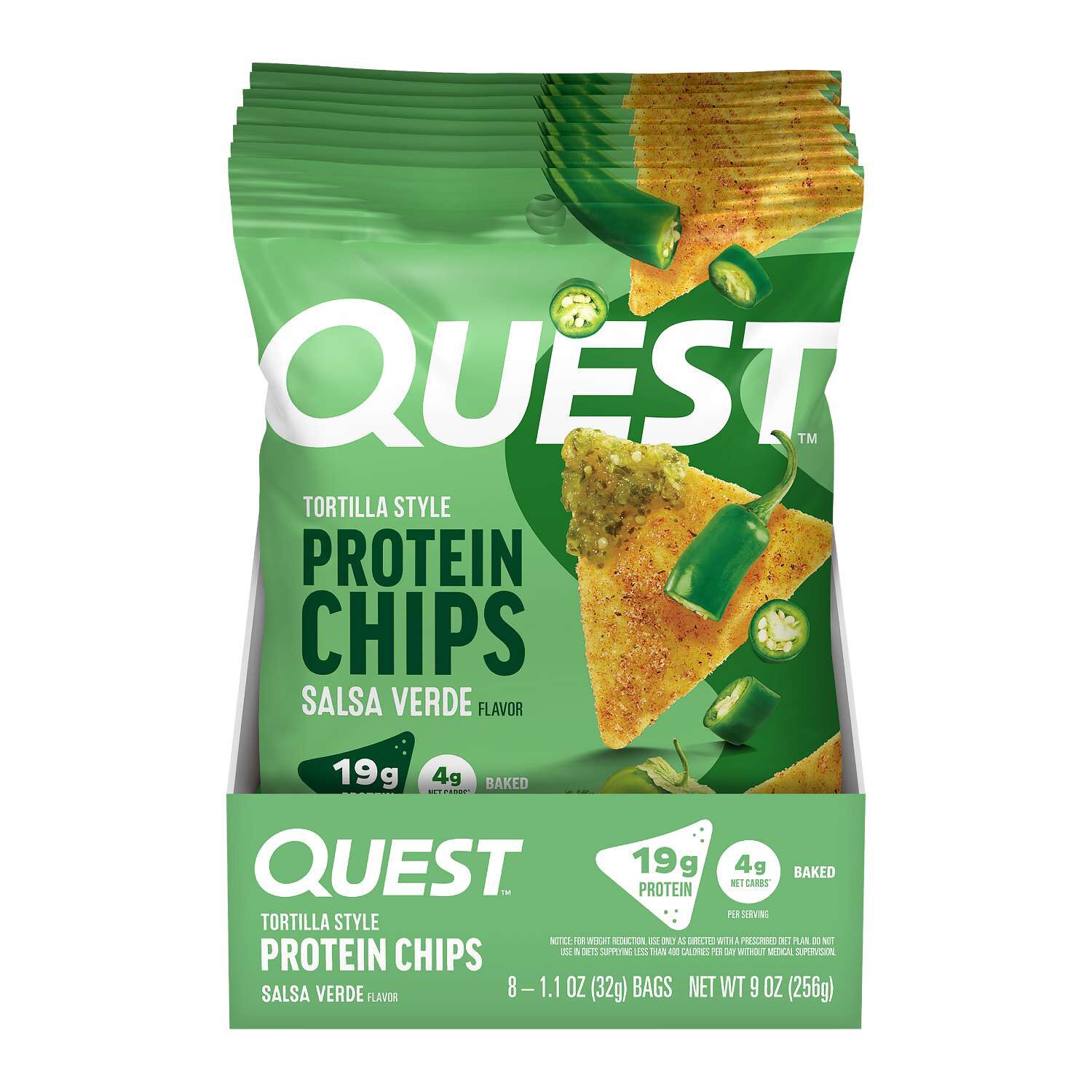
Protein snacks for vegetarians bring together familiar snack formats and protein sources that fit a meatless eating pattern. The category includes bars, bites, roasted legumes, nut and seed blends, and savory snacks made with ingredients such as peas or soy. Dairy-based options may contain whey, casein, or milk protein, while other recipes use egg whites or plant proteins from peas, soy, rice, nuts, and seeds. Vegetarian and vegan are not interchangeable descriptions: many vegetarians eat dairy and eggs, while vegan snacks exclude those ingredients. The ingredient list matters just as much as the flavor on the front of the package, particularly for someone who avoids certain animal-derived ingredients. Gelatin and collagen, for example, are animal-derived ingredients that do not fit a vegetarian eating pattern. For shoppers seeking around 10 to 20 grams of protein per serving, the Nutrition Facts panel provides the most useful comparison; the amount varies by recipe, portion size, and format. A snack made with nuts is not automatically equivalent in protein content to one formulated with concentrated pea or milk protein. The same is true of savory snacks made from legumes: the ingredient source alone does not tell the whole story. Protein grams, serving size, and the ingredient list together give a clearer picture of what is in the package. That distinction is useful when choosing something for a desk drawer, a gym bag, or the stretch between lunch and dinner. Someone who enjoys a chewy chocolate-flavored bar may prefer a very different snack from someone looking for a crisp, salty bite. Vegetarian protein snacks accommodate both preferences, with textures ranging from dense and soft to airy and crunchy. Finding a suitable match starts with the way a snack will be eaten, the ingredients that fit the household, and the flavors that sound appealing enough to reach for again. A familiar flavor can be a sensible starting point when trying an unfamiliar protein source, especially when texture is just as important as taste.
Texture and portion size deserve particular attention because a protein snack still needs to work as food, not just as a number on a label. Bars with nuts or seeds often have a different bite from smooth, layered styles, while roasted chickpeas and soy-based snacks bring a more pronounced crunch. Some recipes pair cocoa with nut butter; others lean toward fruit, vanilla, cinnamon, or savory seasonings. Sweetness also varies, including among snacks with similar protein amounts. Checking the ingredient list for sweeteners and reading the listed sugars per serving may help narrow the choice toward a preferred taste. Fiber, sodium, and fat are other useful details to compare alongside protein, without assuming that one number determines whether a snack fits a particular eating pattern. Portion information is especially relevant for bags and pouches that contain more than one serving. A large package and an individually wrapped bar are not necessarily comparable at a glance, so matching the serving sizes makes the numbers easier to interpret. In everyday use, packaging often matters as much as flavor. An individually wrapped snack is straightforward to tuck beside a notebook or carry to an afternoon appointment. A resealable pouch may be more practical for someone who wants a small handful at a time, while a crumbly texture calls for a different setting than a bite-sized snack. For a long meeting, a tidy format with little loose seasoning may be preferable; for a seated break, a bowl of crunchy legumes or a nut blend might be more appealing. After a workout, someone may simply want a vegetarian snack that is easy to carry and enjoyable to eat before the next meal. These are practical differences rather than reasons to rank every format the same way. A useful comparison considers taste, portion, protein source, and the setting together, rather than choosing solely by the largest protein number printed on the package. Even the opening and closing of a pouch can matter when a snack travels between home, work, and other stops.
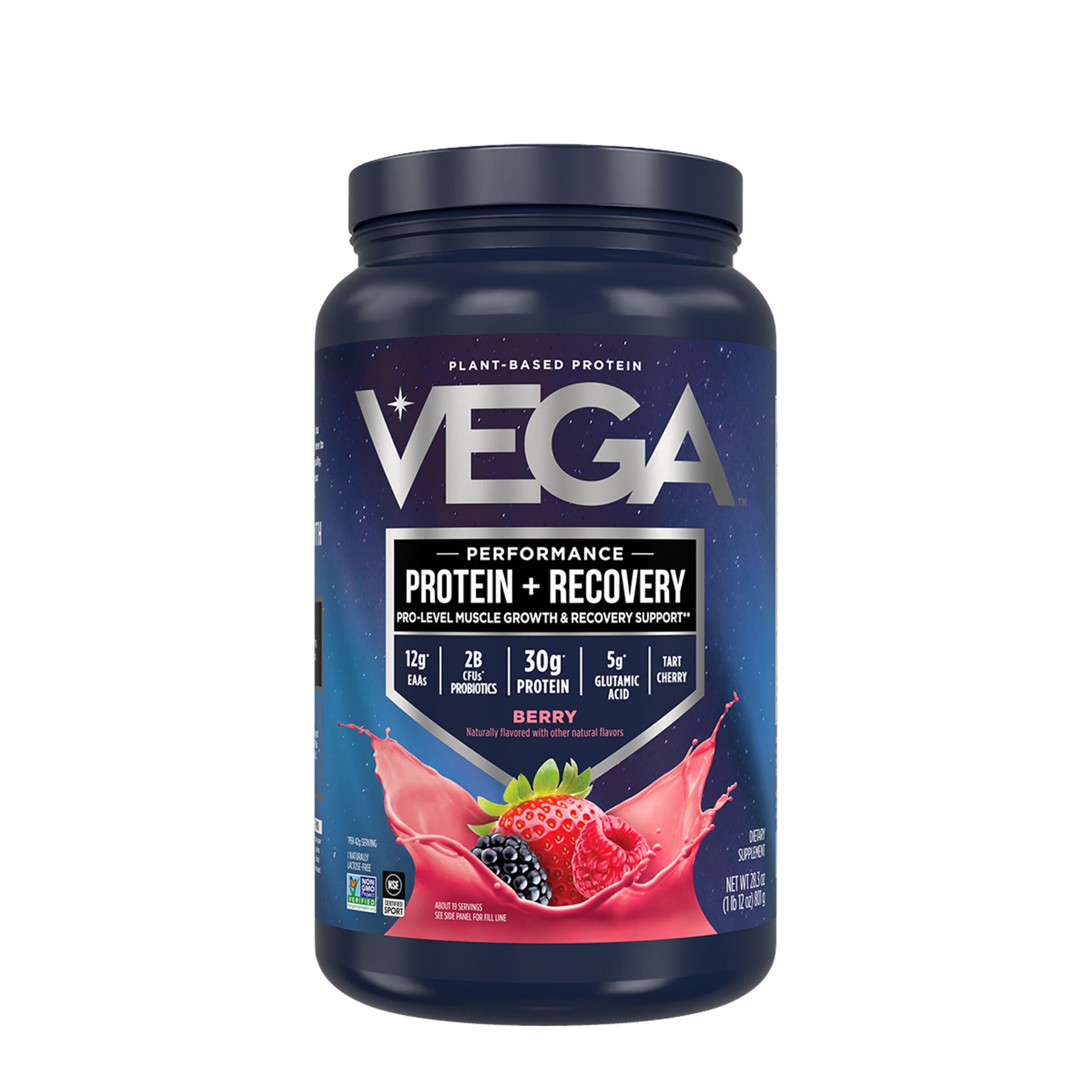
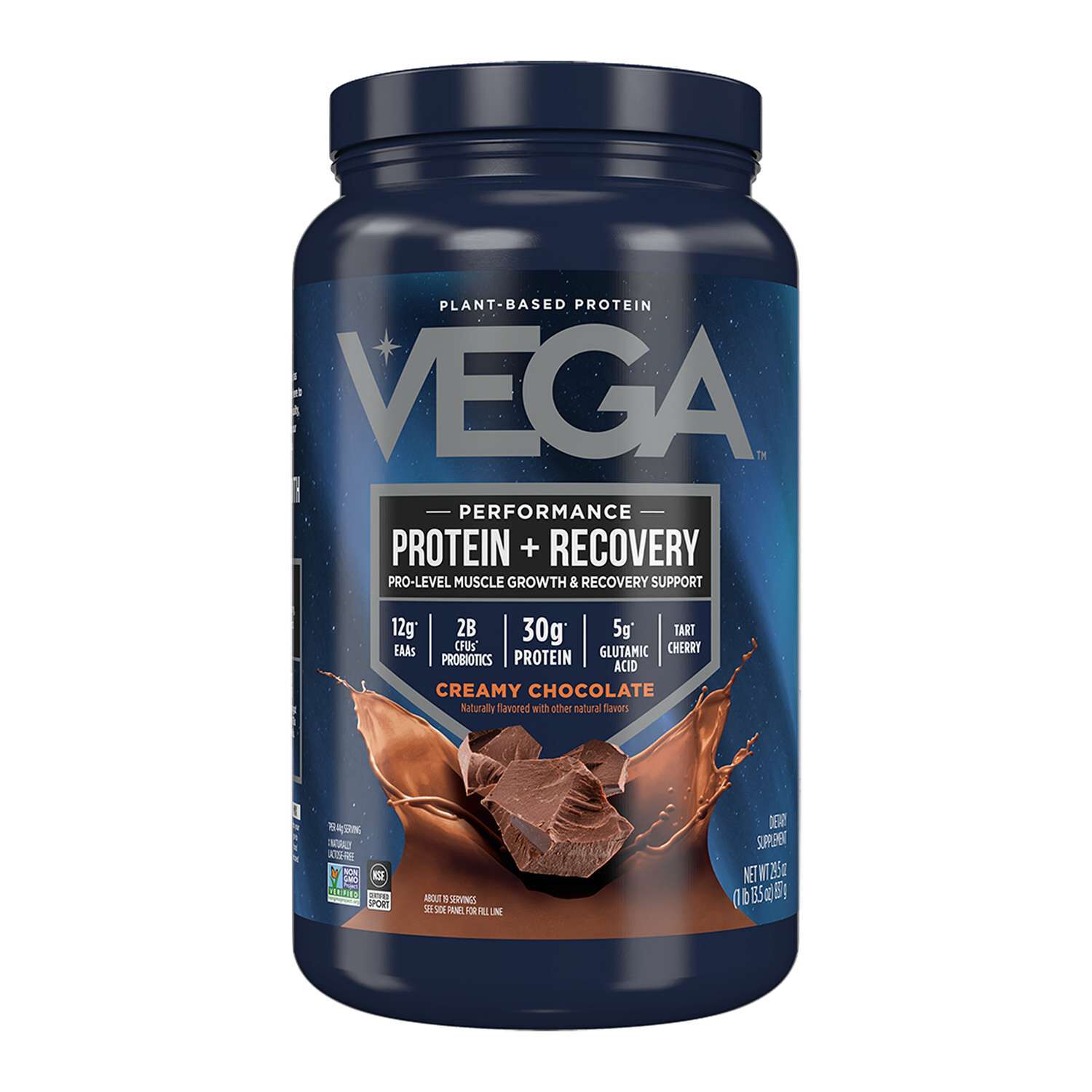
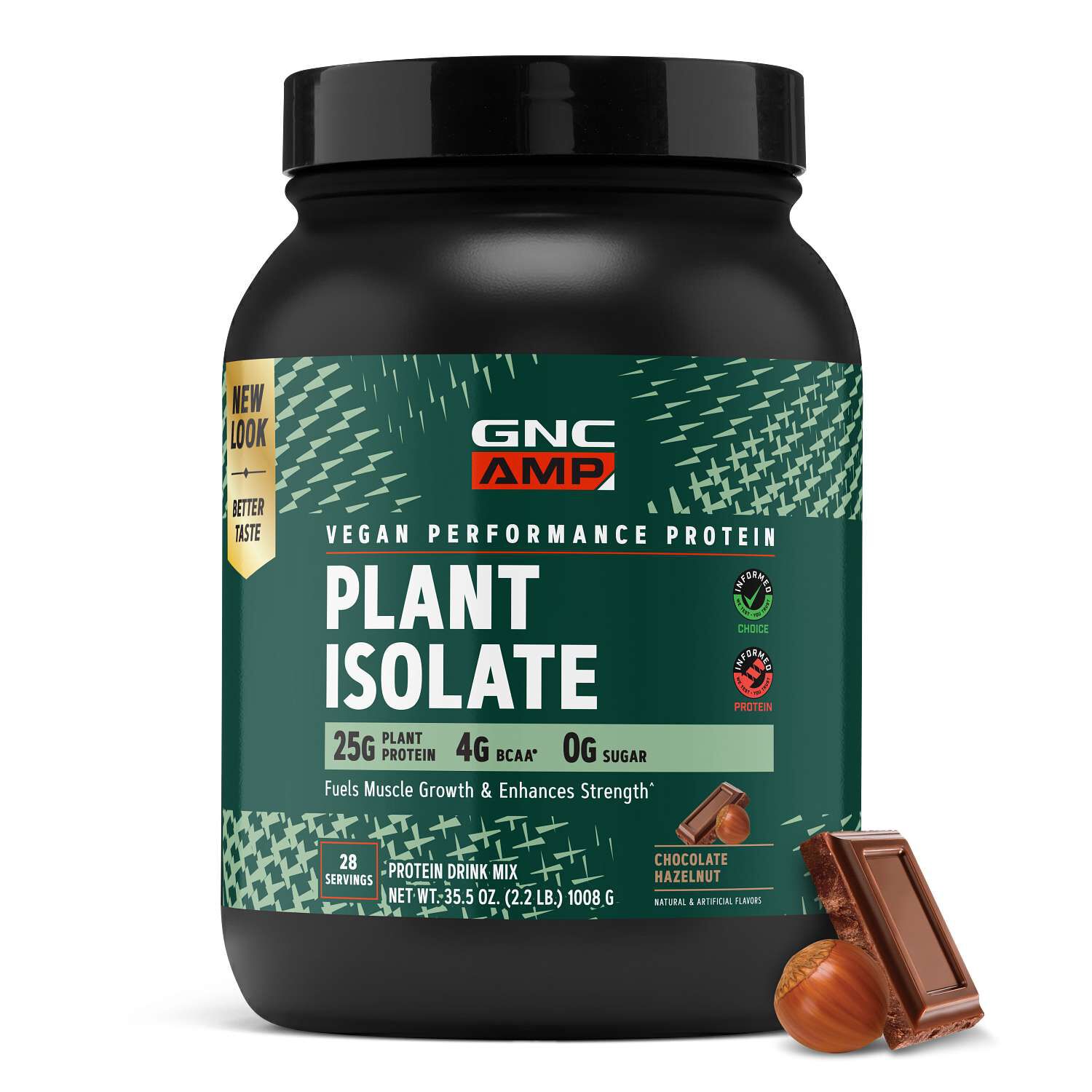
Keeping vegetarian protein snacks in a regular rotation also means paying attention to storage, package condition, and the preferences of anyone sharing them. Follow the storage directions on the label, check the best-by information, and close resealable packages as directed after opening. A sealed wrapper is useful for carrying a single portion, but it is still worth checking that the package has not been torn or punctured in a crowded bag. For shared kitchens, the ingredient list and any statements about milk, eggs, soy, peanuts, tree nuts, wheat, or sesame deserve a close look. A plant-based recipe does not necessarily exclude every ingredient that someone in the household avoids, and a vegetarian label does not answer every question about how a snack was made. The same attention is helpful when putting together a snack gift for a college student, a colleague, or a friend who prefers meatless foods. Familiar flavors, readable labels, and portions suited to the recipient’s routine make more sense than choosing on protein content alone. A person who likes savory snacks may appreciate roasted or crunchy formats, while someone who enjoys dessert-inspired flavors may lean toward cocoa, peanut butter, or vanilla. Variety can come from changing texture as well as flavor, rather than filling a drawer with several versions of the same chewy bar. For protein formats beyond snack foods, explore Protein Supplements for Vegetarians, keeping the same focus on ingredient sources and serving information. Powders and snack foods serve different eating occasions, so a preference for one does not have to rule out the other. A snack might suit a commute or a short break, while a mix-in format might fit a breakfast prepared at home. Across those occasions, the most relevant details remain concrete: what the protein comes from, how much is in a serving, what the food tastes and feels like, and whether the packaging suits the way it will be carried and stored. Those details make vegetarian protein snacks easier to compare as everyday foods with distinct flavors, textures, and uses.
Best Sellers

Related Pages

Top Collections
- Supplements For Yoga Joint Flexibility
- GLP 1 Support For Adults
- Joint Mobility Supplement Packs
- Chronic Fatigue Supplements
- Adult Mobility Supplements
- Supplements For Balance
- Supplements For Anxiety Relief Support
- Capsule Supplements For Energy And Stamina
- Zinc Supplements | Top Brands at Great Prices | GNC
- Anti Aging Supplements For Women