





Protein Drinks For Vegetarians
(0 Results)
Protein drinks for vegetarians offer a convenient way to help support your daily nutrition goals while following a plant-based lifestyle. With a variety of flavors and ingredient options, these drinks may fit easily into your routine, whether you’re at home or on the go. Explore options that could align with your preferences and dietary needs, making it simpler to add more protein to your day without compromising your vegetarian choices.

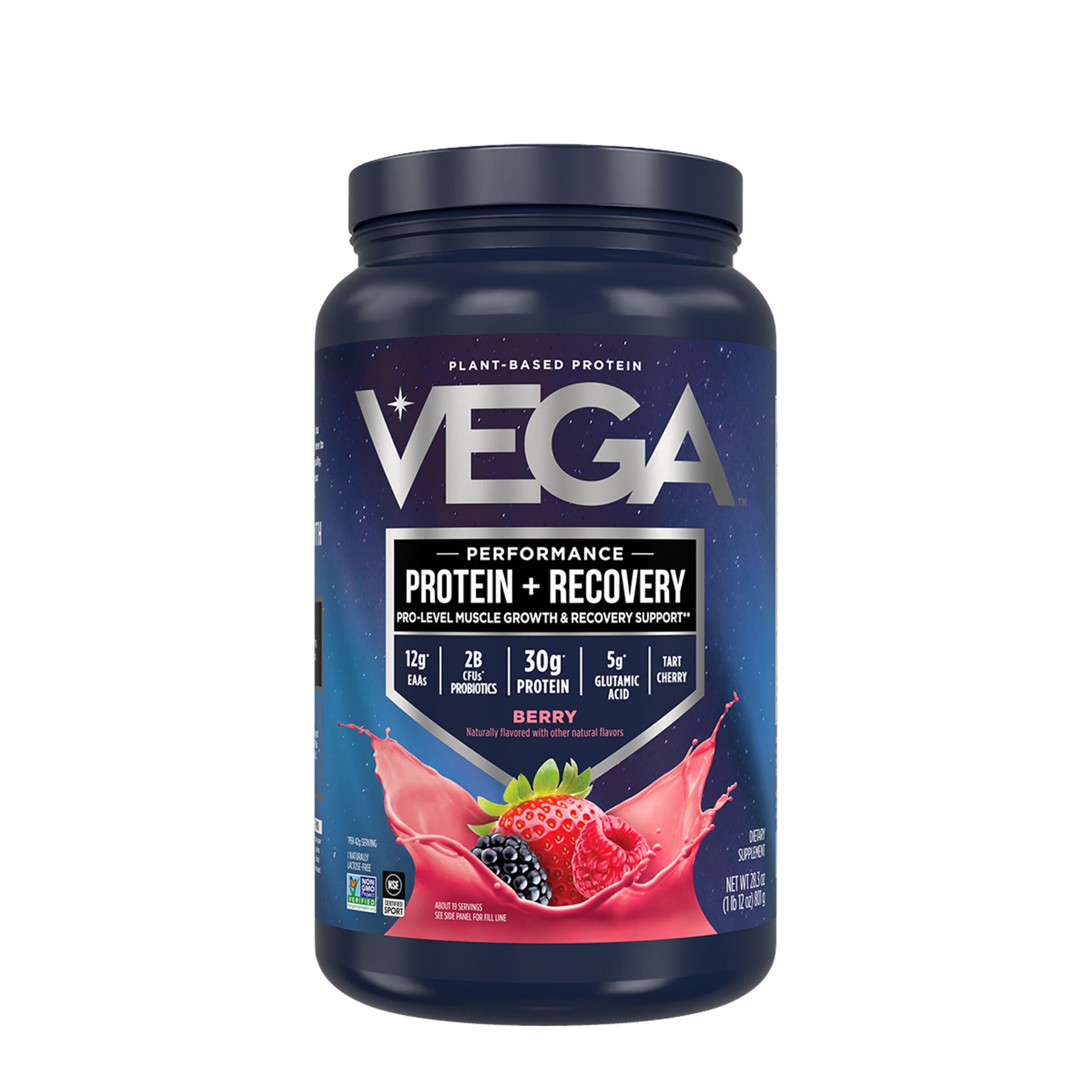
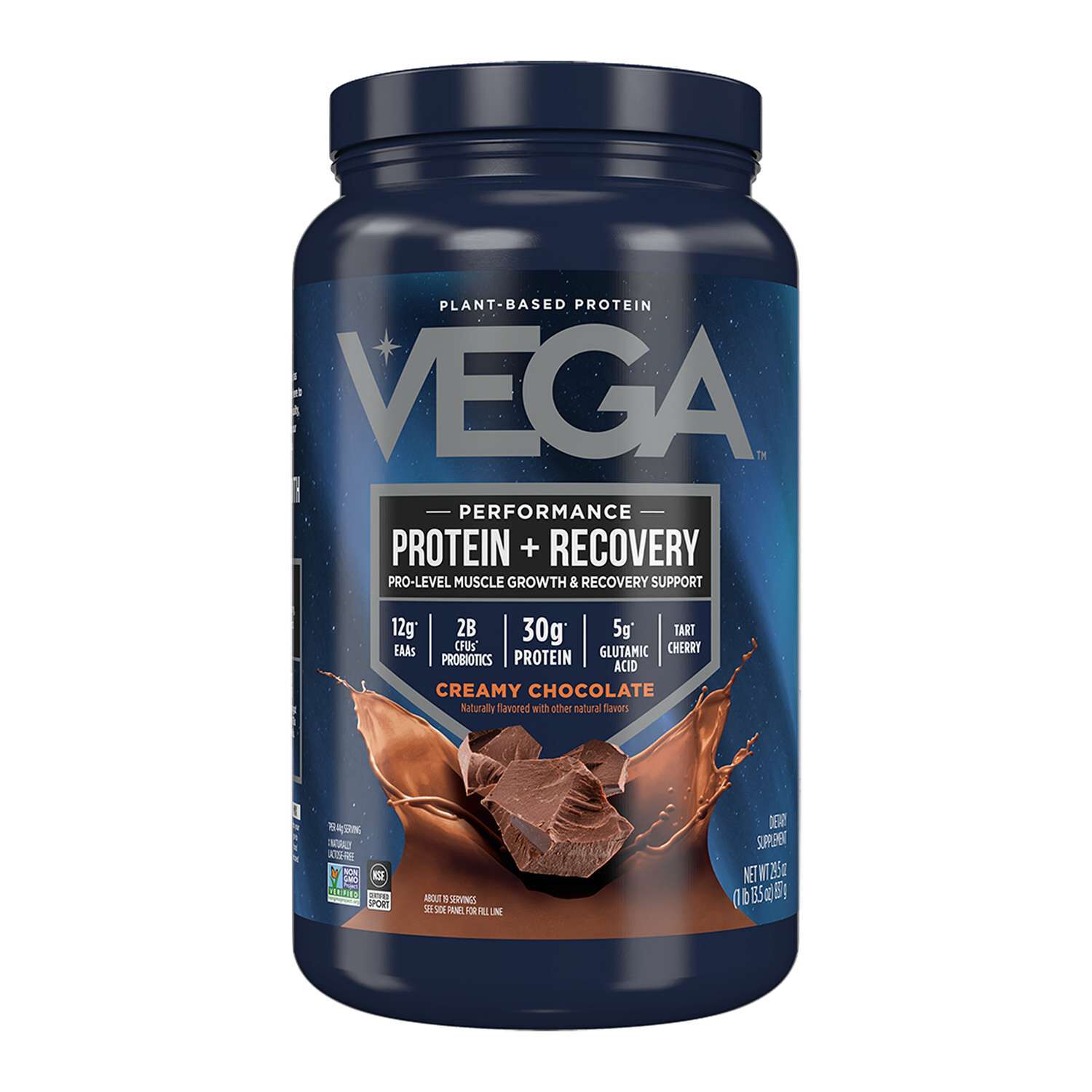

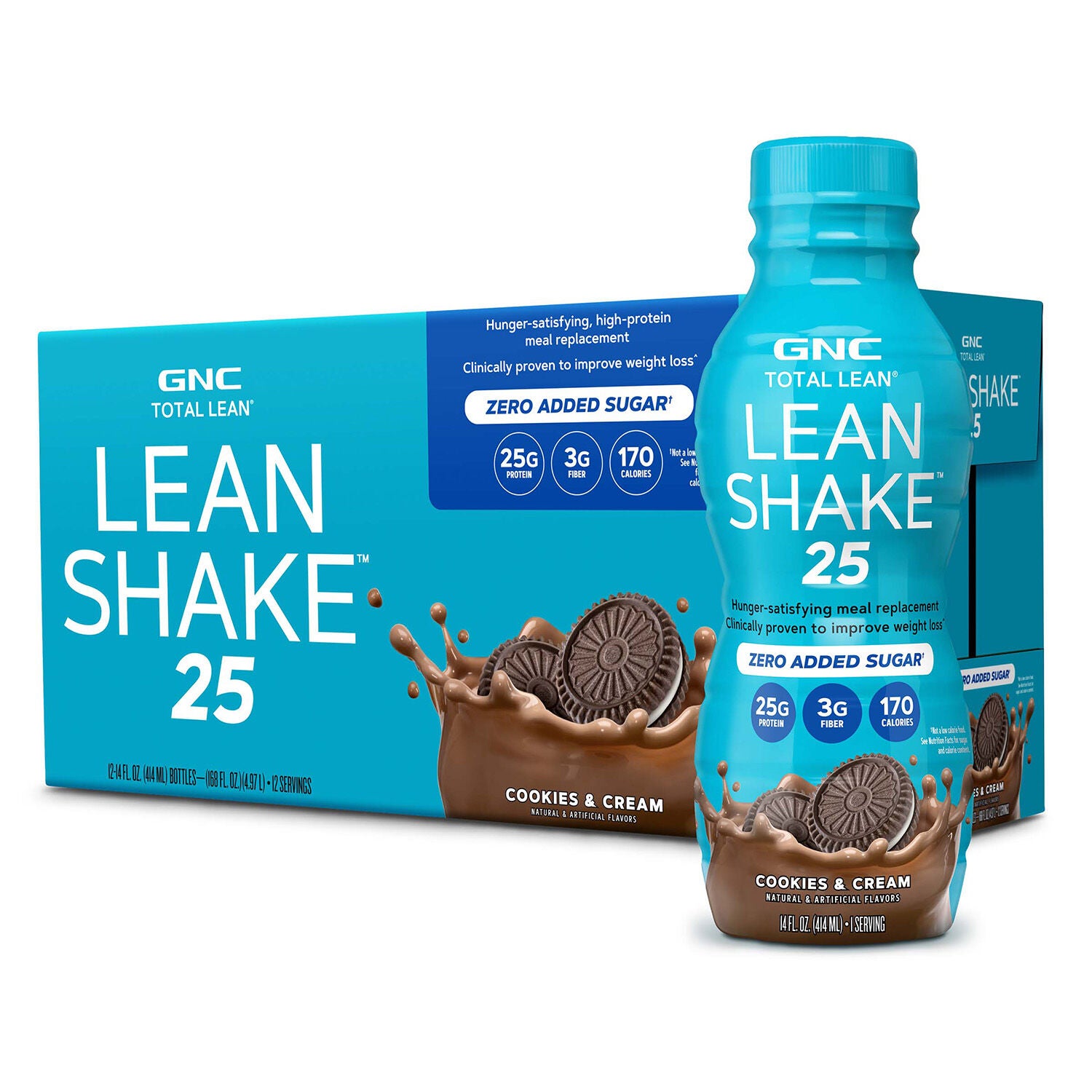

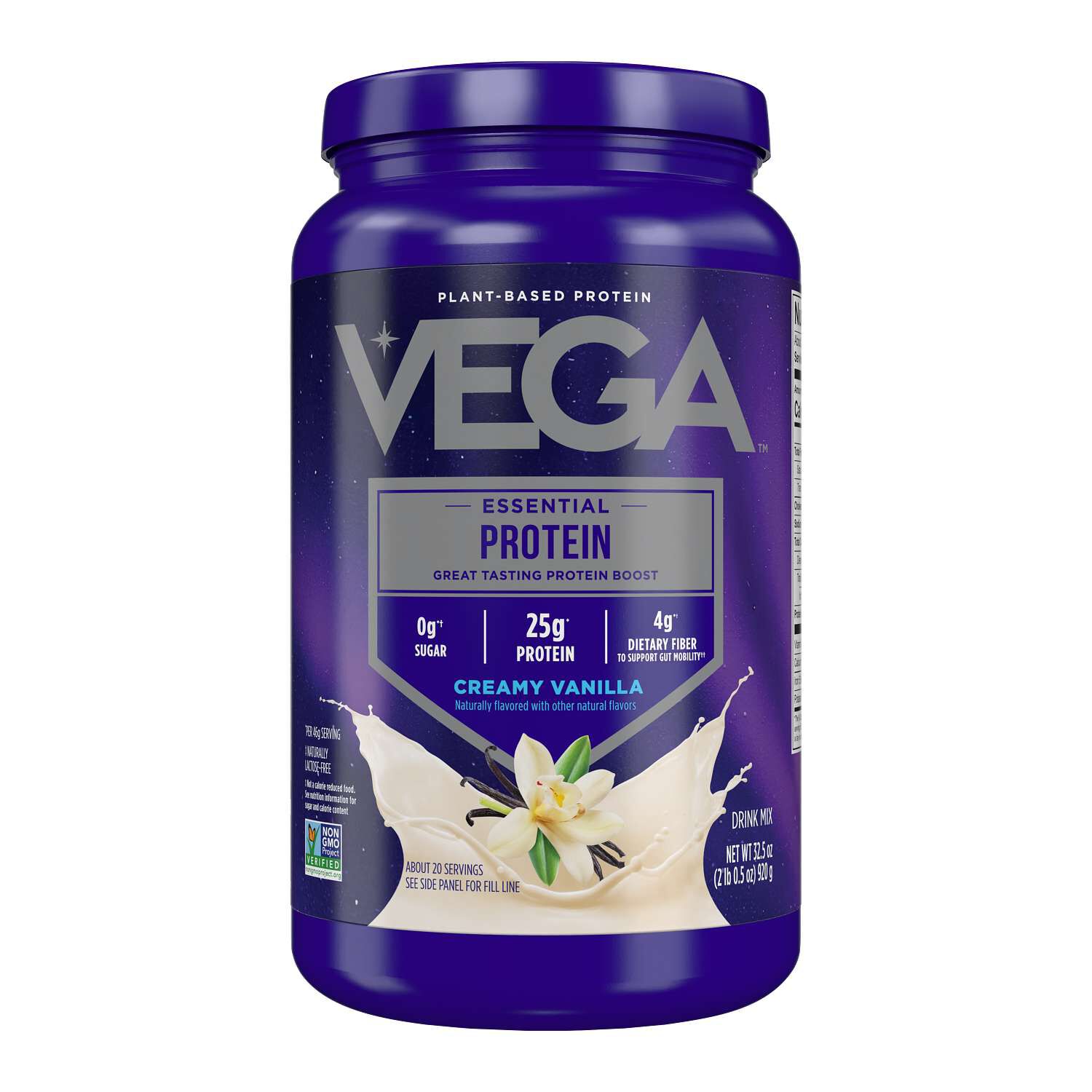

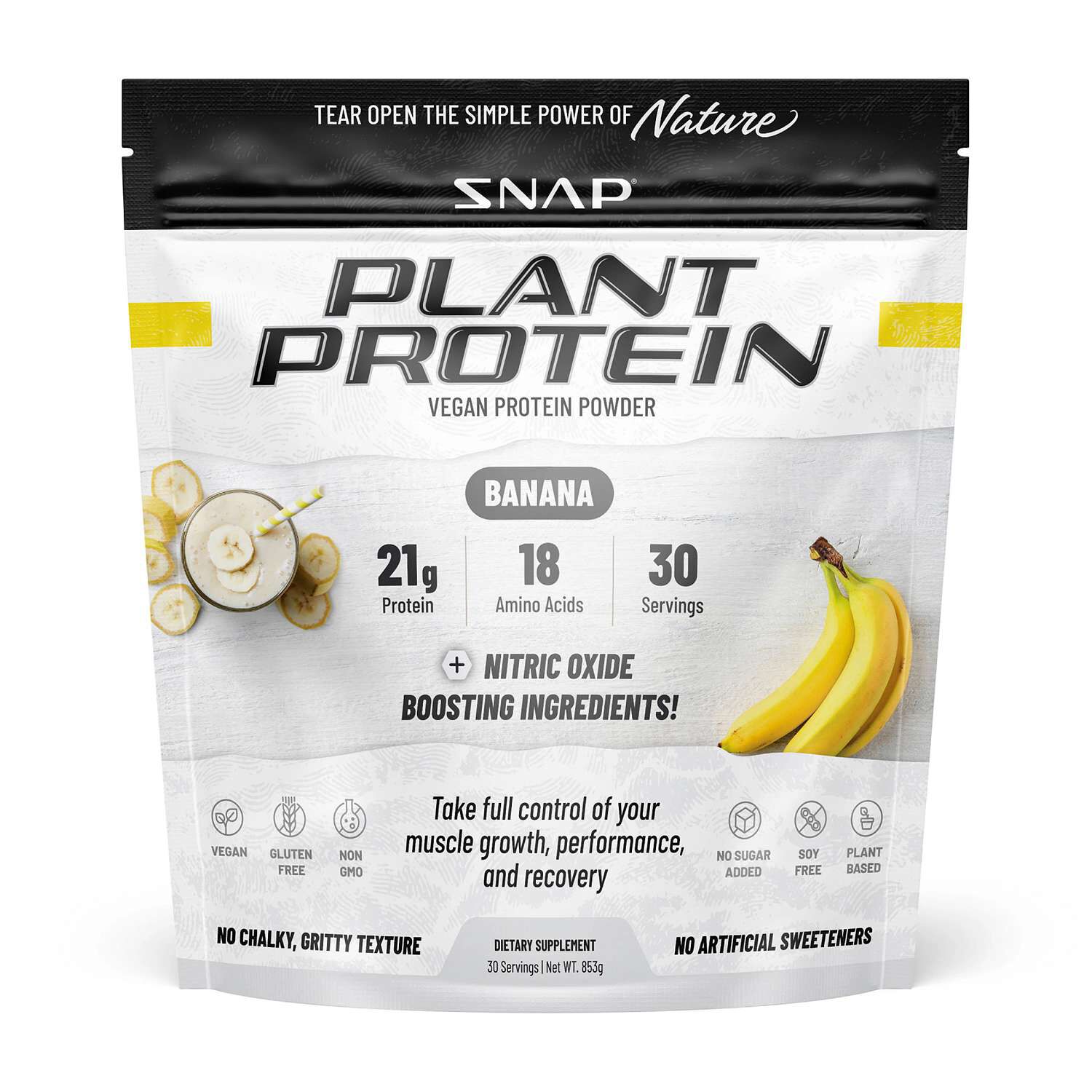
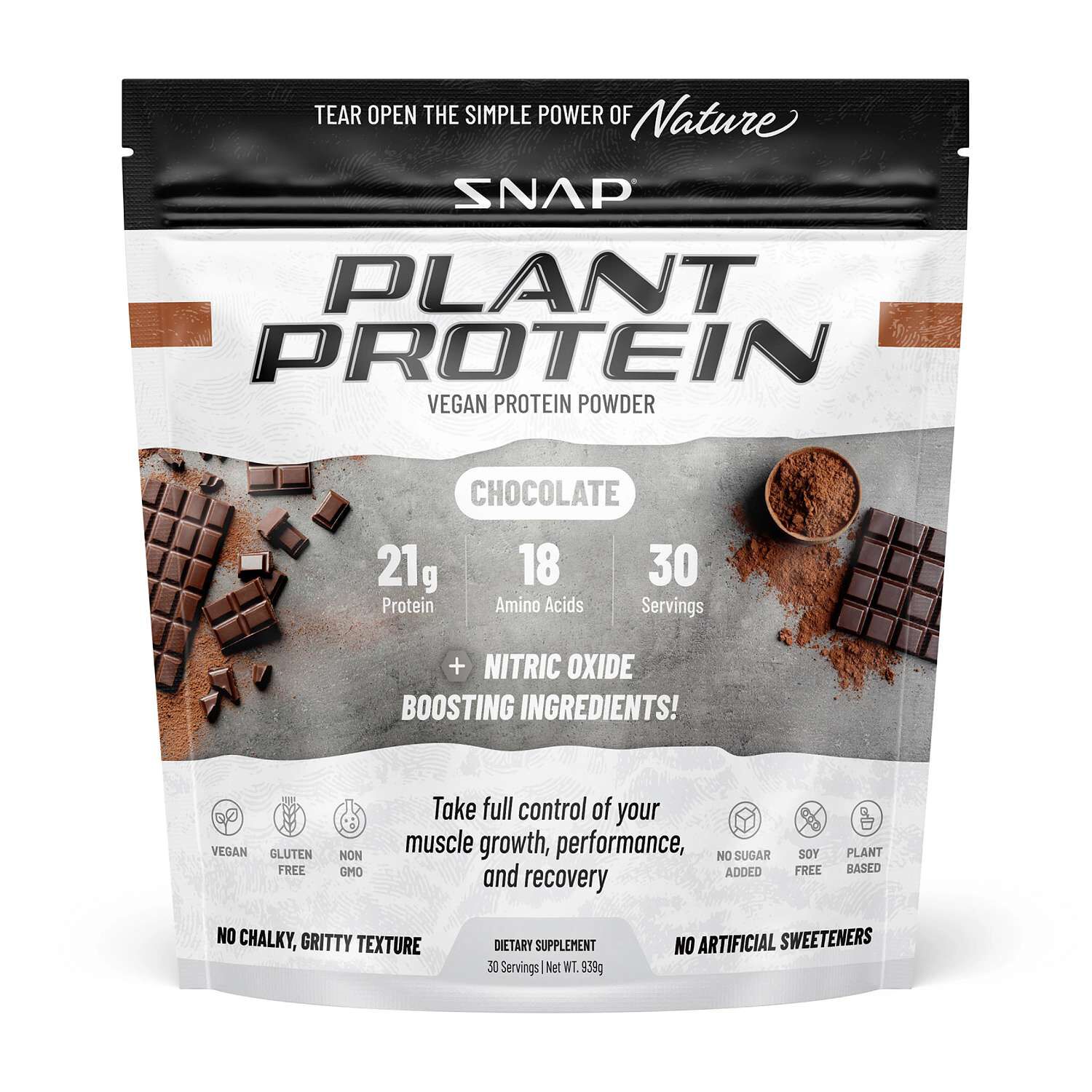
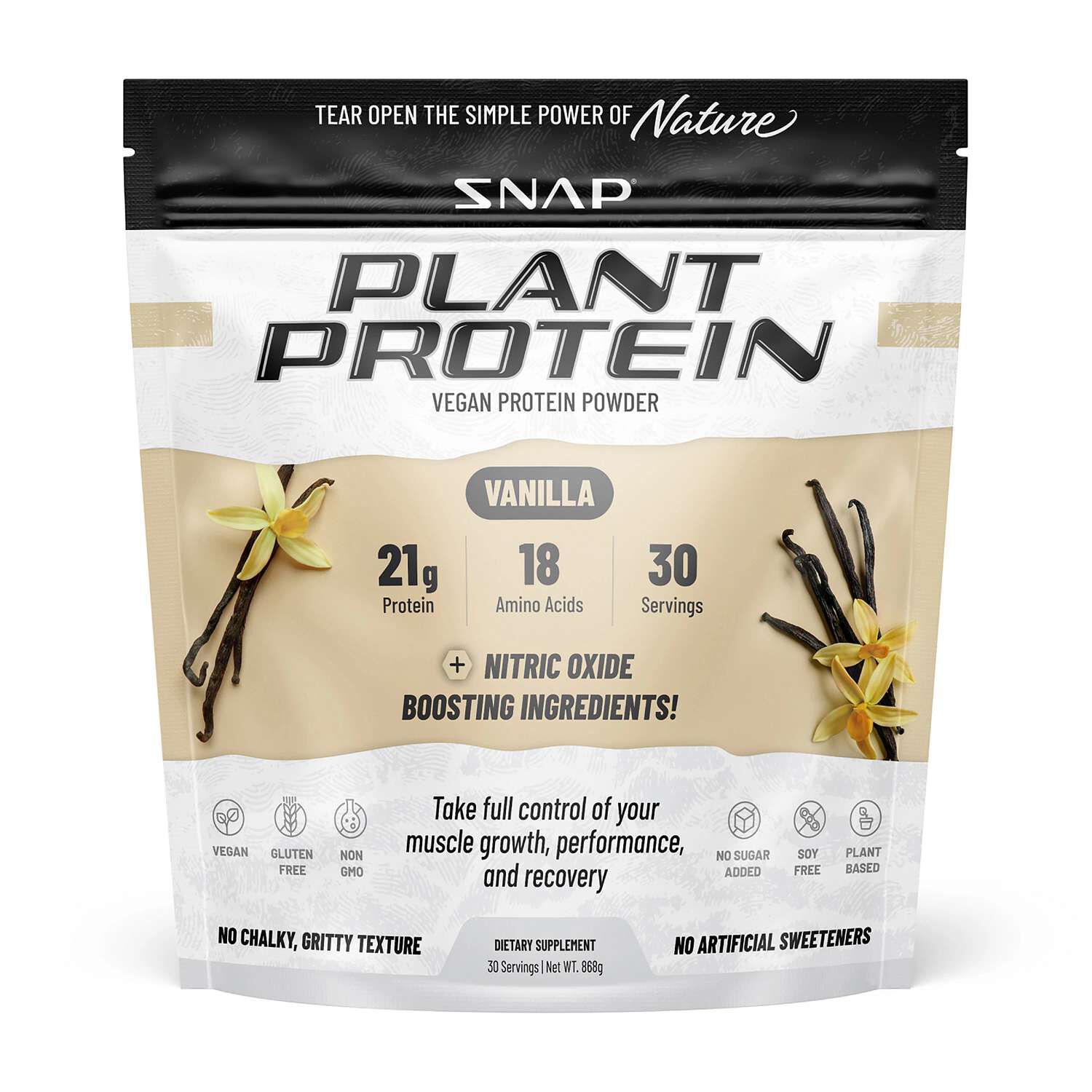


Protein drinks for vegetarians include dairy-based shakes and plant-based beverages made with ingredients such as pea, soy, brown rice, pumpkin seed, and chickpea protein. Vegetarian and vegan describe different dietary preferences: a vegetarian who includes dairy might choose whey, casein, or milk protein, while someone following a vegan diet would look for ingredients that do not come from animals. This distinction matters because a vegetarian protein drink is not necessarily a plant-based drink. The protein source and ingredient list offer a clearer picture than the flavor name or package design alone. Some beverages feature a single protein source, while others combine several plant proteins in one formula. The liquid base is another consideration. Almond, oat, coconut, and other plant beverages may appear alongside added protein, but the base itself does not establish how much protein a serving contains. That amount appears on the Nutrition Facts label, making it easier to compare drinks with different ingredients and bottle sizes. Ready-to-drink bottles and cartons are distinct from powders intended to be mixed with water or another beverage. A prepared drink may suit someone who wants a portable option without measuring powder or washing a shaker afterward; a powder-based drink might appeal to someone who prefers choosing the liquid and portion. Across these formats, protein drinks for vegetarians span familiar flavors such as chocolate and vanilla, along with coffee-inspired and fruit-based varieties. Texture varies by formulation, too, from lighter beverages to richer shakes. For a commuter carrying breakfast components, a student moving between classes, or someone packing food for a long workday, the combination of format, ingredients, and serving size may matter as much as flavor. These drinks may offer another way to include protein in a vegetarian eating routine alongside foods such as beans, lentils, tofu, yogurt, eggs, nuts, and seeds, according to individual preferences.
Comparing vegetarian protein drinks involves more than finding the largest protein number on a label. Protein is listed in grams per serving, while the package volume is generally shown in fluid ounces; two bottles of different sizes may not represent equivalent portions. Serving information also establishes whether the nutrition figures describe the entire container or only part of it. Calories, carbohydrates, sugars, added sugars, and fat help describe the beverage as a whole, particularly when it will accompany other food. A small shake carried with a sandwich serves a different purpose from a larger drink packed with oatmeal, fruit, and nut butter for breakfast. Some formulas include added vitamins and minerals, while others focus on a shorter ingredient list. Neither approach determines whether a drink matches every vegetarian shopper’s preferences. Milk, soy, and ingredients derived from nuts deserve attention when those foods are excluded from someone’s routine, and the package’s allergen statement provides information beyond a front-label description. Plant-based wording alone does not establish that a beverage avoids every ingredient a shopper wishes to leave out. Sweeteners, flavorings, and other additions also distinguish one style from another. A person who enjoys a dessert-like chocolate shake may prefer a different formula from someone looking for a less sweet vanilla beverage to accompany lunch. Coffee-flavored drinks warrant a closer look at caffeine information, since the flavor name does not always tell the whole story. Ingredient lists may also include oils, gums, or other components used in beverage formulation, which is useful context for shoppers with particular texture preferences. Labels describing organic ingredients or other certifications provide additional points of comparison when those attributes matter. The most relevant vegetarian protein drink is one whose ingredients, nutrition information, flavor, and portion fit the occasion, rather than one chosen on a single front-label statement. Keeping those details together may make comparisons more useful across dairy-based and plant-based options.
Everyday use also shapes which protein drink format feels practical. A sealed, single-serving carton may fit neatly beside a lunch container, while a resealable bottle might suit someone who prefers drinking a portion at a time, subject to the package’s storage directions. Packaging material and closure design matter when a drink will travel in a backpack, gym bag, or tote: a secure cap, intact seal, and container that fits the intended compartment are useful details. Shelf-stable beverages and drinks sold refrigerated have different handling requirements, and the label determines how an unopened package should be stored. After opening, refrigeration and use instructions remain important even when the unopened drink was suitable for pantry storage. Directions to shake before drinking are also worth noting, particularly for beverages that separate during storage. For people using powders to prepare vegetarian protein drinks, a clean mixing container with a secure lid may make preparation and transport more convenient, and the container’s care instructions indicate how it should be washed. Intended use brings these practical considerations into focus. Someone heading from an exercise session to work might prefer a prepared drink alongside a packed breakfast, while a person spending the day at a desk might choose a smaller serving to accompany an afternoon snack. A protein beverage is not automatically a meal replacement; that description depends on the formulation and labeling, not simply on the presence of protein. People who pair protein drinks with an exercise routine may also explore Vegetarian Muscle Recovery Products for related options that align with their dietary preferences. As part of a food-focused gift, vegetarian protein drinks may be appropriate when the recipient’s ingredient restrictions and favorite flavors are already known. Whether purchased for a familiar daily routine or a specific activity, careful attention to protein source, serving information, packaging, and storage may help narrow the selection to a format that fits naturally into the day.
- Q: What types of protein are commonly used in vegetarian protein drinks?
A: Vegetarian protein drinks often use plant-based proteins such as pea, soy, rice, and oat protein. Some may also include blends of these sources to provide a broad range of amino acids. - Q: Are vegetarian protein drinks suitable for vegans?
A: Many vegetarian protein drinks are also vegan-friendly, but it's important to check the label for ingredients like dairy or honey that may not be suitable for vegans. - Q: Can I use vegetarian protein drinks as a meal replacement?
A: While some vegetarian protein drinks are formulated to be meal replacements with added vitamins, minerals, and fiber, others are intended as supplements. Always review the nutritional information to determine if it meets your needs for a meal. - Q: How do I choose the right vegetarian protein drink for my dietary needs?
A: Consider factors such as your preferred source of protein, any food allergies or sensitivities, flavor preferences, and whether you want additional nutrients like fiber or probiotics. Reading ingredient lists and nutrition labels can help you make an informed choice. - Q: Do vegetarian protein drinks taste different from whey-based options?
A: Vegetarian protein drinks can have a different taste and texture compared to whey-based options due to their plant-based ingredients. Many brands offer a variety of flavors and formulations to suit different palates.
Best Sellers
Related Pages


Top Collections
- Daily Collagen Supplements | Top Brands & Deals | GNC
- Natural Collagen Supplements | Top Brands & Deals | GNC
- Top Rated Collagen | Shop Customer Favorites | GNC
- Cortisol Supplements
- Vitamins For Hair Loss
- Spirulina Tablets
- NAD+ Supplement Tablets
- Peptide Supplements
- Best Brand of Magnesium Glycinate
- Vitamins That Help Support Weight Gain