Vegetarian Muscle Recovery Products
(0 Results)
Vegetarian muscle recovery products offer a variety of options for those looking to support their fitness journey while maintaining a plant-based lifestyle. Whether you’re seeking plant-powered protein powders, amino acids, or other nutrient-rich supplements, these selections may help you find the right fit for your wellness routine. Explore vegetarian muscle recovery products that could align with your goals and preferences, all while staying true to your dietary choices.
-

-
-
-

-

-

-

-

-

-

-
-

-

-

-

-

-
 Nature's Fusions$29.99
-
-

-

-

-
-
-
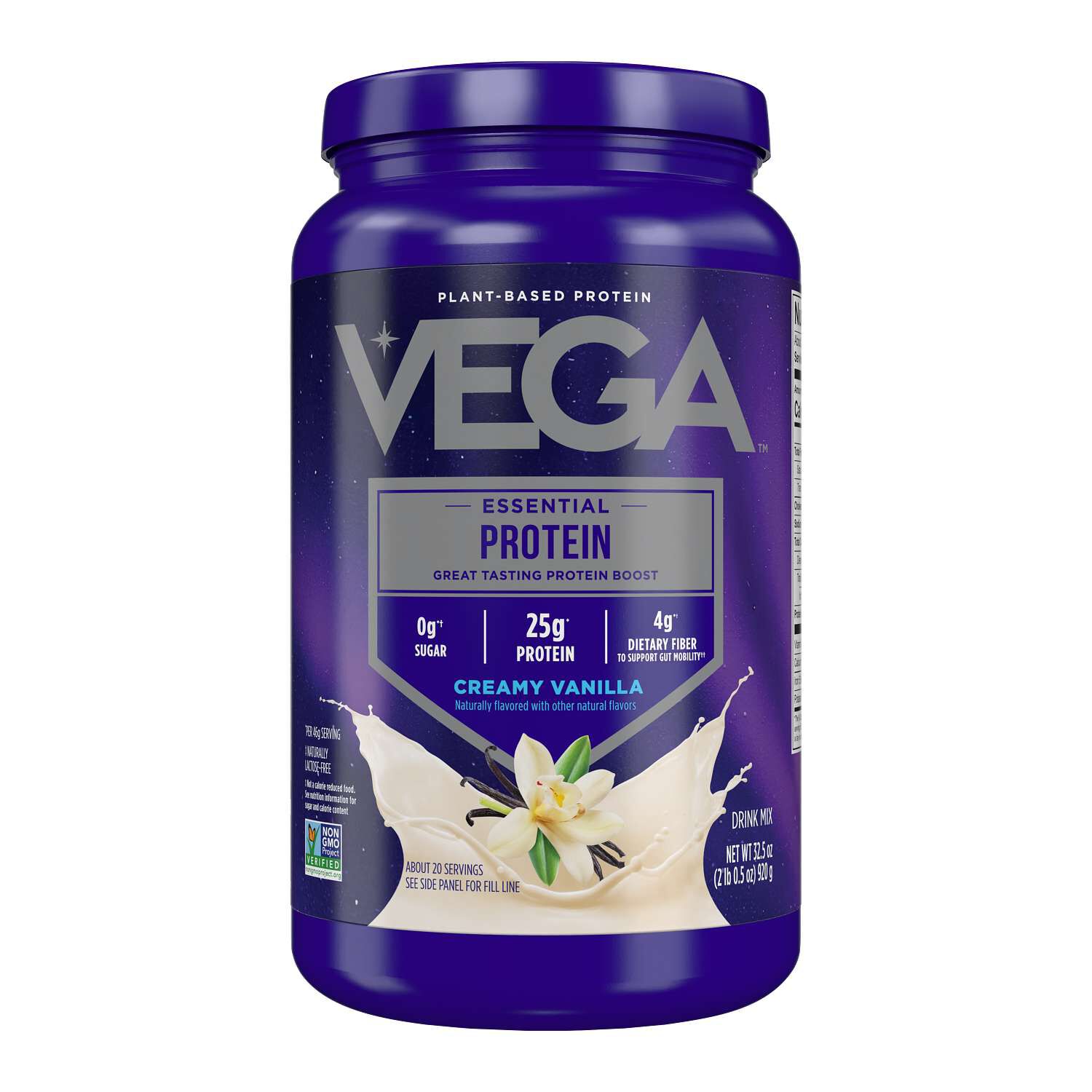
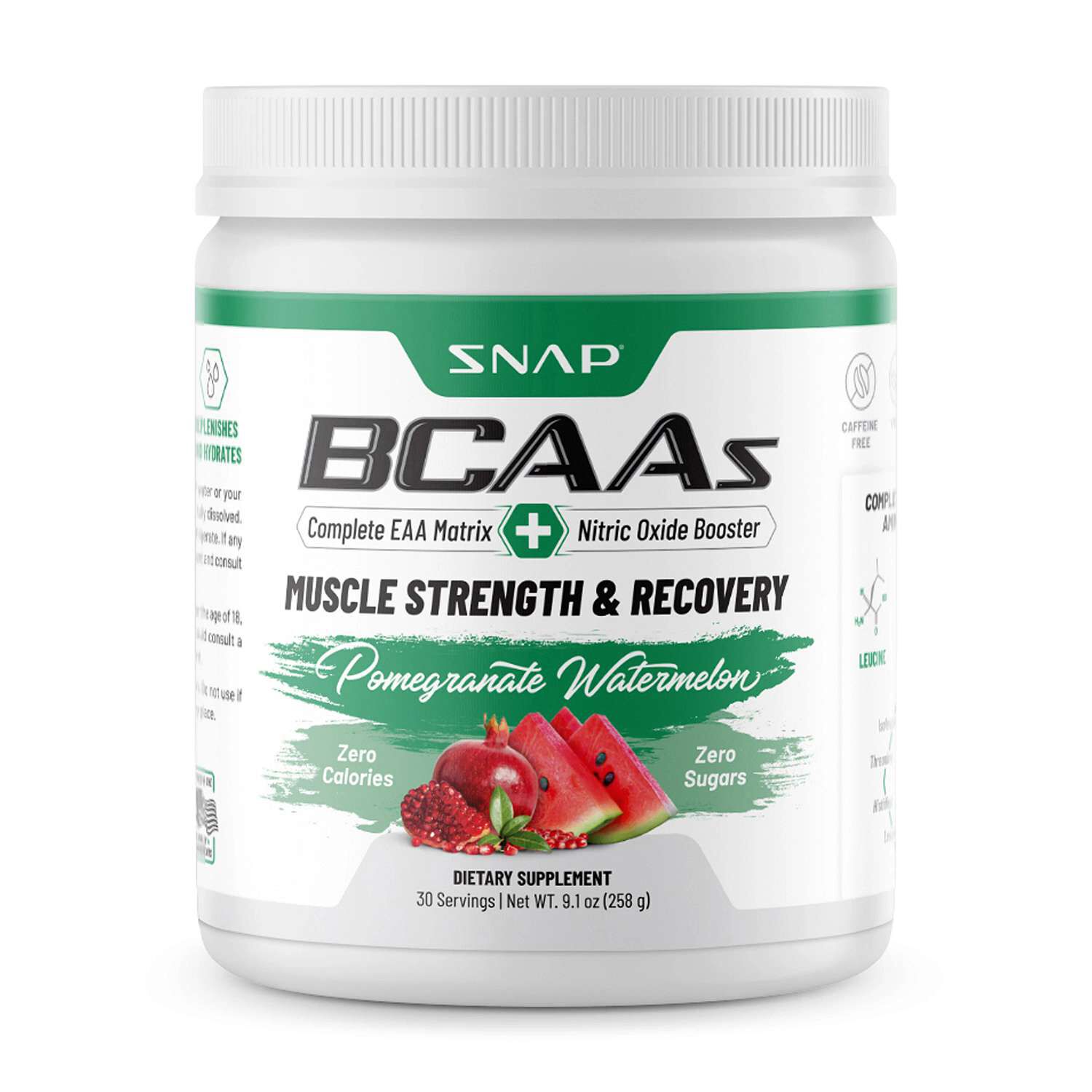
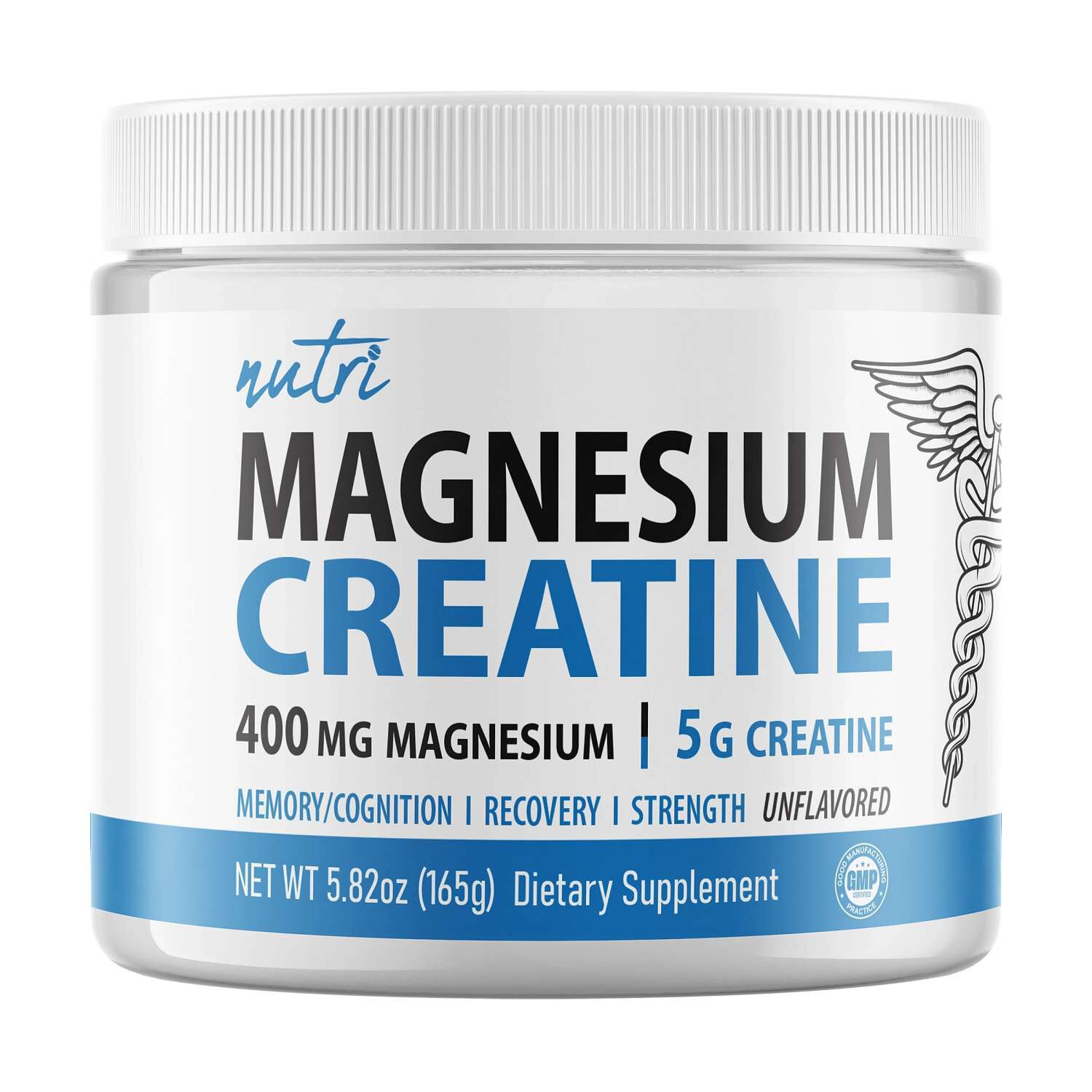
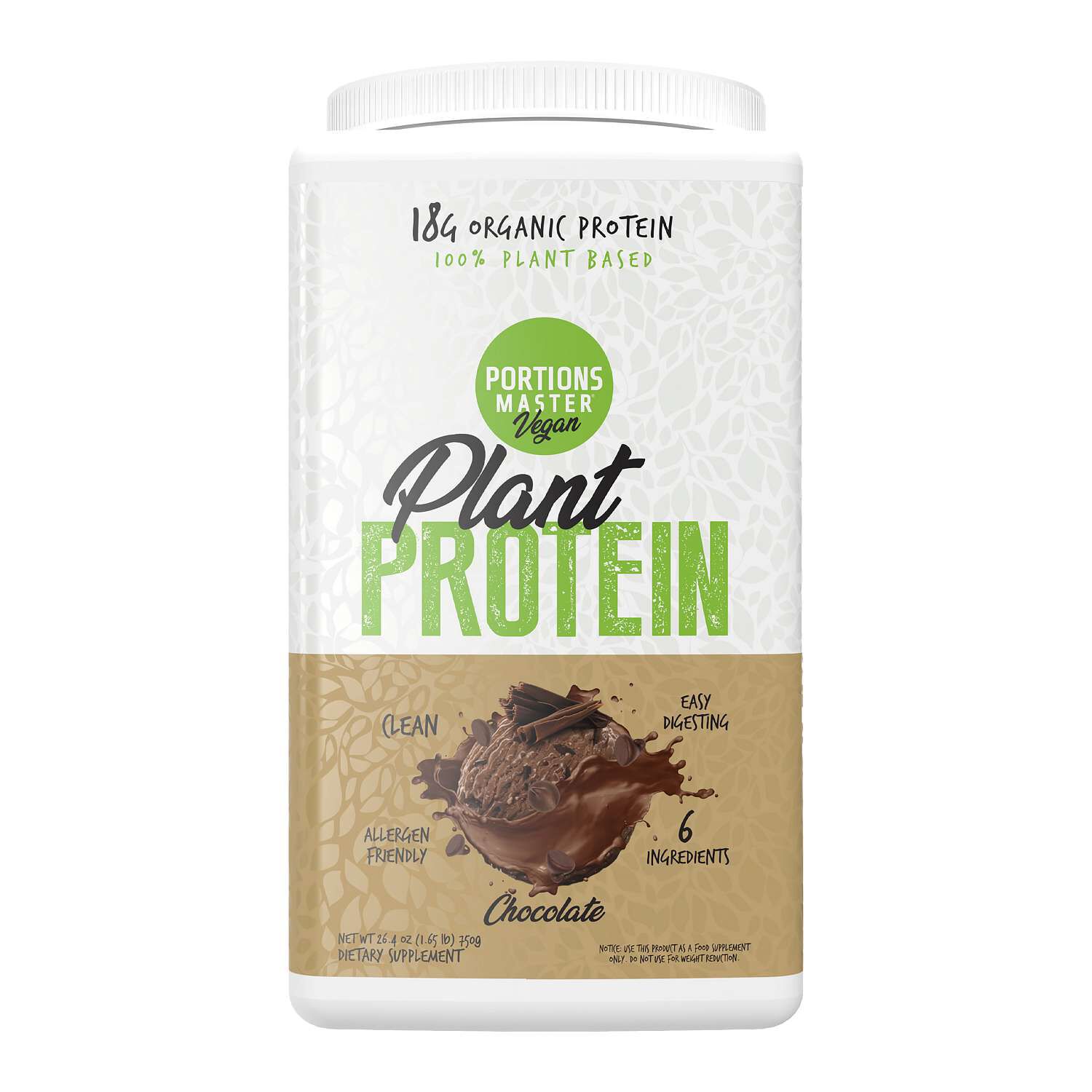
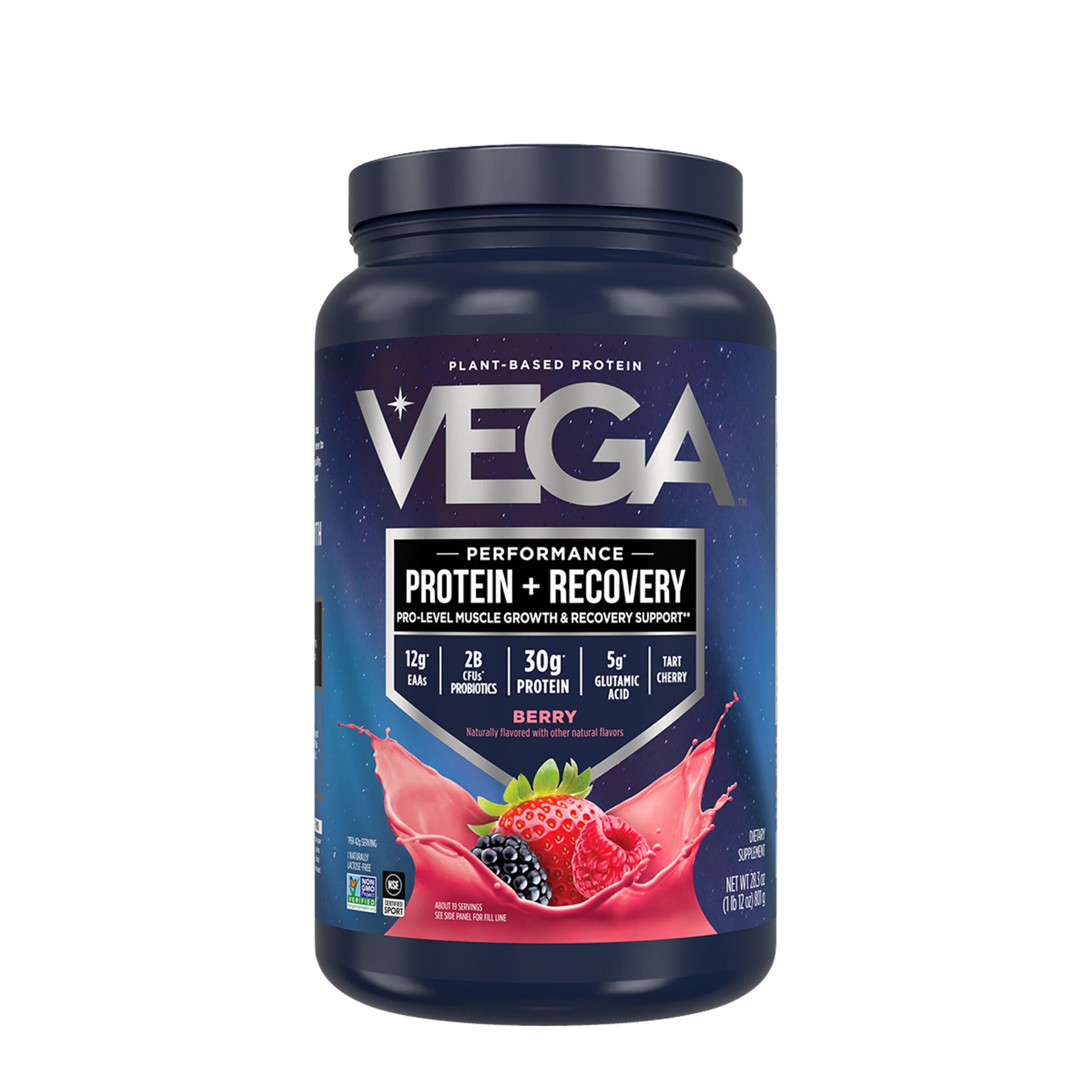
Vegetarian muscle recovery products fit into the stretch between the last set, lap, or mile and whatever comes next. A protein powder or shake may help add protein to a post-workout snack, while a blend with protein and carbohydrates may fit a routine that calls for both in one drink. The difference can matter when a morning lifting session ends with breakfast already on the table versus when a long ride ends at a trailhead with lunch still a drive away. Some recovery mixes also include electrolytes such as sodium and potassium. An electrolyte mix on its own, though, may contain little or no protein. The same distinction applies to mixes labeled with BCAAs, short for branched-chain amino acids. BCAAs are one group of amino acids found in protein, so a prominent BCAA listing doesn’t tell the whole story about a formula’s protein content. The Nutrition Facts or Supplement Facts panel gives a clearer picture of what’s in a serving. It also puts the numbers on the front of the package in context: one powder might list a serving as a single scoop, another as two, and a bottled drink can contain more than one serving. Checking the serving size alongside the grams of protein and carbohydrates makes it easier to compare formats that look similar on the shelf.
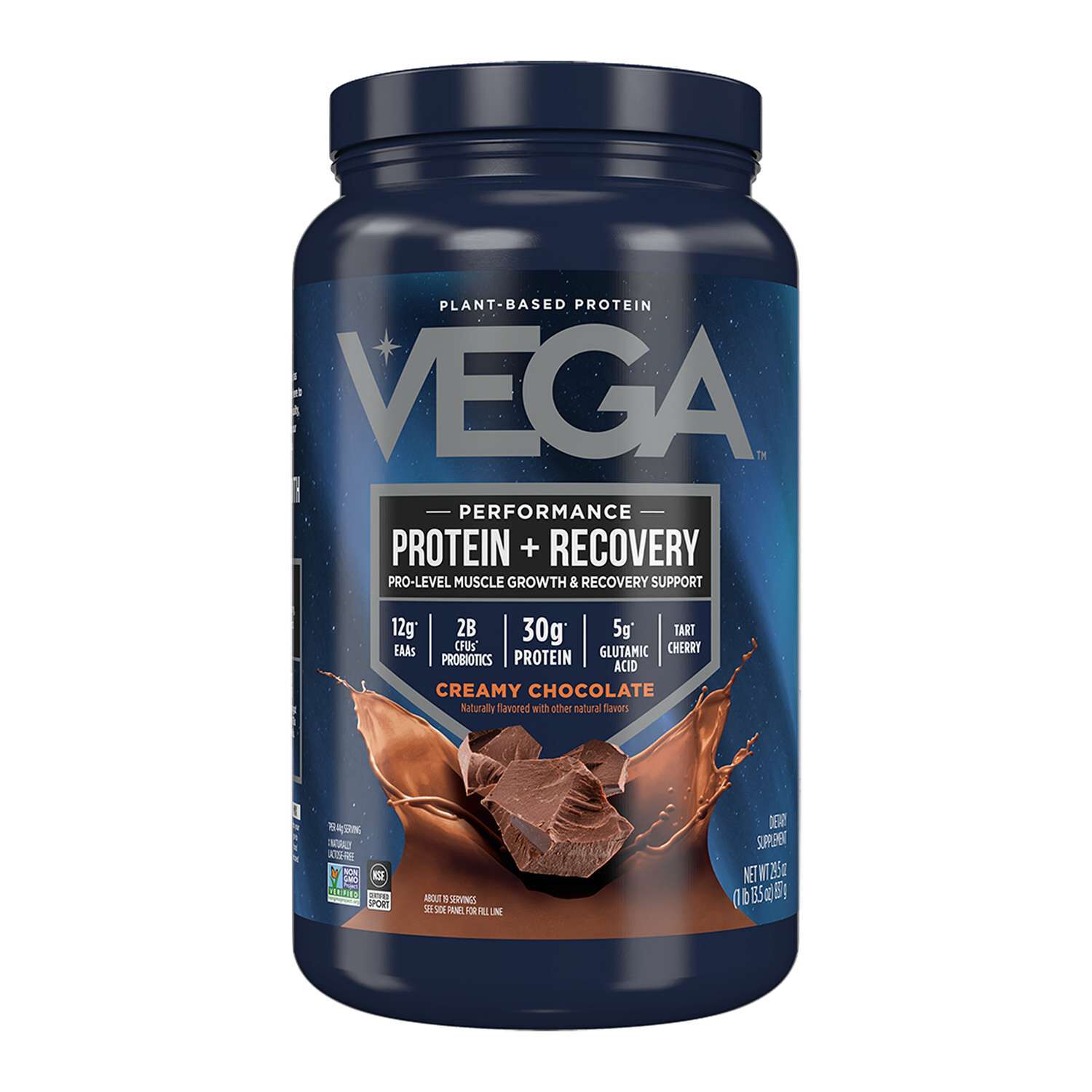
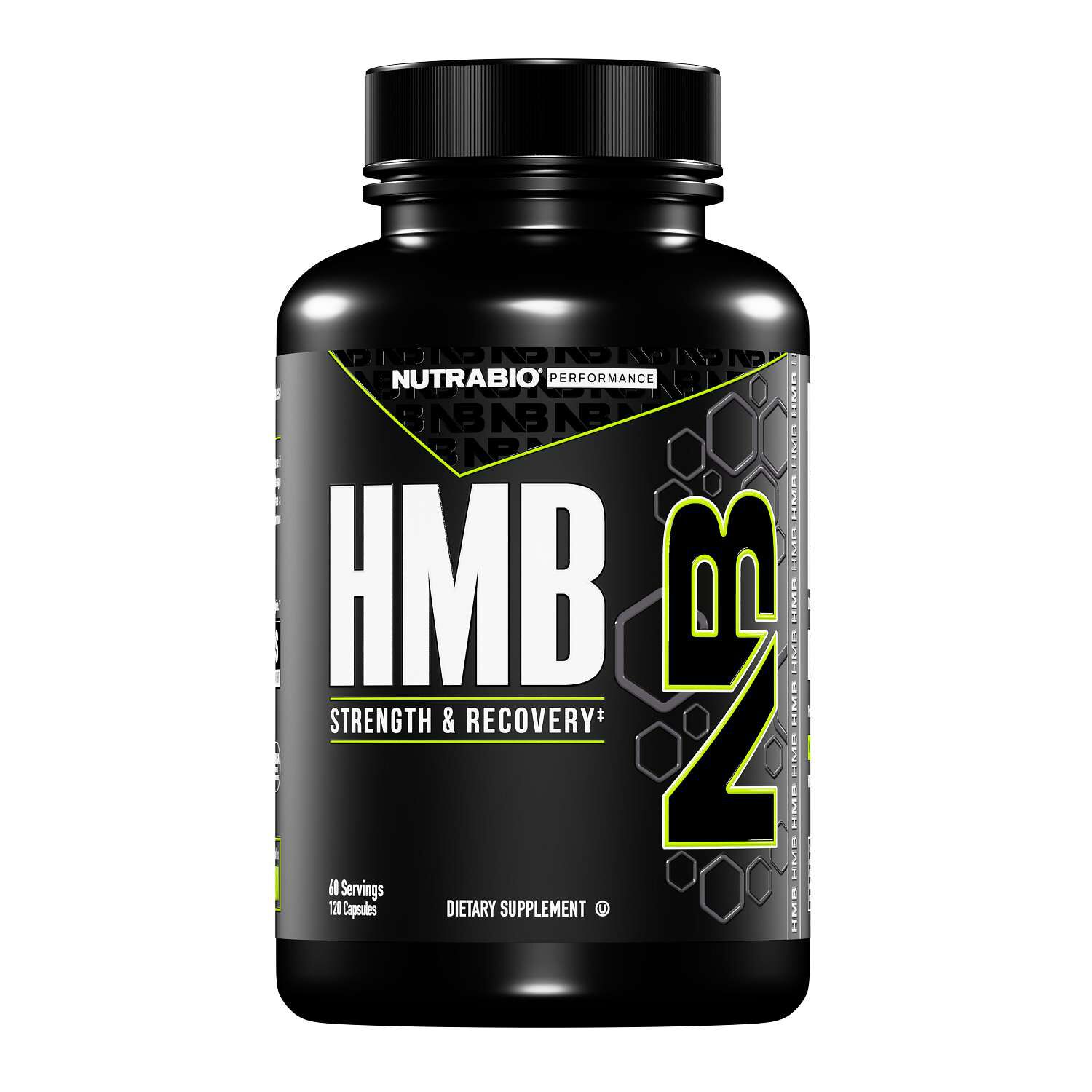
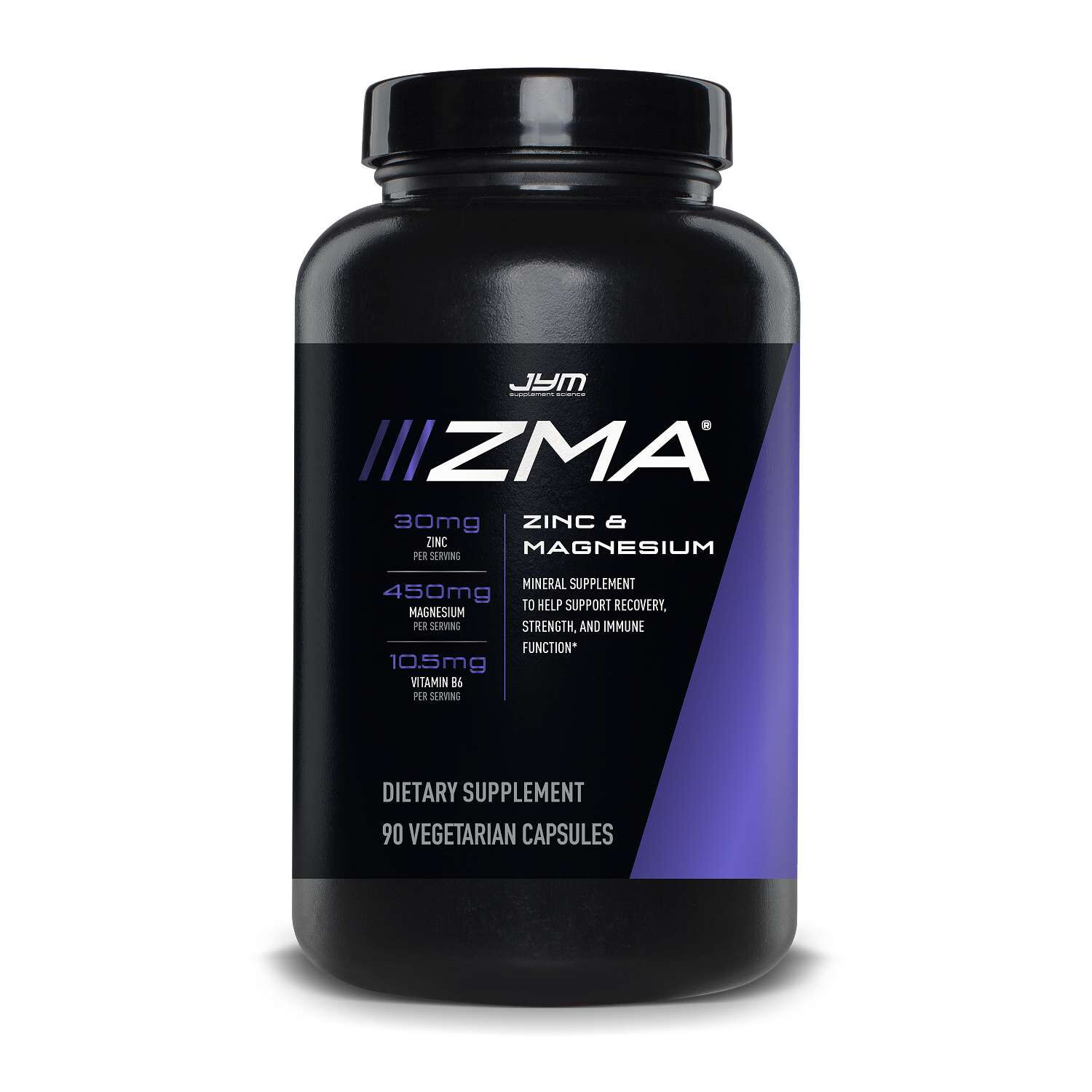
Vegetarian and vegan formulas can sit beside each other in this category, but the terms aren’t interchangeable. Whey and casein come from milk and may suit vegetarians who include dairy in their diets. Plant protein blends often draw on peas, soy, or rice, sometimes combining several sources in the same powder. Someone who avoids all animal-derived ingredients will want to look beyond the main protein source. In a capsule, for instance, a plant-derived powder can still come in a shell made with animal-derived gelatin. The ingredient list is also where a flavor description gives way to details: a creamy flavor name doesn’t establish that a formula contains milk, and a plant ingredient on the front of the package doesn’t establish that the entire blend is vegan. The ingredient list and allergen statement can help clarify what the label means for the person using it. For athletes competing under supplement rules, third-party sport certification is a separate label detail. It addresses different questions from a vegetarian or vegan designation, so one shouldn’t be taken as a substitute for the other. Format is another useful distinction to make before comparing formulas. A capsule may suit someone looking to add a particular ingredient without mixing a beverage, but its serving isn’t directly comparable to a shake chosen for its protein content. For shoppers who already know they want a beverage, Protein Drinks for Vegetarians is a related place to browse. From there, the choice between a bottled shake and a powder often comes down to where it will be opened, what it will be mixed with, and how much room there is in the bag. A bottle may be the better fit when the trip from the gym to work leaves no time to rinse a shaker. A powder may be more practical when a blender and the usual smoothie ingredients are already on the kitchen counter.
Flavor and texture are easiest to judge against the way the product will actually be used. A flavored powder mixed with water is a different experience from the same powder blended with a banana and an oat beverage. An unflavored powder may fit better for someone who alternates between fruit smoothies and a bowl of oatmeal, while a ready-to-drink shake offers the same flavor and consistency without measuring or mixing. Package size matters for practical reasons, too. A wide tub is easy to scoop from at home, but individually sealed servings may tuck more neatly into a gym bag or carry-on. A secure lid and a dry scoop matter if a powder is opened often, and the package directions are the best reference for storage and for handling a bottled drink once it’s open. Anyone who mixes a shake away from home knows how easily a little powder can collect around the threads of a lid; a shaker with parts that come apart for washing can make that gear easier to use day after day. These details matter just as much for someone returning to a regular gym routine as they do for a runner, cyclist, or recreational player who already knows what works after training. If a recovery product is a gift for a training partner, a familiar flavor and format are more useful clues than the sport alone. One person may keep a shelf of powders beside the blender, while another would rather put a sealed drink in a bag and head straight from a rec league game to the rest of the evening. Knowing whether the recipient includes dairy, prefers plant-based formulas, or already has a favorite kind of shake keeps the choice grounded in how they actually eat and train.