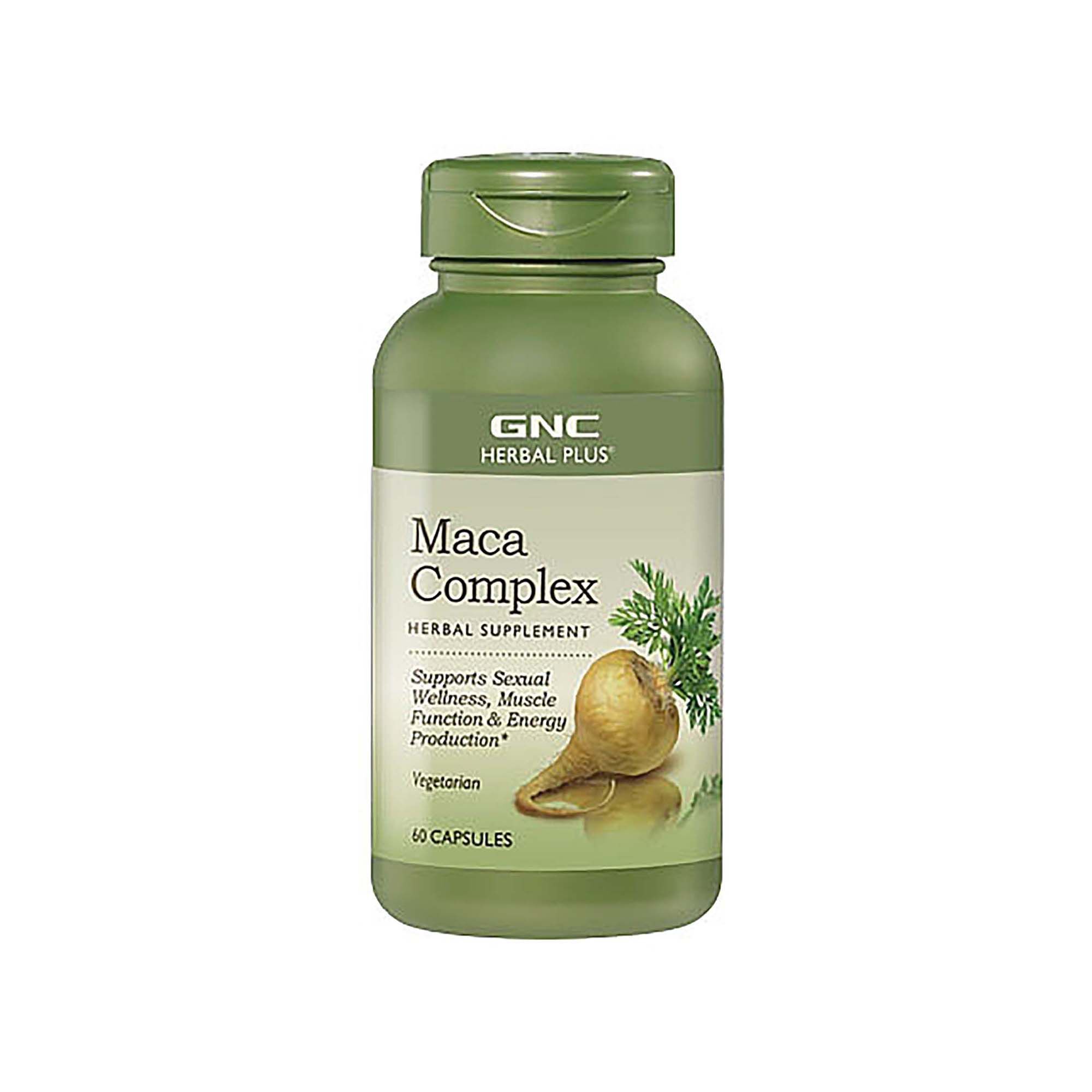
Supplements For Vegetarians And Vegans
(0 Results)
Supplements for vegetarians and vegans offer a convenient way to help fill potential nutritional gaps in a plant-based diet. Whether you follow a vegetarian or vegan lifestyle, these supplements may support your wellness goals by providing key nutrients that can be challenging to obtain from food alone. Explore options designed to complement your dietary choices and help you maintain your commitment to plant-powered living.

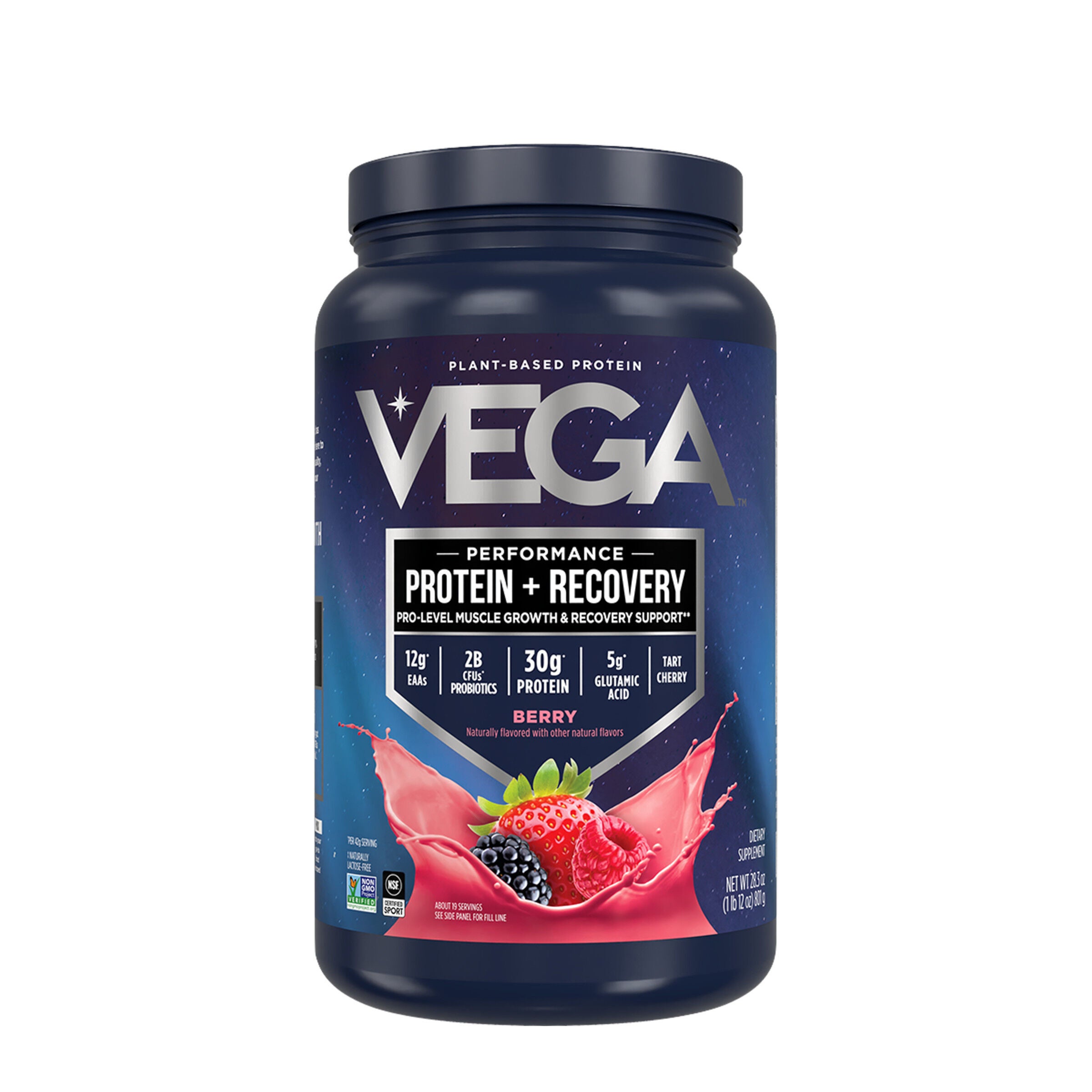
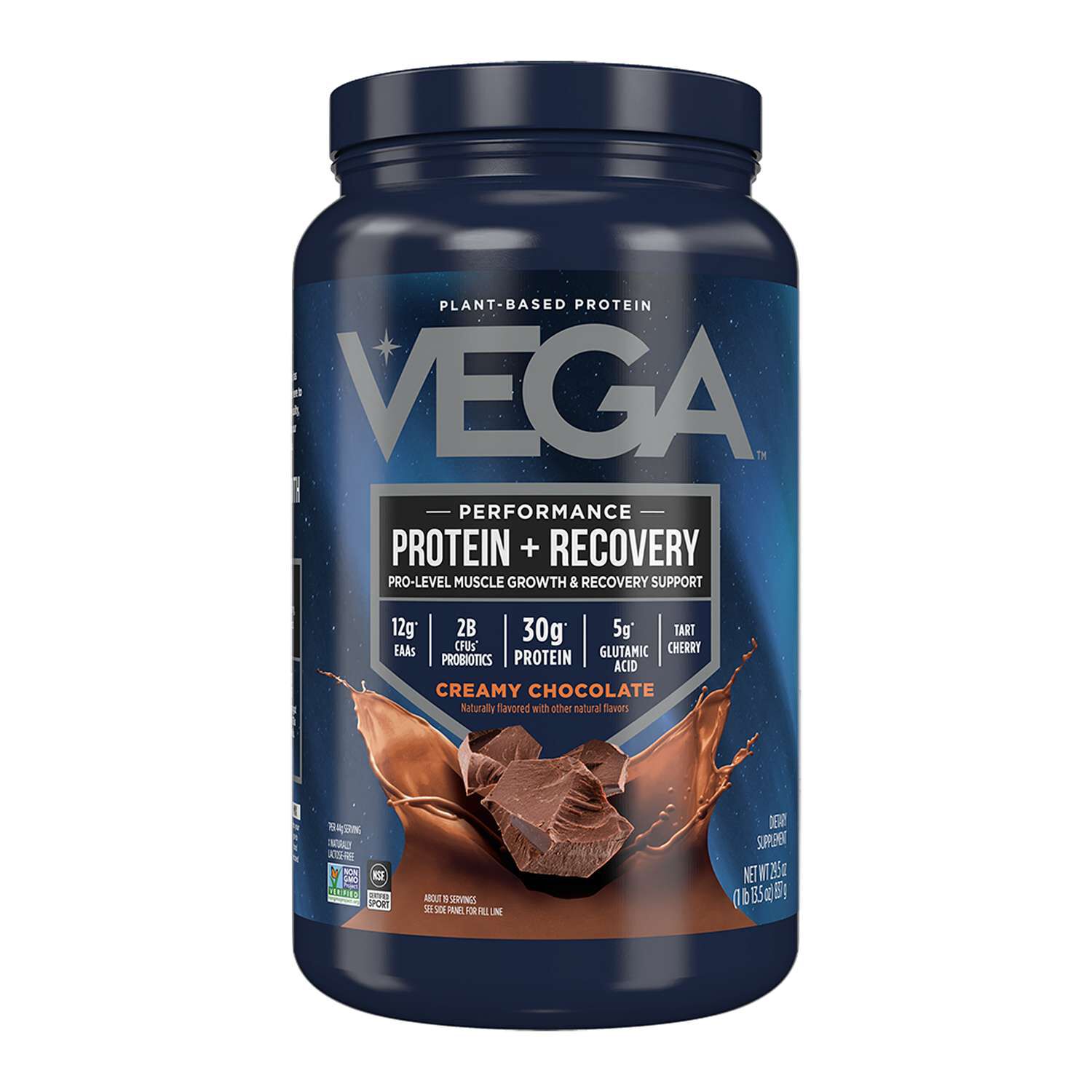

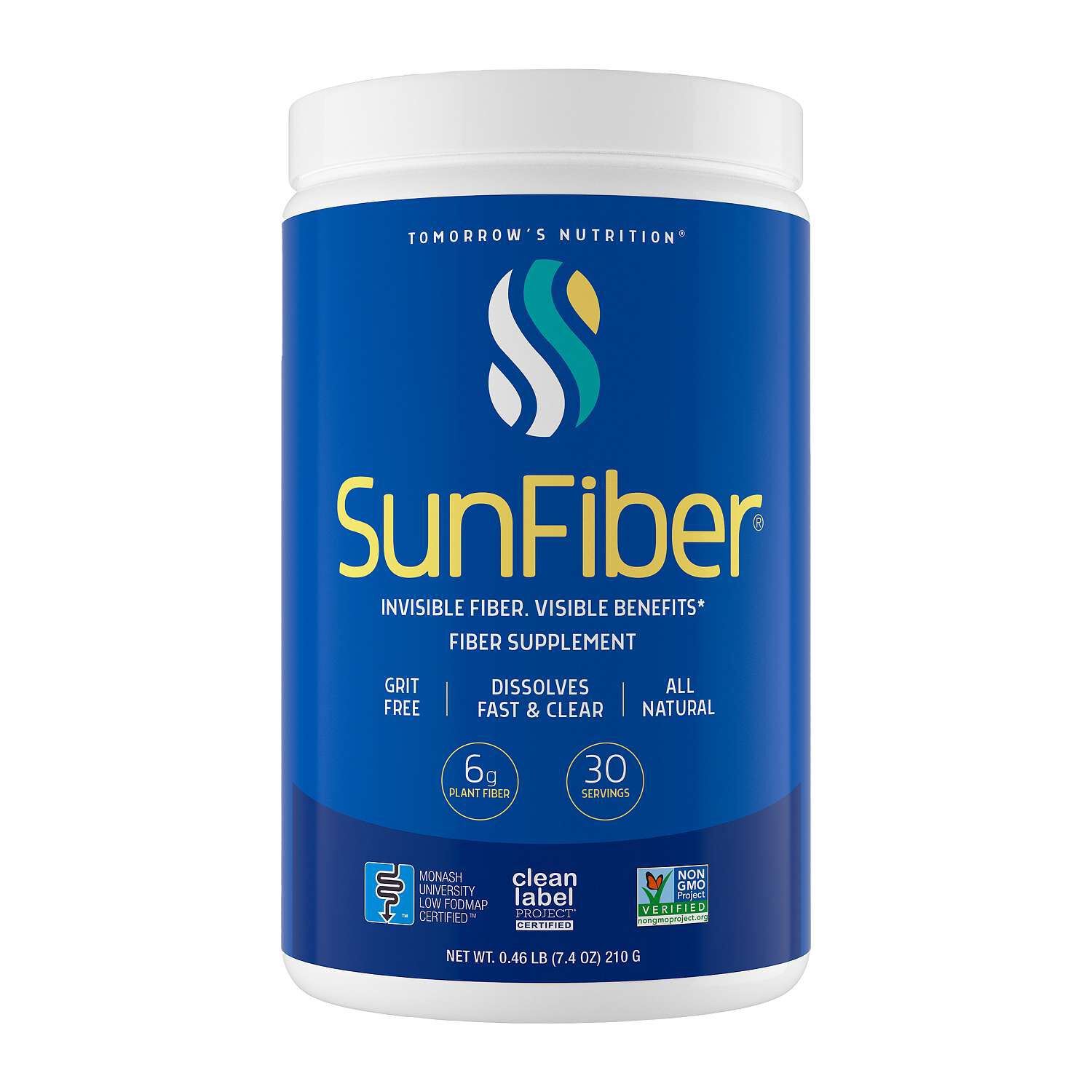
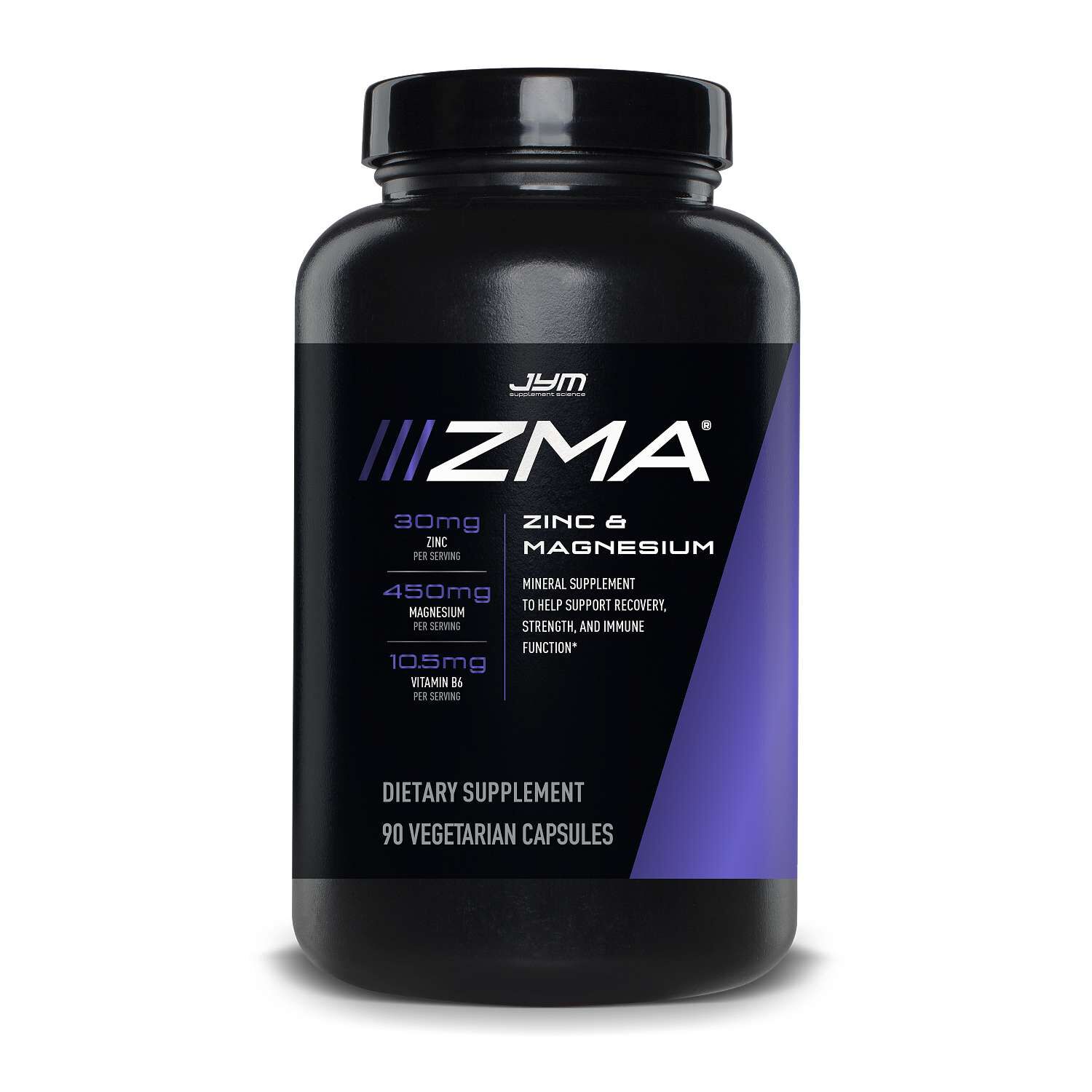

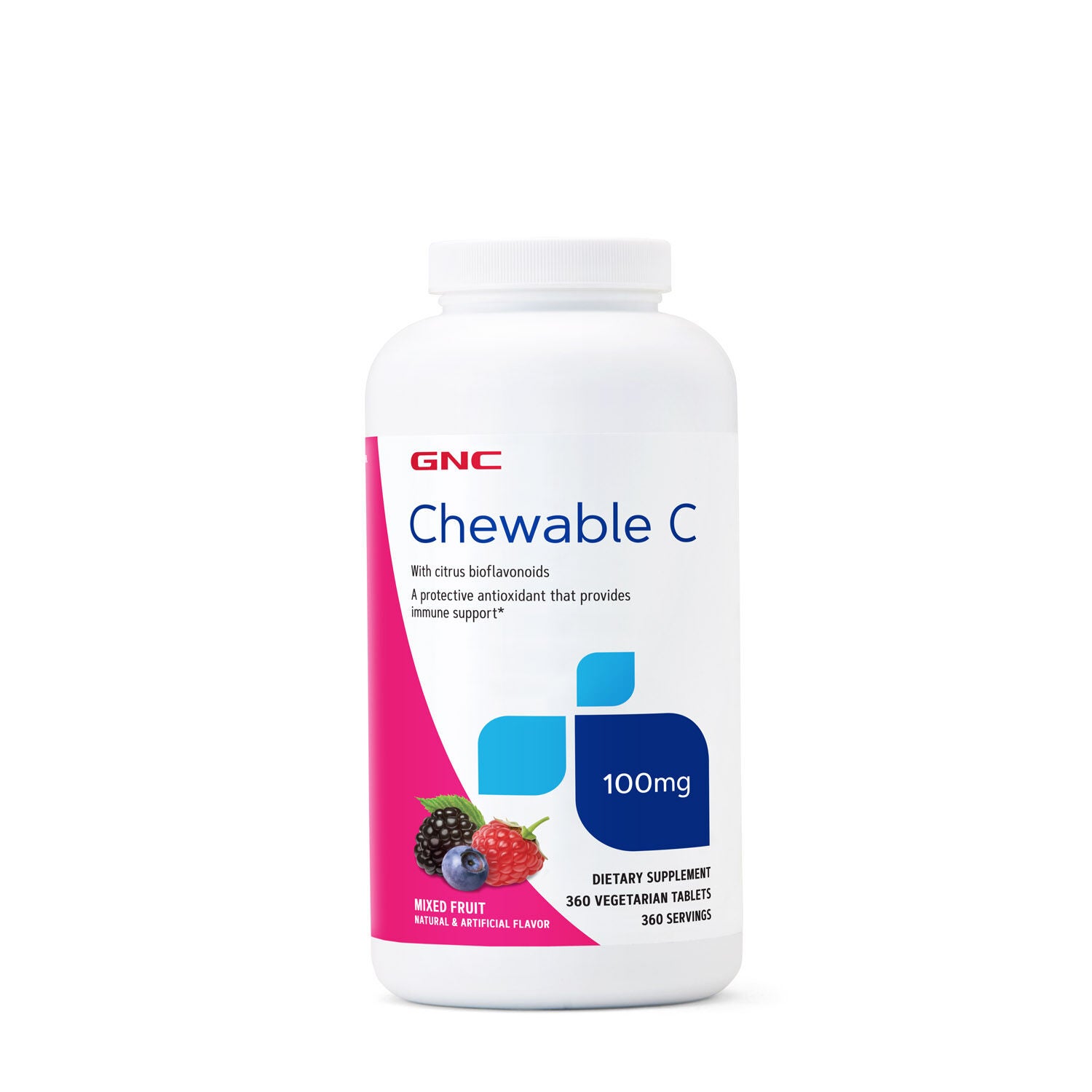


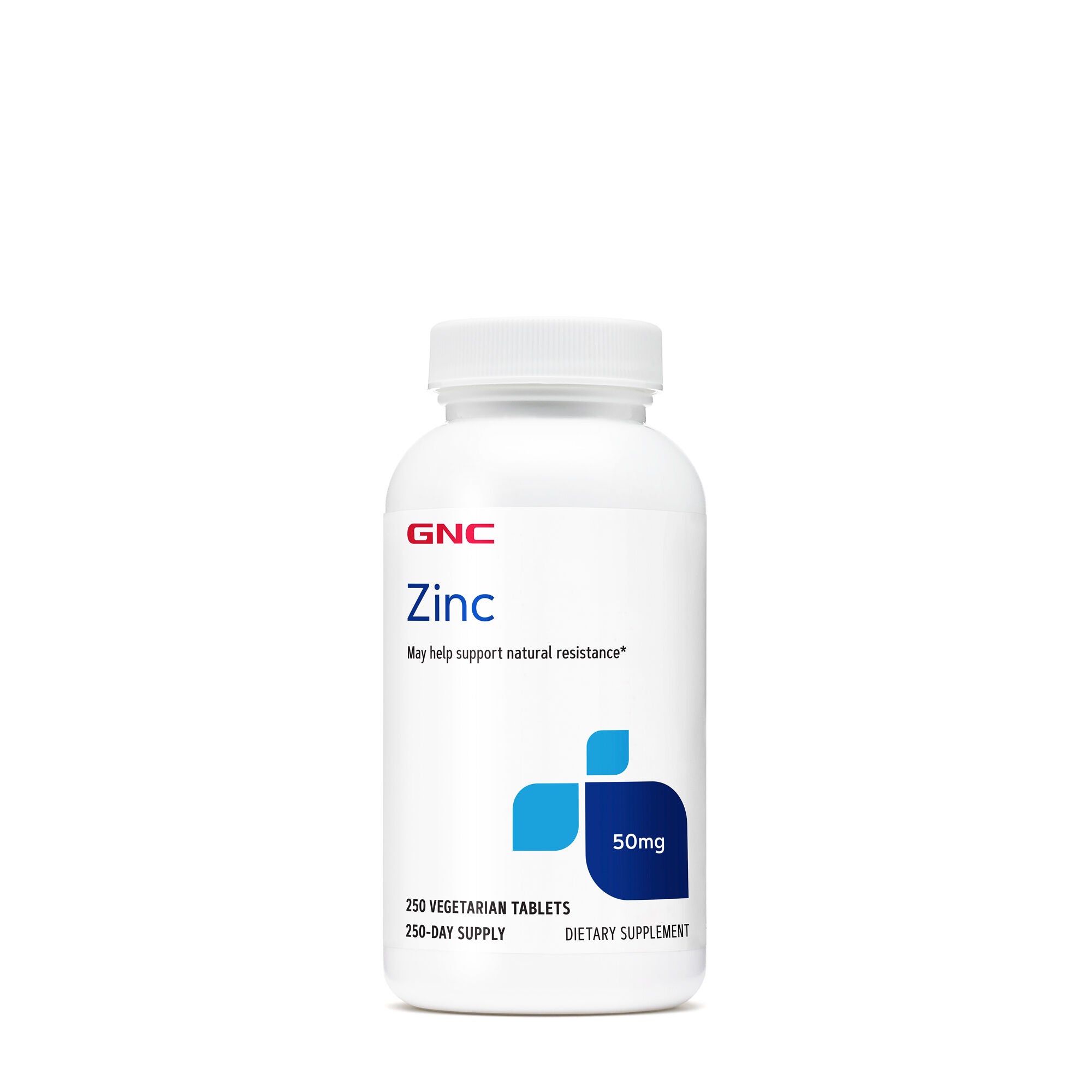




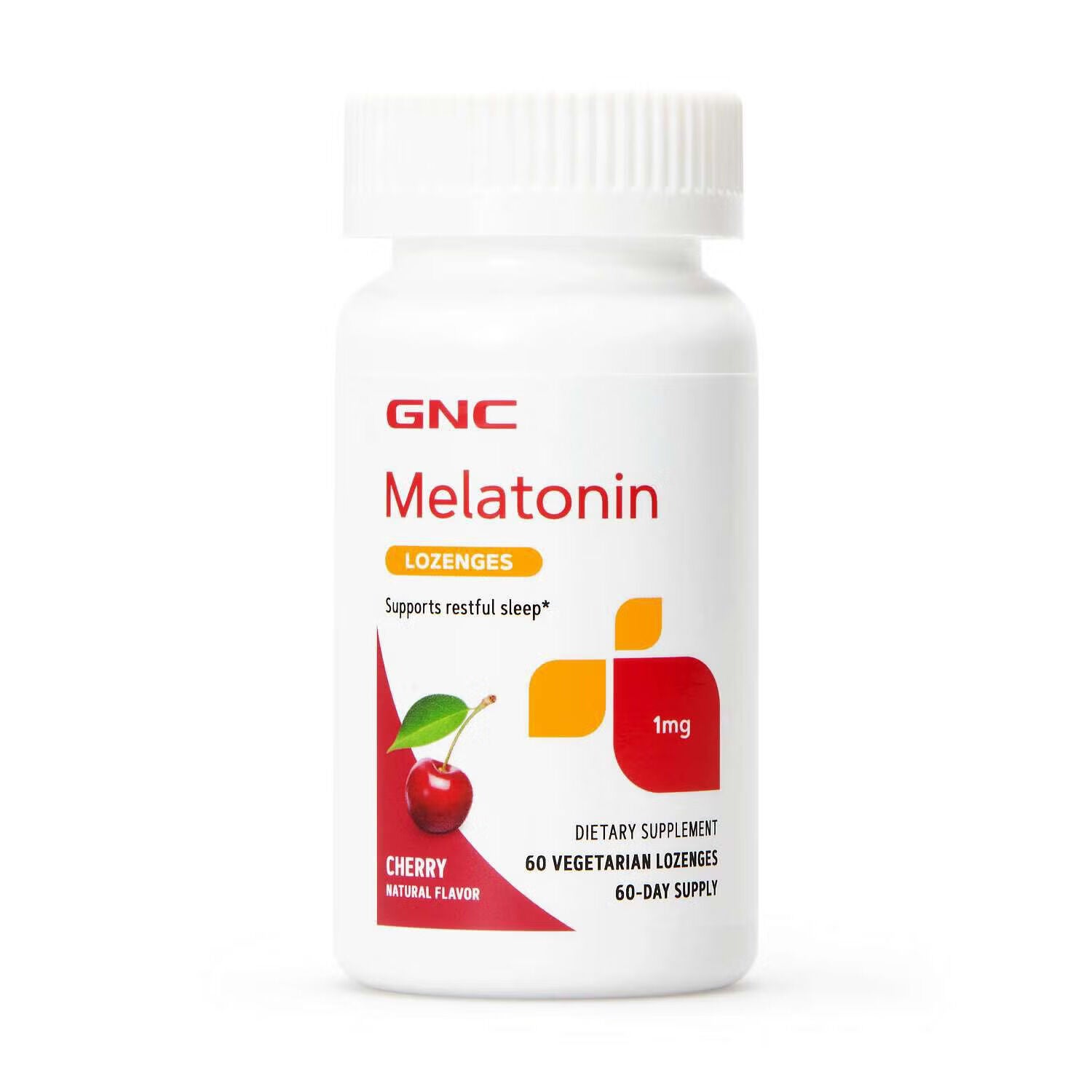


Choosing supplements for vegetarians and vegans often begins with a close look at everyday eating patterns. A meatless menu can be colorful, satisfying, and full of beans, lentils, tofu, nuts, seeds, whole grains, vegetables, fruit, and fortified foods, yet some nutrients may deserve extra attention when certain food groups are limited. Strict vegans commonly explore vitamin B12 supplements because reliable plant food sources are limited, while vegetarians may also consider their intake based on how often they enjoy eggs, dairy, or fortified foods. Vitamin D is another common consideration during cooler months, when time spent outdoors may change and meals may look different from the bright produce plates of warmer weather. Shoppers who prefer plant-based ingredients may look for vitamin D sourced from lichen, along with clearly labeled serving information and a format that fits their routine. Omega-3 supplements made with algal oil may appeal to people seeking a plant-based option, especially those who do not include fish in their meals. A breakfast nook with a glass of fortified oat beverage, a bowl of berries, and a simple supplement organizer can become a practical daily ritual—quiet, repeatable, and easy to carry into a busy schedule. For a broader selection, explore Vegetarian Supplements For Wellness, where shoppers can compare options by nutrient, format, and dietary preference.
Purchase decisions are often easier when shoppers match a supplement to the way they actually eat rather than choosing based on a long ingredient list alone. Someone who prepares lentil soup, roasted chickpeas, leafy greens, and tahini throughout the week may have different considerations from someone whose meals rely mostly on pasta, snack bars, and quick takeout. Iron, zinc, calcium, and iodine are nutrients that may come up during a plant-based nutrition review. Iron from plant foods is found in beans, lentils, tofu, seeds, and dark leafy greens, while zinc appears in foods such as pumpkin seeds, nuts, beans, and whole grains. Calcium may be available through fortified plant beverages, calcium-set tofu, leafy greens, and other foods, with individual preferences shaping what makes sense to add. Iodine may deserve attention for people who rarely use iodized salt or eat foods selected for iodine content. Because iron and other nutrients can vary with age, eating pattern, health history, and personal needs, it may be wise to speak with a qualified health professional before choosing a targeted formula or taking an iron supplement. A professional may also help interpret dietary records or laboratory information when a shopper has concerns about nutrient intake. Reading the label carefully can help with comparing serving sizes, nutrient amounts, ingredient sources, allergen statements, certifications, and capsule or gummy ingredients. Vegans may wish to check whether a product uses gelatin, dairy-derived ingredients, beeswax, or other animal-sourced materials, while vegetarians may have a wider range of acceptable formats.
These supplements may fit a variety of routines, from a student building a simple breakfast habit to a longtime vegetarian refreshing a pantry before the cooler months begin. They can also make thoughtful gifts for a friend who enjoys farmers market produce, a family member experimenting with plant-based cooking, or a new vegan who is learning how to plan balanced meals. A gift feels more personal when it respects the recipient’s preferences: a vegan may appreciate clearly identified plant-based capsules, tablets, powders, or softgels, while a vegetarian may prefer a format that complements a diet containing eggs or dairy. Convenience matters, too. A once-daily format may suit someone who keeps a bottle beside a coffee maker, while chewables or powders might work better for a person who dislikes swallowing tablets. Travelers may prefer compact packaging, and busy home cooks may favor a supplement that slips neatly into a kitchen drawer beside measuring spoons and spice jars. Seasonal routines can shape the choice without dictating it; during darker mornings and cooler afternoons, shoppers may gravitate toward products that complement a dependable breakfast, while active days outdoors may call for a different routine. Supplements are meant to complement meals, not replace the variety found in beans, grains, vegetables, fruit, nuts, seeds, and fortified foods. Consider the dietary pattern, ingredient source, serving instructions, and personal preferences together, and seek professional guidance when you have questions about a specific nutrient or your individual needs.