Healthy Protein Snack Alternatives
(0 Results)
Healthy protein snack alternatives could offer a convenient way to support your nutrition goals throughout the day. Whether you’re looking for options to enjoy between meals or something to fuel your active lifestyle, these snacks may help you stay satisfied and energized. Explore a variety of healthy protein snack alternatives that might fit into your daily routine and support your wellness journey.
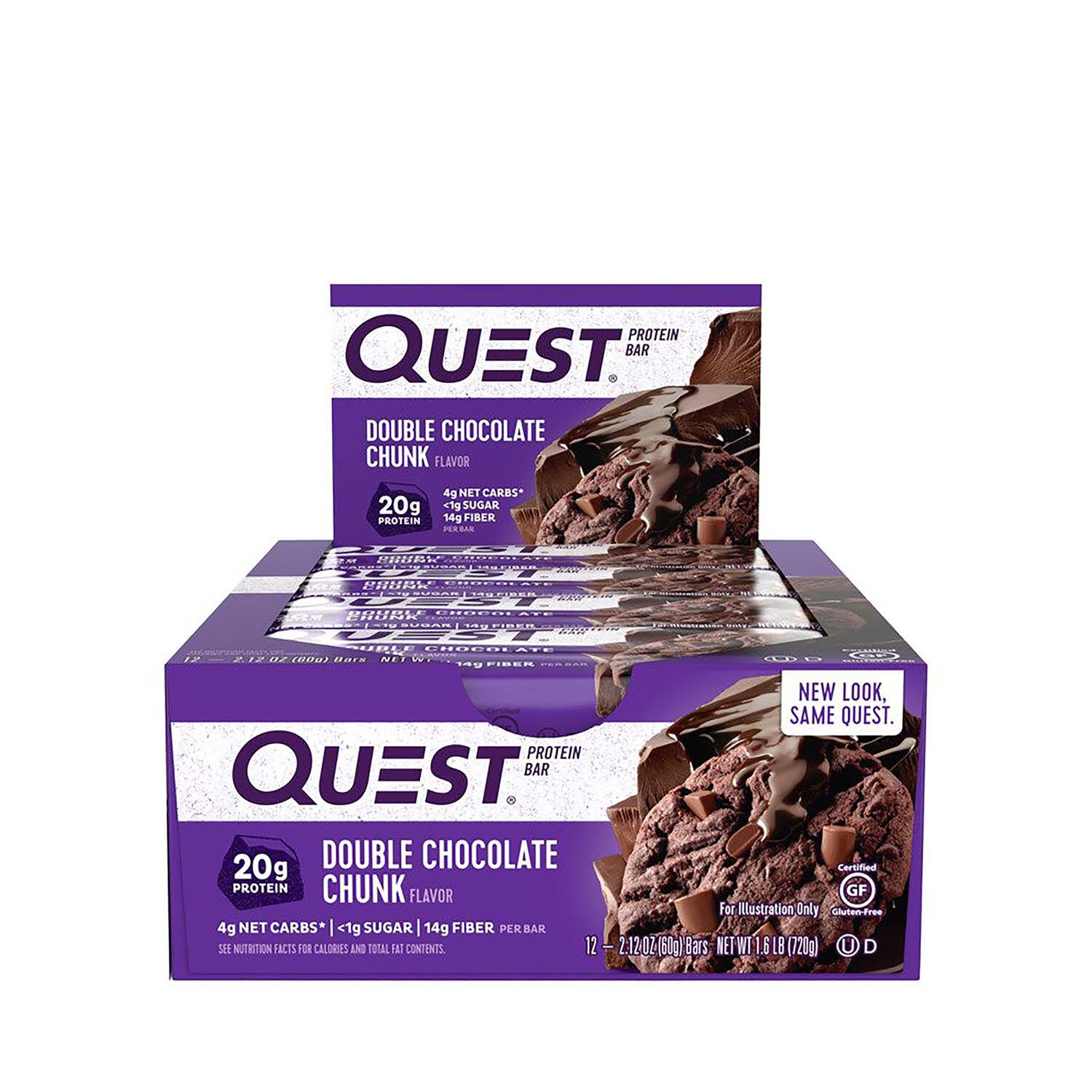


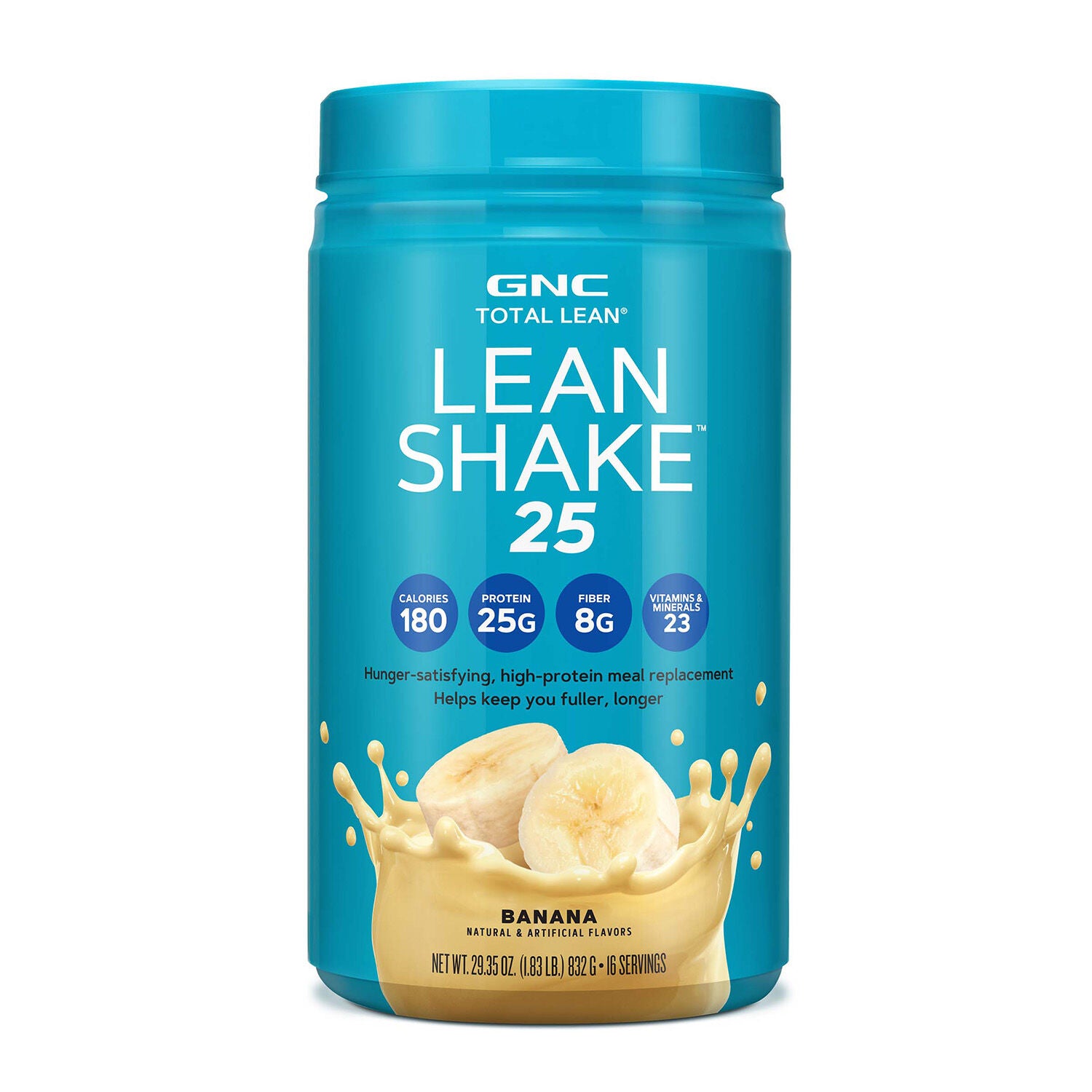
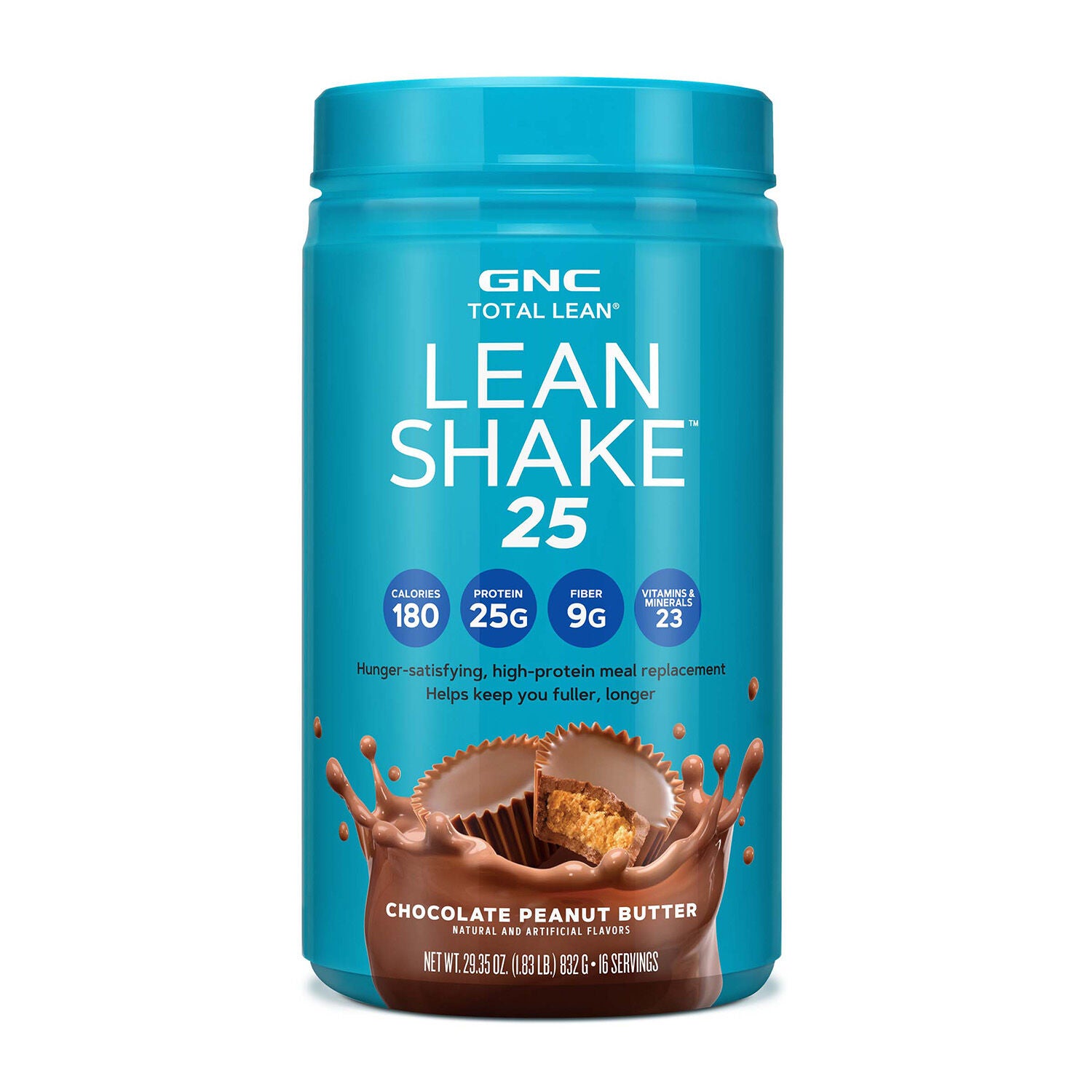
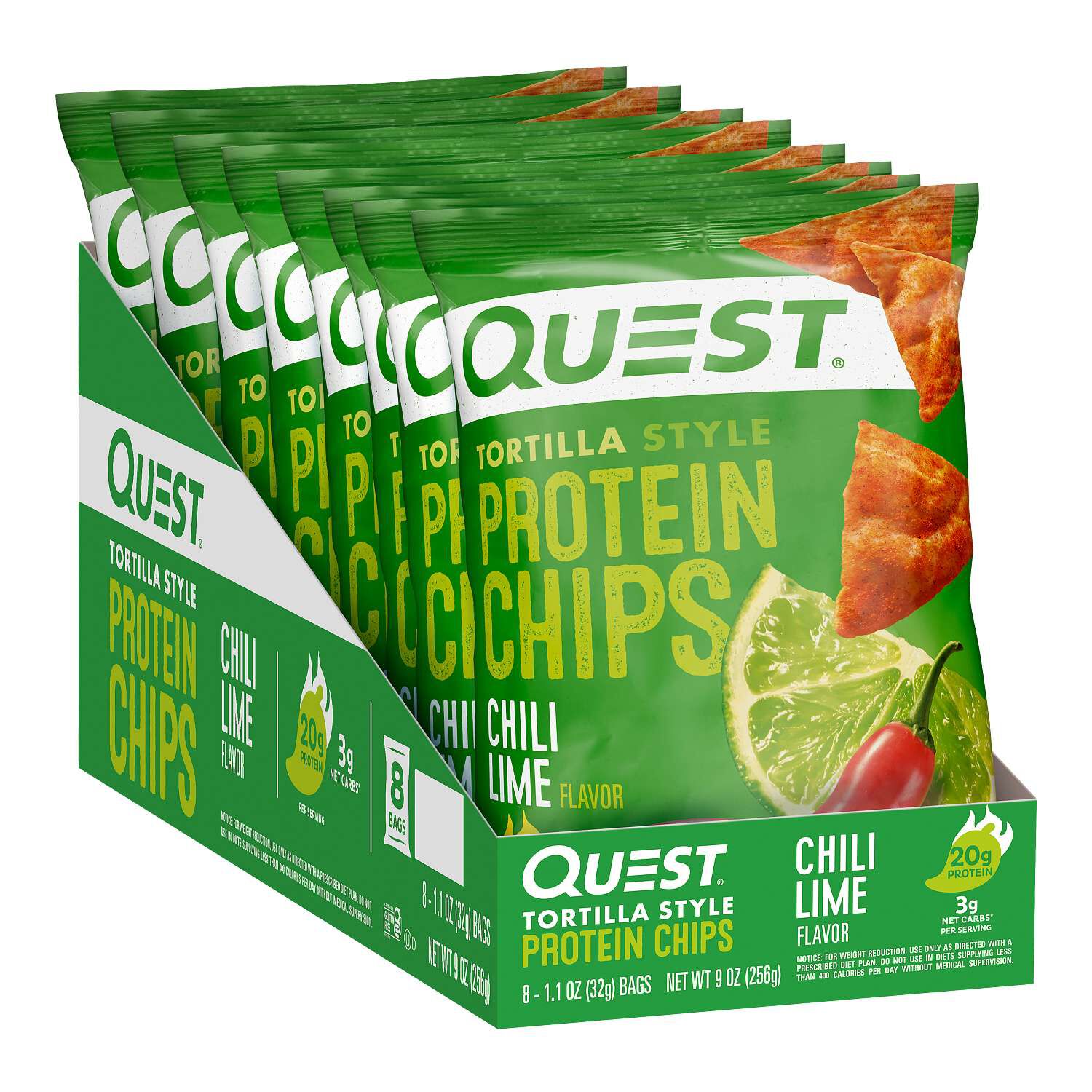

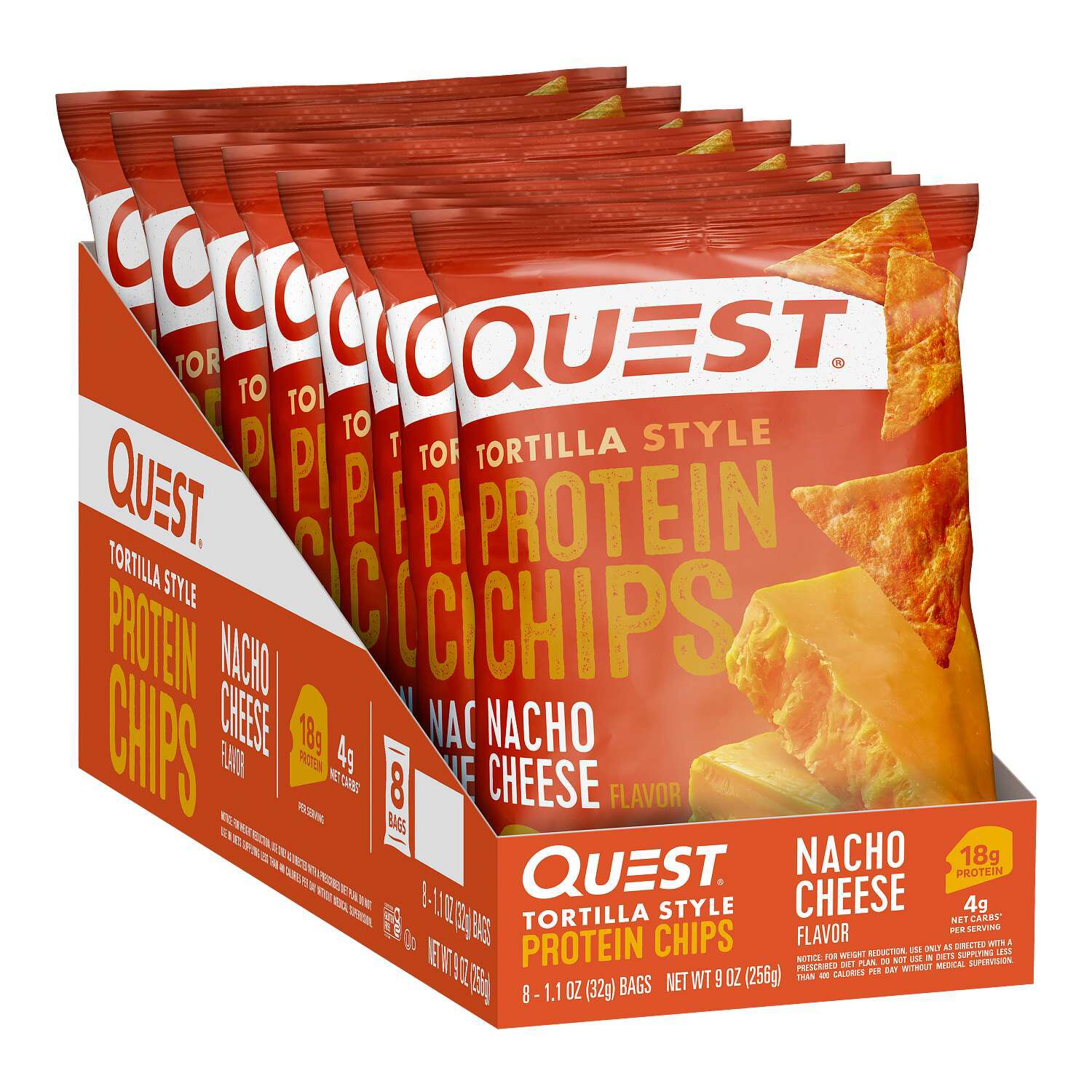
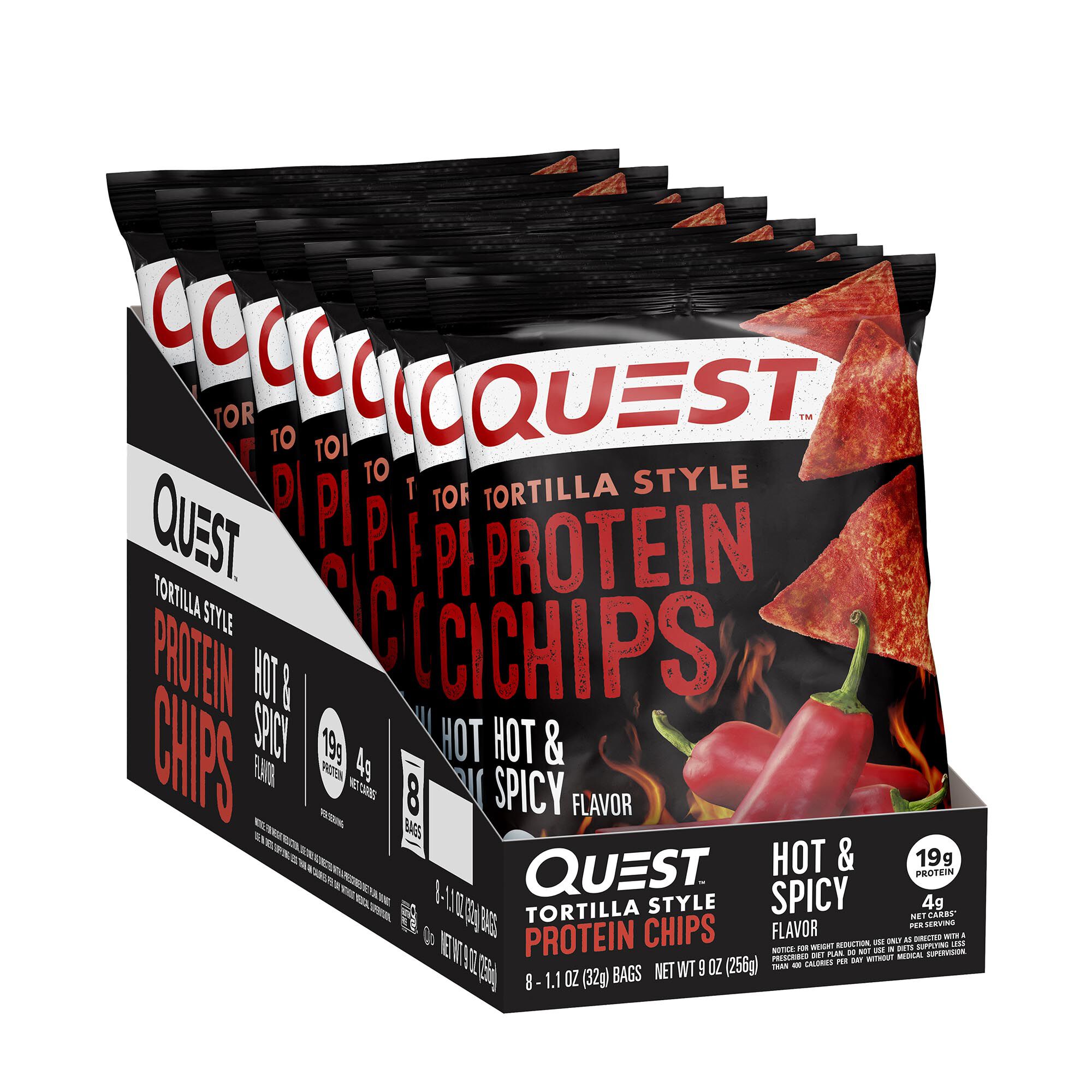


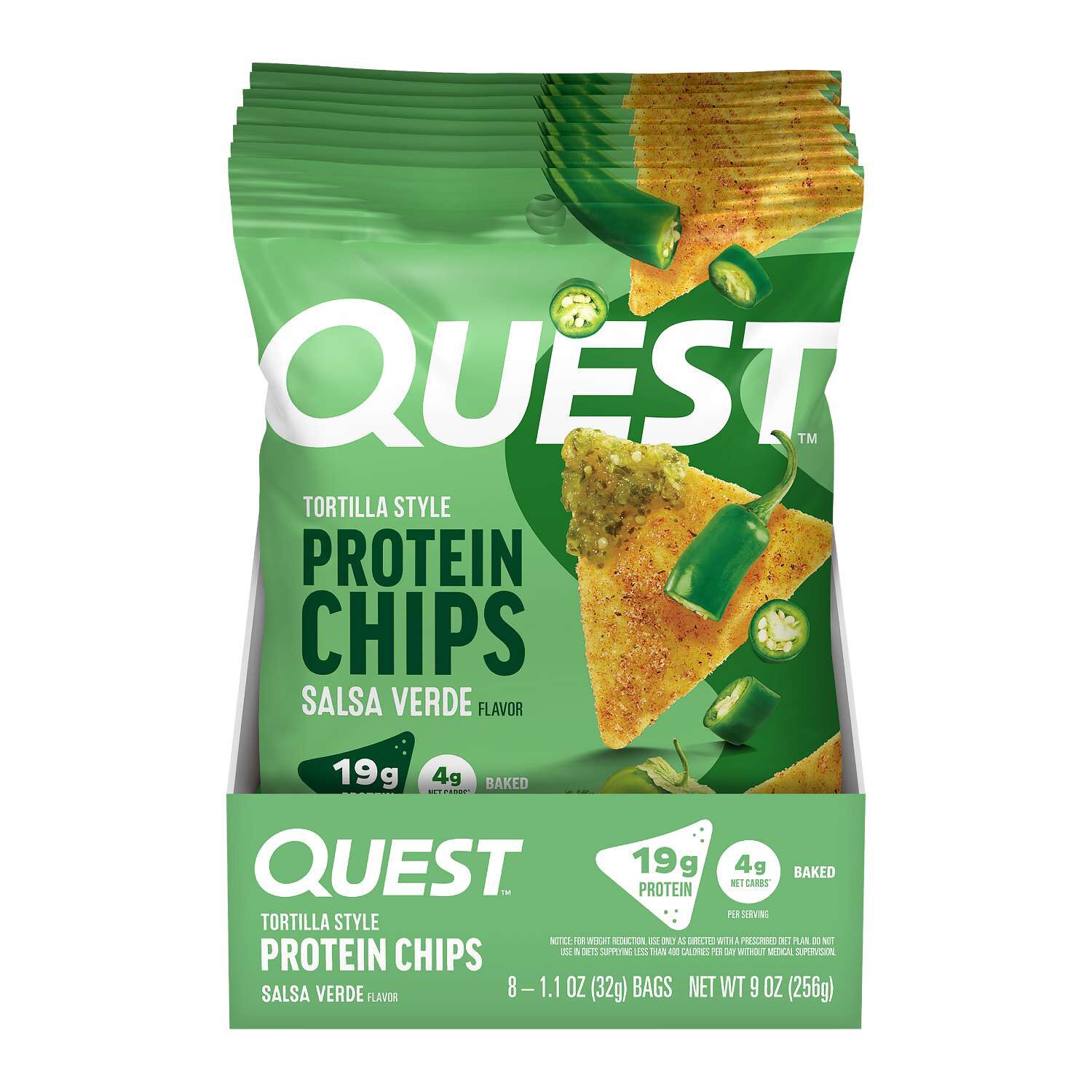


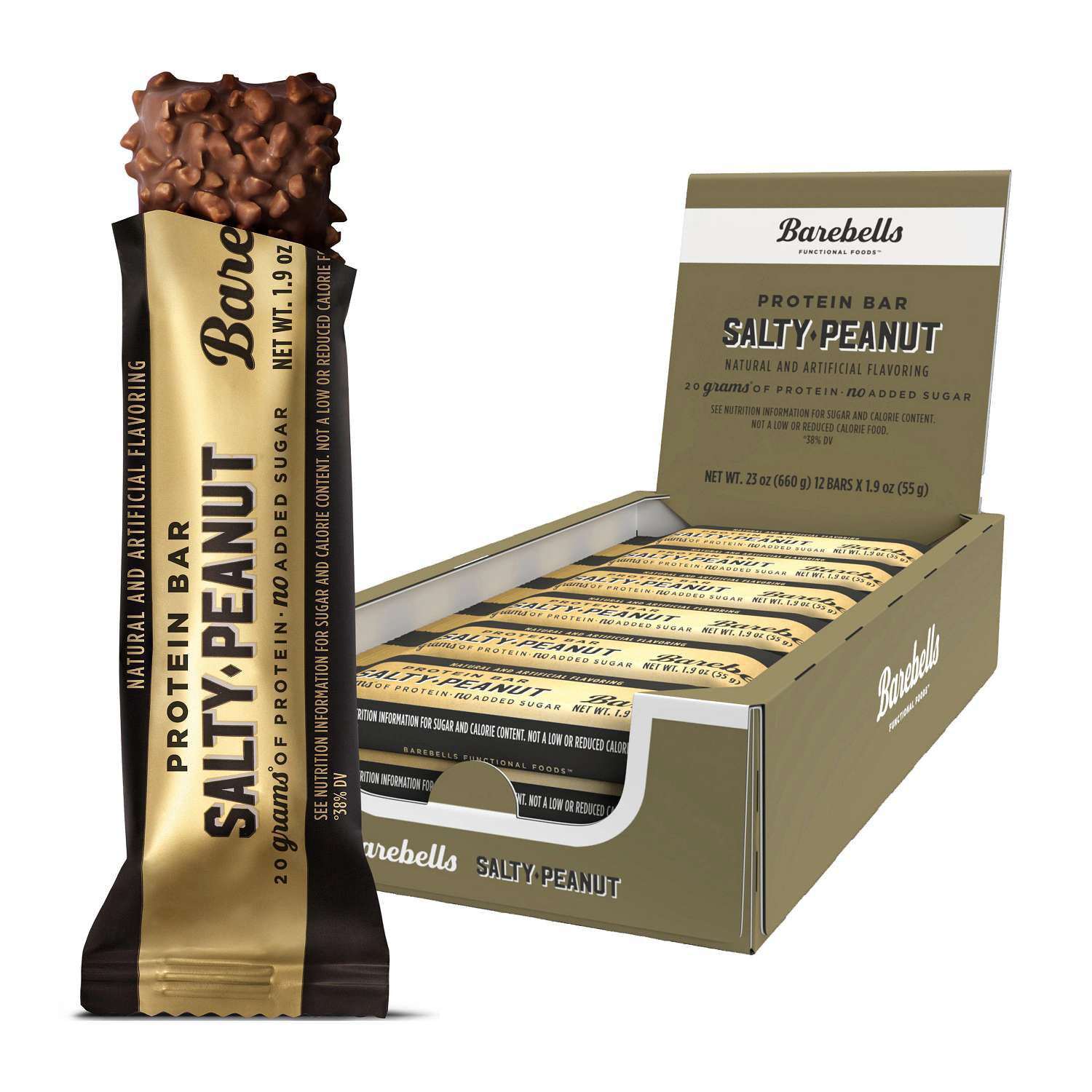

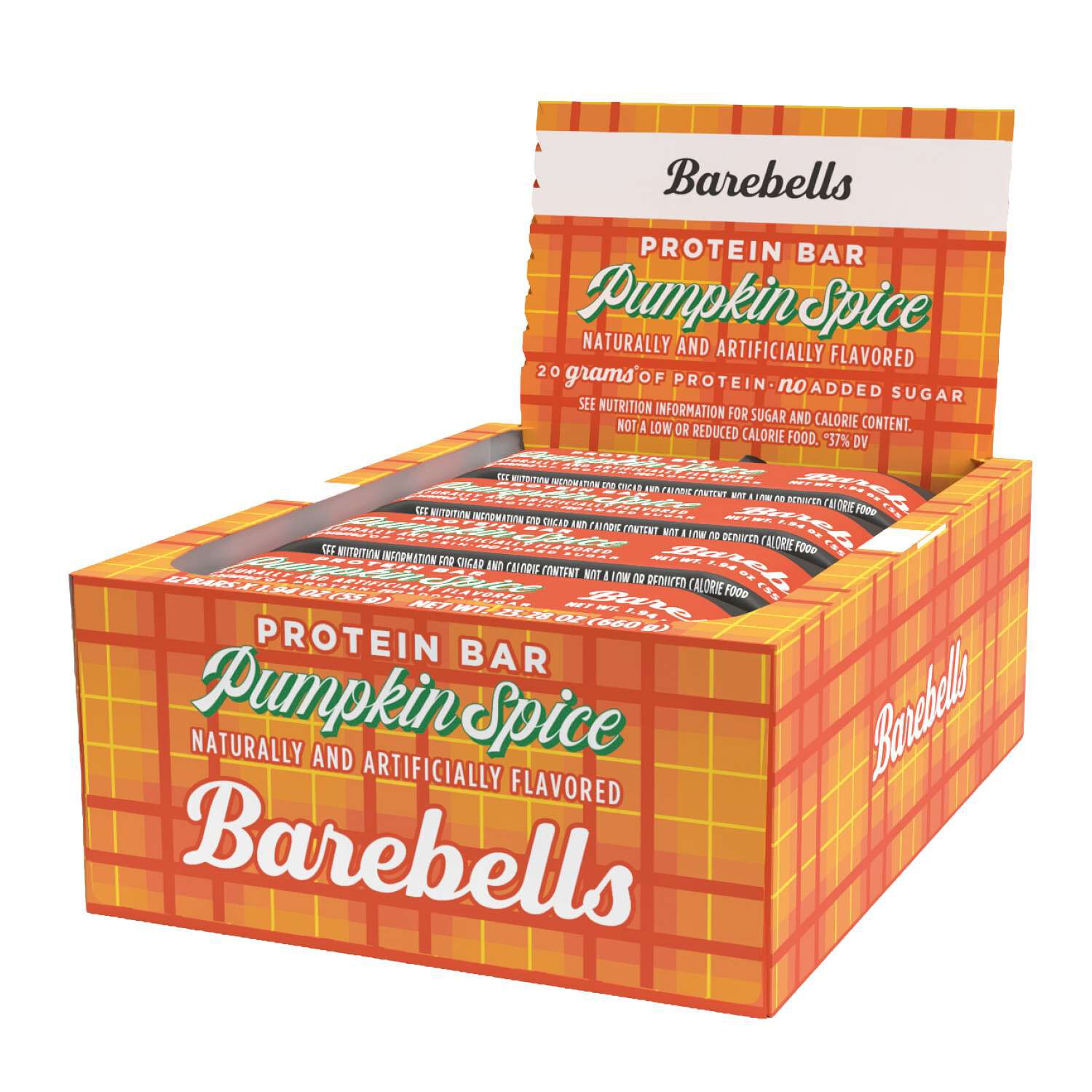


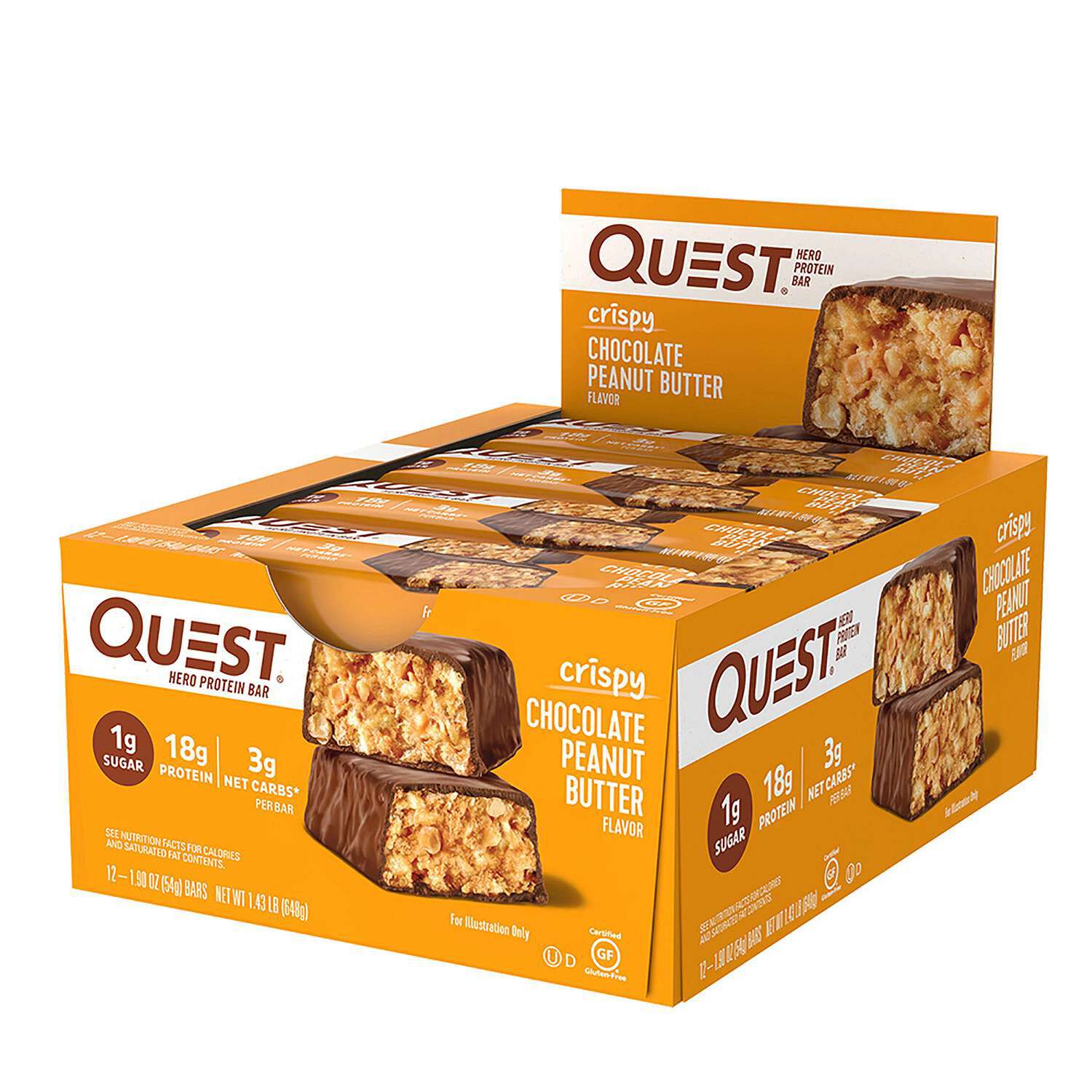

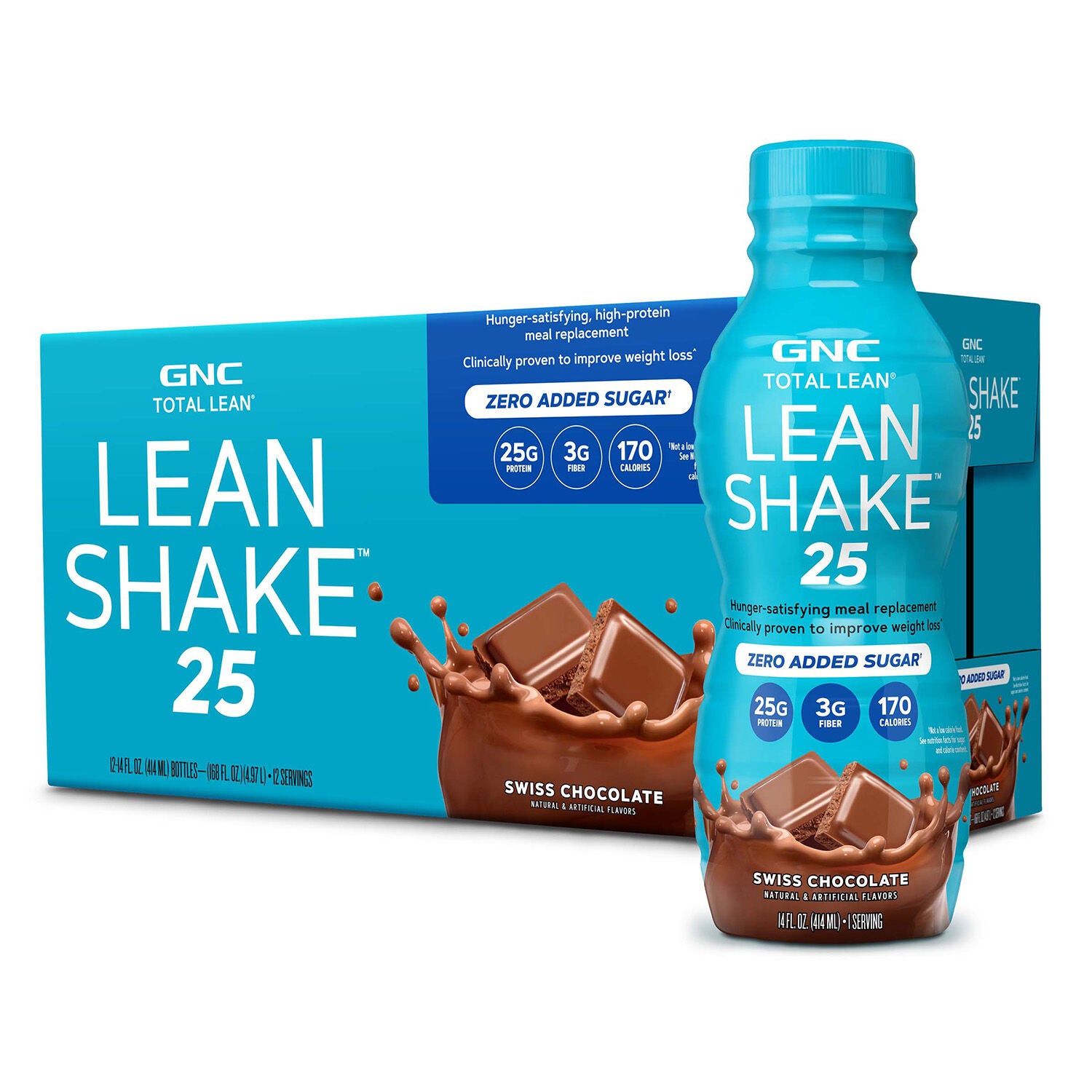
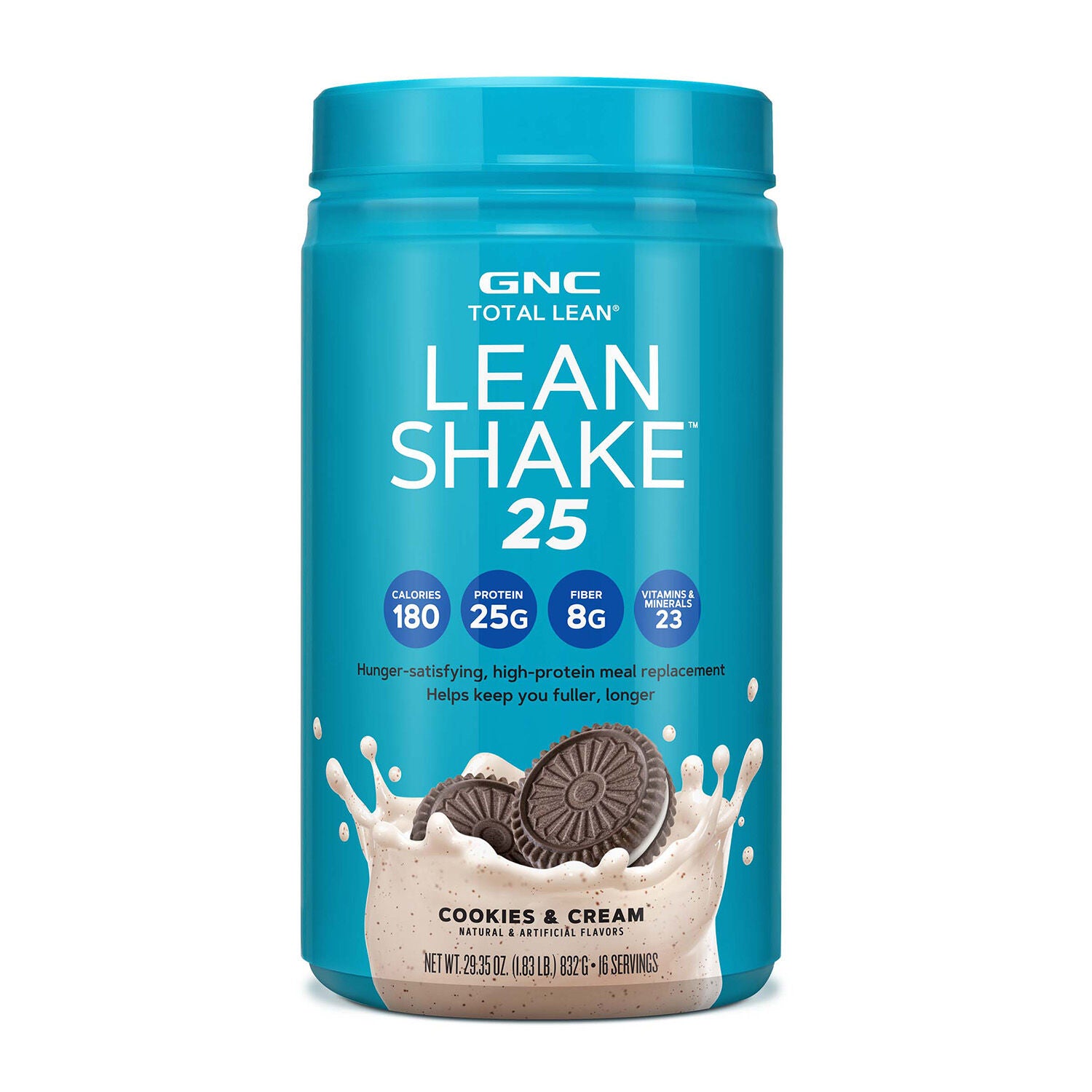
Healthy protein snack alternatives bring a different mix of flavor, texture, and nutrients to everyday snacking, whether the starting point is a sweet bakery treat, a bag of salty crisps, or a familiar afternoon bite. This category spans chewy protein bars, crisp protein snacks, roasted legumes, nuts, seeds, savory meat snacks, and other convenient formats made with protein-containing ingredients. The defining difference is not simply the word “protein” on a package: the amount per serving, ingredient list, portion size, and overall nutrition profile all matter. A snack with more protein is not automatically the best match for every preference or eating routine. Some shoppers prioritize a substantial, chewy texture, while others want a light crunch or something creamy to pair with fruit. Protein sources vary, too. Whey and casein come from milk, while soy, pea, and other plant proteins appear in many plant-based formats. Nuts, seeds, beans, dairy foods, eggs, fish, and poultry also contain protein, making them useful points of comparison when considering packaged alternatives. For context, a large egg typically provides about 6 grams of protein, two tablespoons of peanut butter provide about 7 grams, and a cup of plain Greek yogurt often provides around 15 to 20 grams, depending on the variety. Those figures are general references rather than specifications for every snack in a category. The Nutrition Facts panel provides the most relevant serving information for a packaged option. Healthy protein snack alternatives may fit an eating pattern that includes a variety of foods, but no single snack needs to account for every nutritional consideration. A small bite alongside lunch serves a different purpose from something packed for a long afternoon away from home. Looking at a snack in the context of the occasion makes comparisons more meaningful than judging by a front-label number alone. Flavor matters just as much in everyday use: an appealing snack is a more natural fit for a routine than one chosen only for its nutrition panel.
Texture and flavor often determine which protein snack alternatives feel like a satisfying change from familiar favorites. For someone who enjoys the crisp bite of a chip, roasted bean snacks or puffed protein formats offer a different approach to savory snacking. Shoppers drawn to cookies or candy-style textures may prefer baked protein snacks or layered bars with cocoa, peanut, or vanilla notes. These categories are not nutritionally interchangeable, even when their flavors sound similar. A chocolate-flavored bar can differ considerably from another in protein, added sugars, fiber, saturated fat, and serving size. Comparing equal portions helps put those differences in context, especially when one package contains more than a single serving. The ingredient list adds another layer of detail, identifying the protein source, sweeteners, oils, grains, and flavoring ingredients used in the recipe. Some formulations use sugar alcohols or other sweeteners, so reading beyond the flavor name is useful for shoppers with established ingredient preferences. Milk, soy, peanuts, tree nuts, wheat, sesame, and eggs may appear in snack recipes; the ingredient list and allergen statement are important considerations for anyone avoiding those ingredients. Plant-based wording alone does not identify every ingredient or describe a product’s handling practices. Likewise, a nut-based snack and a snack made with concentrated pea protein can have very different nutrient profiles despite both having plant origins. For a broader look at flavor-led formats, Delicious Protein Snacks brings another perspective to the category. Variety can also come from what accompanies a packaged snack. Fresh berries beside plain yogurt, apple slices with peanut butter, or cucumber rounds alongside cottage cheese create contrasts in texture without requiring elaborate preparation. Roasted chickpeas and edamame provide another comparison point for shoppers who prefer a savory crunch. The protein content of these foods varies with the portion and preparation, so household measures and package directions deserve attention. Rather than treating sweetness or saltiness as a shortcut for nutrition, the most useful comparison considers taste, ingredients, and the amount actually eaten together.
Everyday practicality is another important part of choosing protein snacks, particularly when the snack needs to travel beyond the kitchen. An individually wrapped bar fits a desk drawer differently from a pouch of roasted legumes, and a crisp snack needs different handling from a dense, chewy one. Sturdy packaging and a protective lunch container may help delicate textures hold up in a crowded work bag. Resealable pouches suit repeated use when the package is closed as directed, while individually portioned formats offer a clearly defined serving without a separate container. Package condition, storage instructions, and date labeling matter for both texture and appropriate handling. Snacks containing dairy, eggs, meat, or other perishable ingredients may require refrigeration, while other formats are intended for pantry storage; the label determines the appropriate approach. A package that looks convenient is not necessarily suited to being left in a gym locker or carried all day without the recommended storage. Intended use also shapes the eating experience. A commuter might prefer a tidy snack that can be eaten without utensils, a student might value a compact portion between classes, and someone heading from work to an exercise session might choose something easy to pack alongside a water bottle. For a shared office snack basket or a small food gift, individually wrapped portions with readable ingredient labels make the contents easier for recipients to evaluate. Strong flavors, crumbly coatings, sticky textures, and the need for utensils are small details that can matter in those settings. At home, a larger package may suit portioning into a bowl or combining with another food, provided it is stored according to its directions after opening. Healthy protein snack alternatives encompass many eating styles rather than one required format. The most relevant qualities are a flavor the shopper enjoys, ingredients that match personal preferences, nutrition information that is clear for the intended portion, and packaging suited to where the snack will be eaten. Together, those details distinguish a convenient everyday choice from an option that looks appealing but does not fit the occasion.