





Protein Shakes For Fitness Goals
(0 Results)
Protein shakes for fitness goals offer a convenient way to support your active lifestyle, whether you’re looking to complement your workout routine or add extra nutrition to your day. With a variety of flavors and formulations available, these shakes may fit seamlessly into different dietary preferences and routines. Explore options that could help you stay on track as you pursue your fitness aspirations, from building muscle to maintaining overall wellness.
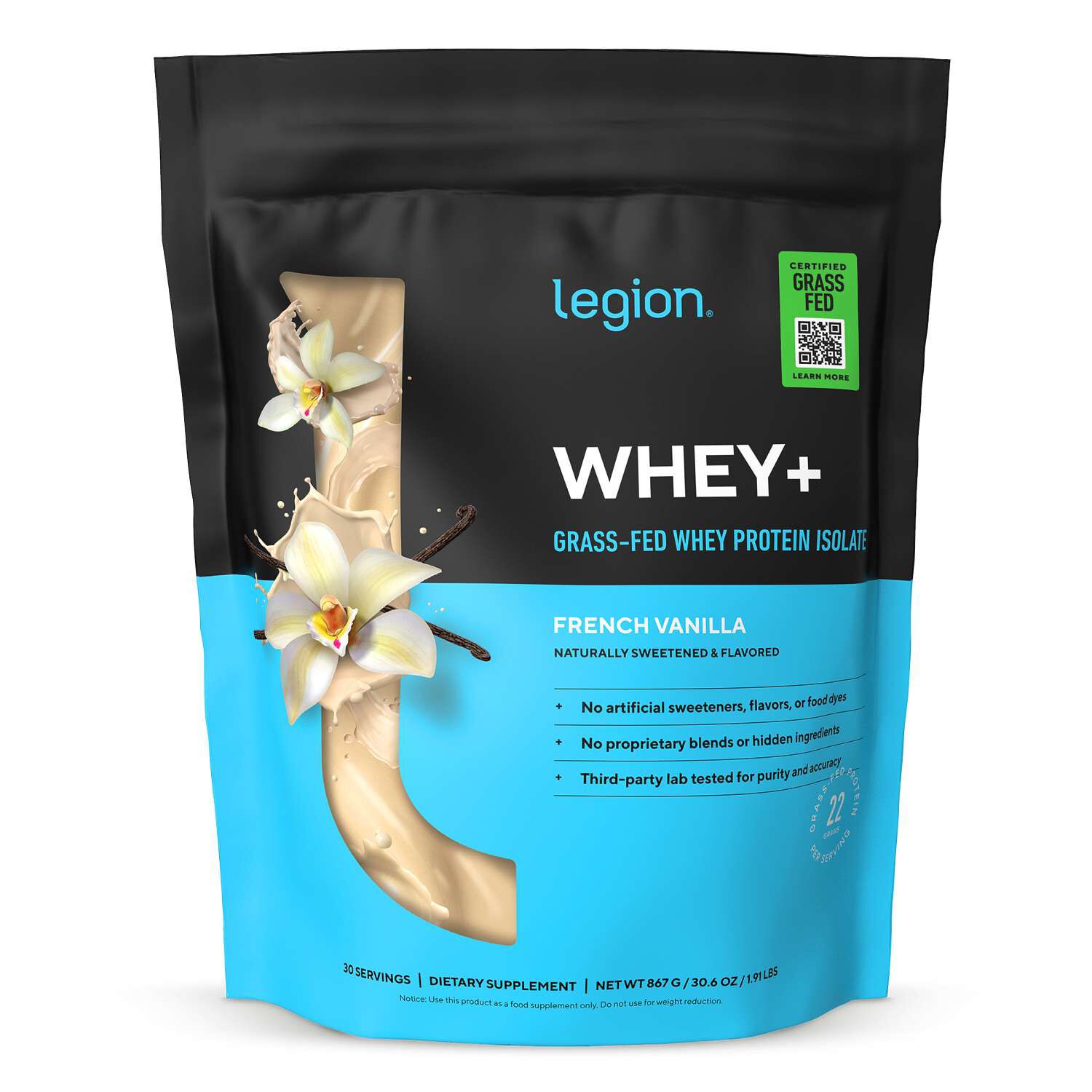
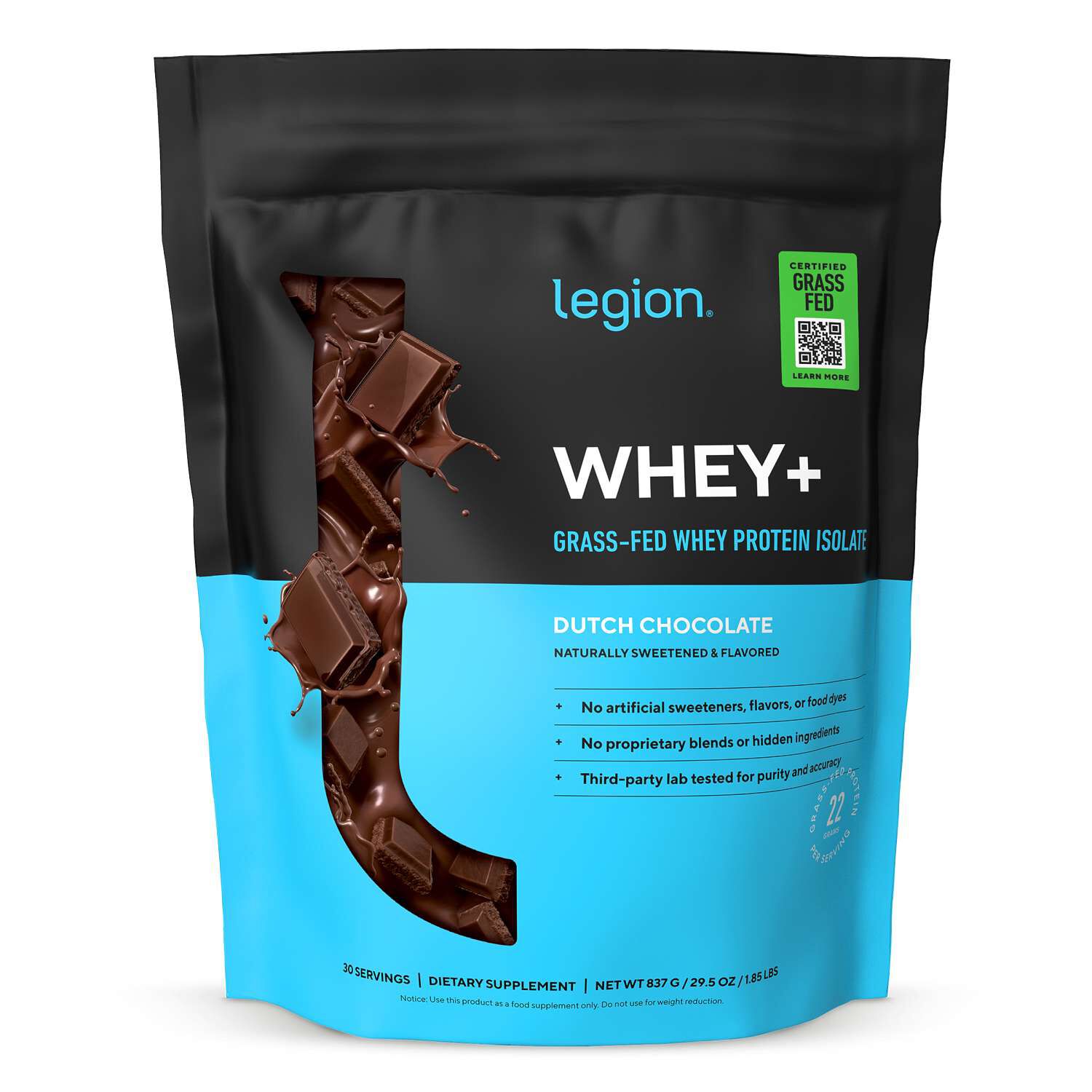


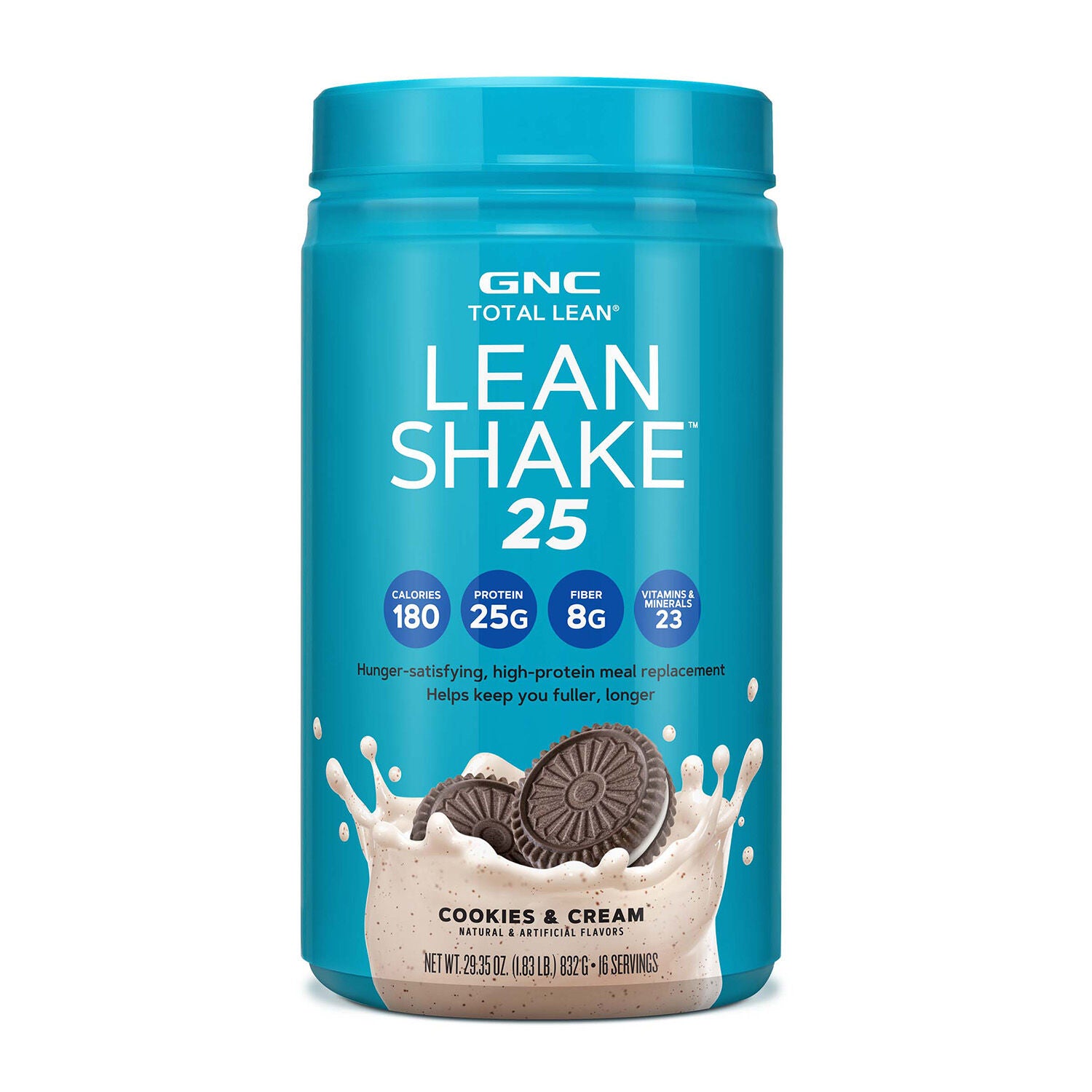
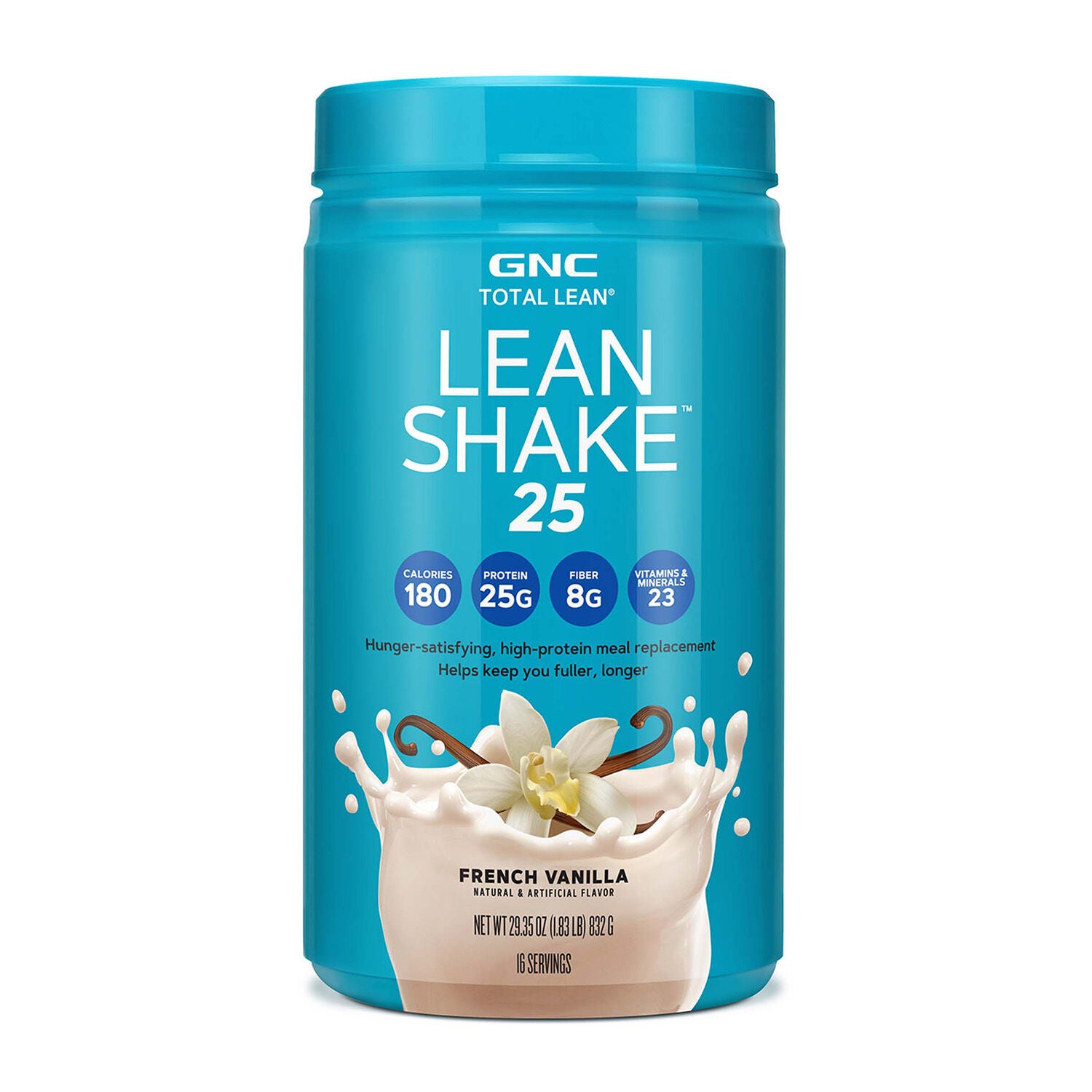
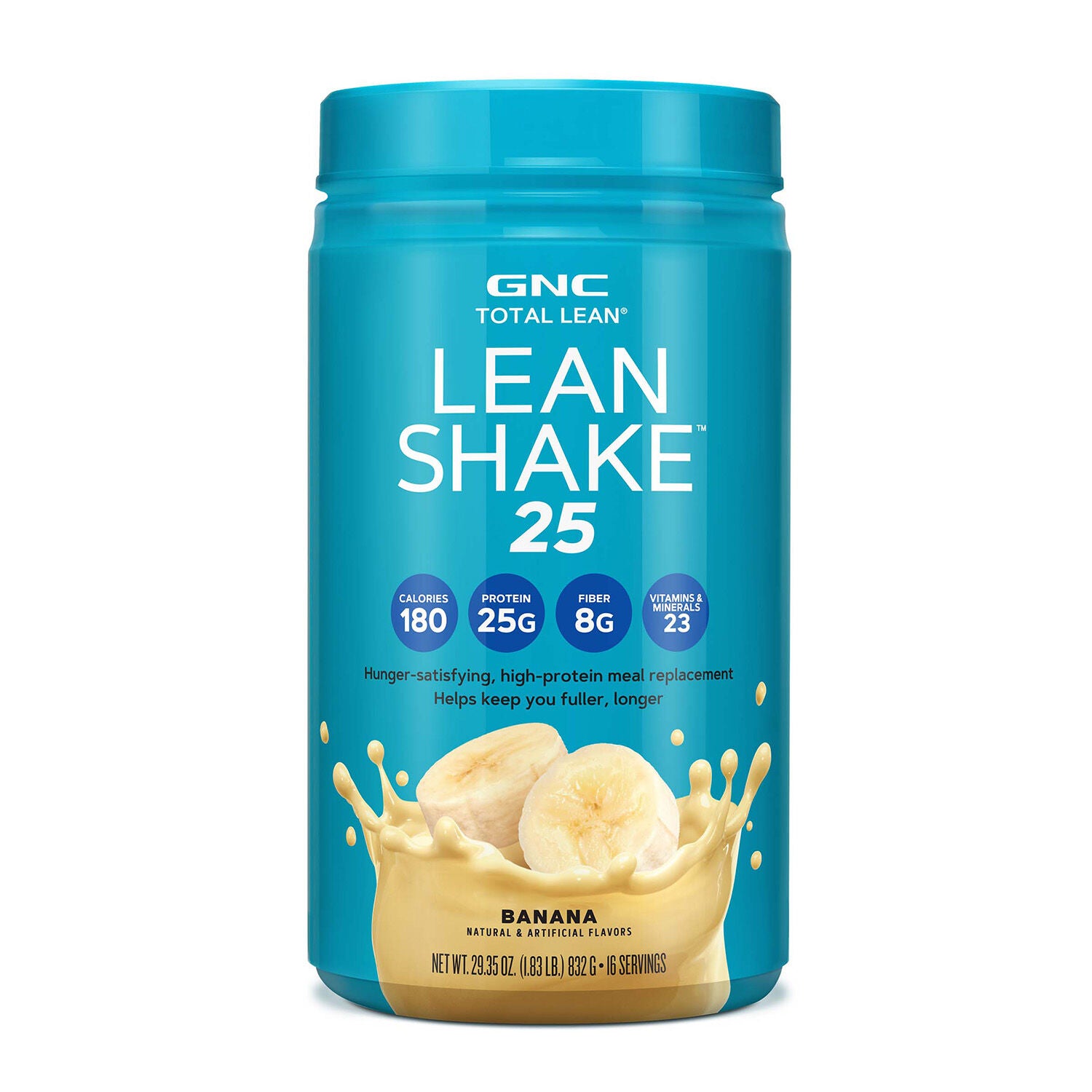
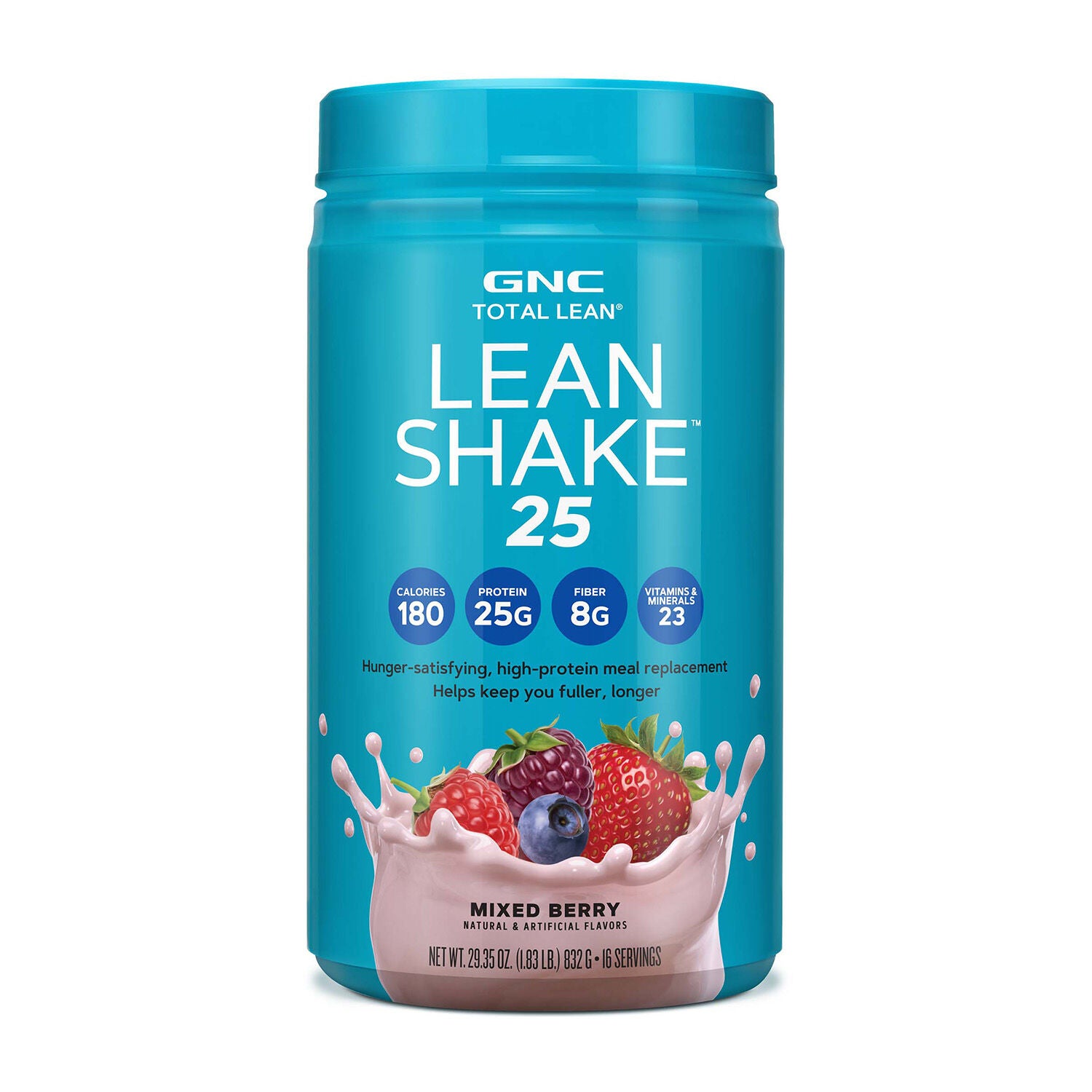
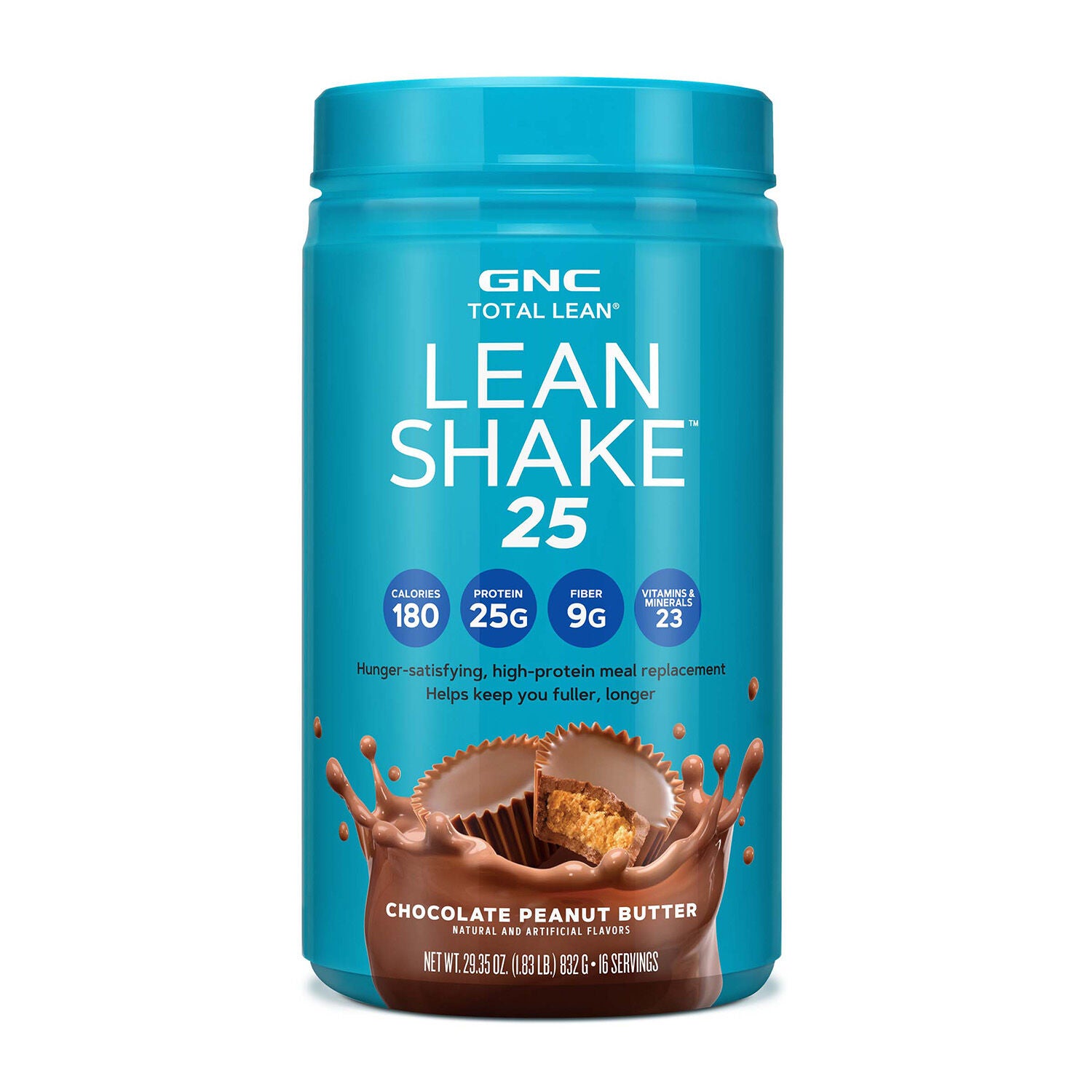
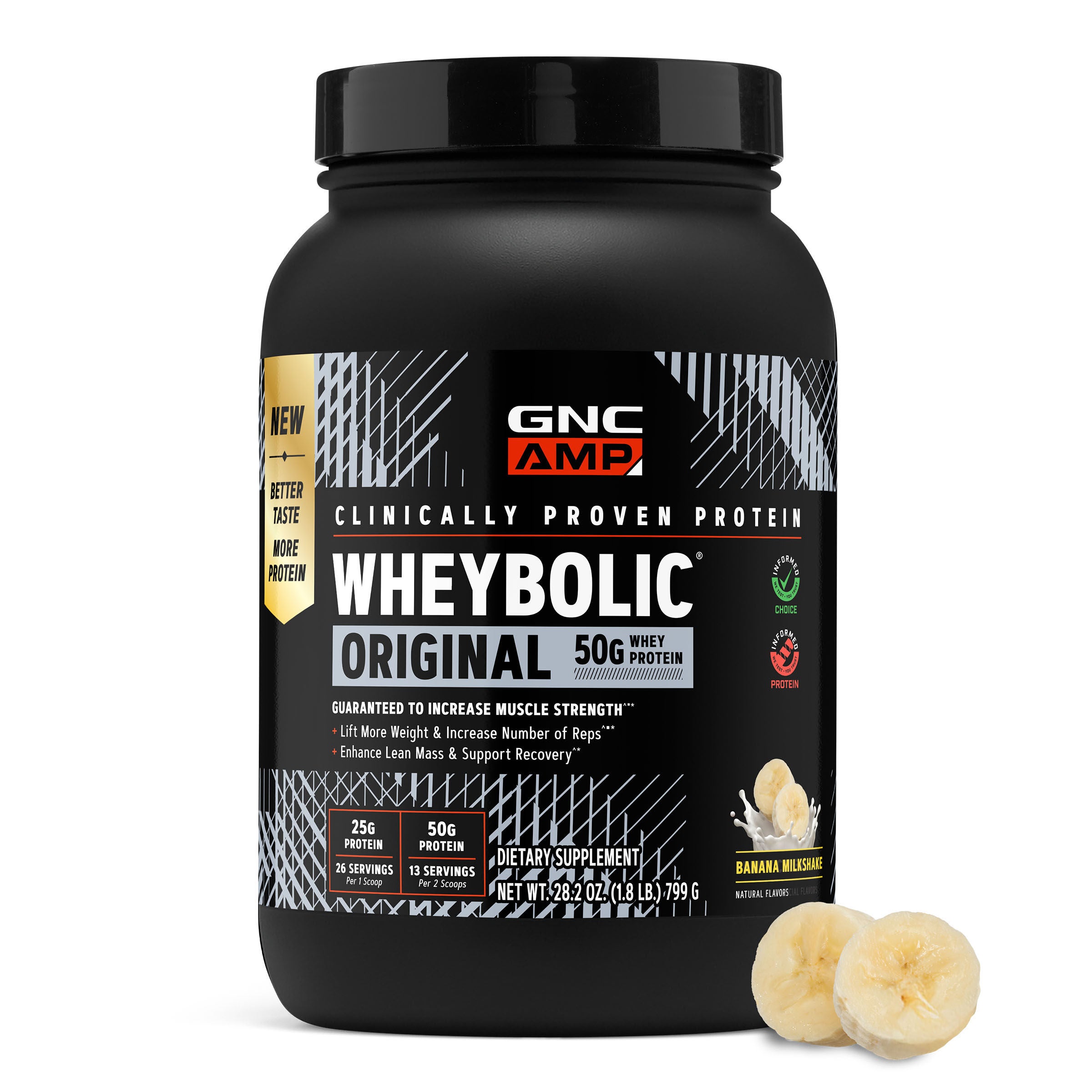
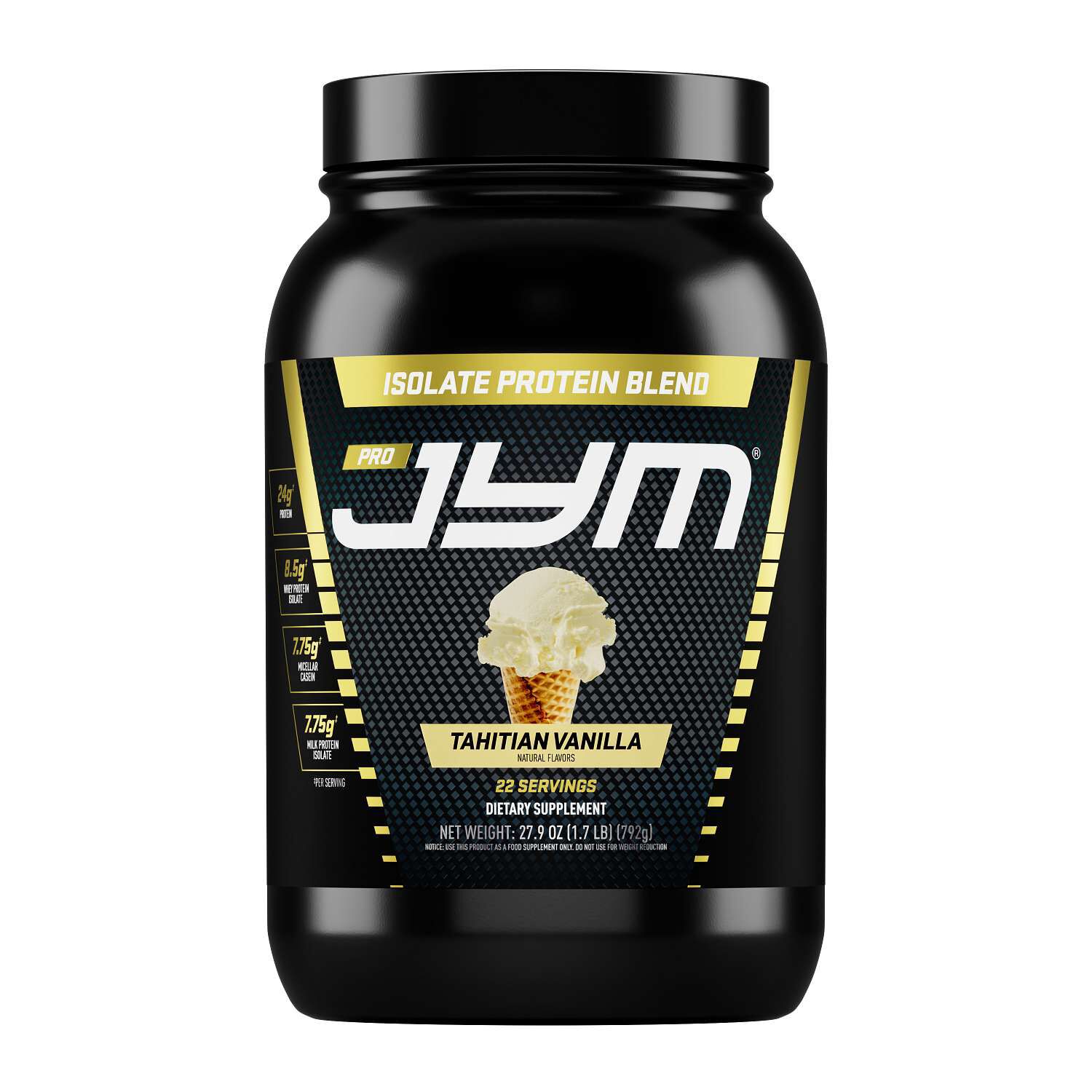

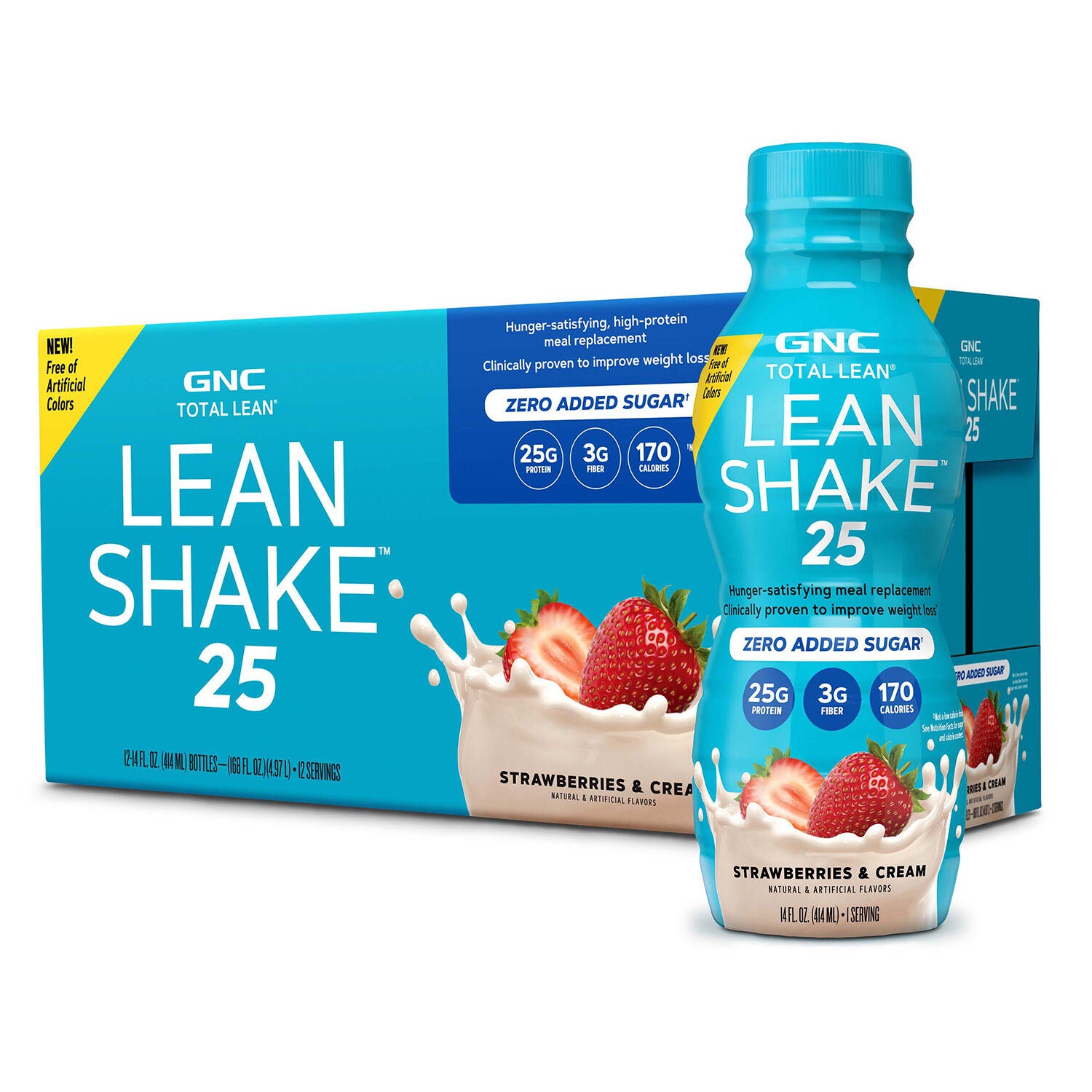
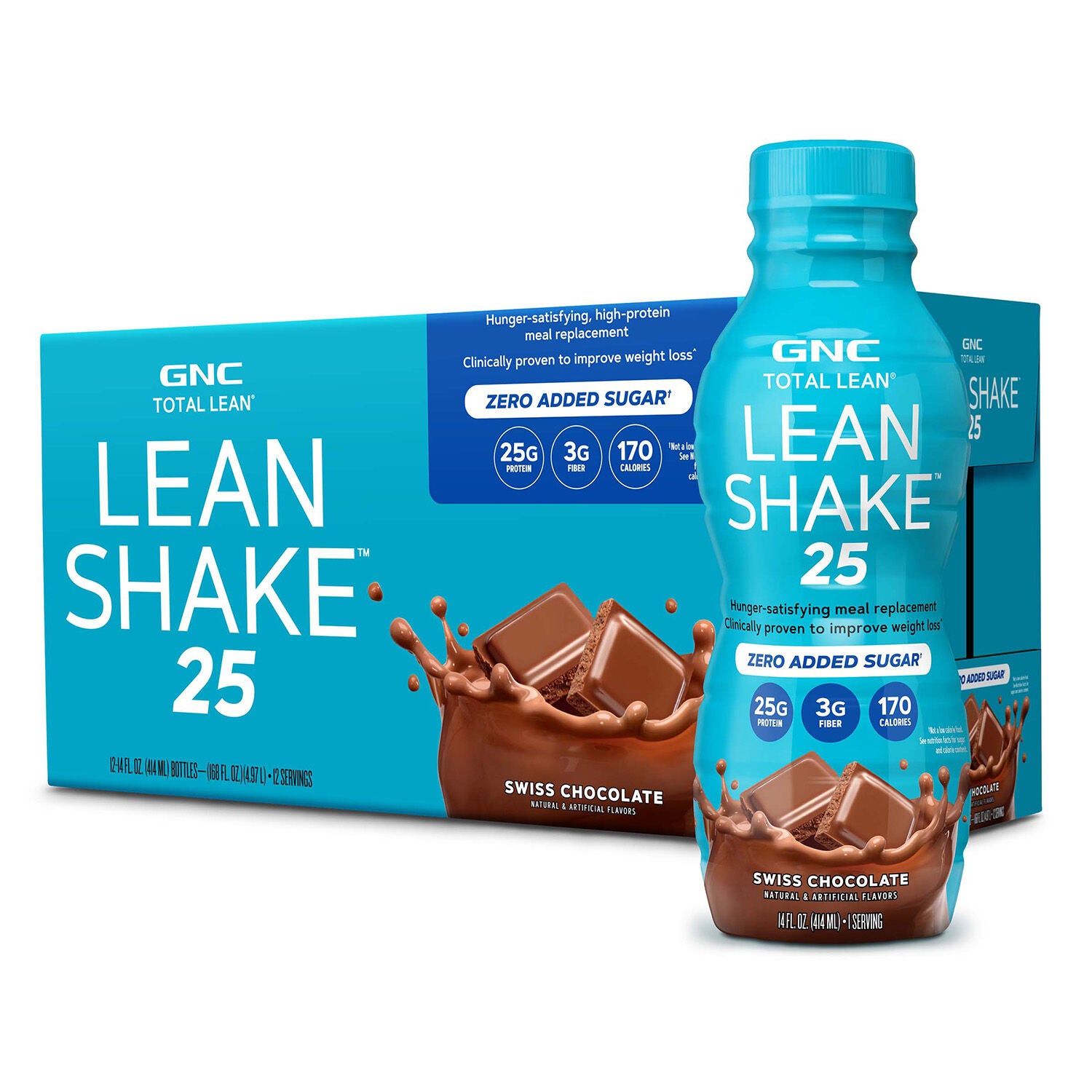
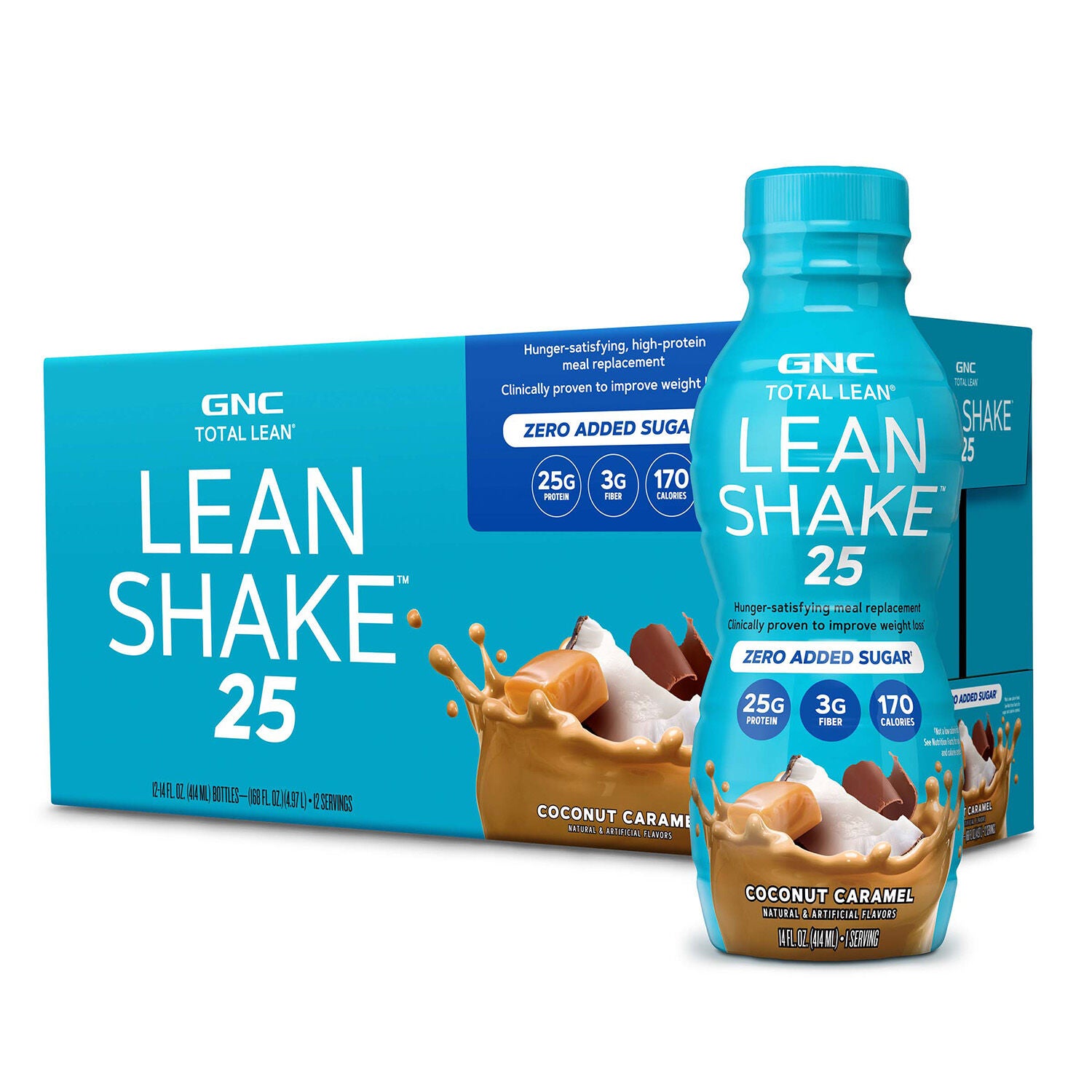
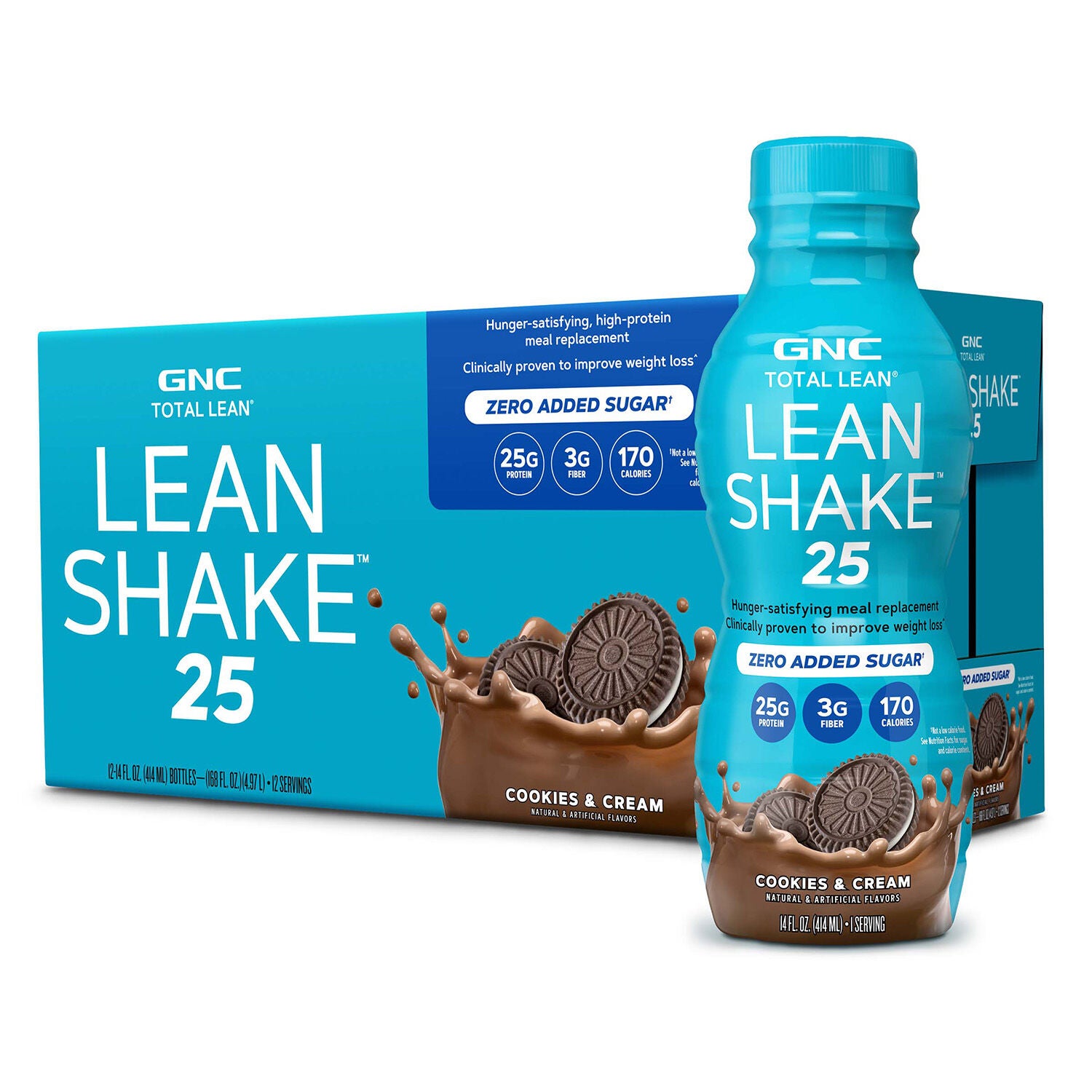
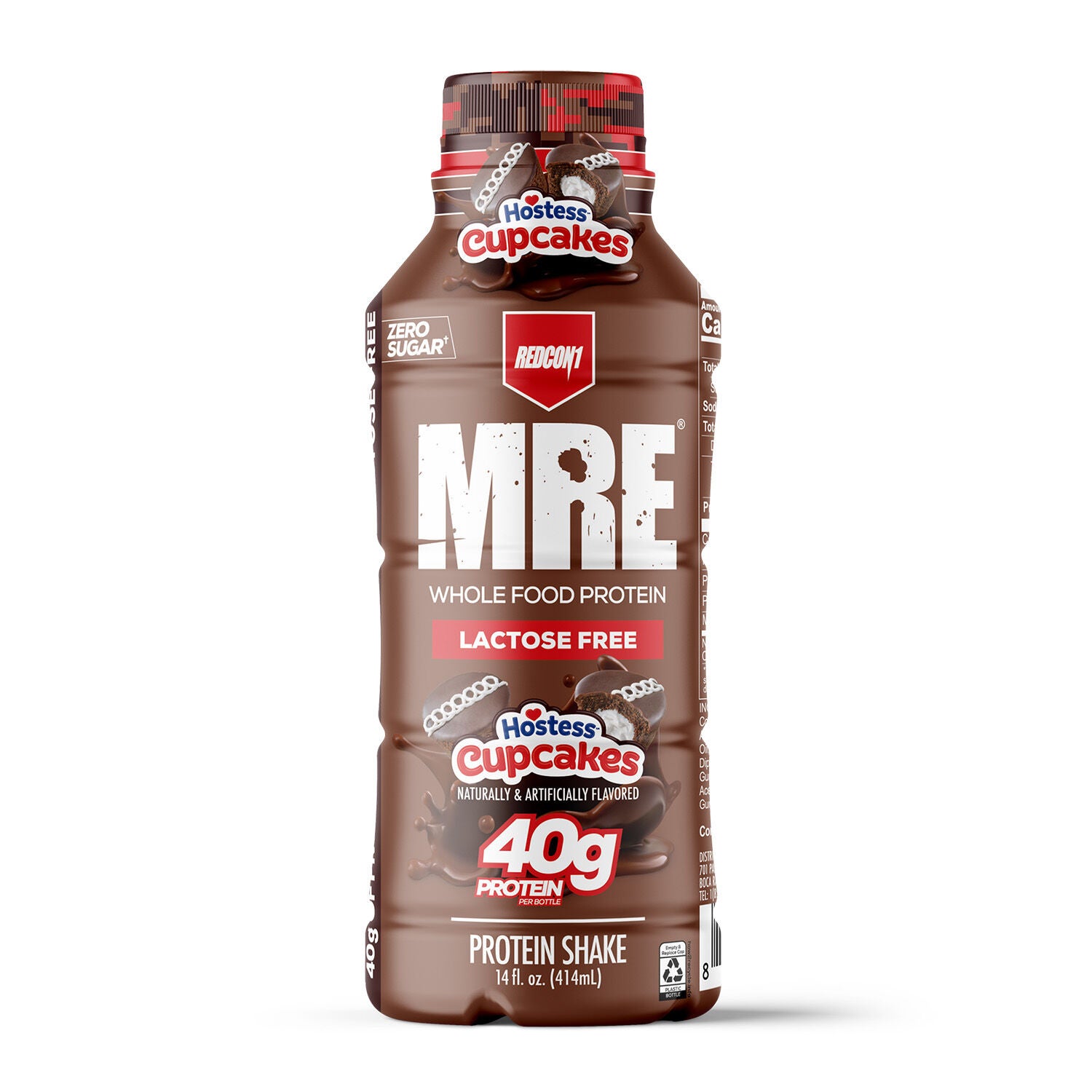


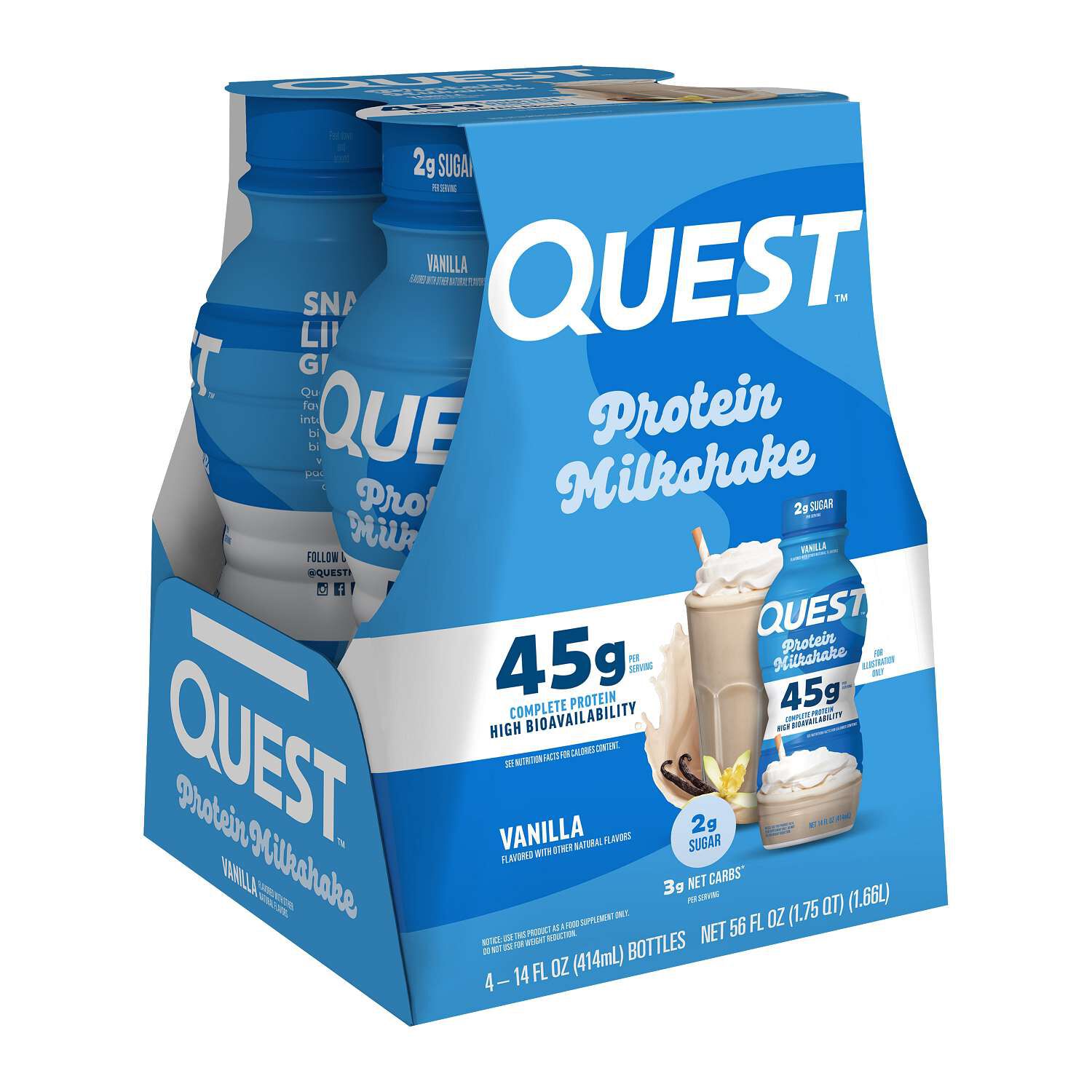

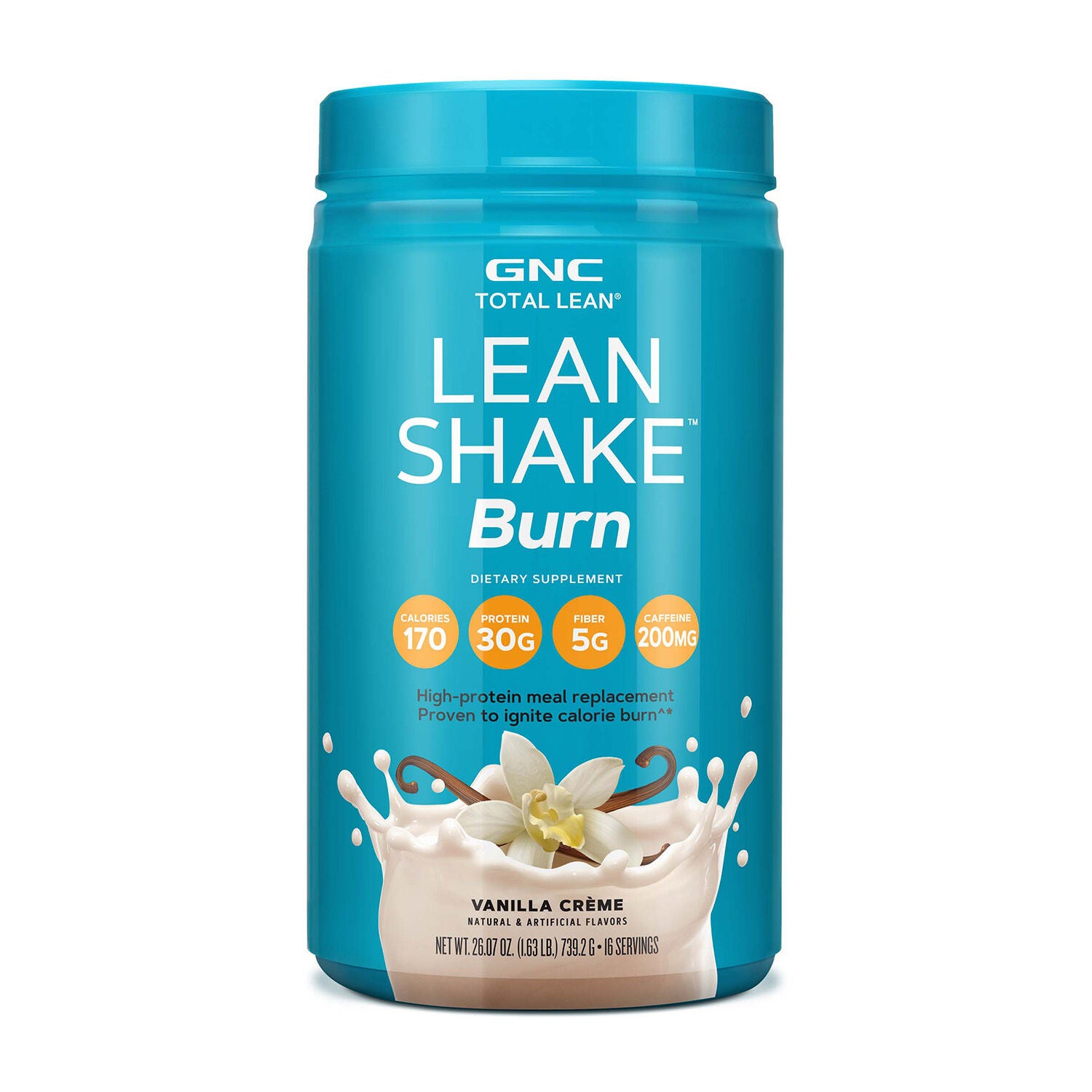
Protein shakes for fitness goals may fit several priorities: muscle gain, weight management, and convenient daily protein intake. The most useful comparison points are protein per serving, calories per serving, protein source, added sugars, and preparation format. A shake for someone lifting weights several days a week may look different from one chosen for a quick afternoon snack or a busy commute. For muscle-gain goals, protein shakes may support muscle recovery and growth alongside resistance training and an eating pattern that provides enough energy. A higher-calorie formula may fit someone seeking additional nourishment between meals, while a simpler protein powder may offer more flexibility when blended with familiar foods. Calories from the mixing liquid and other ingredients matter, too: the same powder prepared with water has a different nutrition profile from a smoothie made with milk, oats, nut butter, and fruit. Someone comparing Protein Powders and Shakes For Muscle Gain may want to consider both the labeled serving and the way that serving will actually be prepared. Protein grams are useful, but they are only one part of that comparison. Carbohydrates, fats, serving size, and the number of scoops per serving also deserve attention. A label showing nutrition for two scoops should not be compared directly with a one-scoop serving without accounting for the difference. Intended use matters just as much as the nutrition panel. A drink mixed after an evening lifting session has different practical requirements from a bottle tucked into a work bag before an early workout. Flavor, texture, preparation time, and portion size may influence how comfortably a shake fits into either routine. The better match is often the format and nutrition profile that make sense within an existing schedule, rather than the one with the largest protein number on the front label.
For weight-management goals, a protein shake with a protein-to-calorie balance that suits the rest of the day may be a practical option. A shake used instead of another snack has a different role from one added alongside the usual meals and snacks. Protein shakes are not interchangeable with meals simply because they contain protein; their carbohydrate, fat, fiber, vitamin, and mineral content varies. A serving with more protein is not automatically more suitable for every goal, and a lower-calorie serving is not automatically more useful for every person. Someone heading from a workout to lunch may prefer a smaller drink, while someone with a long gap between meals may want a more substantial blend. Ingredient choices add another layer to the comparison. Whey and casein are milk-derived proteins, while plant-based formulas may use soy, pea, rice, or combinations of these sources. Whey concentrates and isolates can differ in their protein concentration and remaining milk components, so the ingredient list and nutrition panel offer more useful detail than the source name alone. For shoppers who avoid dairy ingredients, plant-based formulas provide another category to consider, with any allergen statements still worth reviewing. Blended formulas combine more than one protein source, and their flavor and texture depend on the full recipe. Cocoa, vanilla flavoring, sweeteners, oils, gums, and other ingredients all contribute to the finished drink. Some shakes have a thick, creamy consistency; others are thinner and lighter. A rich chocolate flavor may suit a simple water-based shake, while vanilla may work with berries or oats. Unflavored powders may suit recipes where another ingredient supplies the main taste. Added sugars and sweetener choices are also worth comparing, especially when a shake will be part of a regular routine. The nutrition panel describes the labeled serving, so extra fruit, milk, yogurt, or nut butter needs its own consideration when assessing the finished drink.
Convenience often determines whether protein shakes fit everyday life. Ready-to-drink formats require no measuring or mixing, making them a practical consideration for a commute, a gym visit, or a workday with little preparation space. Powders offer control over portion size and mixing liquid, but they also involve a scoop, a container, and a little cleanup. For someone leaving home before breakfast, a shaker prepared according to the package directions may suit the morning routine. For someone blending a drink at home, a blender may produce a different texture when fruit, oats, or ice are included. Mixing instructions matter because the suggested liquid amount influences thickness, flavor intensity, and how easily the powder disperses. A larger scoop needs adequate room in the bottle, particularly when other ingredients are added. Shaker capacity, a secure lid, and a shape that fits a bag or cup holder are practical details when choosing preparation accessories. Durable materials and straightforward cleaning may make those accessories more suitable for frequent use; care instructions indicate whether parts belong in a dishwasher or need handwashing. Prompt rinsing and thorough drying are useful habits for containers used with milk-based drinks or thicker blends. For the shake itself, storage directions, package condition, and the date printed on the container deserve attention. Powders should be stored as directed with the lid secured and the scoop kept dry, while ready-to-drink products may have specific refrigeration instructions after opening. Portable packaging does not mean every drink has the same storage requirements. Across training routines, recreational sports, and everyday movement, protein shakes may offer another way to include protein when a conventional snack is less practical. They need not occupy the same place in every schedule. One person may prefer a shake after strength training, another between appointments, and another only on days spent away from a kitchen. Comparing intended use, ingredients, nutrition, preparation, and care creates a more useful picture of how each format may fit a particular fitness goal.
Best Sellers
-
 EHP Labs Oxyshred
-
 EHP Labs Oxyshred

Related Pages

Top Collections
- Zinc Supplements | Top Brands at Great Prices | GNC
- Joint Mobility Supplement Packs
- Daily Collagen Supplements | Top Brands & Deals | GNC
- Cortisol Supplements
- Supplements For Yoga Joint Flexibility
- NAD+ Supplement Tablets
- Iron Supplements
- Best Brand of Magnesium Glycinate
- Chronic Fatigue Supplements
- Peptide Supplements