





Protein Shakes For Meal Planners
(0 Results)
Protein shakes for meal planners could be a convenient addition to your daily routine, offering a quick and easy way to help meet your nutritional goals. Whether you’re organizing weekly meals or looking for options that might support your active lifestyle, protein shakes for meal planners may fit seamlessly into any schedule. Explore a variety of flavors and formulas that could complement your meal prep strategies and help you stay on track with your wellness journey.
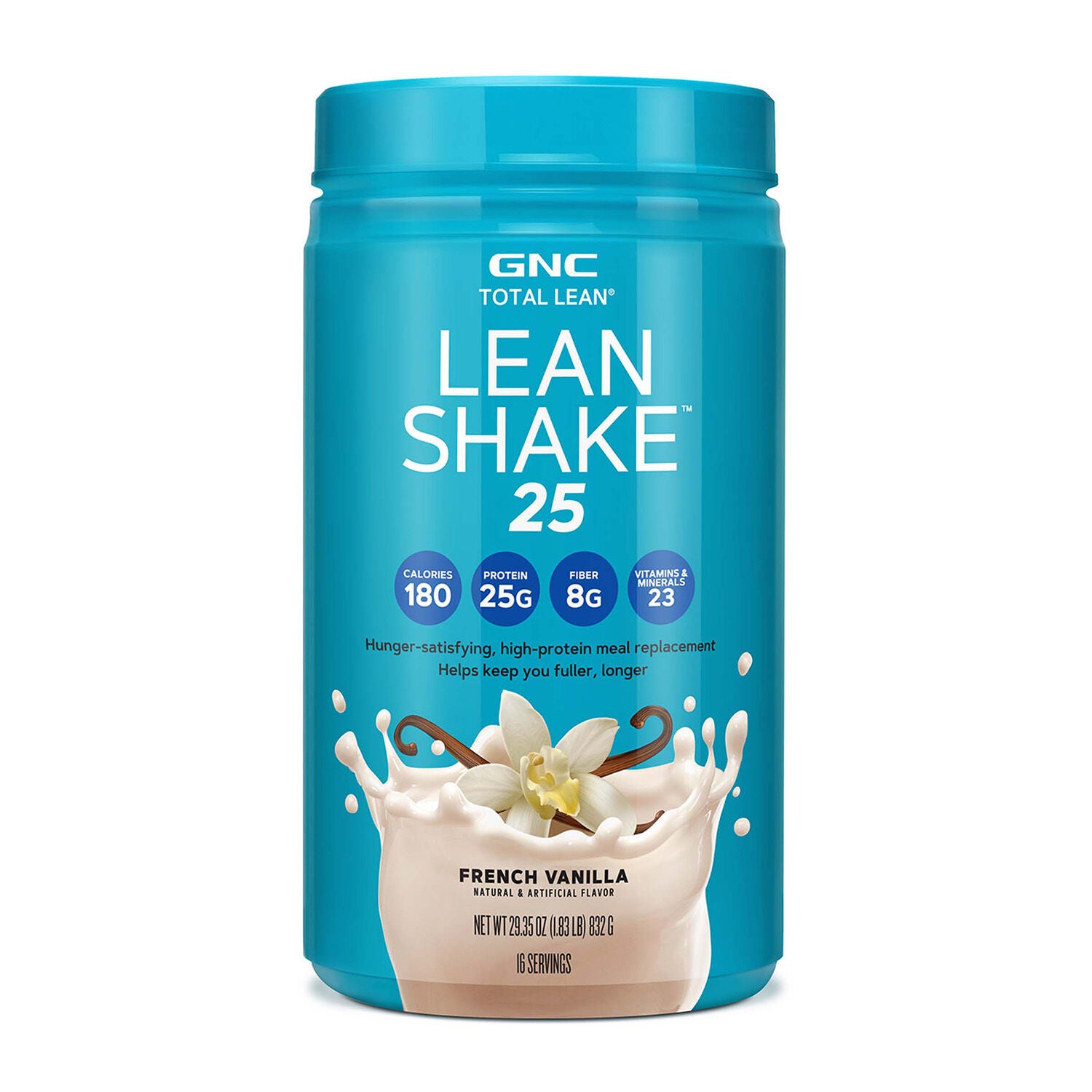

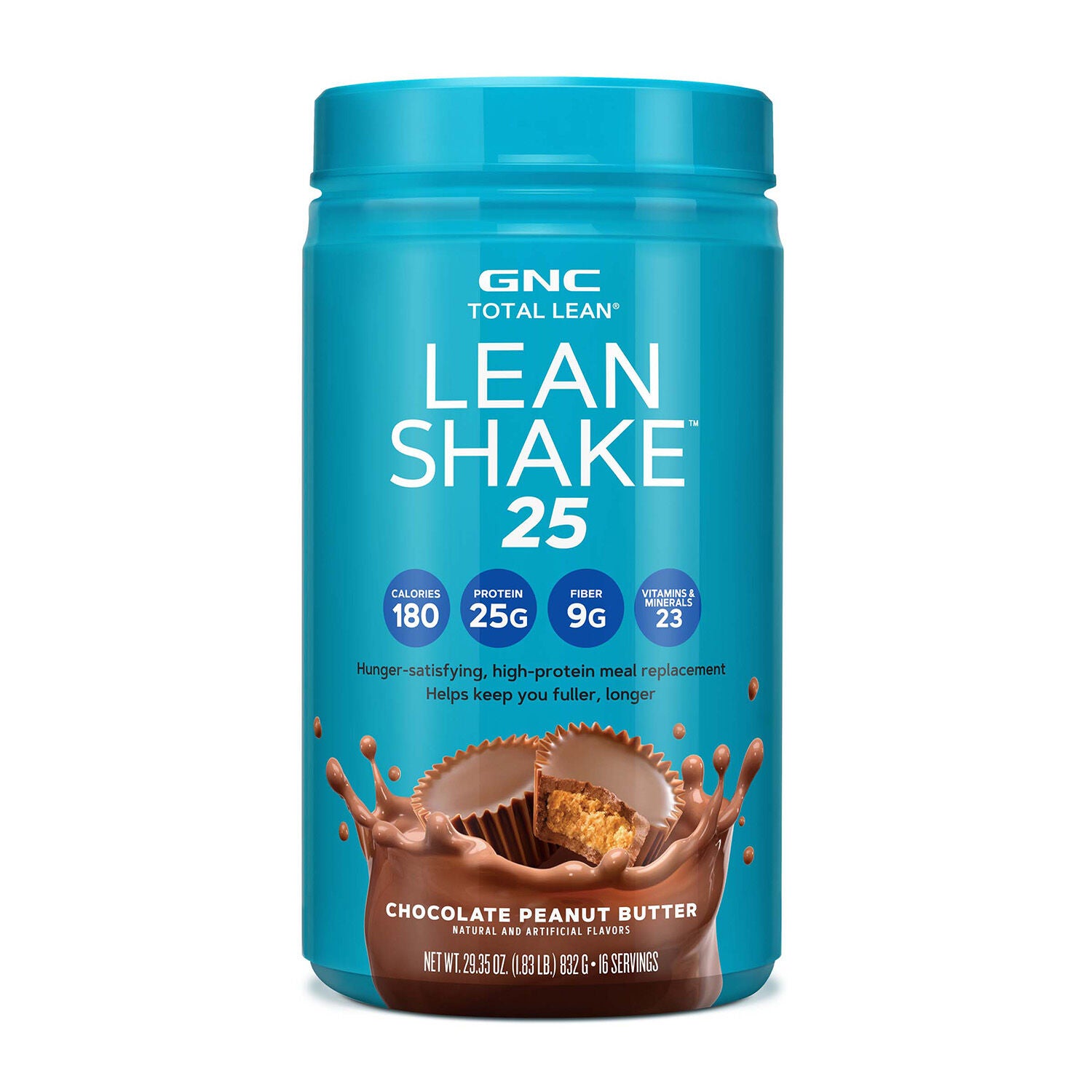
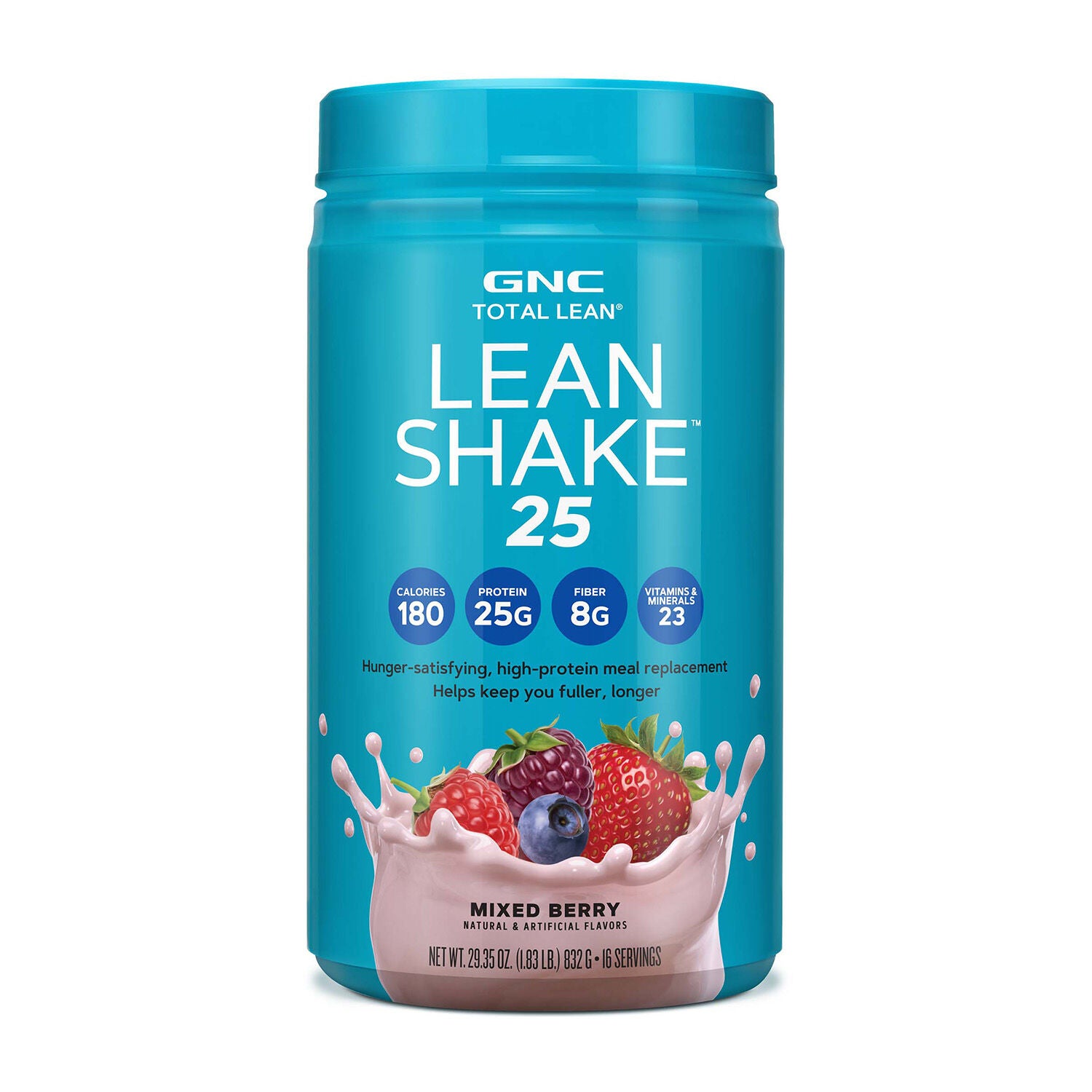

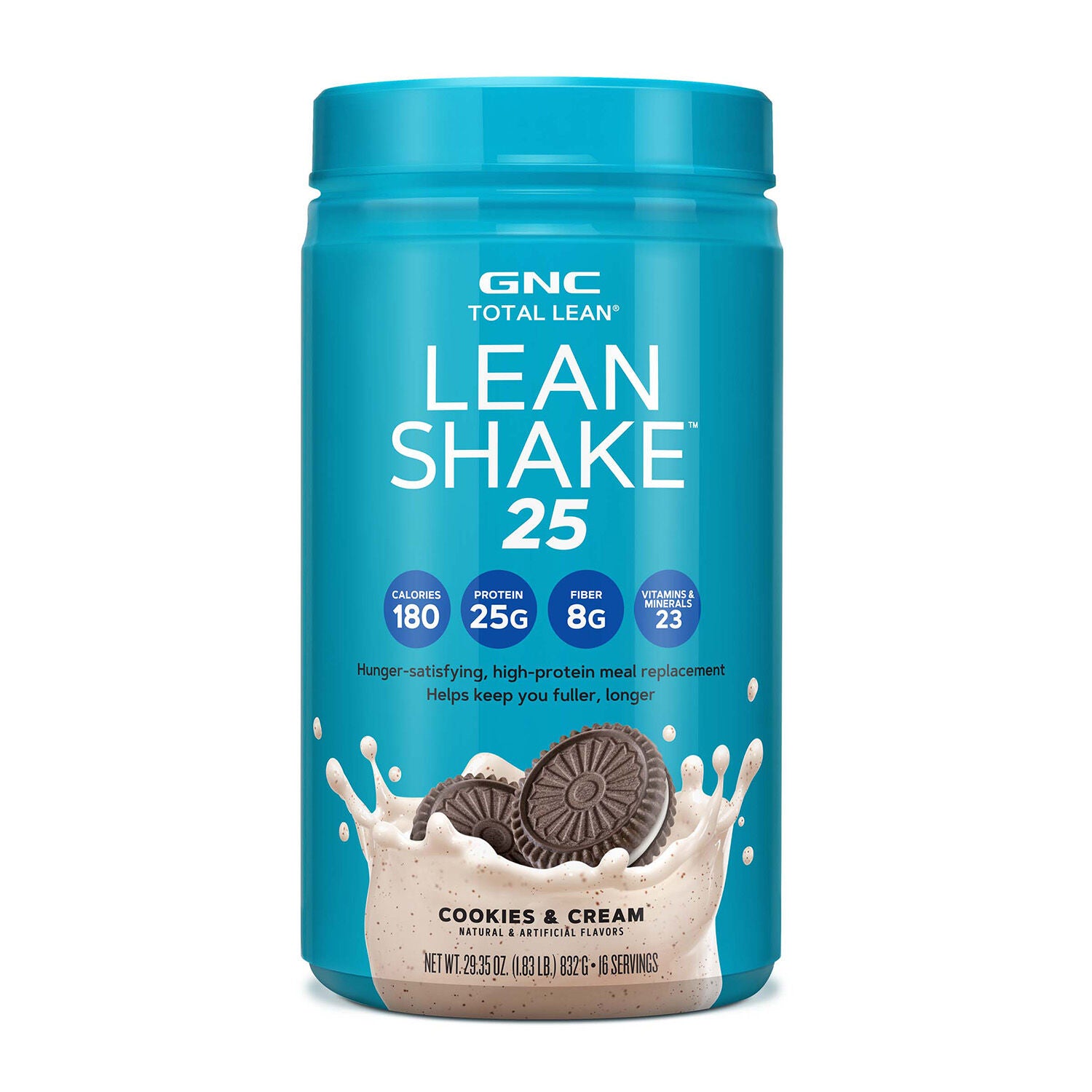
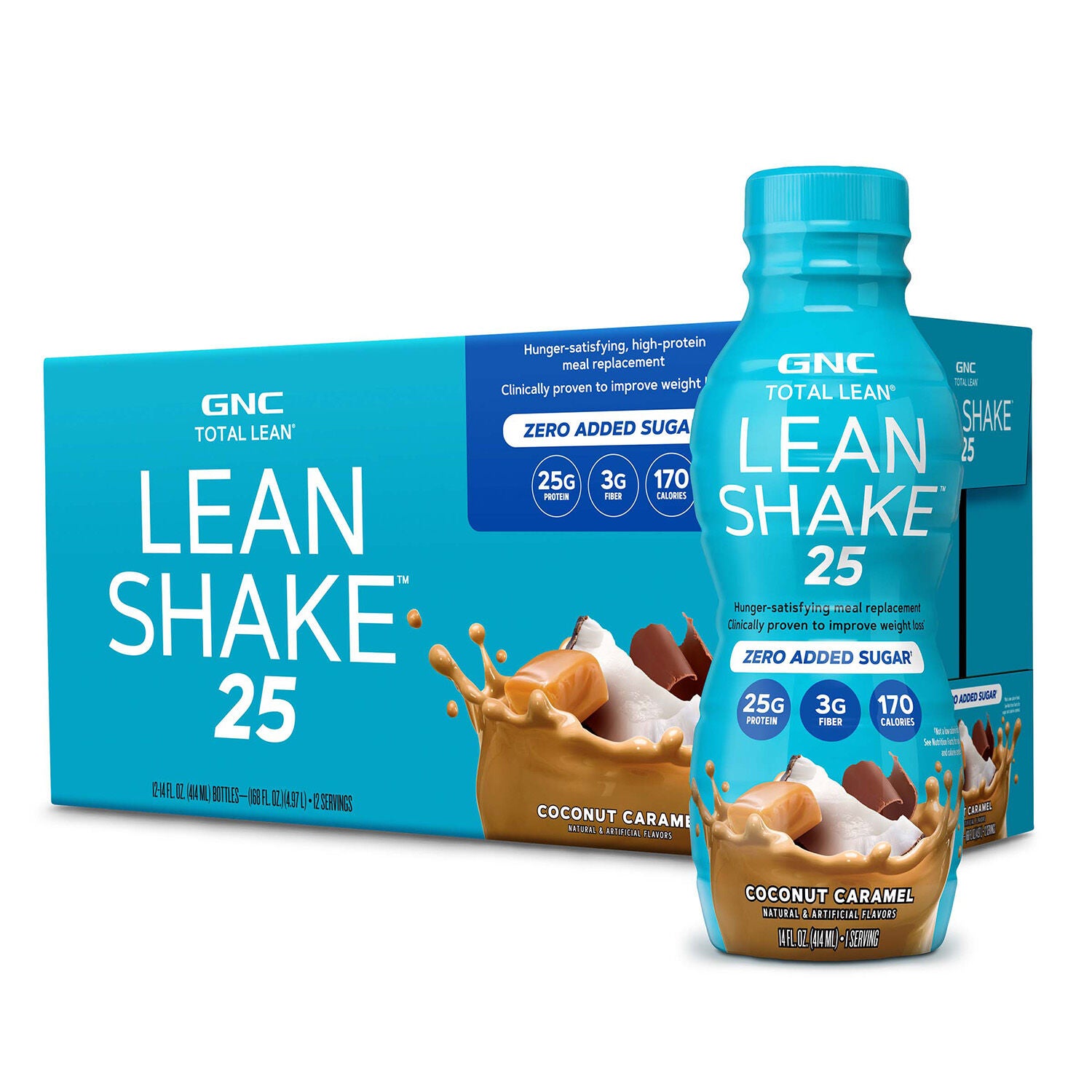
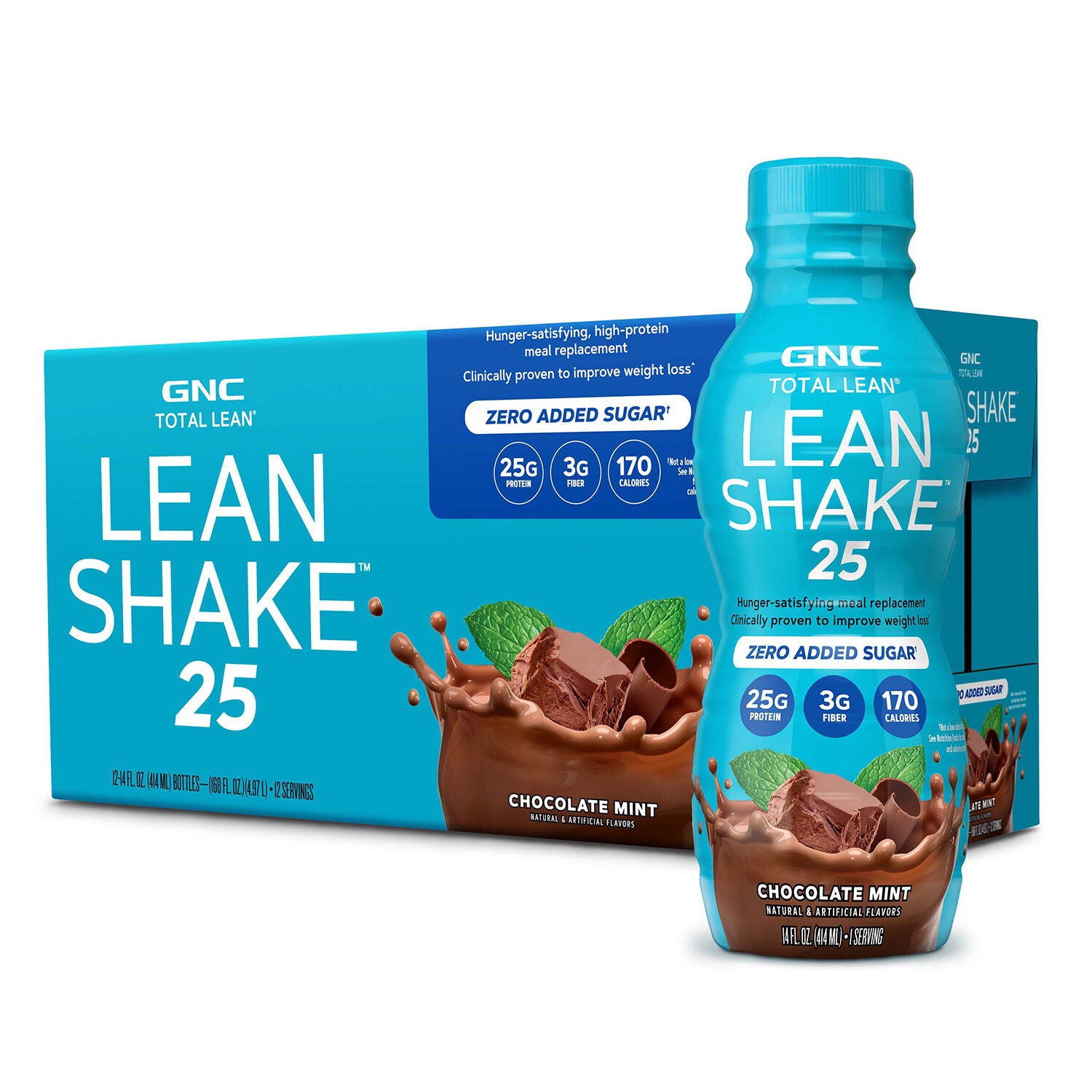
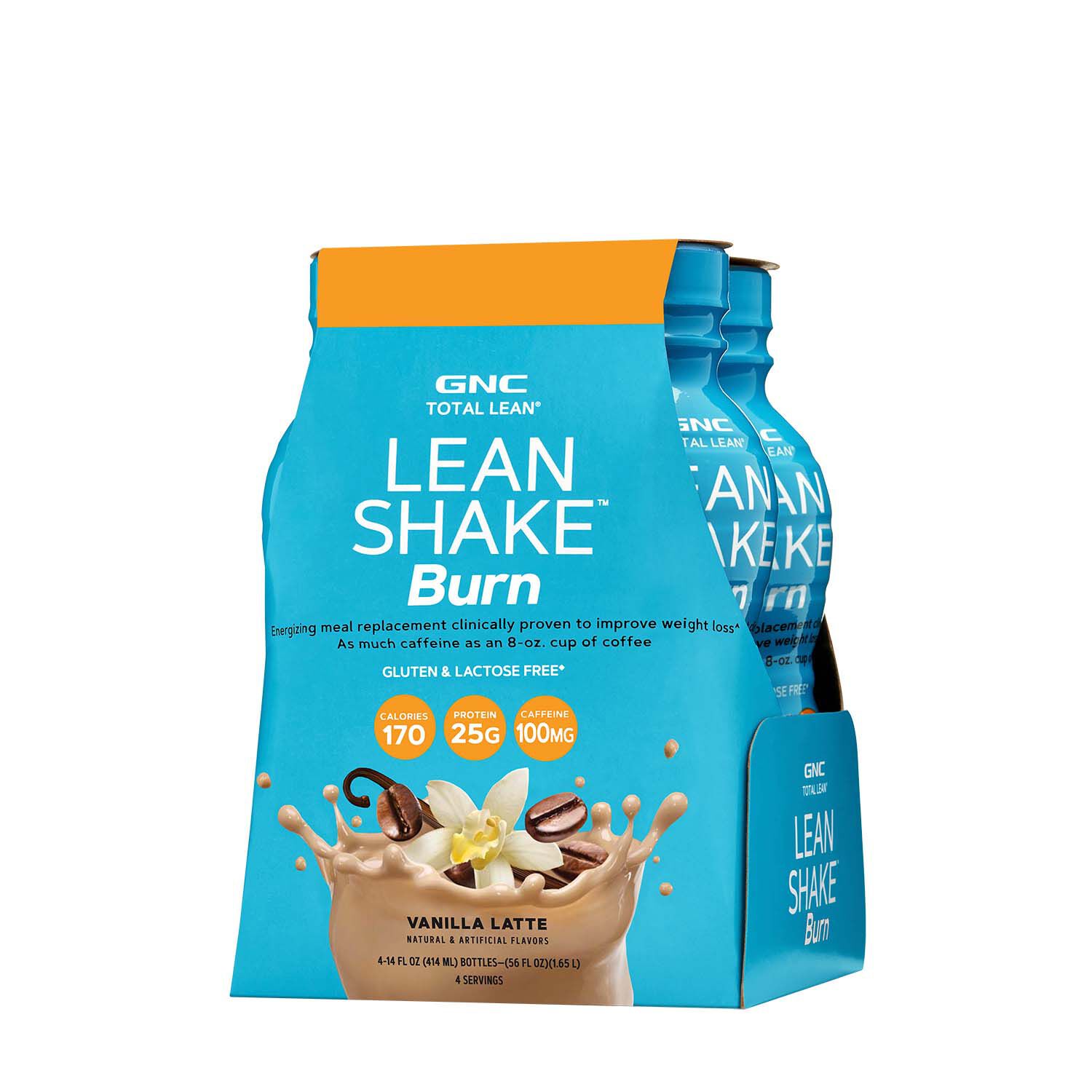
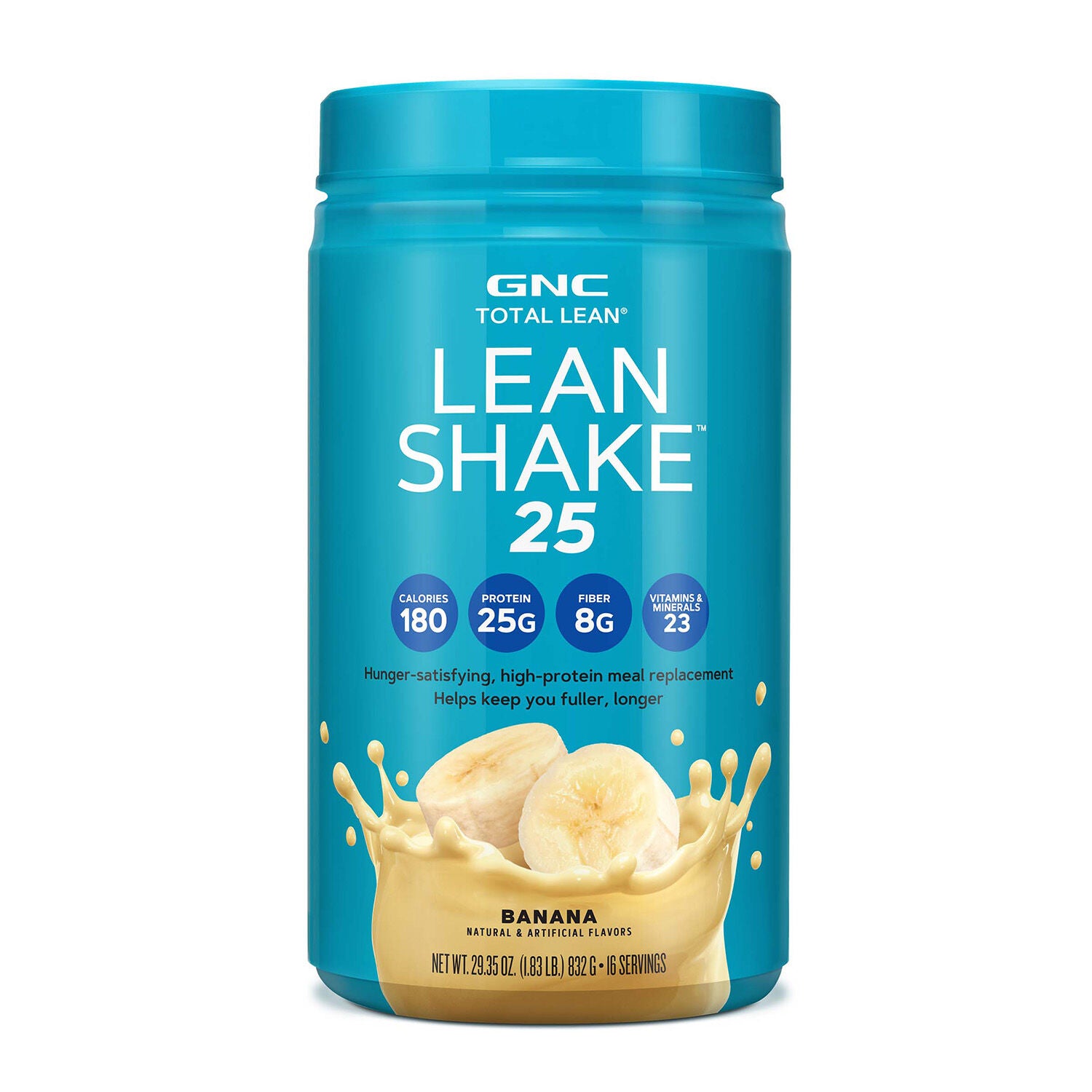
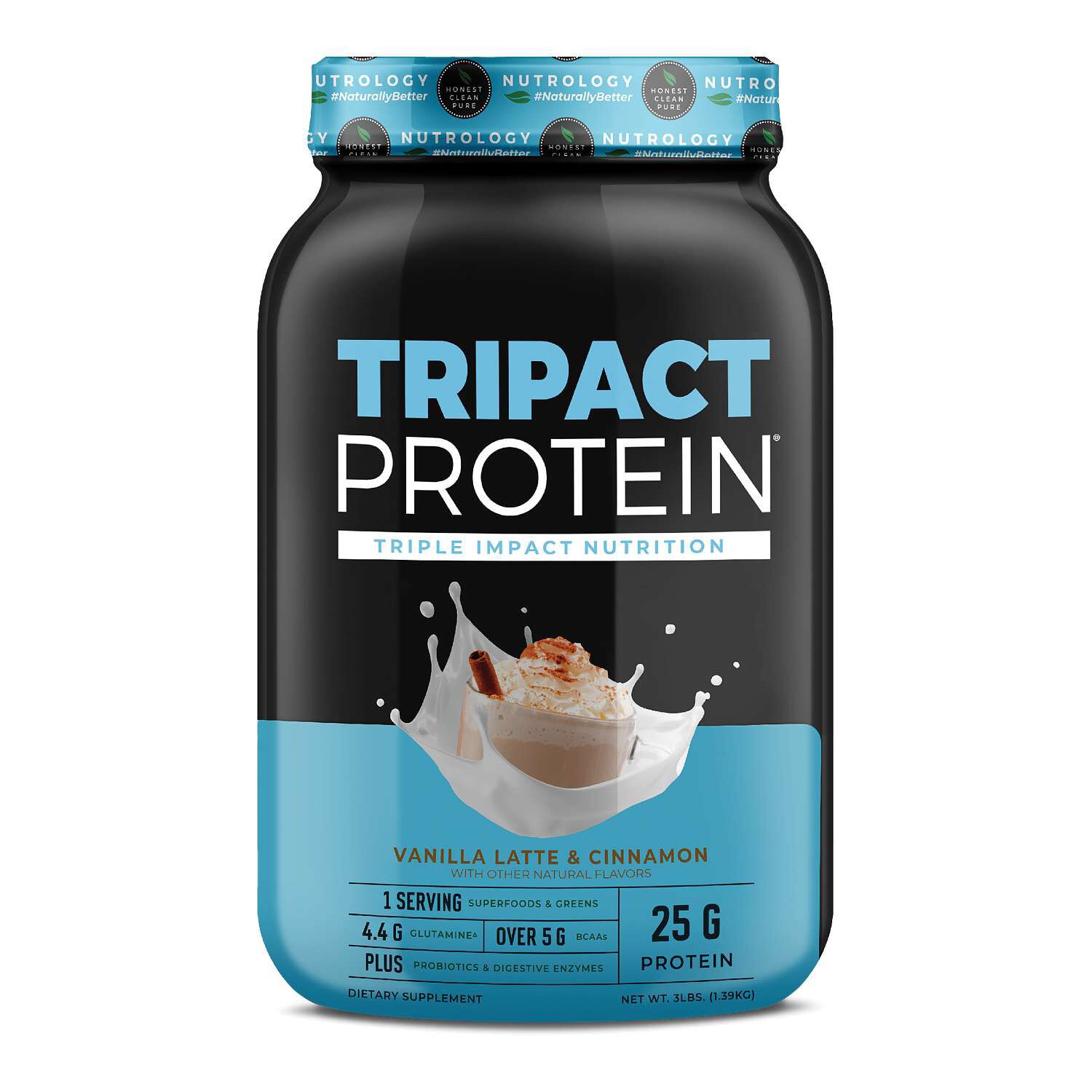
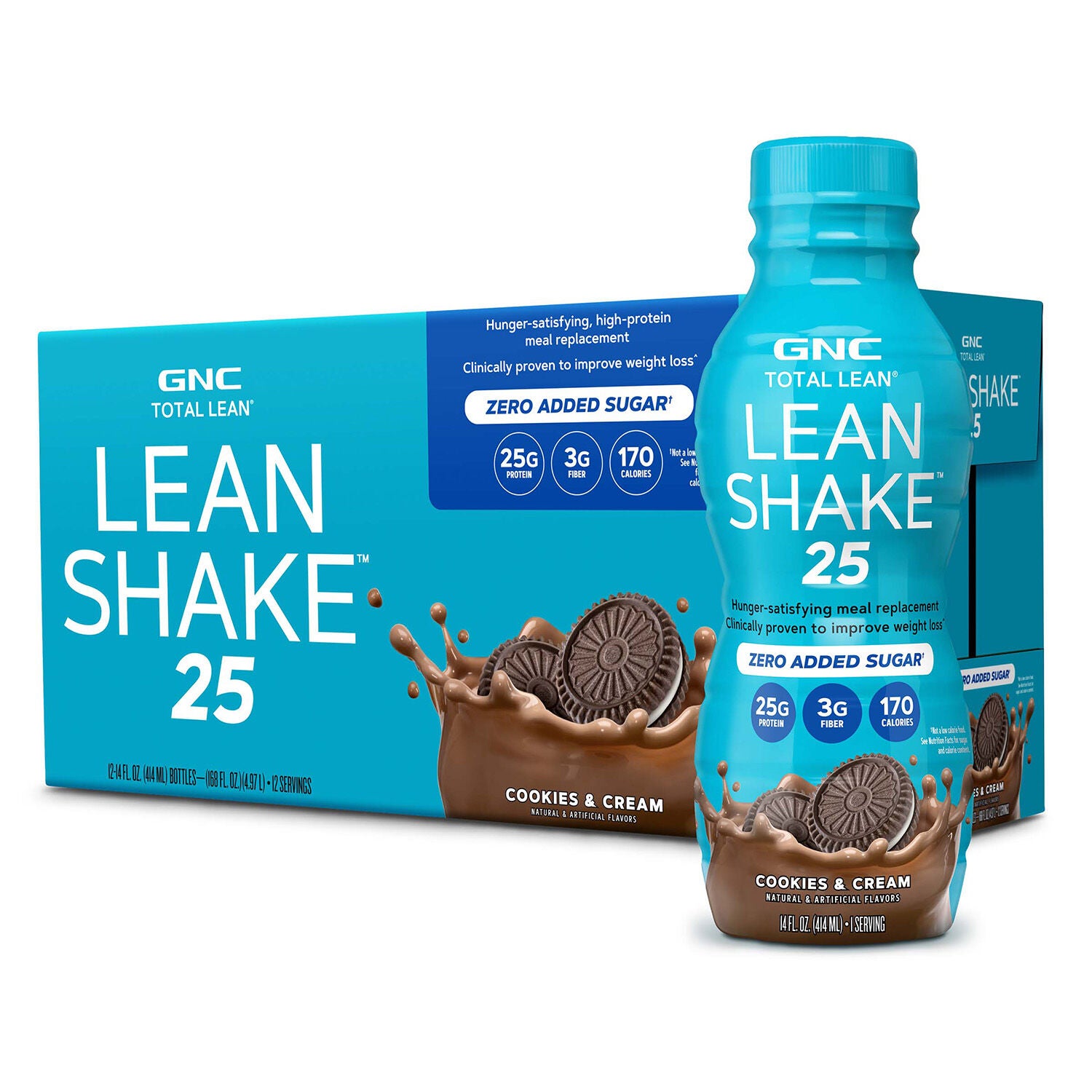
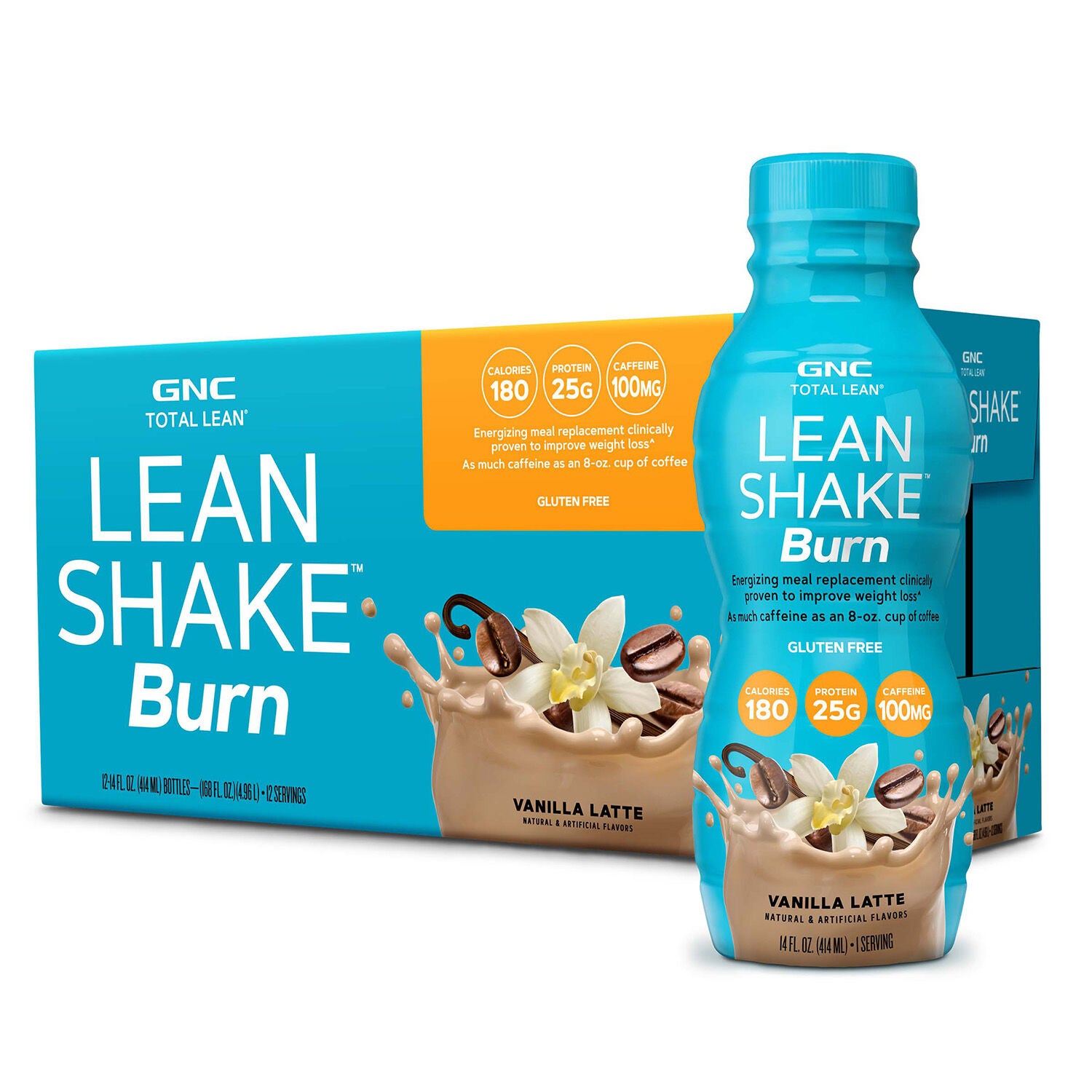

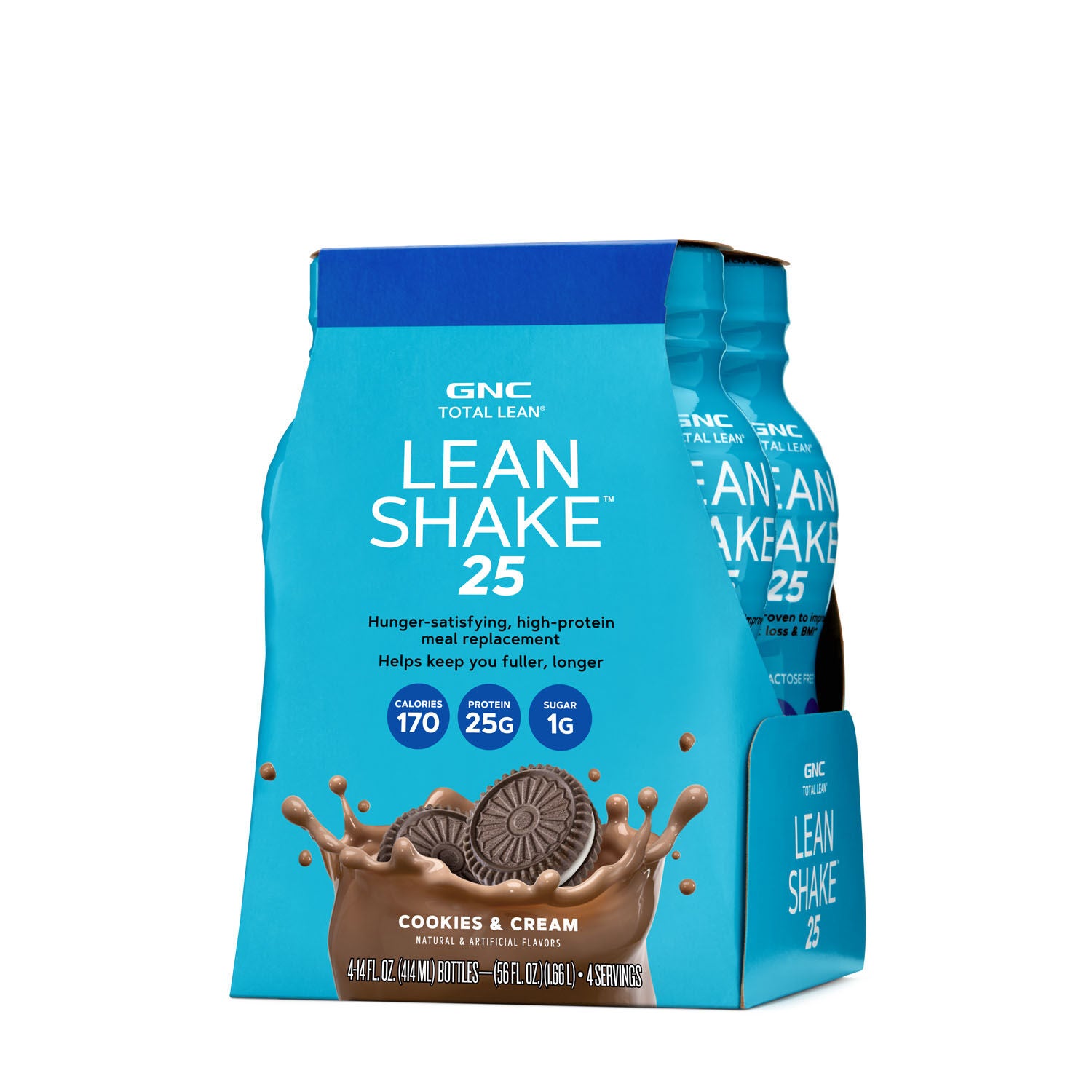
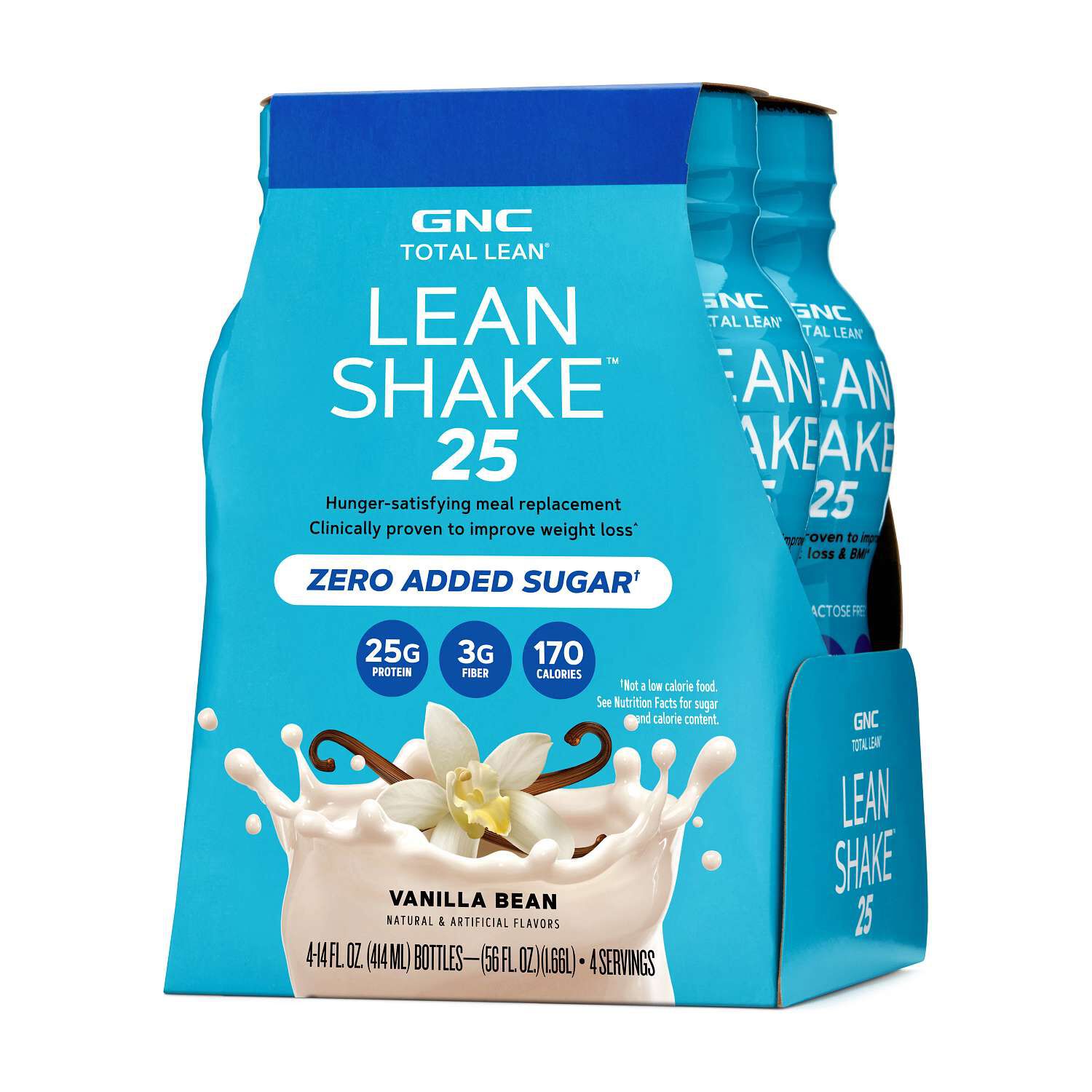
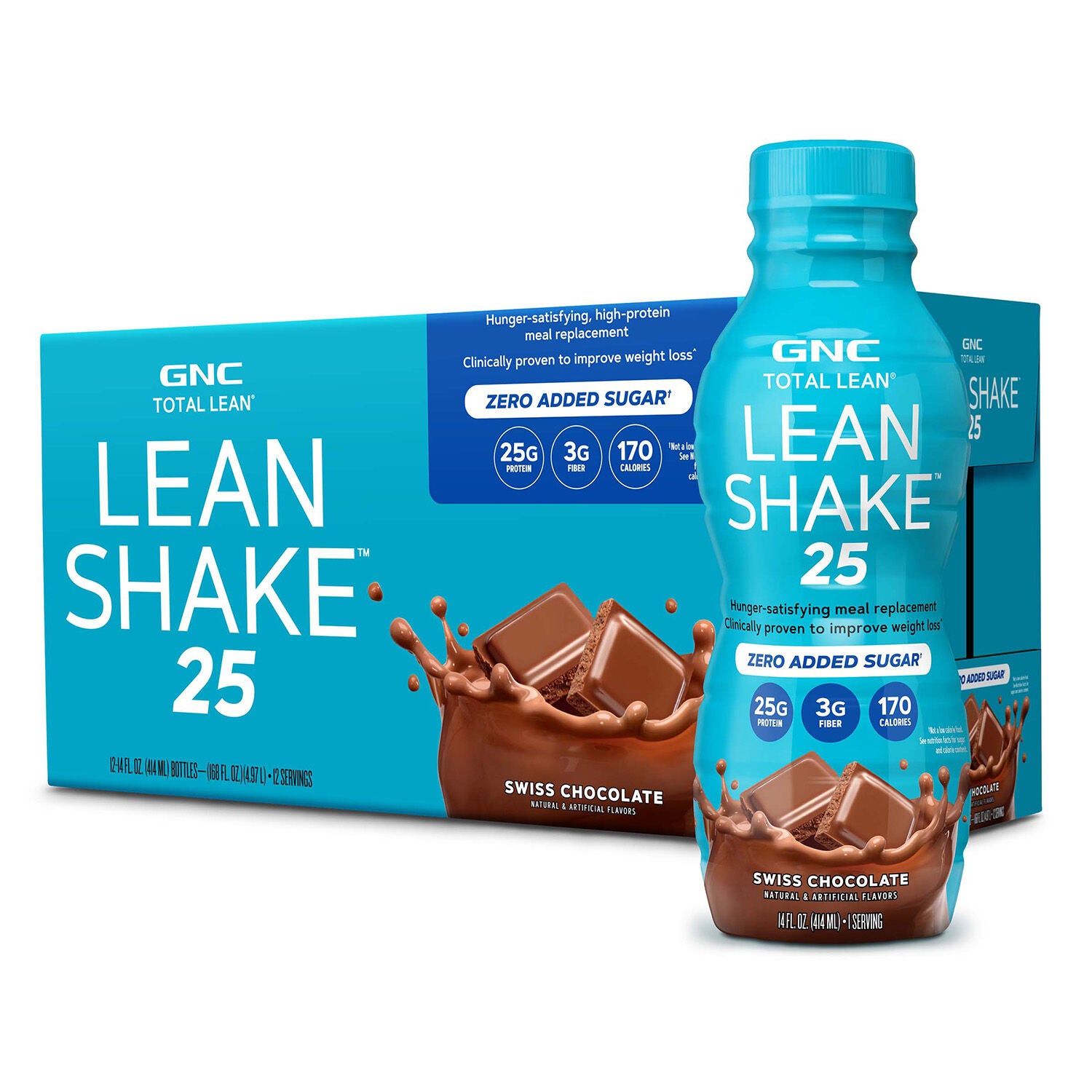
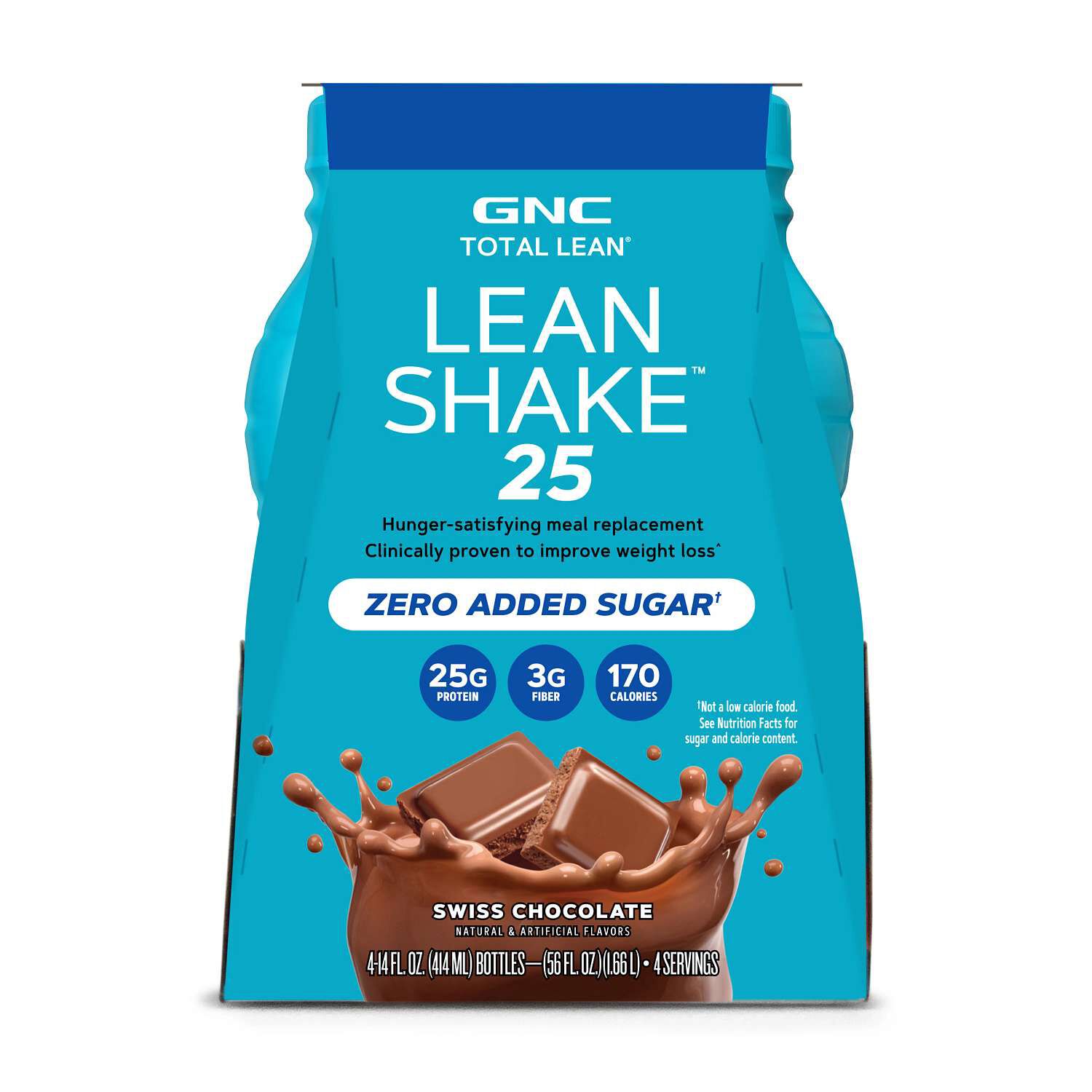

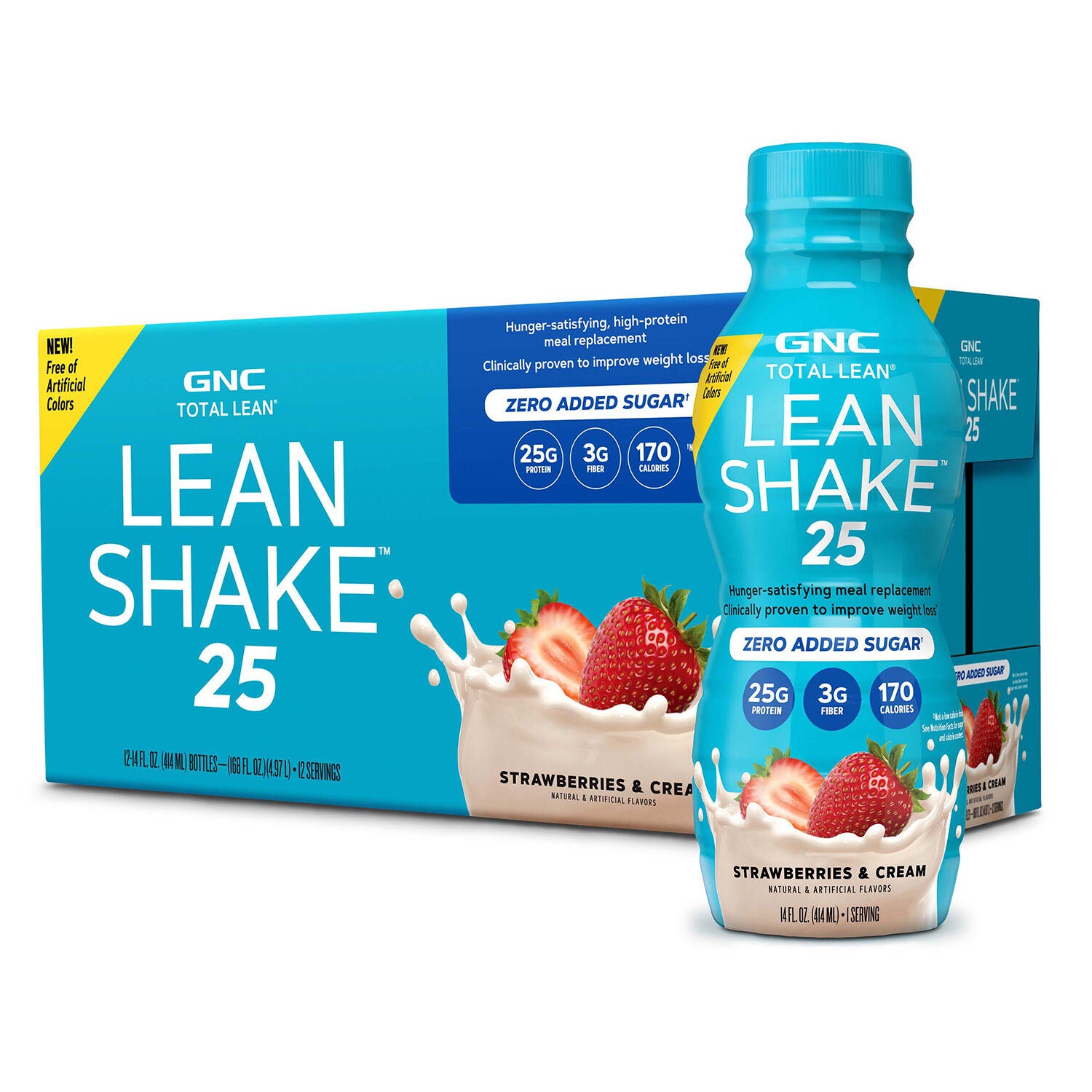


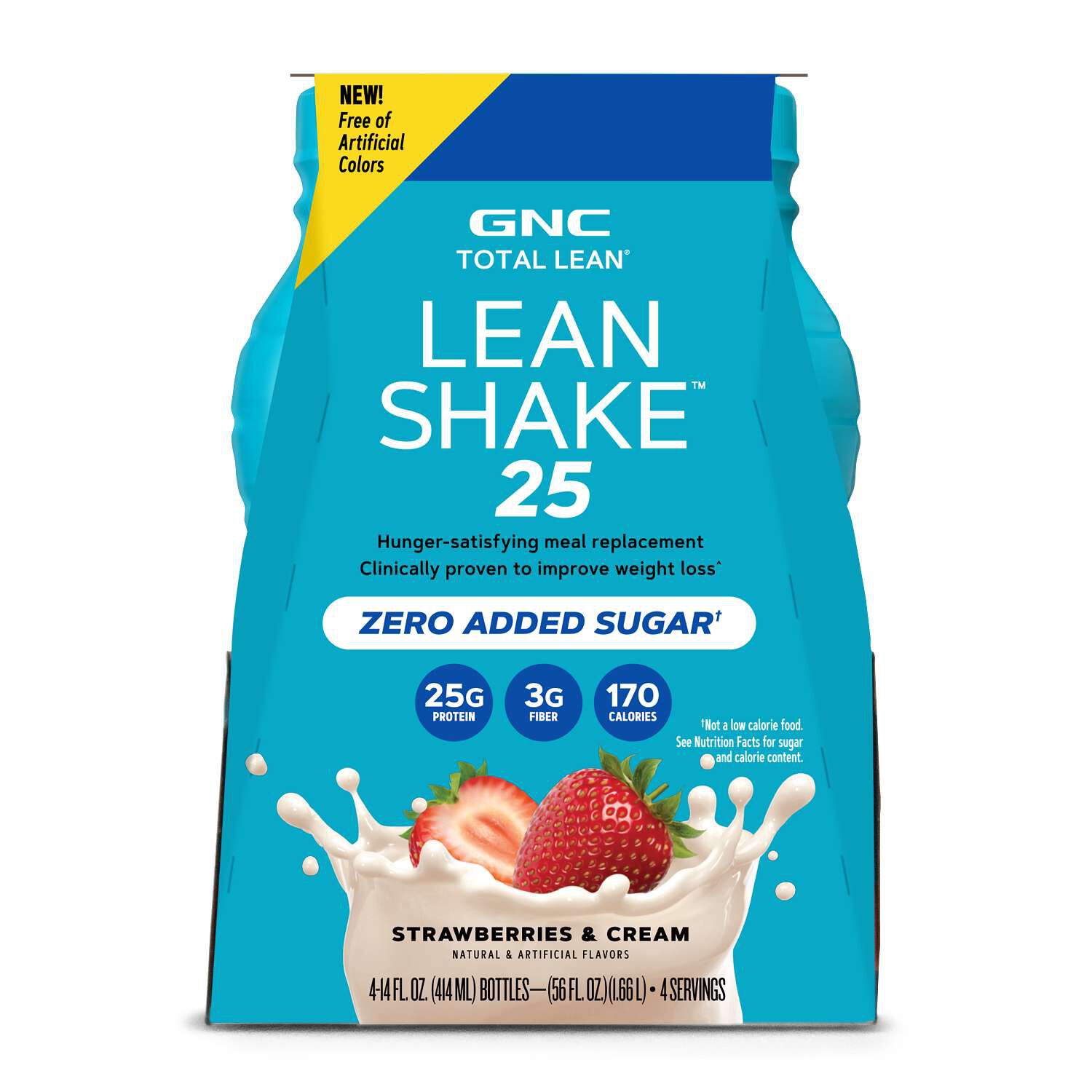
Protein shakes for meal planners may offer a convenient way to account for protein within a weekly menu, whether that menu revolves around packed lunches, early commutes, or meals prepared ahead at home. The category includes ready-to-drink shakes and powders mixed with water, milk, or another beverage, with differences in serving size, texture, ingredients, and preparation. Ready-to-drink formats come in individual containers, while powders require measuring and mixing according to the package directions. For someone packing a lunch bag before a long workday, an individual shake could be a practical companion to a sandwich, fruit, or another planned meal component. At home, a powder might fit a routine that already includes a blender and measured ingredients. The distinction between a protein shake and a meal replacement matters when considering either format. Protein shakes generally emphasize protein, while formulas labeled as meal replacements are intended to provide a broader mix of nutrients. Neither name, by itself, describes everything in the container. Calories, carbohydrates, fats, fiber, and vitamins and minerals vary across formulas, so protein grams alone do not establish whether a shake matches the role planned for it. A shake intended to accompany breakfast is a different consideration from one intended to stand in for a meal. The Nutrition Facts panel provides the details for that comparison, including the serving size on which the listed amounts are based. Preparation also matters: the nutrition information for dry powder may differ from the nutrition of a shake mixed with milk or blended with other ingredients. Within a varied eating routine, shakes may serve as one convenient component alongside meals featuring vegetables, fruit, grains, and other protein sources. Their place in a meal plan depends on both the formula and what else is on the menu, rather than on a single prominent number on the front of the package. That context is especially relevant for planners who organize several days of meals at once and want each packed component to have a clear purpose.
Ingredient choices give protein shakes distinct characteristics, even when their protein amounts look similar. Whey and casein are milk-derived proteins; plant-based formulas may contain pea, soy, rice, or blends of several sources. A plant-based description does not replace a review of the ingredient list and allergen statement, particularly for households planning around specific dietary preferences or ingredient exclusions. Milk, soy, and other declared allergens are relevant details, as are any statements about shared manufacturing equipment. Flavor and texture deserve attention, too, because a shake that sounds appealing on paper still needs to suit the person drinking it. Chocolate, vanilla, coffee-inspired flavors, and fruit flavors offer different directions for a recurring menu. A vanilla powder might suit a blended drink with berries, while a chocolate formula could pair with a banana or measured spoonful of nut butter. Those additions contribute their own nutrients and change the portion being planned. The liquid used for mixing also influences the finished drink: water, milk, and plant-based beverages have different ingredient profiles and nutrition information. Some formulas may have a thicker consistency, while others may feel lighter when prepared as directed. Sweetness varies with the type and amount of sweetener, and added sugars are listed separately on the Nutrition Facts panel. Fiber content is another useful distinction, especially when comparing a protein-focused drink with a formula intended as a meal replacement. Serving instructions also provide a more meaningful basis for comparison than container size alone. One scoop is not a universal measure across powders, and a bottle may contain a different serving amount than expected. For meal planners who record ingredients or portion meals into containers, the labeled serving weight and preparation directions provide a consistent reference. Comparing shakes prepared in the same way may make differences easier to interpret, rather than comparing one powder mixed with water against another blended with several additional ingredients.
Day-to-day handling is another part of choosing protein shakes for meal planners. Some unopened ready-to-drink shakes are shelf-stable, while others require refrigeration; the storage directions establish how each format belongs in a kitchen, lunch bag, or workplace refrigerator. An unopened container that can sit in a pantry may suit a different routine from one that needs refrigerated storage throughout the day. After opening, the package directions govern refrigeration and how soon the remaining drink should be used. Powdered formulas have their own storage needs, including a securely closed lid and protection from moisture. For mixed shakes, preparation and storage instructions remain relevant even when the drink is poured into a separate bottle. A reusable shaker with a snug lid and an opening wide enough for cleaning could suit someone who mixes a drink away from home. Care directions for the bottle, lid, and mixing insert matter, especially when those parts have different dishwasher instructions. These small practical details may influence whether a format fits an established routine. Someone with access to a blender and refrigerator might prefer a different setup from someone carrying lunch between appointments. Shared households may also have different flavor preferences, ingredient considerations, and storage space, making individual preferences more useful than choosing one format for everyone. For shoppers exploring protein shakes for healthy meal plans, the relevant comparison extends beyond the shake itself to the meals and preparation habits surrounding it. A ready-to-drink format might suit a carefully packed work lunch, while powder could fit a breakfast assembled in the kitchen before leaving home. Neither format has to fill every role. Flavor, preparation time, serving size, ingredient preferences, and storage requirements all contribute to how a shake fits a particular schedule. Viewed alongside the rest of a varied menu, those details provide a grounded way to consider protein shakes as part of everyday meal planning.
Best Sellers


Related Pages
Top Collections
- Daily Collagen Supplements | Top Brands & Deals | GNC
- Cortisol Supplements
- Top Rated Collagen | Shop Customer Favorites | GNC
- Vitamins For Hair Loss
- NAD+ Supplement Tablets
- Peptide Supplements
- Best Brand of Magnesium Glycinate
- Protein Powders For Muscle Growth Support
- Vitamins That Help Support Weight Gain
- Peptide Supplements for Muscle Growth