





Protein Snacks For Camping
(0 Results)
Protein snacks for camping may be a convenient way to help fuel your outdoor adventures. Whether you're hiking rugged trails or relaxing by the campfire, having portable, protein-rich options on hand might help keep you satisfied throughout the day. Explore a variety of protein snacks for camping that are easy to pack and simple to enjoy wherever your journey takes you.
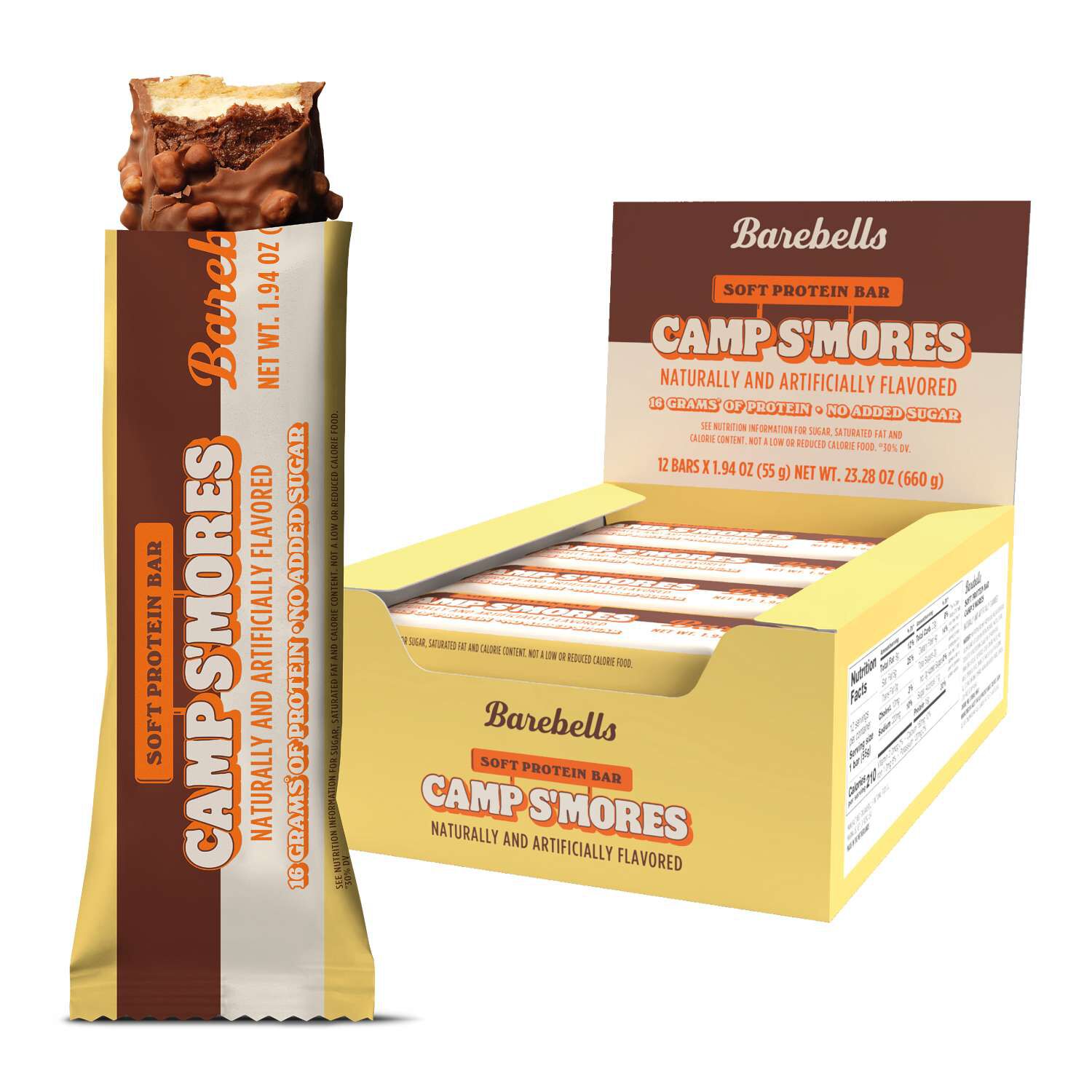


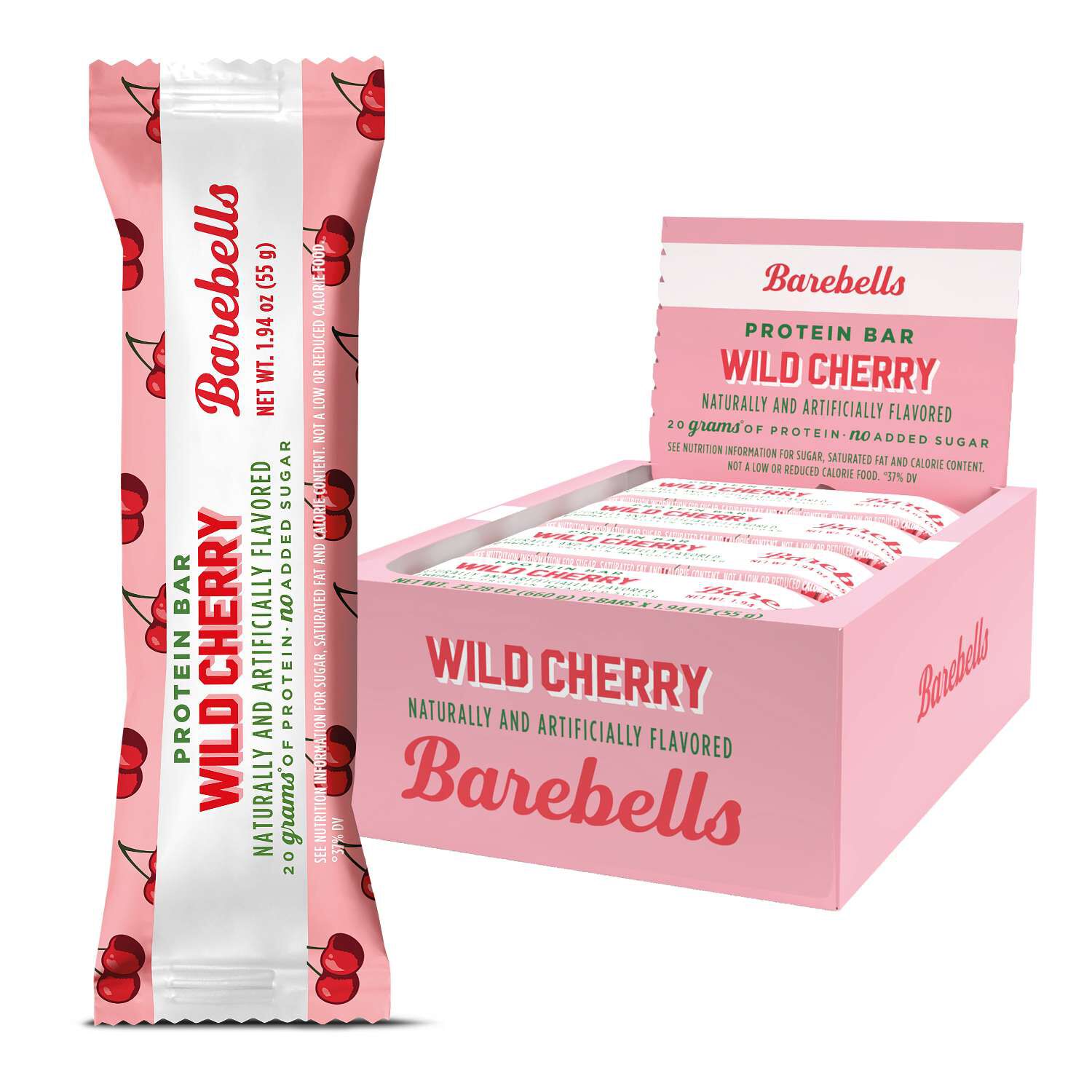
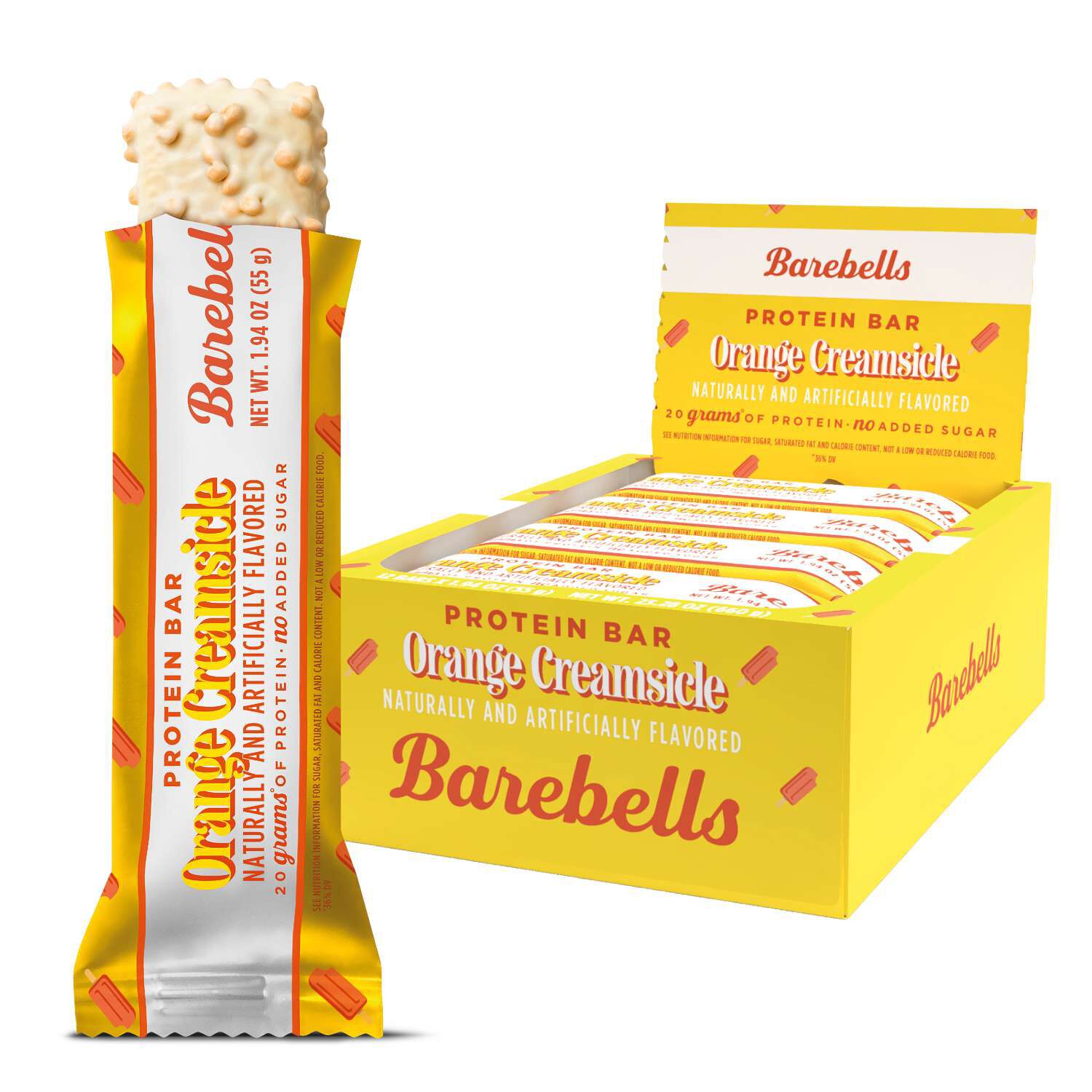
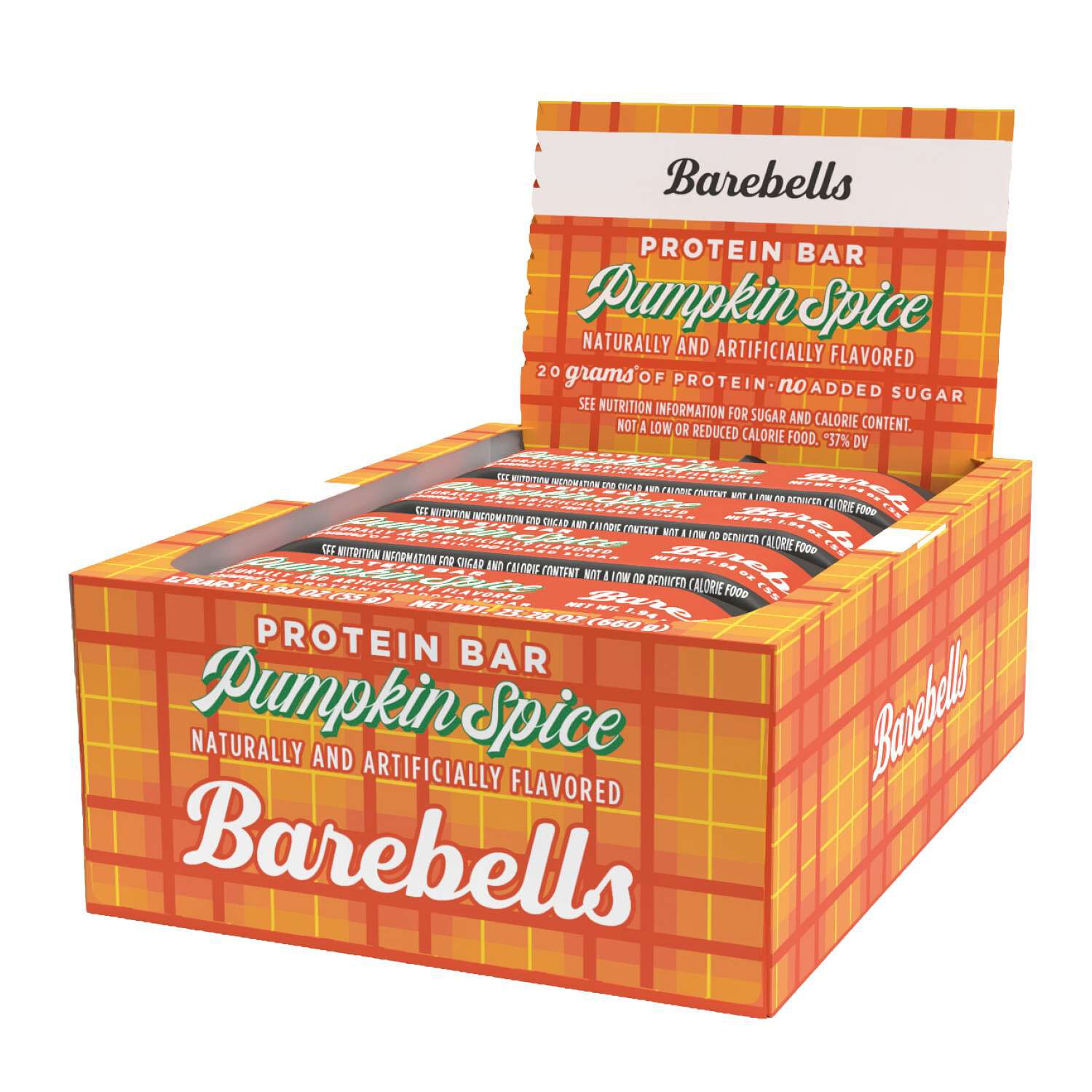
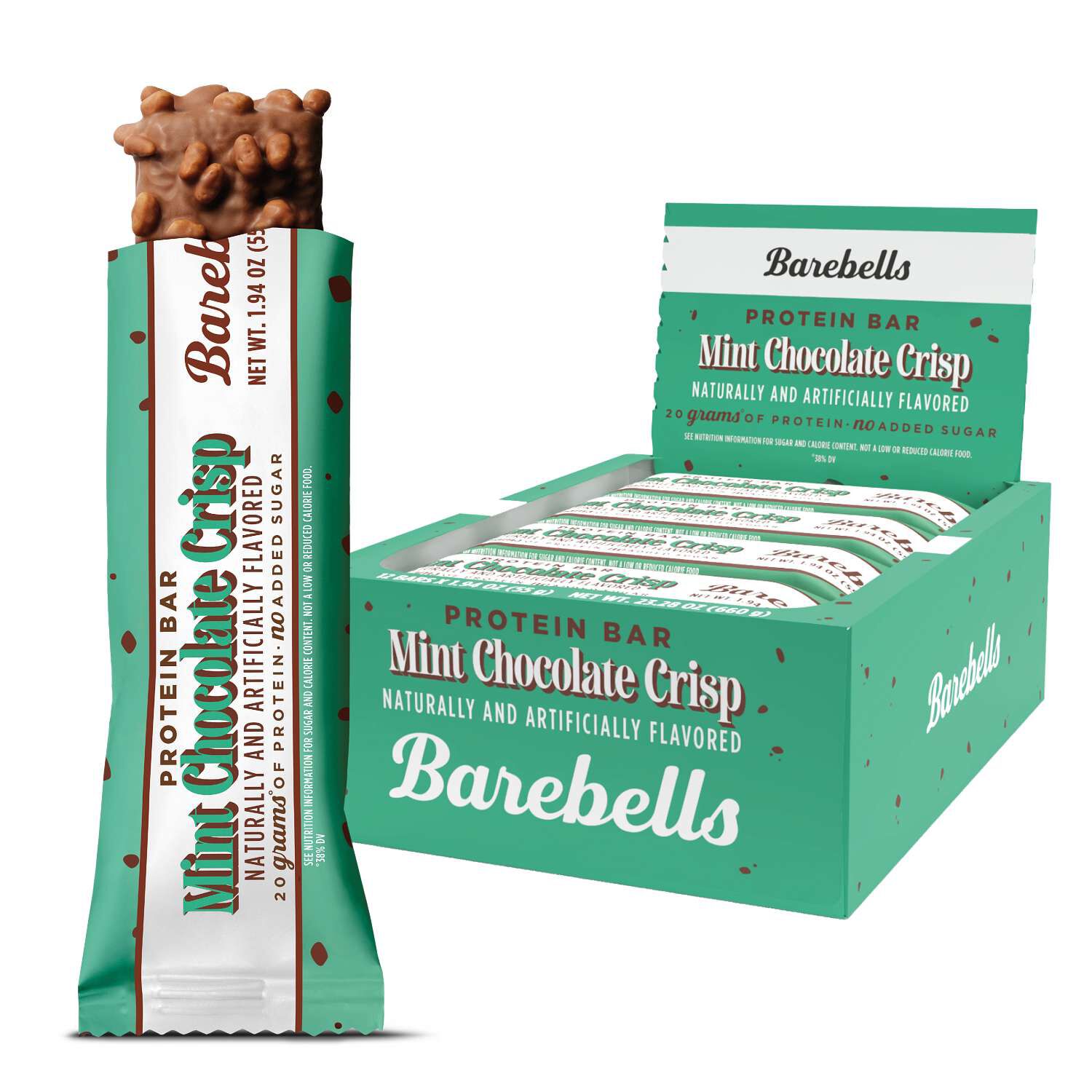
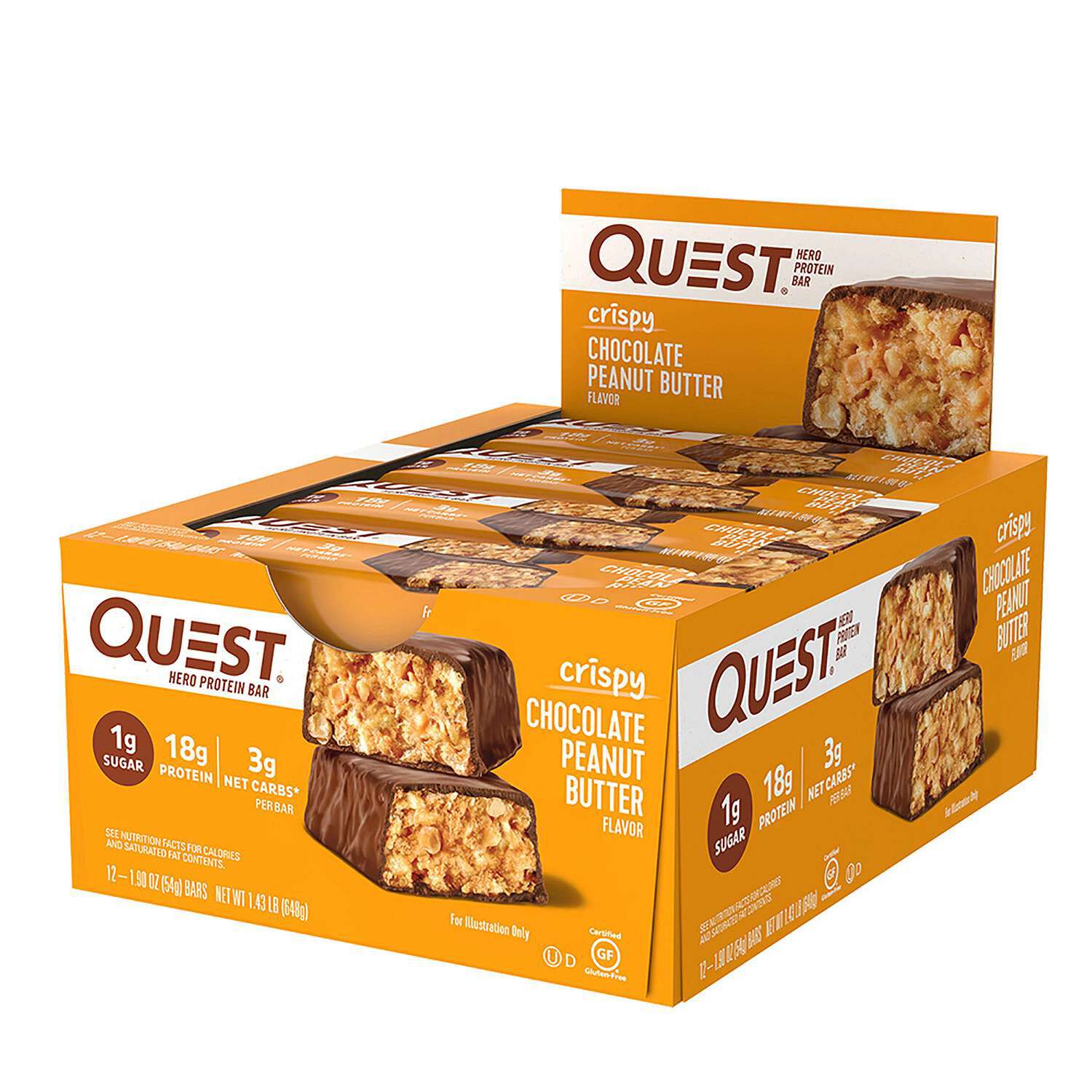
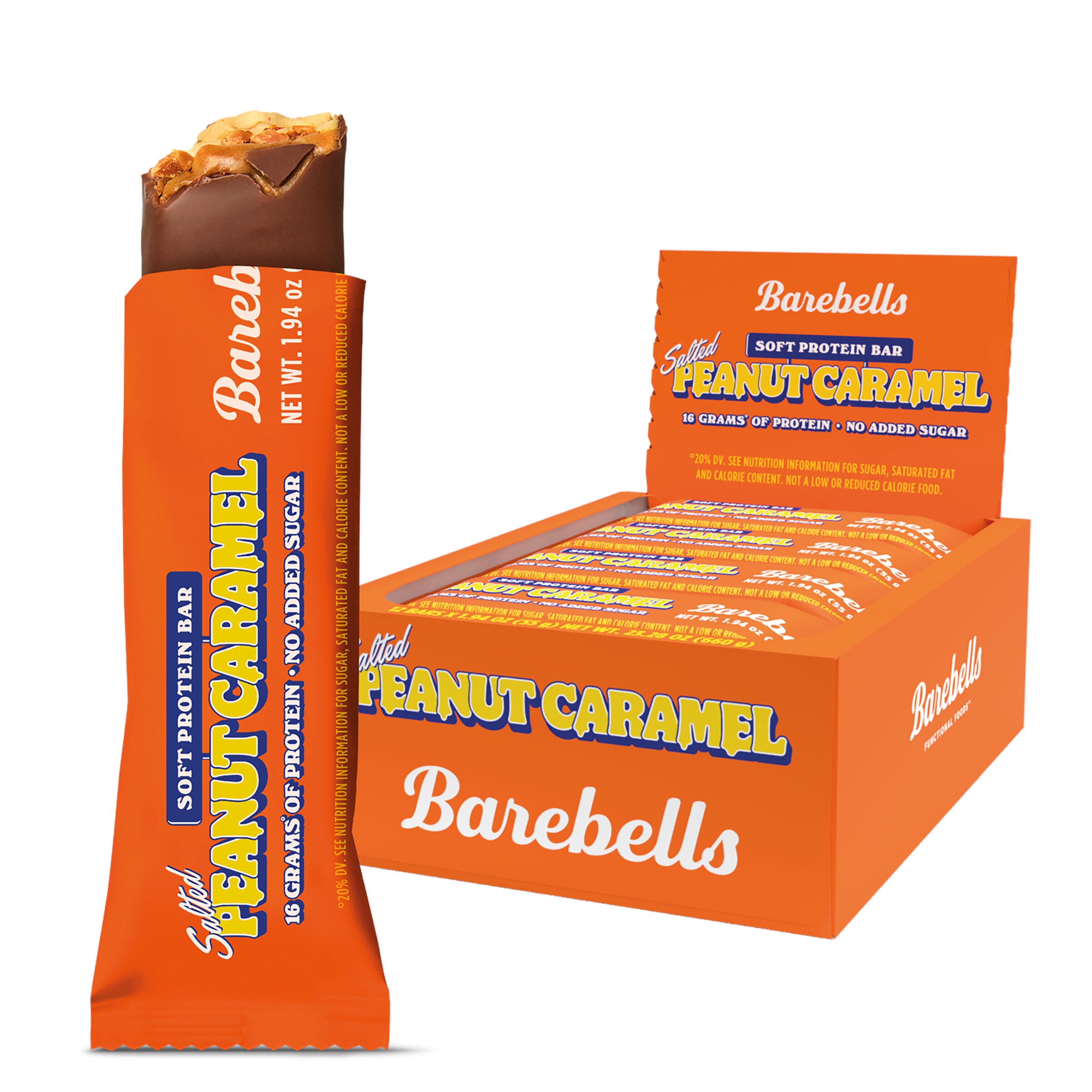
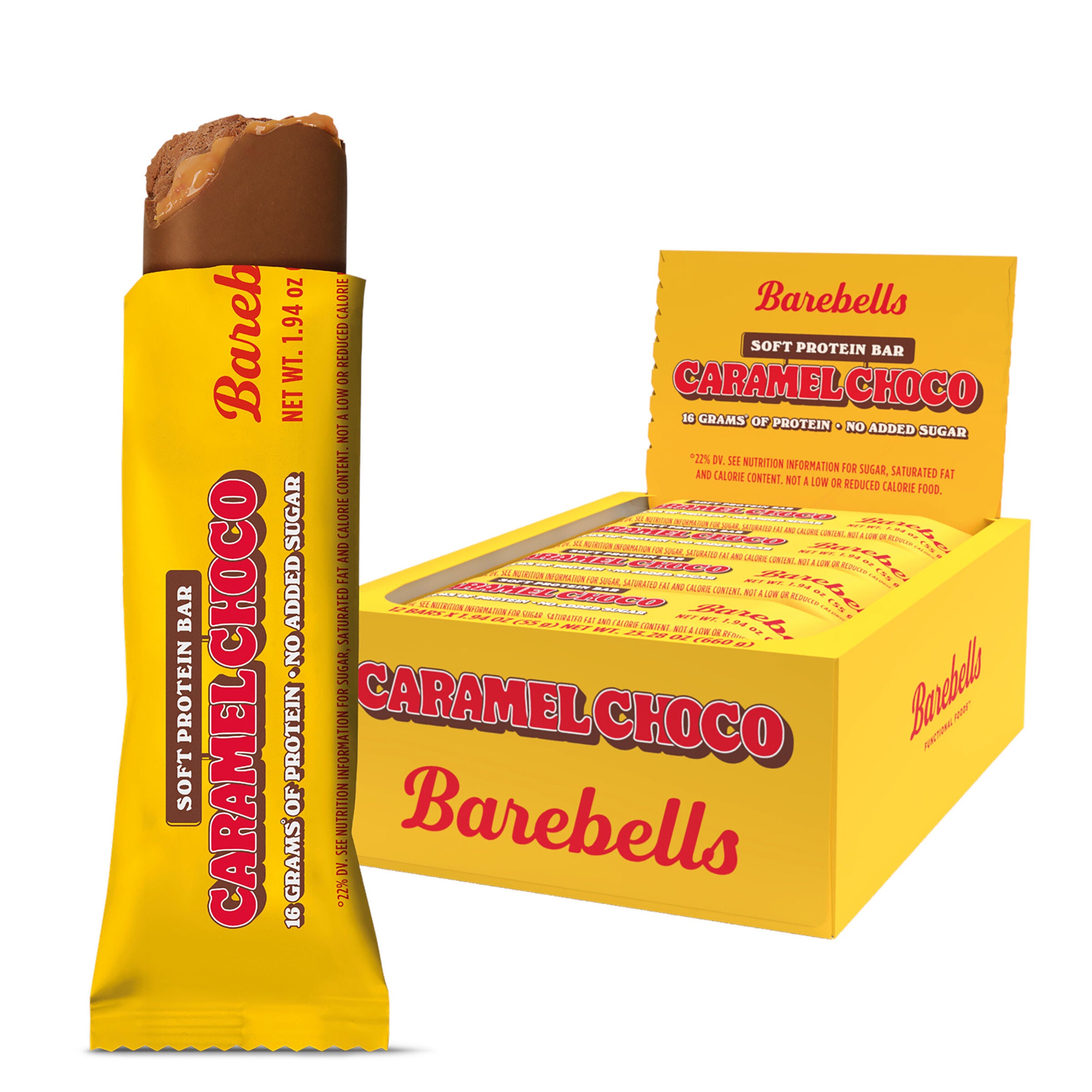

Protein snacks for camping include protein bars, dried meat snacks, roasted legumes, nuts, seeds, and nut butter packets, with many options suited to carrying without refrigeration before opening. The individual package’s storage directions determine whether a snack belongs in a backpack, a campsite food bin, or a cooler. For an afternoon walk from base camp, a compact bar or a small pouch of roasted snacks may be all that fits beside a water bottle and a folded trail map. A longer stay calls for more variety: something chewy, something crunchy, and flavors that still sound appealing after several meals outdoors. These foods offer different textures, ingredients, and serving sizes, so the word “protein” on the front of a package is only part of the comparison. The Nutrition Facts panel identifies protein grams per serving alongside calories, carbohydrates, fat, fiber, sodium, and added sugars. Serving size matters, especially when a pouch contains more than one portion or a bar is intended to be divided. Nuts and seeds contain protein along with fat, while meat-based snacks, legume-based snacks, and formulated bars have their own nutritional profiles. Ingredient lists also distinguish dairy-based, soy-based, pea-based, and other protein sources for shoppers with particular eating preferences. Plant-based options are not automatically alike, and neither are all meat snacks or bars. Some contain a short list of familiar ingredients; others combine several protein sources, sweeteners, coatings, or mix-ins. For camping, the practical appeal is often straightforward: a portion that travels neatly, requires little preparation, and fits the space between planned meals. A snack eaten on a bench beside the trail has a different job from a full dinner at the picnic table. Keeping that distinction in mind makes package size, portion count, and flavor variety just as relevant as the protein number itself. The most suitable assortment reflects the trip’s length, the carrying space, and the people sharing the campsite rather than a single nutrition claim.
Packaging deserves close attention when food will spend the day tucked among cookware, clothing, and other camping gear. Individually wrapped protein snacks separate portions and keep unopened servings contained until they are needed. Resealable pouches suit foods eaten a little at a time, though the closure and the instructions for storage after opening remain important. A pouch labeled for refrigeration after opening needs different planning from one intended for continued storage in a dry food container. Package shape matters, too. A flat bar occupies a different pocket than a rounded bag of nuts, and a rigid food container offers more structure around softer snacks than a loose fabric compartment. Flexible wrappers vary in thickness and resistance to punctures, so sharp utensils and tent stakes belong apart from food. Chewy bars may flatten under a tightly packed load, while crisp snacks may crumble when compressed; neither texture is interchangeable for every camper. The wrapper’s condition, seal, and printed date are useful details when sorting supplies before departure. At camp, storage follows the package directions and the campground’s food-storage rules, including requirements for lockers or wildlife-resistant containers where applicable. Snack wrappers and food scraps also belong in the appropriate secured storage until disposal. For shared food bins, keeping original labels with the snacks preserves access to ingredient lists and allergen statements. That is particularly useful when several people bring similar-looking bars or divide larger bags into smaller portions. Clearly separated servings also make it easier to distinguish a personal snack from food intended for the whole group. A daypack assortment generally favors compact packaging and little serving equipment, while a vehicle-accessible campsite allows room for larger containers and a wider mix of textures. Single-serving packets avoid the need to carry a separate jar, although each packet creates another wrapper to pack out. These small design differences are part of what makes camping snack shopping distinct from choosing something for a kitchen cupboard.
Flavor and eating texture give a camping snack assortment its character. Savory meat snacks, roasted beans, and salted nuts offer a contrast to sweeter bars and nut butter blends. Within those categories, flavors range from lightly seasoned to smoky or peppery, while textures range from tender and chewy to dry and crisp. A snack that sounds appealing at home may feel different after several similar servings on a trip, which is one reason variety matters beyond the ingredient list. Campers drawn to cocoa flavors can explore Chocolate Protein Bars For Camping alongside savory and nut-based choices. Chocolate flavor, a chocolate coating, and chocolate pieces describe different features, and the ingredient list provides the distinction. Coated bars also have different handling considerations from uncoated styles, making the storage directions relevant even when the packages look similar. For a quiet morning at the picnic table, a chewy snack beside a mug has a different feel from a crunchy pouch passed around after setting up tents. Handheld portions suit brief stops, while larger resealable packages fit a more settled campsite routine. Some campers prefer familiar flavors throughout a trip; others enjoy alternating sweet and savory choices. Dietary preferences shape that assortment as well, particularly when a group includes people who avoid particular animal ingredients or need to check specific allergens. For an outdoor-minded recipient, a thoughtfully assembled snack assortment can accompany a camping trip gift, with familiar ingredients, clearly labeled portions, and packaging suited to the recipient’s usual outings. Backpackers, casual campground visitors, and travelers stopping at several campsites may all use protein snacks, but their packing priorities differ. Across those settings, the common considerations remain practical: readable labels, appropriate storage, manageable portions, and food that sounds appealing when it is time to eat. A well-chosen mix leaves room for both the nutritional details on the package and the simple pleasure of a satisfying snack outdoors.
- Q: What are some popular types of protein snacks to bring on a camping trip?
A: Popular protein snacks for camping may include protein bars, jerky, trail mixes with nuts and seeds, nut butter packets, and roasted chickpeas. - Q: Why might protein snacks be a good choice for camping?
A: Protein snacks could help support energy needs during outdoor activities and may help you feel satisfied between meals while exploring the outdoors. - Q: How should I store protein snacks while camping?
A: Many protein snacks are shelf-stable and can be kept in a cool, dry place. For longer trips or hot weather, consider using airtight containers or resealable bags to help keep them fresh. - Q: Are there plant-based options for protein snacks suitable for camping?
A: Yes, plant-based protein snack options might include roasted edamame, nut butters, seed mixes, and certain protein bars made with pea or soy protein. - Q: Can protein snacks be used as meal replacements during camping?
A: Some people may use protein snacks as convenient meal alternatives when traditional meals aren't available, though it's important to consider overall nutrition needs while planning your camping menu.
Best Sellers
-
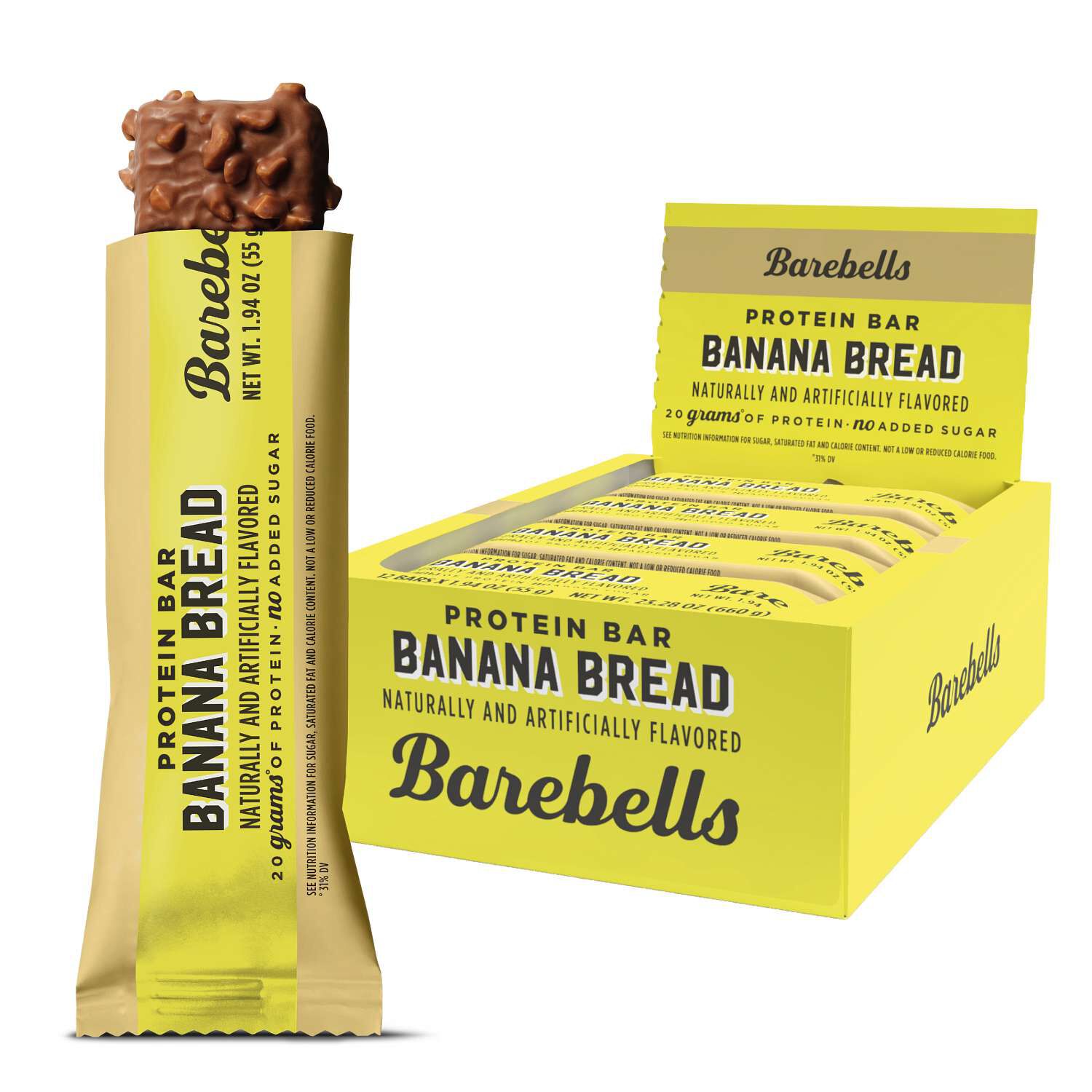 Barebells
-
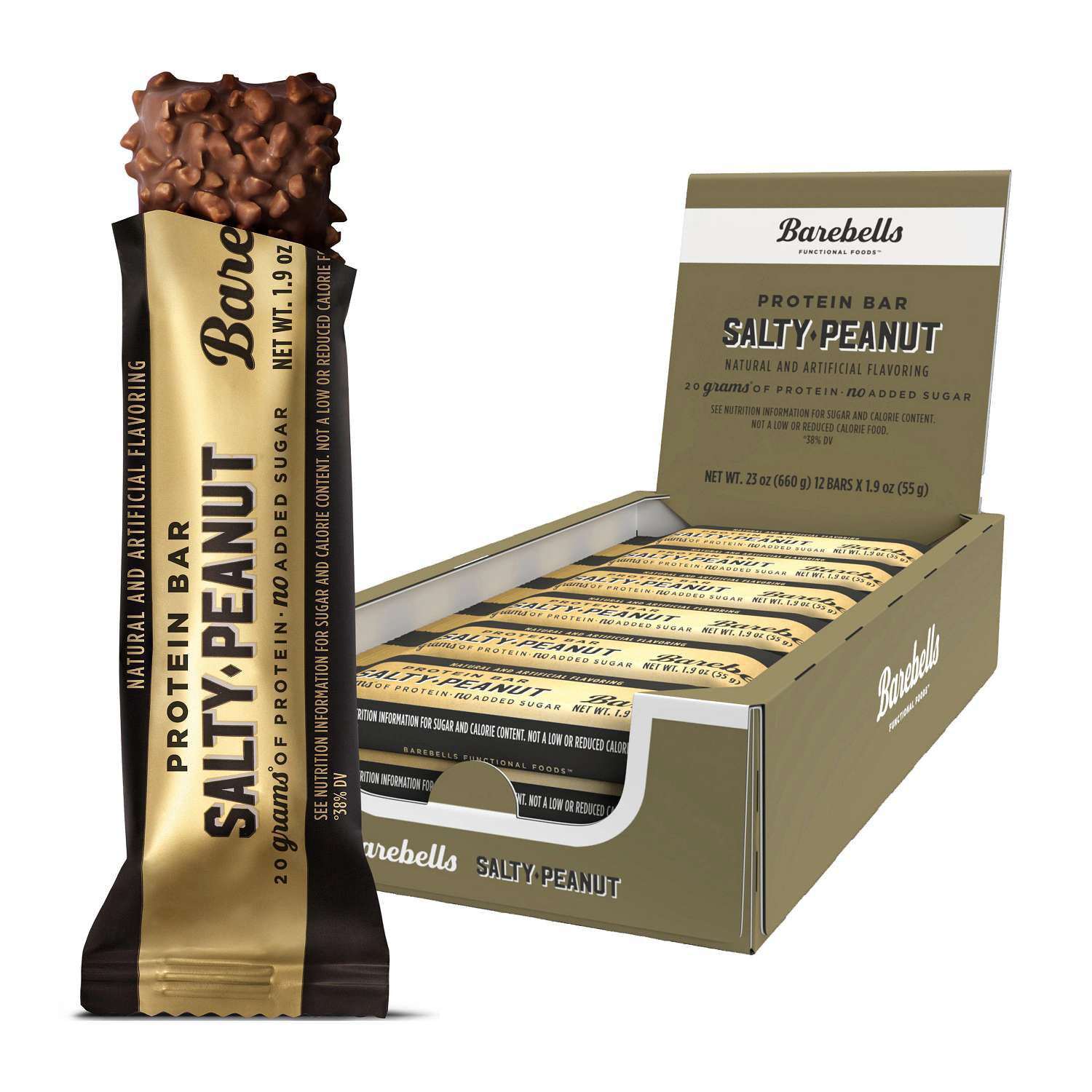 Barebells
-
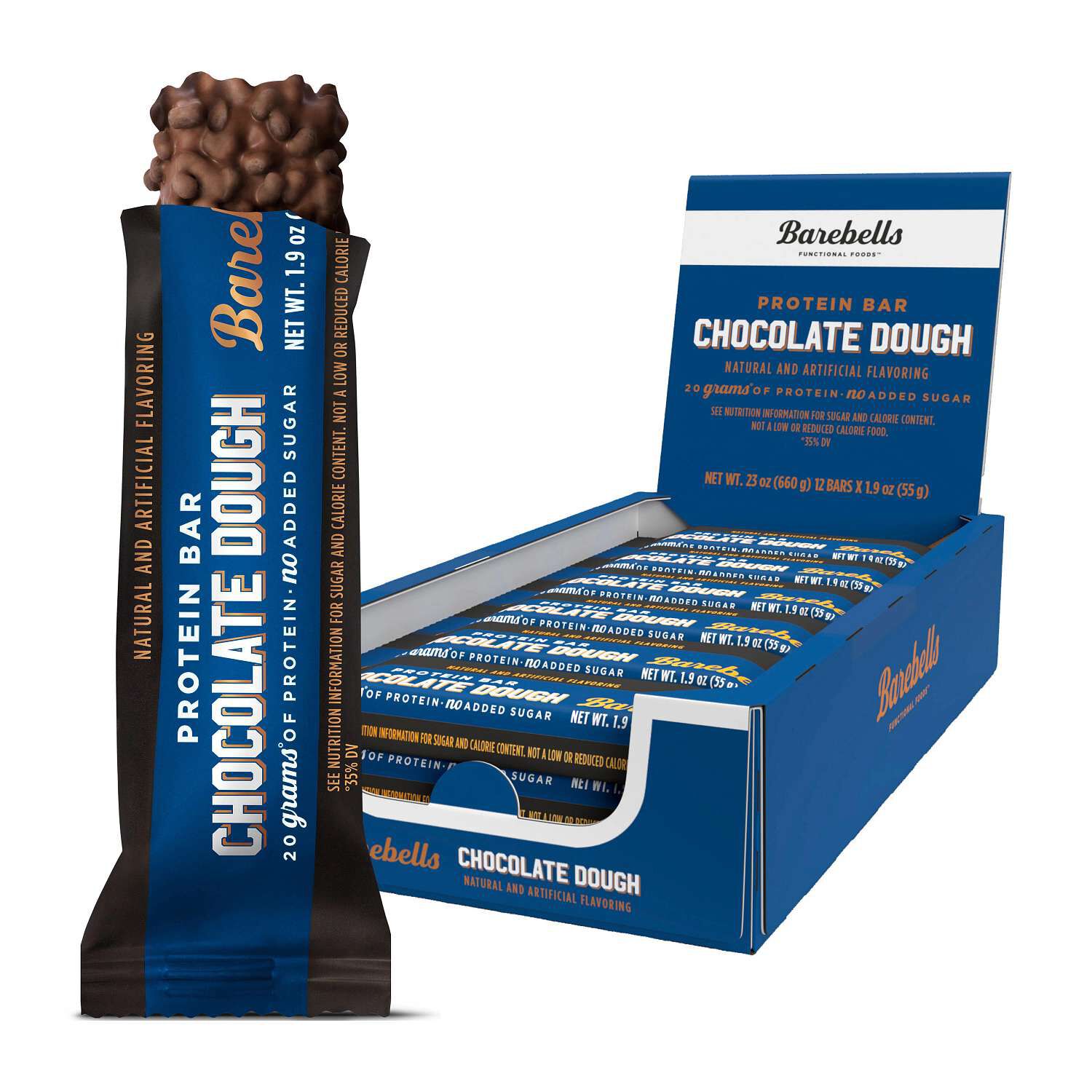 Barebells
Related Pages


Top Collections
- Daily Collagen Supplements | Top Brands & Deals | GNC
- Joint Mobility Supplement Packs
- Zinc Supplements | Top Brands at Great Prices | GNC
- Supplements For Yoga Joint Flexibility
- Supplements For Balance
- Chronic Fatigue Supplements
- Capsule Supplements For Energy And Stamina
- Cortisol Supplements
- NAD+ Supplement Tablets
- Iron Supplements