Protein For Camping
(0 Results)
Protein for camping can be a convenient way to help support your nutrition while you enjoy the great outdoors. Whether you're setting up camp after a long hike or preparing for a day of adventure, having portable protein options on hand might make it easier to fuel your active lifestyle. Explore a variety of choices designed to fit easily into your backpack, so you can keep your focus on the journey ahead. Find protein for camping that could help you stay prepared as you take on trails, set up campfires, and make lasting memories outside.
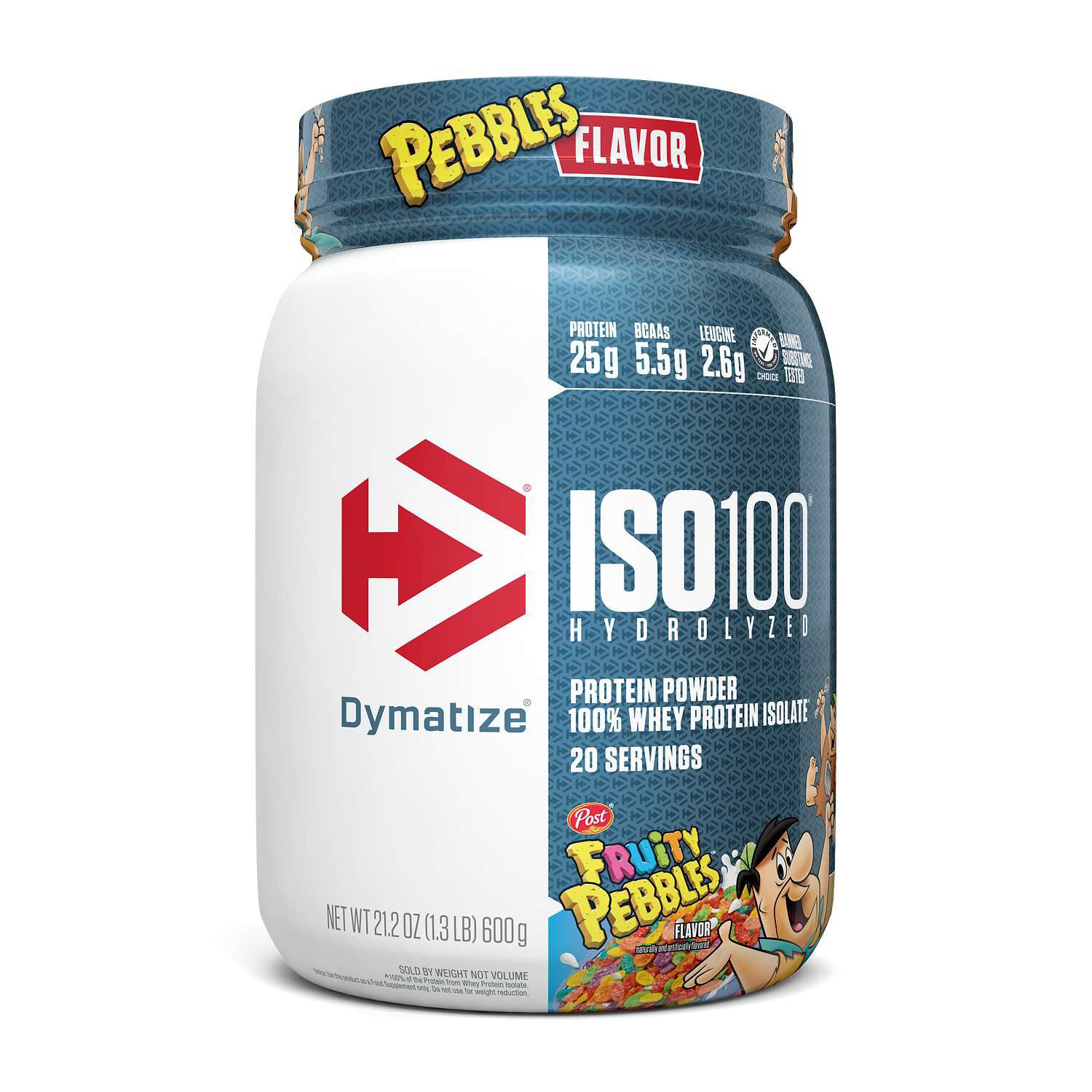


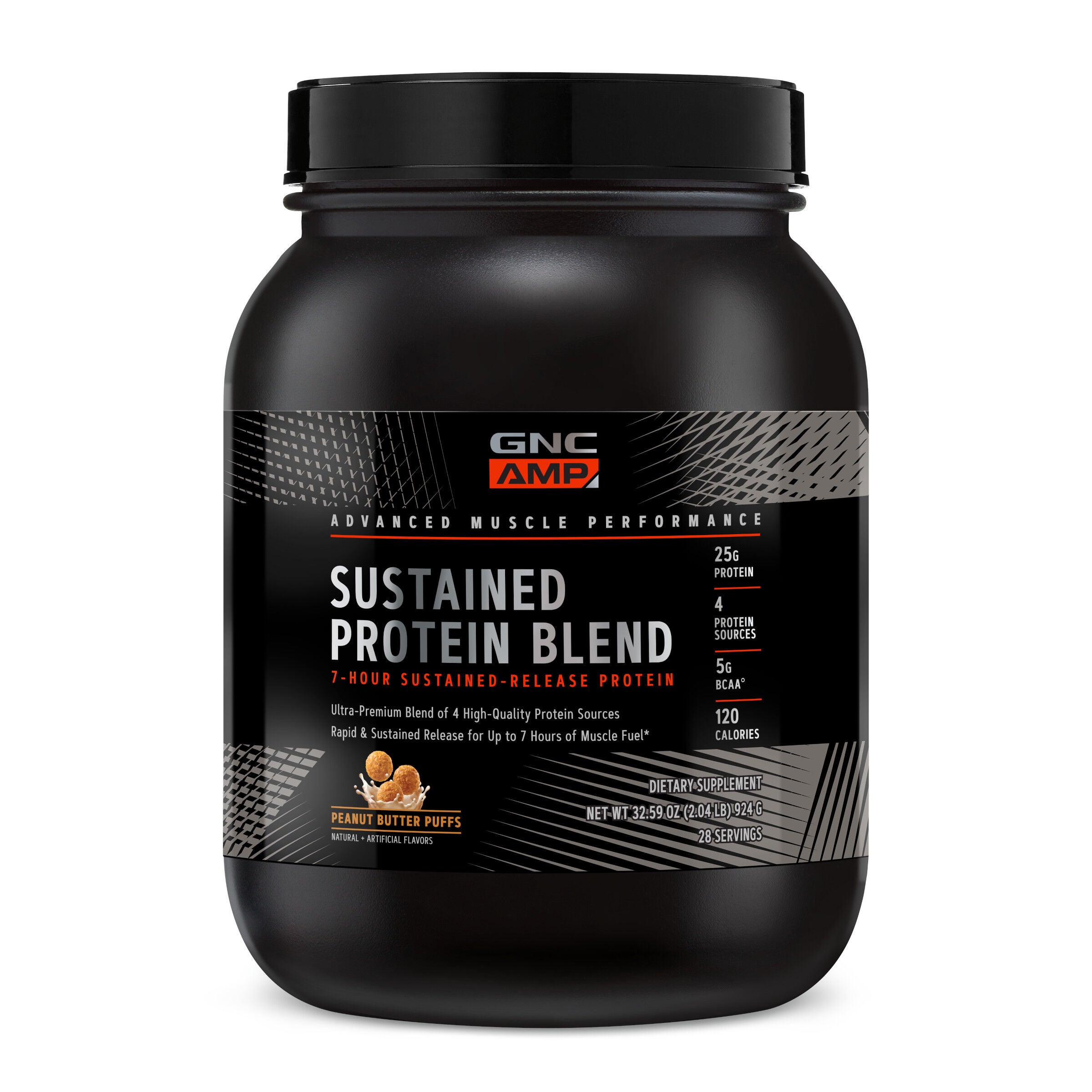

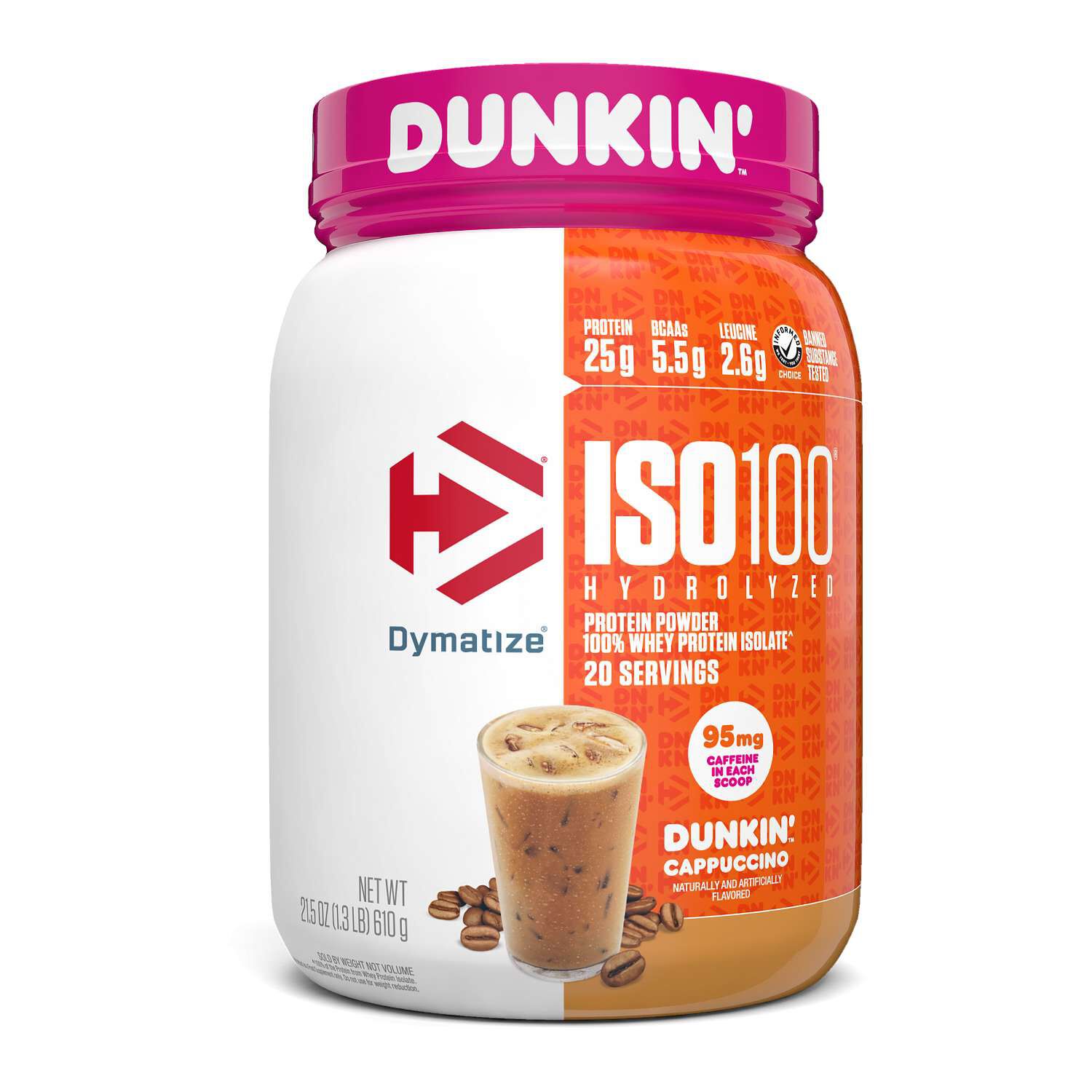
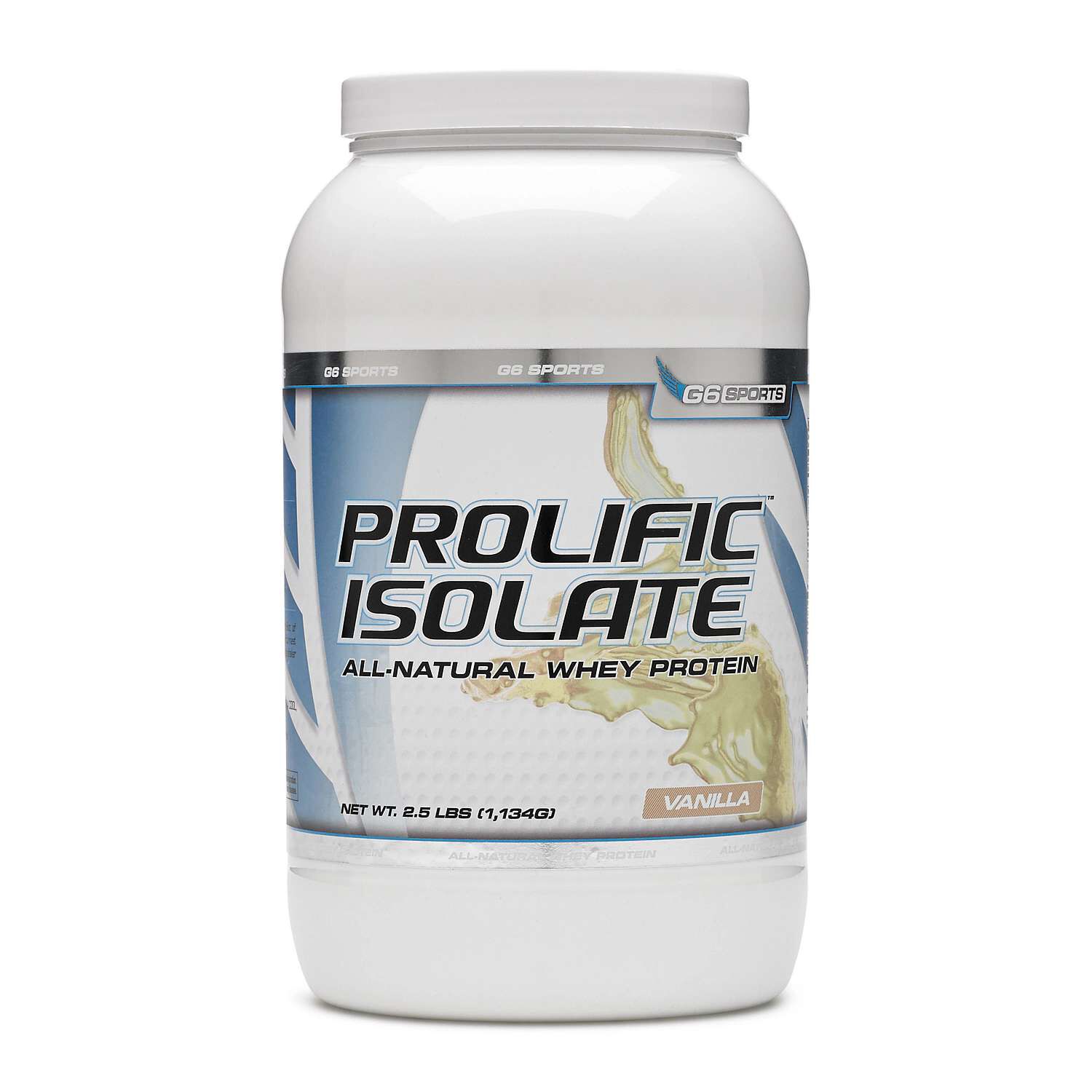


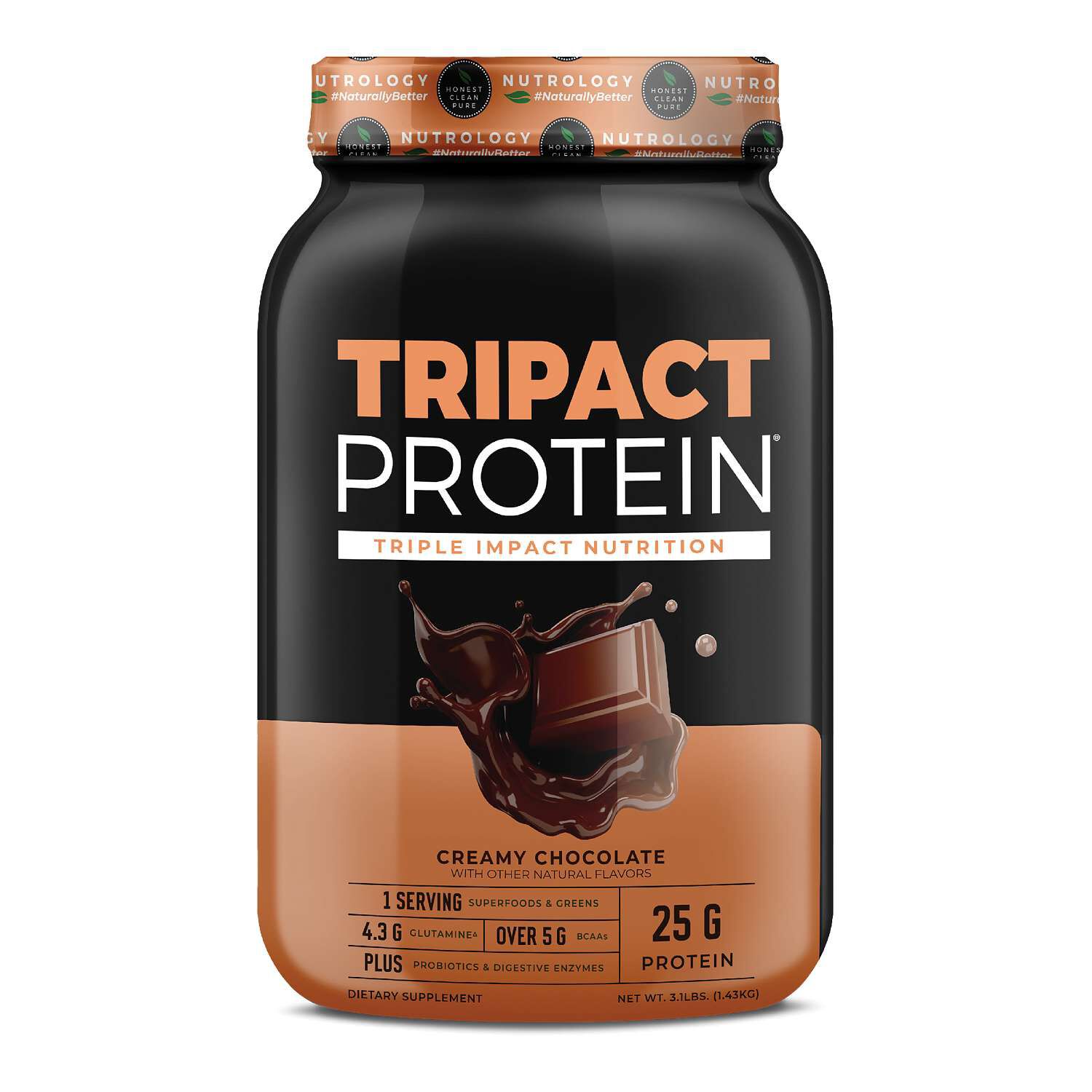

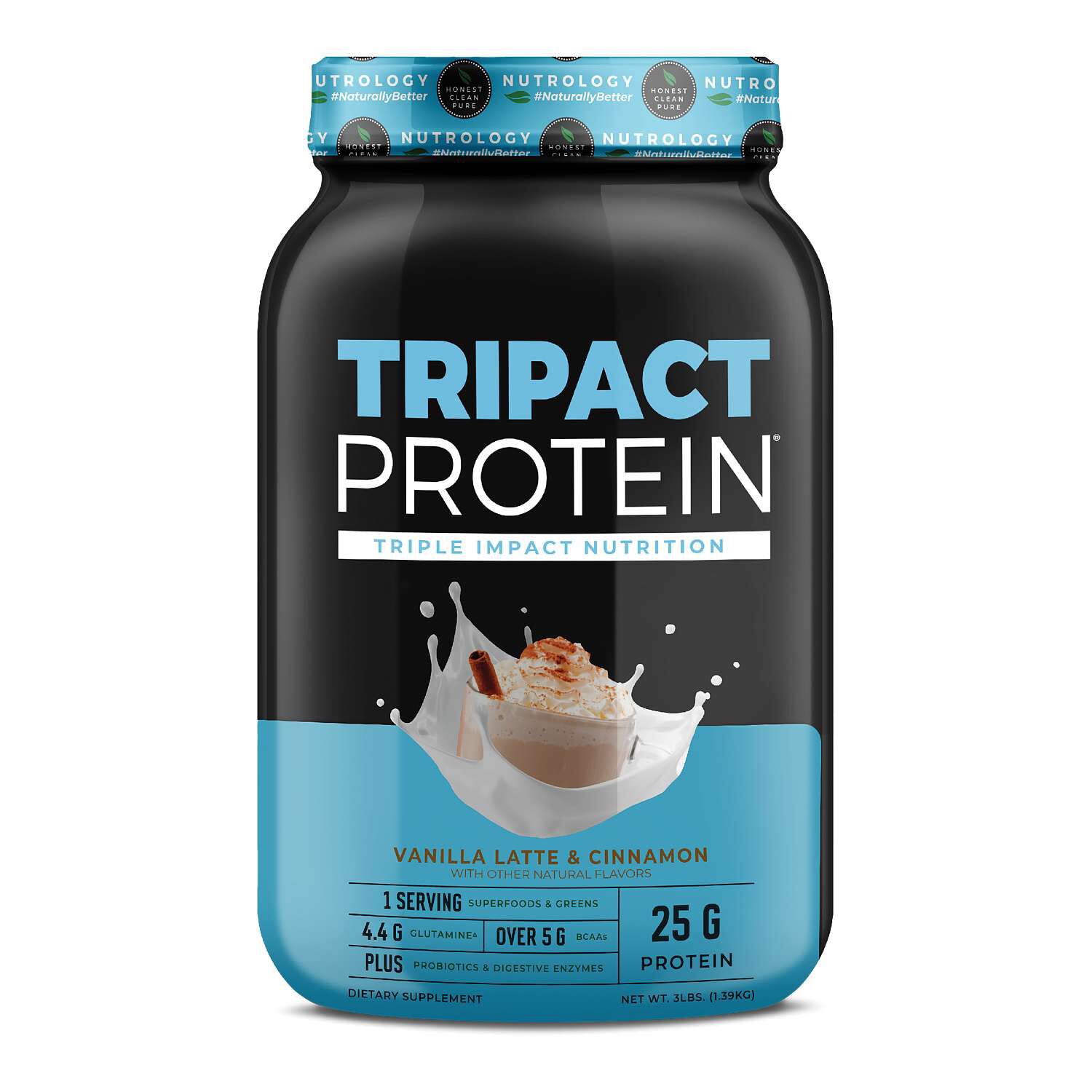

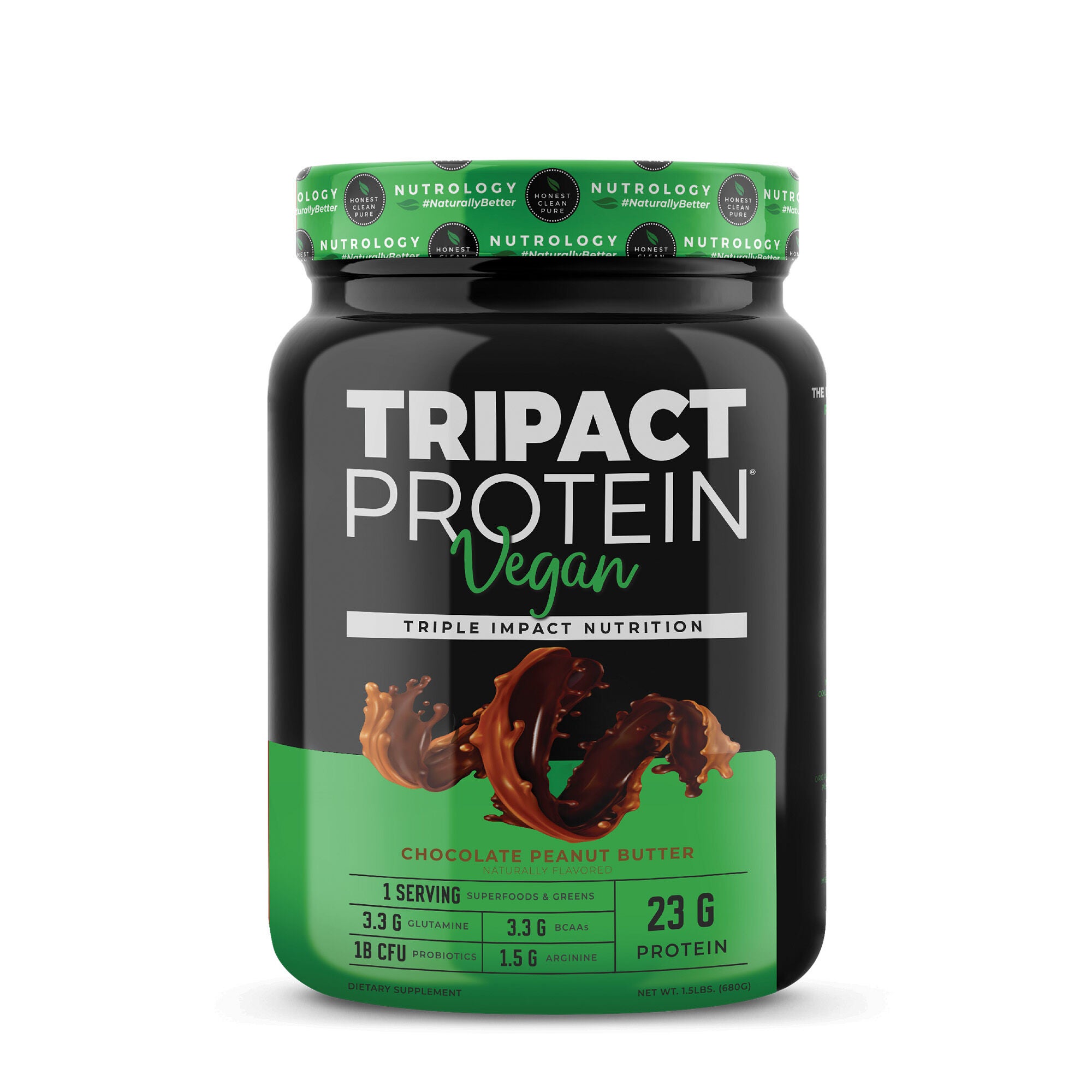
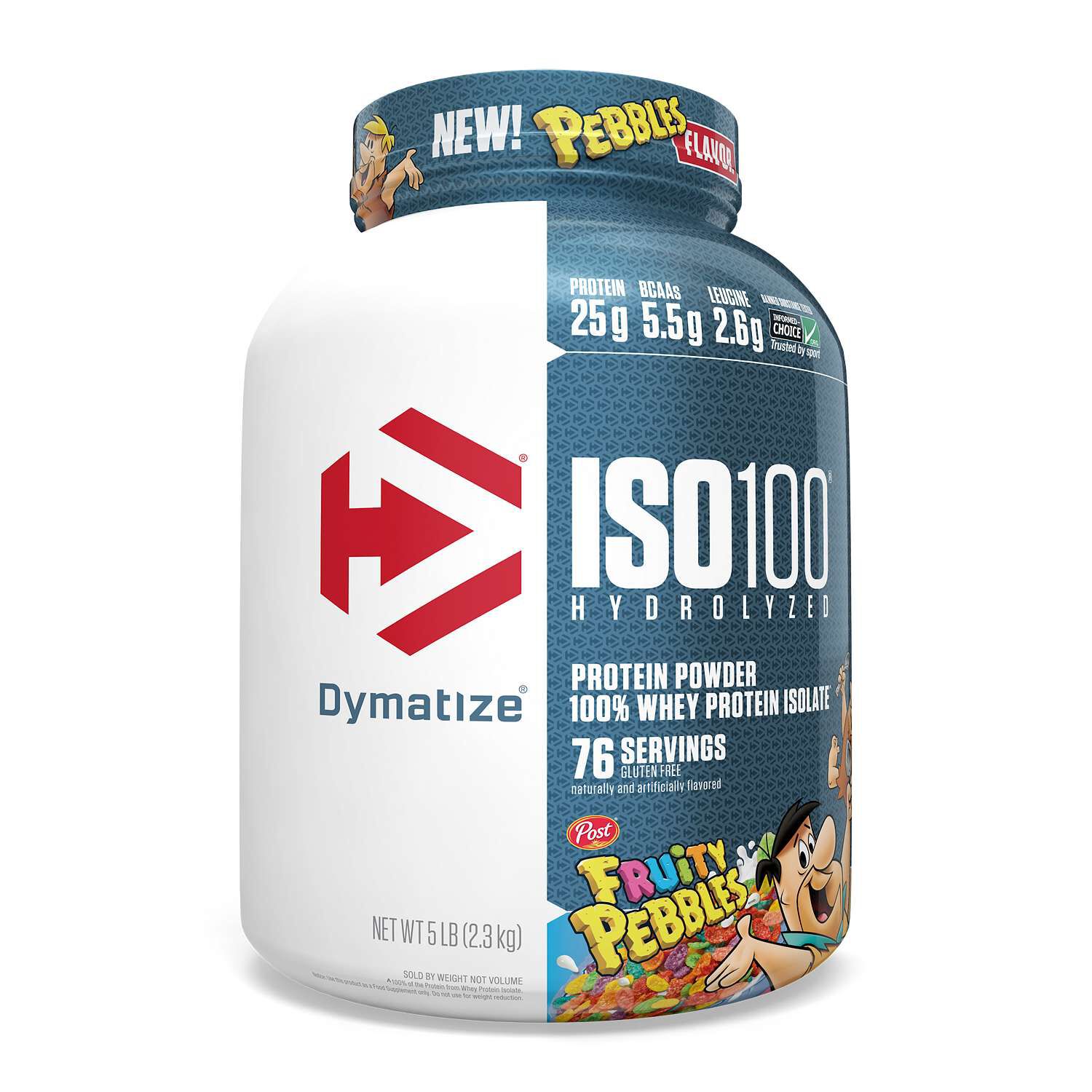
Protein powders, protein bars, and packaged protein drinks are common options for camping, with the most suitable format depending on how far the food must travel, how much preparation space is available, and what else is on the menu. A car camping setup with a picnic table and a cooler is different from a backpacking trip where every snack shares space with sleeping gear and cooking equipment. Bars are individually packaged foods, powders require mixing, and ready-to-drink protein beverages contain liquid that counts toward the weight being carried. Those differences matter just as much as flavor when comparing protein for camping. Protein content varies by serving size and recipe, so the amount listed on the nutrition label is a more useful reference than the size of the package alone. Whey and casein come from milk, while plant-based powders may use ingredients such as peas, soy, or rice. Some formulas combine several protein sources, and their taste and texture differ with the ingredients used. Camping food also includes familiar protein sources such as nuts, nut butter, seeds, beans, lentils, and packaged fish or poultry. These foods have different preparation and storage requirements; a sealed pouch, a can, and a fresh ingredient are not interchangeable just because each contains protein. For a short stay near the car, a protein drink might fit alongside the regular breakfast supplies. For a route with limited cooking stops, a bar could serve as a snack between meals, while powder might be mixed into oatmeal at camp. The distinction is between adding a convenient protein option and planning the rest of the food around it. Meals still have their own ingredients, textures, and preparation needs. A few familiar flavors may be more appealing than a bag full of unfamiliar choices, particularly when meals are eaten from a camp mug or a single bowl after a long walk.
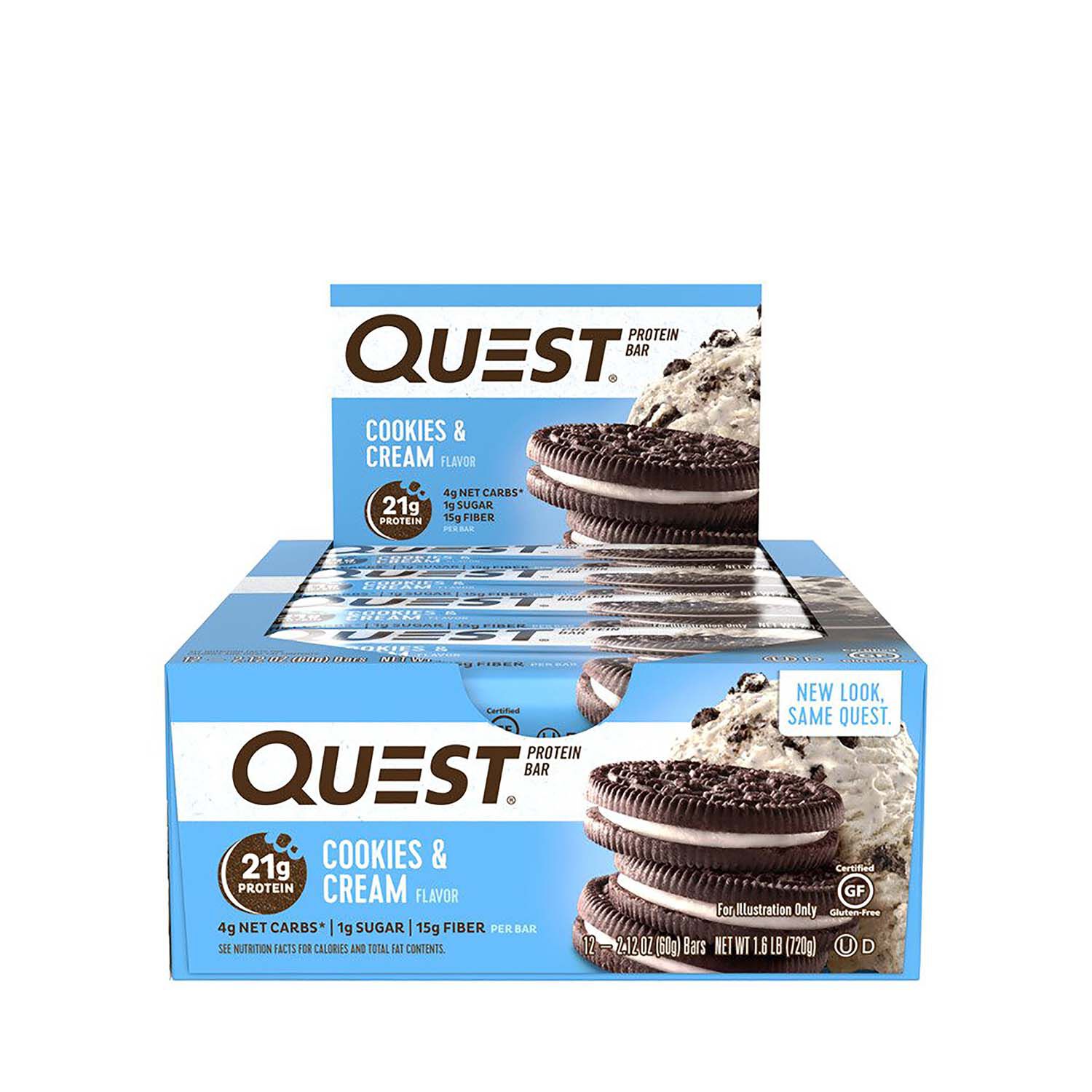
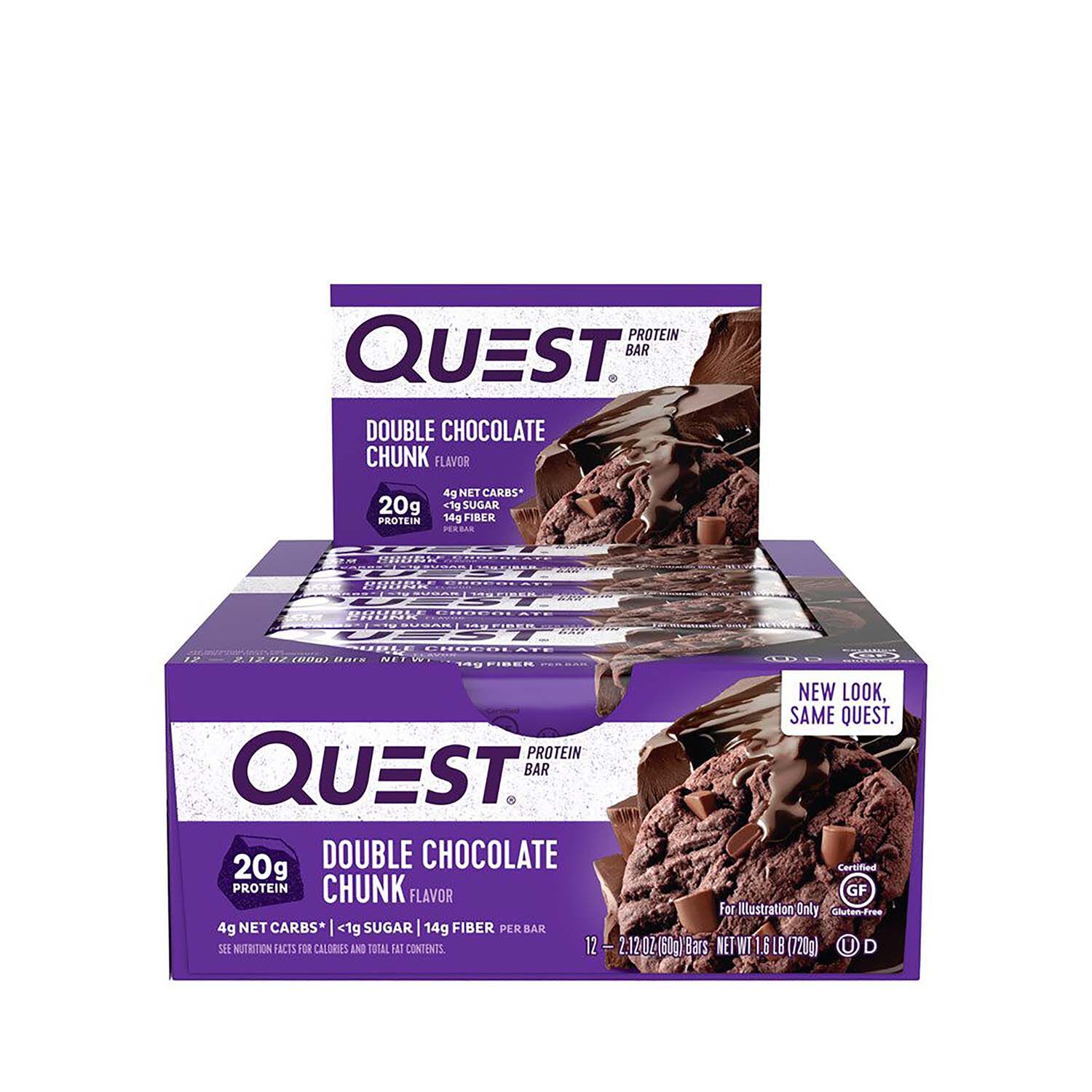
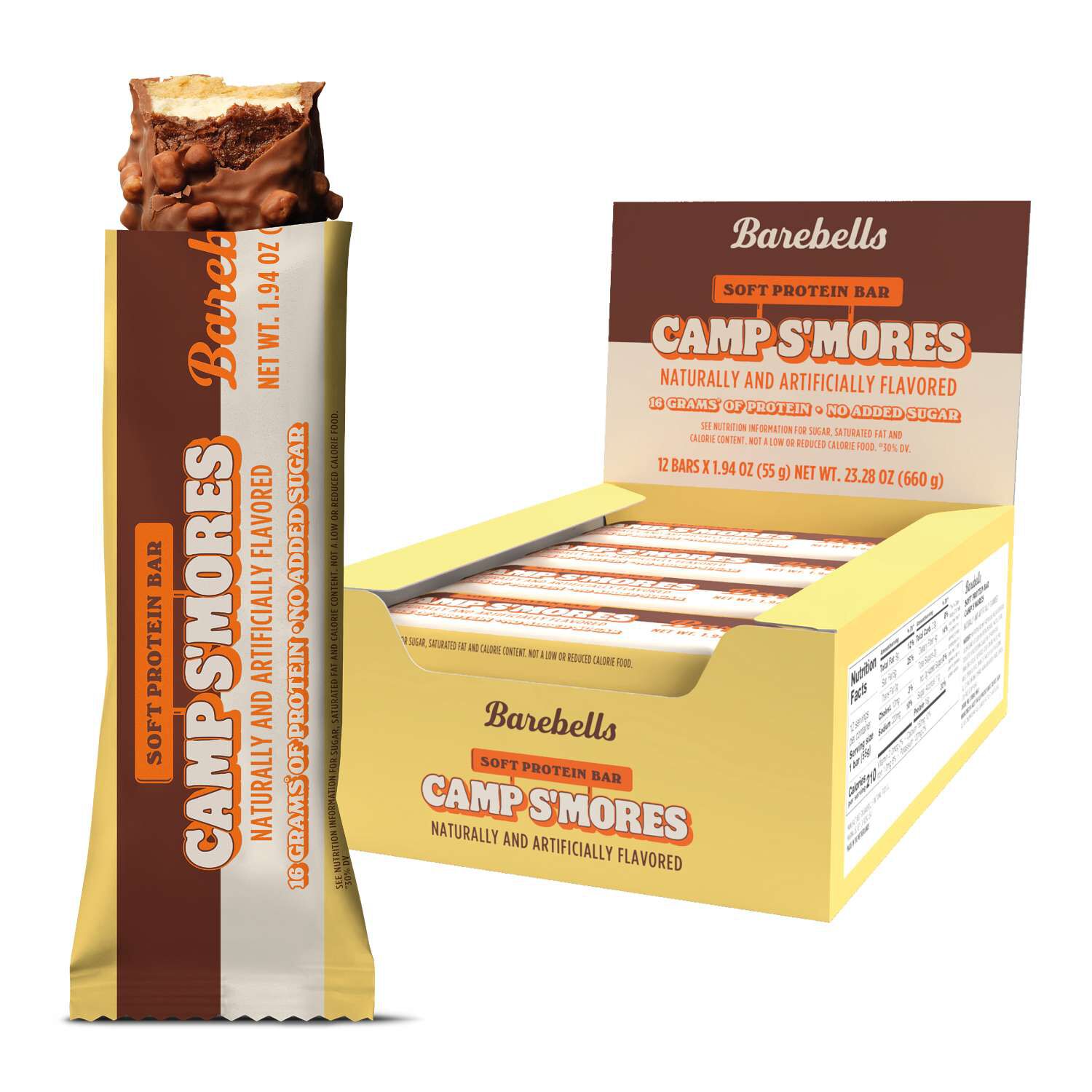
The practical details of camping protein products start with the package. Serving size, package dimensions, closure style, and storage directions all deserve attention when food is packed beside clothing, cookware, and toiletries. Single-serving powder packets may suit a short trip or a tightly packed bag, while a larger container might make sense at a campsite shared by several people. A resealable pouch has a different shape from a rigid tub, and either needs a dry storage spot and a secure closure. Powder preparation also involves drinking water, a suitable vessel, and whatever mixing method the label specifies. A recipe intended for a blender is not necessarily the same as one intended for a shaker bottle. Texture is especially relevant when the available equipment is simple: some powders mix into a thinner drink, while others have a thicker consistency or a more noticeable plant ingredient flavor. Vanilla, chocolate, and unflavored options offer different starting points for pairing with oatmeal, cereal, or other camp foods, with preparation following the package directions. Bars bring another set of considerations, including firmness, chewiness, coatings, and the proportion of nuts or other textured ingredients. A soft bar tucked beside a heavy cooking pot may arrive in a different shape than one stored in a protective food container. For shoppers who prefer a familiar cocoa flavor, Chocolate Protein Bars For Camping is a focused category to explore alongside other camping protein formats. Chocolate flavor does not describe every aspect of a bar; some recipes include a coating, while others mix cocoa into the bar itself. Packaging and label details remain important regardless of flavor. Individually wrapped portions may be convenient for a trail pocket or an afternoon stop, but each wrapper also becomes something to carry back out. Larger packages involve fewer individual wrappers, though they require a way to keep the remaining contents protected between servings.
Choosing among protein options for camping also involves the people sharing the trip. An adult heading out for an overnight hike, a couple spending several days at an established campground, and a group gathering around a picnic table may have different preferences for portions, flavors, and preparation. A mixed selection might suit a group better than several servings of one flavor, while a familiar powder could be a more comfortable choice for someone who already uses it at home. Ingredient lists are important for personal dietary preferences, especially when recipes contain milk, soy, peanuts, tree nuts, eggs, or wheat. Sweeteners, added sugars, and serving instructions are also worth comparing rather than assuming that all bars or powders are alike. The number of servings in a package should match how that package will actually be used: one labeled serving may involve more than one scoop, and a drink container may have its own serving information. Storage requirements are equally specific. Shelf-stable packaging refers to the product under the conditions stated on its label, not permission to ignore handling directions after opening. Any product requiring refrigeration belongs in a camping setup with appropriate food storage, and prepared drinks should be handled according to their instructions. Durability is partly about the food and partly about its container: an intact seal, a protected cap, and packaging kept away from sharp gear all matter during transport. A protein snack tucked into an accessible food pocket might suit a walking break, while a powder stored with breakfast ingredients could fit a slower morning at camp. For someone who enjoys outdoor weekends, familiar flavors in practical serving formats may also be a thoughtful addition to a camping-themed gift, provided the recipient’s ingredient preferences are known. The most useful comparisons bring together protein per serving, package weight, preparation needs, storage directions, taste, and the trip’s existing meals. That combination keeps the focus on protein products that suit the actual campsite routine, whether food is eaten beside a parked car or carried along a trail.
- Q: What types of protein supplements are best for camping trips?
A: When camping, portable and shelf-stable protein options like protein bars, ready-to-drink shakes, and single-serve protein powder packets are ideal. These products are easy to pack, require minimal preparation, and don't need refrigeration. - Q: How can I incorporate protein into my meals while camping?
A: You can mix protein powder into oatmeal or instant coffee for breakfast, add it to pancake mixes, or blend it with water for a quick shake. Protein bars and jerky also make convenient snacks between meals. - Q: Are there plant-based protein options suitable for camping?
A: Yes, there are many plant-based protein powders and bars available that are perfect for camping. Look for products made from sources like pea, soy, or brown rice protein for a vegan-friendly option. - Q: How should I store my protein supplements while camping?
A: Keep your protein supplements in airtight containers or resealable bags to protect them from moisture and pests. Store them in a cool, dry place inside your backpack or food storage area. - Q: Why is it important to include protein in my diet during outdoor activities like camping?
A: Protein helps support muscle recovery and energy during physically demanding activities such as hiking or backpacking. Including enough protein in your diet can help you stay energized and maintain strength throughout your trip.