





Protein Soda And Sparkling Protein Drinks
(0 Results)
Explore protein soda and sparkling protein drinks for a fizzy alternative to a creamy shake. These ready-to-drink beverages combine carbonation with protein in a convenient canned format. Compare flavors, protein per serving, caffeine content, and ingredients to choose an option that matches your preferences.
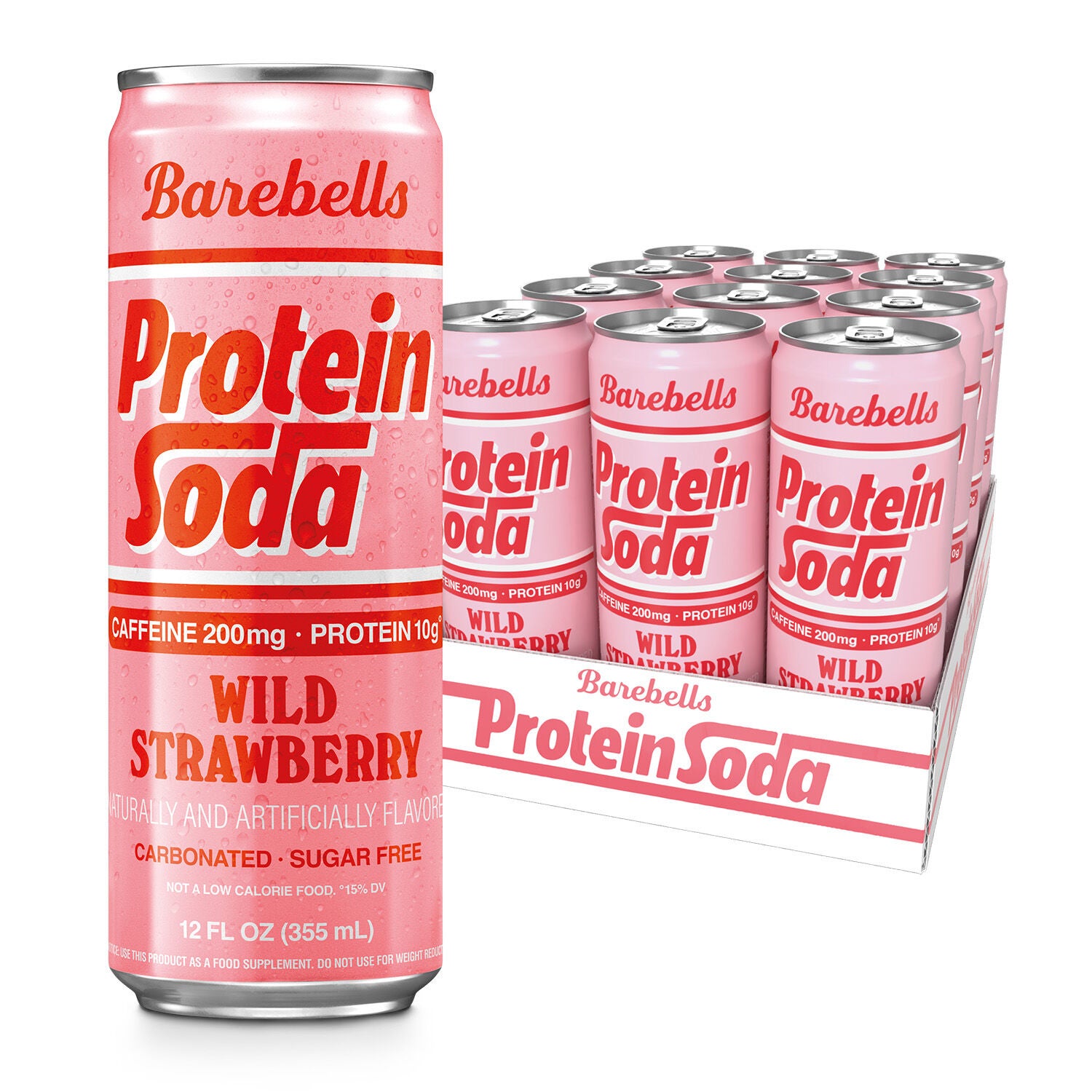

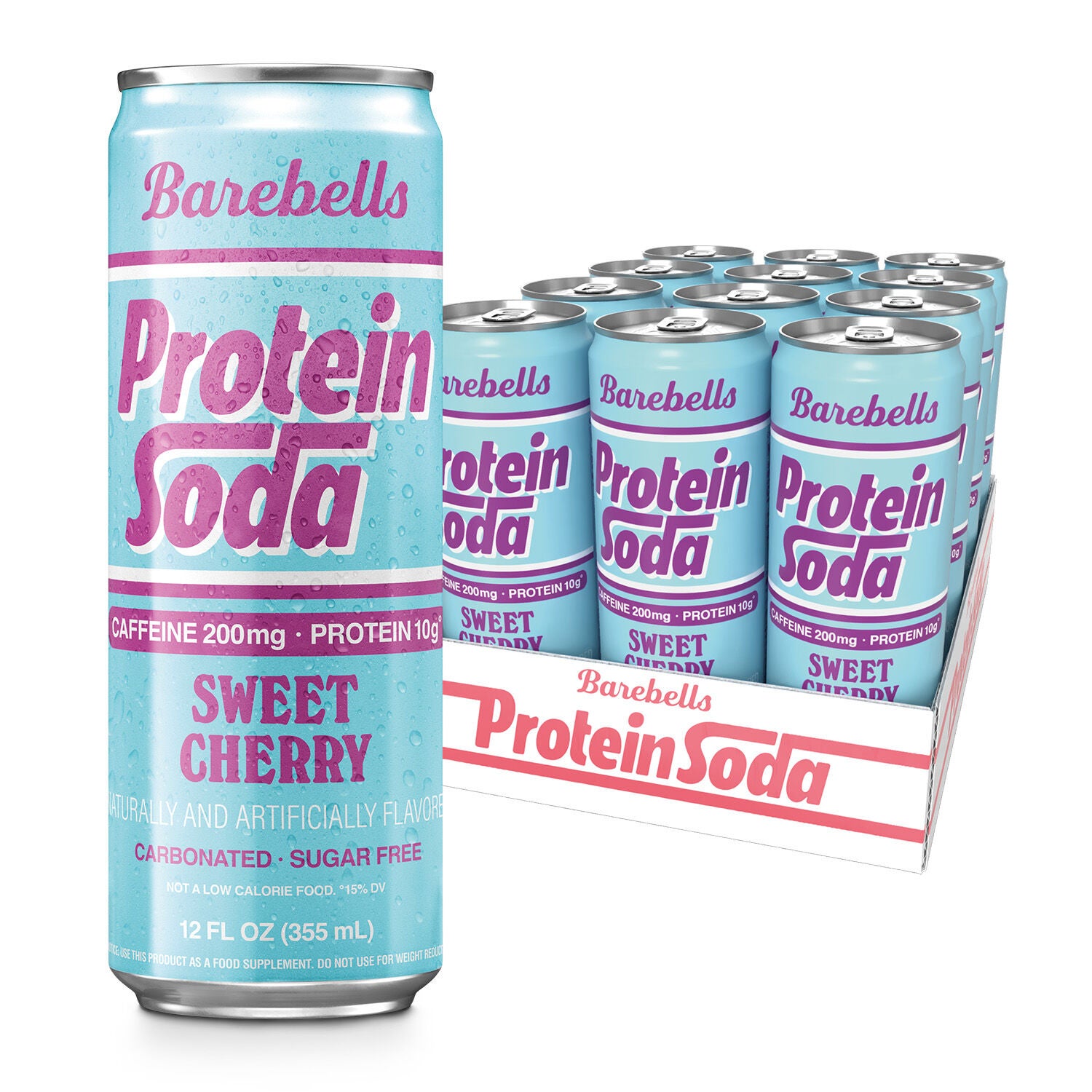
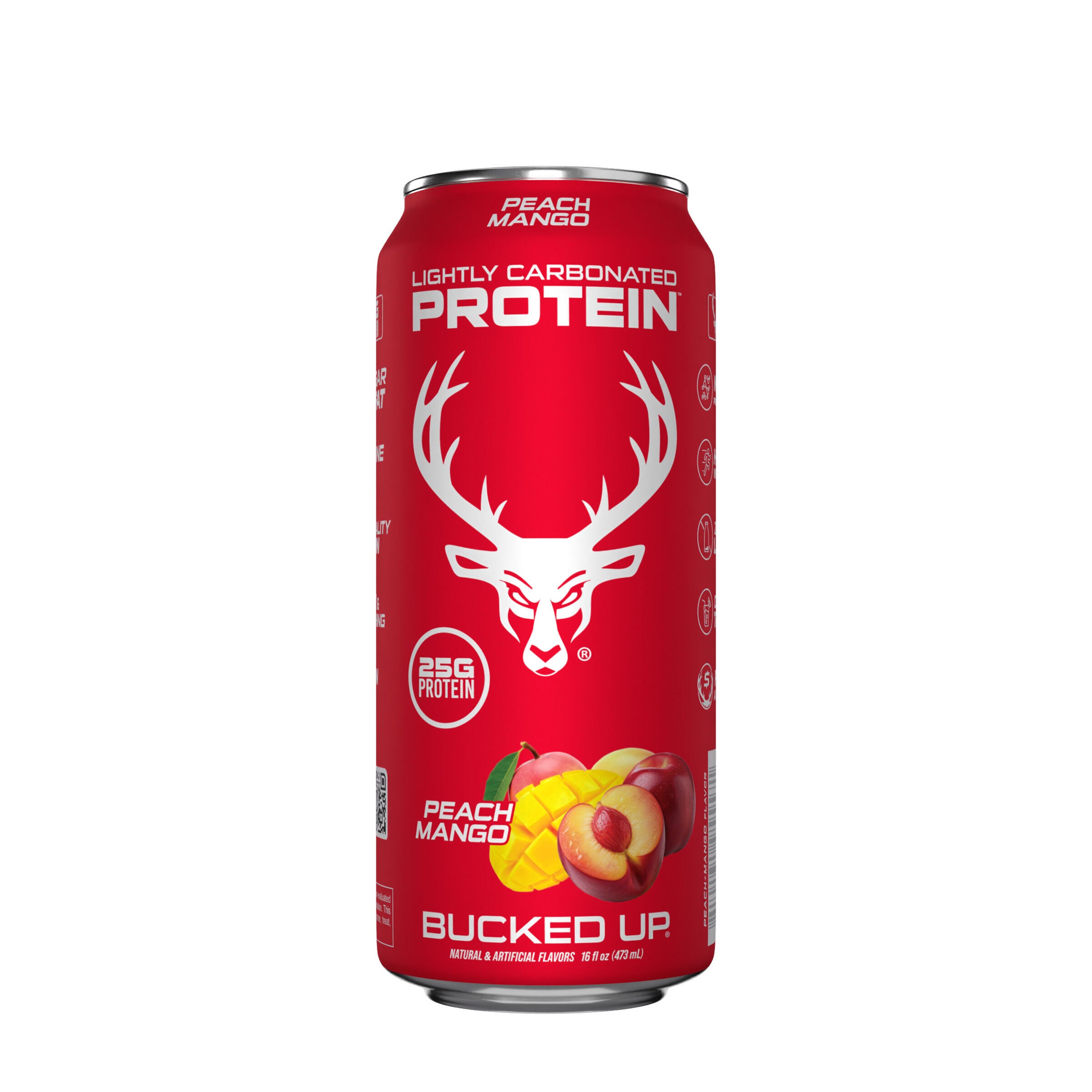

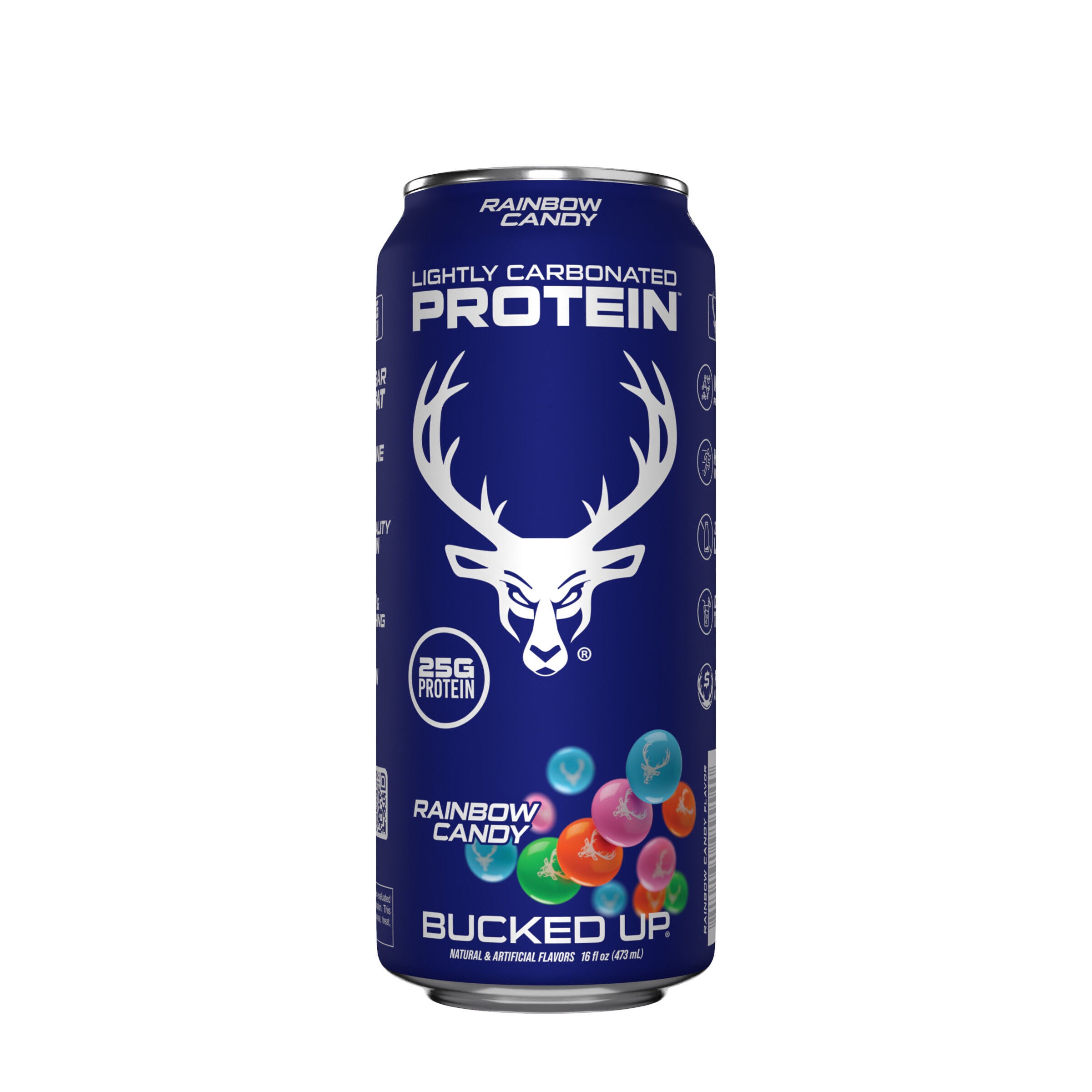


Protein soda and sparkling protein drinks pair the familiar fizz of a carbonated beverage with protein in a ready-to-drink format. The category sits apart from traditional creamy shakes, with an emphasis on bubbles, fruit-forward flavors, and a lighter-bodied texture. For someone who enjoys sparkling water or soda but prefers a different way to include protein in everyday meals and snacks, these beverages may be an appealing option. Flavor descriptions often draw on citrus, berries, orchard fruit, or tropical combinations, though the experience depends on the recipe. A lemon-lime profile might lean sharp and crisp, while a berry blend might have a rounder sweetness or a slightly tart finish. Carbonation varies, too, from a gentle sparkle to a more pronounced fizz. These details matter when choosing a drink that fits personal taste: someone who likes subtle flavored seltzer may prefer a different sweetness and bubble intensity than someone who gravitates toward soda. The word “light” can describe texture, but it does not explain the nutrition facts, so flavor language and nutrition information deserve separate attention. Clear or translucent drinks can contain protein, and appearance alone does not indicate how much is in a serving. Protein source, acidity, flavoring, and sweeteners all contribute to the finished recipe. Some formulations feature milk-derived ingredients such as whey protein isolate; other recipes may use different protein sources. That distinction is worth noticing even when the drink looks more like sparkling juice than a dairy beverage. Across the category, the most useful comparisons go beyond the flavor name on the front of the container. The character of the bubbles, the sweetness, the finish, and the labeled protein amount together give a fuller picture of what to expect. For shoppers who do not enjoy the thick consistency of a shake, sparkling protein beverages offer another format to consider without assuming that every recipe tastes or feels the same.
The nutrition facts and ingredient list provide the details that flavor names cannot. Protein amounts differ by formulation, and the serving size matters just as much as the number printed beside protein. A single container and a single serving are not always the same, so checking both makes comparisons more meaningful. Calories, carbohydrates, sugars, fat, and sodium also vary, even among drinks with similar names or packaging. A sweet taste does not necessarily indicate a particular sugar amount, since recipes may use sugar, alternative sweeteners, or a combination. Some shoppers prefer the familiar taste of sugar, while others choose particular sweeteners based on personal preference; the ingredient list identifies what is actually in the beverage. Flavor descriptions can offer clues about tartness or sweetness, but they cannot tell the whole story. A citrus drink might have a dry finish or a sweeter, soda-like character, and a tropical blend might emphasize tangy fruit notes rather than sweetness alone. Protein source deserves the same attention. Whey protein isolate, other milk proteins, collagen, and plant-derived proteins are distinct ingredients rather than interchangeable names. Any dietary preferences or ingredient exclusions should be checked against the full label, including the allergen statement, rather than inferred from clear coloring or fruit imagery. A sparkling fruit drink can still contain milk-derived protein. Caffeine is another detail to verify instead of assuming that every protein soda has the same formulation as a familiar soft drink. Likewise, added vitamins or minerals, when present, are separate features to evaluate rather than a reason to overlook the rest of the label. For shoppers interested in fruit-forward beverages beyond carbonated formats, Fruit Protein Drinks offers a related category to explore. The distinction is useful when texture is a deciding factor: a preference for fruit flavor does not always mean a preference for bubbles. Comparing the drink format, ingredients, and serving information keeps the choice grounded in the characteristics that matter for a particular routine.
Everyday fit often comes down to when and where a beverage will be opened. A ready-to-drink sparkling protein beverage may suit a lunch break, an afternoon snack, or a stop between the gym and the next errand, particularly when mixing a powder is inconvenient. The appeal is straightforward: there is no scoop to measure or shaker bottle to rinse. Packaging still makes a practical difference. A pull-tab can is intended for opening and drinking, while a container with a resealable closure may be more convenient for someone who takes occasional sips at a desk. Container dimensions can matter for a lunch tote, a bag’s side pocket, or a vehicle cup holder, and those details are worth checking rather than assuming every package fits the same spaces. Carbonation also makes handling different from that of a still beverage. Follow the package directions for opening, and allow a container that has been jostled in transit to settle before opening it. Storage instructions belong in the decision as well: shelf storage before opening, refrigeration requirements, and directions after opening depend on the formulation and packaging. A drink intended for a desk drawer needs different storage planning than one going directly into a refrigerator. Once opened, the fizz may soften, making package size relevant for anyone who prefers a pronounced sparkle from the first sip to the last. Serving the beverage as directed gives a clearer sense of its intended flavor and texture. Alongside food, taste preferences can help narrow the choice: a tart citrus profile might suit a savory lunch, while a softer fruit flavor might be more appealing with a simple snack. These are personal pairings, not rules. Whether the priority is a soda-like experience, a gentler sparkle, a particular protein source, or a convenient single-serving format, the strongest match comes from considering flavor, ingredients, packaging, and intended use together.
- Q: What is protein soda?
A: Protein soda is a carbonated beverage containing protein. It combines a soda-style drinking experience with a labeled amount of protein, typically in a ready-to-drink format. - Q: How is sparkling protein different from a traditional protein shake?
A: Sparkling protein drinks are carbonated, while traditional creamy protein shakes are generally still. Texture, flavor, protein amount, and ingredients vary by formula, so compare the product details rather than judging by format alone. - Q: Does protein soda always contain caffeine?
A: No. Some formulas contain caffeine and others do not. Check the label for caffeine content in milligrams per serving; carbonation does not indicate whether caffeine is included. - Q: What kind of protein is used in protein soda?
A: Whey protein, including whey protein isolate, is used in this category. The ingredient list identifies the protein source for an individual drink, so check it rather than assuming every sparkling protein beverage uses the same formula. - Q: Does zero lactose mean a sparkling protein drink contains no dairy?
A: No. A zero-lactose statement describes lactose content, not the source of the protein. Whey is derived from milk, so a whey-based drink remains dairy-derived even if its label states zero lactose.
Best Sellers
Related Pages



Top Collections
- Zinc Supplements For Men
- Daily Collagen Supplements | Top Brands & Deals | GNC
- Supplements For Yoga Joint Flexibility
- Chronic Fatigue Supplements
- Capsule Supplements For Energy And Stamina
- Adult Vitamins
- Metabolism Boost For Weight Loss
- Burnout Support Supplements
- Vitamins For Hair Loss
- Supplements For Balance