





Resveratrol Brain Health Vitamins
(0 Results)
Resveratrol brain health vitamins are designed for those looking to support their overall wellness journey with the power of antioxidants. Often found in sources like grapes and berries, resveratrol is a popular ingredient in supplements that may appeal to individuals interested in maintaining cognitive function as they age. Explore a variety of resveratrol brain health vitamins that could fit into your daily routine and discover options that align with your personal wellness goals.
-

-
-
-
-
 57$54.99
-

-

-

-

-

-

-
-

-

-

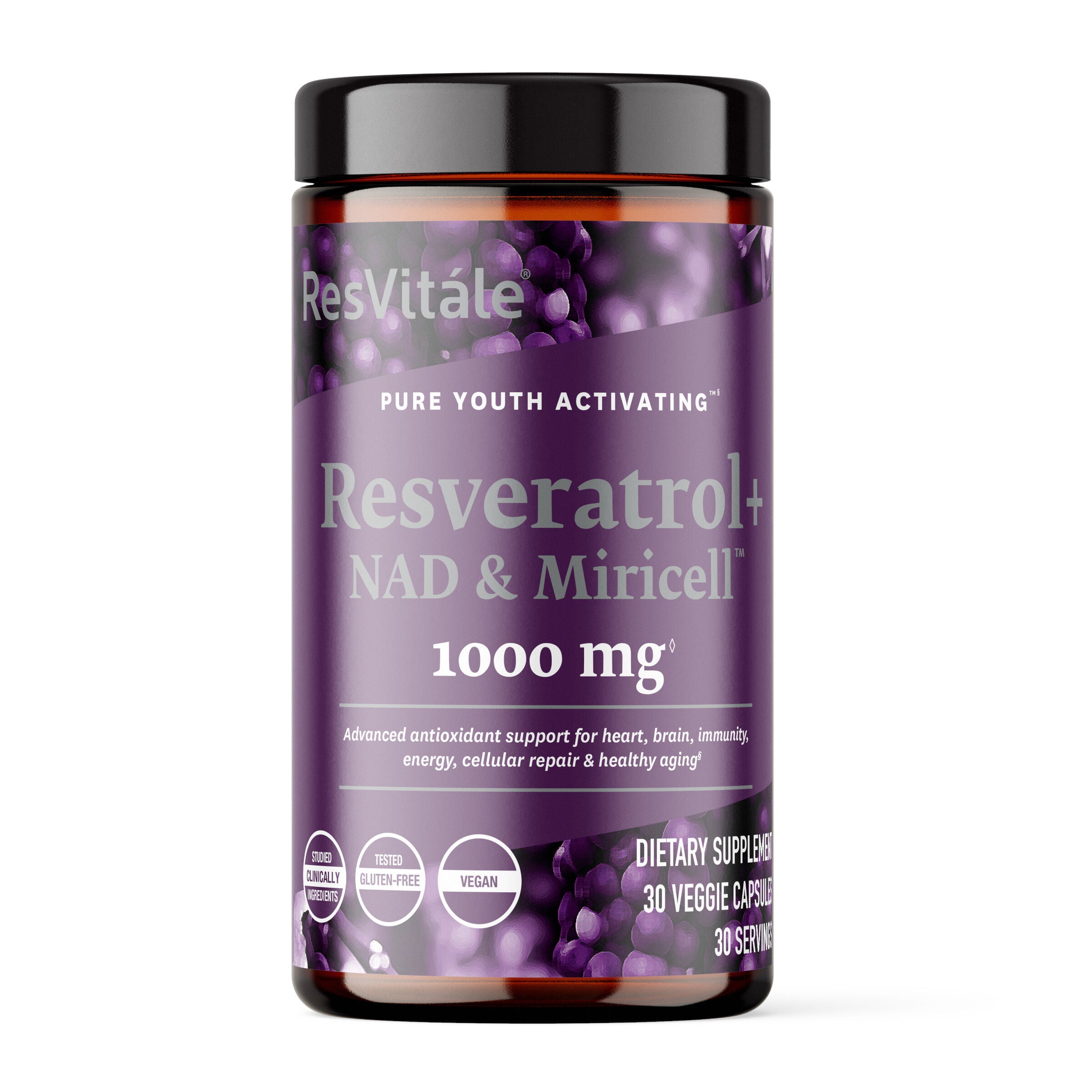
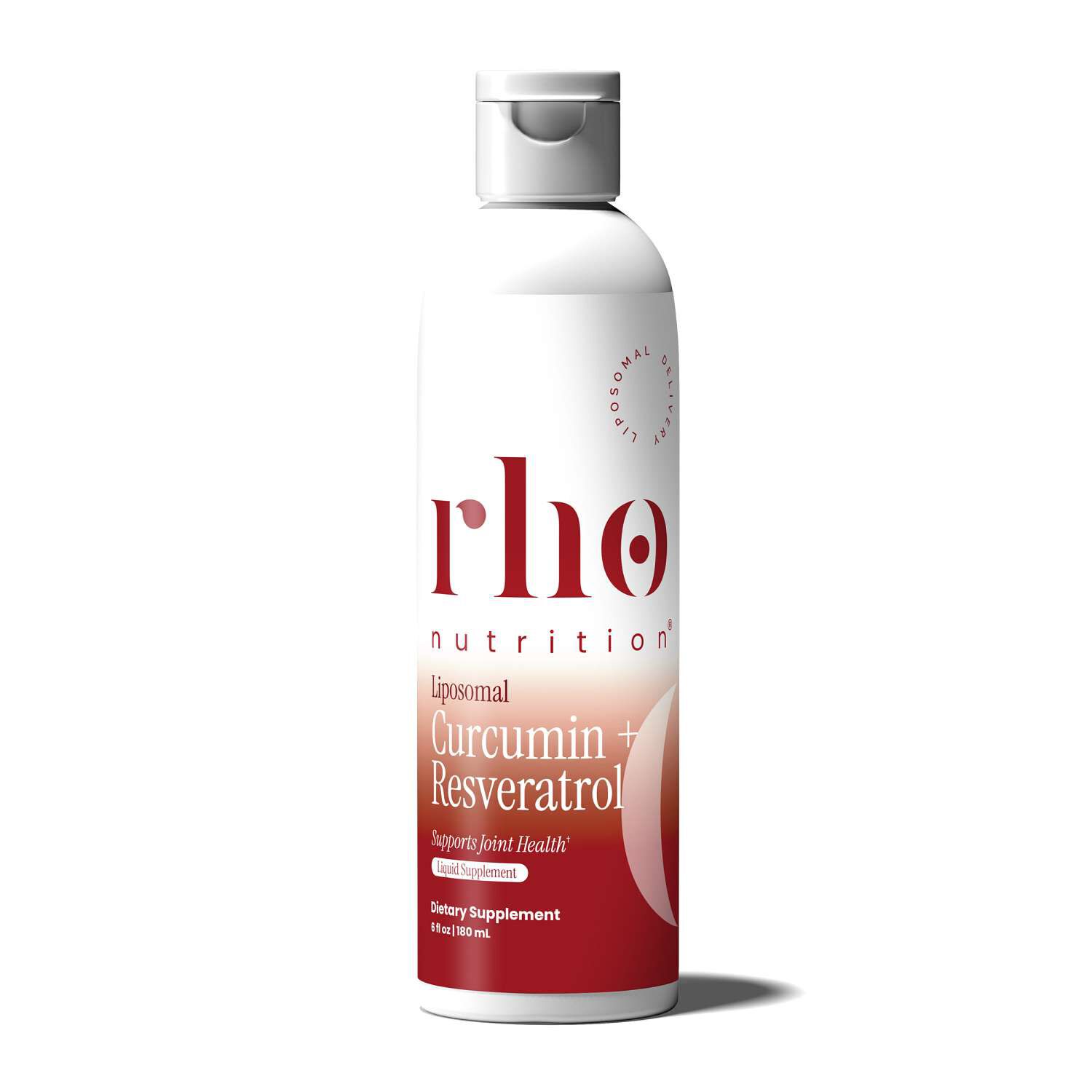
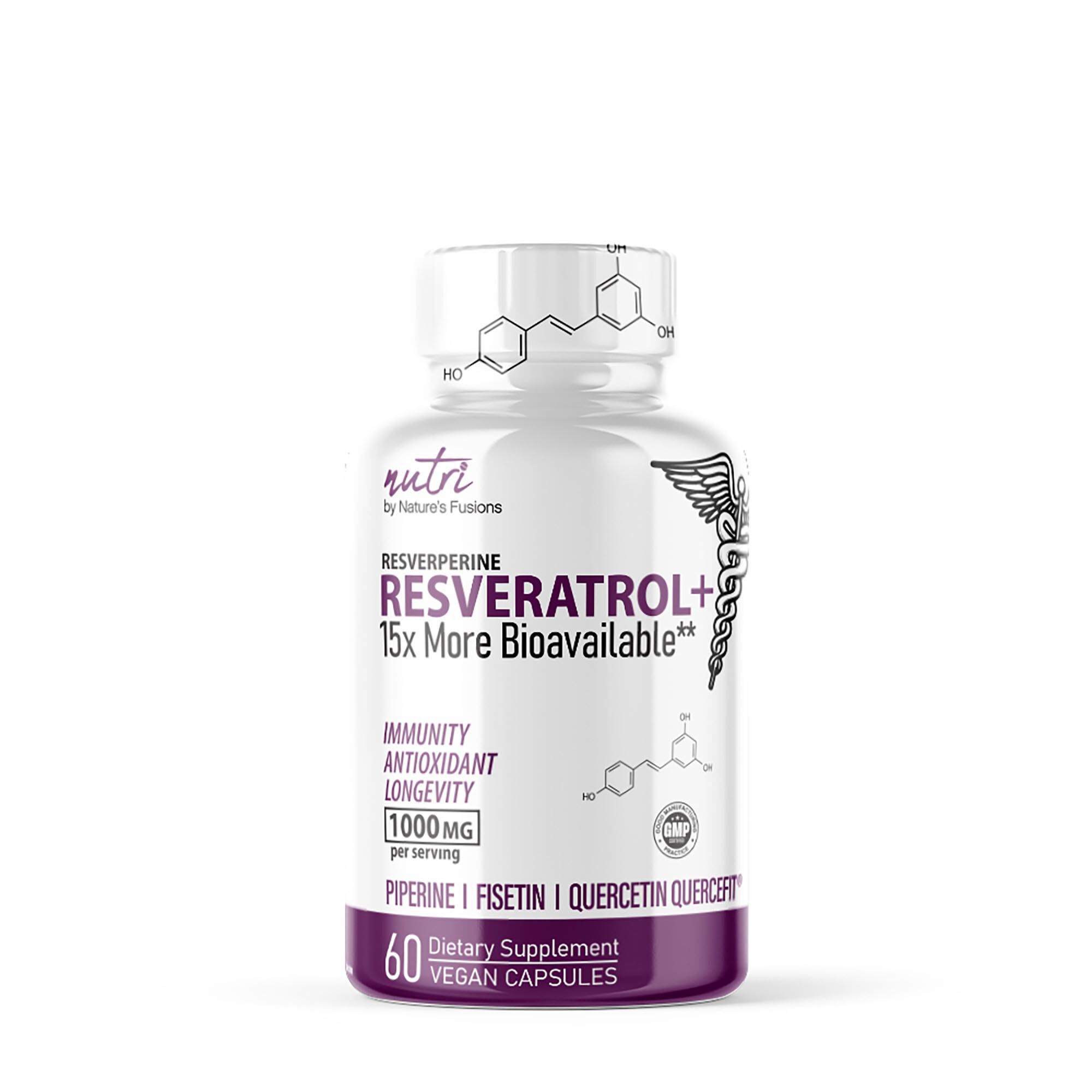
Shopping for resveratrol brain health vitamins often means comparing plant compounds alongside more familiar vitamins and minerals. Resveratrol is a naturally occurring plant polyphenol found in red grape skins, certain berries, and peanuts. Although often discussed alongside antioxidant nutrients, it is not itself a vitamin. Supplements offer measured amounts of this ingredient, which differs from the variable quantity present in a serving of food. A resveratrol supplement also does not provide the same nutritional assortment as grapes, berries, or other whole foods. For shoppers exploring this category, the ingredient panel provides a more useful comparison than a general wellness description on the front of a bottle. Some formulas feature resveratrol as the main ingredient, while others combine it with vitamins, minerals, or additional botanical ingredients. A shorter formula may appeal to someone who prefers to review fewer ingredients, while a combination formula may suit someone interested in several ingredients within one product. The distinction is about composition and preference, not an assumption that a longer ingredient list offers a better experience. Labels may also identify trans-resveratrol, a particular form of the compound, or name the botanical source used to produce an extract. These details describe what is in the formula rather than establishing a particular cognitive outcome. When comparing amounts, notice whether the stated weight refers to resveratrol itself, a botanical extract, or a blend containing several ingredients. An extract’s weight and its declared resveratrol content are not necessarily the same number. The serving size matters, too: the amount listed in Supplement Facts may represent more than one capsule or tablet. Reading the serving size alongside the ingredient amount makes comparisons more meaningful than looking at bottle size alone. For adults interested in nutrition and cognitive wellness, these distinctions offer a practical foundation for browsing resveratrol supplements without treating every formula as interchangeable. Familiarity with the terminology may also make a densely printed label feel more approachable.
Format and materials deserve attention alongside the featured ingredient, especially for a product that may become part of a regular routine. Capsules and tablets differ in their outer materials, dimensions, coatings, and supporting ingredients. Capsule shells may contain gelatin or plant-derived cellulose, so the shell itself is worth reviewing when vegetarian preferences or other dietary requirements matter. A botanical ingredient does not automatically mean that every component of the finished supplement comes from plants. Tablets may include binders and coatings, while capsules may contain ingredients used during manufacturing to maintain consistency. These components appear in the other-ingredients list rather than among the featured nutrients, making both parts of the label relevant. Allergen statements and manufacturing disclosures are separate details worth distinguishing from broad descriptions such as plant-based. Physical fit is another practical consideration. Someone organizing a small countertop space may prefer compact packaging, while someone comparing capsule formats may pay closer attention to dimensions when that information is provided. The number of capsules in a serving also changes how a bottle fits into an organizer or a travel case. A photograph of the package does not always communicate those details clearly, so written specifications are useful companions to product images. Packaging materials matter as well: a secure closure and a clearly printed label are practical features to look for in a container that will be opened repeatedly. Quality information should be read with similar care. When a label identifies independent testing or a certification, the named program and its stated scope provide more context than a seal viewed on its own. Ingredient identity, manufacturing information, and dietary certifications address different questions; none should be treated as a description of cognitive results. This kind of comparison is particularly relevant for detail-oriented shoppers who want to understand the featured compound, capsule materials, serving information, and packaging before choosing a supplement. A clearly described formula may be a more comfortable fit than one whose most prominent feature is an unfamiliar blend name.
Intended use and everyday handling round out the comparison. Resveratrol supplements belong to the dietary supplement category, and their package directions describe the intended serving and any product-specific handling requirements. Those directions are distinct from the ingredient amount displayed elsewhere on the bottle. For someone with an established supplement routine, comparing ingredient lists side by side may reveal where two formulas contain the same vitamin, mineral, or botanical. That is useful context when deciding whether a focused resveratrol formula or a combination formula better matches personal shopping preferences. A straightforward routine also includes a sensible place for the container. A dry cabinet away from a sink or stove may be a more suitable storage spot than a bathroom shelf exposed to steam, subject to the conditions printed on the package. Closures, readable labels, and intact packaging matter for everyday handling, while the printed date and storage directions provide product-specific information. Original packaging retains the ingredient list, serving directions, lot information, and other details that can be lost when capsules are transferred to an unmarked container. For travel, a securely closed container with a readable label may be more practical than loose capsules tucked into a pocket or bag compartment. These are ordinary details, but they matter when imagining how a supplement would fit beside a breakfast setting, inside a work tote, or on a neatly arranged shelf. Shoppers interested in a related selection can explore Resveratrol Supplements For Healthy Aging, applying the same attention to ingredient sources, serving sizes, and capsule materials. Across these selections, the most meaningful differences are often concrete ones: the declared amount of resveratrol, the presence of other ingredients, the serving format, and the clarity of the label. A thoughtful choice starts with understanding those details rather than expecting a category name to describe what any individual will experience. That approach keeps the focus on the actual formula and its intended place within an adult supplement routine.
- Q: What is resveratrol and how is it related to brain health?
A: Resveratrol is a natural compound found in foods like grapes, berries, and peanuts. It is often included in brain health vitamins because it is associated with antioxidant support and may support overall cellular wellness. - Q: How might resveratrol supplements fit with other brain health vitamins?
A: Some brain health formulas may include resveratrol alongside ingredients such as B vitamins, vitamin D, or omega-3 fatty acids. Review product labels and consult with a healthcare professional before adding a new supplement to your routine if you already take other supplements. - Q: Who might consider adding resveratrol brain health vitamins to their routine?
A: Adults interested in supporting cognitive function and overall brain wellness may consider adding resveratrol brain health vitamins to their daily routine. It's recommended to consult with a healthcare professional before starting any new supplement regimen. - Q: Are there natural food sources of resveratrol that can complement supplementation?
A: Natural sources of resveratrol include red grapes, blueberries, cranberries, peanuts, and dark chocolate. Including these foods in your diet may complement a wellness routine that also includes resveratrol supplements. - Q: How should resveratrol brain health vitamins be stored?
A: Resveratrol brain health vitamins should be stored in a cool, dry place away from direct sunlight and moisture. Always keep the bottle tightly closed and out of reach of children.
Best Sellers
Related Pages
Top Collections
- Joint Mobility Supplement Packs
- Daily Collagen Supplements | Top Brands & Deals | GNC
- GLP 1 Support For Adults
- Zinc Supplements | Top Brands at Great Prices | GNC
- Supplements For Yoga Joint Flexibility
- Supplements For Balance
- Capsule Supplements For Energy And Stamina
- Adult Mobility Supplements
- Chronic Fatigue Supplements
- Vitamins For Hair Loss