Resveratrol Supplements For Summer Skin Protection
(0 Results)
Resveratrol supplements for summer skin protection could be a thoughtful addition to your seasonal wellness routine. As temperatures rise and days grow longer, many people look for ways to support their skin from within. Resveratrol, a compound found in certain plants, may offer benefits that align with your summer skincare goals. Explore a range of resveratrol supplements designed to fit into your daily regimen as you enjoy the sunshine and embrace the spirit of the season.
-

-
-
 57$54.99
-

-
-

-
-
 $99.99
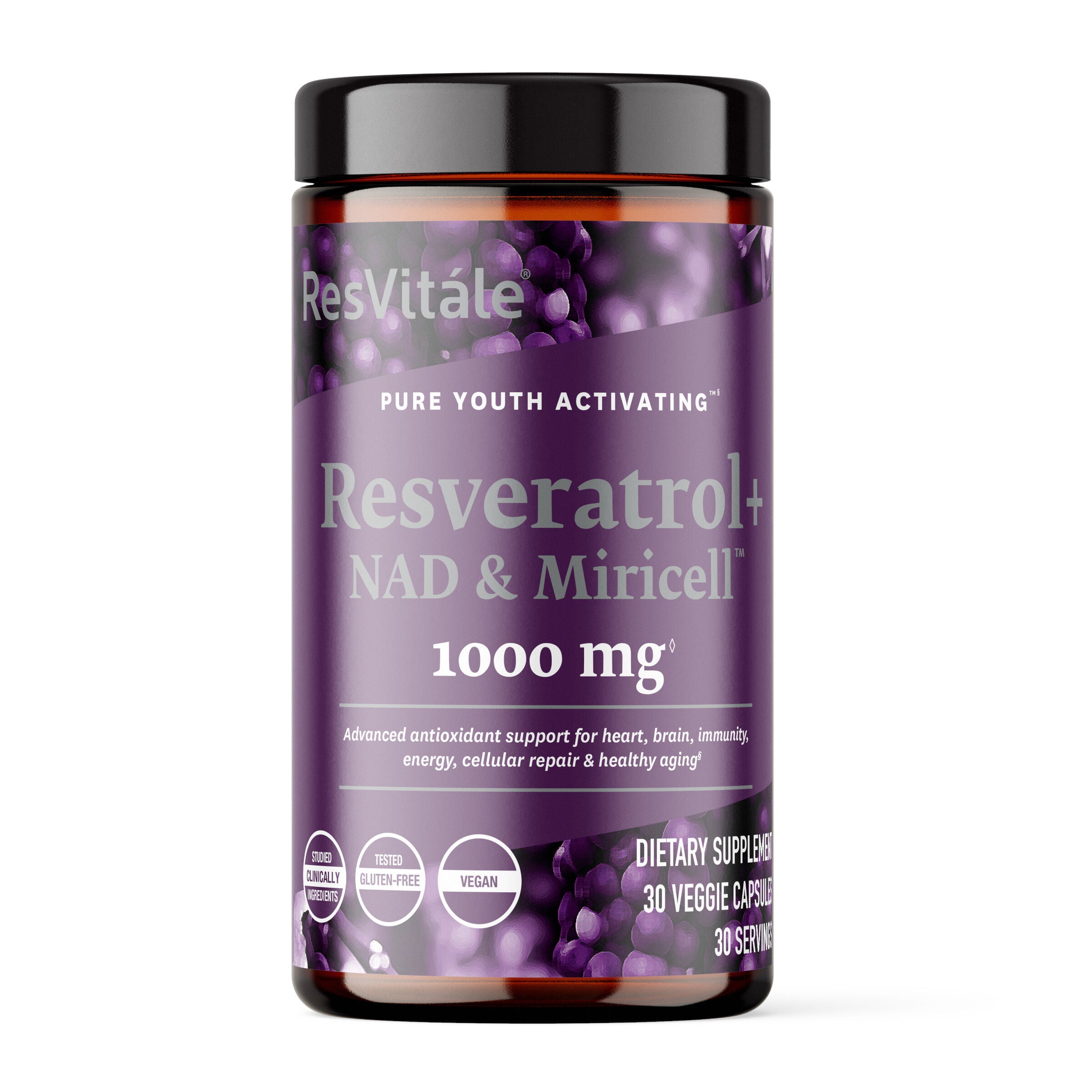
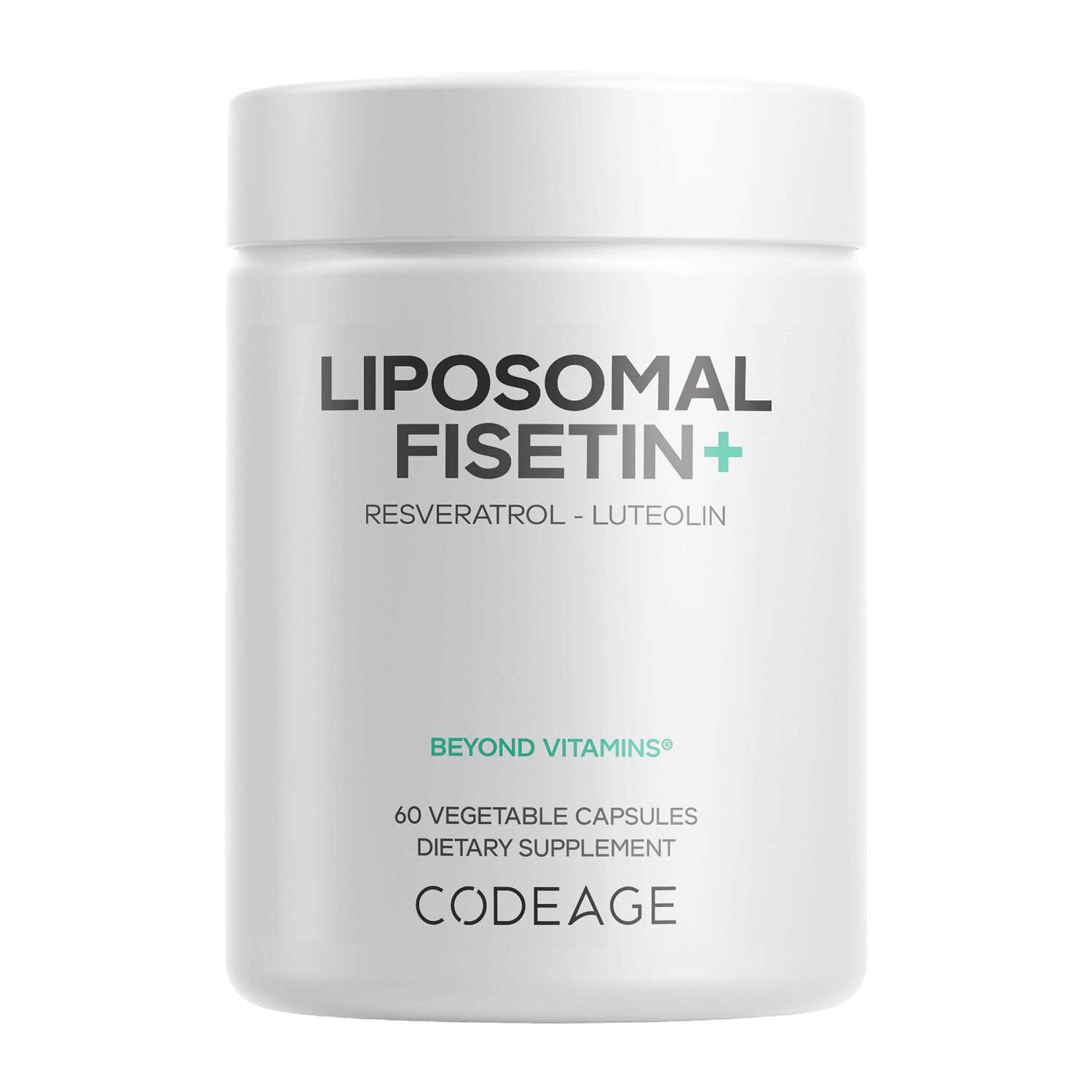
Resveratrol supplements are dietary supplements, not a substitute for sunscreen, shade, or sun-protective clothing. Evidence is insufficient to establish that taking oral resveratrol protects skin from ultraviolet exposure, so these products belong in a different category from products designed for sun protection. Resveratrol is a plant polyphenol, a naturally occurring compound found in grape skins and certain berries. Its connection to antioxidant research helps explain the interest in resveratrol supplements for summer skin protection, but that interest should not be confused with demonstrated protection during a beach day, a long hike, or an afternoon at the ballpark. Research involving isolated compounds, laboratory settings, or topical preparations does not establish the same outcomes for a capsule taken by mouth. Human research on oral resveratrol and skin outcomes remains limited, and there is no established resveratrol serving amount for sun protection. For adults considering these supplements as part of a broader wellness routine, the useful starting points are the ingredient source, serving information, formulation, and intended use described on the label. A summer-focused supplement routine can sit alongside familiar outdoor habits without taking their place. A wide-brimmed hat tucked into a beach bag, a shaded seat beside the pool, and sunscreen used according to its directions serve a different purpose from a bottle of dietary supplements. Keeping those roles separate makes it easier to evaluate resveratrol without expecting sunscreen-like performance or a particular visible change in skin. It also keeps the shopping decision grounded in what the label actually describes rather than the setting pictured on the packaging. Summer imagery, references to grapes, and antioxidant language can provide context, but they do not establish how a supplement performs during sun exposure. The most useful comparison is between the contents and directions of different formulations, not between a supplement and an outdoor protective measure.
Resveratrol supplement labels can differ in several meaningful ways, even when the front panels look similar. Some formulas list resveratrol as the main ingredient, while others combine it with additional plant compounds, vitamins, or minerals. A single-ingredient formula may appeal to someone who wants a straightforward ingredient list; a combination formula calls for a closer look at every listed component, especially when other supplements are already part of the routine. The amount of a botanical extract is not necessarily the same as the amount of resveratrol it contains. For example, an extract weight on the front of a package needs to be read alongside the Supplement Facts panel and any stated standardization information. Trans-resveratrol refers to a particular form of resveratrol, whereas grape extract describes a source ingredient; those terms are not interchangeable. Serving size matters just as much as the milligram amount. A stated amount may apply to one capsule or to a serving containing several capsules, which changes how the directions fit into an ordinary day. A larger number on the label does not establish greater value for a skin-focused routine or better protection from sunlight. Capsule shells, tablet coatings, and other ingredients also deserve attention when dietary preferences influence the choice. Depending on the formulation, these can include gelatin, plant-derived capsule materials, or ingredients used to hold a tablet together. Capsules, tablets, and softgels have different sizes and textures, so format is a practical consideration rather than evidence of better results. Adults who prefer fewer pills may weigh serving size differently from those who prioritize a particular ingredient source. Clearly stated manufacturing and testing information can add useful context, although any testing claim is best read for its specific scope. Identity testing, for instance, addresses a different question from research on a finished formula. Clear labeling offers a firmer basis for comparison than broad language about beauty or summer wellness.
Storage and everyday handling are especially relevant when a supplement is being considered for summer travel or time away from home. A bottle left in a parked car, a beach tote in direct sunlight, or a steamy bathroom may encounter conditions outside the storage directions on its label. Keeping the original container, following the listed storage instructions, and closing the cap after use are practical ways to care for the product. The original packaging also keeps the ingredient list, serving directions, lot information, and printed date together, which is useful when several people share a household or a trip involves repacking luggage. Package size deserves a look as well: the number of capsules in a bottle is different from the number of servings, particularly when the directions call for more than one capsule. These details may seem modest beside the larger conversation about skin, but they shape how a supplement fits into a real routine. Someone preparing for a walking vacation may prioritize readable directions and a manageable container, while someone organizing a home supplement cabinet may focus on avoiding overlapping ingredients. For a broader view of the same ingredient within seasonal wellness routines, explore Resveratrol Supplements for Summer Health Goals. Across either context, resveratrol is best considered on its own labeling and evidence rather than treated as permission to extend time in direct sunlight. Questions about personal suitability, use alongside medications, pregnancy, or nursing belong with a qualified healthcare professional. The relevant shopping details remain concrete: what the formula contains, how much is listed per serving, which additional ingredients are included, and how the package should be stored. Those details allow a measured comparison while keeping expectations about summer skin protection separate from the purchase of an oral supplement.
- Q: What is resveratrol and how is it related to skin health?
A: Resveratrol is a natural antioxidant compound found in foods like grapes, berries, and red wine. It is often used in supplements for its potential to support overall skin health by helping to protect against environmental stressors. - Q: Why might people consider resveratrol supplements during the summer?
A: During the summer, skin can be exposed to increased environmental factors such as sun and pollution. Many people choose resveratrol supplements to help support their skin's natural defenses against these seasonal challenges. - Q: Can resveratrol supplements be combined with other skincare routines?
A: Yes, resveratrol supplements are often used alongside topical skincare products and healthy lifestyle habits as part of a comprehensive approach to maintaining skin wellness. - Q: Are there any dietary sources of resveratrol that can complement supplementation?
A: Absolutely! Foods like red grapes, blueberries, peanuts, and dark chocolate naturally contain resveratrol and can be included in your diet along with supplements for added support. - Q: How should I incorporate resveratrol supplements into my daily routine for summer?
A: Many people take resveratrol supplements as part of their morning or evening routine. It's helpful to pair them with a balanced diet, hydration, and regular sun protection practices for optimal summer skin care.