





Running Fuel By Glucose-to-Fructose Ratio
(0 Results)
Compare running fuel by glucose-to-fructose ratio as you plan what to carry for marathon training and race day. Explore gels and carbohydrate drink mixes, looking at documented ratios alongside carbohydrate grams per serving, flavor, and preparation directions. Consider both individually packaged fuel and drinks you prepare yourself as you build your own running nutrition setup.
-
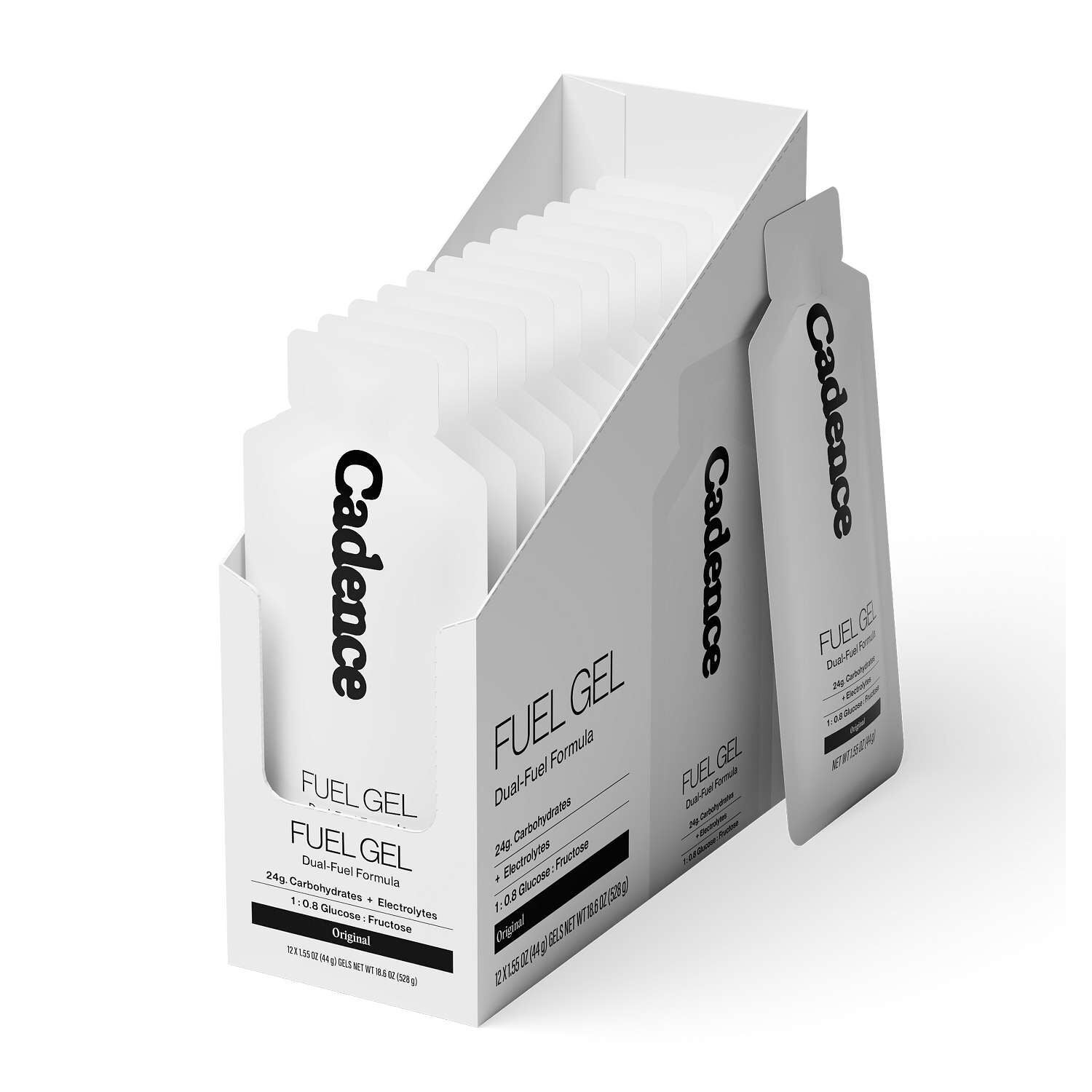
-
 Axe & Sledge Supplements$39.99
-
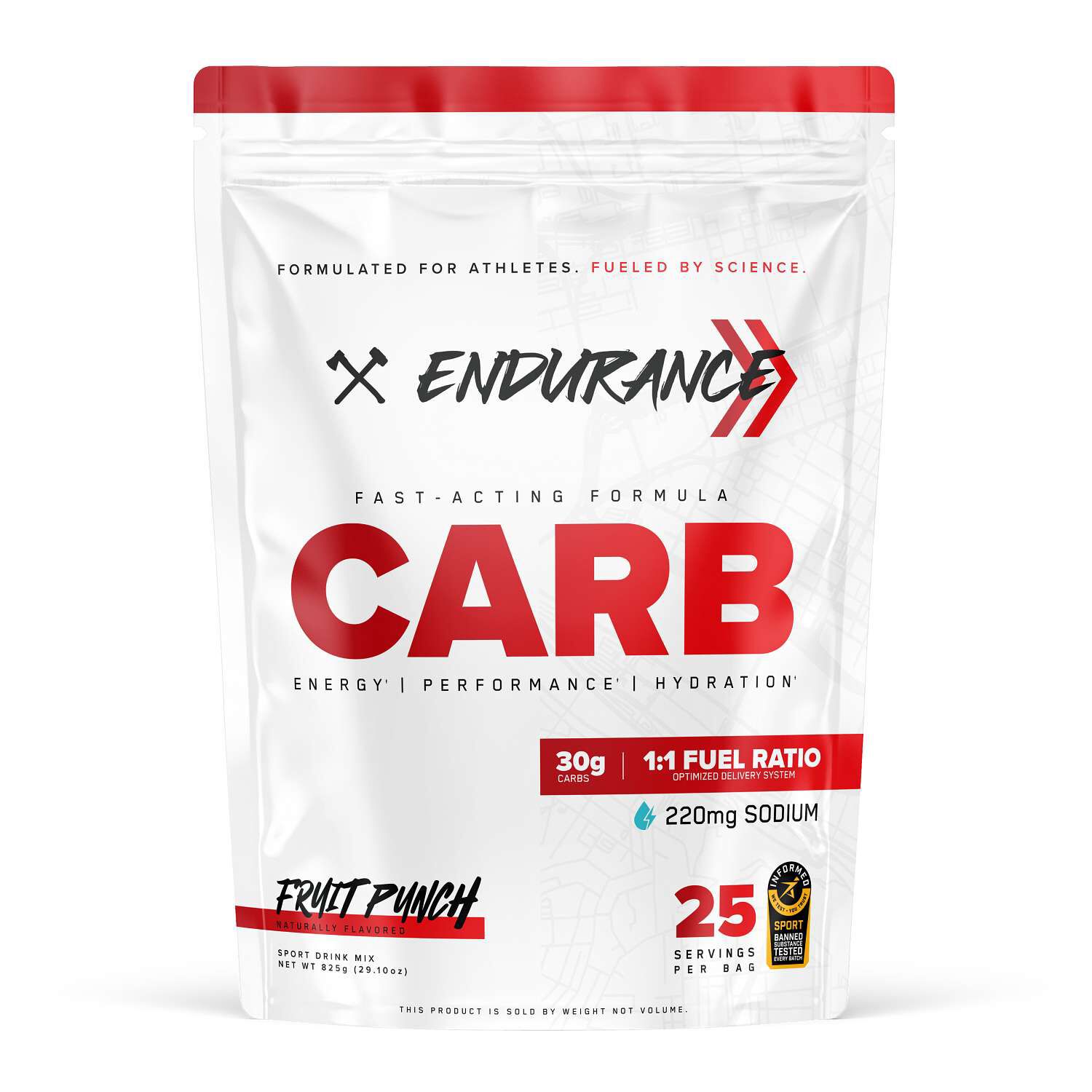 Axe & Sledge Supplements$39.99
Running fuel by glucose-to-fructose ratio brings a specific part of sports nutrition into focus: the balance between two carbohydrate sources in gels, chews, and drink mixes. For runners comparing options for long training sessions, organized races, or outings that extend beyond a short loop, that balance may be one useful point of comparison alongside serving size, flavor, and format. A ratio written as 2:1 describes two parts glucose to one part fructose by carbohydrate amount, while 1:0.8 describes a pairing with a larger relative share of fructose. Neither ratio tells the whole story of a serving. The grams of carbohydrate per serving, the number of servings in a package, and the preparation directions remain separate details. Two formulas with the same ratio can have different serving sizes, textures, and ingredient lists. Glucose may appear directly in an ingredient list, while maltodextrin is another glucose-based carbohydrate source used in running nutrition. Fructose can be listed on its own, and sucrose contributes both glucose and fructose. Because recipes can combine several carbohydrate ingredients, a stated ratio is usually more informative than trying to infer the balance from ingredient order alone. The ratio also does not describe the sweetness of the finished formula with much precision; flavoring, texture, and dilution all contribute to the experience. A citrus drink and a fruit-flavored gel can share a glucose-to-fructose ratio yet feel very different during a run. This makes the category relevant to runners who already know their preferred format as well as those comparing handheld fuel with a drink bottle. The pairing of carbohydrate sources may support energy needs during sustained exercise, but the ratio itself is not a performance rating. It is a way to understand the formulation, with personal preference, serving details, and the demands of the planned run providing the surrounding context.
Format matters when running fuel has to share space with keys, a phone, and the other contents of a belt or vest. Gels typically come in small pouches, with consistencies ranging from fluid to thick. An easy-to-grip packet and a clearly marked opening may make the format more manageable when a runner is moving between a steady jog and a brief walk. Chews offer a different texture and are often divided into individual pieces, although a labeled serving may include several pieces rather than just one. Drink powders are intended for mixing according to their package directions, making bottle capacity and the specified amount of water relevant parts of the comparison. Changing the dilution changes the concentration in the bottle, even though the glucose-to-fructose ratio of the powder remains the same. Some runners prefer carrying carbohydrate in a bottle; others prefer keeping a separate fuel pouch beside their water. Neither arrangement is defined by the ratio alone. Flavor is another practical distinction, especially when the same taste appears repeatedly during a long outing. Bright fruit flavors, milder profiles, and differences in sweetness create distinct experiences across the category. Beyond taste, package dimensions, serving count, and whether a container is intended for one use or multiple servings all deserve attention. A compact sachet may fit a narrow pocket, while a larger powder container is generally intended for preparation before heading out. Packaging care follows the label: storage directions, closure instructions, and date markings are more useful than assumptions based on format. Packets carried against other gear also warrant a look at their seams and openings before a run. For someone heading to a group training meetup, convenience might mean preparing a bottle at home. For a runner traveling to a race, it might mean individually portioned fuel with readable serving information and packaging that fits neatly into a familiar carry setup.
Comparing running fuel by ratio becomes more meaningful when the surrounding label details stay in view. A 2:1 ratio expresses a proportion, not a prescribed amount to use, and a different ratio does not automatically mean more carbohydrate per serving. As a simple mathematical example, 30 grams of carbohydrate divided in a 2:1 ratio would represent 20 grams from the glucose side and 10 grams from fructose; that illustration is not a suggested serving target. The package’s own nutrition information and directions describe the actual formulation. Sodium, caffeine, and other ingredients are separate considerations rather than part of the glucose-to-fructose calculation, so formulas with matching ratios may still differ considerably. Some runners prefer a straightforward carbohydrate formula, while others look for additional ingredients that fit their established preferences. Familiarity may be especially valuable when the practical details of a run are already demanding: reaching a crowded aid station, opening a pocket without stopping, or carrying used wrappers until the next disposal point. A runner preparing for a first half marathon might compare texture and pouch size as closely as the ratio. Someone returning to a familiar distance might focus on whether a drink mix matches the capacity of an existing bottle or whether a chew package contains multiple labeled servings. Sampling a format during an ordinary training outing may help clarify preferences before a longer event, without treating one formula as the right choice for every runner. For shoppers exploring other sports nutrition themes, the Fat To Fuel Supplements collection offers a separate category to browse. Within carbohydrate-based running fuel, glucose-to-fructose ratio remains one specific lens for comparison. Read alongside carbohydrate grams, preparation instructions, ingredient details, and packaging design, it gives runners a clearer picture of what distinguishes one type of fuel from another and how each format might fit into an established running routine.
- Q: What does a 1:0.8 glucose-to-fructose ratio mean?
A: It means the formula contains one part glucose for every 0.8 parts fructose. The ratio describes their relative proportions; it does not state the carbohydrate grams in a serving. - Q: Can I determine the exact ratio from an ingredient list?
A: Ingredient order alone does not establish an exact glucose-to-fructose ratio. Look for a clearly stated ratio on the label or in the product details rather than calculating one from the listed ingredients. - Q: Does adding water change a drink mix's glucose-to-fructose ratio?
A: For a powder mixed with water only, additional water changes the drink's concentration, not the relative proportions of glucose and fructose already in the powder. Use the product's labeled preparation directions. - Q: Can gels and drink mixes be compared by carbohydrate ratio?
A: Yes. A documented glucose-to-fructose ratio describes the carbohydrate blend rather than its format. Compare that ratio separately from carbohydrate grams per labeled serving, packaging, and preparation requirements. - Q: Do different flavors always have different glucose-to-fructose ratios?
A: No. Different flavors can share the same ratio, and a flavor name does not establish the carbohydrate blend. Check the documented ratio for each option instead of assuming a flavor change means a formula change.
Best Sellers
-
Cadence
-
 Raw Nutrition

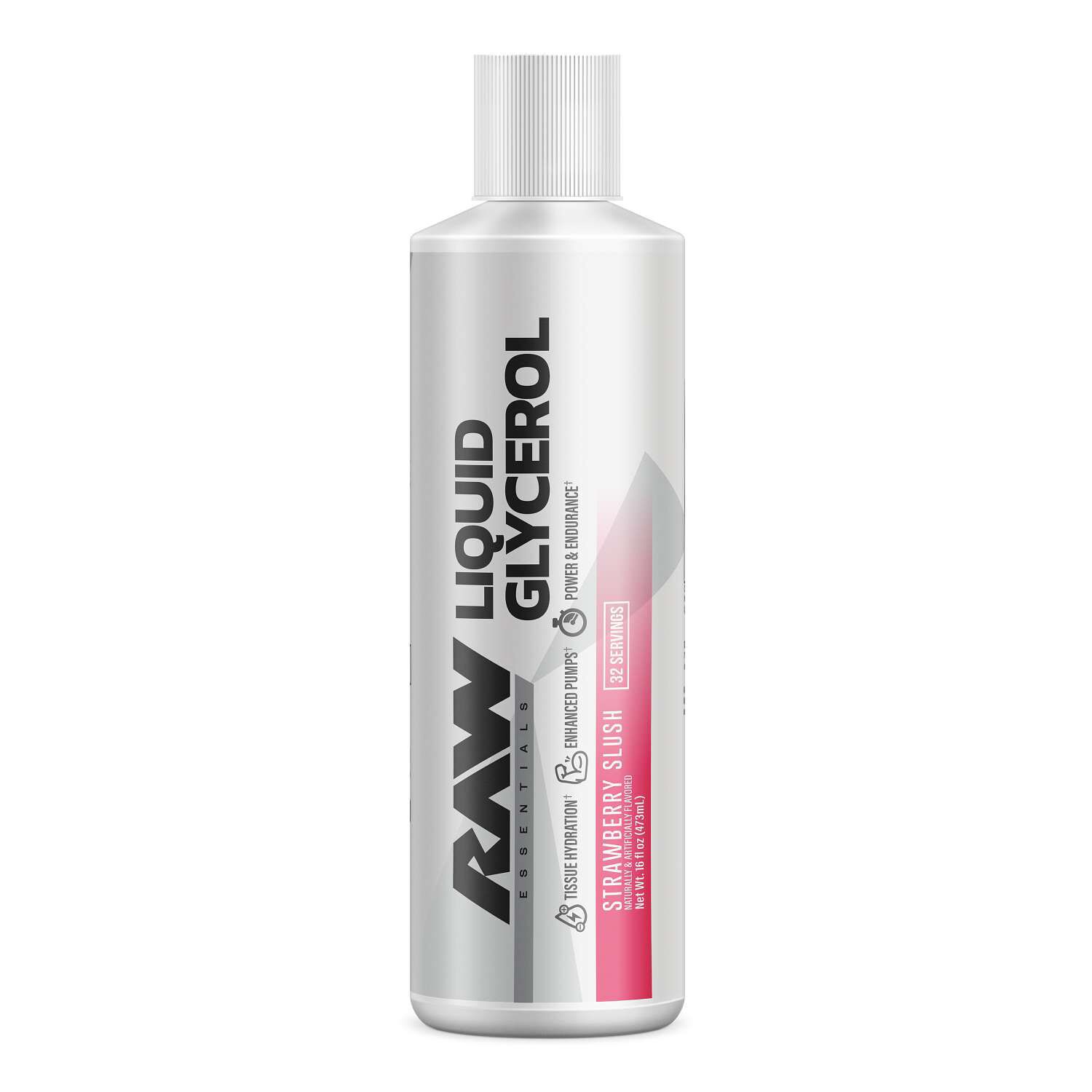
Related Pages
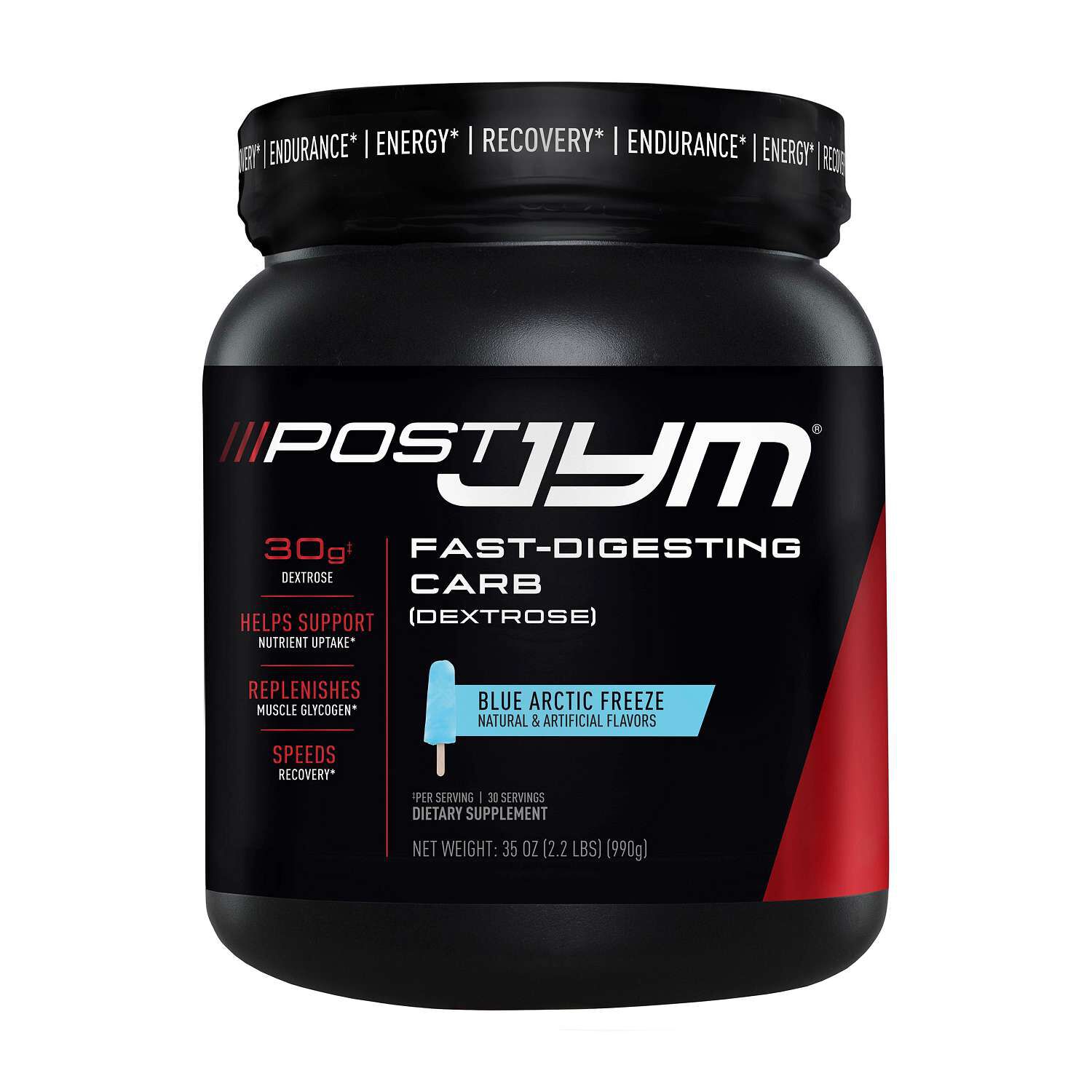


Top Collections
- Chronic Fatigue Supplements
- Capsule Supplements For Energy And Stamina
- Adult Vitamins
- Supplements For Yoga Joint Flexibility
- Vitamins For Hair Loss
- Zinc Supplements For Men
- Best Brand of Magnesium Glycinate
- Burnout Support Supplements
- Daily Collagen Supplements | Top Brands & Deals | GNC
- Joint Mobility Supplement Packs