





Self Care For Women
(0 Results)
Self care for women can be a meaningful part of a daily routine, supporting overall well-being and balance. Whether you’re looking to unwind, recharge, or simply prioritize yourself, exploring a range of self care options may help create moments of relaxation and rejuvenation. Discover choices designed to support your unique self care journey and find what might fit best with your lifestyle and goals.
-
-
-

-
-

-

-
-
-
 $35.99
-
 Angry Supplements$24.99
-
-
-
-

-

-
-

-

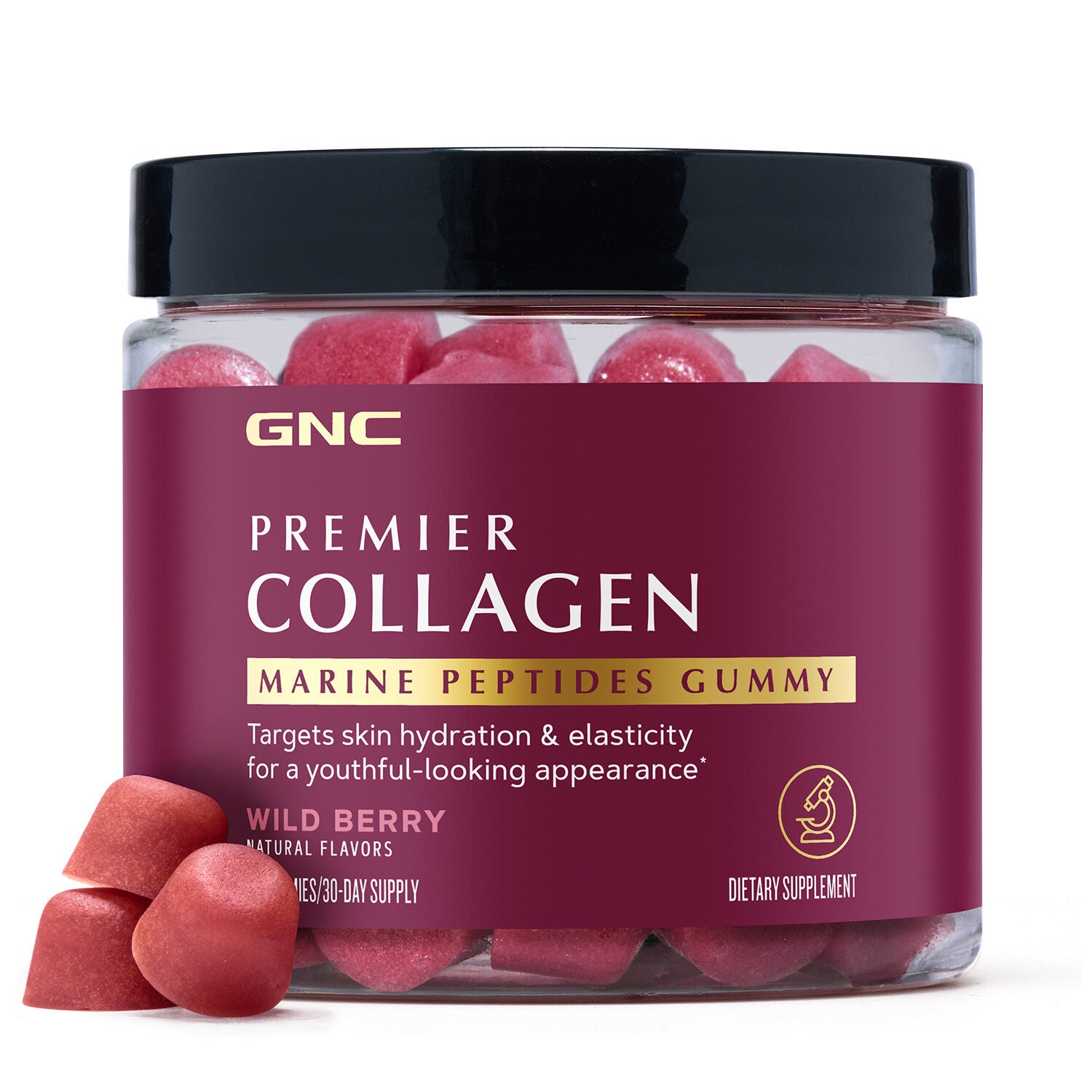
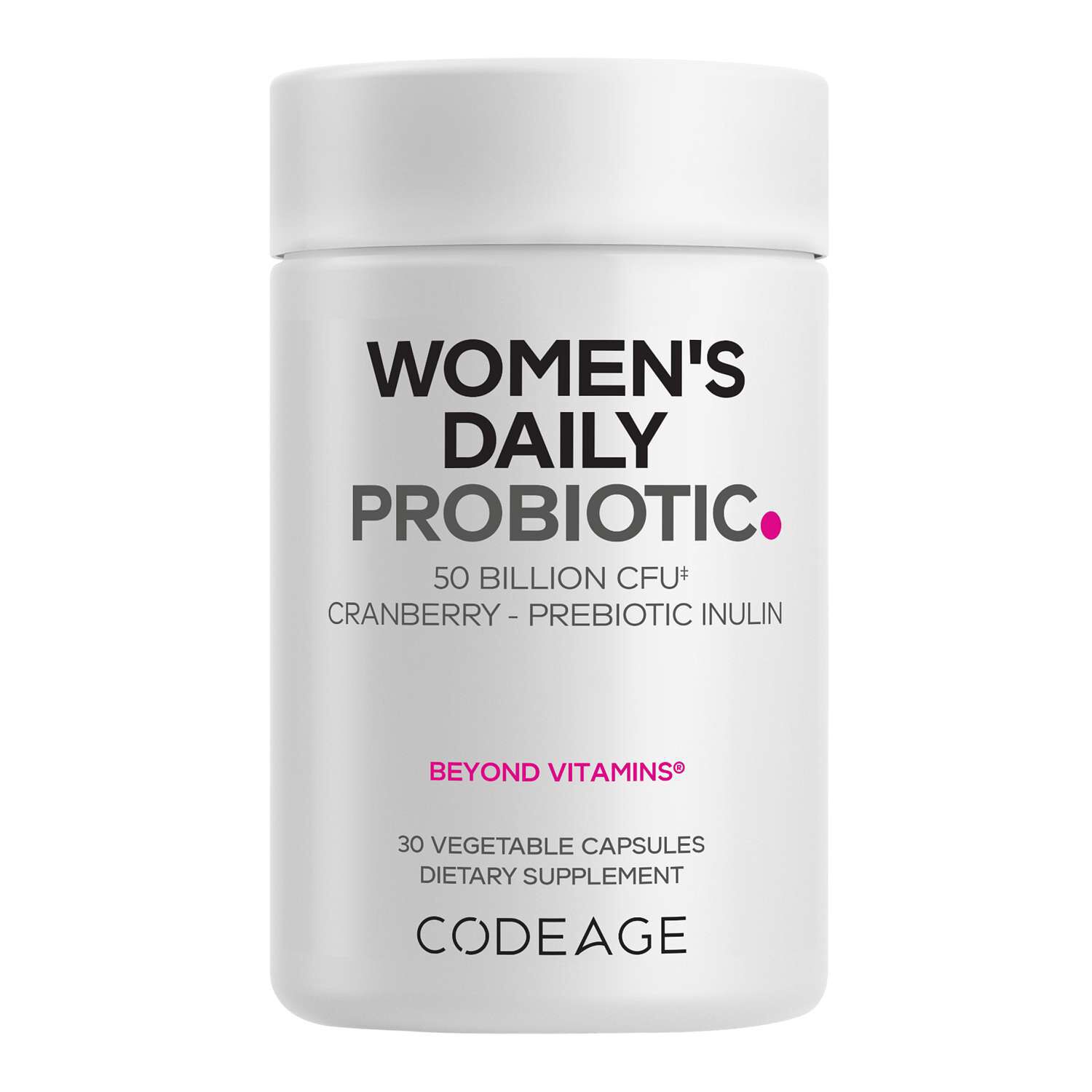
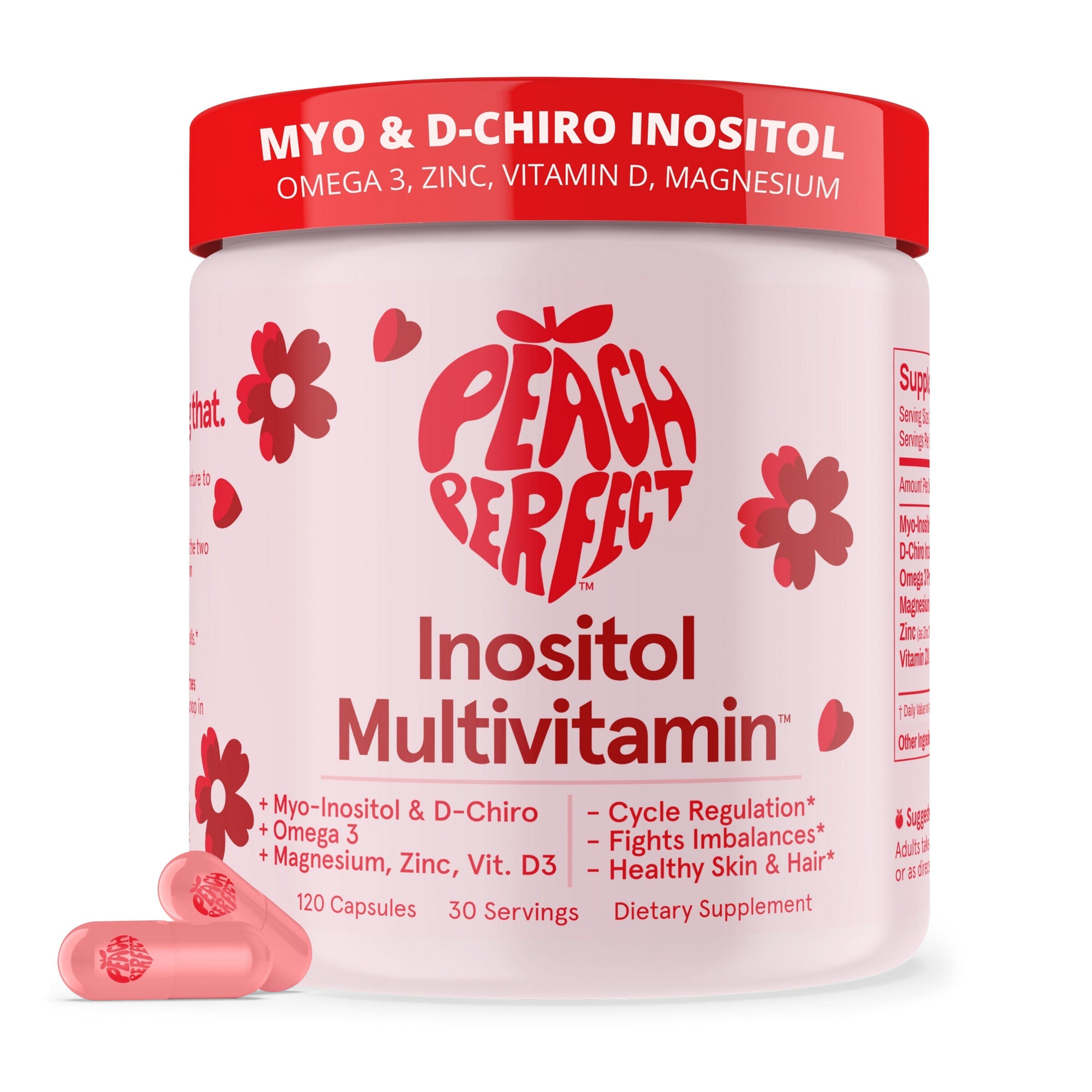
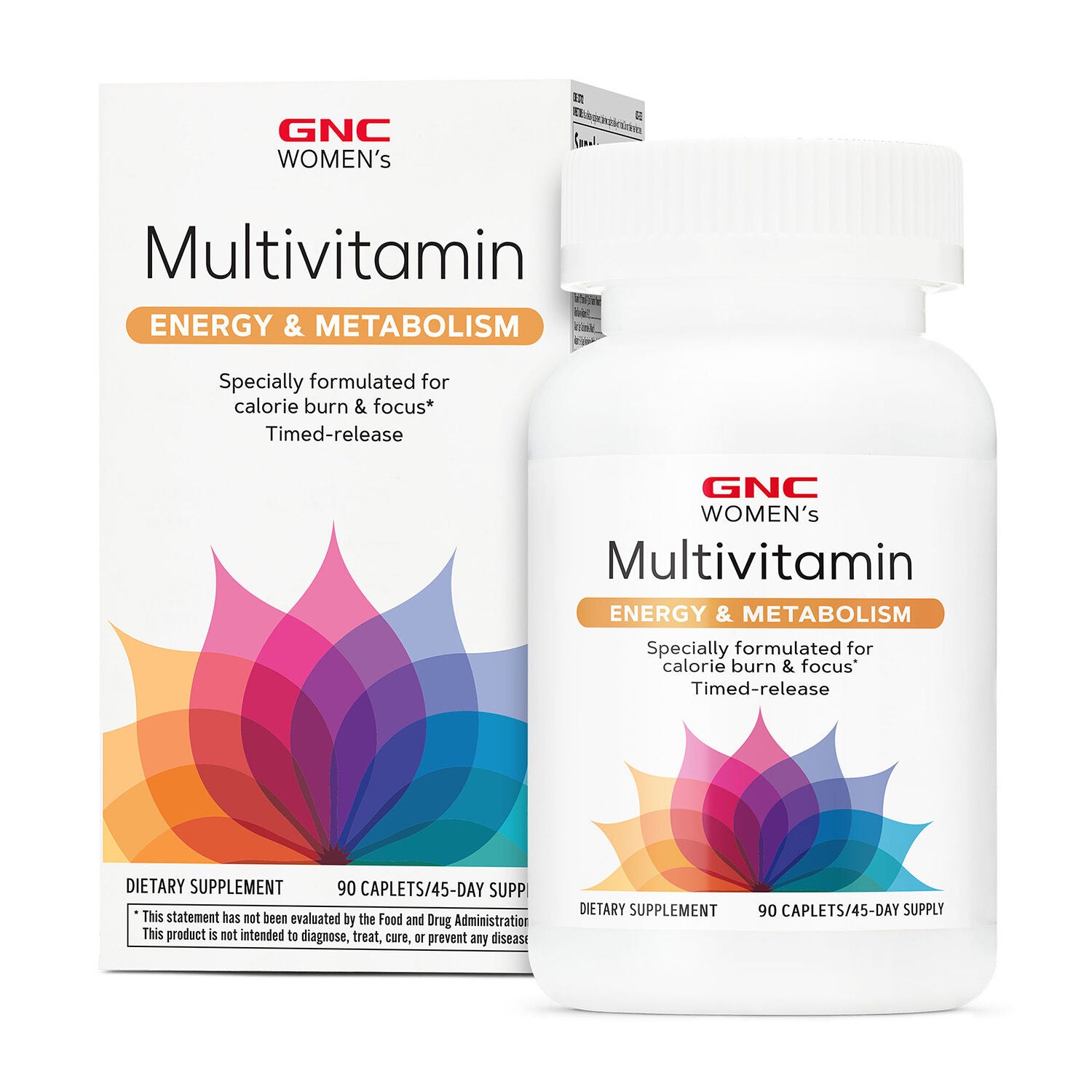
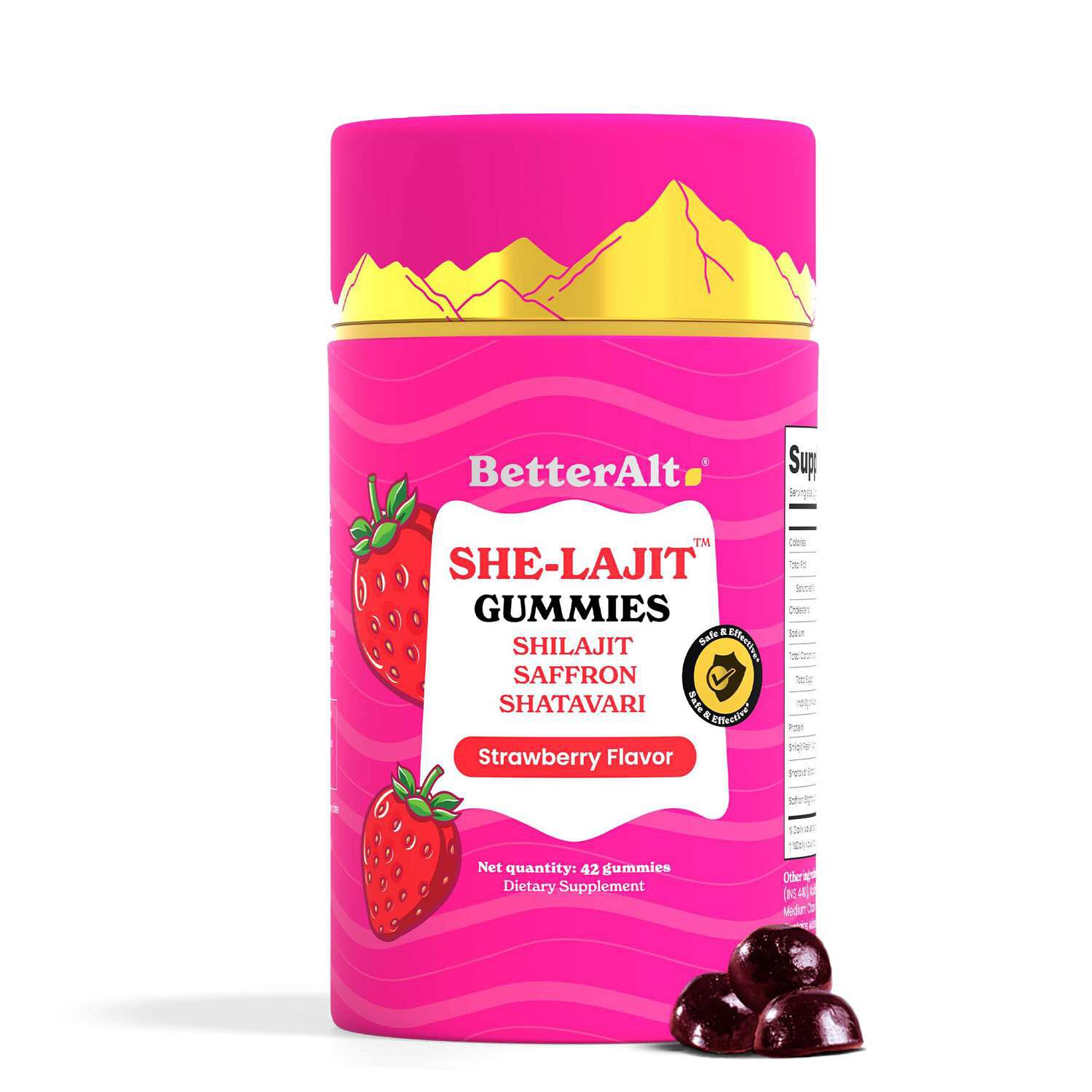
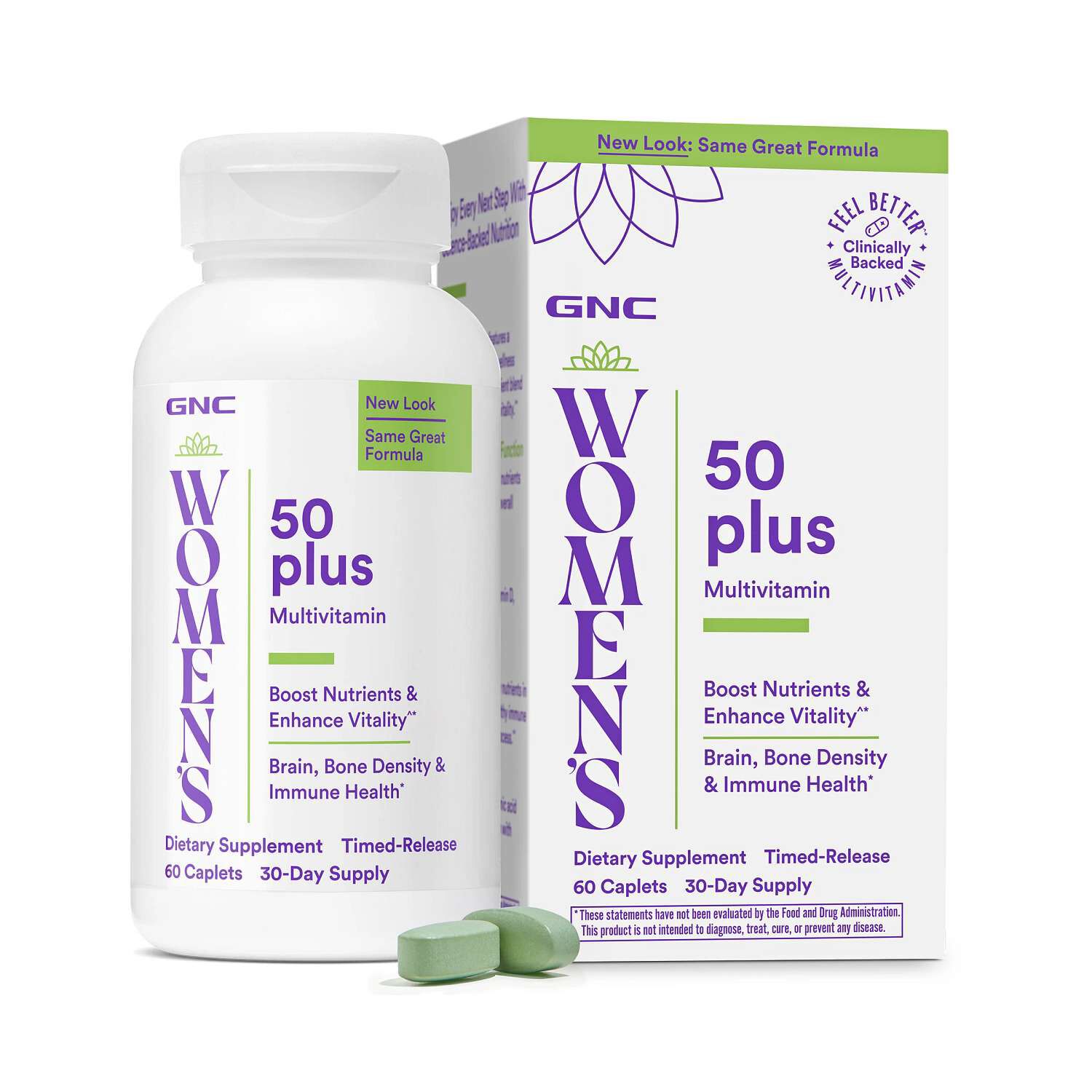
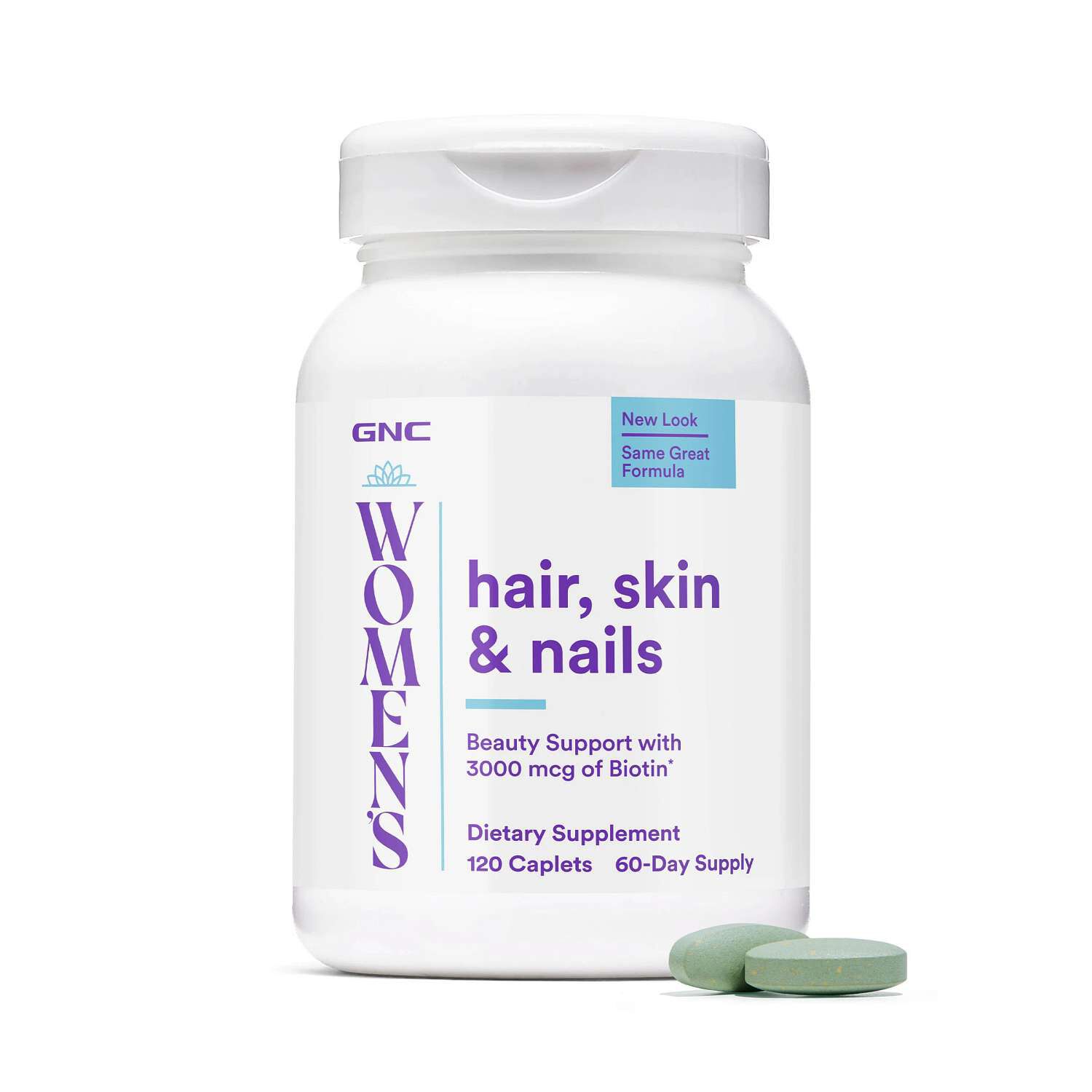
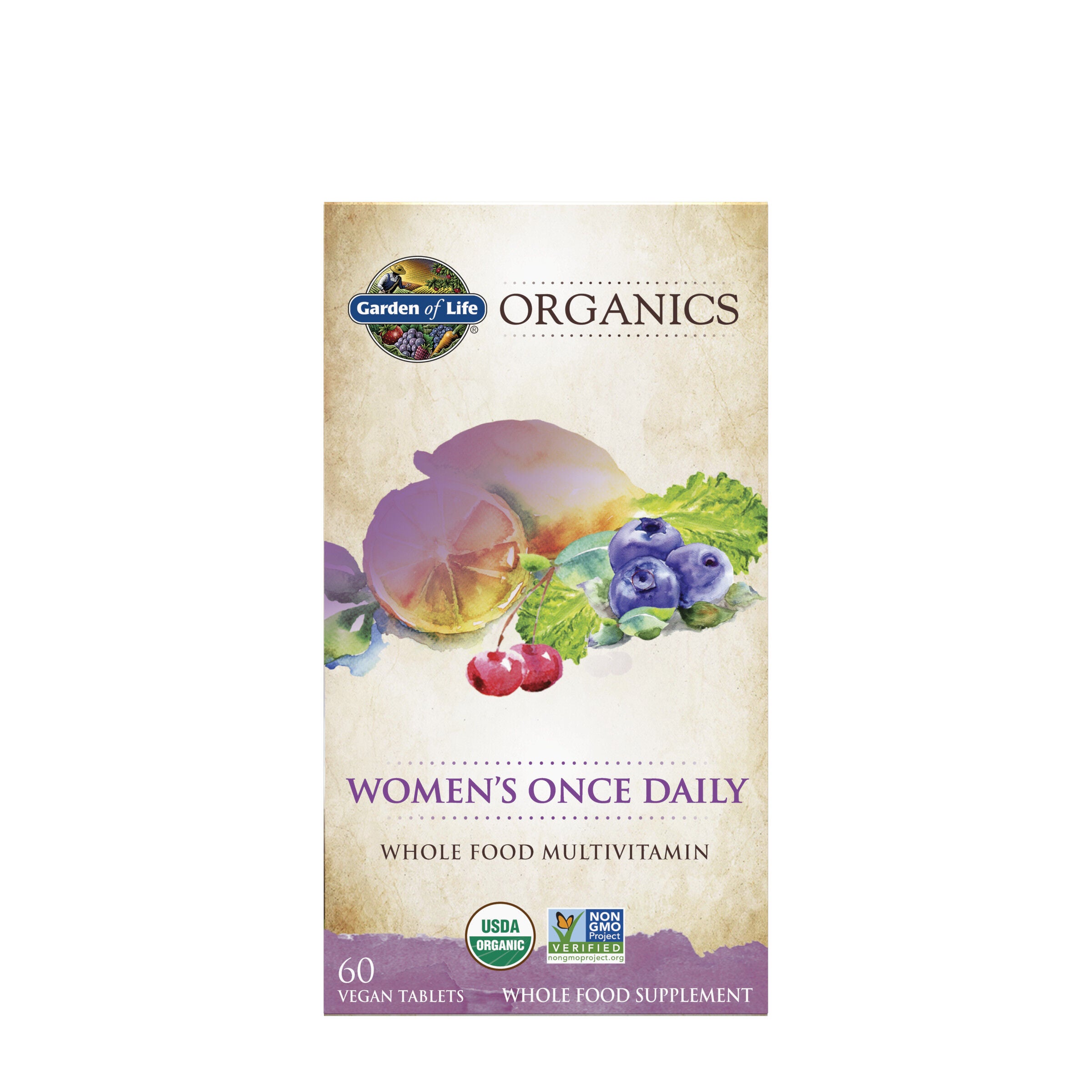
Self-care for women is the everyday practice of making room for personal needs and well-being through nourishment, movement, rest, and meaningful downtime. In a shopping context, that can include nutritional supplements, protein powders, hydration accessories, and other products selected around individual preferences and daily routines. These products may complement a personal approach to wellness, but self-care is broader than any purchase: regular meals, enjoyable activities, and time away from competing demands remain part of the picture. A useful way to understand women’s self-care products is by their intended use rather than by a single definition of what wellness should look like. A powder mixed into a familiar breakfast, a bottle packed alongside lunch, or a supplement stored near the morning coffee each belongs to a different kind of routine. For someone balancing a commute and a crowded calendar, a portable format may be more practical than something that requires preparation at home. Someone who enjoys a leisurely breakfast may prefer a powder that fits into a smoothie or yogurt bowl. Capsules, tablets, chewable formats, and drink mixes offer different experiences in terms of texture, taste, portion size, and preparation. Those distinctions matter just as much as the category name, especially for products intended for regular use. Flavor preferences deserve attention, too: an intensely sweet drink and a lightly flavored option can feel very different alongside the same meal. Protein sources, ingredient lists, serving information, and dietary preferences provide useful context for comparison without making assumptions about every woman’s goals. Self-care for women does not have to center on changing appearance or following someone else’s schedule. A collection of personal wellness products may have a place beside a favorite breakfast bowl, inside a gym bag, or on a neatly arranged shelf, with the surrounding habits reflecting the person using them. The most relevant choices are those whose format, ingredients, and intended use align with an existing routine rather than requiring an entirely different lifestyle.
Product details give women’s self-care categories much of their practical character. For nutritional products, the label brings together the serving size, ingredient amounts, directions, dietary information, and storage requirements. Container size and serving count describe different things, while a powder’s serving amount may differ from the scoop’s physical size. For a drink mix, flavor and mixing directions are relevant to preparation; for a capsule or tablet, dimensions and the number per serving may influence personal preference. Ingredient sources also distinguish products, including dairy-derived and plant-based proteins, different sweeteners, and added flavors. A front-label description offers a starting point, but the fuller ingredient and nutrition panels provide more detail about what is inside. Materials and construction become especially relevant for wellness accessories. Stainless steel, glass, and plastic each have distinct weights, textures, and care requirements, while lid shape, handle placement, and opening width affect how an accessory fits into daily use. A narrow bottle may fit a particular bag pocket; a wider opening may make room for a cleaning brush or larger ice cubes. Neither feature makes one design universally better. Capacity, empty weight, and the space an accessory occupies all matter when it travels between a kitchen counter, desk, and workout bag. Durability depends on more than appearance, with closures, seals, hinges, surface finishes, and replacement-part information offering useful points of comparison. Care instructions also vary: some components are suitable for a dishwasher, while others require hand washing or separate cleaning. Drying space and access to the interior are practical considerations for anything used with mixed drinks. For powders and supplements, the original packaging contains information about storage and handling that remains relevant after purchase. Together, these details shift attention from broad wellness language to the everyday experience of owning and using a product. A thoughtfully selected format may make a routine feel more manageable, particularly when its preparation and care requirements already fit the household.
Personal fit also includes the setting in which self-care happens. A woman who spends much of the day away from home may value compact packaging and accessories that fit comfortably into a work bag. Someone with a dedicated kitchen shelf may prefer keeping regularly used products together, with labels visible and measuring accessories nearby. Shared spaces bring different considerations, including clearly marked containers, storage room, and products that suit individual dietary preferences rather than a household-wide assumption. Exercise habits, meal preferences, and the amount of preparation someone enjoys can all shape the shopping experience without defining what self-care must mean. Broader categories such as Wellness Support for Women may offer another way to explore products around those personal priorities. The distinction between a familiar staple and something unfamiliar is particularly relevant when shopping for a gift. Nutritional products are personal choices, so a recipient’s established preferences matter more than an attractive package or a popular flavor. An accessory in a favorite color, with familiar dimensions and straightforward care requirements, may be a more comfortable choice than an unfamiliar supplement. Birthday gifts, graduation presents, and gestures of appreciation can acknowledge a woman’s interests without suggesting that her appearance or habits need changing. Someone who enjoys strength training, someone who walks with friends, and someone who treasures a quiet breakfast may each appreciate a different kind of wellness-related gift. Presentation can stay practical and personal, with attention to how the recipient actually spends her day. The same principle applies when shopping for oneself: a product’s role should be understandable, whether it belongs with breakfast, accompanies a workout, or travels along on a busy afternoon. Women’s self-care products may complement these ordinary moments without turning them into another performance standard. Their place in a routine is personal, shaped by taste, comfort, convenience, and the kind of care that feels appropriate to the individual.
- Q: What are some common self care practices for women?
A: Self care for women may include activities like maintaining a balanced diet, staying hydrated, practicing mindfulness or meditation, getting regular physical activity, and setting aside time for relaxation or hobbies. - Q: How can supplements fit into a self care routine for women?
A: Supplements may be incorporated into a self care routine to help support overall wellness goals, such as maintaining nutritional balance or supporting specific lifestyle needs. - Q: Are there specific vitamins or nutrients that women often consider in their self care routines?
A: Women may look for vitamins and nutrients such as vitamin D, calcium, iron, and B vitamins as part of their self care routines to help support general well-being. - Q: How often should self care activities be practiced?
A: Self care activities can be practiced daily or as often as needed based on individual preferences and schedules. Consistency may help contribute to a sense of well-being. - Q: Can self care routines change over time?
A: Yes, self care routines may evolve based on changing lifestyles, personal goals, or different stages of life. It's common to adjust routines to better suit current needs.
Best Sellers
Related Pages
Top Collections
- Zinc Supplements | Top Brands at Great Prices | GNC
- Cortisol Supplements
- Joint Mobility Supplement Packs
- NAD+ Supplement Tablets
- Best Brand of Magnesium Glycinate
- Top Rated Collagen | Shop Customer Favorites | GNC
- Iron Supplements
- Peptide Supplements
- Protein Powders For Muscle Growth Support
- Vitamins That Help Support Weight Gain