





Super Antioxidant Formulas
(0 Results)
Super antioxidant formulas could provide powerful support for those looking to maintain overall wellness and a healthy lifestyle. Packed with a blend of nutrients that may help the body combat oxidative stress, these advanced formulas are designed for individuals seeking an extra boost. Explore a variety of super antioxidant formulas that might fit seamlessly into your daily routine and help you feel your best every day.
-

-
-
-

-
-
-

-
-

-

-
-
-
-

-
-

-

-

-

-
 $19.99
-
 Purity Products$39.99
-
 $99.99
-

Super antioxidant formulas are dietary supplements that combine antioxidant vitamins, minerals, plant-derived compounds, or a combination of these ingredients in one blend. Depending on their composition, these formulas may support the body’s antioxidant defenses and complement a varied eating pattern. Antioxidants are commonly discussed in connection with oxidative stress, which describes an imbalance between reactive molecules and antioxidant defenses. That background gives the category its focus, but individual formulas can differ considerably in their ingredients, serving sizes, and intended use. Some center on familiar nutrients such as vitamins C and E, while others include selenium, carotenoids, or botanical extracts. Plant-based ingredients may come from sources such as grape seeds, green tea leaves, berries, or other fruits and vegetables. These sources are not interchangeable: an extract, a dried plant powder, and an isolated compound can represent different approaches to formulation. An extract may identify a particular plant compound on its label, while a fruit or vegetable powder may be described primarily by its source and weight. Even two blends with similar ingredient names can have different amounts per serving. The word “super” does not establish a uniform recipe, so the ingredient panel is more informative than the category name alone. For adults interested in antioxidant supplements, that variety creates room to choose according to ingredient preferences and the practical details of an existing nutrition routine. Someone who already takes a multivitamin may approach a blended formula differently from someone comparing a few selected antioxidant nutrients. Food remains part of that context: colorful produce, nuts, seeds, and other everyday foods contribute a range of nutrients and plant compounds. An antioxidant supplement may complement that variety, but it does not stand in for the different foods, textures, and nutrients found across regular meals. The most useful distinction within this category is often not the longest ingredient list, but how clearly a formula describes what it contains and how it is intended to be used.
Format is another meaningful difference among super antioxidant formulas, especially when a supplement needs to fit into an established daily routine. Capsules, tablets, softgels, chewable forms, and powders each have their own handling and serving considerations. A bottle containing many small capsules may require several capsules for one labeled serving, while a larger tablet may have a different serving count. Softgels often use a liquid or oil-based fill, and their outer shells may contain gelatin or other materials identified on the packaging. Capsule shells can also vary, making the full ingredient list relevant for shoppers with vegetarian preferences or particular ingredient requirements. Powders bring a different experience: they involve measuring and mixing, and their taste, texture, and suggested preparation can matter as much as the front-label description. A powder intended for a beverage may have a noticeable botanical flavor, while a chewable formula may contain sweeteners, colors, or flavoring ingredients. Those details belong in the comparison alongside the featured antioxidant ingredients. Serving directions also establish whether a formula is intended to be taken with food, mixed into a certain amount of liquid, or used in another specified way. For someone who keeps supplements beside a breakfast bowl, a compact bottle and a straightforward serving routine may be practical priorities. Someone who carries a lunch bag to work may place more importance on a secure closure and packaging that is easy to keep upright. These are everyday usability considerations rather than measures of nutritional quality. Package size, closure design, and clearly printed directions can influence how comfortably a format fits into a household routine. A supplement with an appealing ingredient profile may still be an awkward choice if its serving format does not suit the person using it. Matching the delivery form to personal preferences gives the ingredient comparison a practical foundation without assuming that one format is better for everyone.
The Supplement Facts panel offers the clearest basis for comparing antioxidant blends within the same category. Ingredient amounts are generally listed per serving, which is not always the same as per capsule, tablet, or softgel. Percent Daily Values can provide context for listed vitamins and minerals, while many plant extracts and other compounds do not have an established Daily Value. A botanical blend may also list a combined weight rather than a separate amount for every component, making the presentation of the formula an important distinction. Ingredient names, amounts, plant parts, and extract descriptions provide more specific information than broad front-label language. The other ingredients list adds another layer, identifying materials used for the capsule shell, tablet structure, flavor, or consistency. Allergen statements and dietary designations, when present, offer additional details for shoppers comparing options according to their preferences. Looking across an existing supplement routine also makes repeated ingredients easier to recognize; a nutrient featured in an antioxidant blend may already appear in a daily multivitamin or another supplement. More ingredients do not automatically make one formula a better match. Clear labeling and an appropriate serving format remain useful points of comparison whether a blend contains a handful of components or a longer list. For another related collection, browse Universal Antioxidants with those same distinctions in mind. Once a formula becomes part of a routine, its storage directions deserve the same attention as its serving information. Original packaging keeps the ingredient panel, lot information, and date markings together, while a securely closed container may help limit exposure to moisture. A dry cabinet away from a steamy bathroom or cooking area is a practical location when it matches the package instructions. The aim is a thoughtful match between the formula’s composition, its intended use, and the daily habits of the adult who will use it—not simply a familiar nutrient name or an impressive-looking list.
Best Sellers
-
 Rho Nutrition
-
Rho Nutrition
-
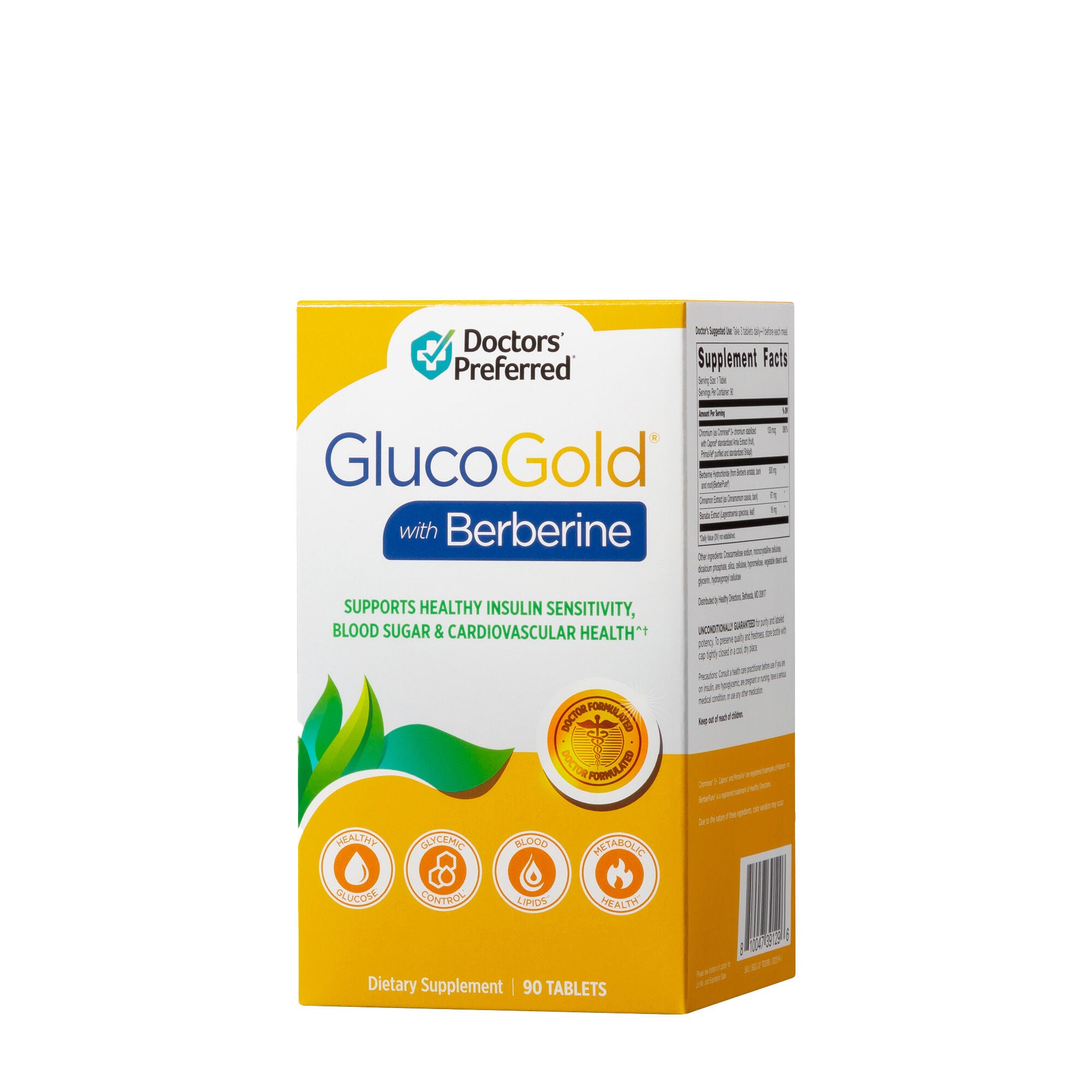 Doctors' Preferred
Related Pages
Top Collections
- Zinc Supplements | Top Brands at Great Prices | GNC
- Cortisol Supplements
- NAD+ Supplement Tablets
- Top Rated Collagen | Shop Customer Favorites | GNC
- Best Brand of Magnesium Glycinate
- Peptide Supplements
- Iron Supplements
- Protein Powders For Muscle Growth Support
- Vitamins That Help Support Weight Gain
- Peptide Supplements for Muscle Growth