Supplements For Adult Learners
(0 Results)
Supplements for adult learners may offer support as you pursue new knowledge or skills, whether returning to school, advancing your career, or exploring a personal passion. Balancing daily responsibilities with learning goals can be challenging, and finding the right nutritional support might help you stay focused and energized. Explore a variety of options designed with adult learners in mind, so you can choose supplements that fit your unique needs and lifestyle.
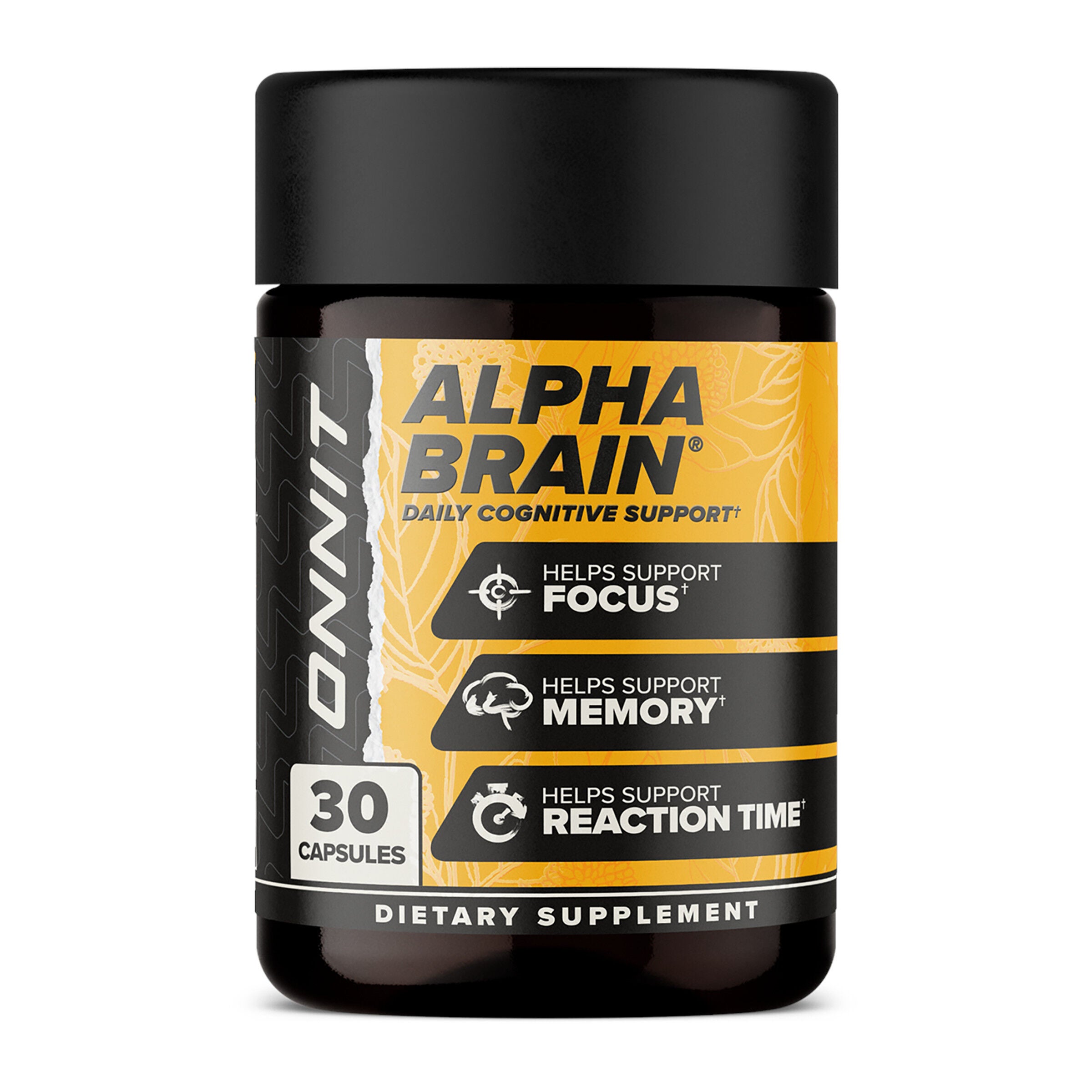
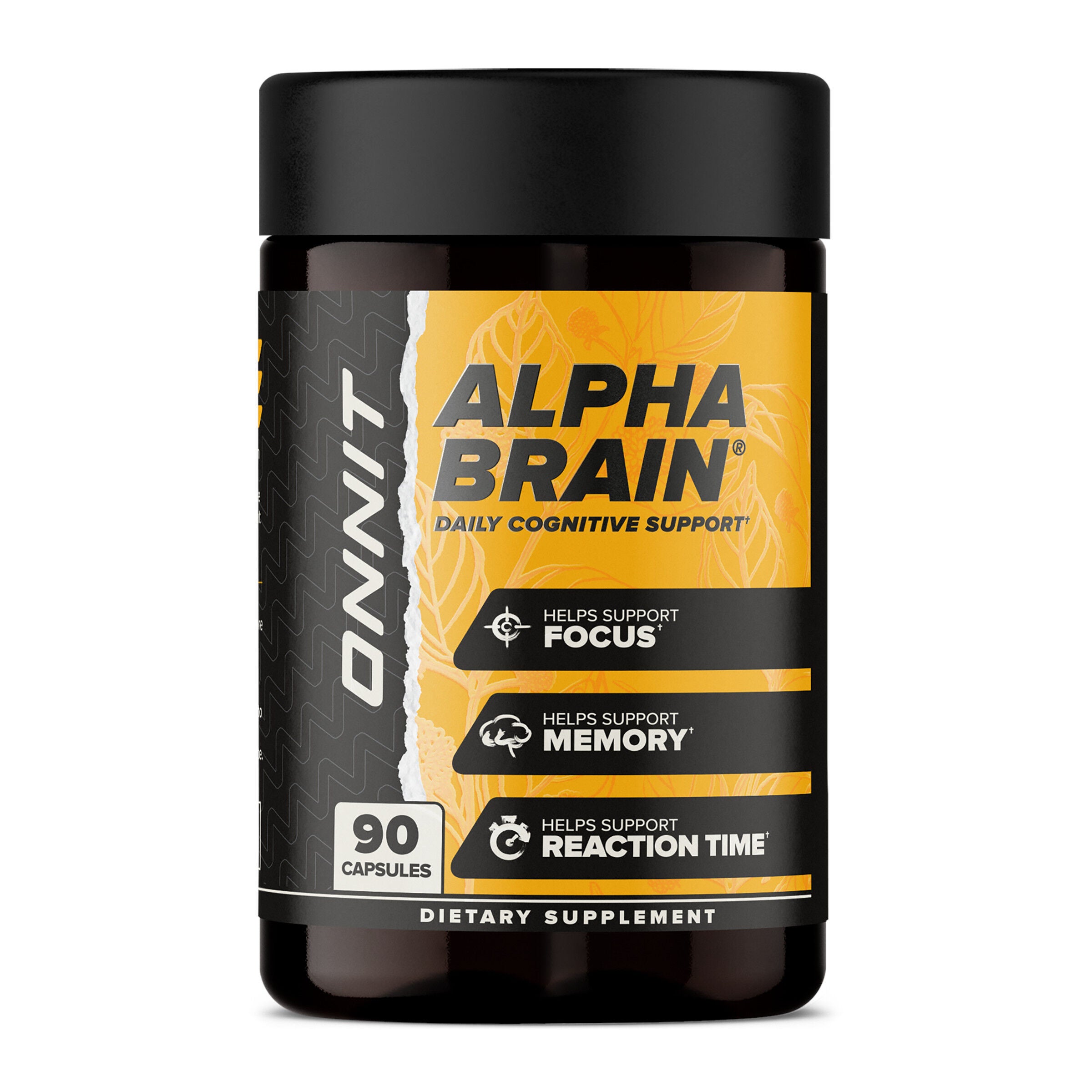


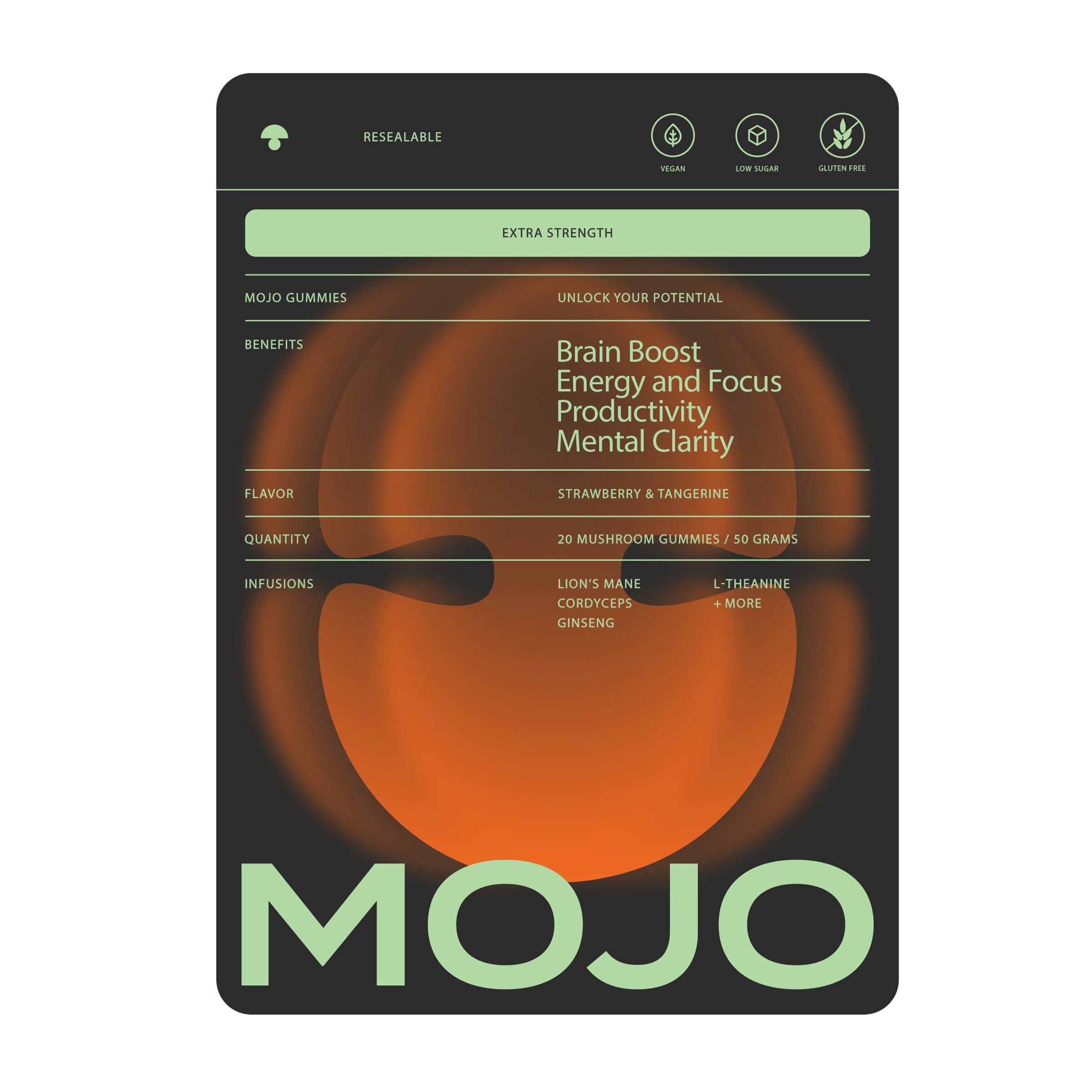

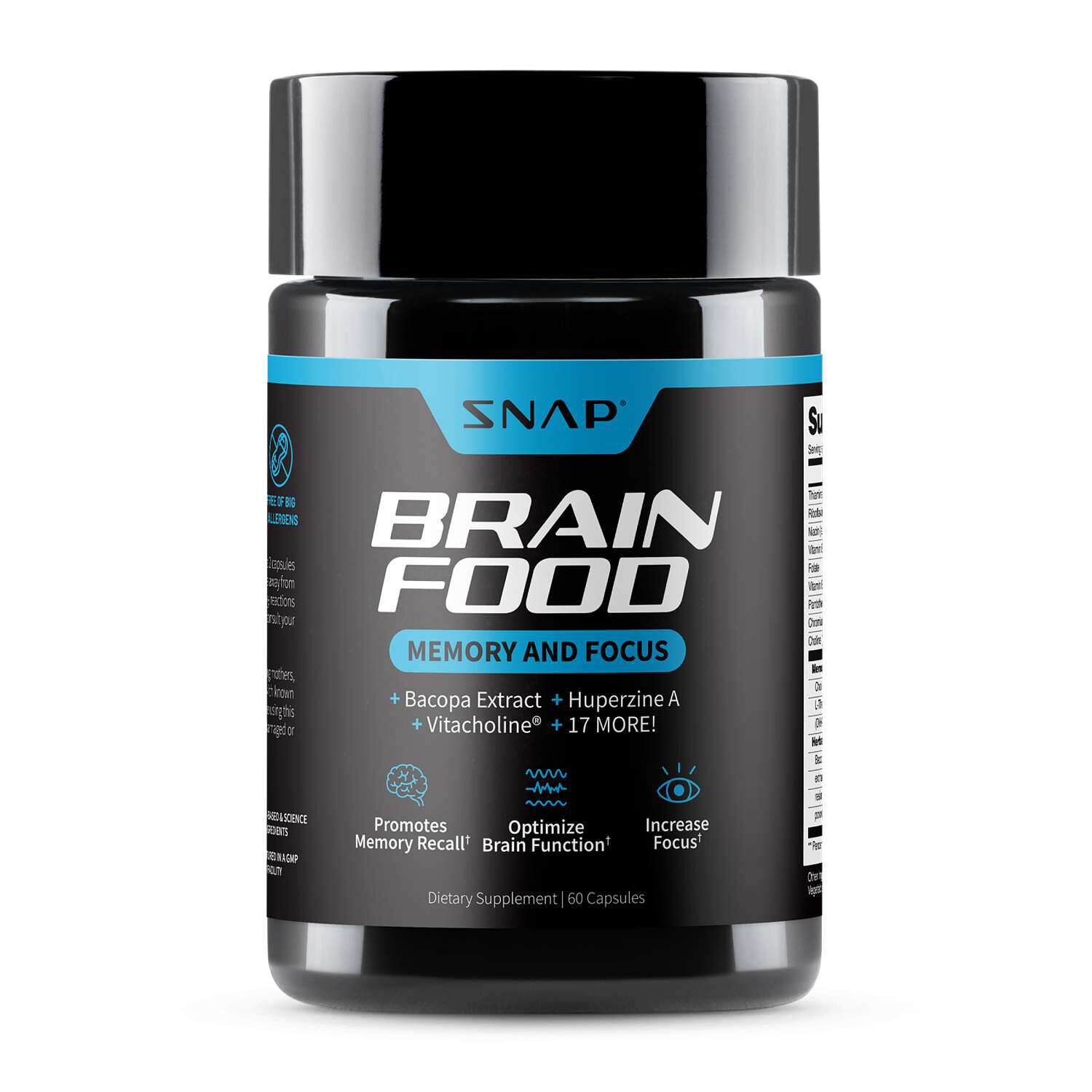


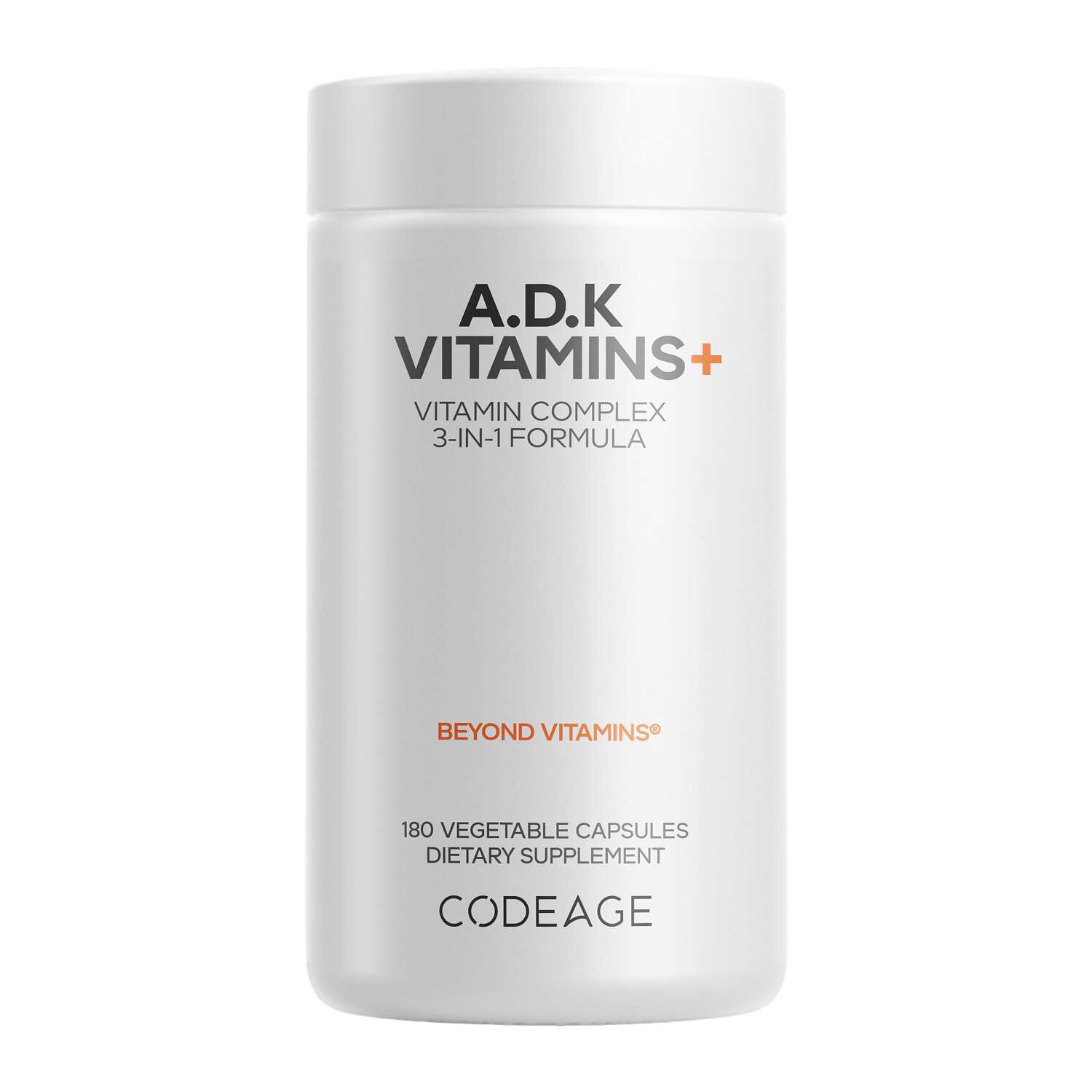


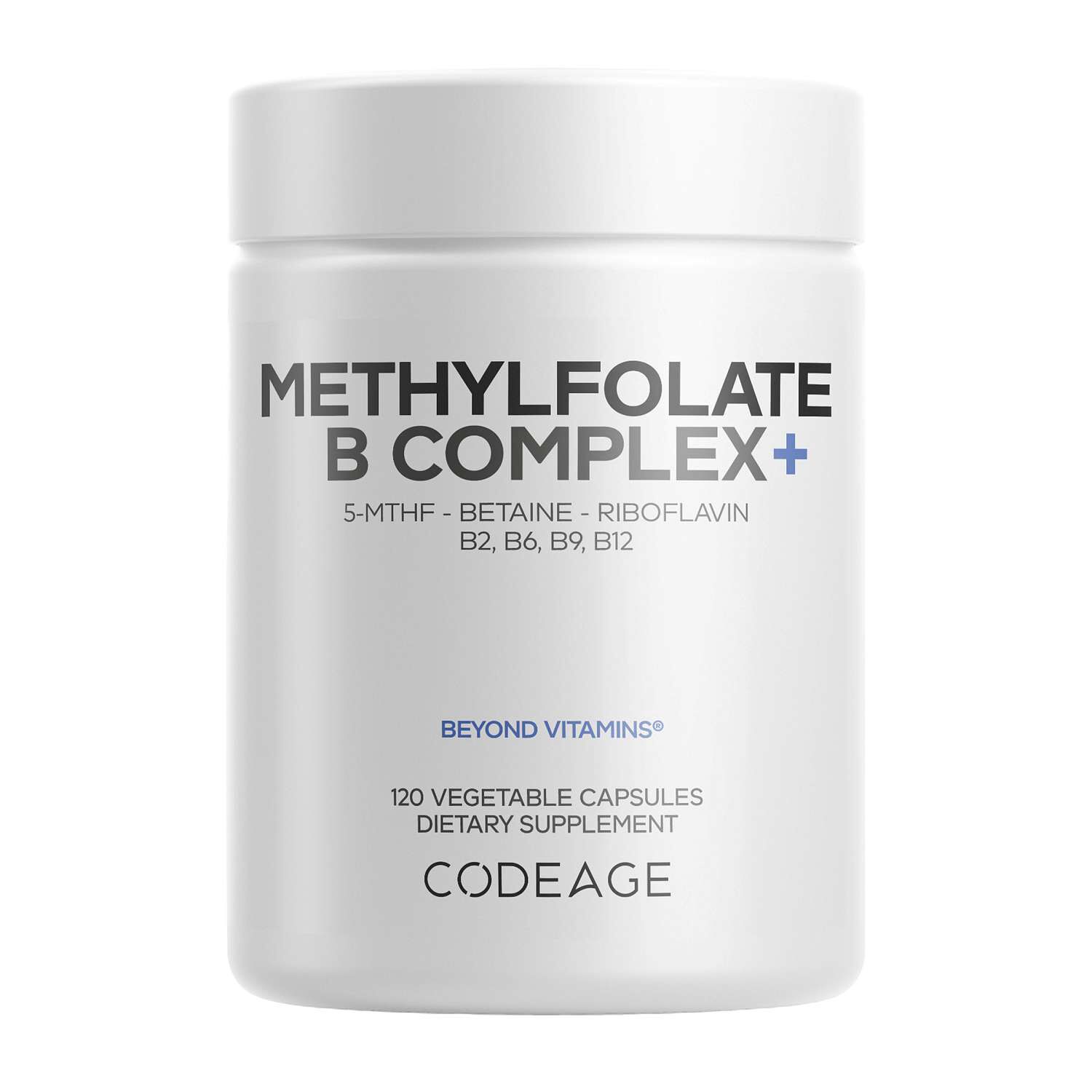

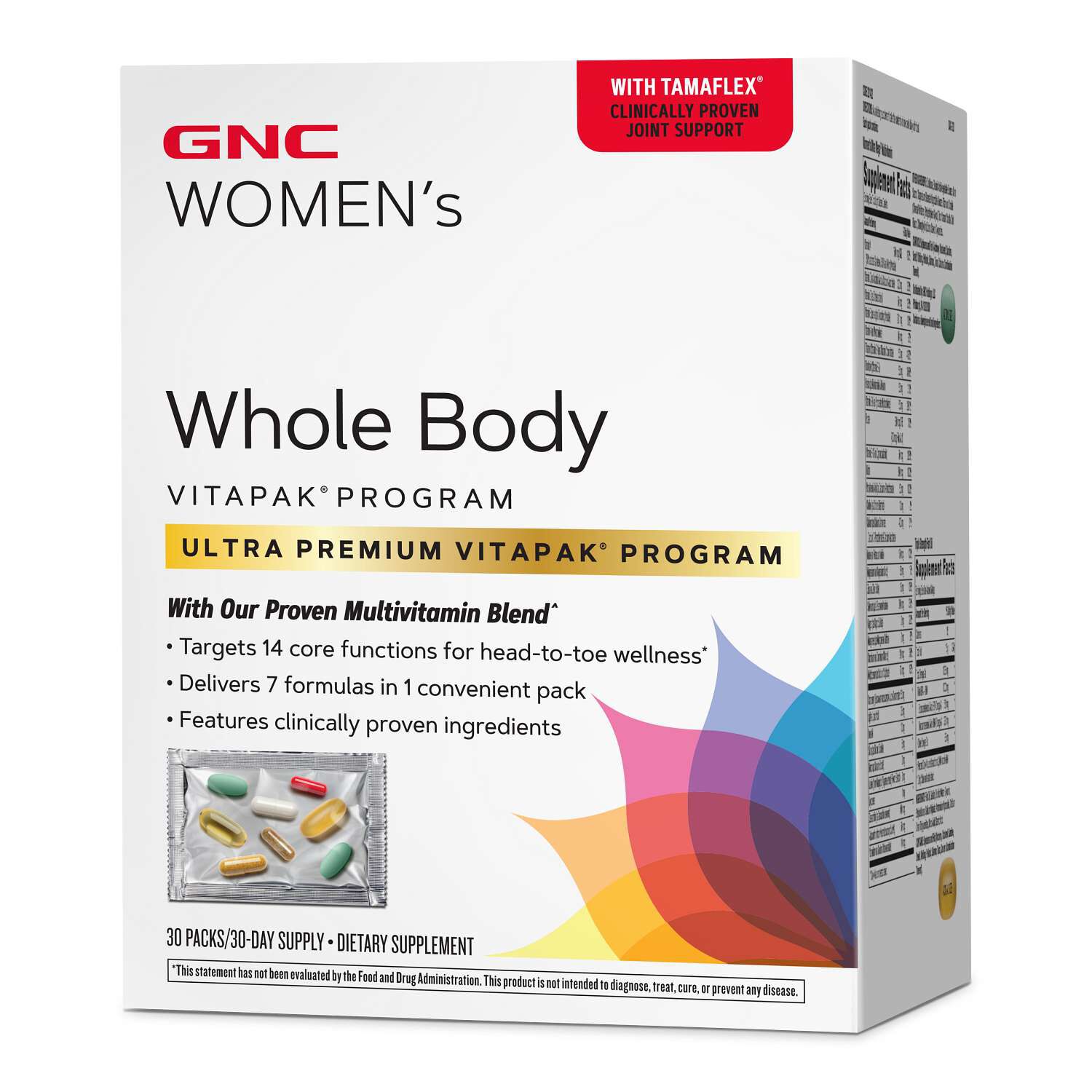





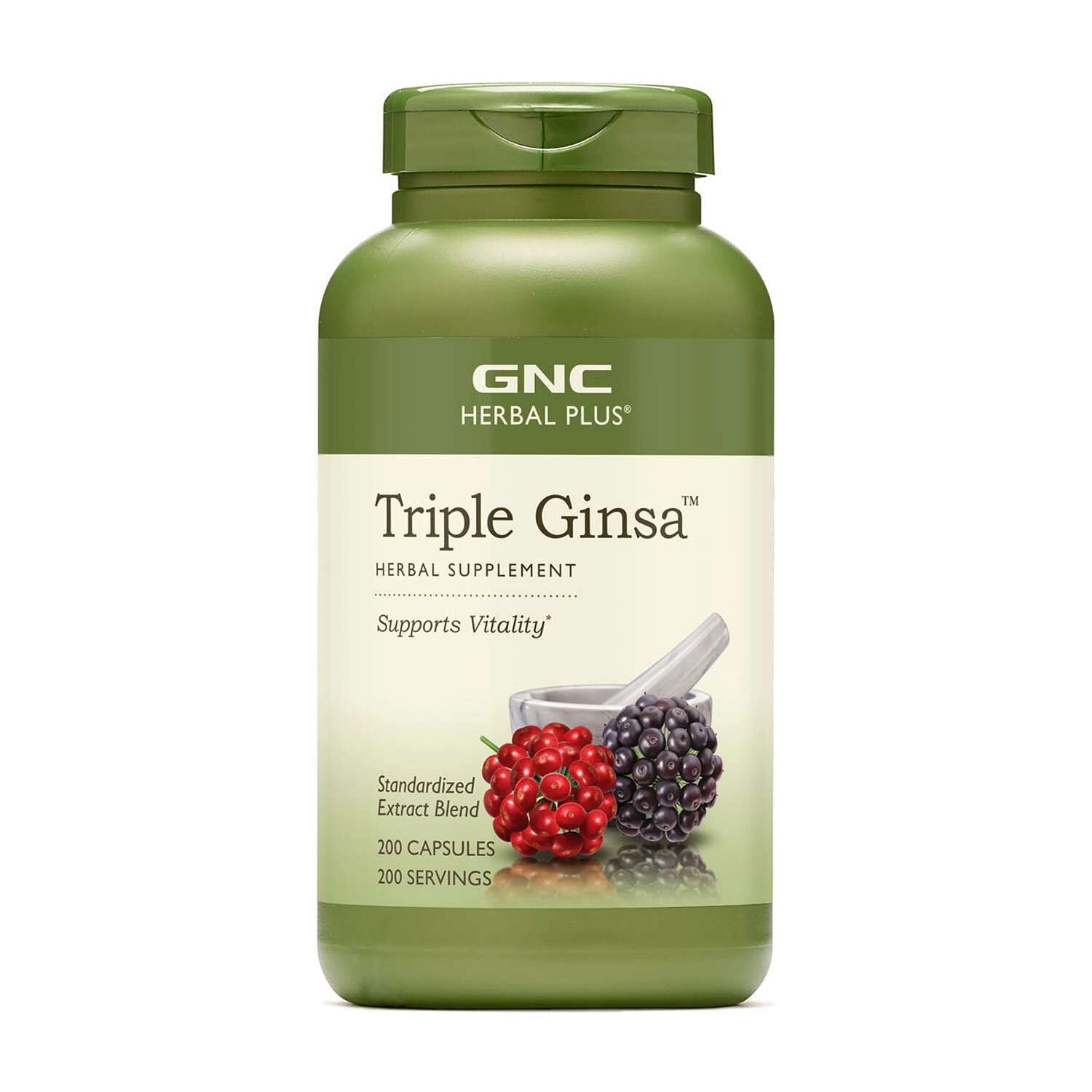
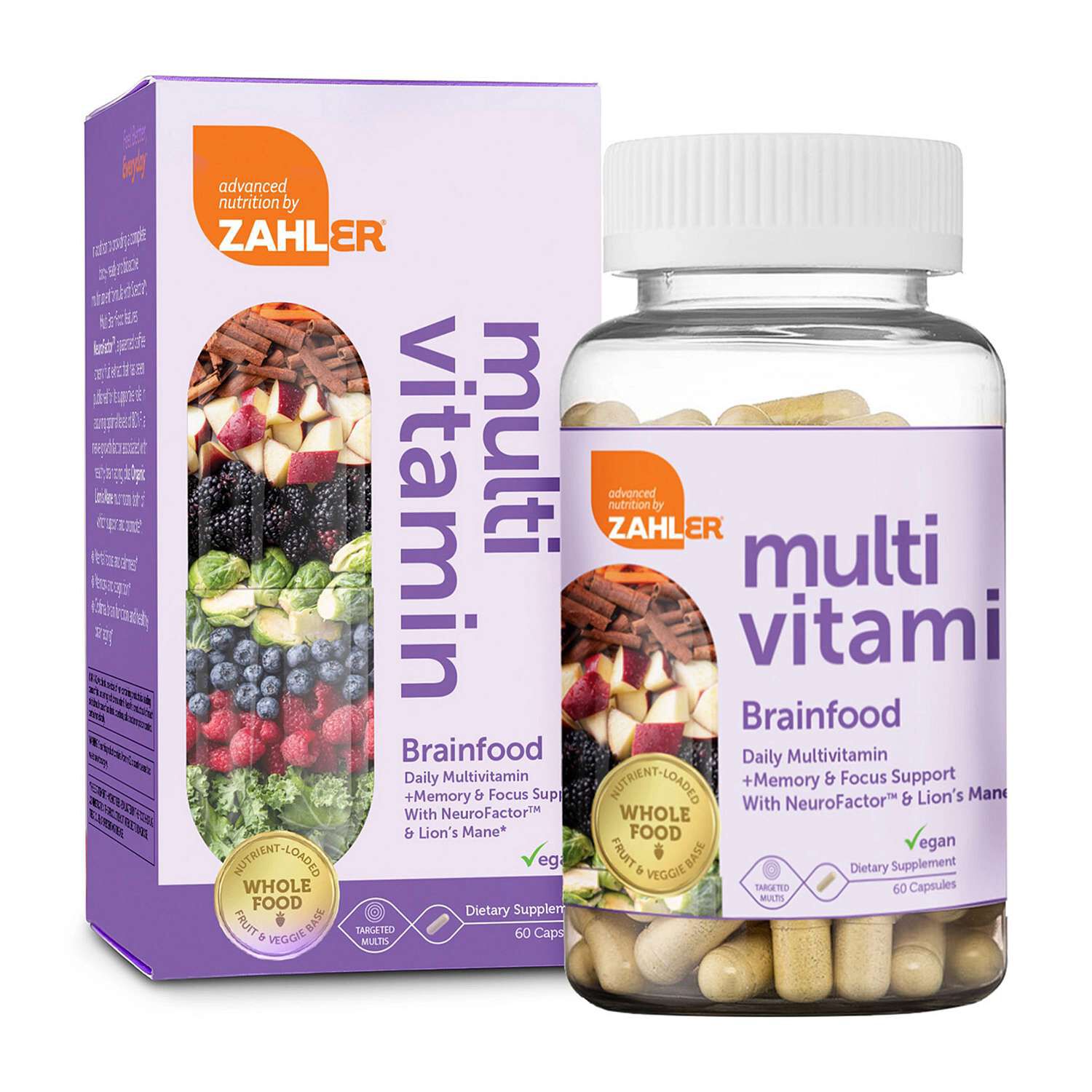
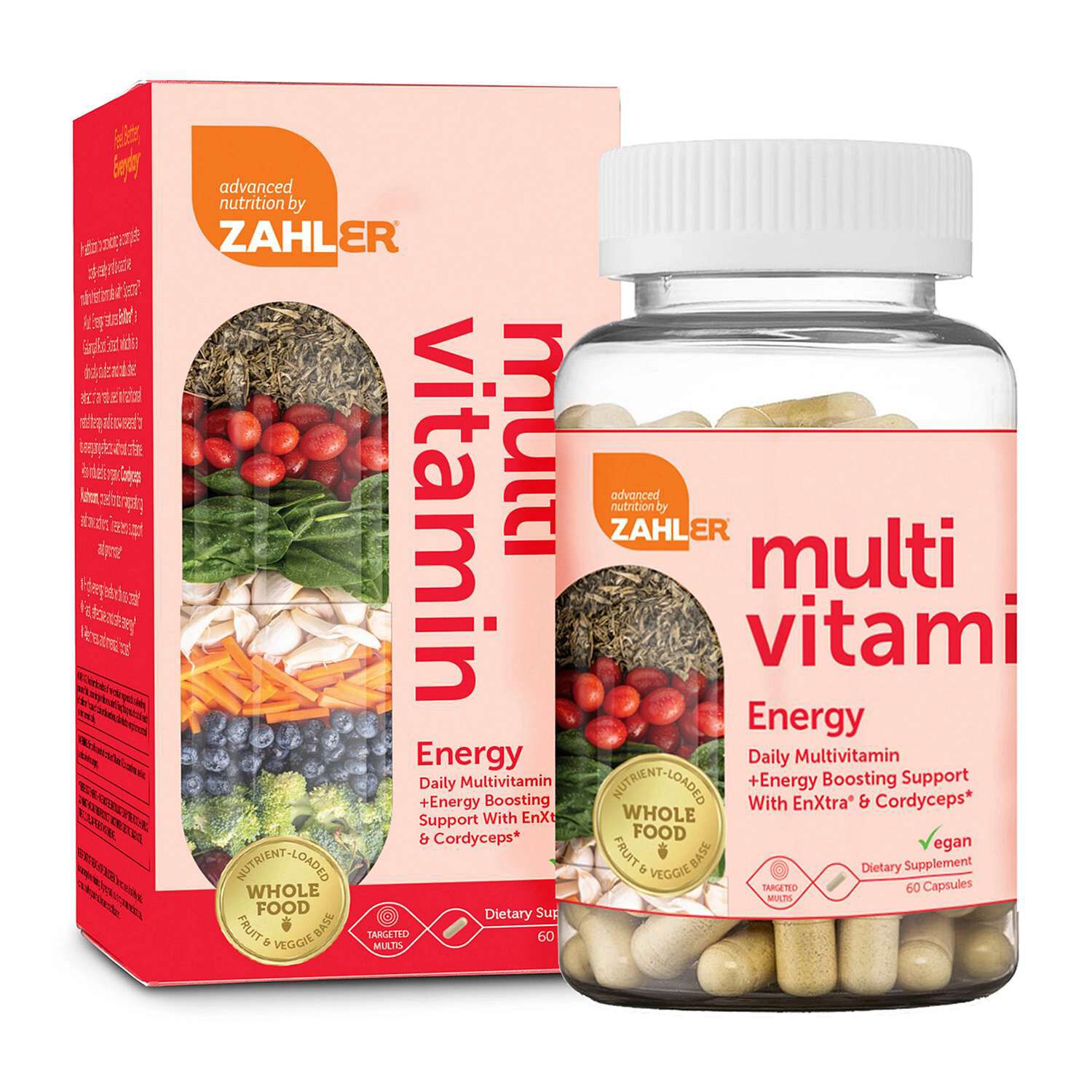

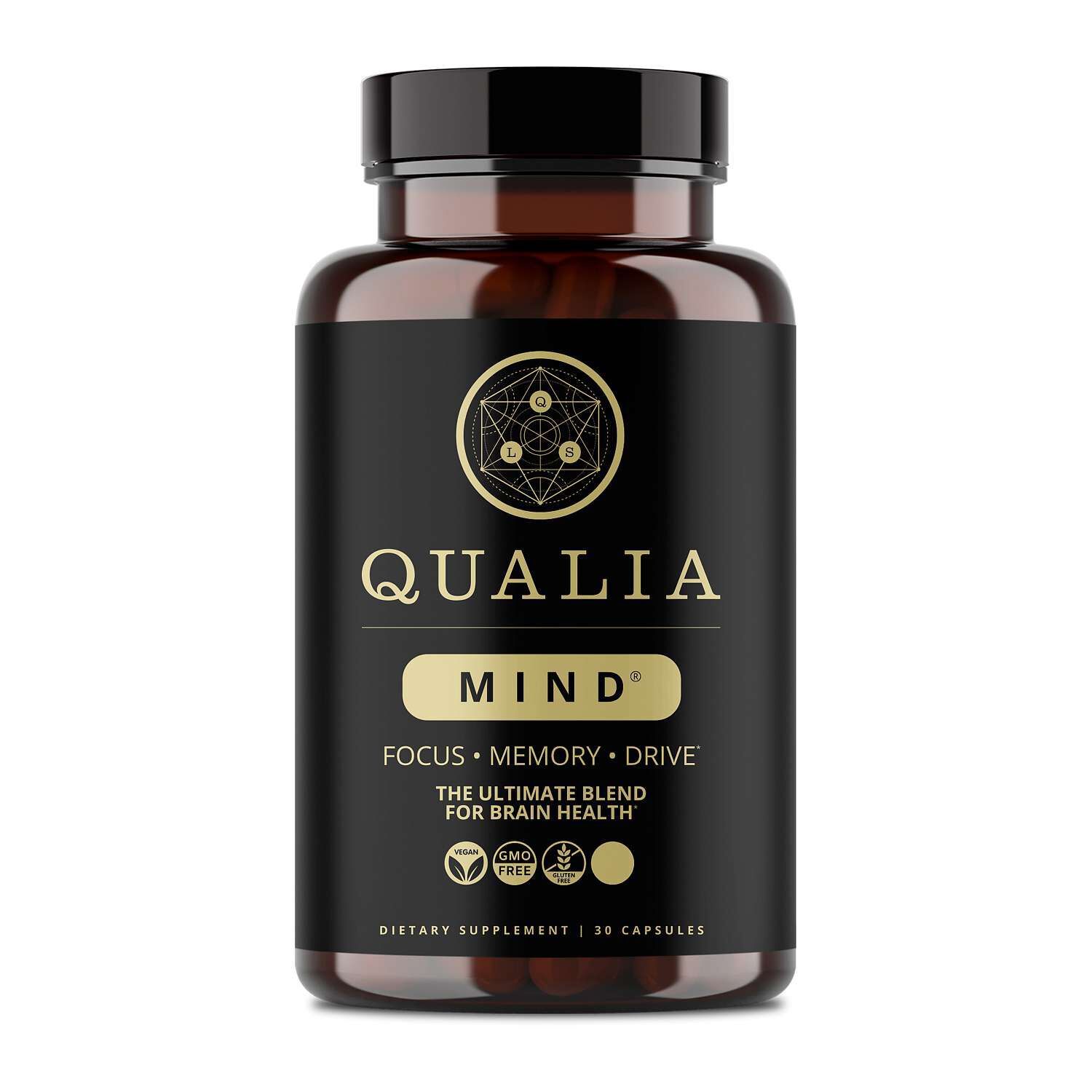
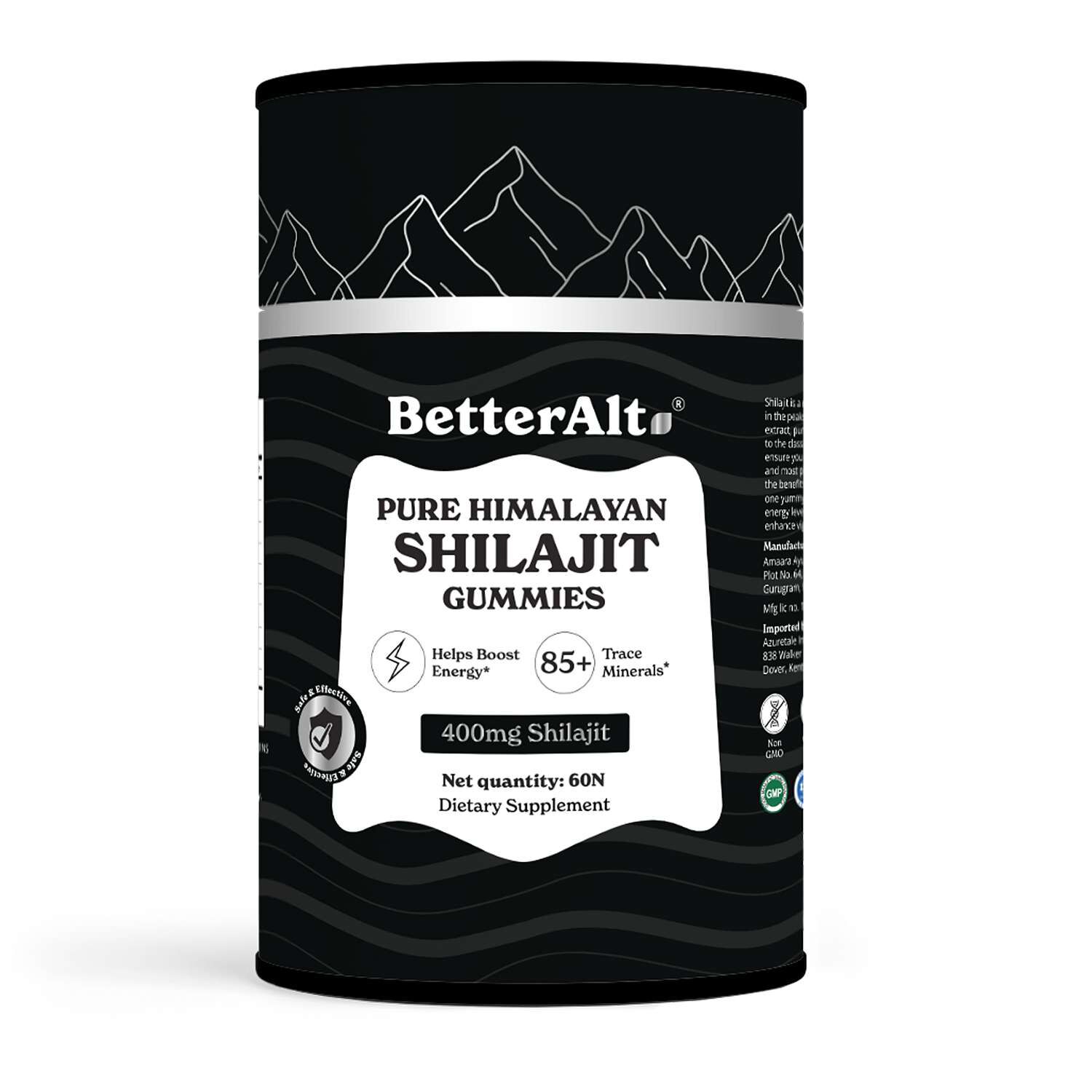
Supplements for adult learners sit at the intersection of everyday nutrition and a schedule that rarely revolves around school alone. A returning college student might move from an early shift to an afternoon lecture, while someone preparing for a professional certification might reserve the kitchen table for coursework after the household settles down. Others attend evening classes, practice a new language on a commute, or work through online lessons between family responsibilities. Across these situations, the most relevant supplement choices are often those that may fit comfortably into an established routine rather than adding another complicated task. Common categories include multivitamins, B-complex formulas, omega-3 supplements, magnesium, vitamin D, choline, and blends containing L-theanine. These categories differ in their ingredients, sources, serving sizes, and formats; they are not interchangeable simply because they appear alongside a study-related theme. B-complex formulas contain a selection of B vitamins, which may include B6 and B12, while multivitamins combine several vitamins and minerals in varying amounts. Omega-3 supplements can come from fish or algae, and their labels identify the types and amounts of fatty acids included. Magnesium appears in several forms, such as citrate and glycinate, so the form name is part of the comparison rather than a minor packaging detail. Choline is a nutrient found in foods including eggs and meat, and L-theanine is an amino acid found in tea. Vitamin D formulas also vary by source and format. For adult learners browsing these categories, ingredient transparency offers a more useful point of comparison than imagery of books, graduation caps, or busy desks. A study-themed label describes a shopping context, not an academic outcome. Regular meals, time set aside for coursework, and a manageable schedule remain separate considerations from supplement selection. The connection between supplements and adult learning is therefore practical: choosing a format and ingredient profile that may suit personal preferences while keeping expectations grounded in what the label actually describes.
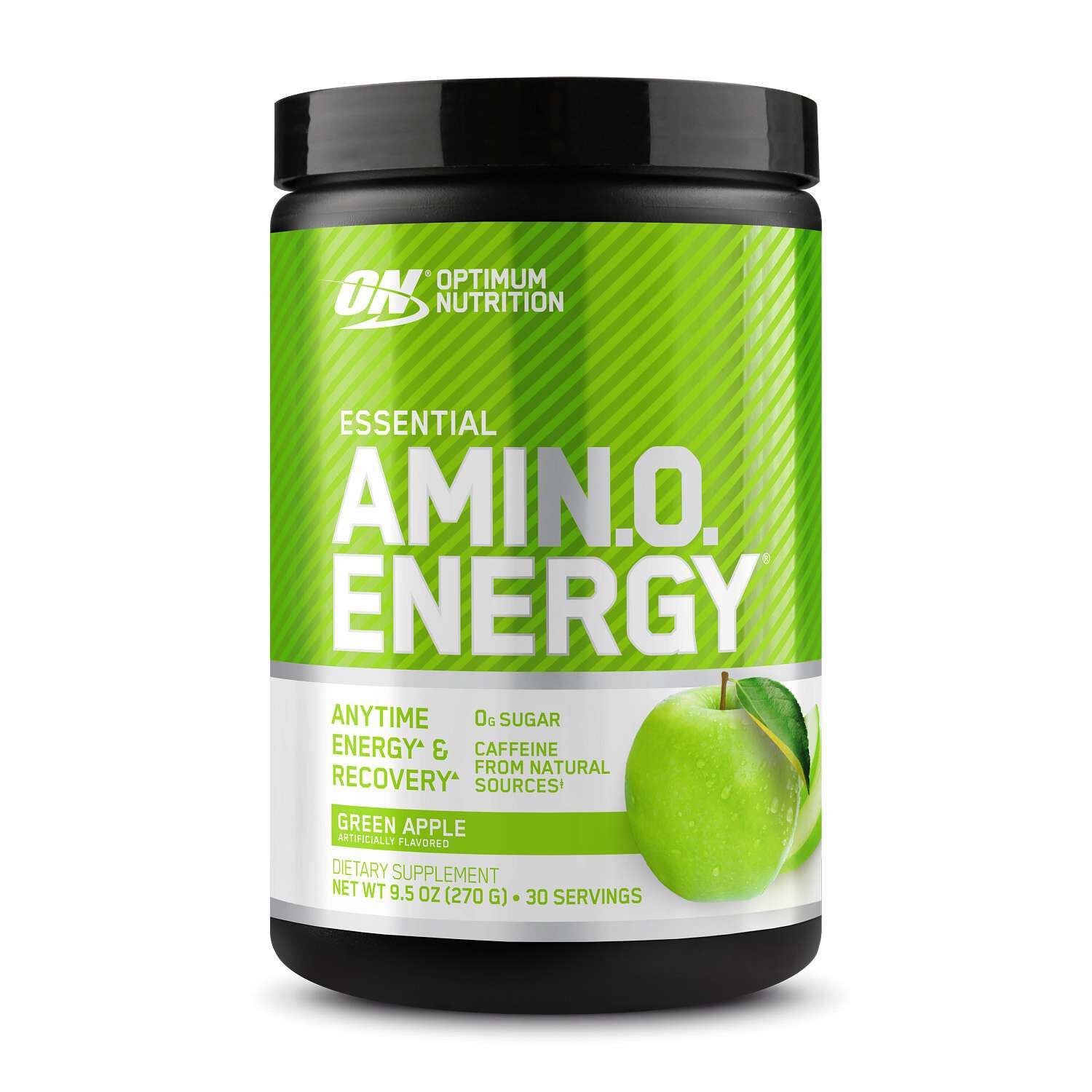
Format matters when the same person studies in several different places over the course of a day. Capsules and tablets are compact, but their dimensions, coating, and number per serving can differ considerably. Softgels typically contain liquid ingredients inside a shell, and that shell may use gelatin or other materials. Gummies and chewables offer another texture, with sweeteners, flavors, and serving counts that deserve the same attention as the featured nutrients. Powders involve measuring and mixing, making a scoop, a suitable cup, and a place to prepare the serving part of the routine. Liquids have their own measuring requirements, and some containers include storage directions that differ before and after opening. A student who eats breakfast at home has a different setup from someone who carries lunch to work and heads straight to class afterward. These everyday details may make one format more practical than another, even when the front labels feature similar ingredients. Dietary preferences also shape the comparison. Fish-derived ingredients, algae-derived ingredients, animal-based capsule materials, and plant-based capsule materials represent distinct formulation choices. Flavorings, colorings, added sugars, and listed allergens are additional details found on supplement labels. With multi-ingredient blends, the amount of each listed ingredient and the stated serving size provide context that a short product description cannot always capture. Some study-oriented formulas also contain caffeine, making its listed amount another relevant distinction between categories. Container design matters for repeated use: a lid that closes securely, a clearly printed label, and packaging suited to the contents all contribute to a straightforward daily experience. Care information belongs in that comparison as well. Original packaging keeps ingredient details, directions, and date markings together, while label-specific storage instructions identify any requirements concerning moisture, light, or refrigeration. A bottle on a crowded desk, a powder container in a shared kitchen, and a liquid stored at home each have different handling demands. These are ordinary purchasing considerations, but they can matter more than an elaborate description when a learner is fitting coursework around an already full day.
The intended use of a supplement is another way to make sense of a broad assortment without treating every study-related formula as the same thing. A multivitamin centers on a combination of nutrients, while a single-nutrient supplement narrows the ingredient list to a particular vitamin or mineral. An omega-3 formula has a different composition from a B-complex formula, and a blend marketed around study time may bring several ingredient categories together. Those distinctions matter whether the shopper is returning to a degree program after several years, preparing for a licensing exam, taking a community college course, or learning a new workplace skill. The setting changes, but the practical questions stay concrete: the listed ingredients, the serving format, the preparation involved, and the storage requirements. Someone who studies at a library may prefer a routine organized at home, while someone attending remote lectures may have room for a mixing cup beside a notebook. Neither setting calls for an assumption that more ingredients mean a better match. Multiple formulas can contain overlapping nutrients, which makes the individual labels more informative than the category names alone. Shoppers exploring a related assortment can also browse Supplements For Studying for another view of products grouped around coursework and study routines. The most useful connection between these collections is the learning context, not an expectation of a particular result. A supplement label cannot establish how someone will perform on an exam, retain a chapter, or manage a demanding class schedule. For that reason, supplements for adult learners are best understood through their actual composition and intended use rather than academic imagery or ambitious language. Practical compatibility can be as simple as a familiar format, readable directions, and packaging that fits the space where the routine happens. Whether learning takes place at a dining table, in a campus classroom, or between appointments, those tangible details may make the selection feel more manageable while leaving the work of learning where it belongs: with the learner’s preparation, practice, and time.