





Supplements For Adults With Nutritional Gaps
(0 Results)
Supplements for adults with nutritional gaps could offer convenient support for those looking to enhance their daily wellness routine. Whether busy lifestyles or specific dietary choices leave certain nutrients lacking, a variety of options may help bridge the gap. Explore supplements for adults with nutritional gaps that are designed to complement balanced eating habits and support overall health goals. Discover formulas tailored to meet unique needs and find solutions that fit seamlessly into your day-to-day regimen.
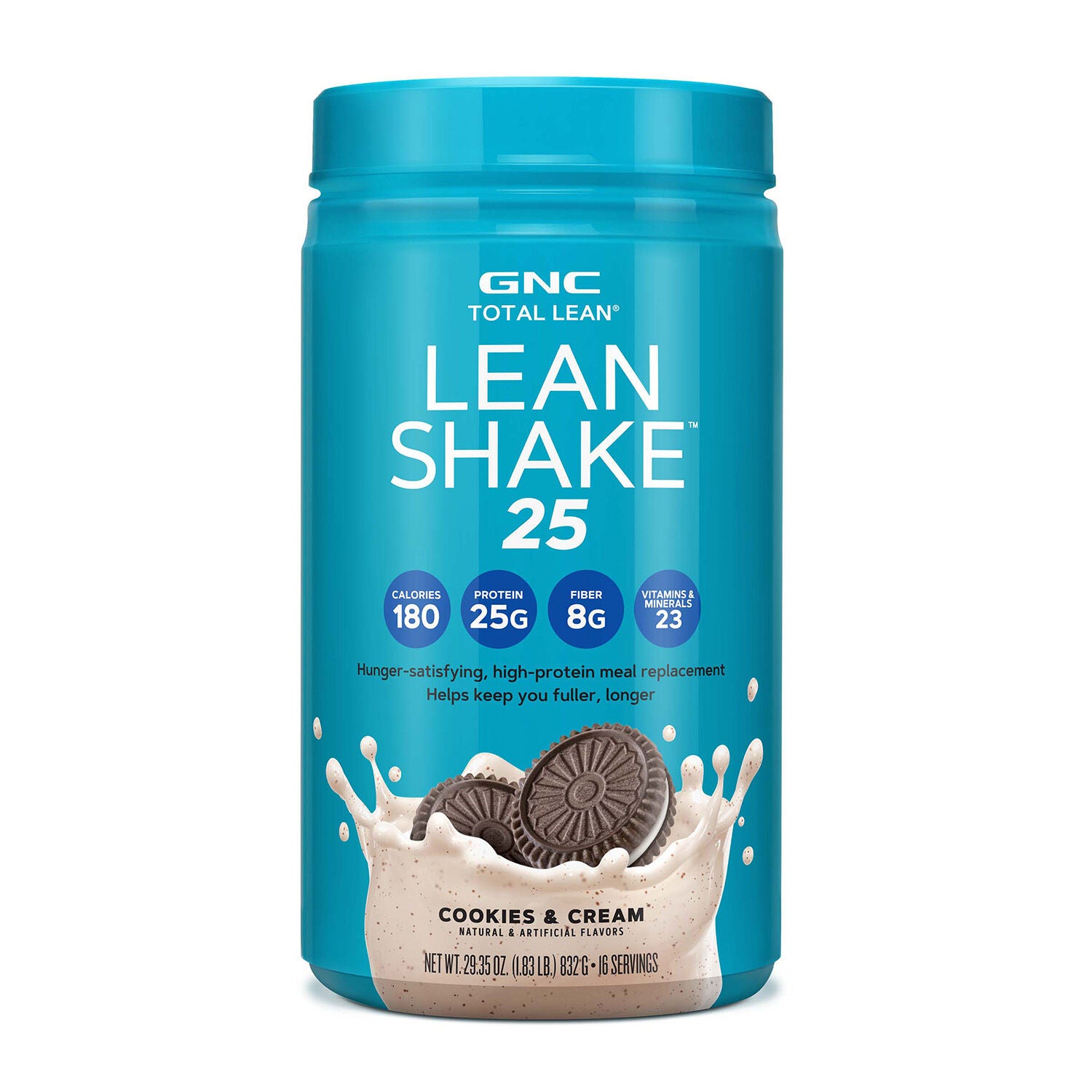
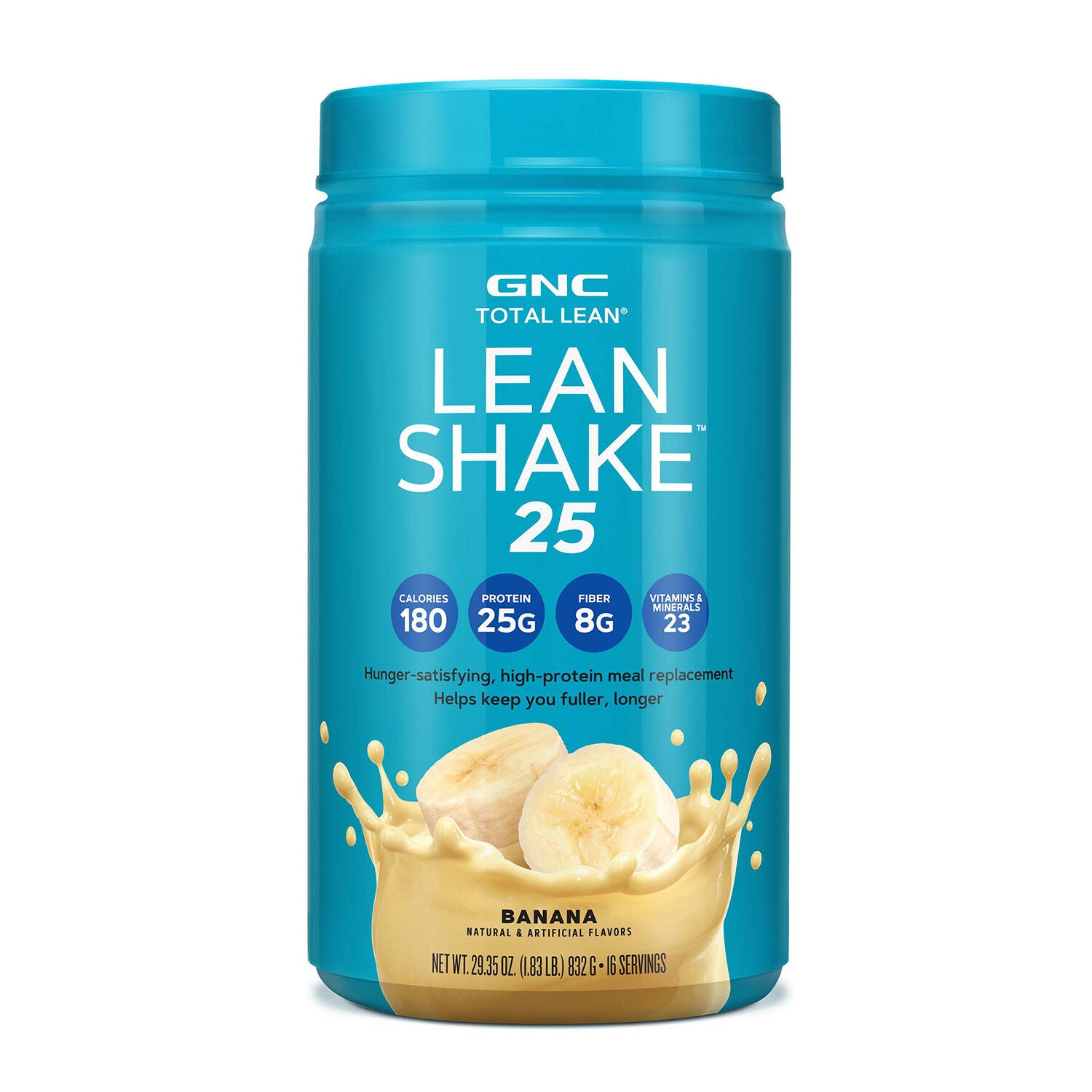

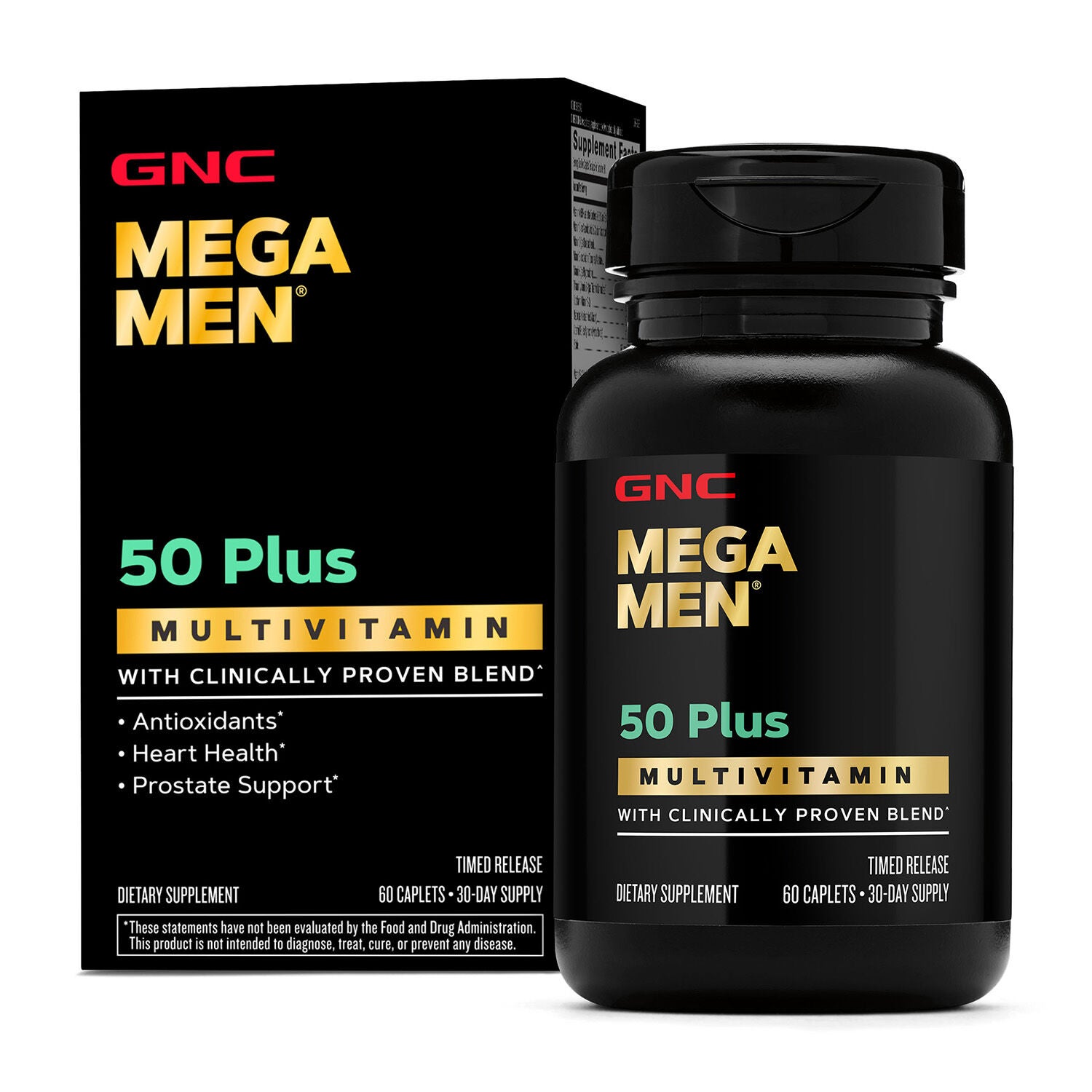

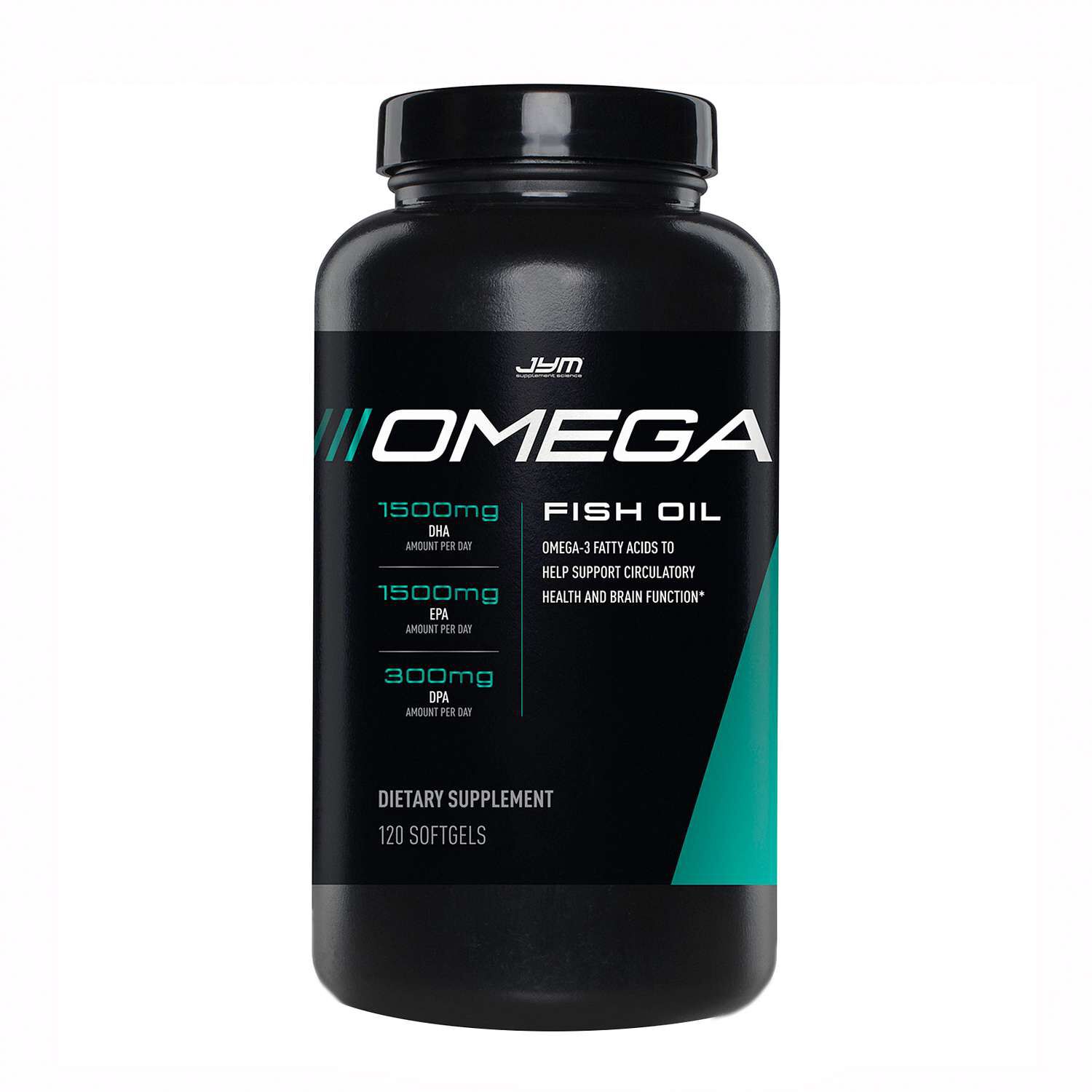





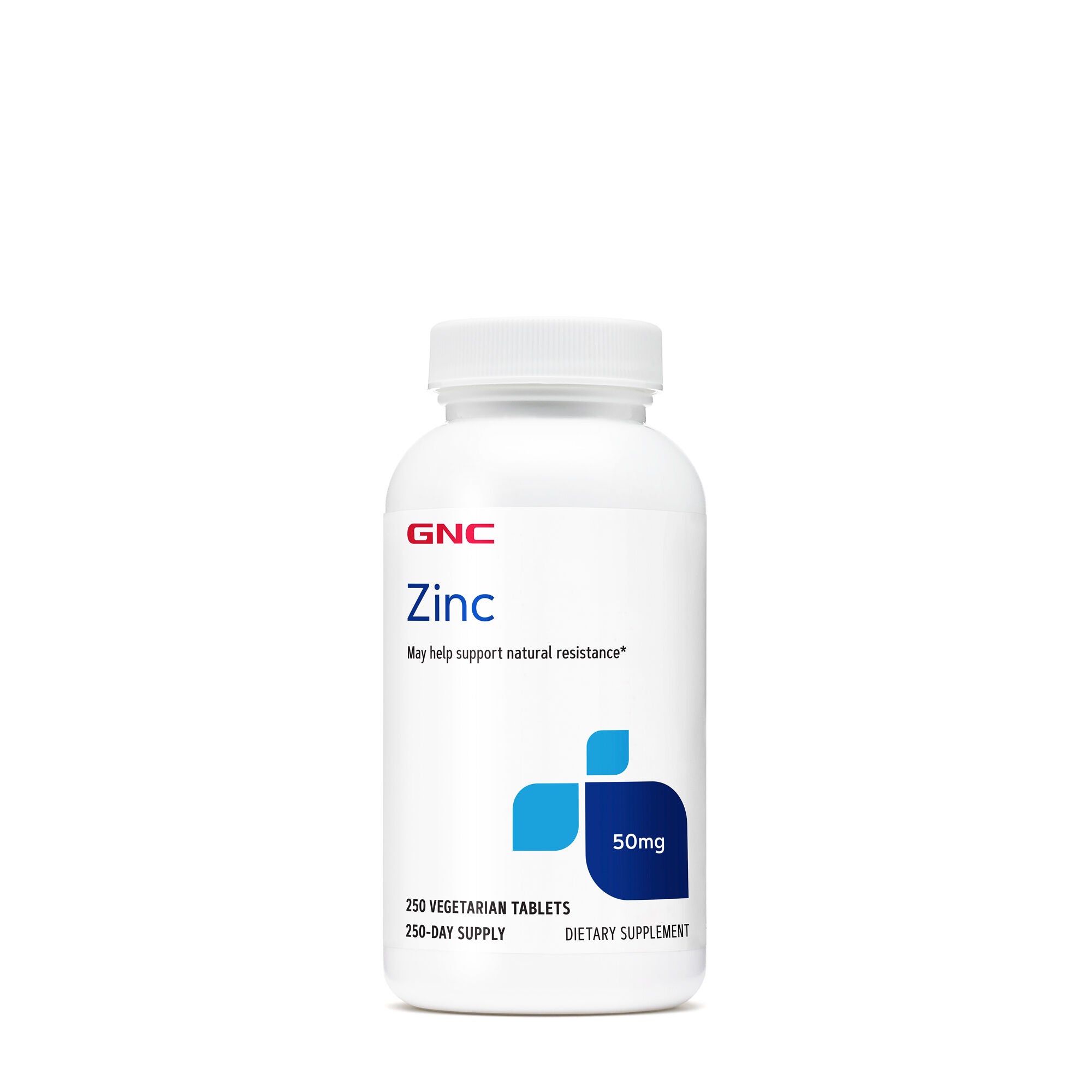


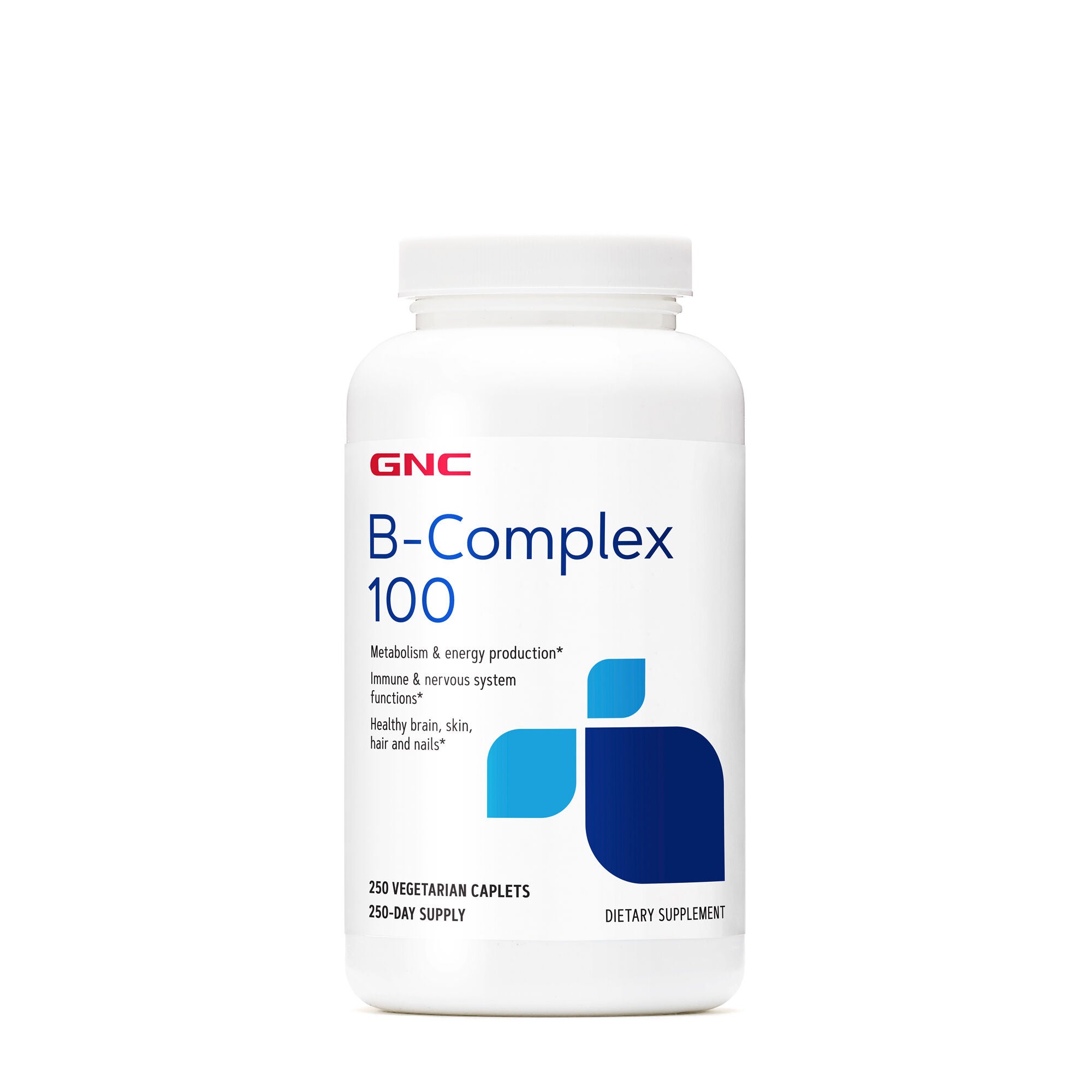

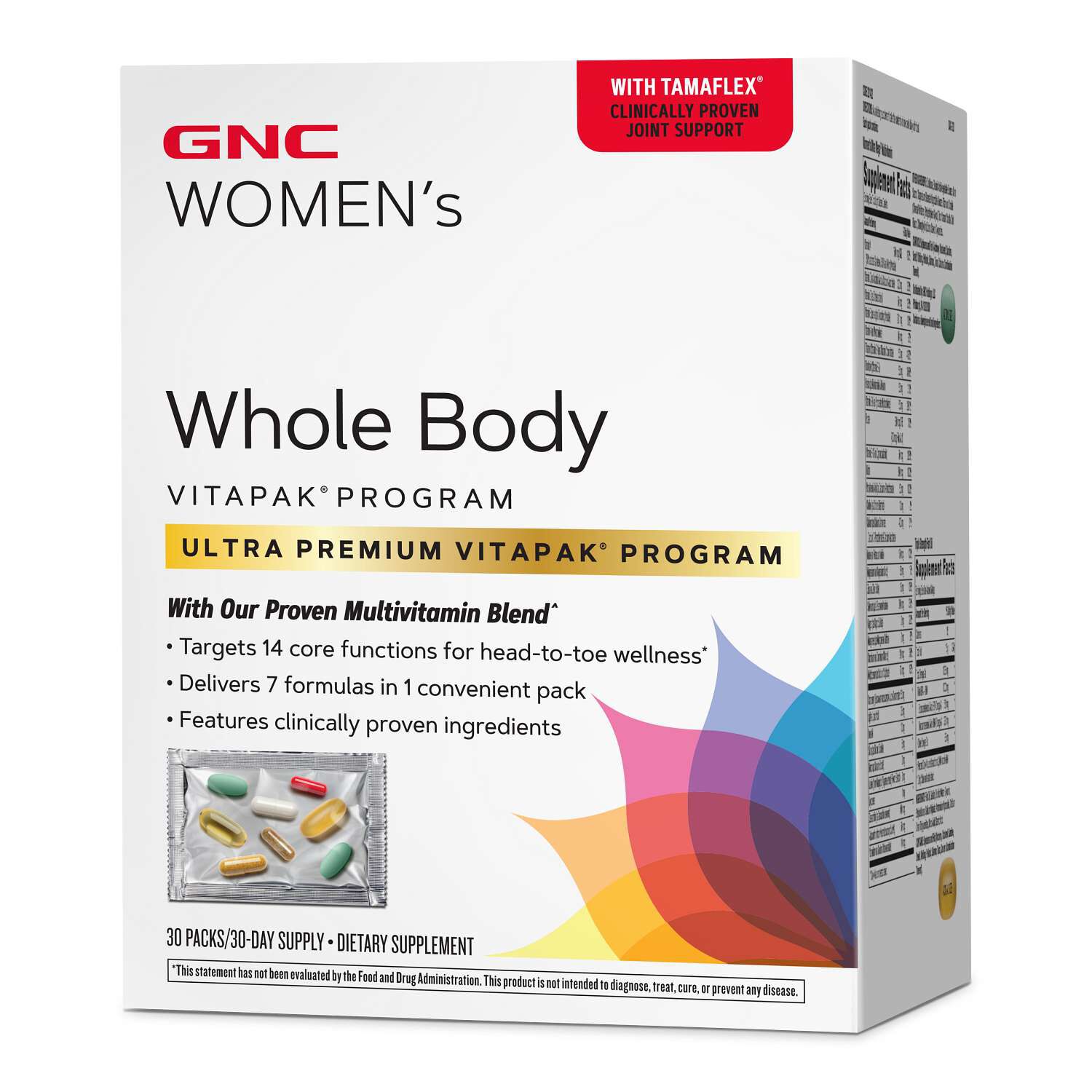
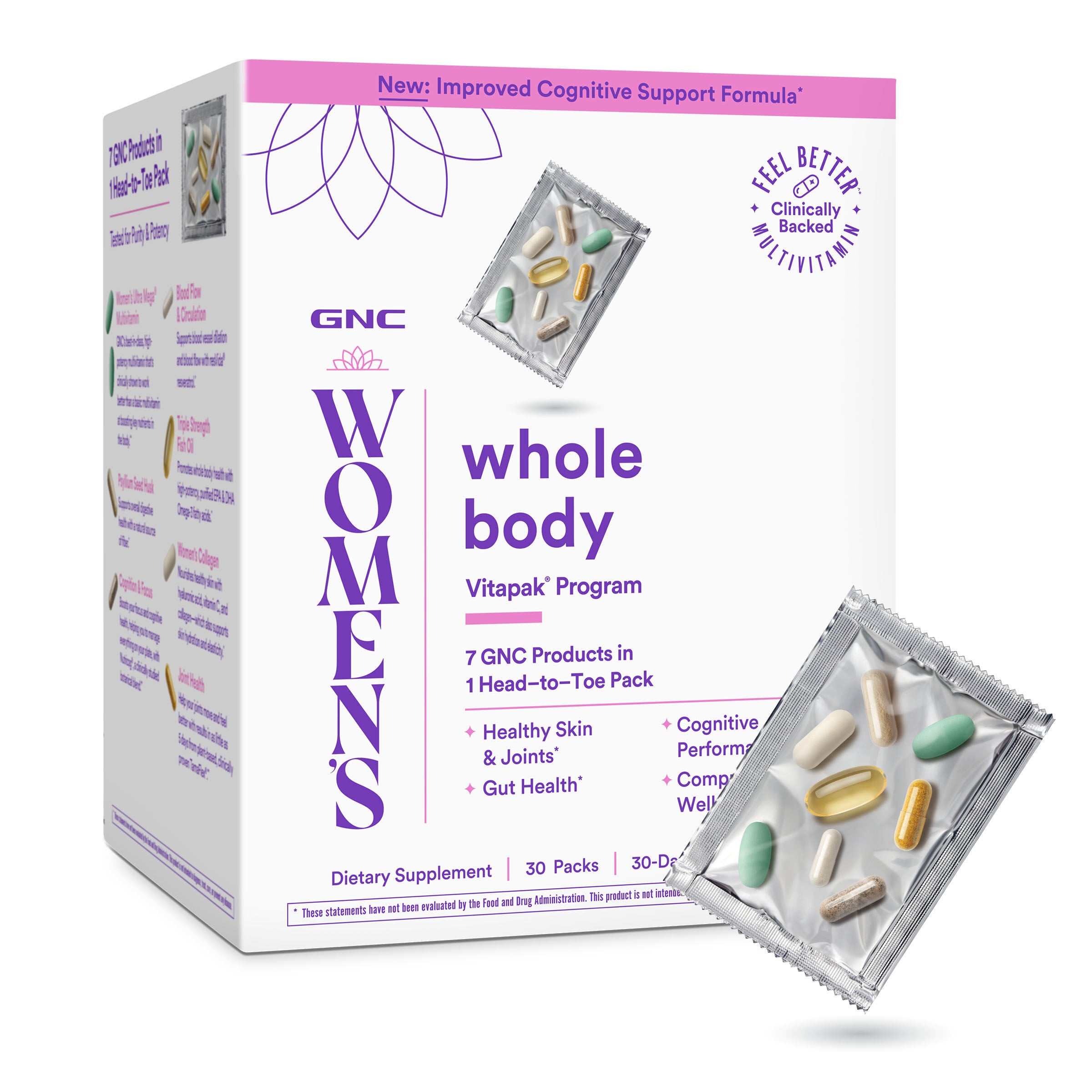
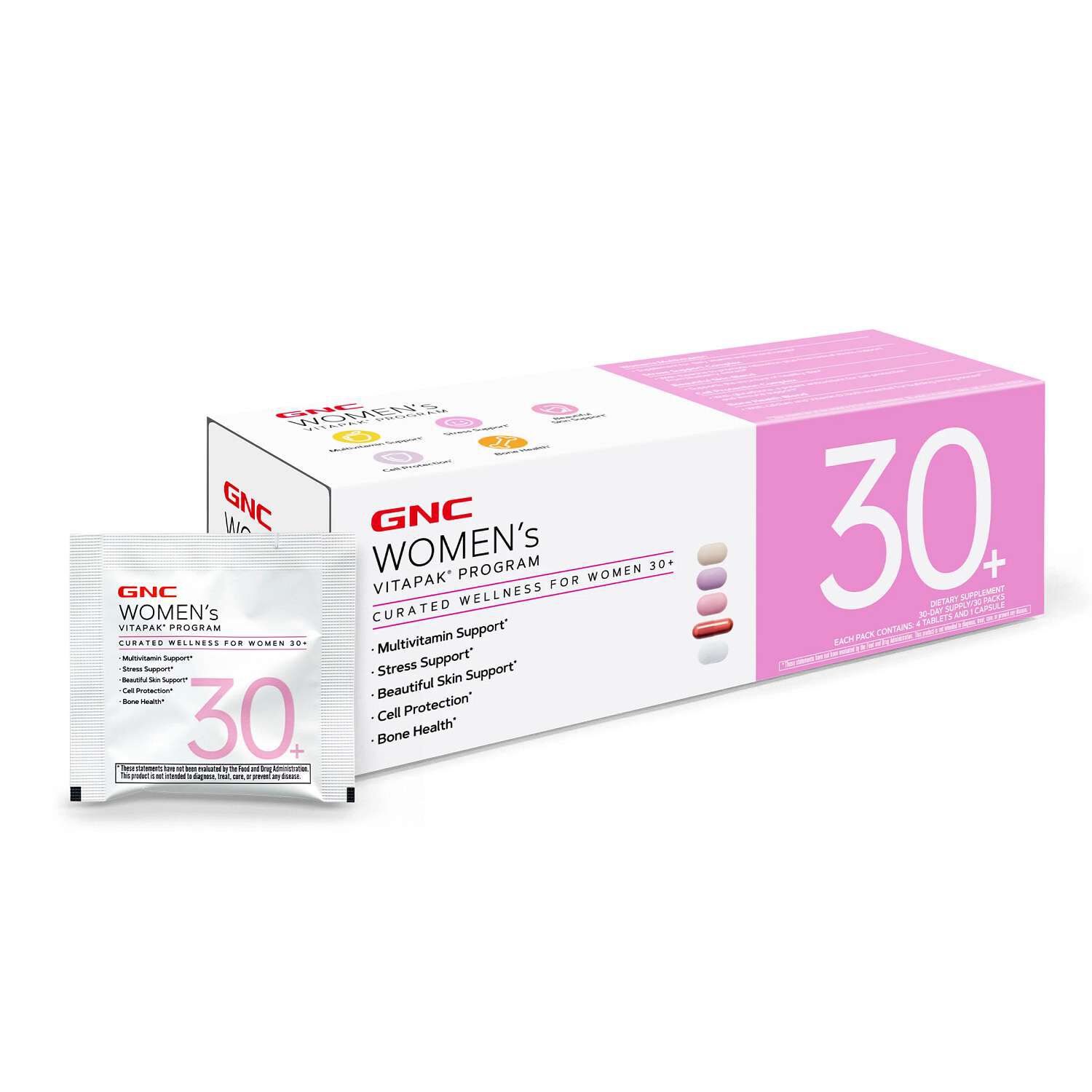


Supplements for adults with nutritional gaps may help round out nutrient intake when everyday meals leave certain vitamins, minerals, or other dietary components underrepresented. Those gaps can look different from one person to the next: a breakfast eaten on the commute, lunches built around the same few ingredients, or a plant-based menu with limited fortified foods. Dietary supplements include multivitamins, individual vitamins and minerals, protein powders, and fiber supplements, each with a different purpose and ingredient profile. A multivitamin combines several nutrients in one formula, while a single-nutrient option offers a more focused composition. Neither approach replaces the variety, flavor, and nourishment of a varied eating pattern, but either may complement food choices in a way that suits an adult’s routine. Understanding that distinction gives this category useful context: a long ingredient list is not the same thing as a close match for an individual’s eating habits. Vitamin B12, for example, occurs naturally in animal-derived foods and is also present in some fortified foods, making it a relevant label consideration for adults comparing options alongside a plant-based diet. Calcium is found in dairy products, certain fortified beverages, and other foods; vitamin D appears in a smaller selection of foods, including fatty fish and some fortified products. Magnesium comes from foods such as nuts, seeds, beans, and whole grains. These examples offer a starting point for understanding the ingredients commonly featured in adult nutrition formulas, rather than a reason for every shopper to select every nutrient. Adult multivitamins may also be organized by age group or other intended-use categories, with differences in the amounts and combinations listed on the label. Across the broader selection of Supplements For Adults, the most useful distinctions are often straightforward: which ingredients a formula contains, how much is included per serving, and whether its format fits the way someone prefers to use supplements.
Format has a meaningful place in the shopping experience, especially for products intended for regular use. Tablets and capsules offer measured servings without mixing, though their size and the number included in a serving vary. Gummies provide a chewable format with distinct flavors and textures, and their labels also list sweeteners and other ingredients. Powders involve a different routine, with preparation details that can include a scoop, a measured amount of liquid, and stirring or shaking. A powder stirred into a breakfast smoothie has a different place in the day than a capsule stored in its original bottle beside other morning necessities. Liquids offer another format, with serving amounts specified by volume and measuring instructions on the packaging. The nutrient content still matters more than the format alone: a serving can mean one tablet, several gummies, or a particular amount of powder. Ingredient sourcing is another point of comparison. Capsule shells can contain gelatin or plant-derived materials, while chewable formulas may use gelatin or pectin. Flavorings, colors, sweeteners, and allergen statements provide additional detail for shoppers with dietary preferences. Protein supplements commonly use dairy-derived ingredients such as whey or casein, or plant sources such as pea, soy, and rice. Their protein content, texture, and preparation requirements differ, and they may offer a convenient way to add protein to meals or snacks. Fiber supplements likewise vary by source, including psyllium and other plant-derived ingredients, with distinct mixing directions and serving sizes. These categories are not interchangeable with a vitamin or mineral formula; they address different parts of dietary intake. For someone who enjoys a blended breakfast, taste and texture may be important shopping considerations. For someone packing a work bag before a long commute, container size and preparation requirements may matter more. Practical fit comes from the relationship between a formula’s composition and its intended use, not simply from choosing the smallest package or the largest ingredient count. Clear preparation information also makes differences between otherwise similar formats easier to understand.
The Supplement Facts panel brings those comparisons into focus. It identifies the serving size, the amount of each listed dietary ingredient, and the percent Daily Value where one has been established. Daily Values are general labeling references, not a personalized assessment of what an individual needs. Some dietary ingredients do not have an established Daily Value, which is another reason that percentages alone do not tell the whole story. Units matter as well: milligrams and micrograms represent different amounts, and a number printed prominently on the front of a bottle needs the context of the serving information. Formulas with overlapping ingredients deserve attention during product comparisons, since a multivitamin and a separate mineral supplement can contain some of the same nutrients. More ingredients or a larger amount does not automatically make a formula a closer fit for a particular dietary pattern. Other useful label details include the ingredient forms, allergen disclosures, intended age group, and any independent testing information. A certification applies to the criteria of its specific program; it is not a statement that a supplement will produce a particular result for every person. Packaging and storage information also belong in the comparison. Closure type, container dimensions, and the number of servings affect how a product fits into a cabinet, a desk drawer, or a travel bag. Original packaging keeps the ingredient panel, directions, lot information, and date markings together, while storage instructions explain the conditions intended for that formula. Powders, liquids, gummies, and capsules can have different handling requirements, including directions that apply after opening. These details are particularly relevant when choosing something for regular use rather than an occasional convenience. Because dietary preferences and supplement routines are personal, supplements are also a more individualized purchase than a general wellness gift. A thoughtful selection centers on the recipient’s stated preferences rather than assumptions about nutritional needs. For everyday shopping, clear labeling, a suitable format, and an ingredient profile that may complement existing food choices offer a grounded way to compare supplements for adult nutritional gaps.
Best Sellers
-
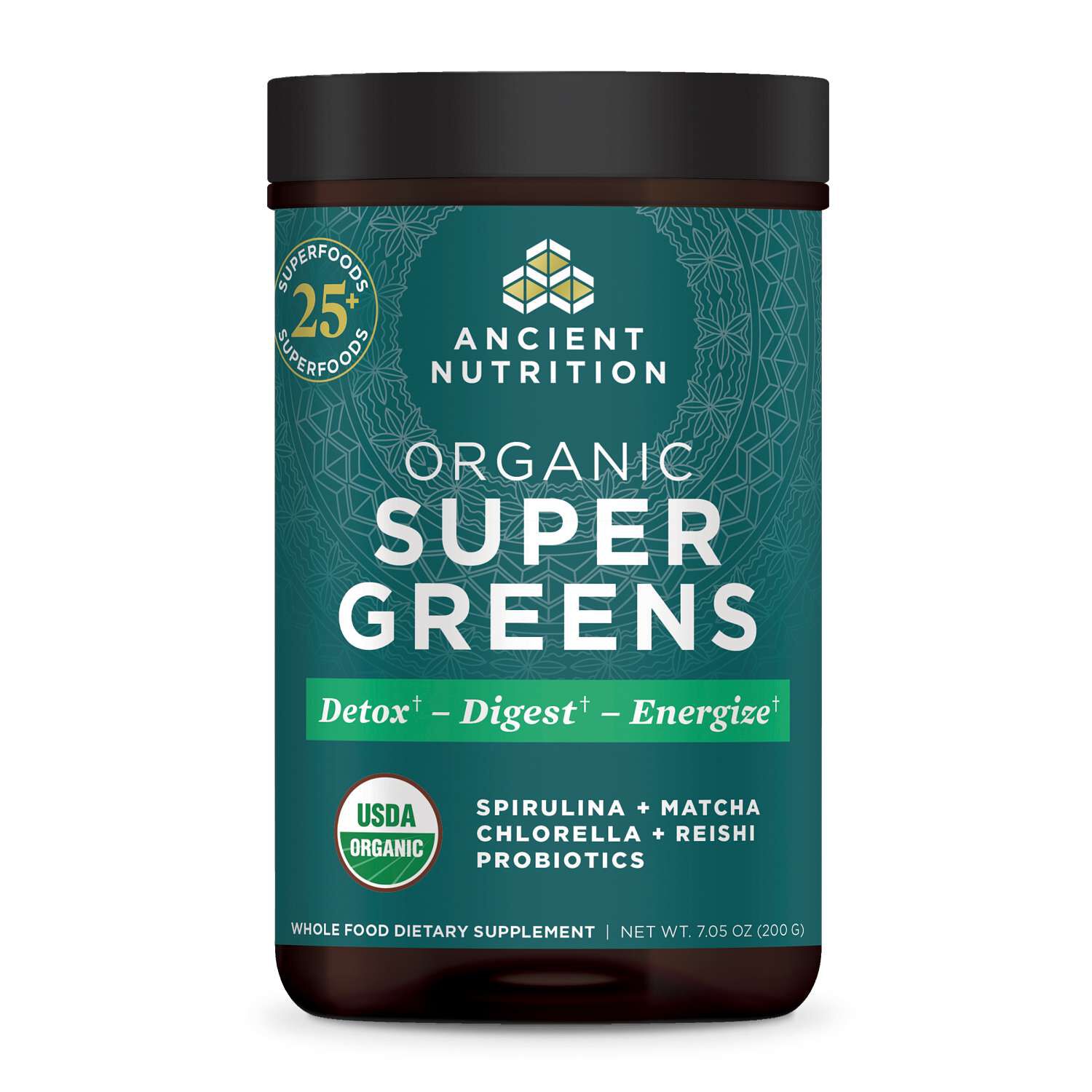 Ancient Nutrition
 -
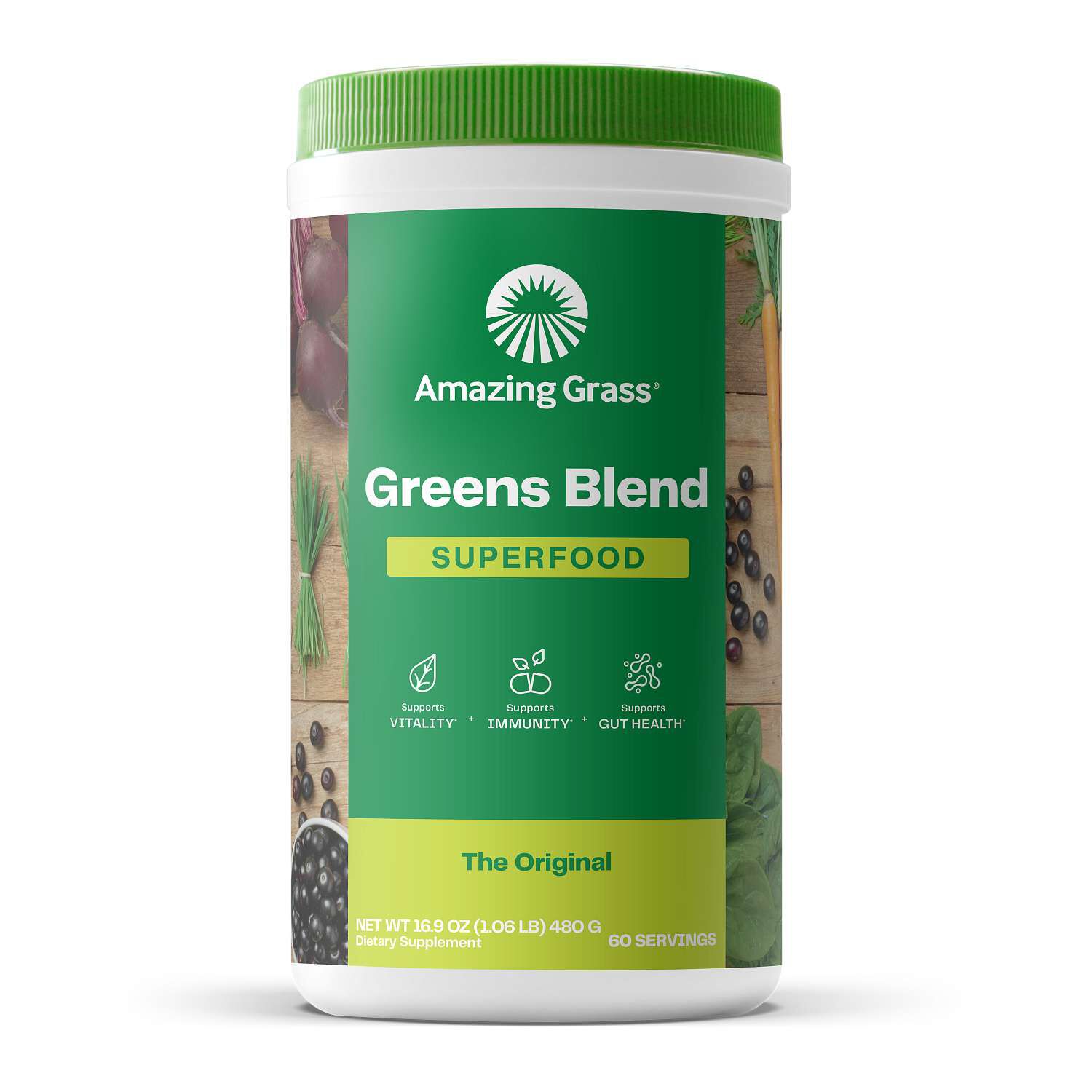 Amazing Grass


