

Supplements For Couples Losing Weight Together
(0 Results)
Supplements for couples losing weight together can offer a convenient way to support your shared wellness journey. With a variety of options designed to complement balanced nutrition and active lifestyles, these supplements may help you and your partner stay motivated and on track. Explore choices that fit your unique goals as you encourage each other every step of the way.

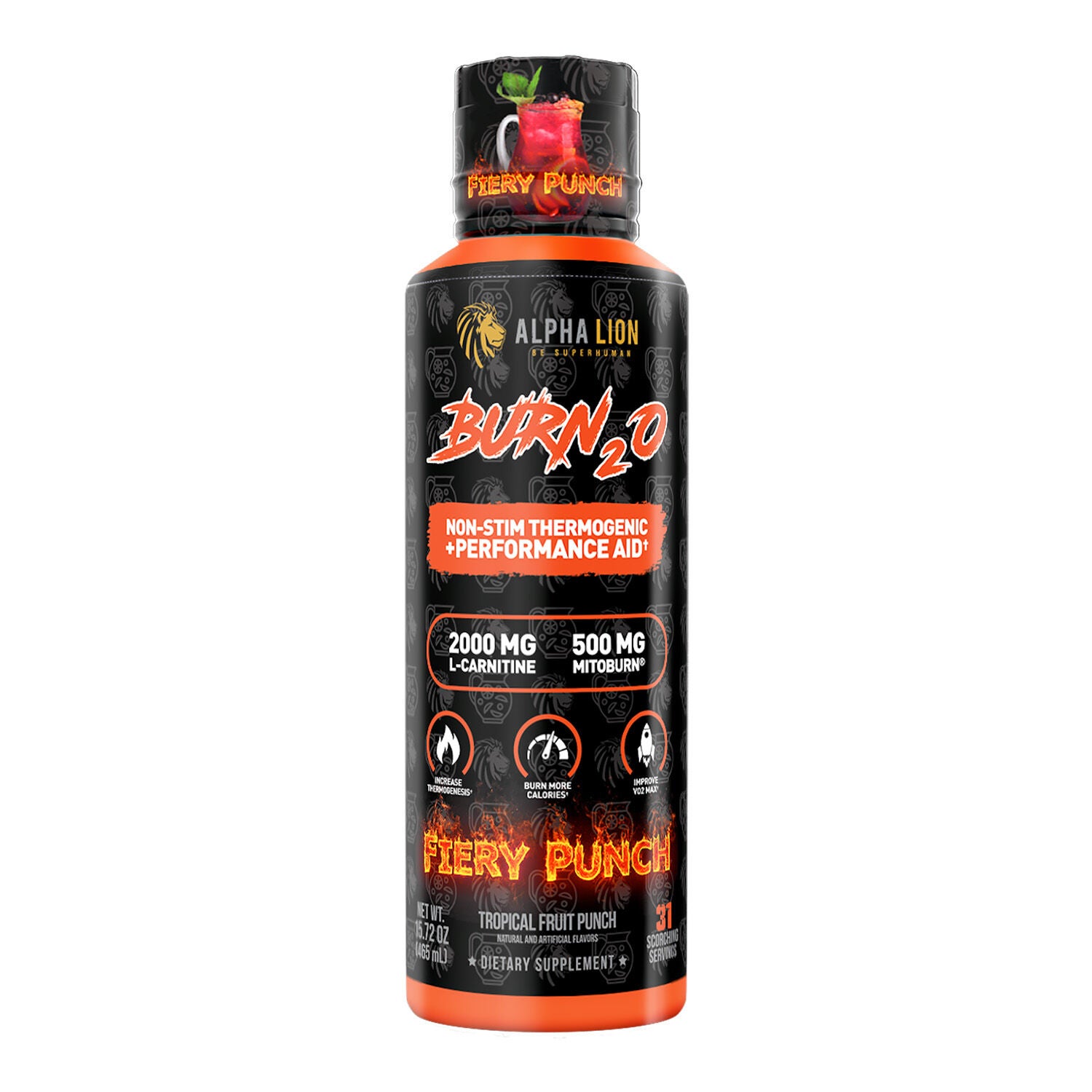

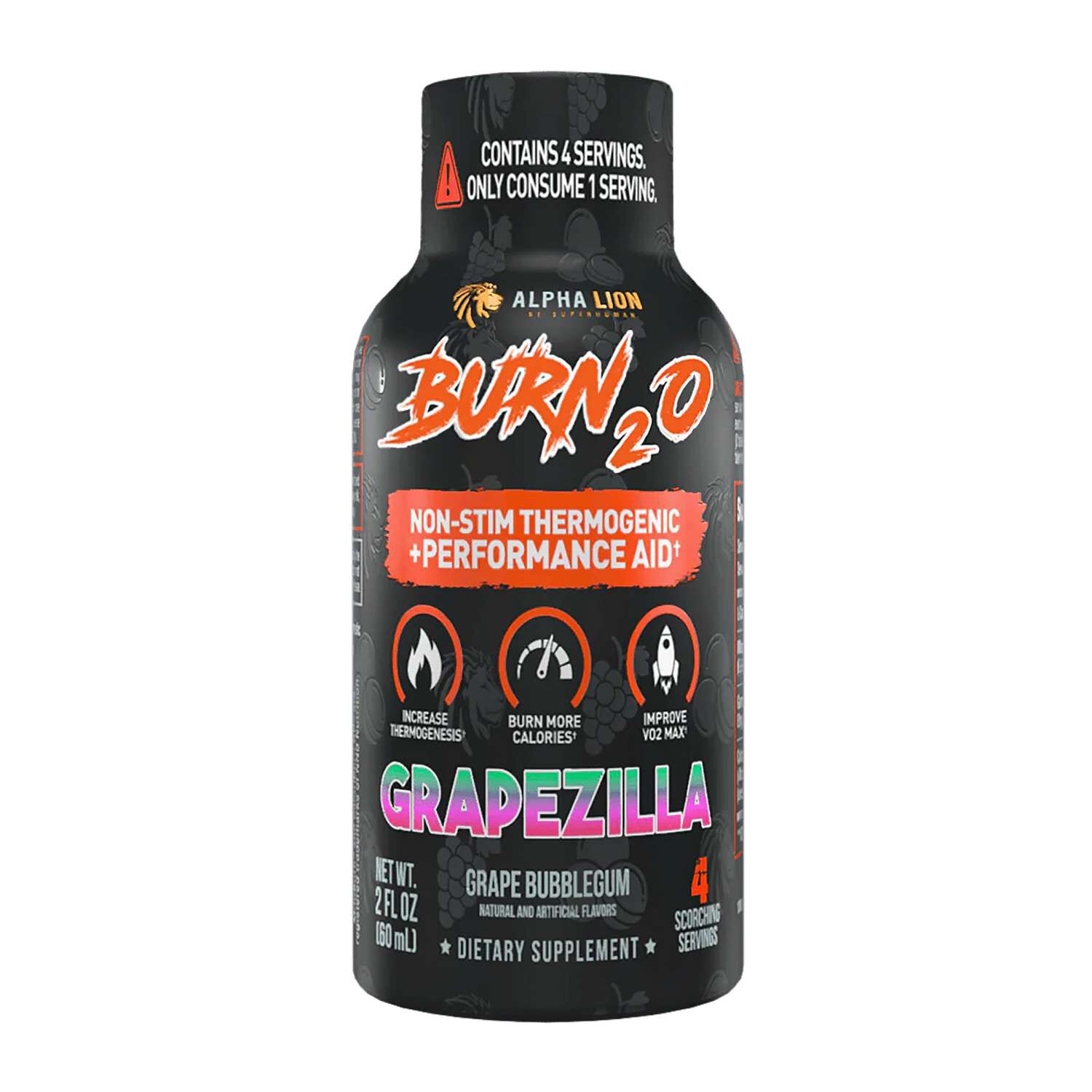
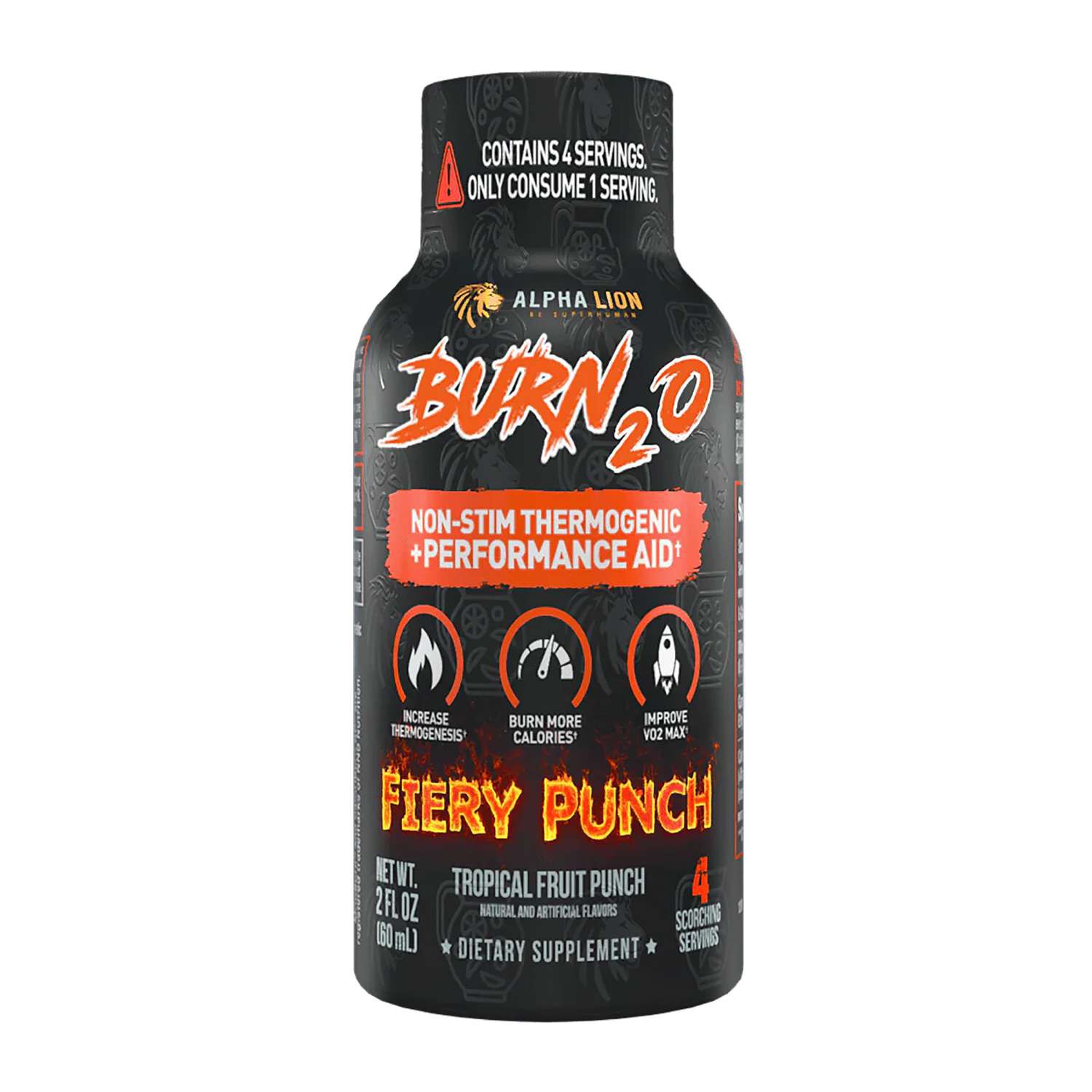
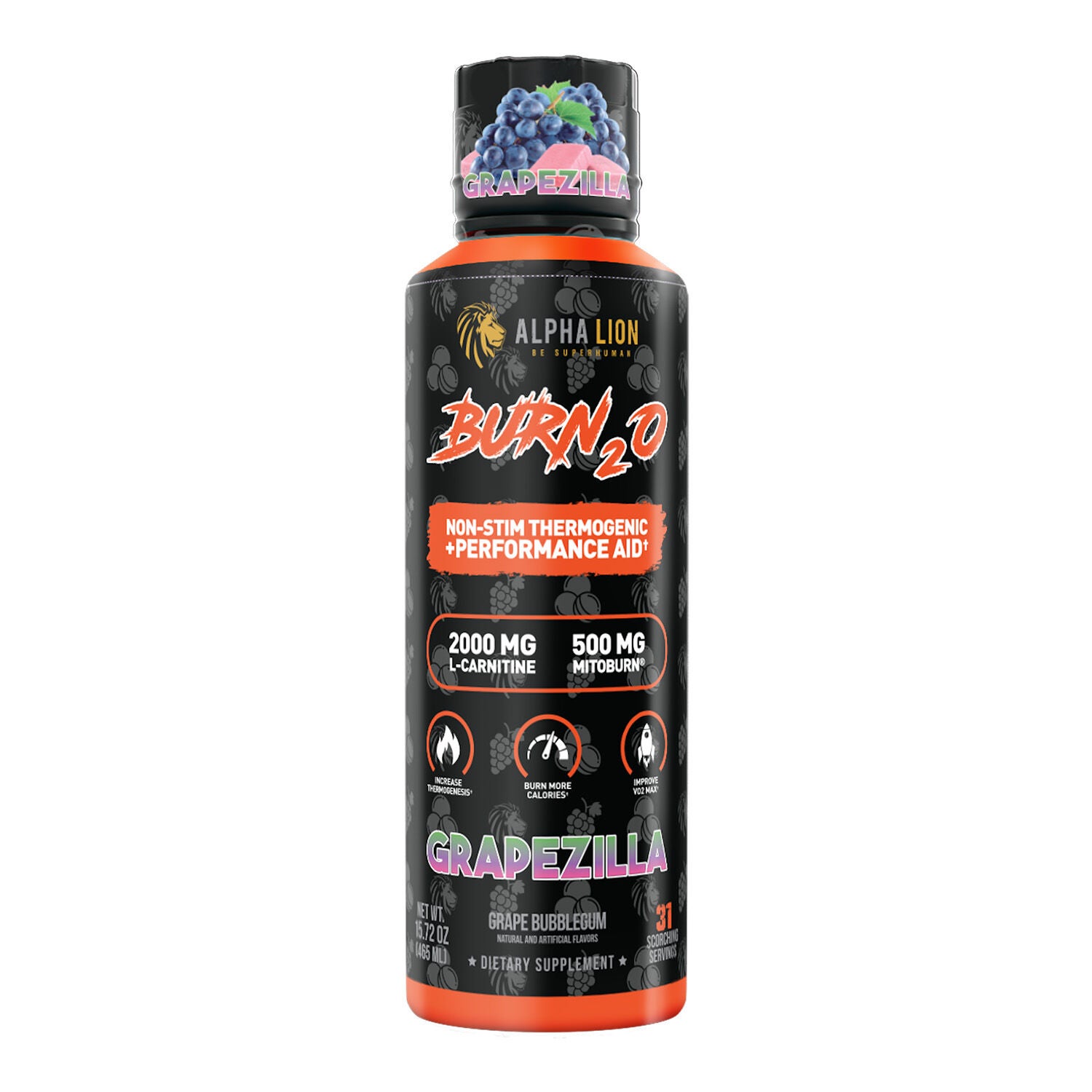
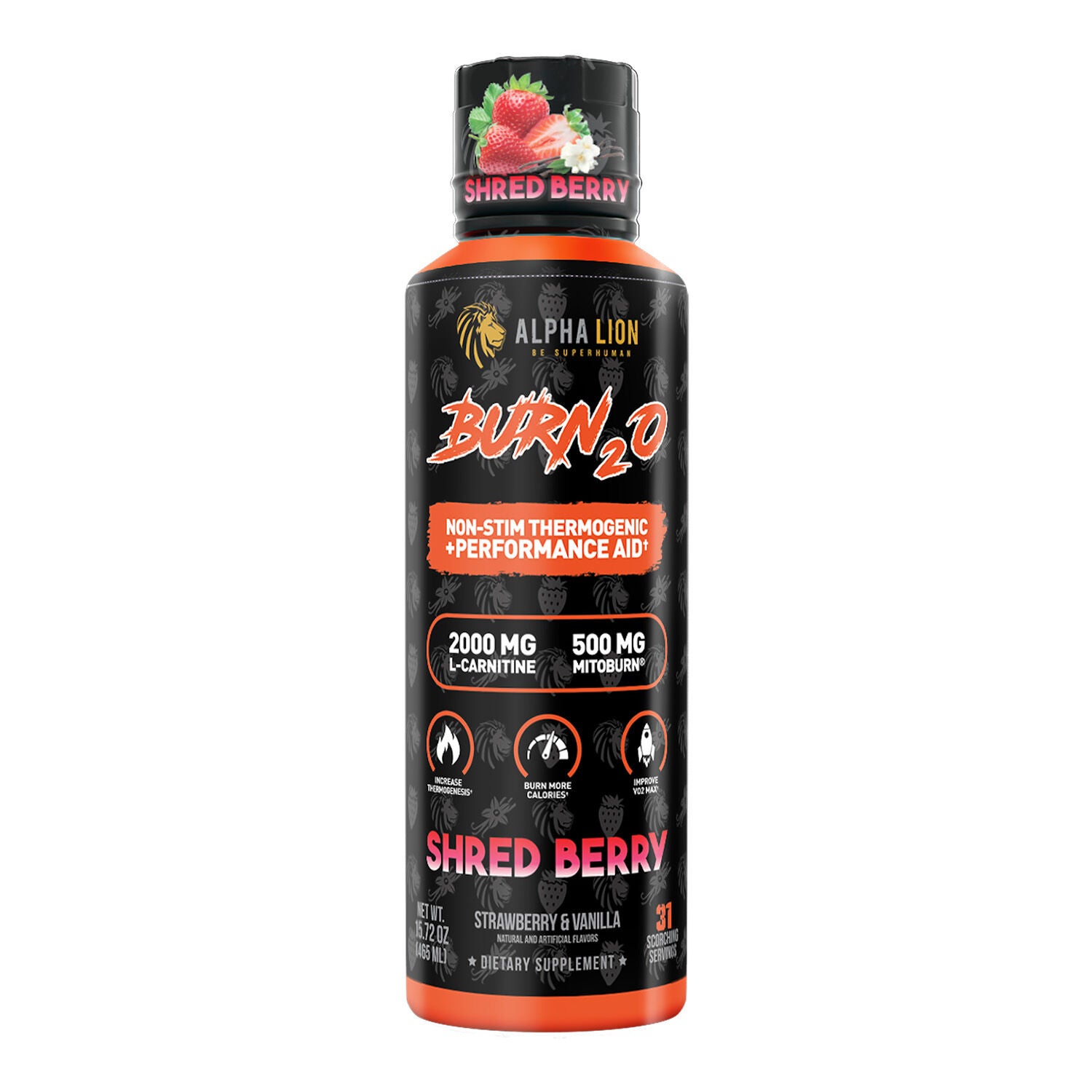
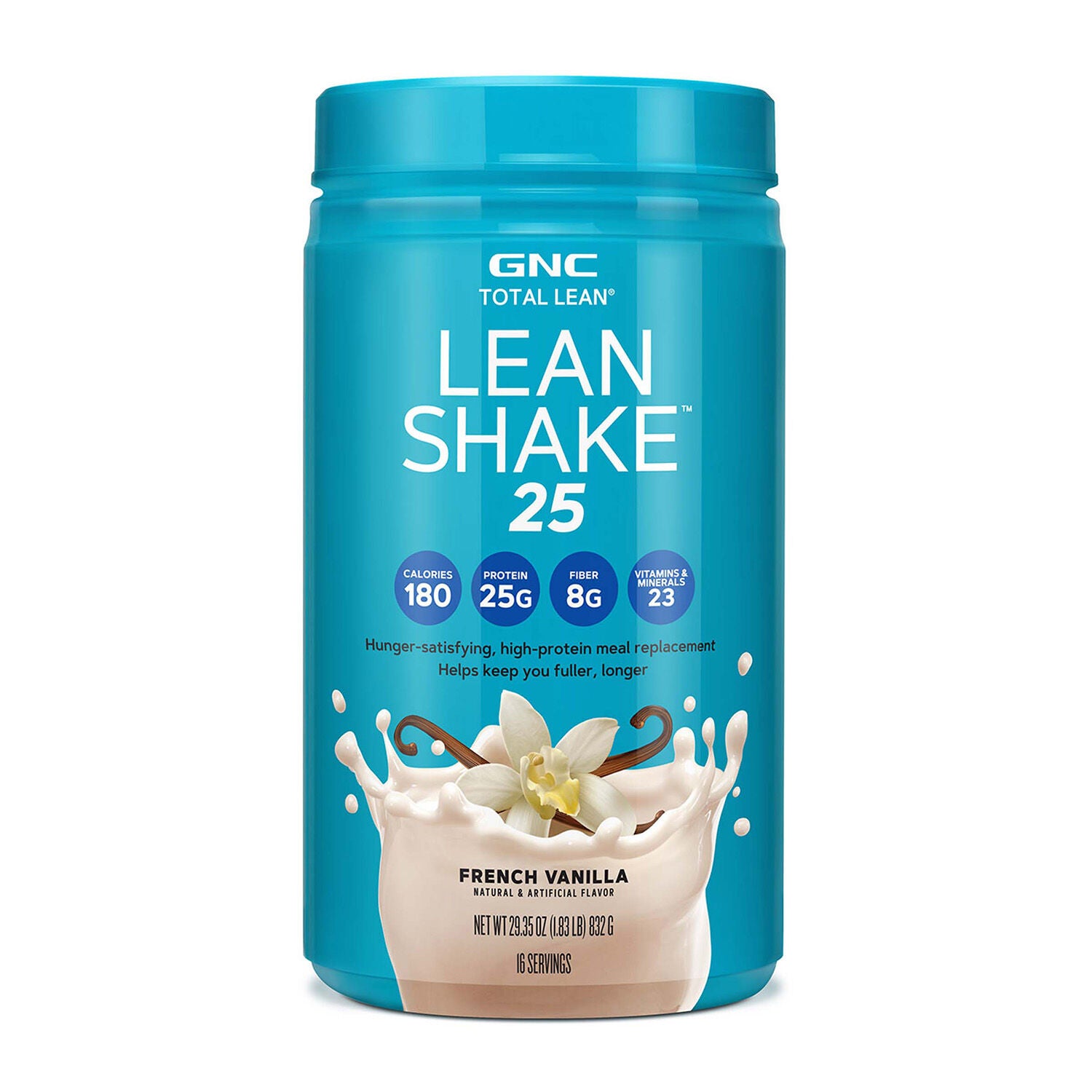
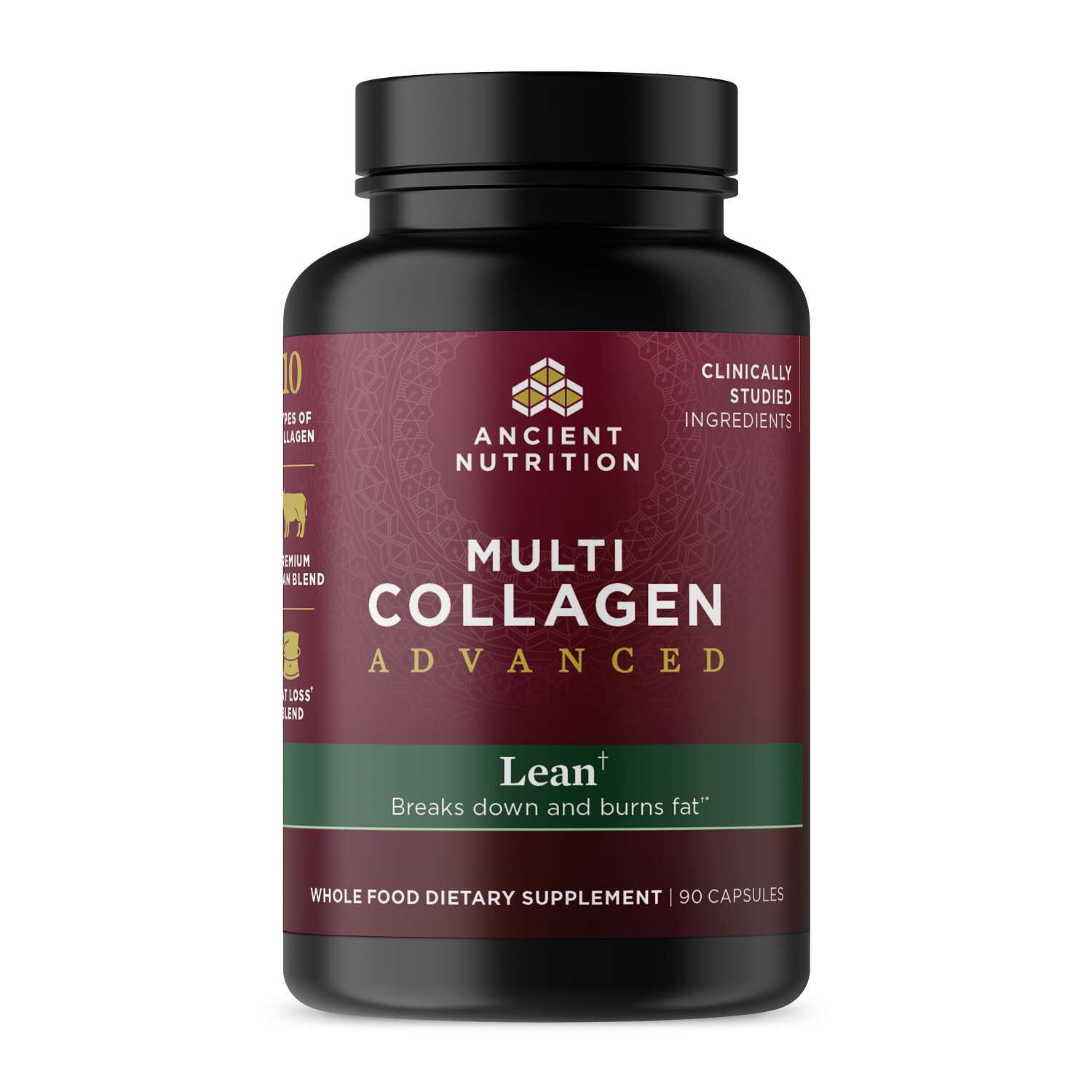
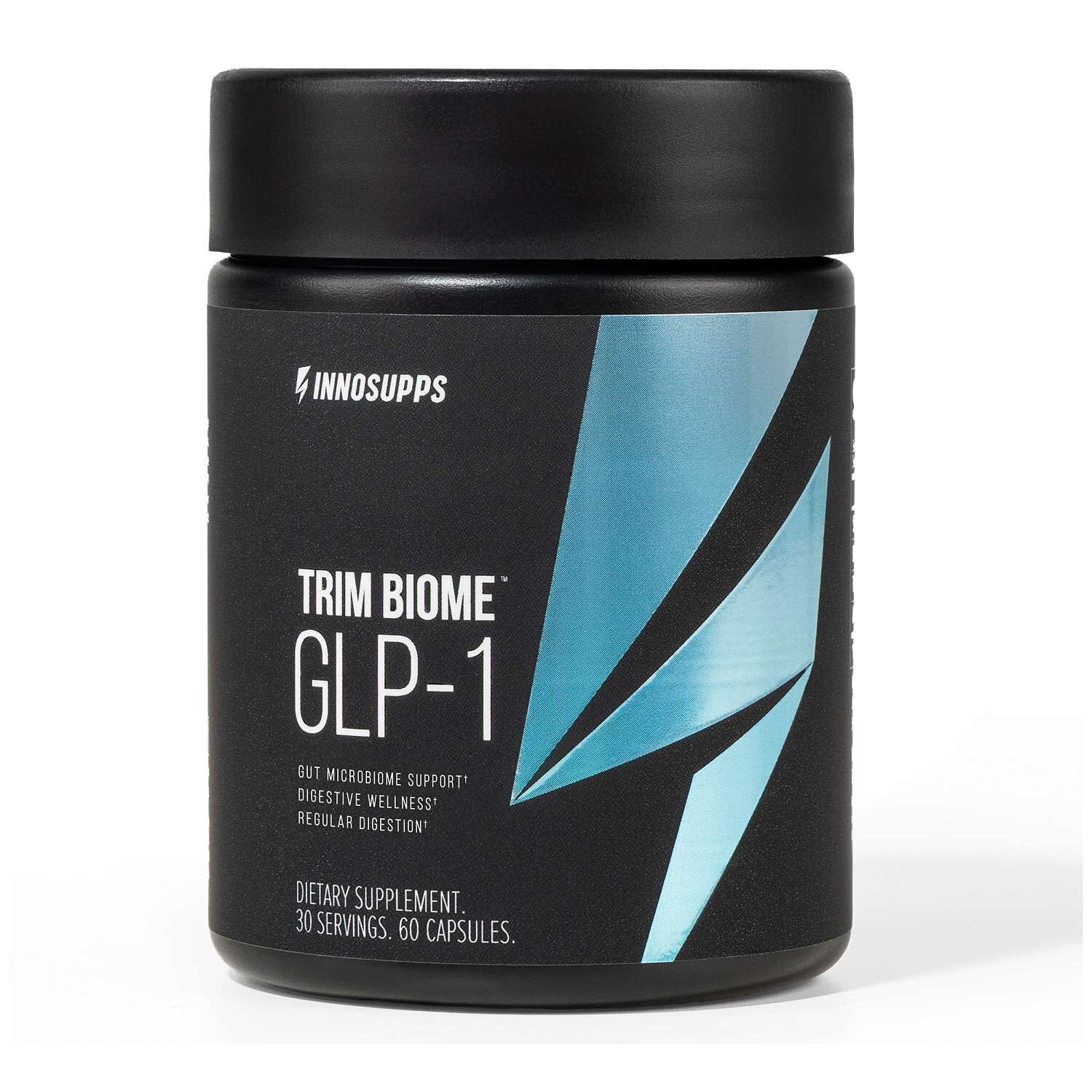

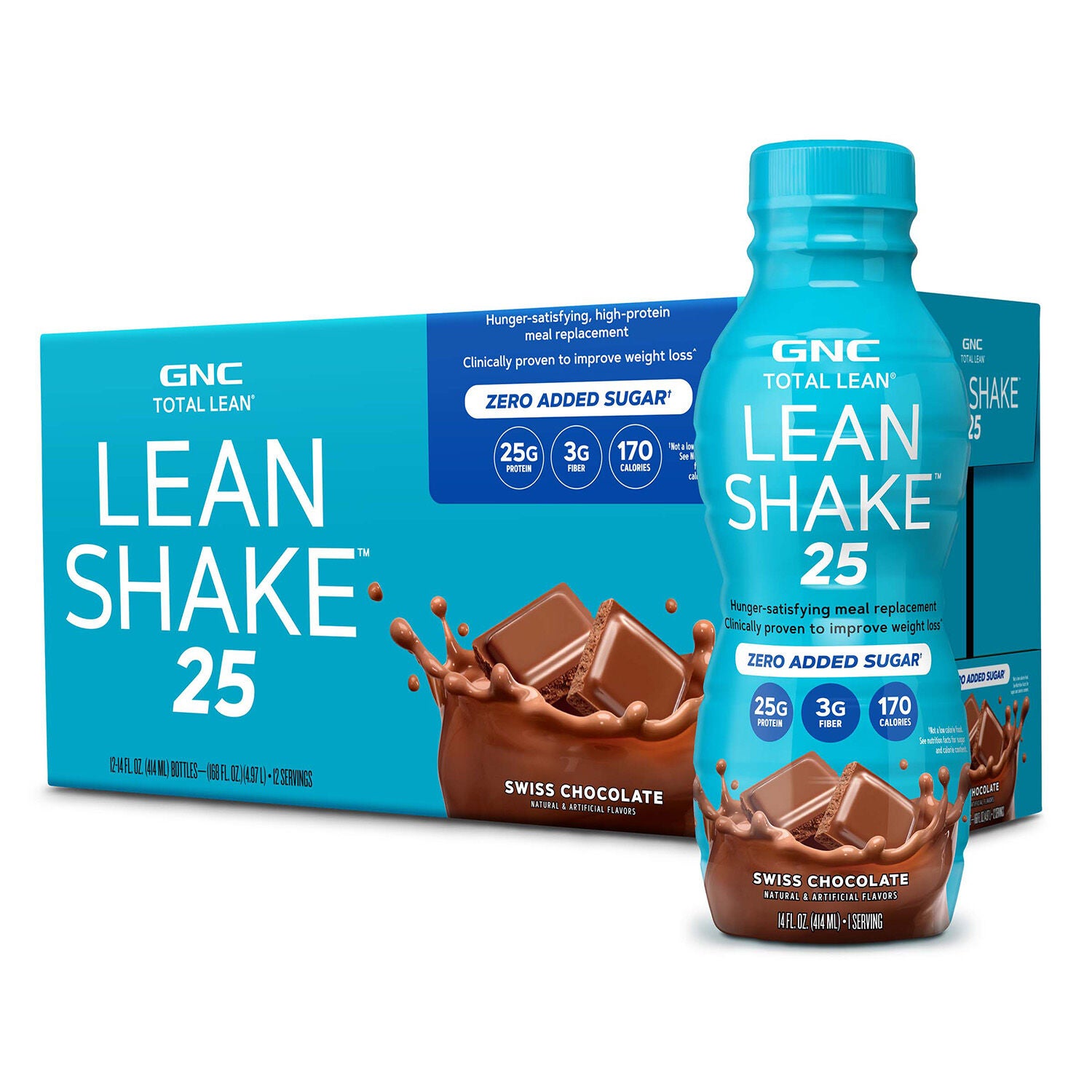

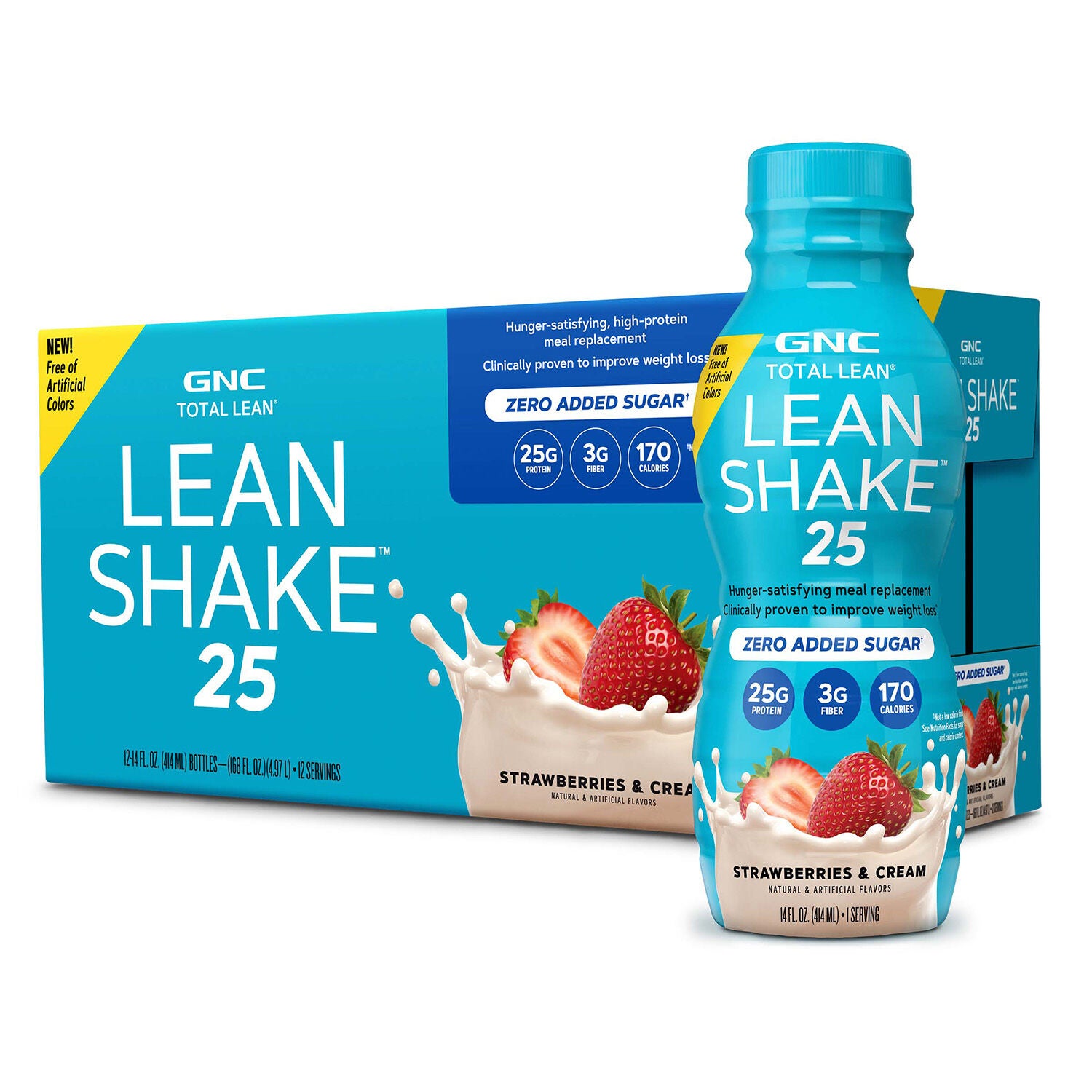
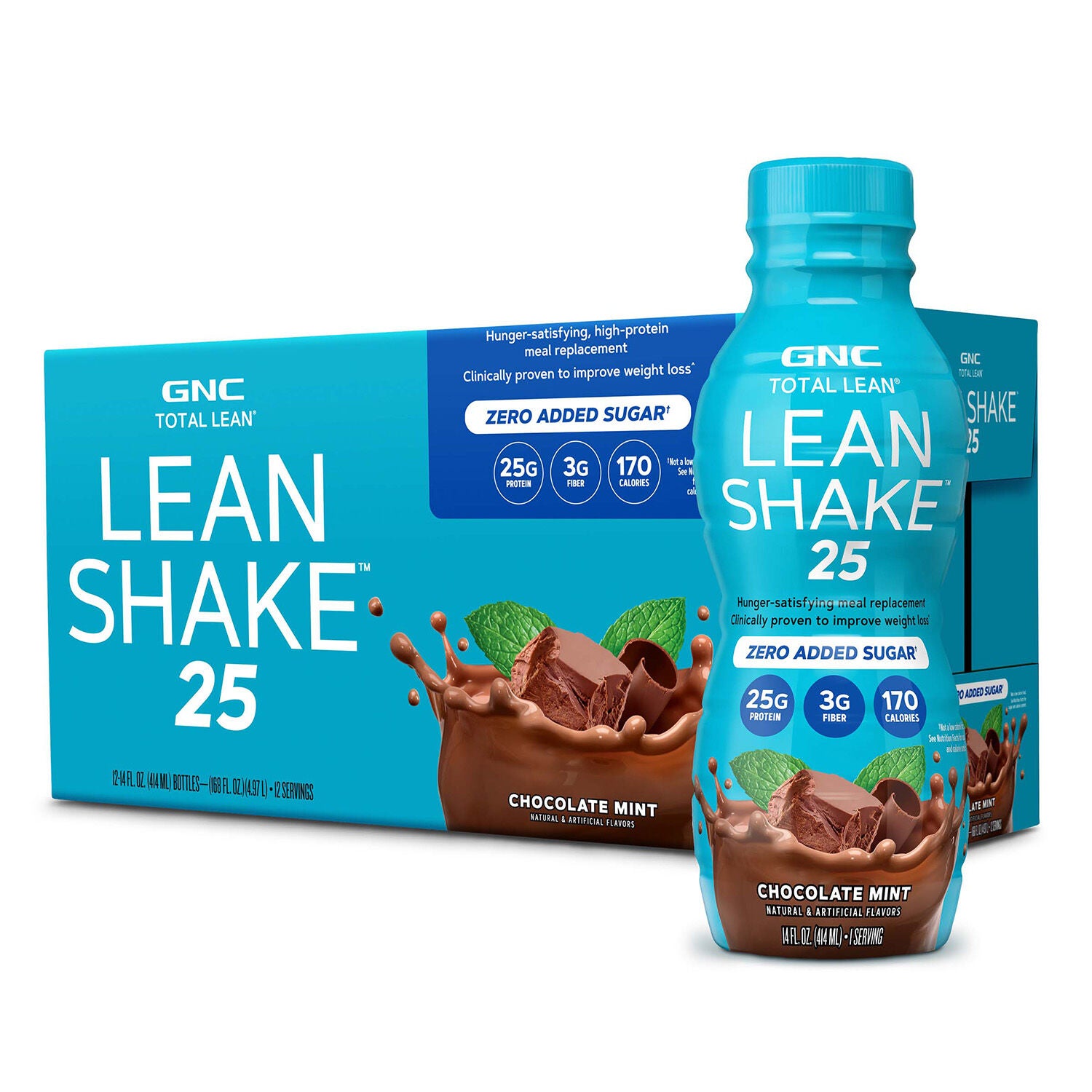
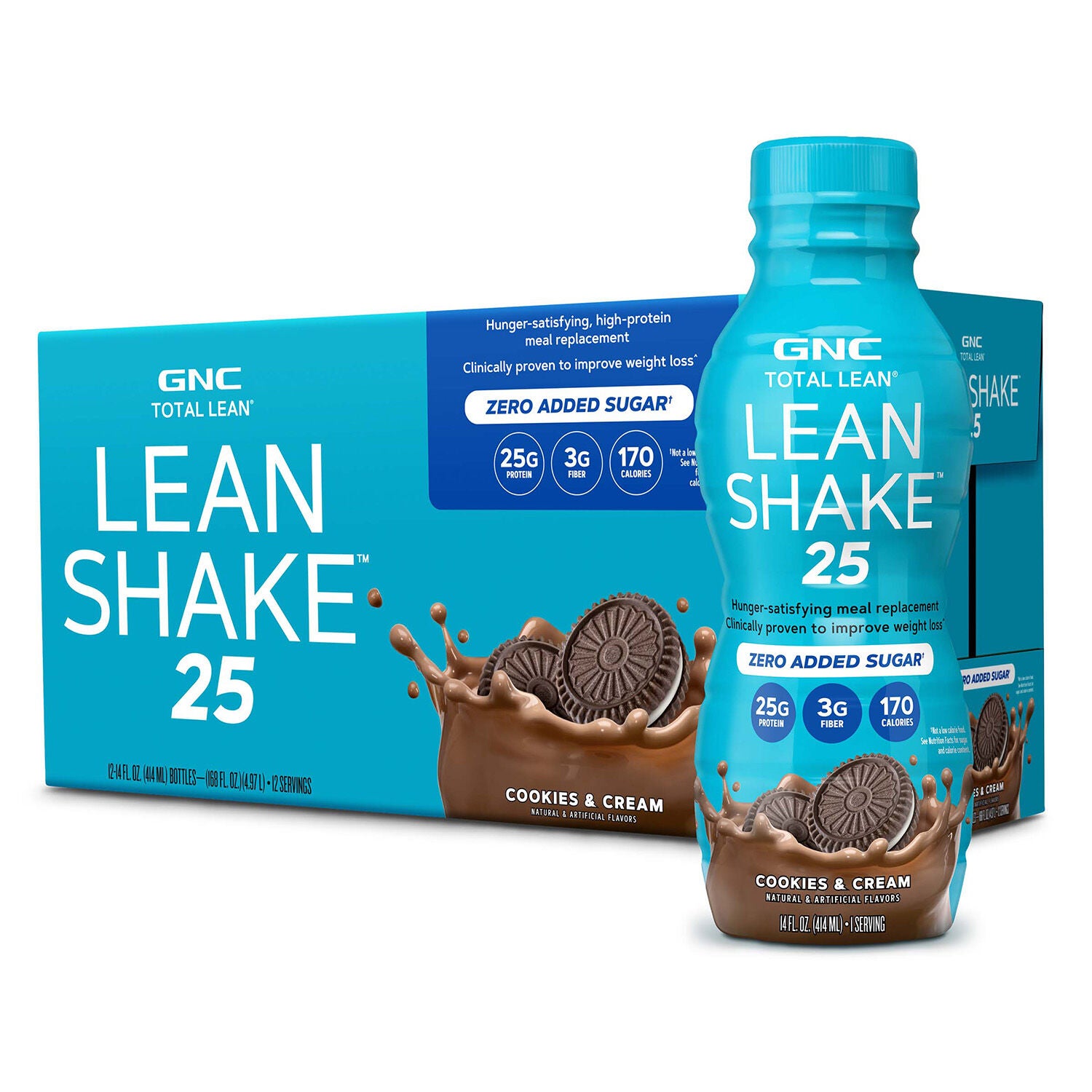
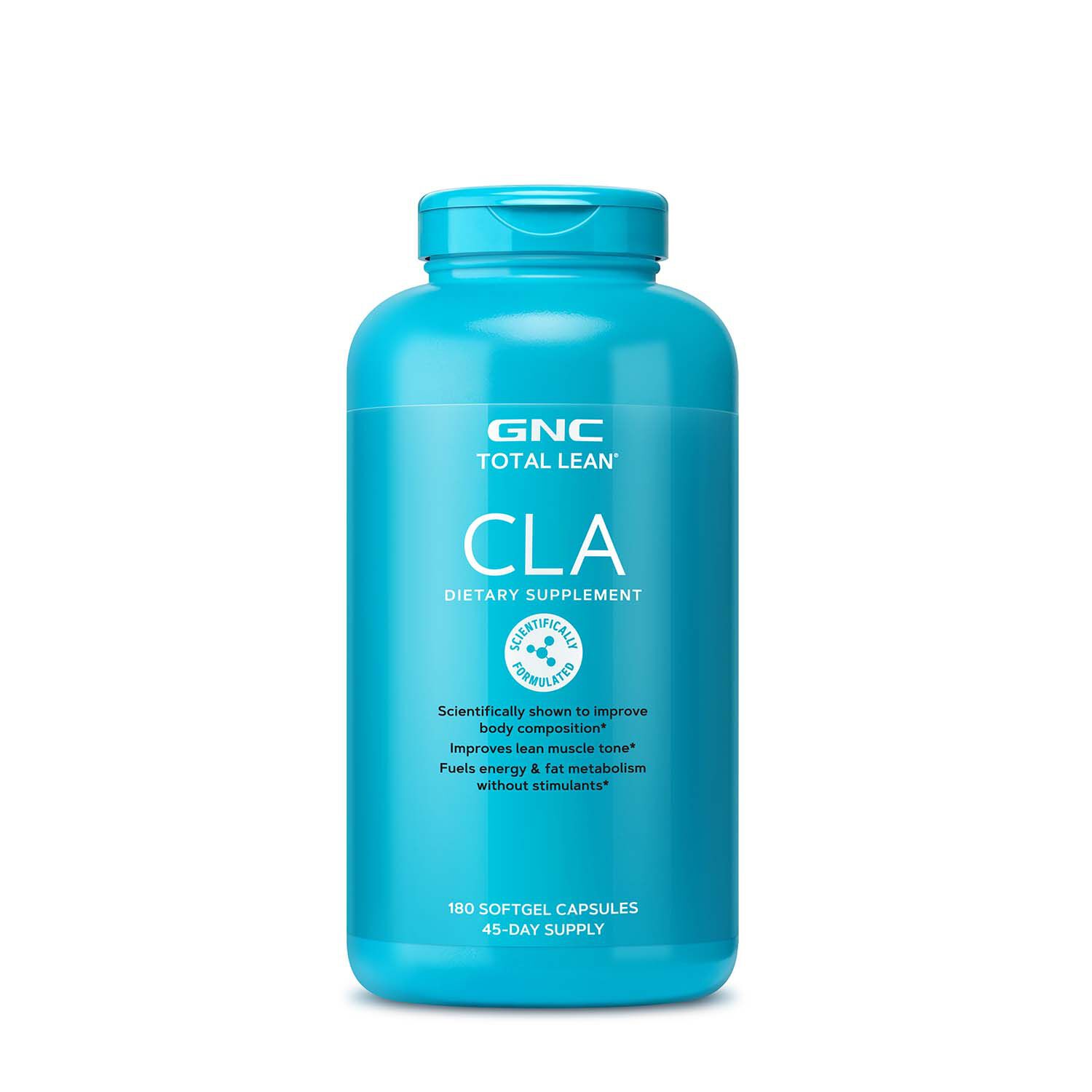


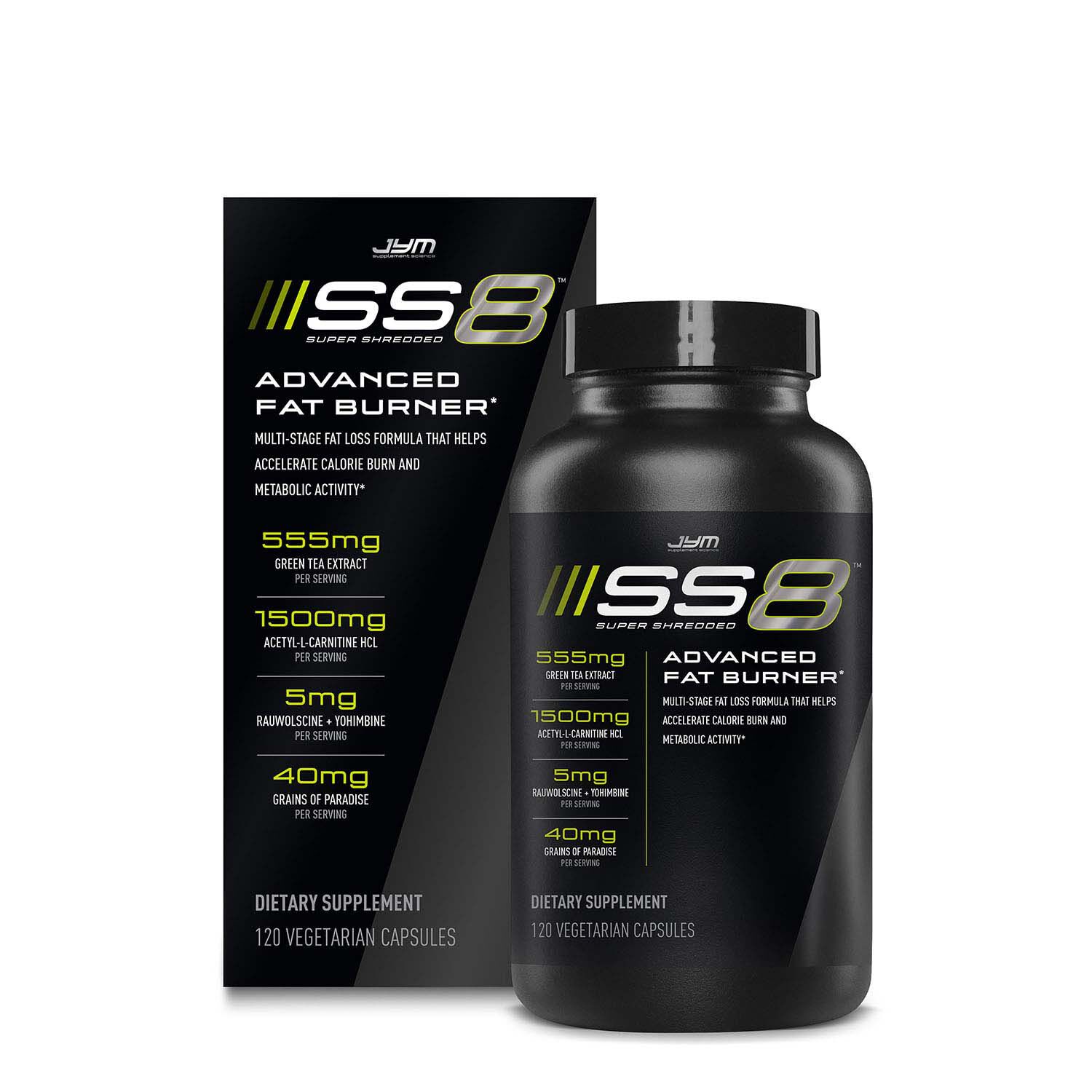
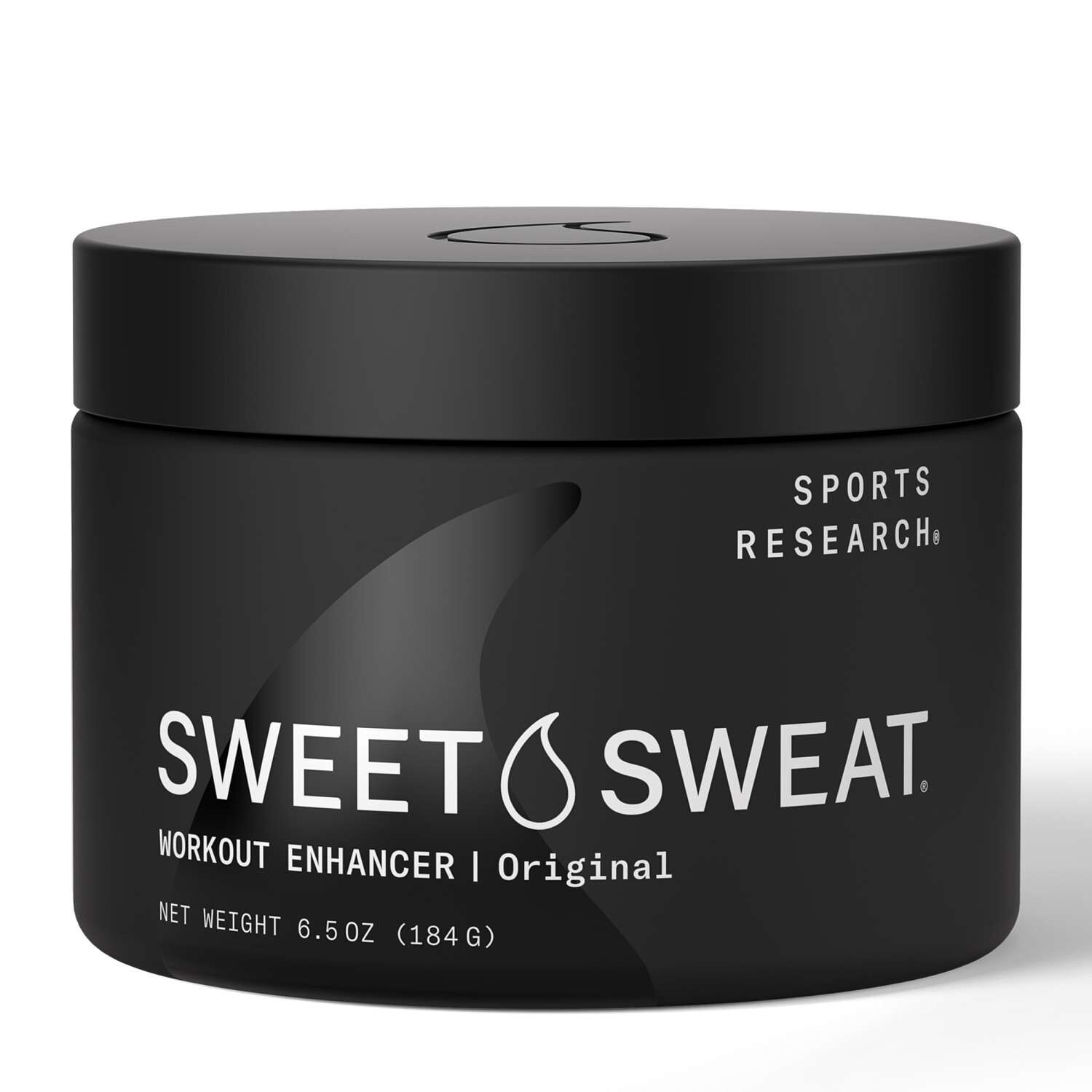

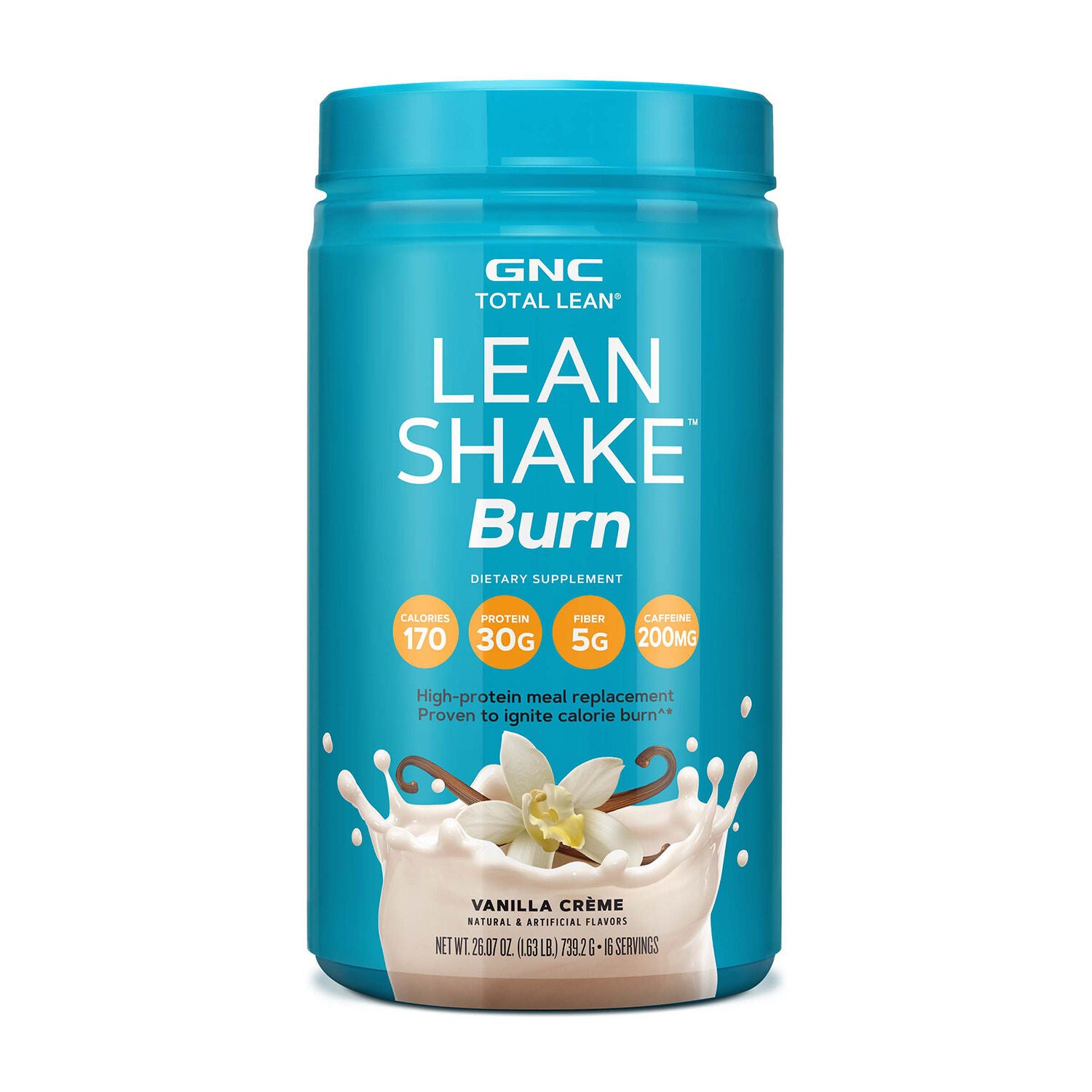

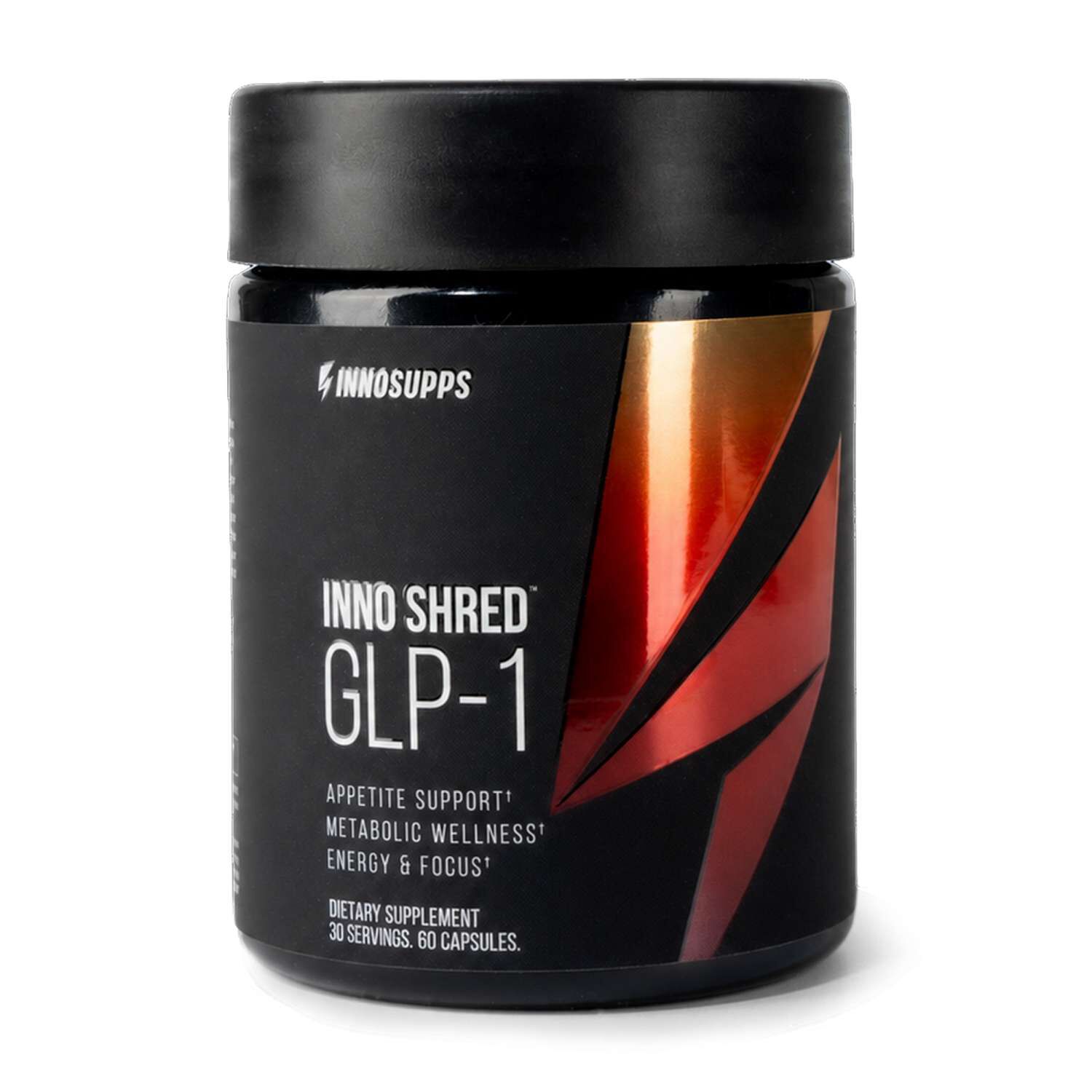
Choosing supplements for couples losing weight together can make a shared routine feel more organized, especially when both partners are building meals, movement, and daily habits around the same household schedule. These products may serve as convenient additions to a balanced eating pattern, but they are not a substitute for nourishing meals, regular activity, restorative sleep, or guidance from a qualified health professional. A thoughtful starting point could include protein powders, ready-to-mix protein drinks, fiber supplements, multivitamins, hydration mixes, and select pre-workout or caffeine-containing formulas. Protein products may help each person reach an appropriate protein intake while managing portions, and they can fit into breakfast smoothies, afternoon snacks, or a simple drink after a walk or strength session. Fiber products may support digestive regularity and a feeling of fullness when used with adequate fluids and a varied diet. A multivitamin may help fill small nutritional gaps for some adults, although individual needs can differ widely. Hydration products may be useful for couples who exercise outdoors, take longer walks, or spend active weekends together, while caffeine-based formulas could support alertness before activity for people who already tolerate caffeine well. Since supplements may affect people differently, couples could compare serving sizes, ingredient lists, caffeine amounts, sweeteners, allergens, and directions before placing the same item in both shopping carts. One partner may prefer an unflavored powder for oatmeal or yogurt, while the other may want a single-serve option that fits neatly into a gym bag or desk drawer.
Shared goals do not always mean identical needs. Age, body size, activity pattern, dietary preferences, food sensitivities, medications, and personal health history may all influence which supplement categories make sense. A plant-based protein powder could suit a household that avoids dairy, while a whey or milk-based option may appeal to someone who enjoys a creamy texture and uses smoothies as a convenient meal companion. Couples who eat very different breakfasts may still use the same protein powder in separate ways: one person might blend it with berries and oats before a morning commute, while the other could stir it into a post-workout snack at home. Fiber supplements may require extra attention to serving directions and fluid intake, and introducing them gradually could be more comfortable for some people. Caffeine deserves the same kind of care; coffee, tea, energy beverages, pre-workout products, and certain weight-management formulas can all contribute to a person’s daily intake. Reading labels together may make it easier to avoid stacking similar ingredients across several products. Anyone who is pregnant, nursing, managing a health condition, taking prescription or over-the-counter medicine, or preparing for a procedure could speak with a healthcare professional before starting a new supplement. A pharmacist or clinician may also offer individualized guidance when two partners have different nutritional needs. Supplements purchased as a gift may work well for a spouse, partner, or friend who enjoys meal prep, home workouts, hiking, cycling, or weekend fitness classes, but a gift card or a conversation about preferences may be more considerate than choosing a formula without knowing the recipient’s dietary requirements.
The most useful shared routine may be the one that feels simple enough to repeat during busy days and flexible enough to continue as the weather shifts from milder afternoons to cooler mornings. Couples could keep protein powder or fiber products in a dry pantry, portion workout-day servings ahead of time, and place hydration mixes beside water bottles before heading out for a walk. A small basket with shaker cups, measuring scoops, storage containers, and favorite add-ins may turn a kitchen corner into a practical preparation station without making the routine feel rigid. Product labels deserve close attention: couples may want to compare protein grams, fiber content, serving size, calories, added sugars, caffeine, artificial sweeteners, and common allergens. It may also be wise to choose one new product at a time so each person can notice how it fits into their routine rather than changing several habits together. Supplements could accompany shared behaviors such as preparing roasted vegetables and lean proteins for the week, taking an evening stroll, or planning a satisfying breakfast before errands. They are unlikely to create major weight changes on their own, and claims that promise dramatic results may deserve extra caution. The strongest routine may be the one that respects each person’s pace while keeping the experience social: blending two different smoothies, packing snacks for a trail, or marking small victories with a favorite active outing rather than focusing only on a number. Couples looking for products that fit a joint training routine may also explore Supplements for Workout Partners for additional ideas organized around shared activity.