Home Workout Supplements
(0 Results)
Elevate your fitness journey with home workout supplements that could support your exercise routine and help you reach your goals. Whether you're looking to increase energy, support muscle recovery, or maintain overall wellness, these supplements might be the perfect addition to your at-home regimen. Discover a range of options designed to complement your workouts and potentially optimize your performance right from the comfort of your home.



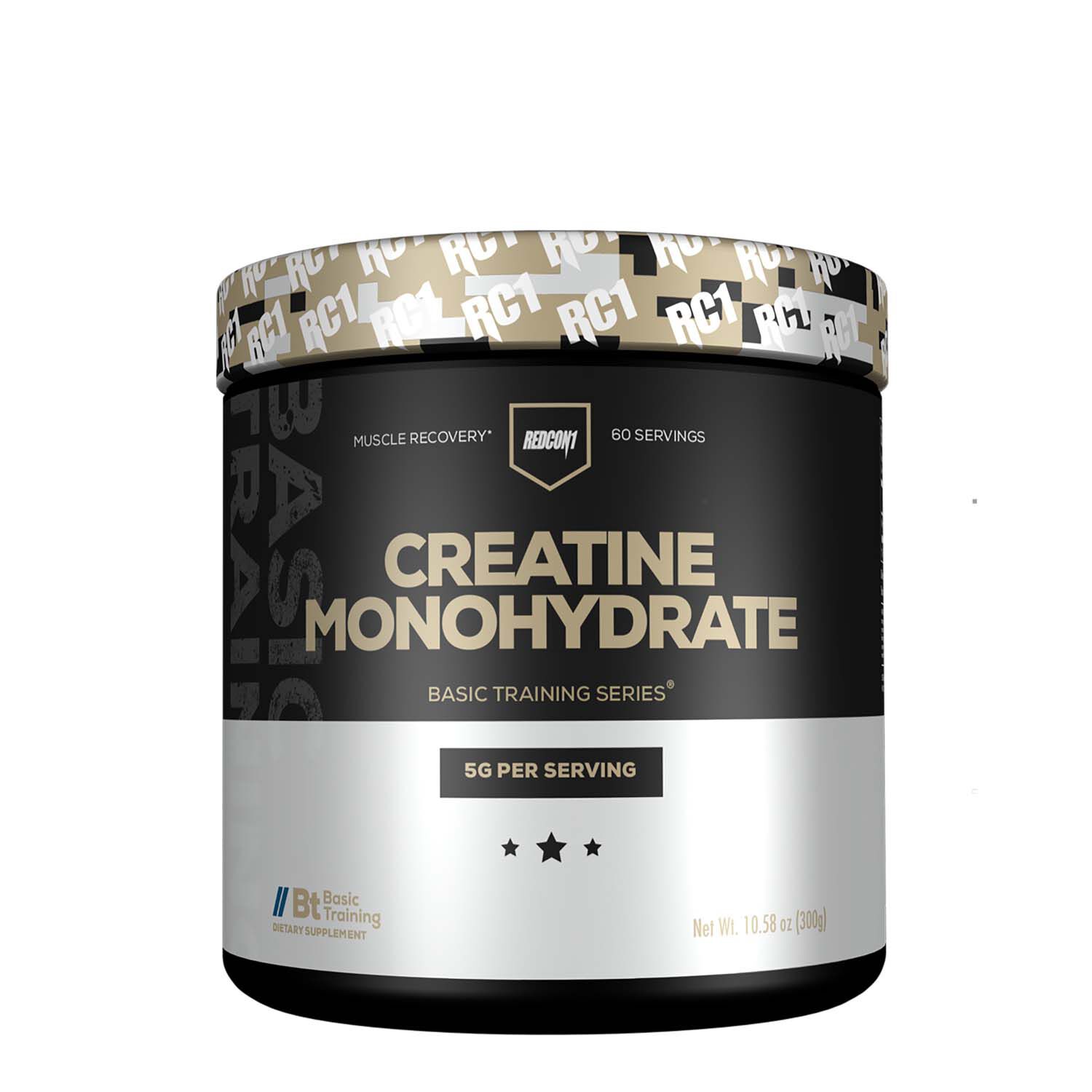



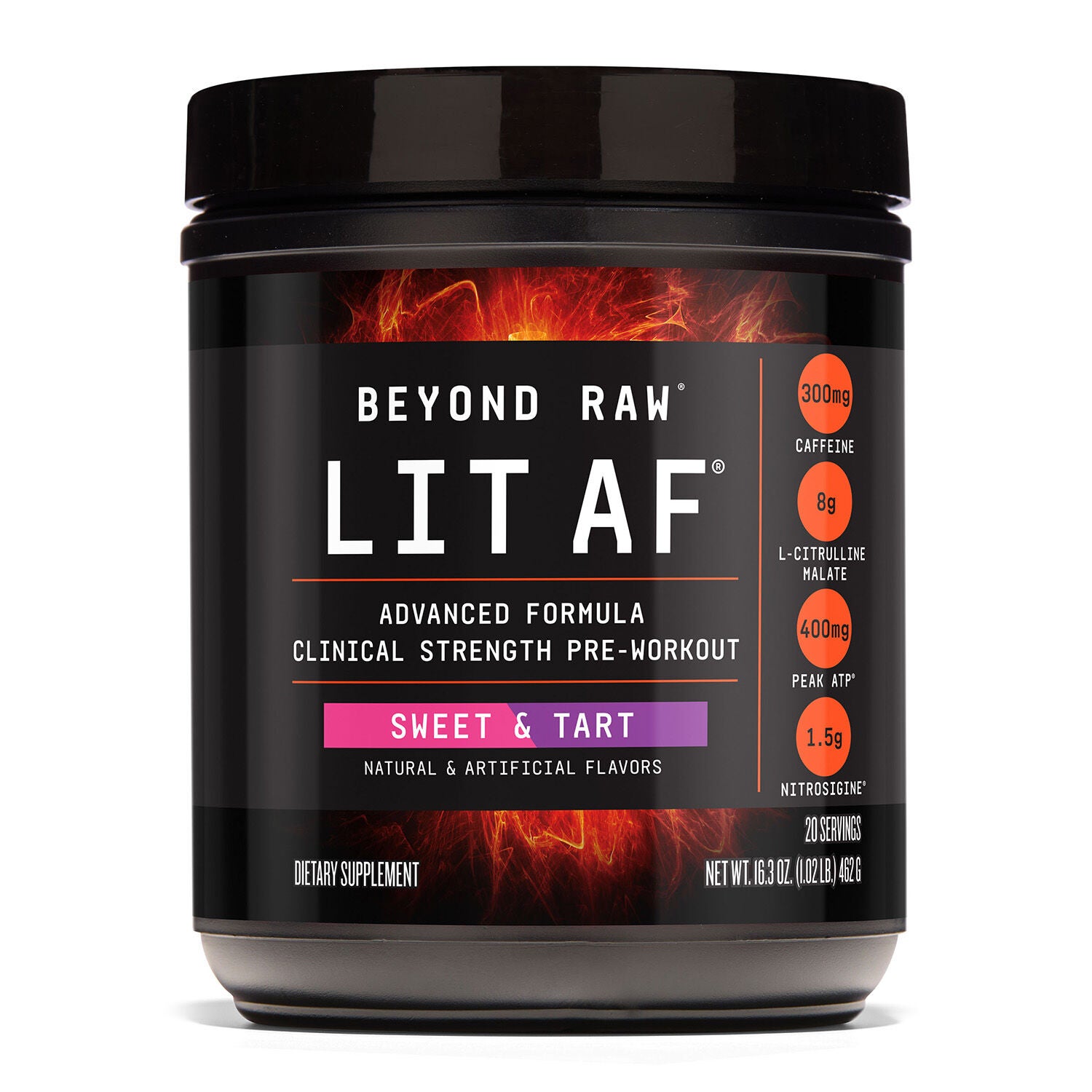
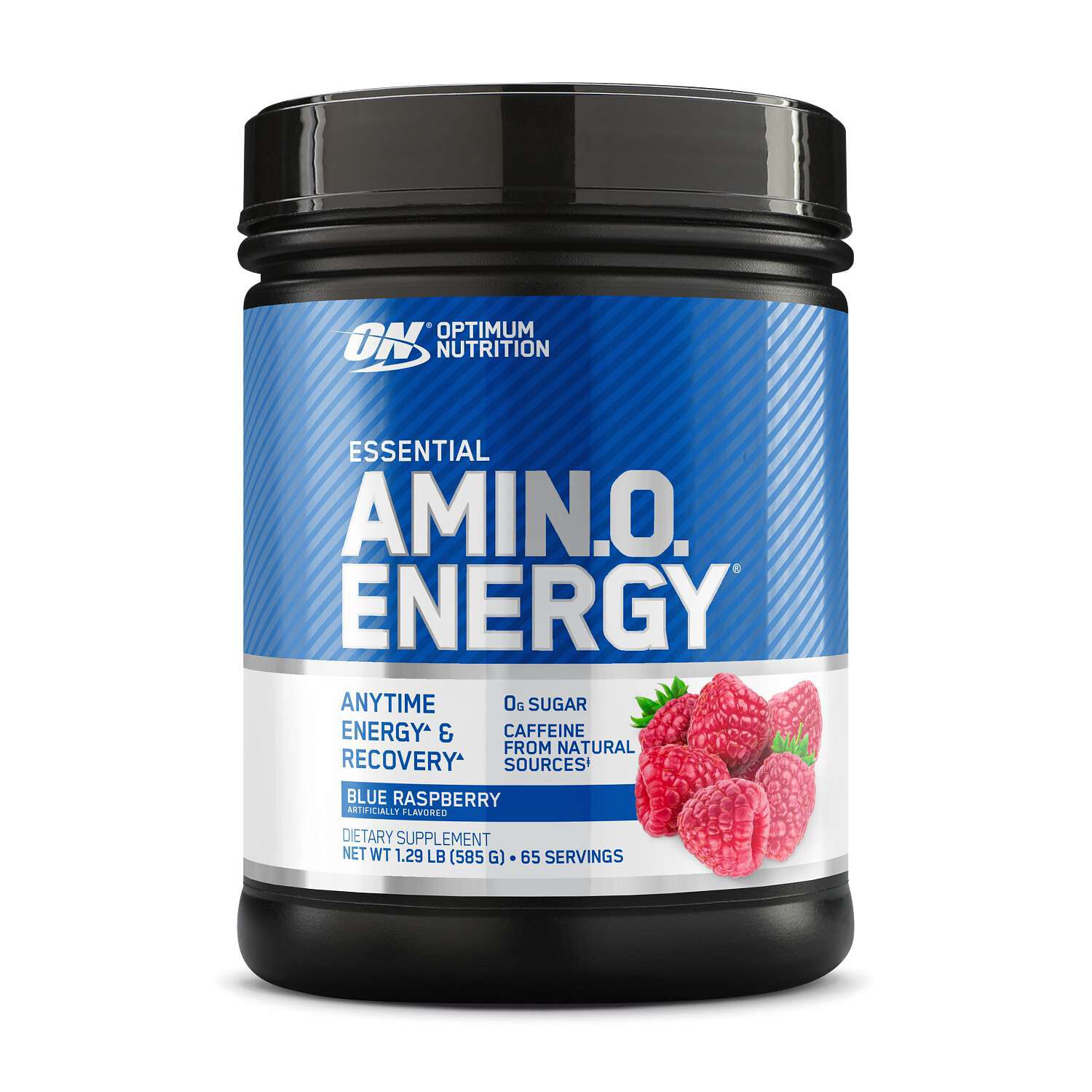
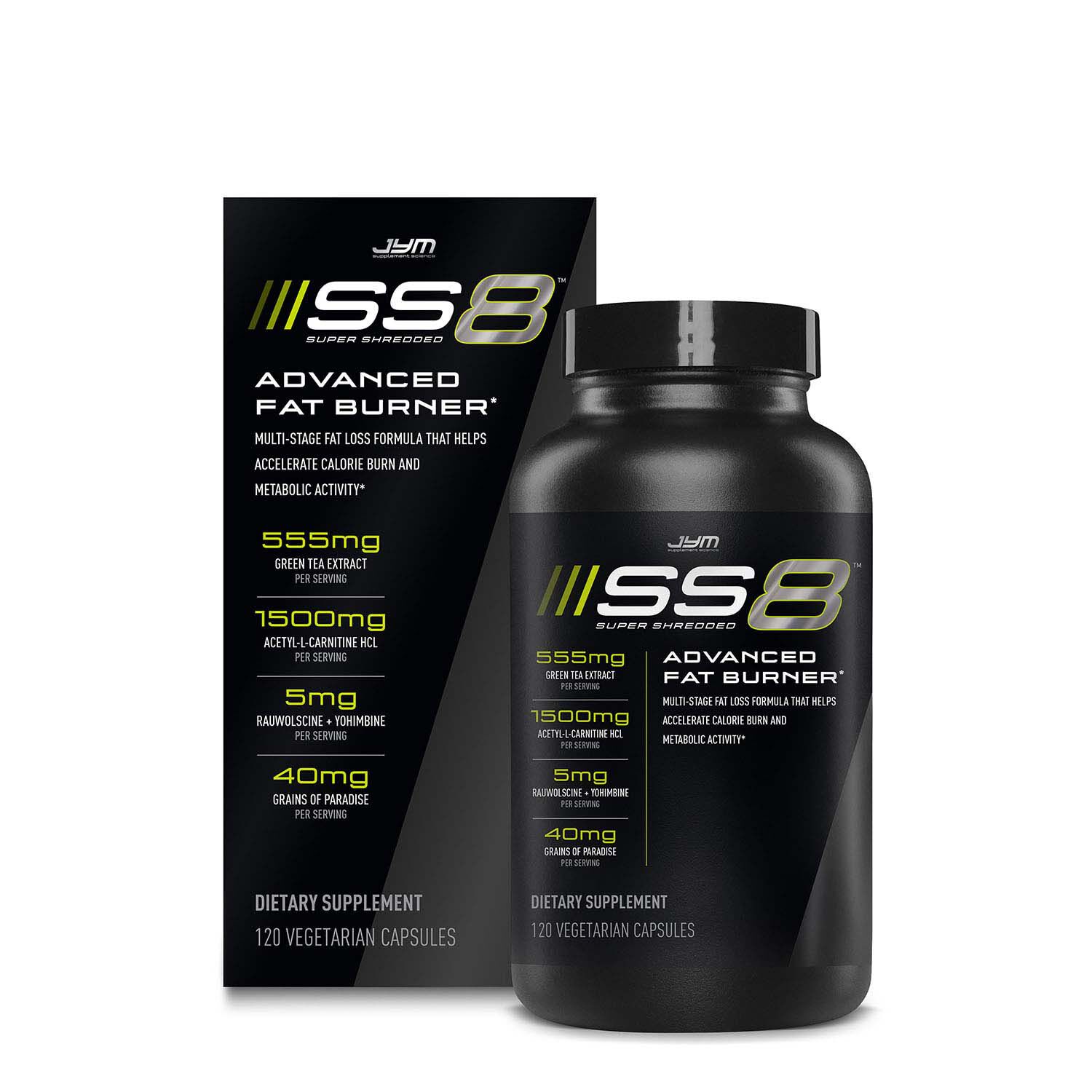
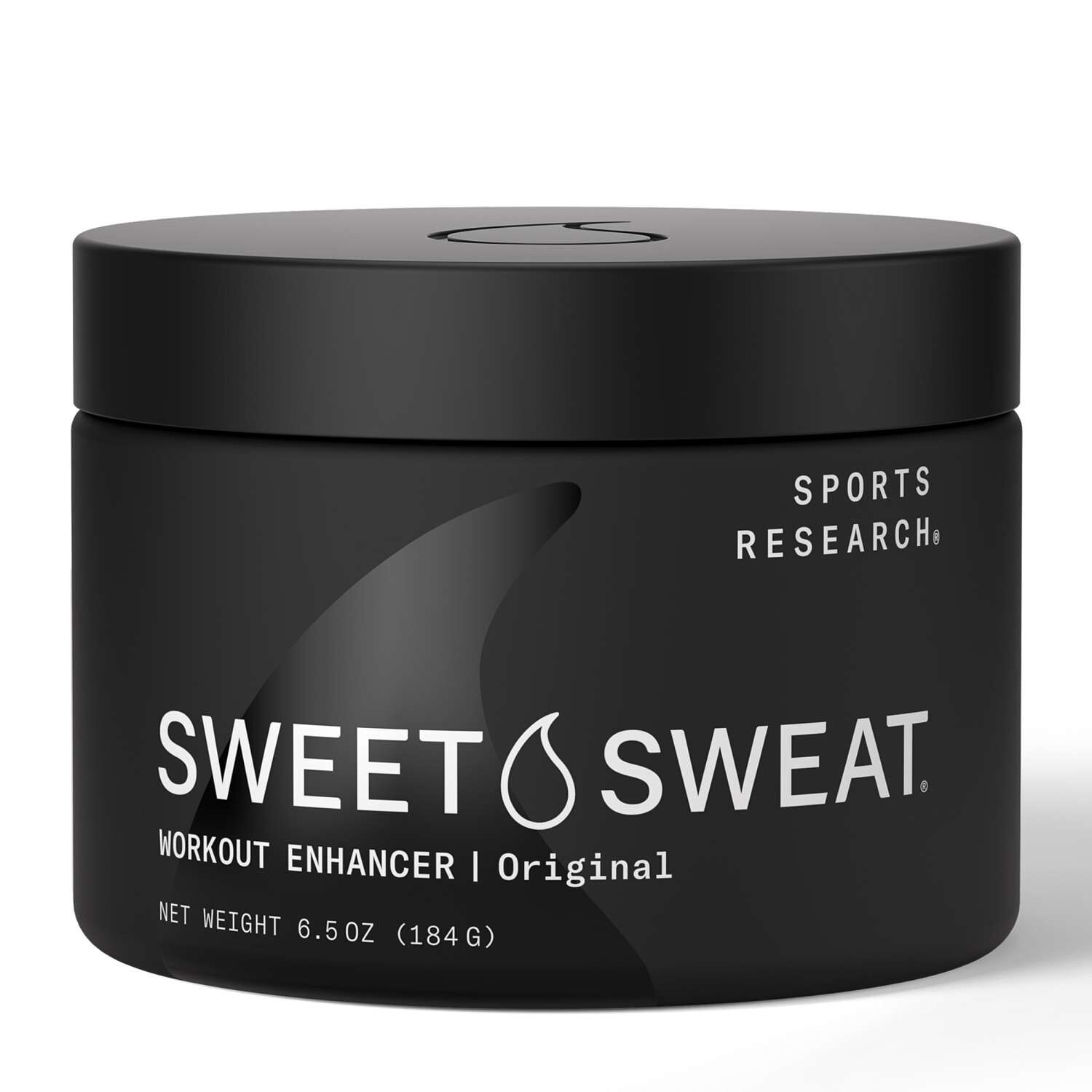
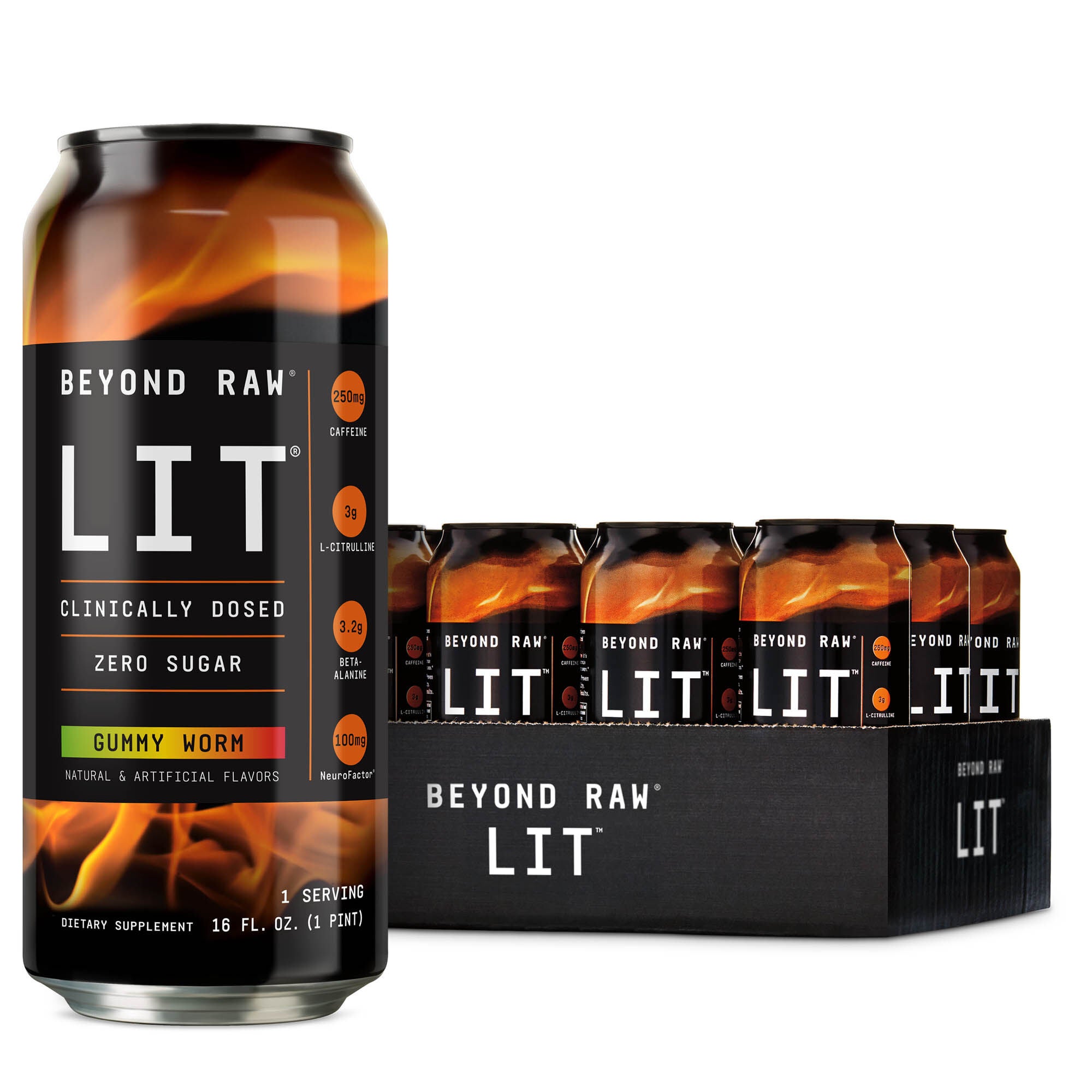
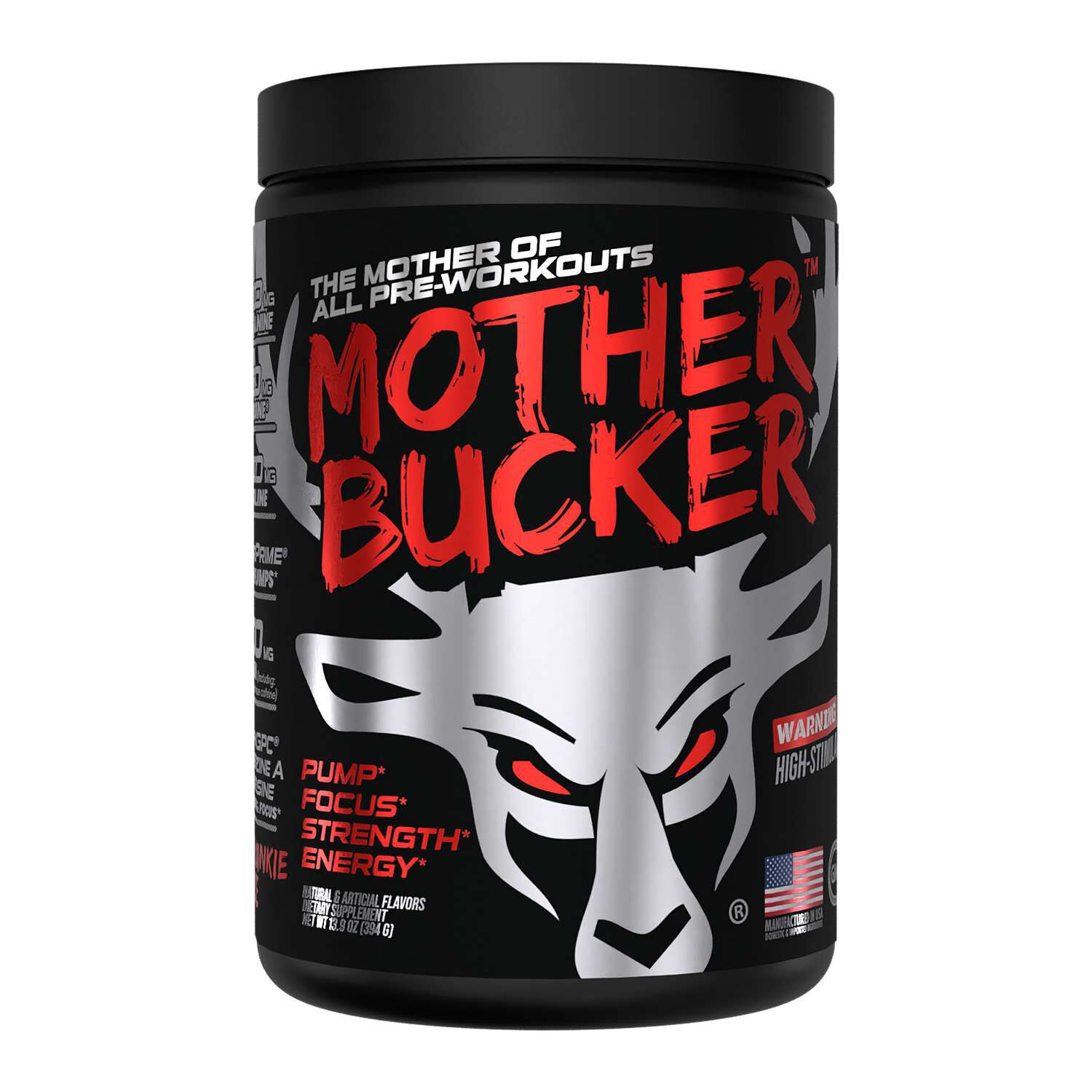
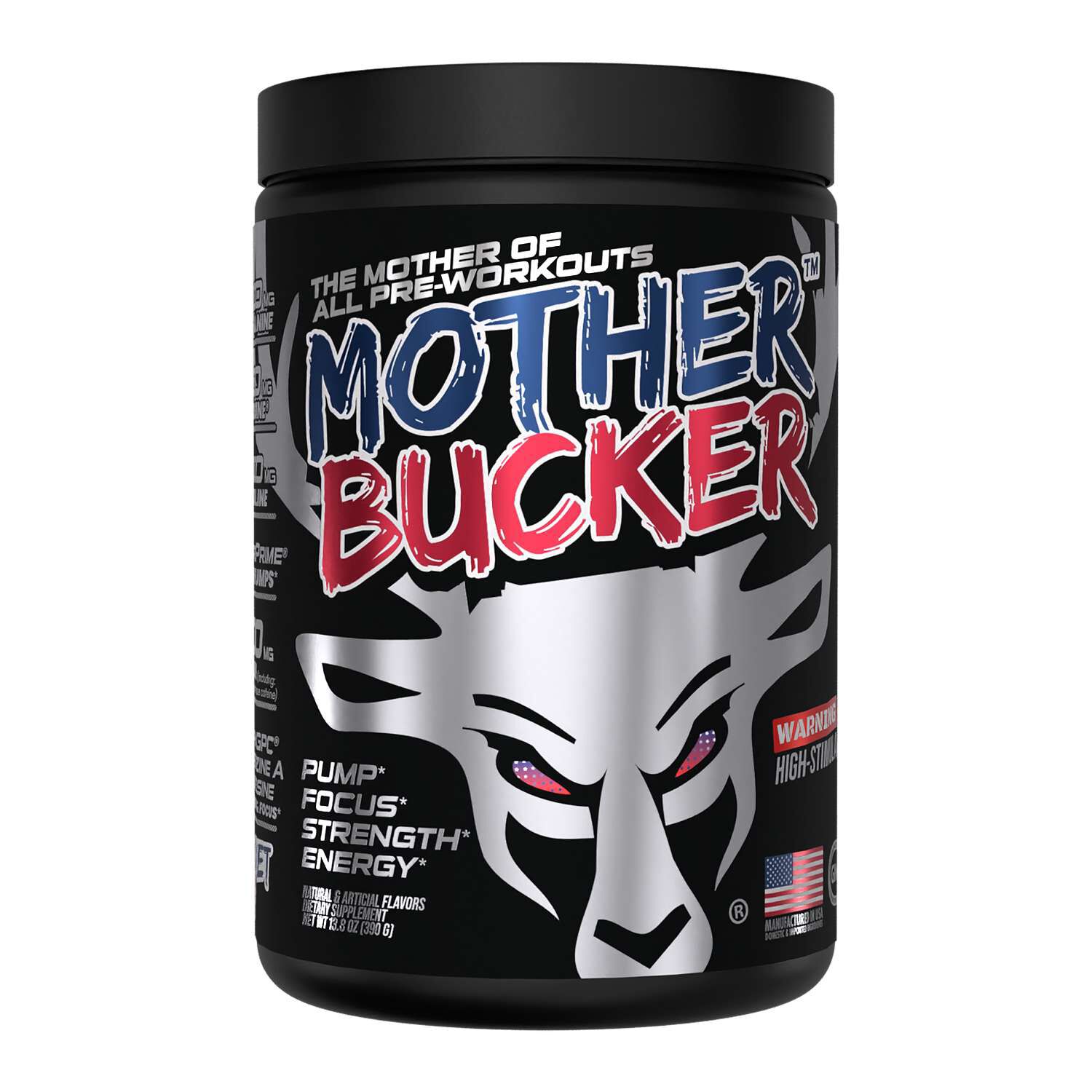

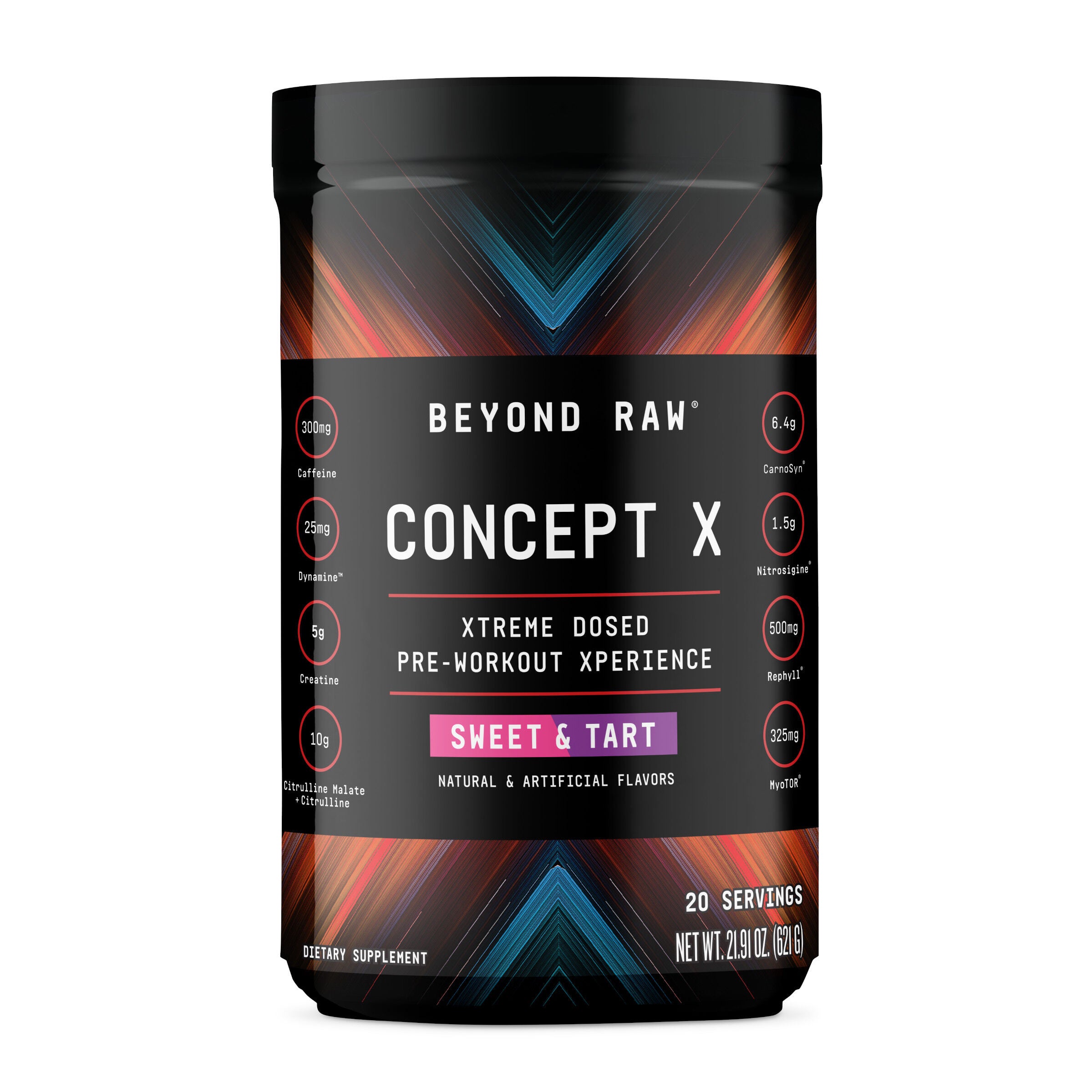
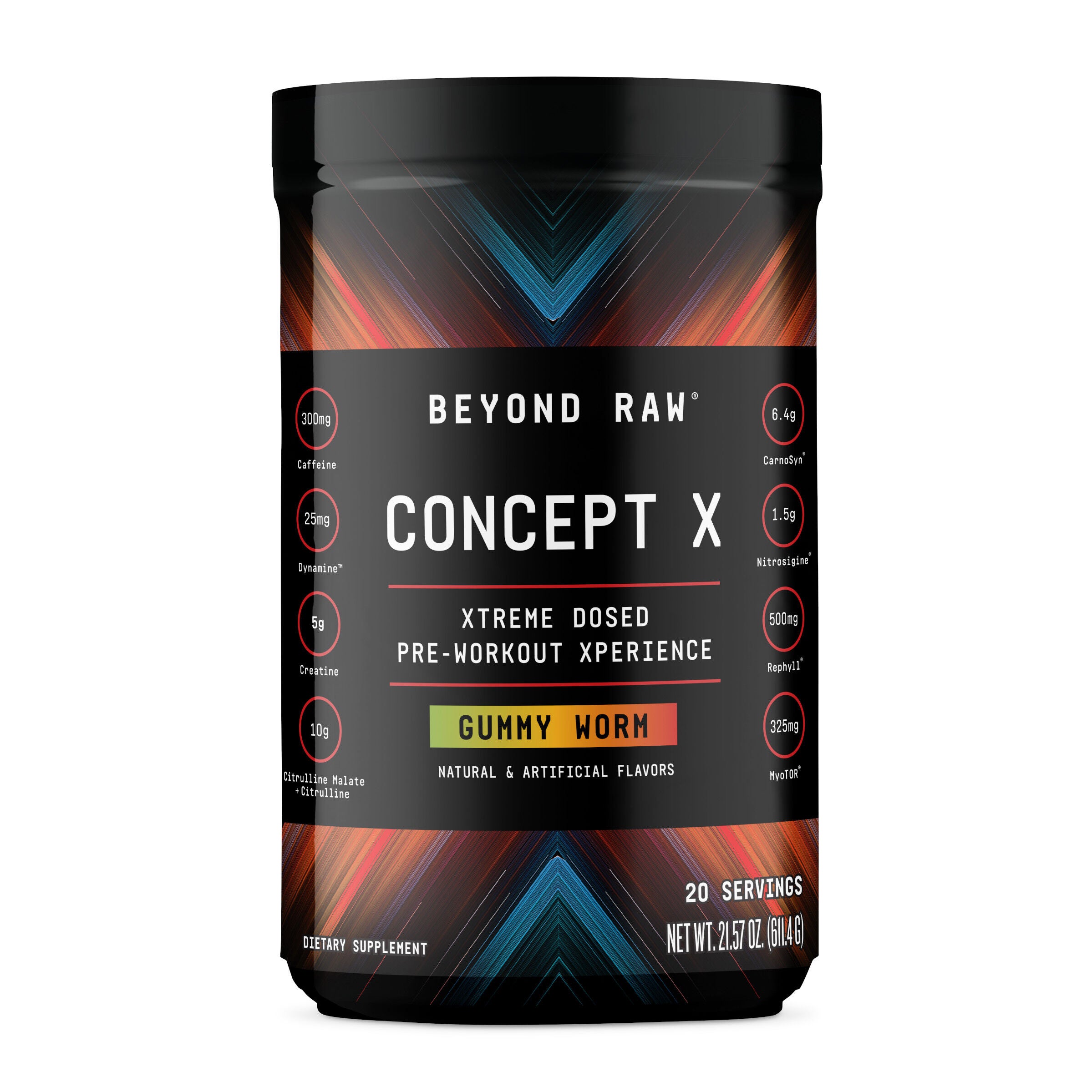
Home workout supplements encompass protein powders, creatine, pre-workout formulas, electrolyte mixes, and other sports nutrition options intended for exercise routines outside a traditional gym. A session might involve adjustable dumbbells beside the sofa, resistance bands in a spare room, or a mat rolled out for a bodyweight circuit. The setting changes, but the considerations behind choosing supplements remain much the same: the type of activity, the ingredients, dietary preferences, and how easily a format fits into everyday life. Supplements belong alongside regular meals, water, rest, and a consistent training routine rather than in place of them. Protein powder may support muscle maintenance and recovery after resistance exercise, while also offering a convenient way to add protein to meals or snacks. Whey, casein, soy, pea, and blended plant proteins differ in their sources, textures, and preparation characteristics. Someone who wants a shake between a morning workout and a video meeting may prioritize a powder that mixes smoothly with water in a shaker bottle. Someone who enjoys a more substantial snack may prefer a texture that works well in yogurt or oatmeal. Comparing protein per serving, serving size, ingredient lists, and allergen statements gives a clearer picture than flavor names alone. Milk-derived protein and plant-based protein are distinct options, but a plant-based description does not establish every aspect of a formula’s dietary suitability. The full label provides the relevant details. Flavor matters, too, particularly when a supplement becomes part of a familiar routine. A lightly flavored powder may suit several preparations, while a richer chocolate or vanilla profile may be more appealing as a stand-alone shake. Container size, scoop size, and the amount of liquid suggested for mixing also affect the experience. For home use, a formula that matches the way someone actually prepares and enjoys it can be more practical than one chosen solely for an elaborate ingredient panel.
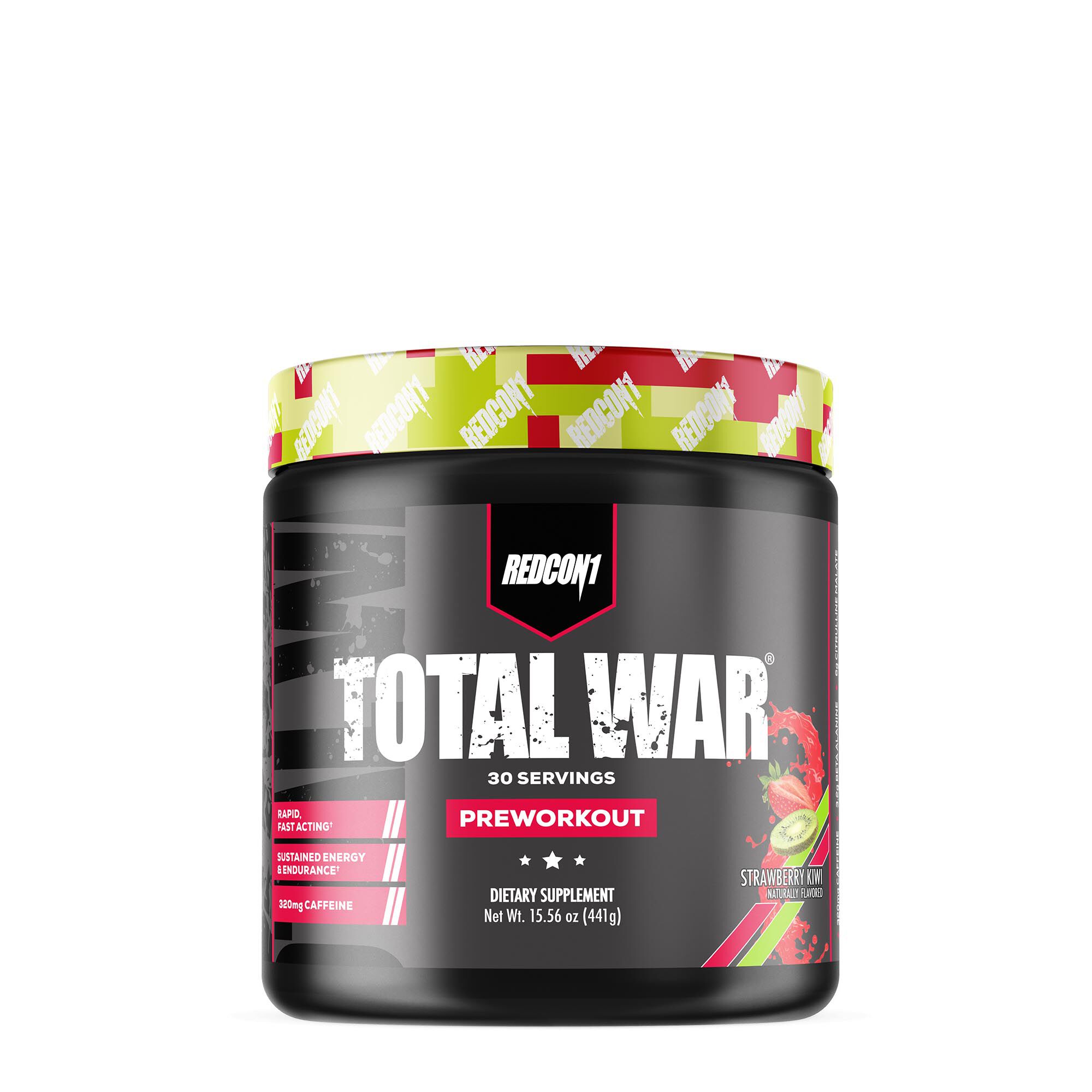
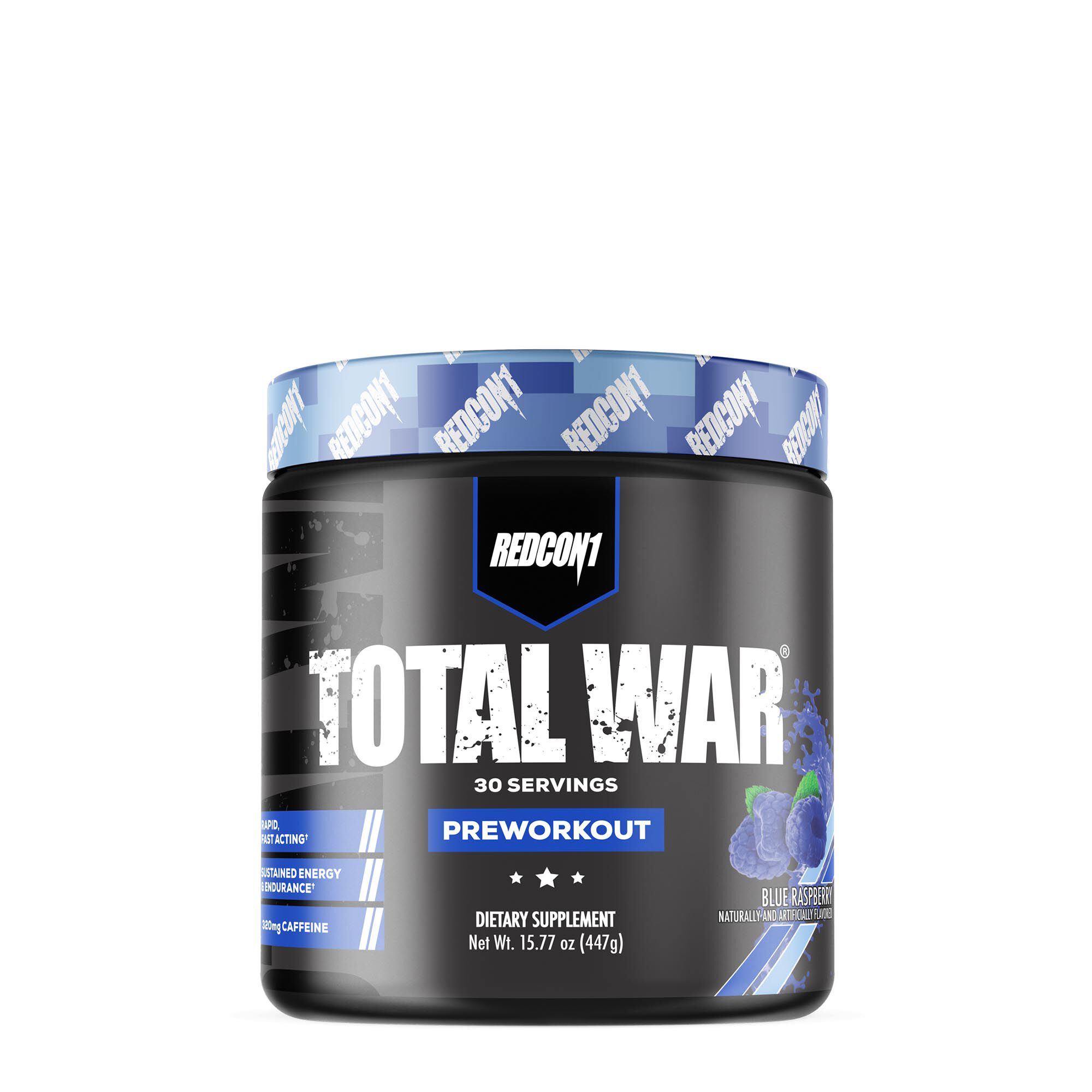
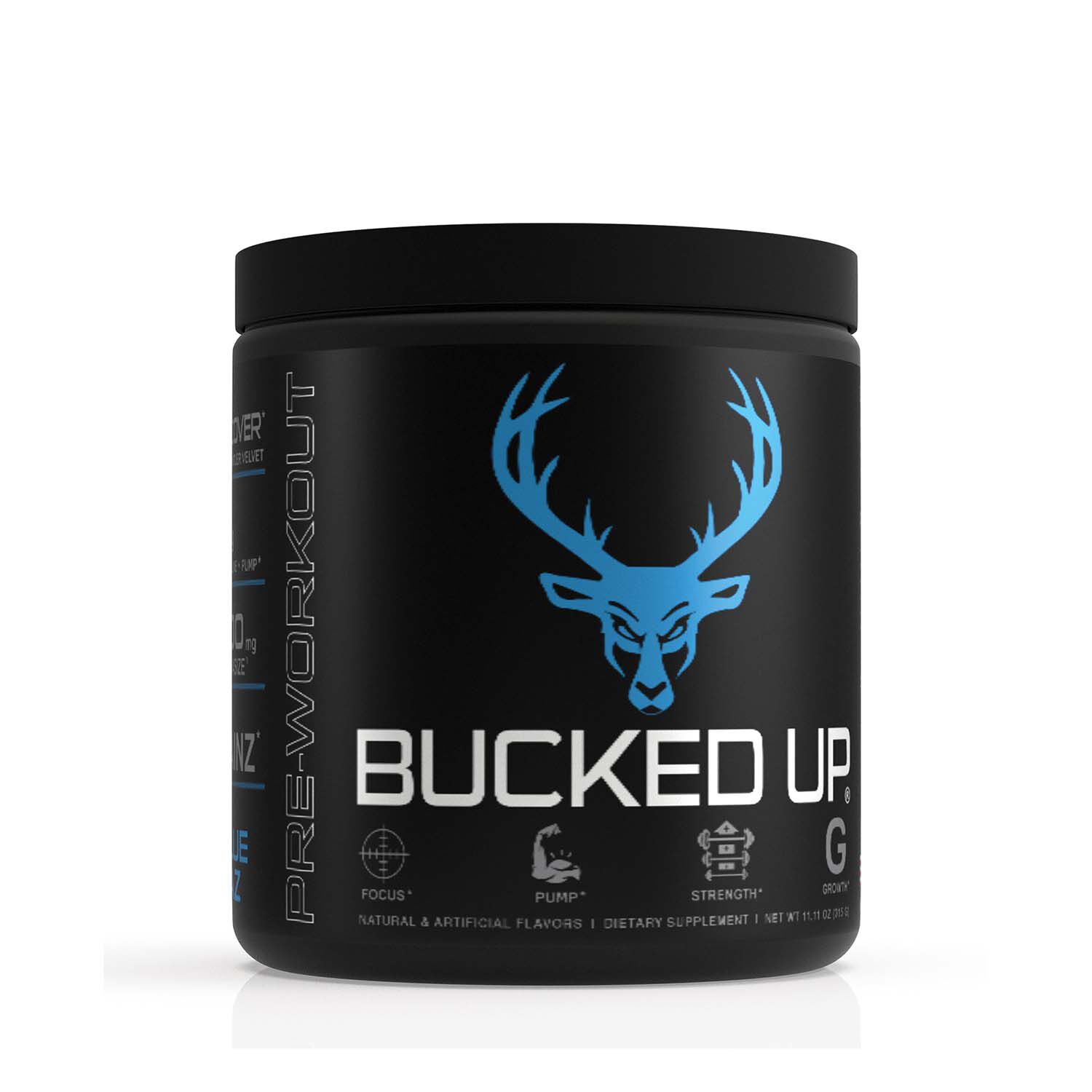
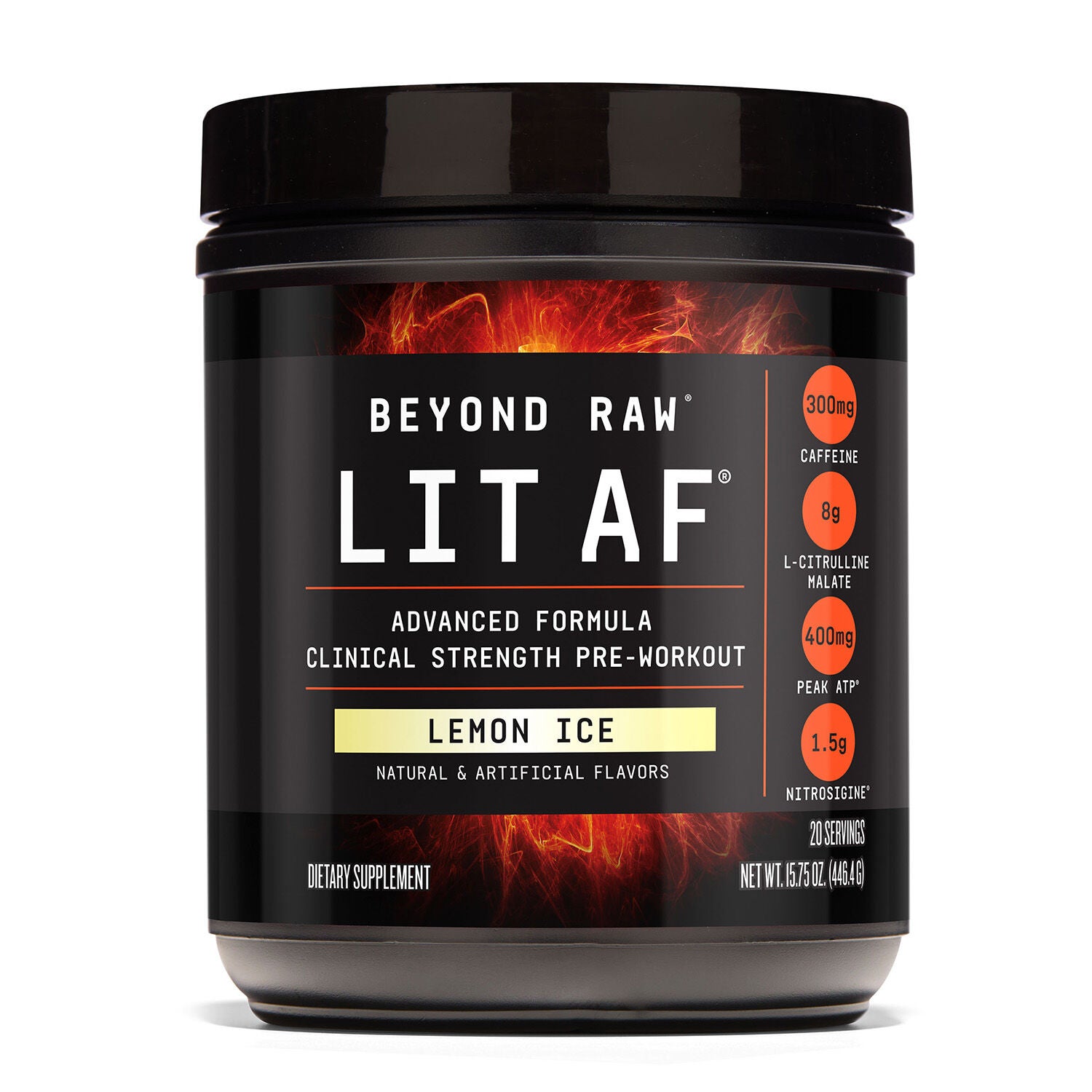
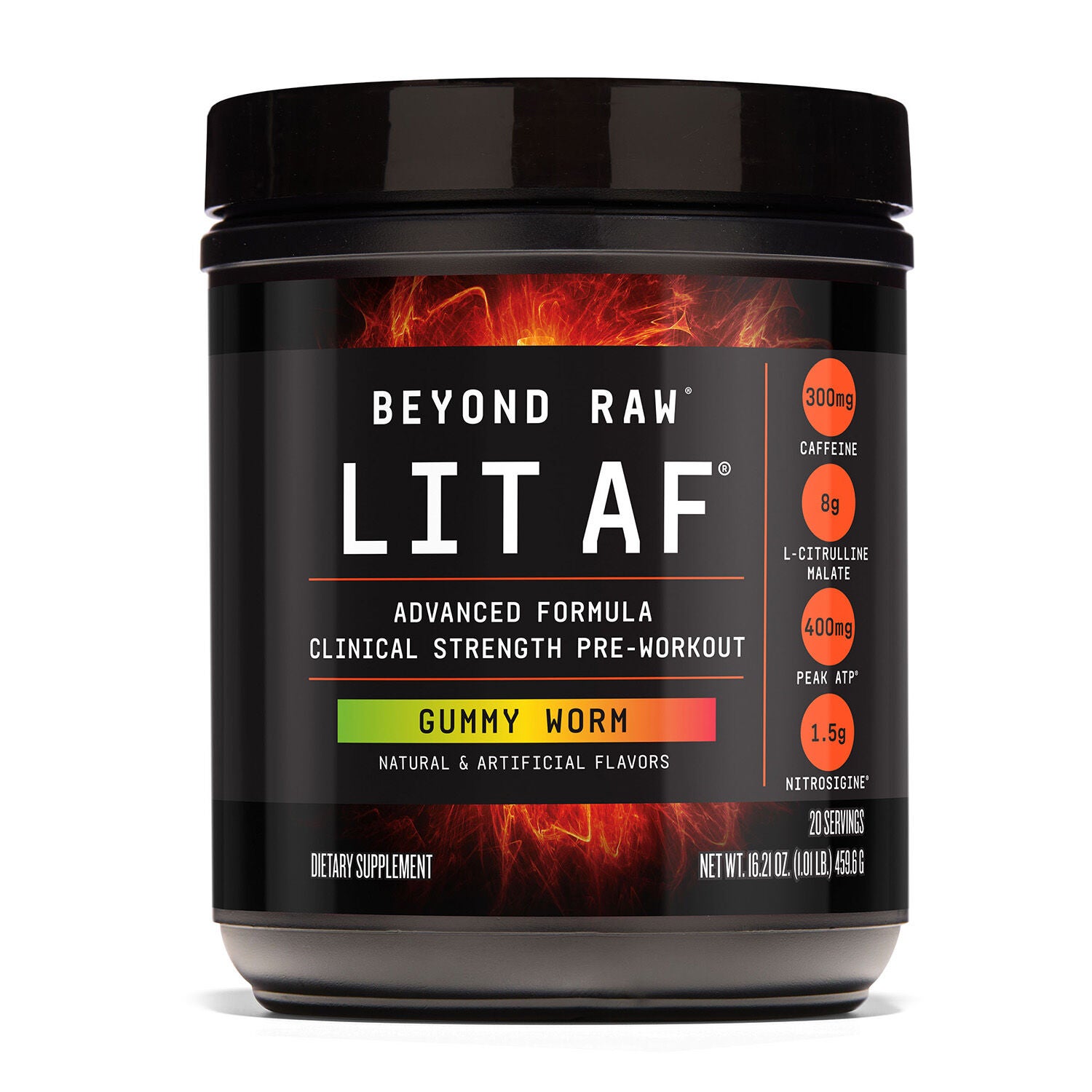
Different workout styles bring different supplement categories into consideration. Creatine monohydrate may support performance during repeated, short bouts of high-intensity exercise, making it relevant to shoppers whose home sessions include challenging dumbbell sets or demanding resistance circuits. It has a different intended use from protein powder and is not interchangeable with a pre-workout formula. When comparing creatine supplements, the amount listed per serving and whether the formula contains other ingredients are useful distinctions. Pre-workout supplements vary more widely: some contain caffeine, amino acids, botanical ingredients, or combinations of these, while others are formulated without caffeine. Caffeine-containing formulas may support alertness and focus during exercise, but that experience can differ from person to person. An evening routine also presents different practical considerations from a workout before breakfast, so clearly stated caffeine content is particularly relevant when browsing. Coffee, tea, and other beverages may contain caffeine as well; a supplement label represents only what is in that serving. Electrolyte powders and drink mixes are another category, often containing minerals such as sodium and potassium. These formulas may support hydration during longer or sweatier workouts, although a brief stretching session and a sustained indoor cycling workout do not create identical needs. Flavor strength, sweetness, mineral amounts, and suggested mixing volume can help distinguish one formula from another. Shoppers interested in botanical ingredients can also explore Herbal Workout Supplements as a related category, with attention to the named ingredients and their stated amounts. Botanical formulas vary in composition, and their source alone does not establish suitability or performance. Across categories, plainly stated ingredient amounts make comparisons more straightforward than broad descriptions of a blend. A shorter ingredient list is not automatically the better choice, just as a longer list does not establish a better fit. The most relevant differences are the ingredients themselves, their amounts, the intended use, and whether the formula suits the shopper’s existing food and beverage habits.
The practical details of home workout supplements often become apparent at the kitchen counter rather than during the workout itself. A wide container opening, a readable serving panel, and a lid that closes securely can matter when preparing a drink before heading to a small training space. Powders offer flexibility in preparation, while individually portioned packets may be convenient for someone who alternates between exercising at home and elsewhere. Capsules and tablets have different serving directions and do not provide the same drink experience as a flavored mix. The number of scoops, capsules, or tablets in a labeled serving is worth comparing rather than assuming that one unit always represents one serving. For powders, mixing instructions help establish the intended consistency; a formula prepared in a small glass can taste quite different from the same serving mixed in a larger bottle. Texture preferences deserve as much consideration as flavor, especially for shoppers who dislike a thick shake or noticeable settling. Storage and handling also matter over the life of a container. Following the label’s storage directions, keeping closures secure, and using clean, dry utensils may help preserve the intended texture and quality. A shelf away from cooking steam is a more practical location than an open spot beside the stove, and keeping the original packaging retains ingredient information, directions, and date markings. Shaker bottles and other preparation utensils should be cleaned according to their care instructions. For someone assembling a home workout routine, choosing supplements around an established habit may make the selection process more manageable: a protein drink enjoyed after resistance training, for example, or an electrolyte mix considered for a longer cycling session. There is no need for every category to appear in every routine. Supplements can also be a thoughtful gift for an adult fitness enthusiast when the recipient’s preferred ingredients, flavors, and dietary requirements are already known. Whether chosen for personal use or as a gift, clear labeling and a familiar format keep the focus on suitability rather than novelty.