





Supplements For Enzyme Support
(0 Results)
Supplements for enzyme support could be a valuable addition to your daily routine if you’re looking to optimize your wellness journey. These supplements are designed to complement a balanced diet and may help you maintain overall digestive health. Explore a wide variety of options that could fit your unique needs and support your lifestyle goals. Discover how supplements for enzyme support might play a role in helping you feel your best every day.
-
-

-

-

-

-
-

-
 $19.99
-

-
 Amazing Nutrition$21.99
-
-
 You Matter Wellness$49.99
-

-
 $44.99
-

-
-
-
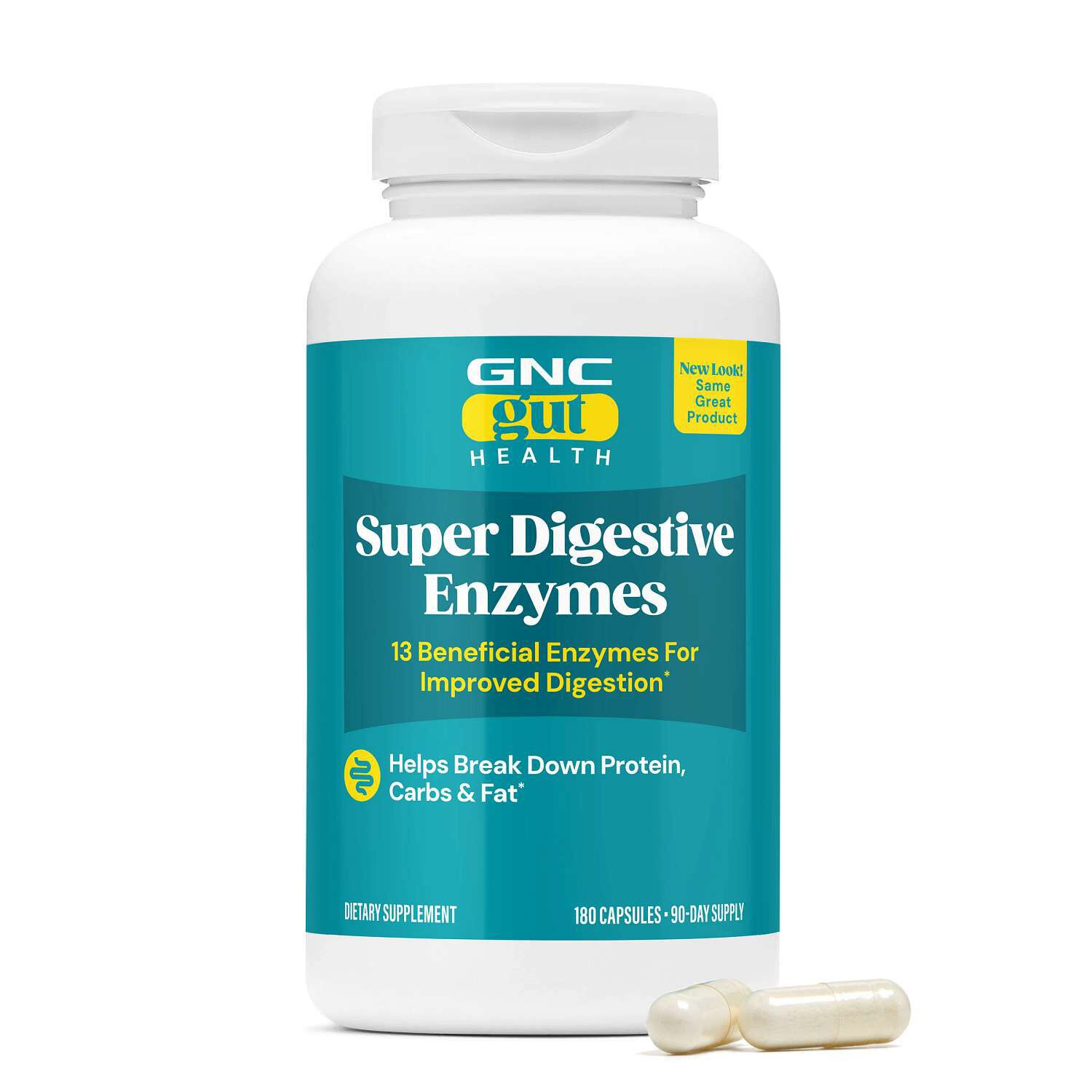


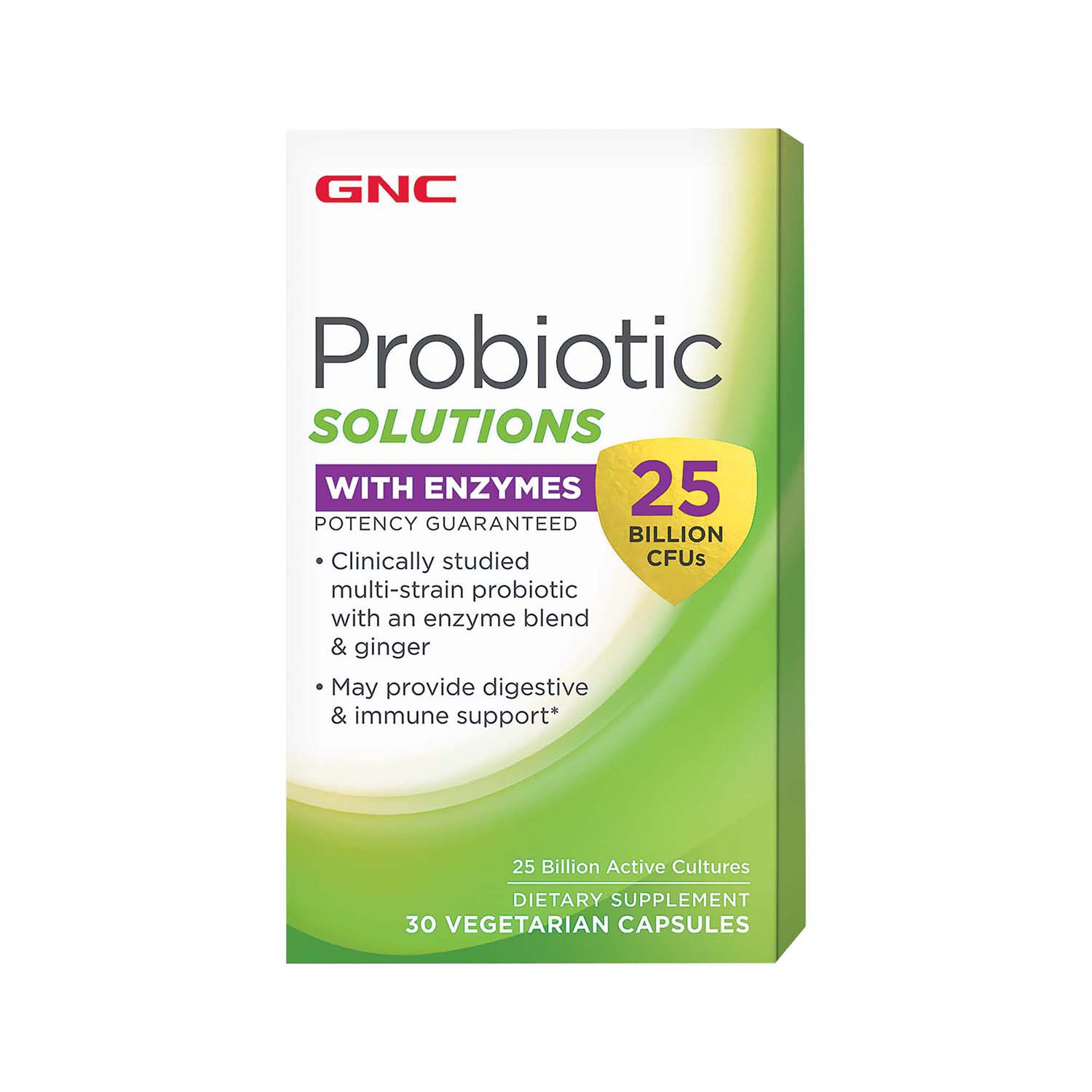
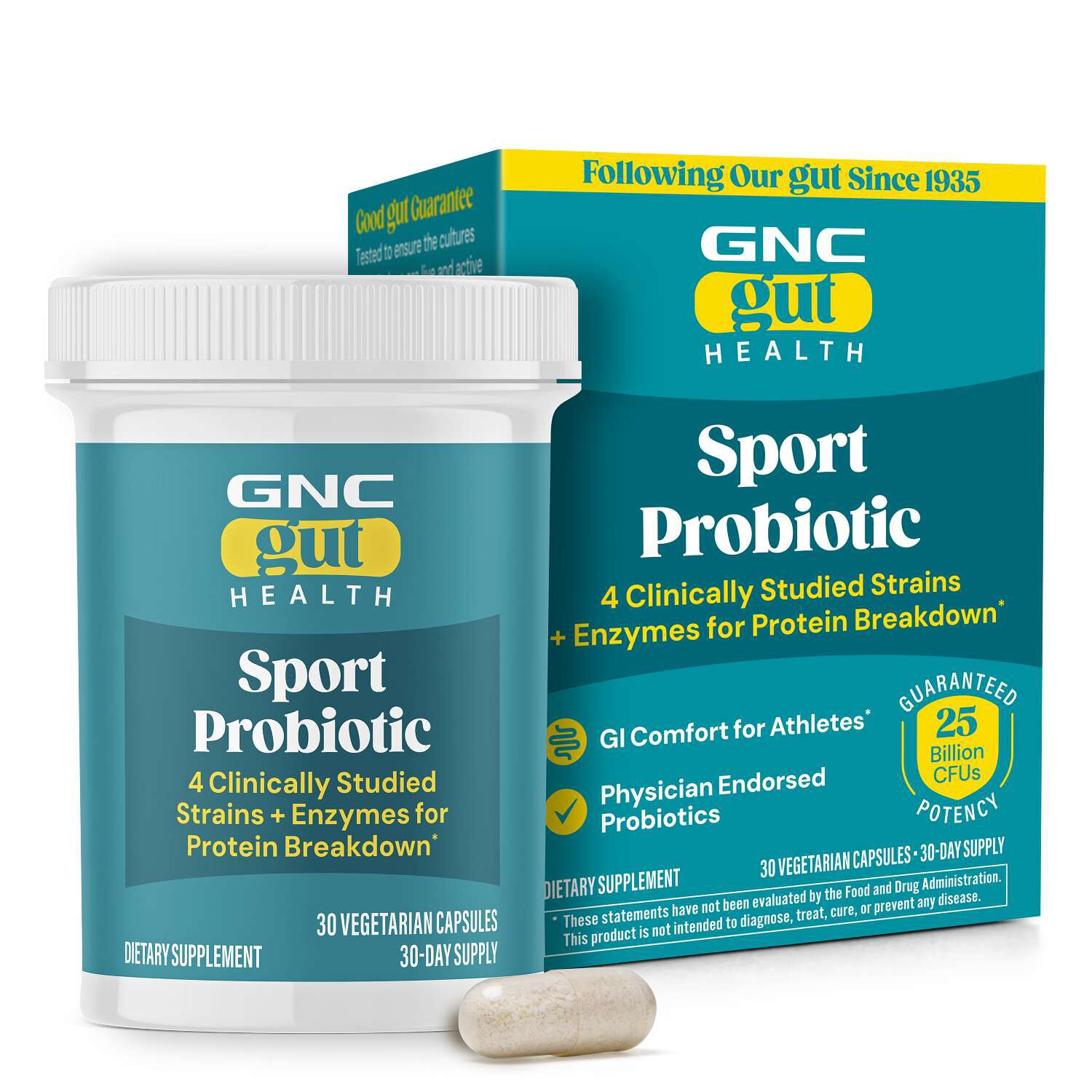
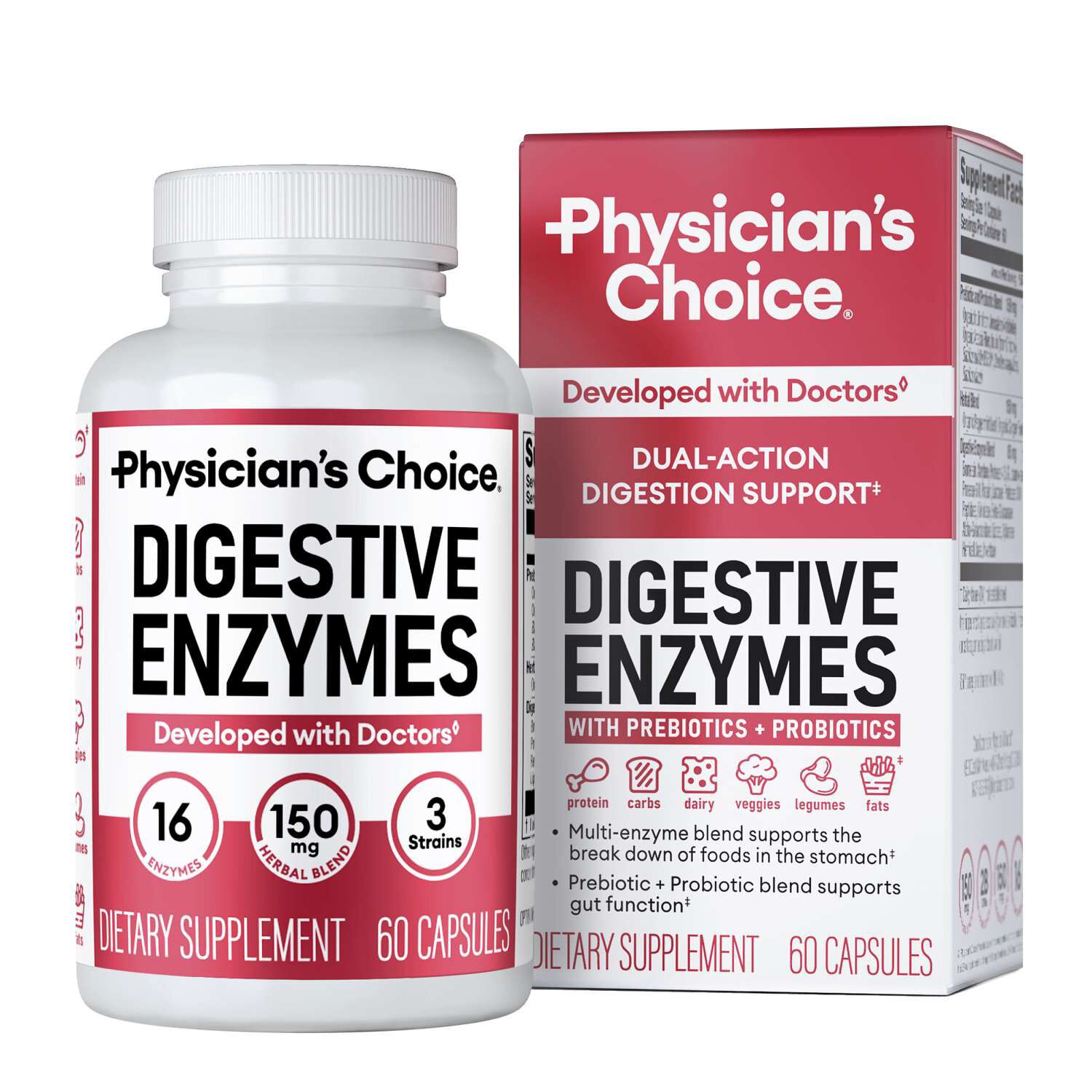
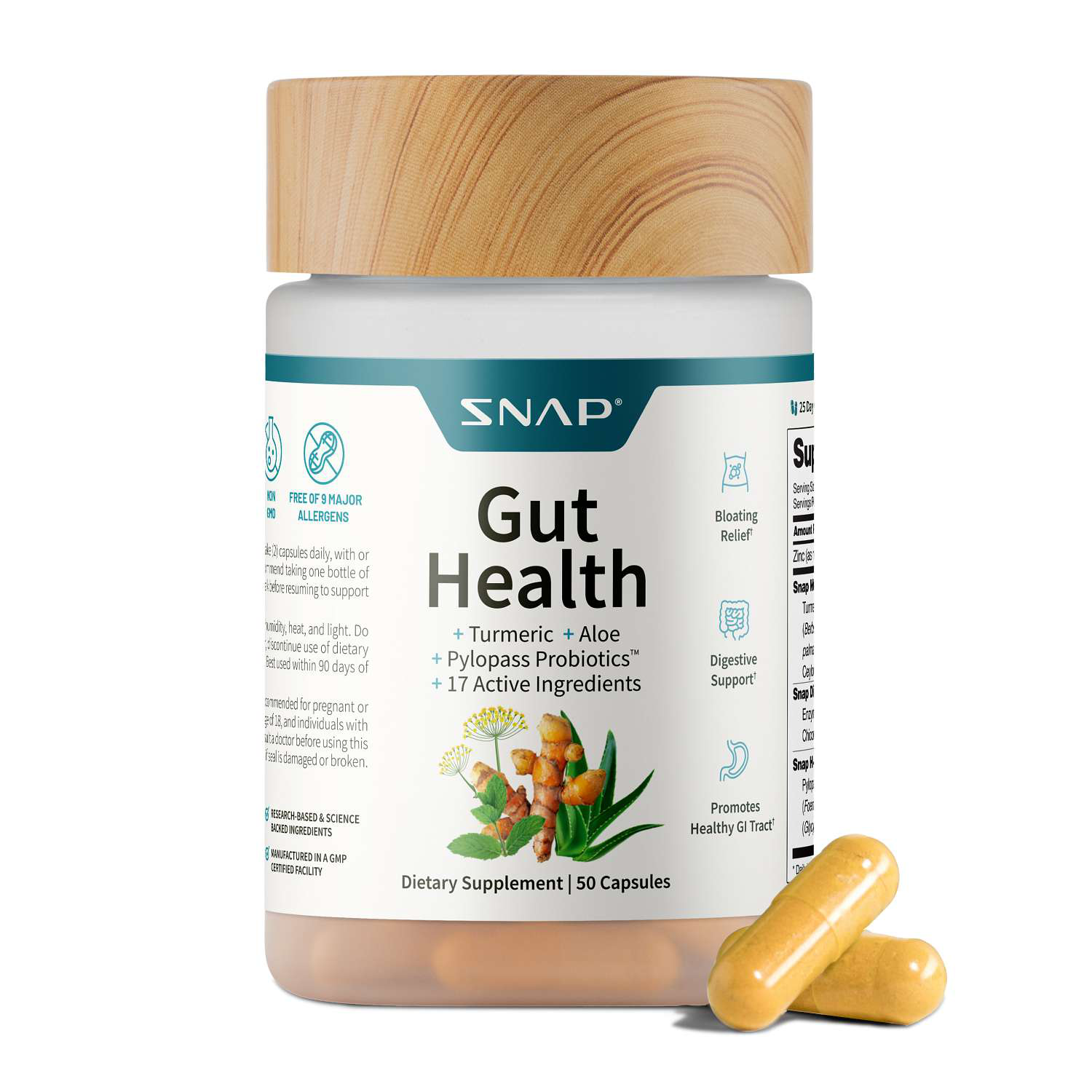
Supplements for enzyme support may support the normal digestion of carbohydrates, proteins, and fats, with formulas built around different combinations of digestive enzymes. In normal digestion, enzymes are proteins involved in breaking food into smaller components. The body produces digestive enzymes naturally, and supplemental formulas may offer additional support as part of an everyday eating routine. An important distinction between formulas is the type of food component associated with each enzyme. Amylase acts on starches, protease acts on proteins, and lipase acts on fats. Lactase breaks down lactose, the sugar found in milk, while alpha-galactosidase works on certain carbohydrates found in foods such as beans. These different roles explain why two digestive enzyme supplements can have very different ingredient lists. A blend containing several enzyme types may suit someone comparing options for varied meals, while a formula centered on one enzyme has a narrower intended use. Consider the difference between a lunch of rice, chicken, and vegetables and a snack of yogurt with fruit: the ingredients bring different combinations of starch, protein, fat, and milk sugar to the table. That context makes the enzyme names on a label more meaningful than a broad description on the front of the bottle. Digestive enzyme supplements also differ from probiotics, which contain live microorganisms, and fiber supplements, which provide dietary fiber. Some formulas combine these categories, so the product description alone may not tell the whole story. Reading the Supplement Facts panel and ingredient list together gives a clearer picture of what a serving contains. For shoppers comparing supplements for enzyme support, the focus is not simply the longest ingredient list. It is the relationship between the listed enzymes, their stated activity, the serving format, and the intended use described on the package. A straightforward formula and a broader blend offer different approaches rather than an automatic ranking of better and worse.
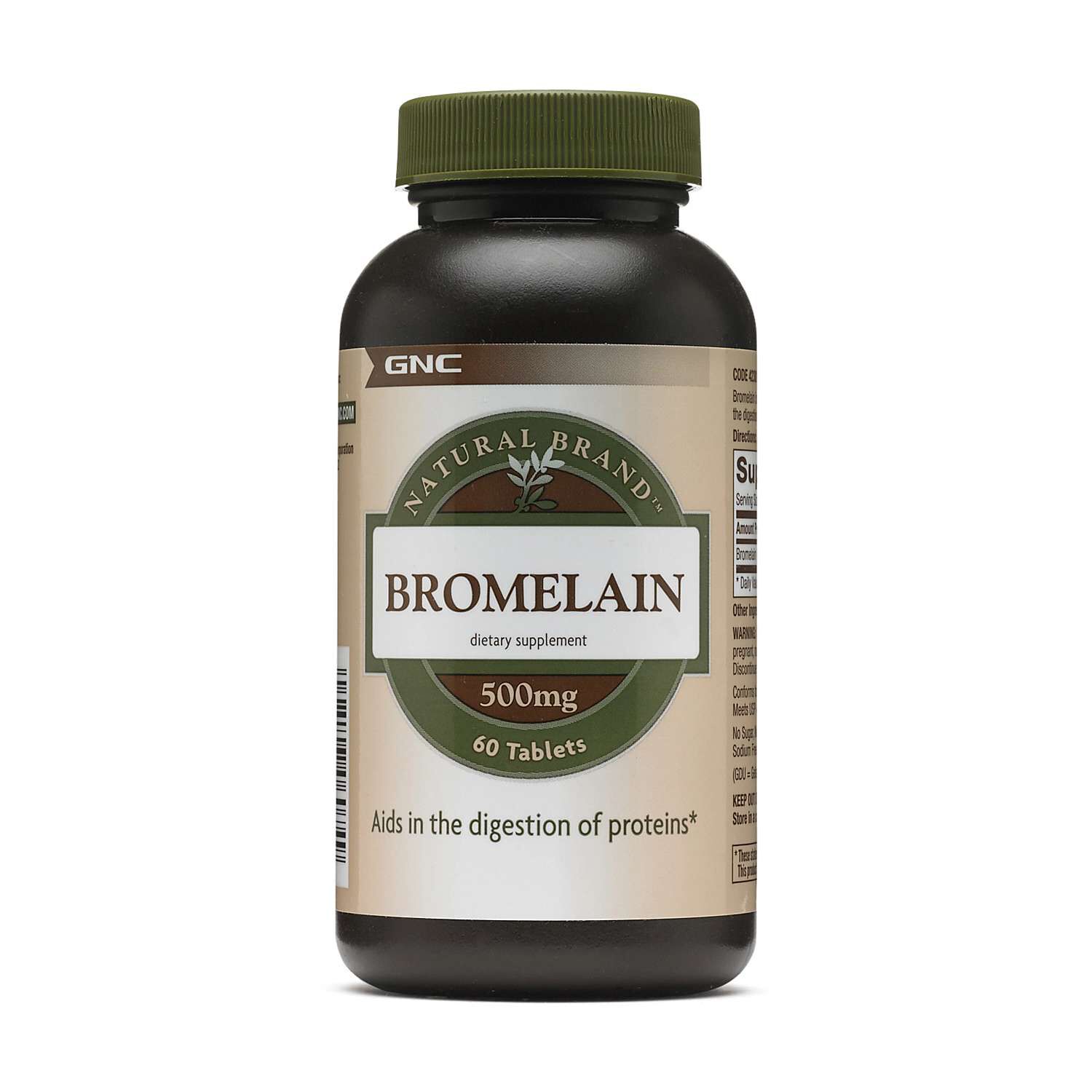
Ingredient sourcing and formula construction add another layer to the comparison. Digestive enzymes can come from plant, fungal, microbial, or animal sources, and those distinctions may matter to shoppers with dietary preferences. Some enzyme ingredients originate from fruits such as pineapple or papaya; others are produced through fermentation. A plant-derived enzyme does not necessarily mean that the entire supplement is vegetarian, because the capsule shell and other ingredients also count. Capsule materials may include gelatin or plant-derived cellulose, while tablets and chewable formats can contain binding ingredients, flavors, or sweeteners. The ingredient list is where those details become visible. Someone who prefers a short list may approach the category differently from someone who values a flavored chewable or a capsule format. Information about milk, soy, wheat, and other ingredients is also worth comparing when those ingredients are part of a shopper’s dietary considerations. Shoppers interested in agricultural sourcing can explore Organic Digestive Enzyme Supplements and review the organic statements on individual labels. An organic designation addresses sourcing and production standards; it does not, by itself, describe enzyme activity or determine how a formula might fit a particular routine. Activity is a separate consideration because enzyme labels may report measurements that differ from the milligram amounts familiar from other supplements. Weight describes how much material is present, while an activity measurement describes enzyme performance under specified testing conditions. Different enzyme types can use different activity units, so a larger number beside one enzyme is not a direct comparison with a smaller number beside another. Serving size matters here, too: the amounts listed may represent more than one capsule or tablet. Looking at the serving size before comparing panels helps keep those differences in context. Clear identification of enzyme types, sources, activity measurements, and other ingredients gives shoppers more concrete information than broad front-label language alone.
The best-fitting format is also a practical choice, shaped by where the supplement will be kept and how closely its directions match an established routine. Capsules, tablets, and chewables have different textures and handling needs. A shopper who dislikes flavored supplements may prefer an unflavored capsule, while someone comparing chewables may pay closer attention to taste, texture, and sweetener ingredients. The label should identify whether a format is intended for chewing or swallowing, along with its suggested use. Timing instructions can differ between formulas, so familiarity with one digestive enzyme supplement should not substitute for reading another package. For someone who usually eats lunch at a desk, a clearly labeled container stored according to package directions may be more practical than loose capsules tucked into a bag. For someone who carries supplements between home and work, container size, a secure closure, and readable directions can matter just as much as the format itself. Storage deserves attention because enzymes are proteins, and product directions may specify conditions intended to preserve their activity. Keeping the original label, observing the stated storage conditions, and checking the date on the package are practical ways to retain the information needed for everyday use. Packaging appearance alone does not establish how a formula has been stored or how its enzyme activity was measured. Beyond the bottle, the intended role of the supplement should remain clear: digestive enzyme formulas may support ordinary digestion, but they do not replace meals or supply the variety of nutrients found across foods. A familiar breakfast, a packed lunch, and a dinner with several ingredients each provide a different setting for comparing intended use. Choosing among enzyme support supplements is therefore a matter of connecting several concrete details rather than relying on one prominent claim. Enzyme type, ingredient source, activity information, serving size, format, and storage instructions together create a more useful picture of how a formula may fit into an everyday routine.
Best Sellers
Related Pages
Top Collections
- Zinc Supplements | Top Brands at Great Prices | GNC
- Cortisol Supplements
- NAD+ Supplement Tablets
- Top Rated Collagen | Shop Customer Favorites | GNC
- Best Brand of Magnesium Glycinate
- Peptide Supplements
- Iron Supplements
- Protein Powders For Muscle Growth Support
- Vitamins That Help Support Weight Gain
- Peptide Supplements for Muscle Growth