

Supplements For Healthy Aging And Blood Sugar
(0 Results)
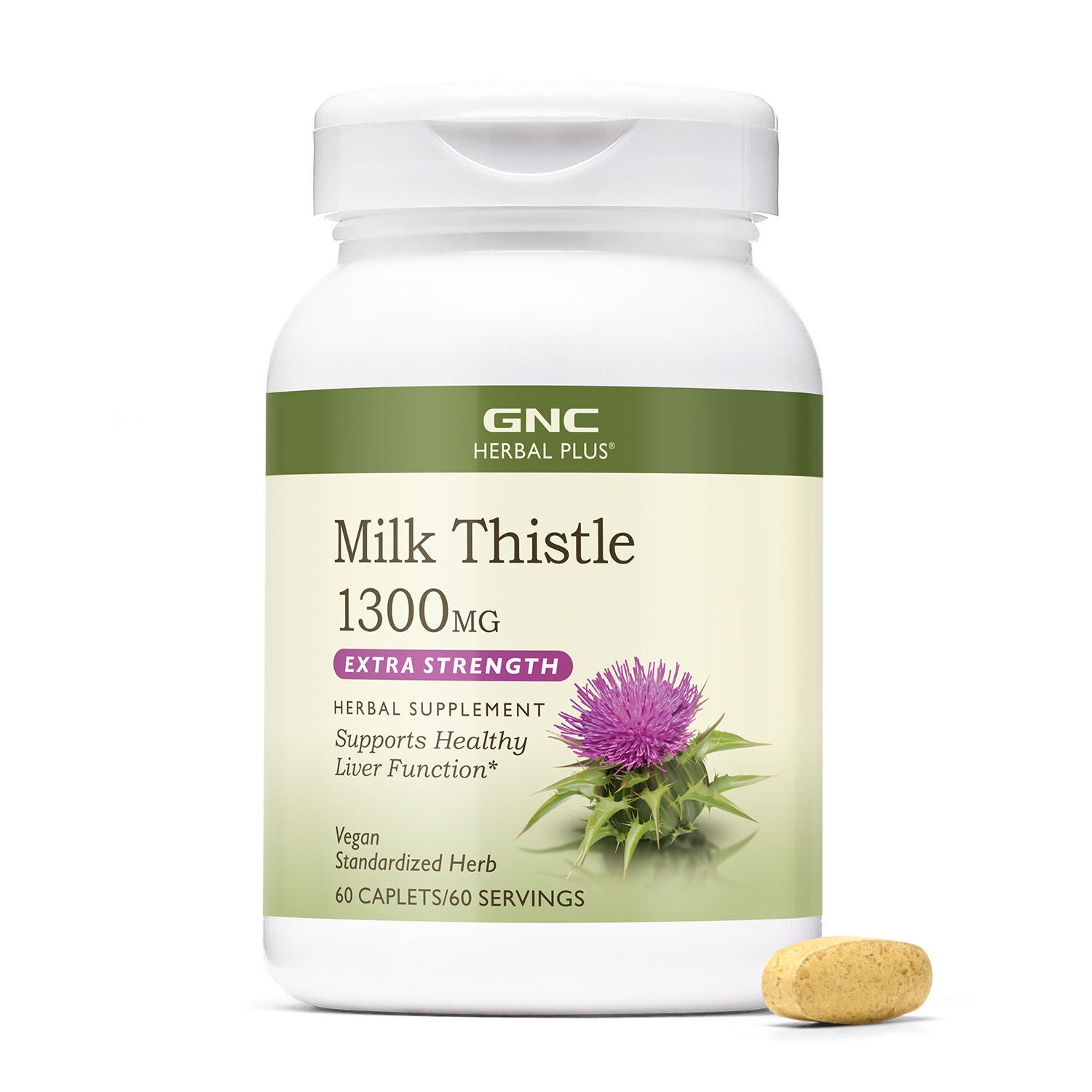
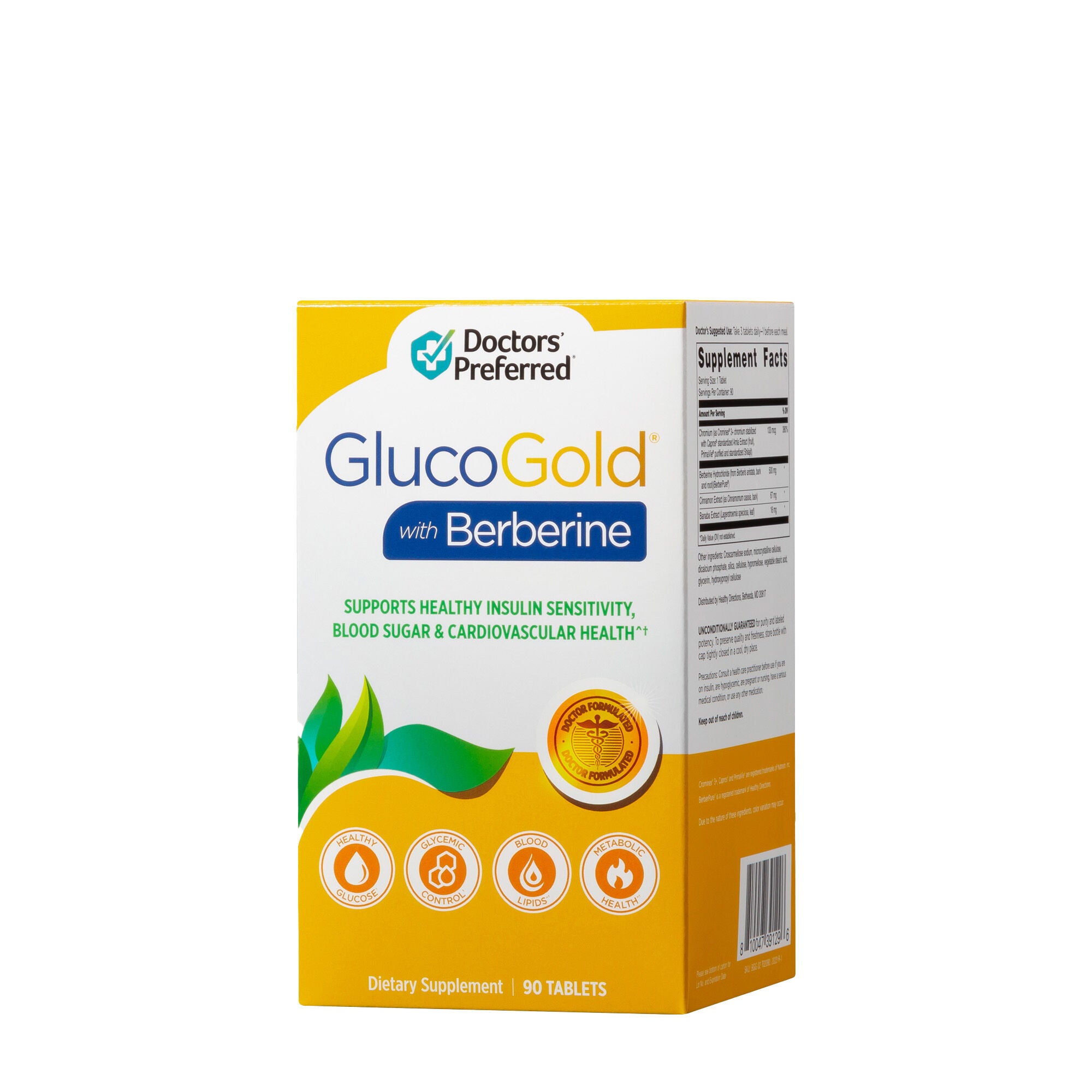
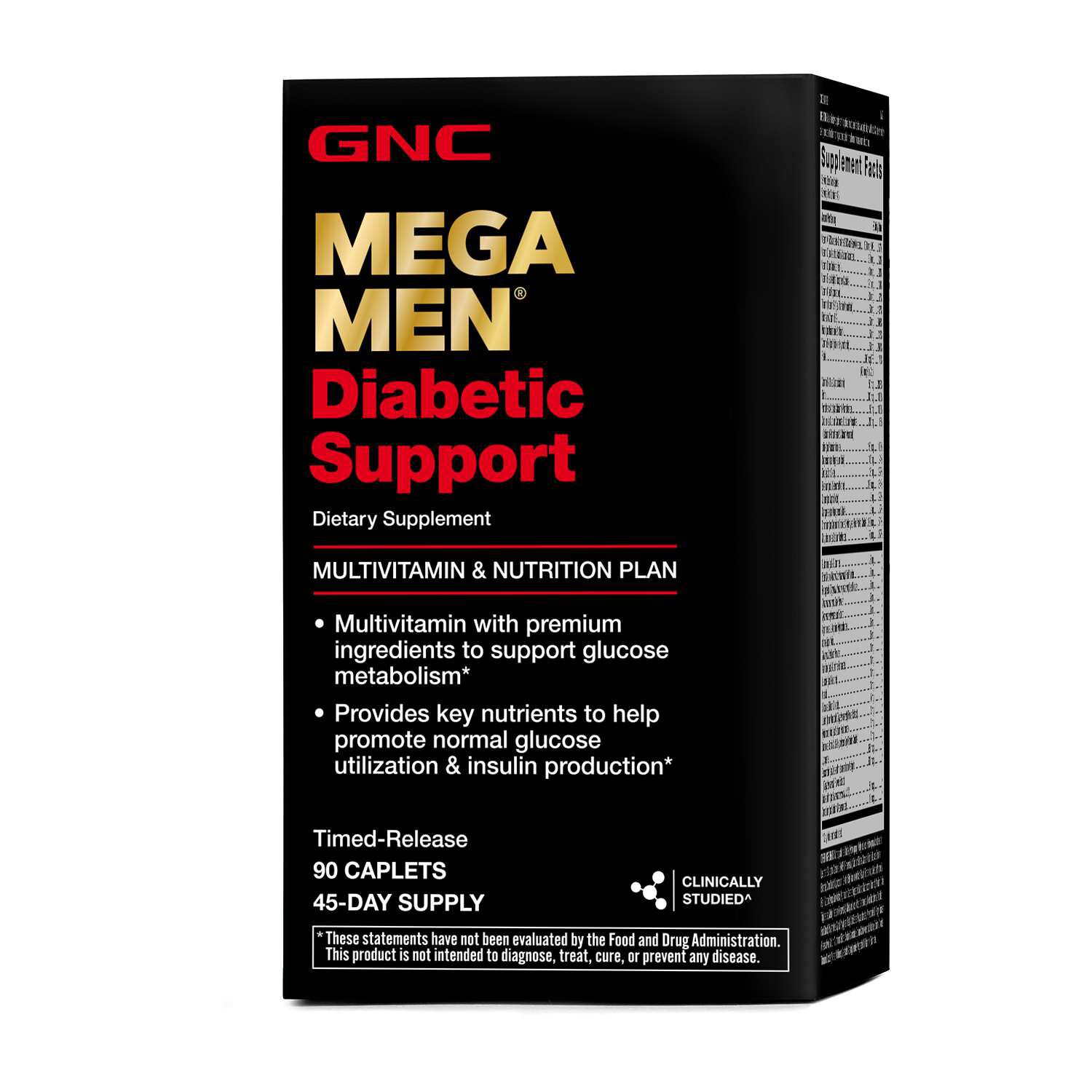
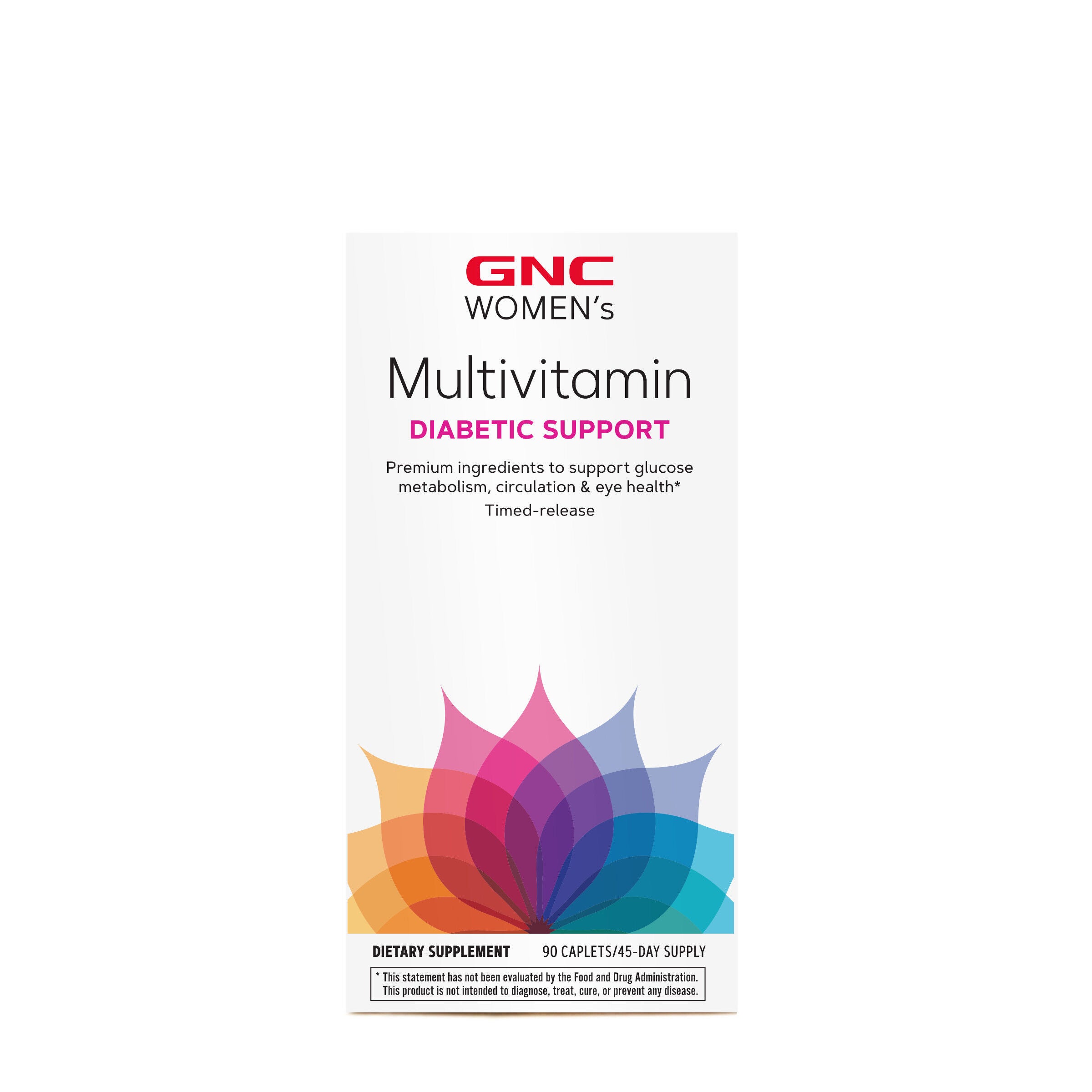
Supplements for healthy aging and support for normal, healthy glucose levels may play a role in your wellness routine as you look to maintain vitality and balance. With a wide range of options designed for adults at every stage, these supplements could be a valuable addition to your daily regimen. Explore how supplements for healthy aging and support for healthy glucose metabolism might help you stay proactive about your overall well-being.
-
-

-

-

-
-

-
-

-

-

-
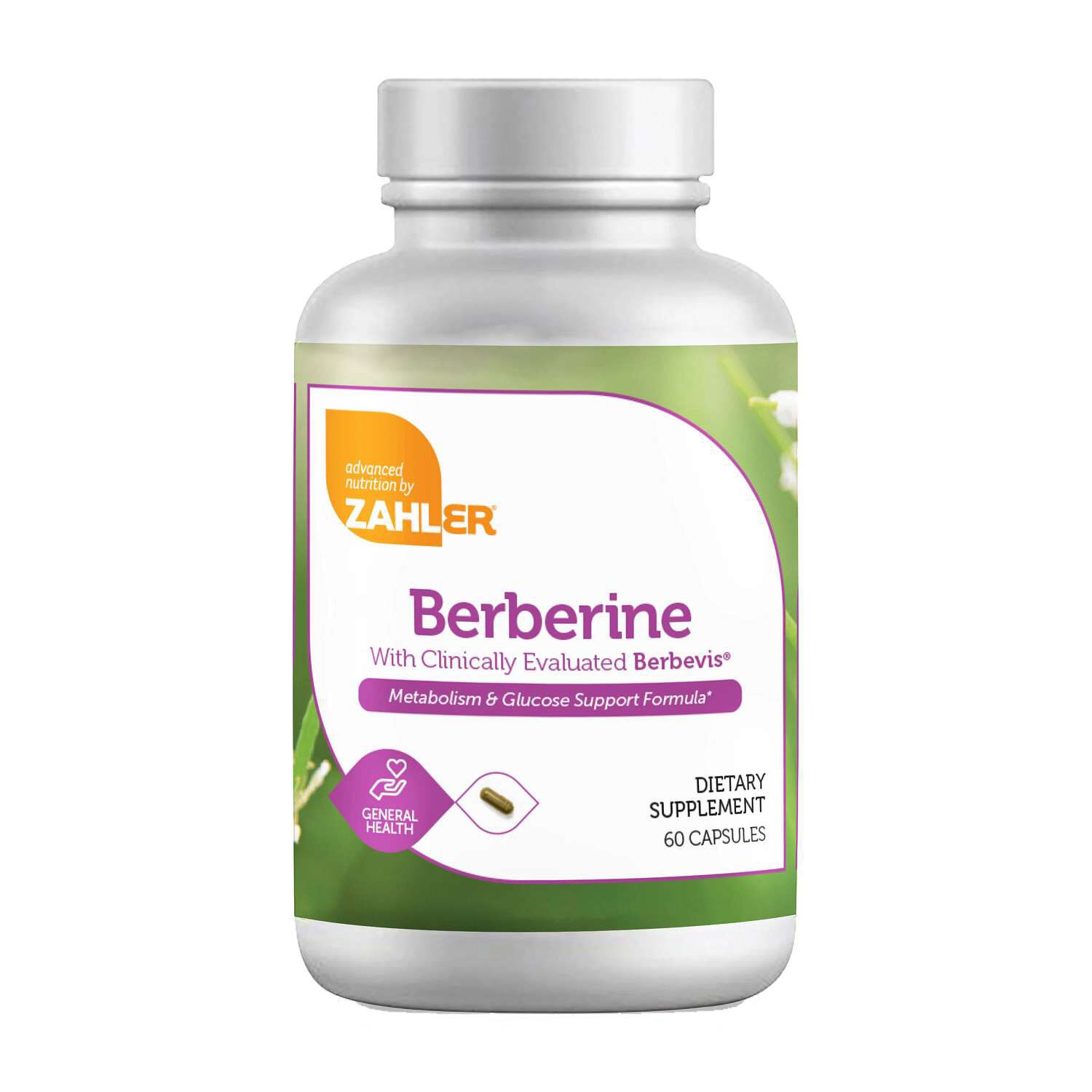
-

-
 GNC Preventive Nutrition23$34.99 $44.99
 -
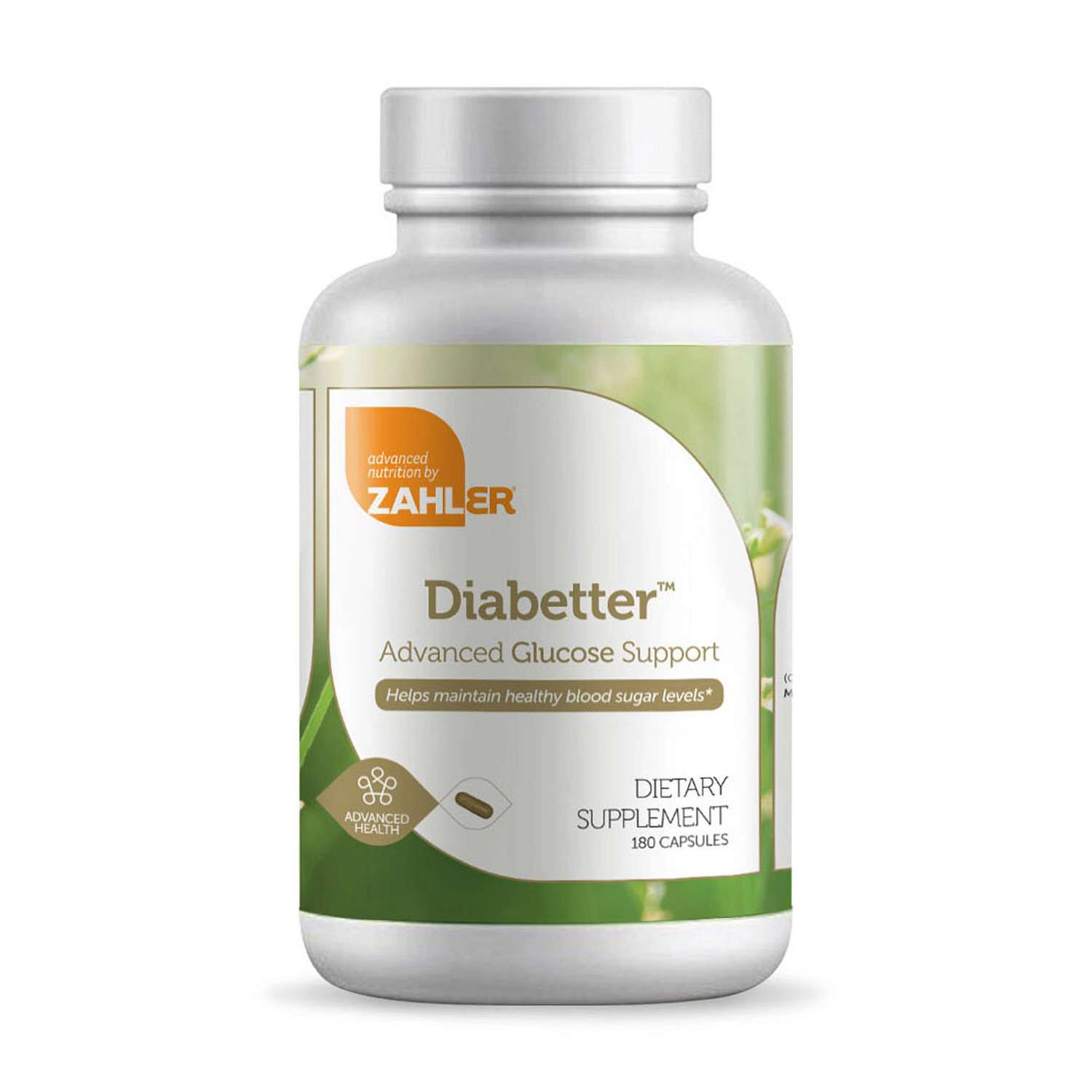
-

-

-

-
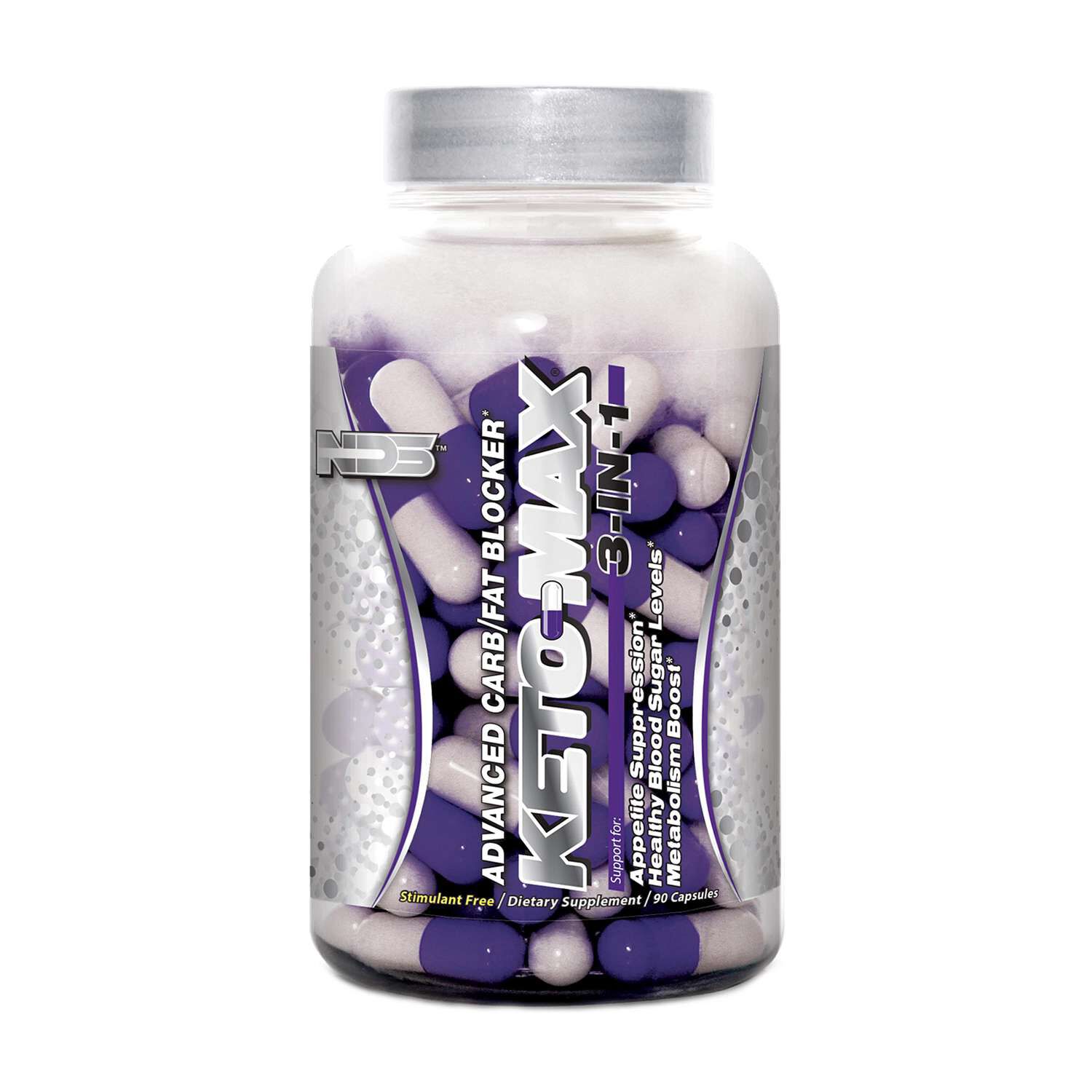
-
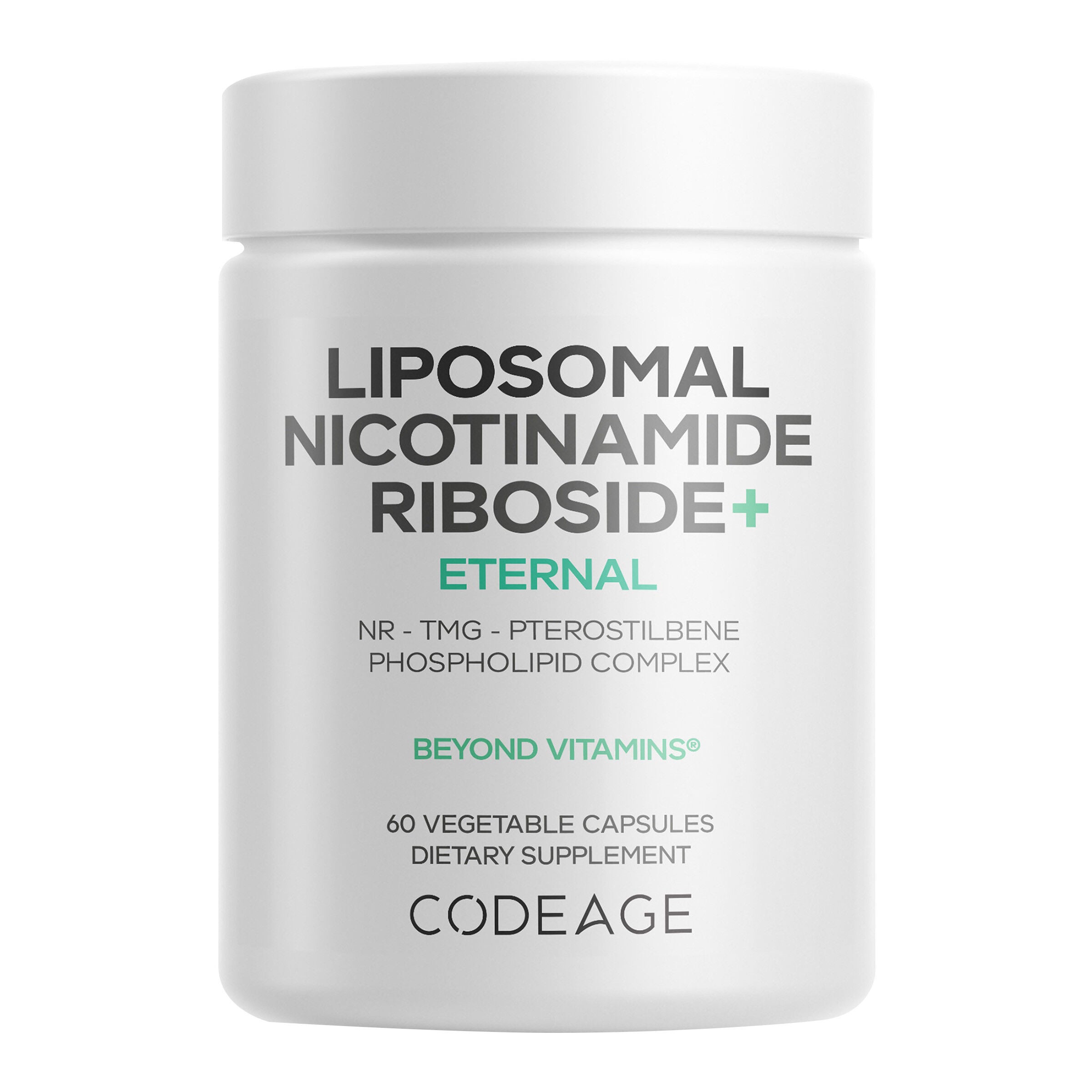
-
-

-
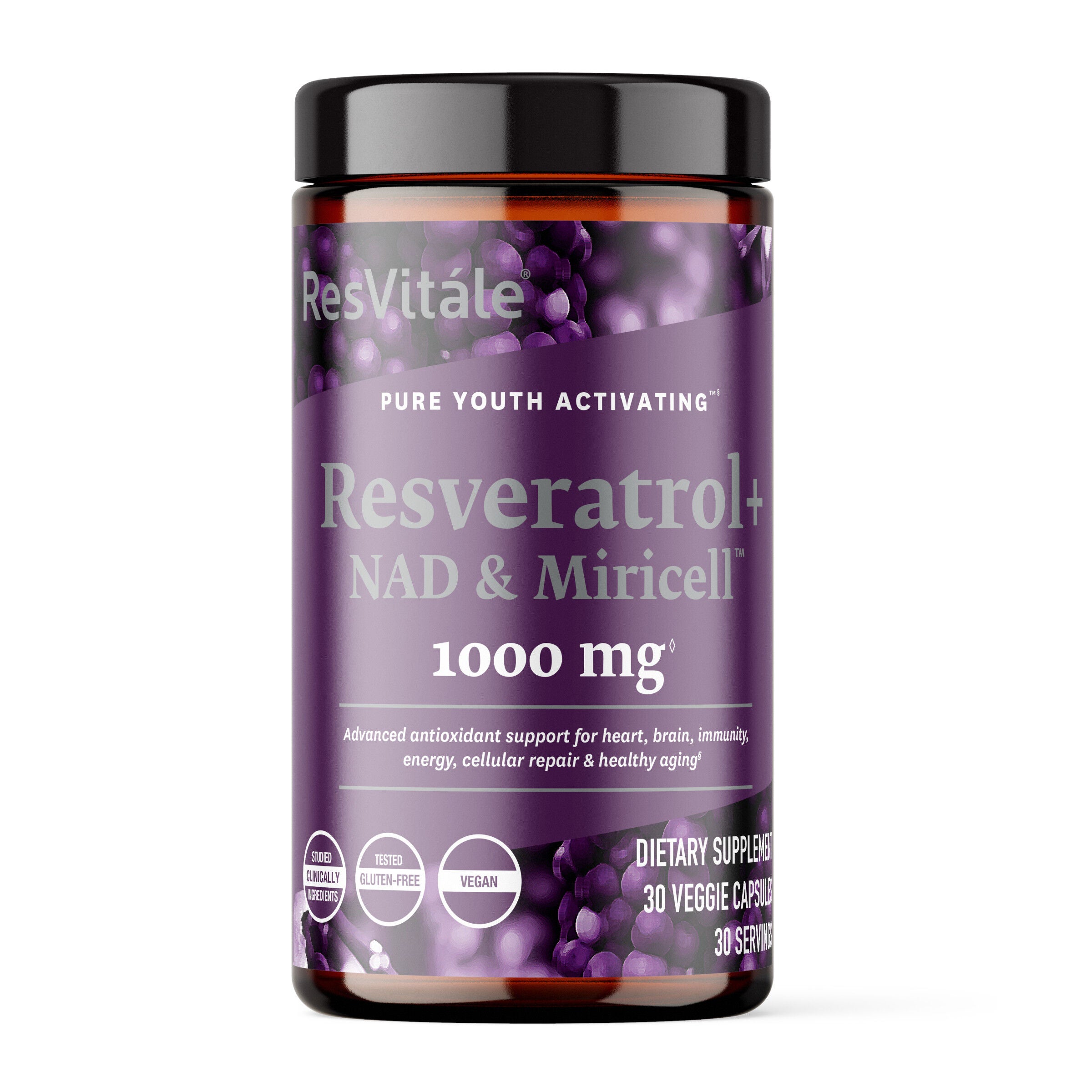


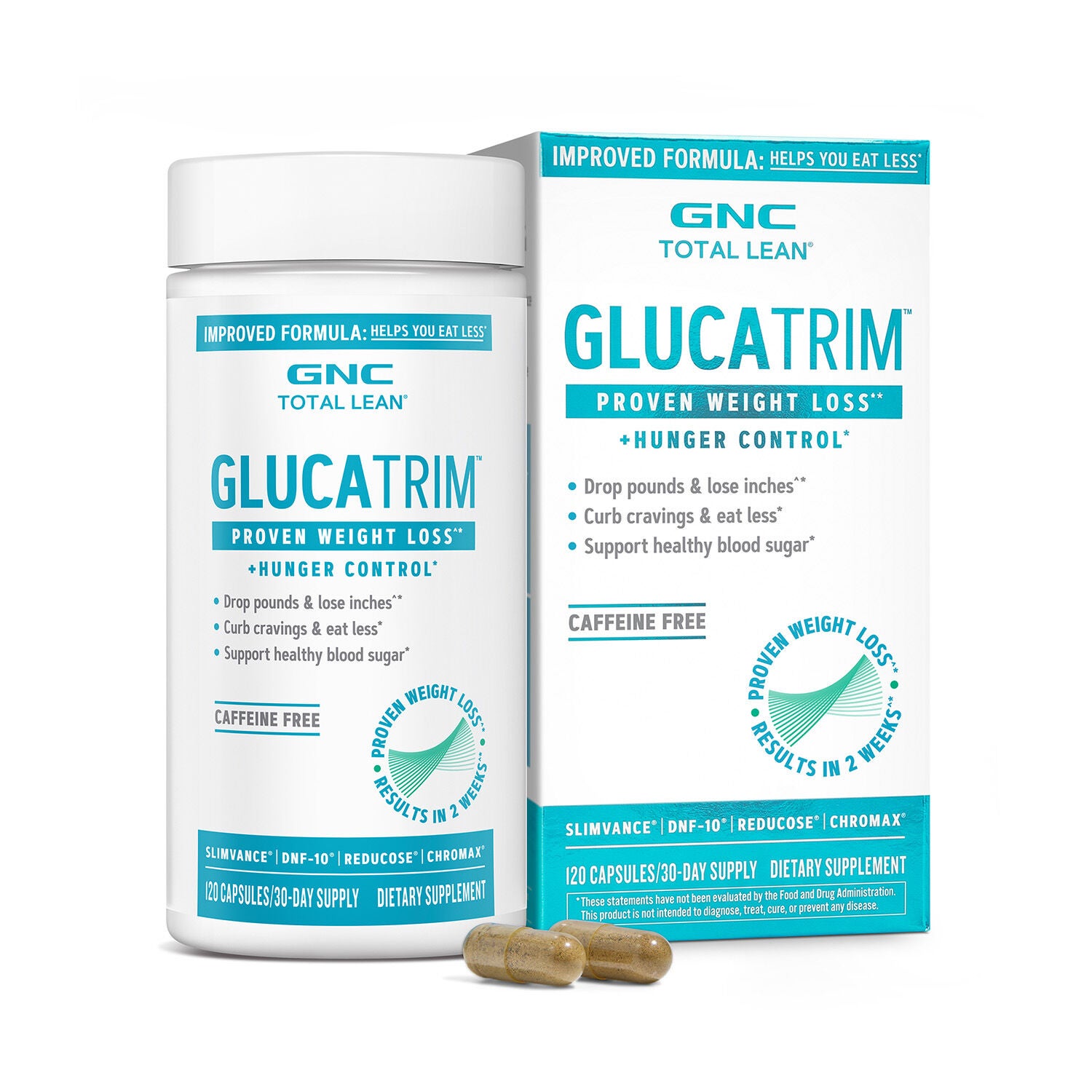
Supplements for healthy aging and blood sugar support may fit into a thoughtful daily routine built around nourishing food, movement, restorative sleep, and regular conversations with a healthcare professional. As people move through different stages of adulthood, their nutritional priorities may change. Someone preparing meals for one after years of cooking for a family may look for a simple way to complement a balanced eating pattern, while an active grandparent may appreciate nutrients that fit easily into a morning or evening routine. These products may also make considerate gifts for parents, grandparents, or friends who enjoy practical wellness items, especially when paired with a reusable water bottle, a walking journal, or a basket of nourishing pantry staples. A multivitamin formulated for an age group may help fill everyday nutritional gaps, while individual nutrients such as vitamin D, magnesium, or omega-3 fatty acids may suit shoppers looking for more targeted support. For people interested in blood sugar support, ingredients such as berberine, cinnamon, alpha-lipoic acid, chromium, and magnesium may be part of the conversation, although research varies by ingredient, formula, dose, and individual circumstance. Supplements are not intended to replace balanced meals, regular activity, or guidance from a qualified healthcare professional, and no supplement should be presented as a treatment for diabetes or another health condition. A steady approach often looks less dramatic than a quick fix: a protein-rich breakfast, a walk beneath changing leaves, water kept within reach, and a supplement routine that feels easy to maintain through busy days and cooler evenings.
When comparing products, shoppers may want to begin with the label. Look for a clear Supplement Facts panel, identifiable ingredients, serving information, storage directions, and a manufacturer with transparent quality practices. Third-party testing may provide an added measure of confidence by showing that a product has been evaluated for identity, purity, and consistency, though testing does not make a supplement appropriate for every person. Form matters as well. Capsules may suit a streamlined routine, powders may blend into smoothies or yogurt, and gummies may be appealing for someone who has difficulty with larger tablets; each format may include different sweeteners, flavors, or additional ingredients, so reading the full label remains worthwhile. Those monitoring blood sugar may wish to review added sugars and carbohydrate content, particularly in chewable formats and flavored powders. People taking prescription medicines for blood sugar, blood pressure, blood clotting, or other ongoing needs should speak with a healthcare professional or pharmacist before adding a new supplement, since certain ingredients may affect how those medicines work. Berberine, cinnamon, vitamin D, magnesium, and alpha-lipoic acid may be familiar search terms, but familiarity does not establish that an ingredient is right for everyone. A professional may also help review dietary intake, laboratory results, age, pregnancy status, allergies, kidney or liver concerns, and the timing of other products. Following the label rather than assuming that more is better may help keep a routine measured and manageable. For shoppers who want to browse options centered on this area, the collection of Blood Sugar Support Supplements may offer a convenient starting point for comparing formats and ingredient profiles.
Healthy aging is personal, and the most suitable supplement routine may depend on habits that already feel natural. A person who enjoys a morning walk may prefer a product taken with breakfast, while someone whose evenings are calmer may choose magnesium as part of a nighttime routine, subject to professional guidance. Vitamin D may be considered by adults who spend less time outdoors during cooler months, while magnesium may be selected by shoppers seeking nutritional support for normal muscle and nerve function. Cinnamon and alpha-lipoic acid may appeal to those exploring botanical or antioxidant-focused formulas, but the potential role of each ingredient may differ, and evidence does not carry the same weight across all uses. Products containing berberine may call for particular care when someone uses prescription blood sugar support or other ongoing therapies, making a conversation with a healthcare professional especially important. During late summer and into fall, routines often shift from outdoor gatherings and travel to school schedules, indoor activities, and more structured meals; a clearly labeled supplement kept beside a breakfast bowl or packed with a daily bag may be easier to remember than one tucked away in a cabinet. Still, supplements may work best as one part of a broader pattern that includes fiber-rich foods, colorful produce, satisfying sources of protein, regular movement, and consistent appointments with a healthcare professional. Choosing a product with realistic expectations, checking the label carefully, and allowing room for individualized guidance may help shoppers select options that align with their own approach to healthy aging and blood sugar support.
Best Sellers
-
 Rho Nutrition
 -
 Rho Nutrition
 -
Doctors' Preferred