





Supplements For Kidney Support
(0 Results)
Supporting kidney health is an essential part of maintaining overall wellness, and supplements for kidneys may offer a natural way to aid in this important function. With a variety of options available, these supplements could provide the nutrients and herbal extracts that might help support normal kidney function and promote detoxification processes. Whether you're looking to maintain your current health or seeking additional support, exploring supplements designed for kidneys could be a beneficial addition to your daily routine. Discover potential benefits that these carefully formulated products might offer, and take a step towards nurturing your body's vital systems.


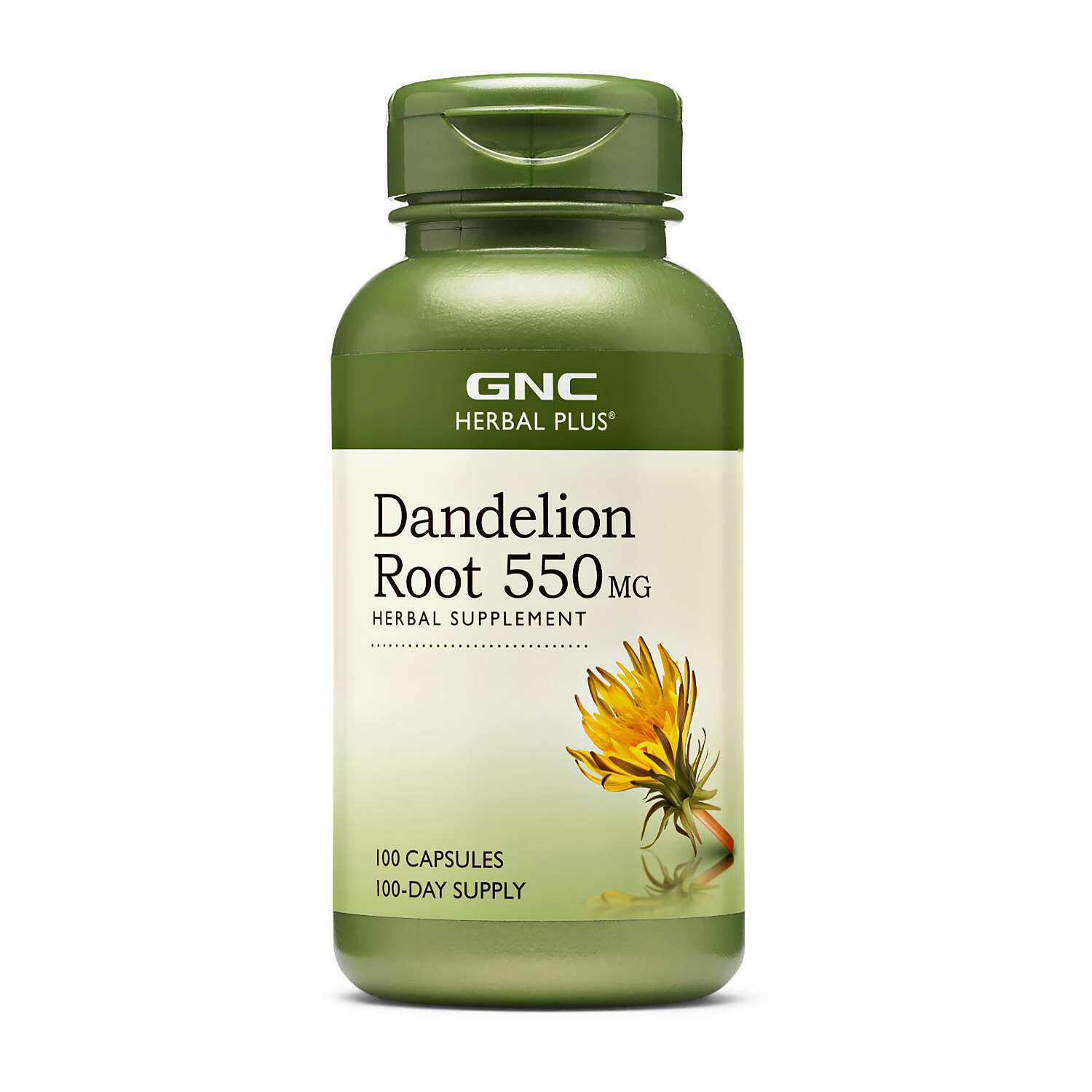

Supplements for kidney support may appeal to adults who want to add thoughtful nutritional support to an established wellness routine, particularly when food choices, age, activity, or a diagnosed health concern creates a need for closer attention to specific nutrients. Kidney-focused formulas may include selected vitamins and minerals, while other products in this category may feature nutrients such as B vitamins, vitamin D, iron, omega-3 fatty acids, or vitamin C. Each ingredient may serve a different purpose, and the right choice could depend on dietary intake, laboratory results, kidney function, prescribed care, and guidance from a qualified healthcare professional. A standard multivitamin is not automatically the right fit for someone with reduced kidney function, since some formulas may contain more potassium, phosphorus, vitamin A, or other nutrients than a person’s care plan allows. People managing chronic kidney disease, kidney stones, dialysis, or another kidney-related concern may need individualized advice before selecting a supplement. A nephrologist, physician, pharmacist, or renal dietitian could help review the Supplement Facts panel alongside medications, dietary restrictions, and personal health history. This extra review may be especially helpful for older adults, people managing several health concerns, and anyone who has recently changed their eating pattern. When shopping, look for clear serving information, transparent ingredient amounts, and a format that fits everyday habits, whether that means tablets with breakfast, capsules kept in a travel case, or a powder blended into a favorite beverage. Supplements may complement a balanced routine, but they should not replace professional care, a prescribed eating plan, or medication instructions.
B vitamins may be considered by people whose healthcare professional has identified a dietary gap or a need connected with red blood cell support, while vitamin D may be relevant when an individual’s nutritional status calls for attention to bone and mineral wellness. Iron may be appropriate for some people with documented iron deficiency, but it is not a fit for everyone, and professional direction could help determine whether it belongs in a personal routine. Omega-3 fatty acids may support general wellness and may be selected by shoppers who already include fish oil or other omega-3 sources in their nutrition plan. Vitamin C may assist with iron absorption, yet higher amounts may not suit people who have a history of kidney stones or reduced kidney function. Fat-soluble vitamins, including vitamins A, D, E, and K, may accumulate in the body under certain circumstances, so more is not automatically better. Herbal blends deserve the same careful review: ingredients such as licorice root, uva ursi, nettle, and astragalus may not be appropriate for every person with a kidney concern, and natural labeling does not determine whether a product fits a particular care plan. Anyone taking prescription medication, receiving dialysis, preparing for a procedure, following a potassium- or phosphorus-conscious eating plan, or managing a diagnosed condition could benefit from reviewing a proposed supplement with a healthcare professional before use. Shoppers may also compare capsule counts, serving size, allergen information, and storage instructions. A simple checklist can make the process feel less overwhelming: identify the reason for shopping, write down current medications and supplements, note any dietary restrictions, and bring the product label to a professional for review.
These products may also be considered as a practical gift for a parent, partner, friend, or relative who enjoys maintaining an organized wellness routine, although a gift card or a conversation about preferences may be more suitable when health needs are highly personal. Someone who spends cooler months indoors, travels often, or keeps a carefully planned pantry may appreciate a clearly labeled supplement that fits neatly beside familiar daily items, while a person with kidney-related dietary restrictions may prefer to choose independently after speaking with their care team. For shoppers exploring related nutritional support, Blood Support Supplements may offer another category to discuss with a healthcare professional, especially when iron or B vitamins are part of the conversation. Keep supplements stored as directed and use only the serving amount listed on the label unless a qualified professional recommends otherwise. Product selection may be more comfortable when approached with patience: read the full label, compare formulas rather than relying on a single ingredient, and consider whether the product can be used consistently alongside meals, hydration habits, and an established care routine. During the cooler months, routines often shift with travel, gatherings, and changes in daily schedules, so a supplement organizer or written schedule could help support consistency. The most suitable option may vary widely from one person to another, and a healthcare professional could help determine whether a product belongs in an individual wellness plan.
Best Sellers


Related Pages


Top Collections
- Daily Collagen Supplements | Top Brands & Deals | GNC
- Cortisol Supplements
- Top Rated Collagen | Shop Customer Favorites | GNC
- Vitamins For Hair Loss
- NAD+ Supplement Tablets
- Peptide Supplements
- Best Brand of Magnesium Glycinate
- Protein Powders For Muscle Growth Support
- Vitamins That Help Support Weight Gain
- Peptide Supplements for Muscle Growth