Supplements For Muscle Fatigue And Soreness
(0 Results)
Feeling the burn after an intense workout or a long day on your feet? Supplements for muscle fatigue and soreness might be just what you need to support your recovery journey. These supplements are designed to help your body bounce back by potentially reducing discomfort and promoting overall muscle health. Whether you're an athlete pushing your limits or someone who enjoys staying active, incorporating these products into your routine could be a game-changer. Explore options that may aid in easing tension, enhancing flexibility, and supporting endurance, so you can keep moving forward with confidence.
-

-

-

-

-

-
 _Front.jpg?sw=305&sh=305&sm=fit "Magnesium: Bioactive Magensium Citrate - 60 Capsules (60 Servings) | GNC")
-

-

-
 $25.99
 -
-

-

-


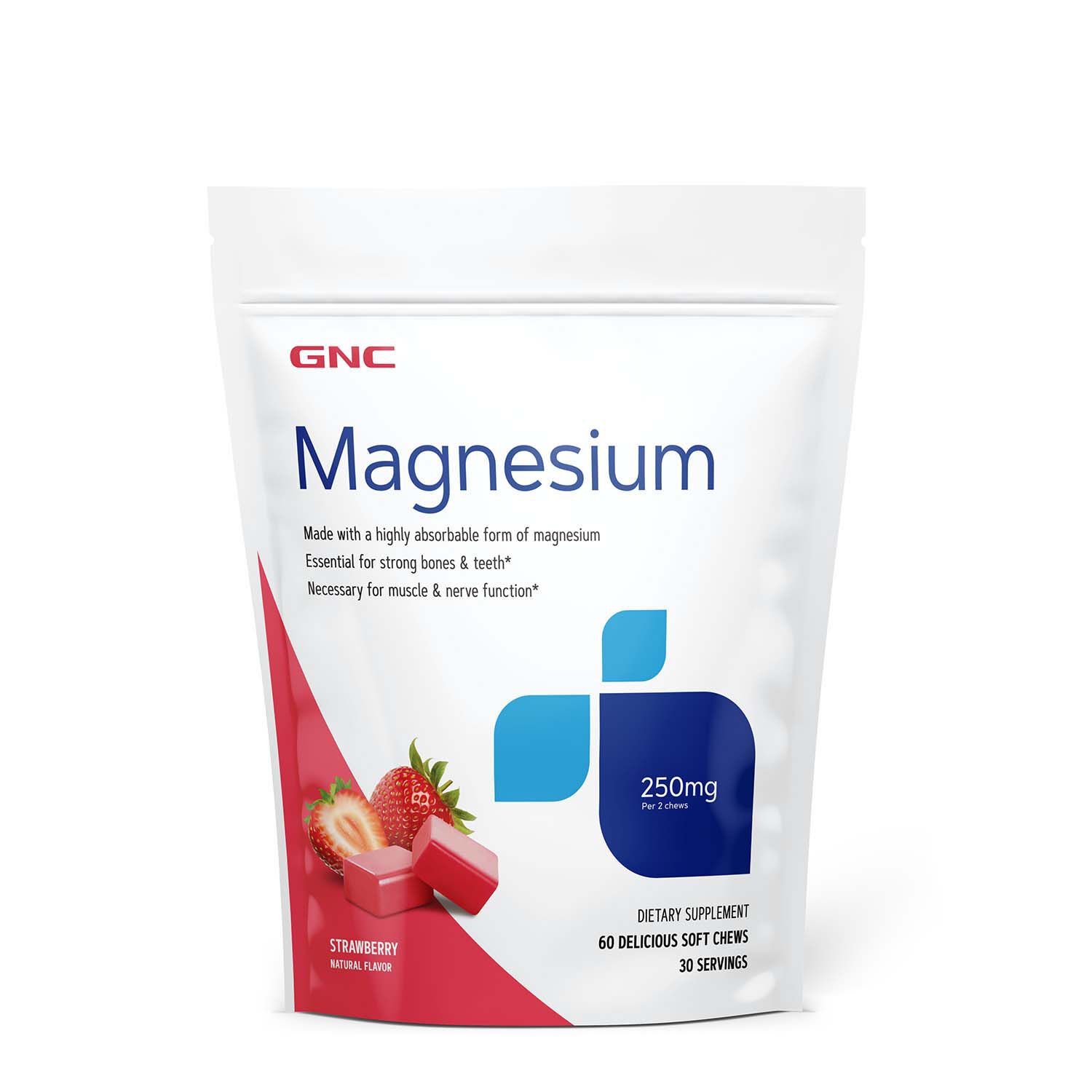
Supplements for muscle fatigue and soreness may fit into routines built around strength training, running, cycling, recreational sports, physically demanding work, or simply staying active during the cooler months. After a challenging session, many people look for convenient ways to support their body as it returns to its usual rhythm, especially when busy schedules make consistent meals and rest more difficult. Protein powders may provide amino acids that could support muscle repair and rebuilding after exercise, while branched-chain amino acid formulas may appeal to shoppers who want a portable option around workouts. Magnesium supplements may be considered by adults whose routines include frequent training, since magnesium plays a role in normal muscle function and relaxation. Creatine may support the body’s supply of readily available energy during short, demanding efforts and could be useful for people focused on strength, power, or repeated bursts of activity. Omega-3 supplements may offer another option for shoppers interested in nutritional support for everyday mobility and post-exercise comfort, while tart cherry products may provide naturally occurring plant compounds that could complement a recovery-focused routine. These categories are not interchangeable, and a person’s food intake, training schedule, preferences, and tolerance for different formats may all influence the best fit. Powders may mix easily into shakes or water, capsules may suit a streamlined morning routine, and ready-to-use drink mixes may work well for gym bags, desk drawers, or travel. Reading the Supplement Facts panel may help shoppers compare serving sizes, ingredient amounts, added sweeteners, flavoring, and the number of servings in each container.
Protein may be especially practical for people who find it difficult to prepare a balanced snack after training. A shake blended with fruit, oats, or yogurt could make a satisfying option after a morning workout, while a simple scoop mixed with water may suit a commute home from the gym. Whey, casein, egg, and plant-based proteins may offer different textures and digestion experiences, so shoppers may want to consider dietary preferences, flavor, and how the powder fits into the rest of the day’s meals. BCAA formulas may be selected by athletes who prefer a lighter drink during or around exercise, although the value of adding one may depend on how much protein a person already receives from food and other supplements. Magnesium comes in several forms, and shoppers may wish to review the label carefully rather than assuming every product provides the same amount or format. Creatine is commonly used as part of a consistent routine instead of as an occasional add-on, and following the product label may help support sensible use. Omega-3 products may be compared by looking at the listed fatty acids, serving size, source, and capsule count. Tart cherry options may appear as capsules, powders, or concentrated beverages, with each format offering a different approach to adding the ingredient to a daily routine. Anyone with a health condition, food allergy, dietary restriction, or ongoing medication routine may want to speak with a qualified healthcare professional before choosing a supplement. Labels may also provide guidance for age range, storage, serving instructions, and allergen information, all of which could matter when selecting products for personal use.
These supplements may also make thoughtful gifts for someone who enjoys lifting, weekend hikes, group fitness classes, cycling routes, or recreational leagues. A protein powder could suit a friend who likes experimenting with post-workout smoothies, while a single-serve drink mix may be convenient for someone who spends long days moving between work, training, and errands. A creatine product may appeal to a strength-focused shopper, and magnesium or omega-3 options may suit someone building a broader wellness routine. For a gift, flavor preferences, dietary choices, and format may matter as much as the ingredient itself; a plant-based athlete may prefer a different protein source than someone who regularly uses dairy, and a person who travels may appreciate a compact container or easy-to-carry servings. Shoppers seeking a more targeted protein option may also explore Muscle Builder Powders For Muscle Fatigue Control for additional choices. A practical routine could pair a protein-rich meal with hydration, gentle movement, and sufficient rest, with supplements serving as an optional part of that broader approach. Product selection may come down to the type of activity, the timing of use, preferred ingredients, and how easily the supplement can become a consistent part of everyday life. During changing weather, indoor training sessions, outdoor walks, and seasonal activity shifts may all create different needs, making flexible formats and clear labeling helpful when building a routine that feels manageable.
Best Sellers
-
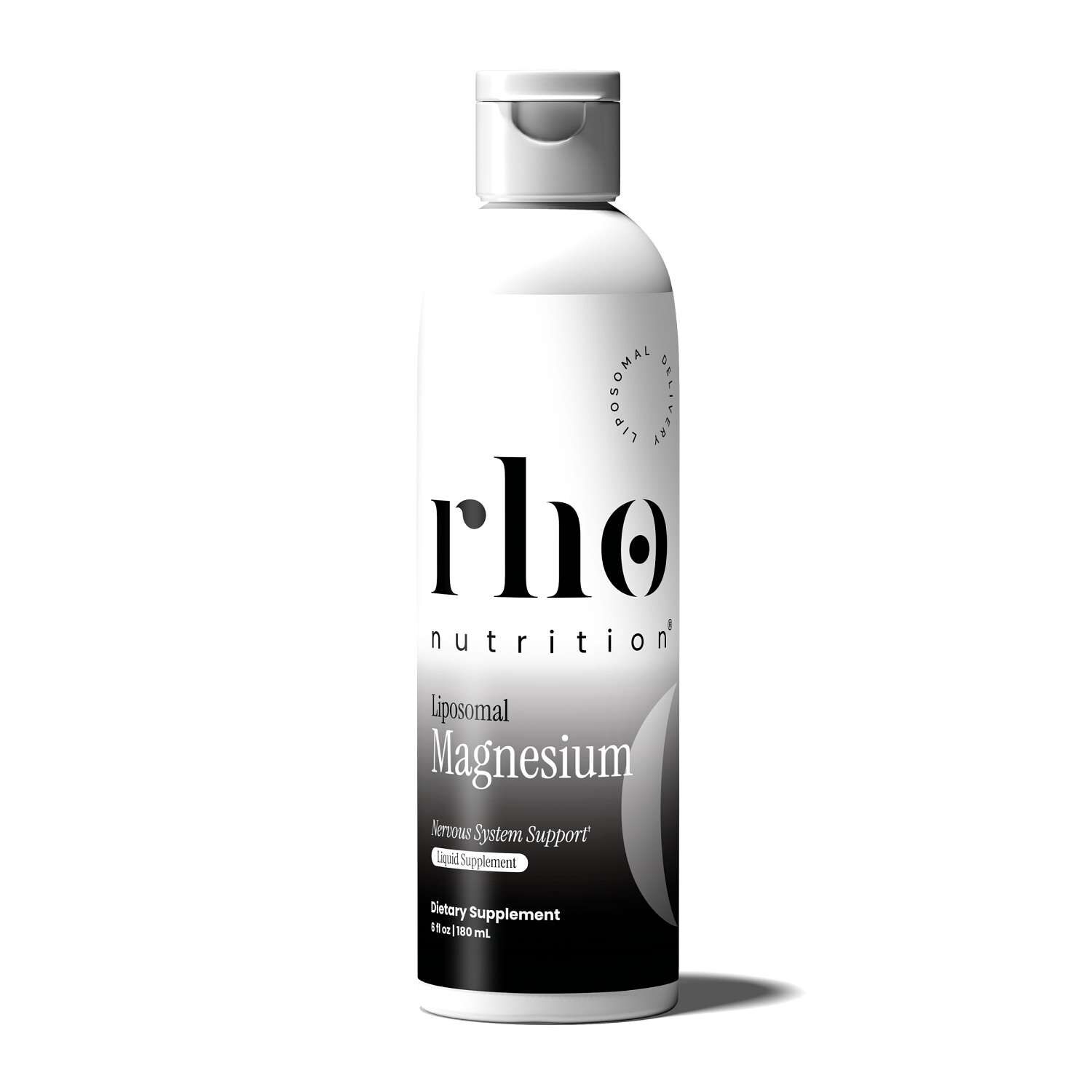 Rho Nutrition
 -
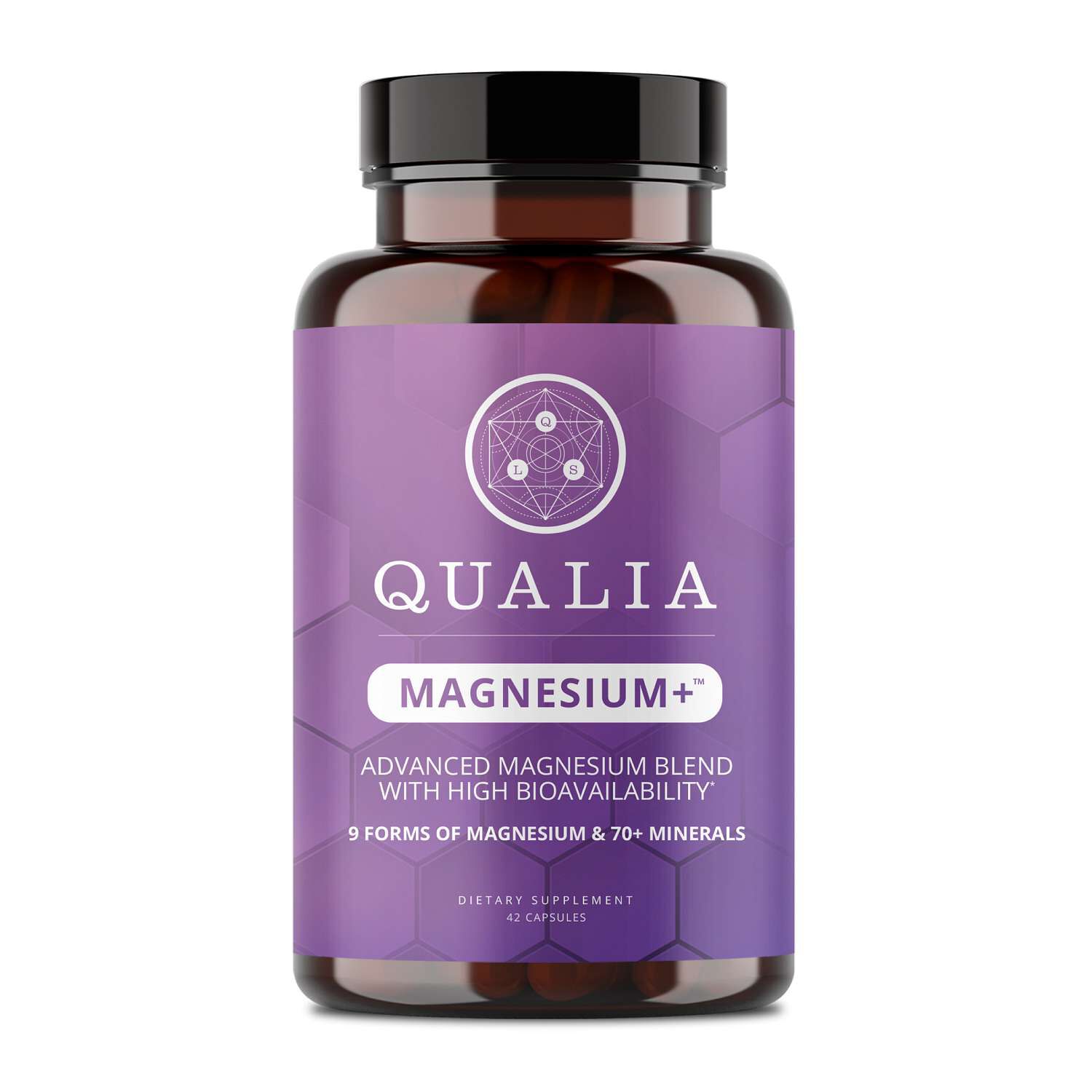 Qualia Life Sciences