





Supplements For Protein Digestion
(0 Results)
Supplements for protein digestion could offer support for those looking to make the most of their nutrition routine. Whether you’re focused on fitness goals or simply aiming to optimize your daily intake, these supplements may help you on your wellness journey. Explore a variety of options that are designed to fit different lifestyles and preferences, all in one convenient place. Find supplements for protein digestion that might align with your unique needs and support your overall nutrition plan.
-

-
-

-
-
-

-
-

-
-

-

-
 Swolverine$69.99
-
 $69.99
-
-
-

-
-
-

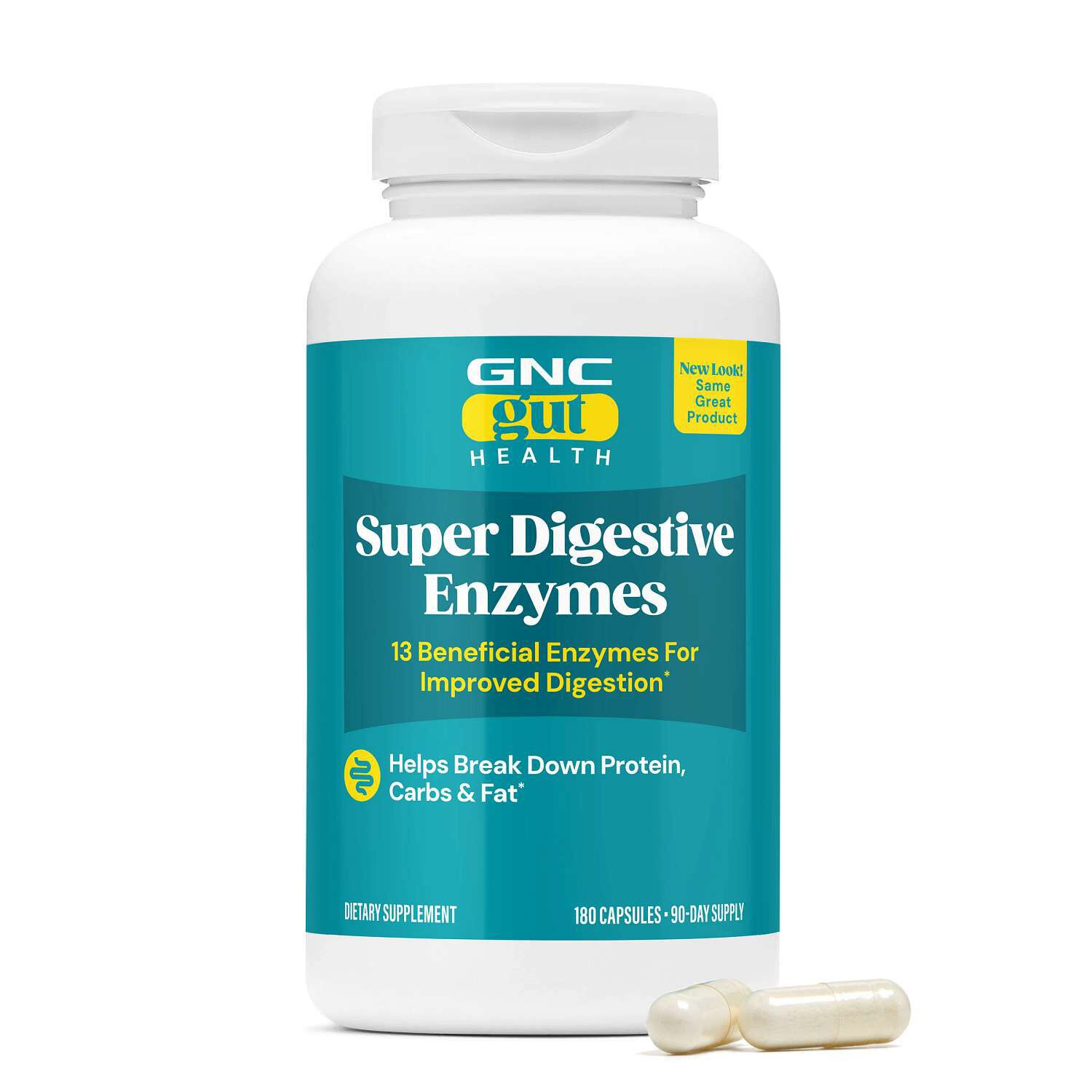
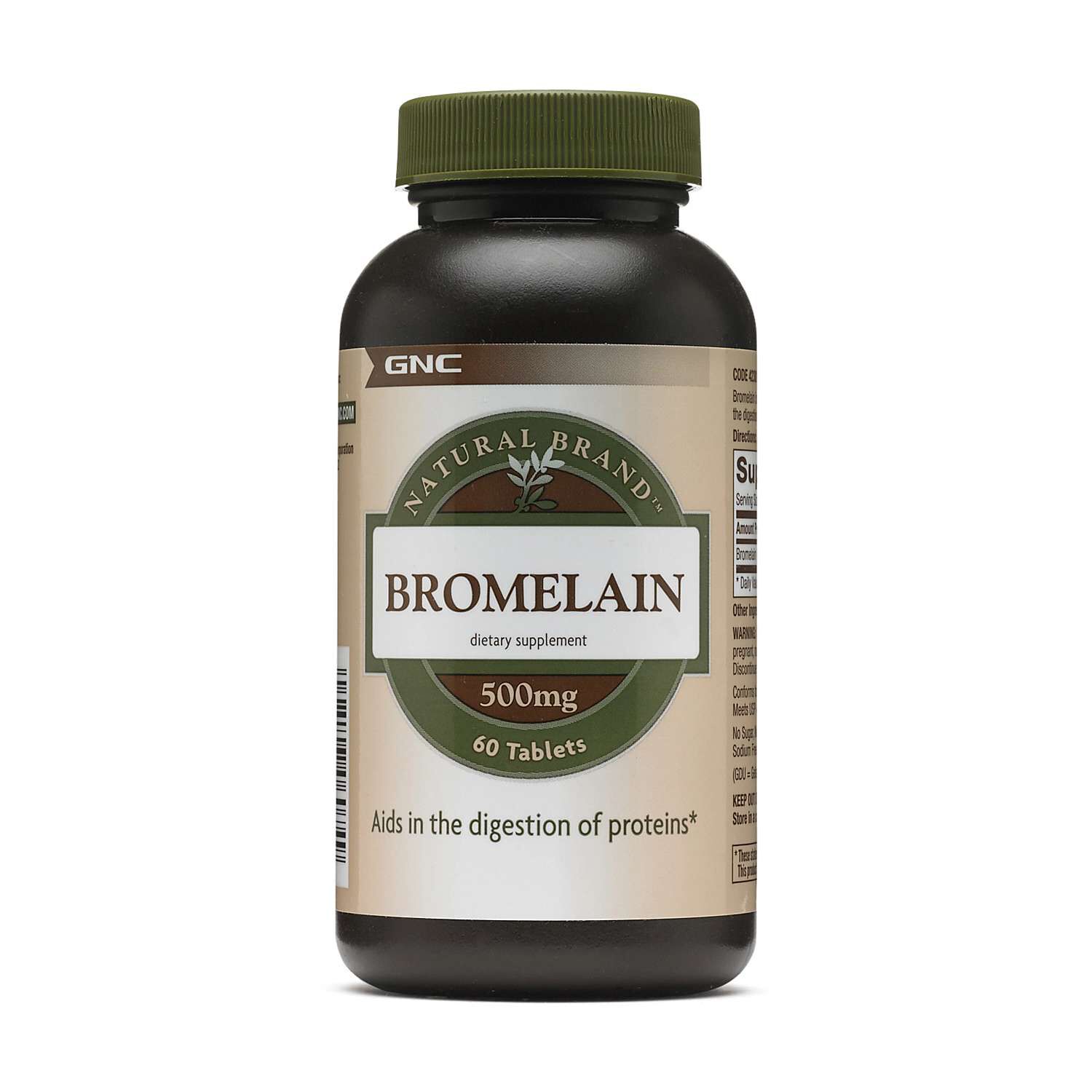
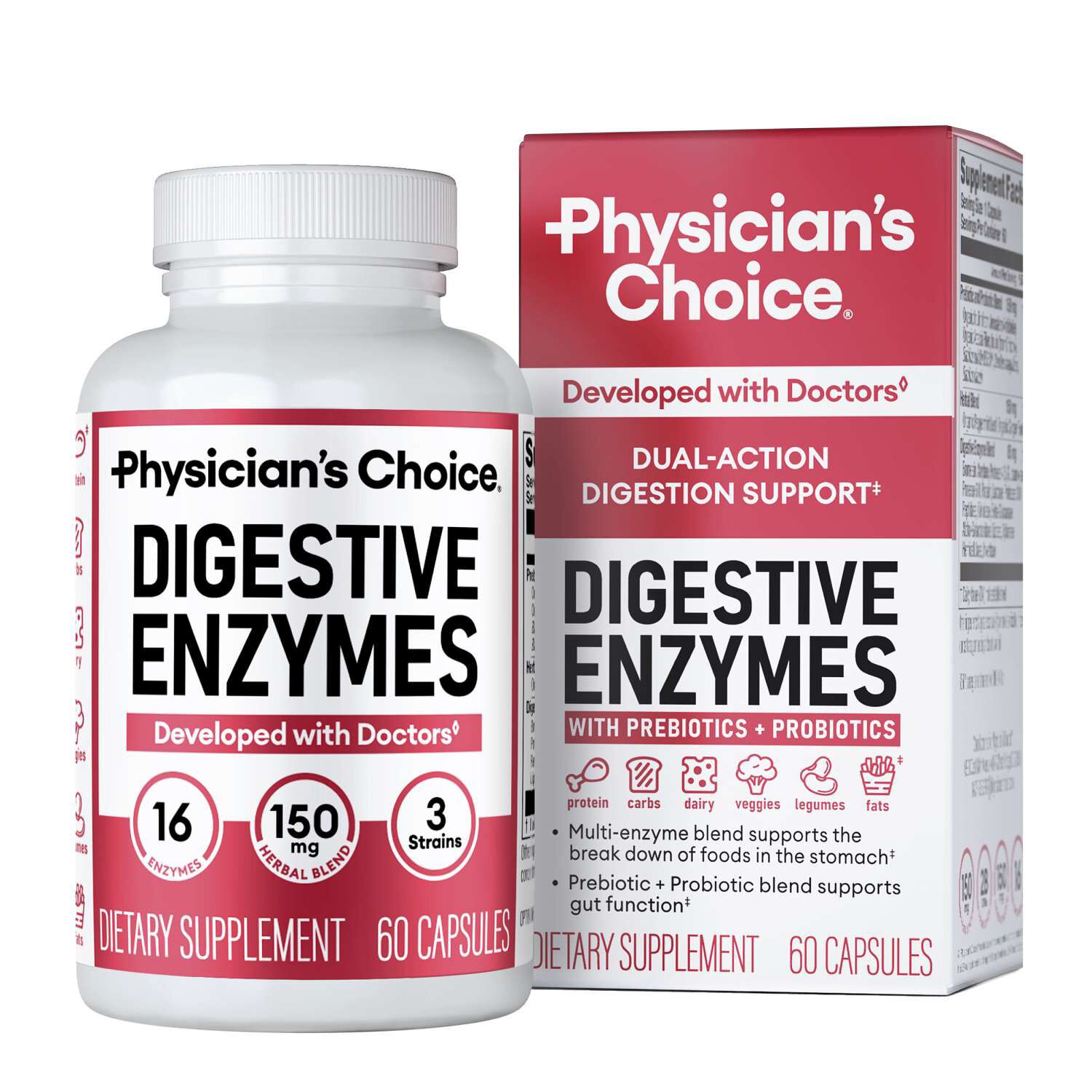
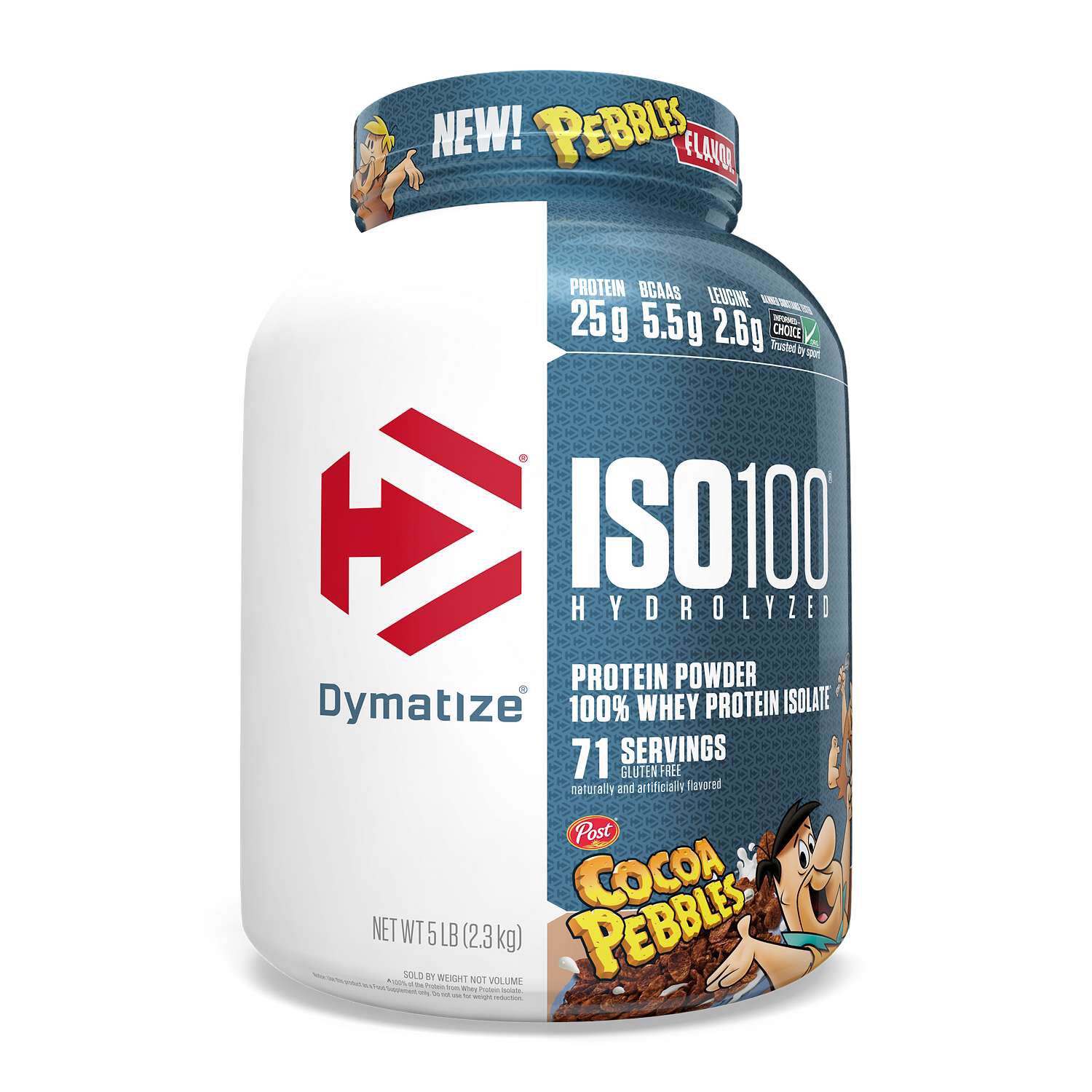
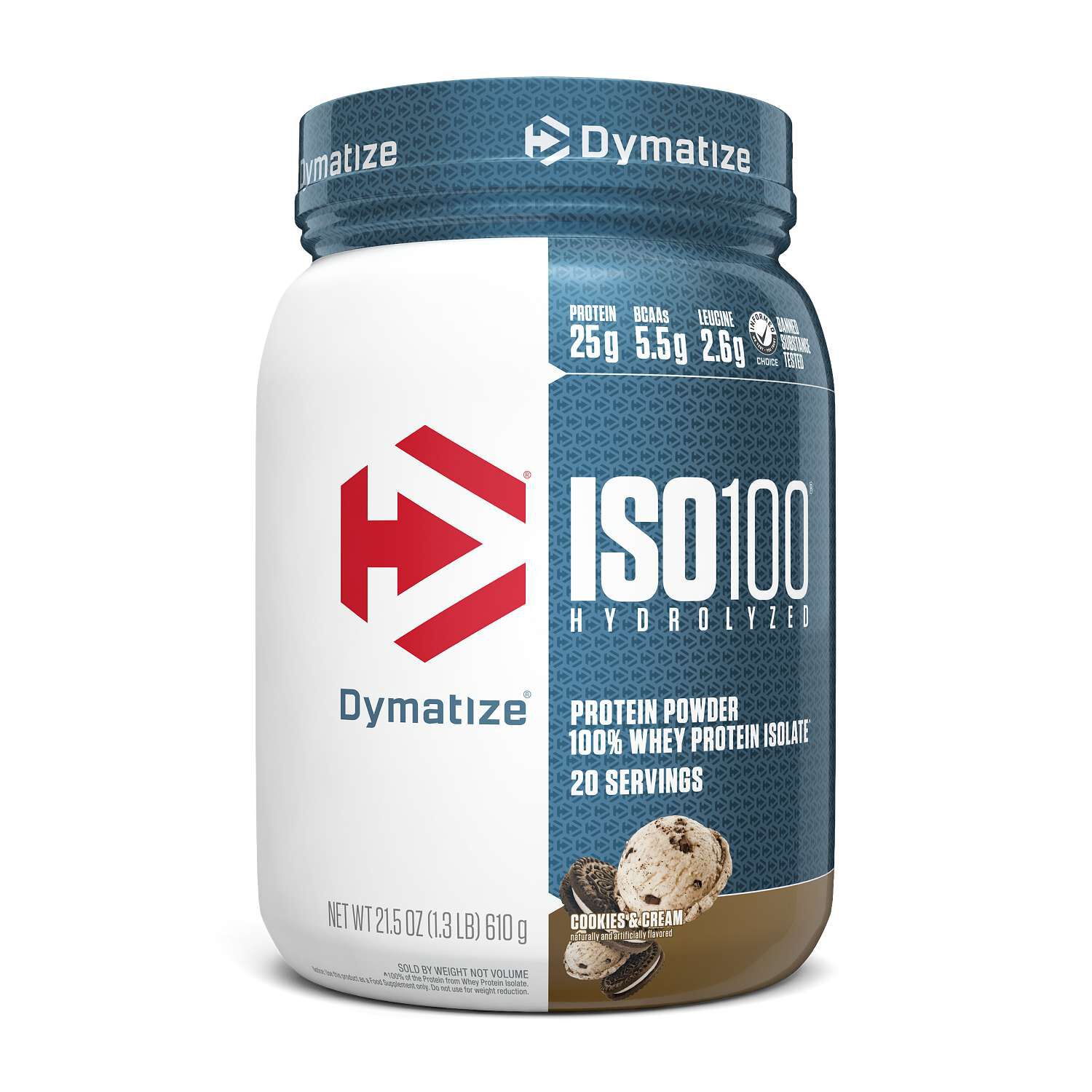
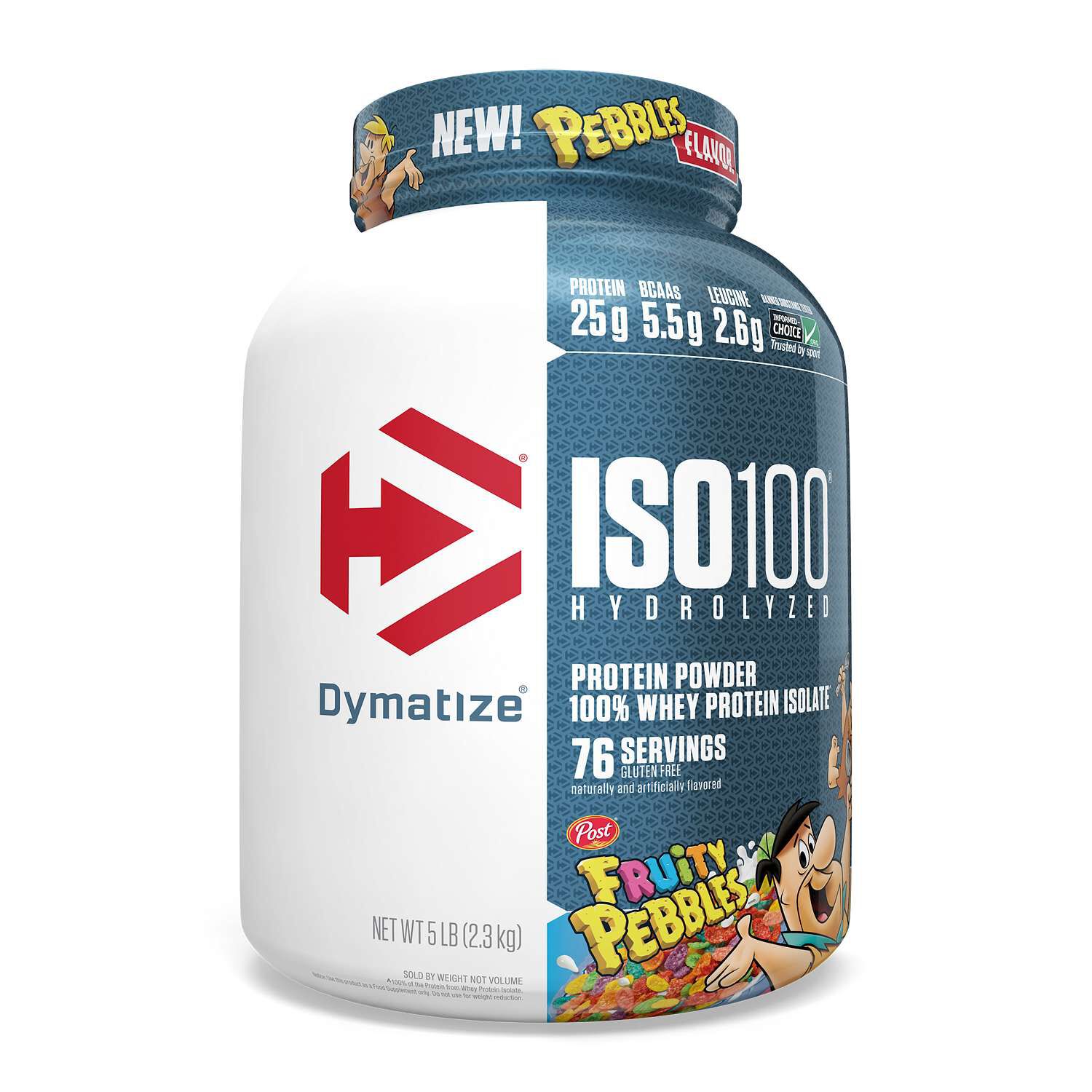
Supplements for protein digestion are digestive enzyme formulas that may help break dietary proteins into smaller peptides and amino acids. They serve a different purpose from protein powders, bars, and ready-to-drink shakes: protein supplements add protein to a meal or snack, while protein digestion supplements may assist with processing protein already present in food. Protein digestion naturally involves enzymes that act on peptide bonds, the connections holding protein molecules together. Protease is the broad name for enzymes involved in this process, and it is a common ingredient in formulas centered on protein digestion. Other familiar ingredients include bromelain, an enzyme mixture sourced from pineapple, and papain, an enzyme sourced from papaya. These enzymes may contribute to protein breakdown, but their presence alone does not describe every aspect of a formula. Ingredient combinations, enzyme activity, serving size, and intended use all help distinguish one formulation from another. The category can be relevant to adults whose everyday meals include foods such as eggs, poultry, fish, yogurt, beans, lentils, or tofu. An active adult who regularly prepares a chicken-and-rice lunch may have different shopping priorities from someone whose usual meal is a bowl of lentils with roasted vegetables. Someone who mixes pea protein into an oatmeal smoothie may also be interested in enzyme ingredients rather than another source of protein. These examples reflect different eating routines, not a need for every person who eats protein to use a supplement. Digestive enzyme supplements are not a substitute for varied meals, and they do not add the same nutritional contribution as a serving of protein-rich food. Their role is narrower: a formula may offer enzyme activity associated with the digestion of selected food components. That distinction makes this category especially useful to understand alongside protein nutrition, since a protein source and an enzyme formula address different parts of the same meal.
The details on a digestive enzyme label can reveal more about a formula than a short description on the front of the bottle. A protein-focused blend may feature protease, bromelain, papain, or a combination of these ingredients, while a broader digestive enzyme blend may also contain enzymes associated with carbohydrates and fats. Amylase, for example, acts on starch, lipase acts on fats, and lactase acts on lactose, the sugar found in milk. Those distinctions matter when the intended use involves mixed meals rather than protein alone. A plate of salmon with rice and vegetables contains several food components, as does a smoothie made with milk, oats, and protein powder. A blend with several enzyme types may address a wider range of those components, although a longer ingredient list does not automatically make it a better match for every eating routine. Enzyme activity is another useful point of comparison. Milligrams describe ingredient weight, whereas activity units describe enzyme activity measured through a particular testing method. Different enzymes can use different activity units, so the numbers are not interchangeable across every ingredient. A label that names the enzymes and lists their activity provides a clearer picture than blend weight alone. Format also contributes to everyday fit. Capsules, tablets, chewables, and powders have different textures, dimensions, and serving requirements; the number of capsules or tablets in a labeled serving can affect how a formula fits into a lunch bag or kitchen cabinet. Capsule shells may use gelatin or plant-derived materials, and a plant-sourced enzyme does not necessarily mean every component of the finished formula is suitable for a vegan eating pattern. Chewable formats may include sweeteners and flavoring ingredients, while powders may have directions that differ from those of capsules. For shoppers with ingredient restrictions, the full ingredient list and allergen statement matter alongside the enzyme panel. The serving directions also describe whether a formula is intended for use with food and how the manufacturer defines a serving. Those label details offer practical context without treating every enzyme supplement as interchangeable.
Ingredient sourcing, packaging, and storage are additional considerations for supplements for protein digestion, particularly when the goal is a format that fits an established routine. Shoppers interested in organic sourcing can also explore Organic Digestive Enzyme Supplements as a related category. Organic labeling, enzyme activity, and dietary suitability describe different attributes, so an organic designation alone does not indicate which proteins an enzyme may act on or how a serving compares with another formula. The ingredient panel remains important for understanding enzyme sources, capsule materials, and added ingredients. For someone who carries lunch to an office, a clearly labeled container with a secure closure may be more practical than loose capsules tucked into a bag. For someone who keeps supplements near a meal-preparation area, packaging that closes securely and protects the contents from moisture may be a useful design detail. Enzymes are proteins themselves, and the storage information printed on the package helps define appropriate handling for that formulation. Keeping the original label with the container also preserves the serving directions, ingredient information, and expiration date. A larger bottle is not necessarily the most convenient choice for every routine; container dimensions and the number of servings matter when cabinet space or travel packing is part of the decision. Powder containers and chewable packaging bring their own handling considerations, including keeping closures secure and measuring accessories clean and dry where applicable. Beyond packaging, a suitable formula is one whose labeled purpose matches the shopper’s interest in protein digestion rather than simply offering a large assortment of unrelated ingredients. A straightforward enzyme panel, clearly stated serving information, and a format that fits familiar meals can make the category easier to navigate. Whether those meals center on animal proteins, plant proteins, or a mix of both, the relevant comparison is the formula’s stated enzyme content and intended use—not the assumption that every protein-rich meal calls for the same supplement.
- Q: What are supplements for protein digestion?
A: Supplements for protein digestion are products designed to support the body’s natural ability to break down and absorb protein from foods. They often contain enzymes like protease, bromelain, or papain that help facilitate the breakdown of protein into amino acids. - Q: Who might benefit from using supplements for protein digestion?
A: Individuals who experience digestive discomfort after consuming high-protein meals or those looking to optimize their nutrient absorption may consider using supplements for protein digestion. These supplements can also be helpful for people with certain dietary restrictions or increased protein needs. - Q: How do enzyme-based supplements aid in protein digestion?
A: Enzyme-based supplements typically include proteolytic enzymes that help break down complex protein molecules into smaller peptides and amino acids, making them easier for the body to absorb during the digestive process. - Q: Can supplements for protein digestion be taken with other dietary supplements?
A: Yes, many people incorporate protein digestion supplements alongside other dietary supplements as part of their wellness routine. However, it’s important to follow usage instructions and consult a healthcare professional if you have questions about combining products. - Q: Are there specific times when it’s best to take supplements for protein digestion?
A: Supplements for protein digestion are generally most effective when taken just before or with meals containing protein. This timing allows the enzymes to work alongside your body’s natural digestive processes.
Best Sellers


Related Pages


Top Collections
- Zinc Supplements | Top Brands at Great Prices | GNC
- Cortisol Supplements
- NAD+ Supplement Tablets
- Top Rated Collagen | Shop Customer Favorites | GNC
- Best Brand of Magnesium Glycinate
- Peptide Supplements
- Iron Supplements
- Protein Powders For Muscle Growth Support
- Vitamins That Help Support Weight Gain
- Peptide Supplements for Muscle Growth