





Supplements For Seniors Managing Cholesterol
(0 Results)
Supplements for seniors managing cholesterol could offer additional support as part of a balanced lifestyle and healthy diet. With age, maintaining optimal cholesterol levels becomes increasingly important for overall wellness. Exploring a range of supplements for seniors managing cholesterol might help you find options that fit your unique needs and wellness goals. Discover choices designed with seniors in mind to complement your daily routine and support your journey toward better health.
-

-
 $24.99
-
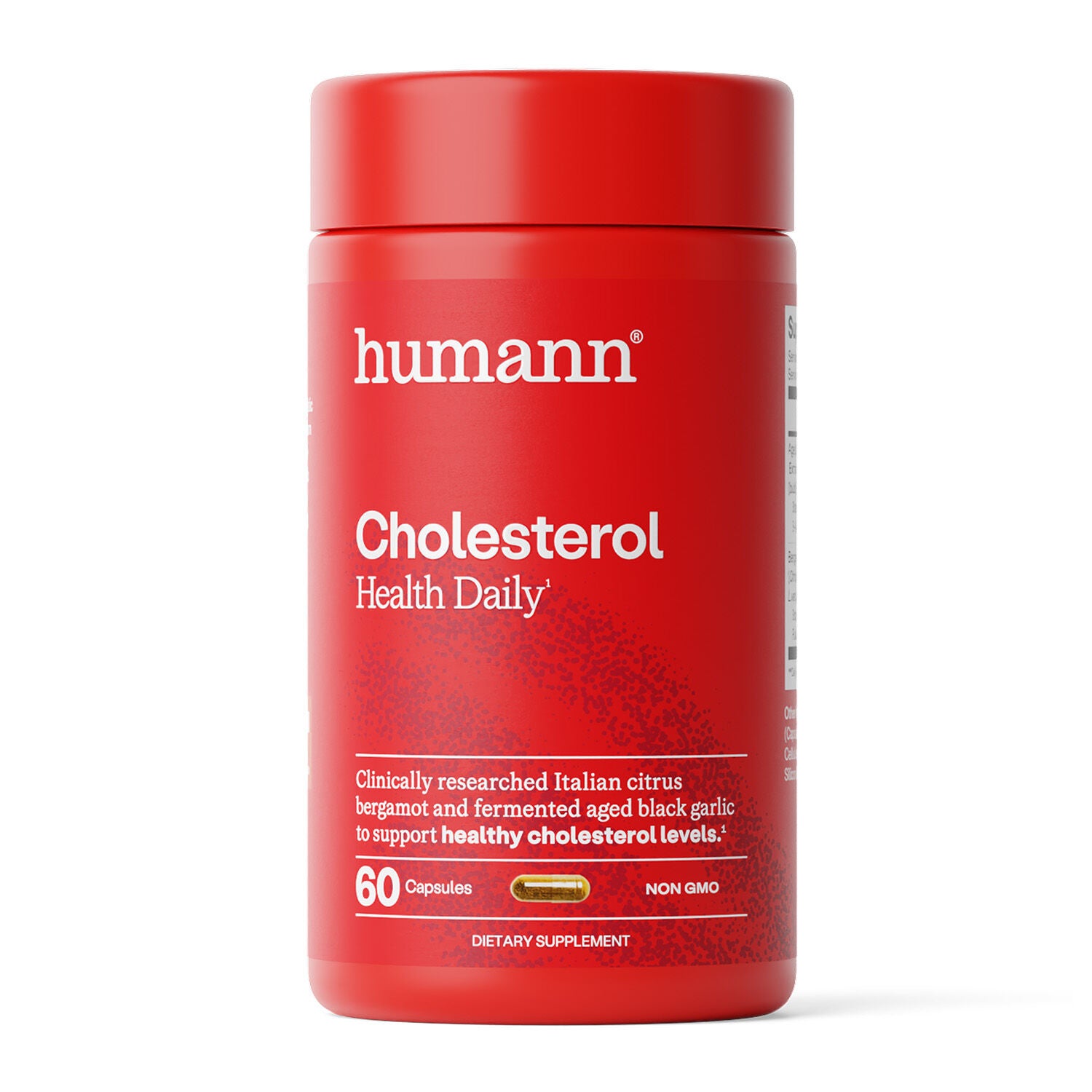 $34.99
-
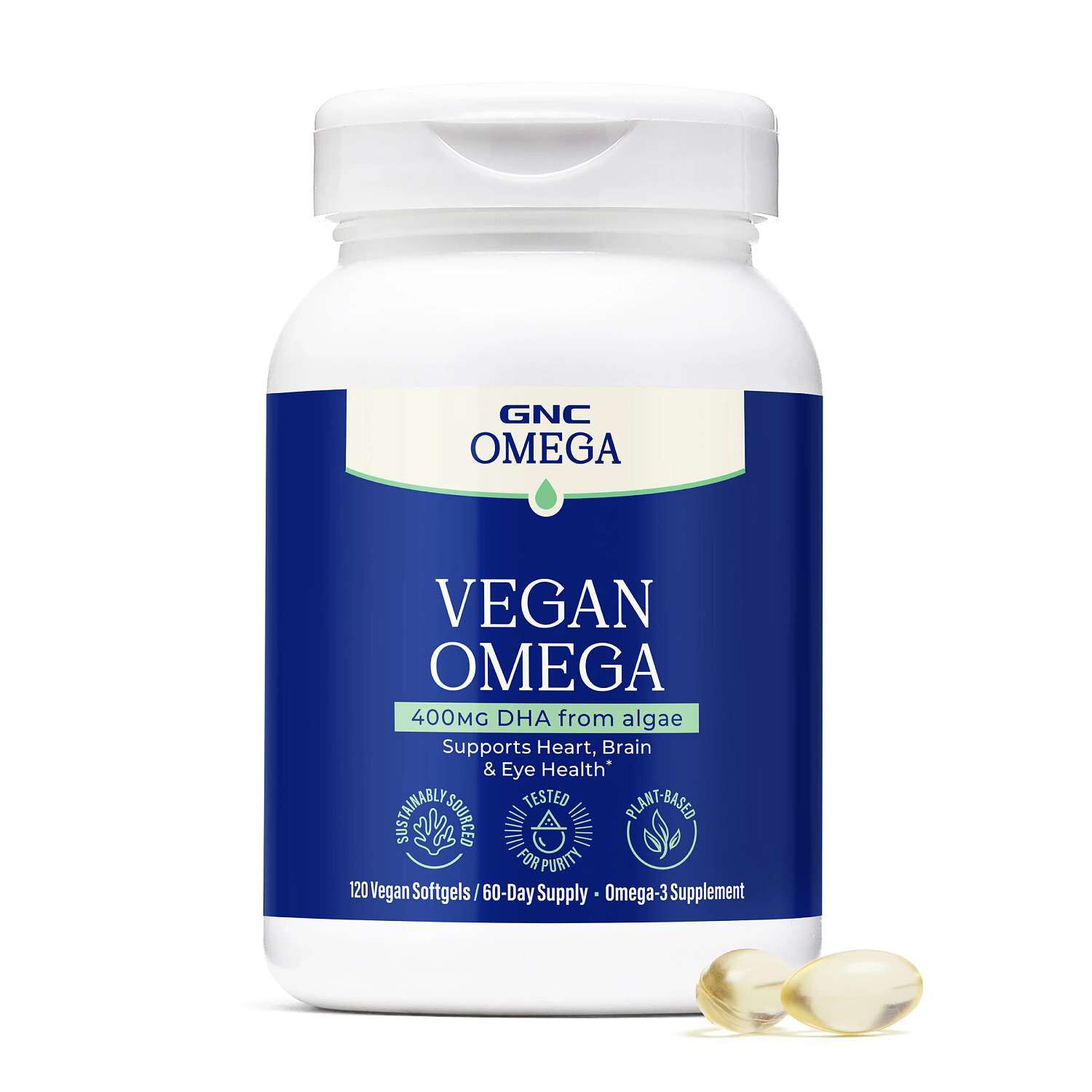 $44.99
-

-
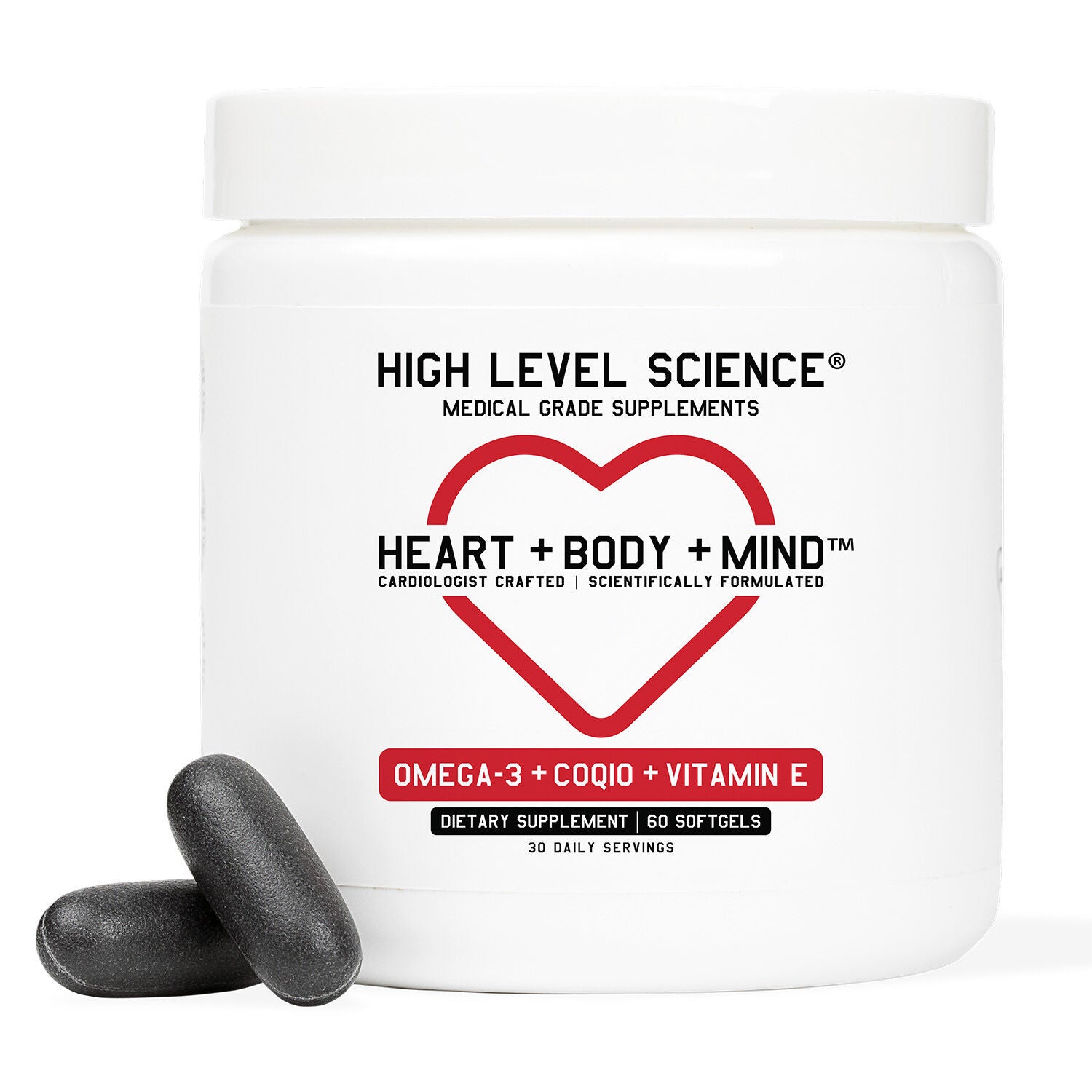
-
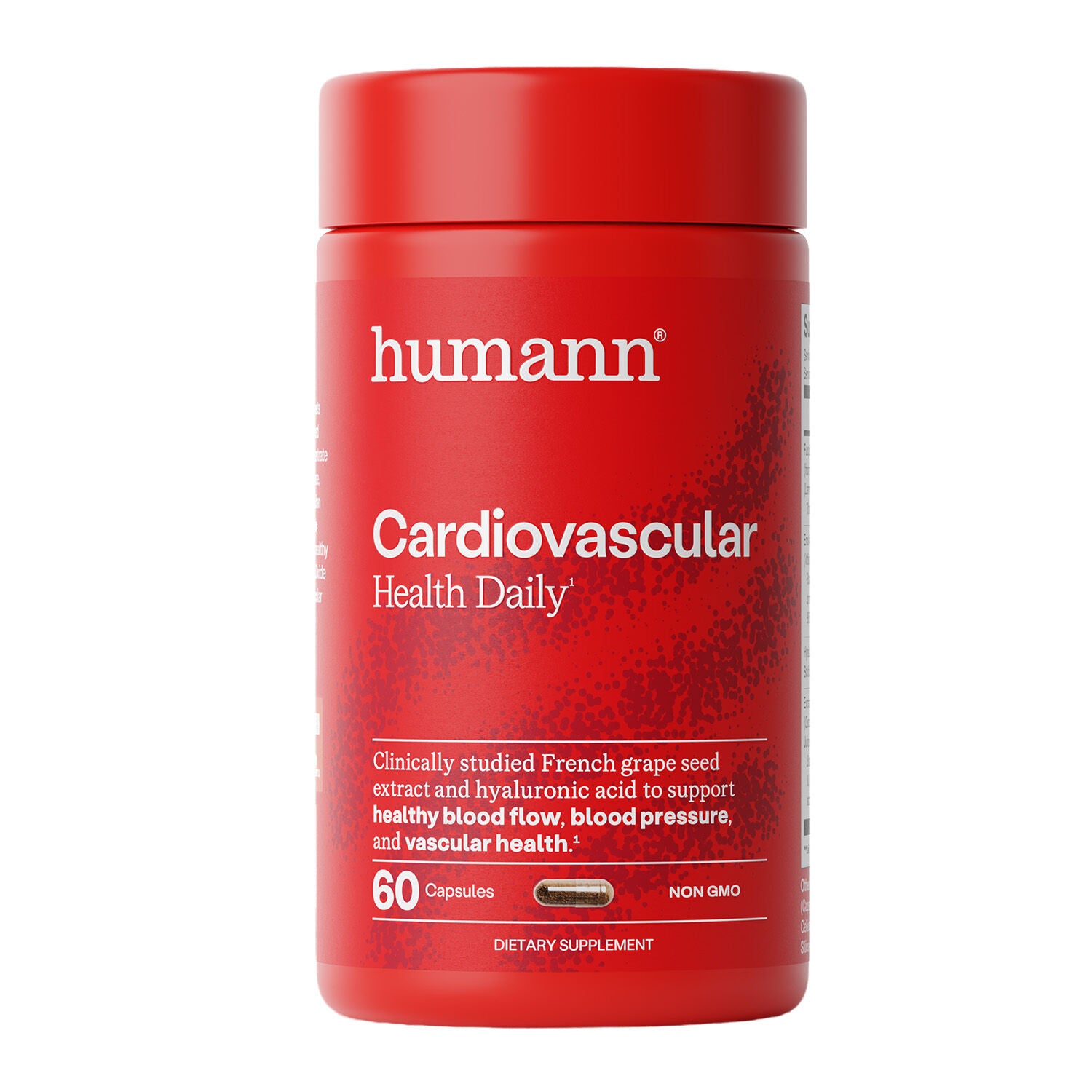 $29.99
-
-
-

-

-

-
-

-

-
-
-
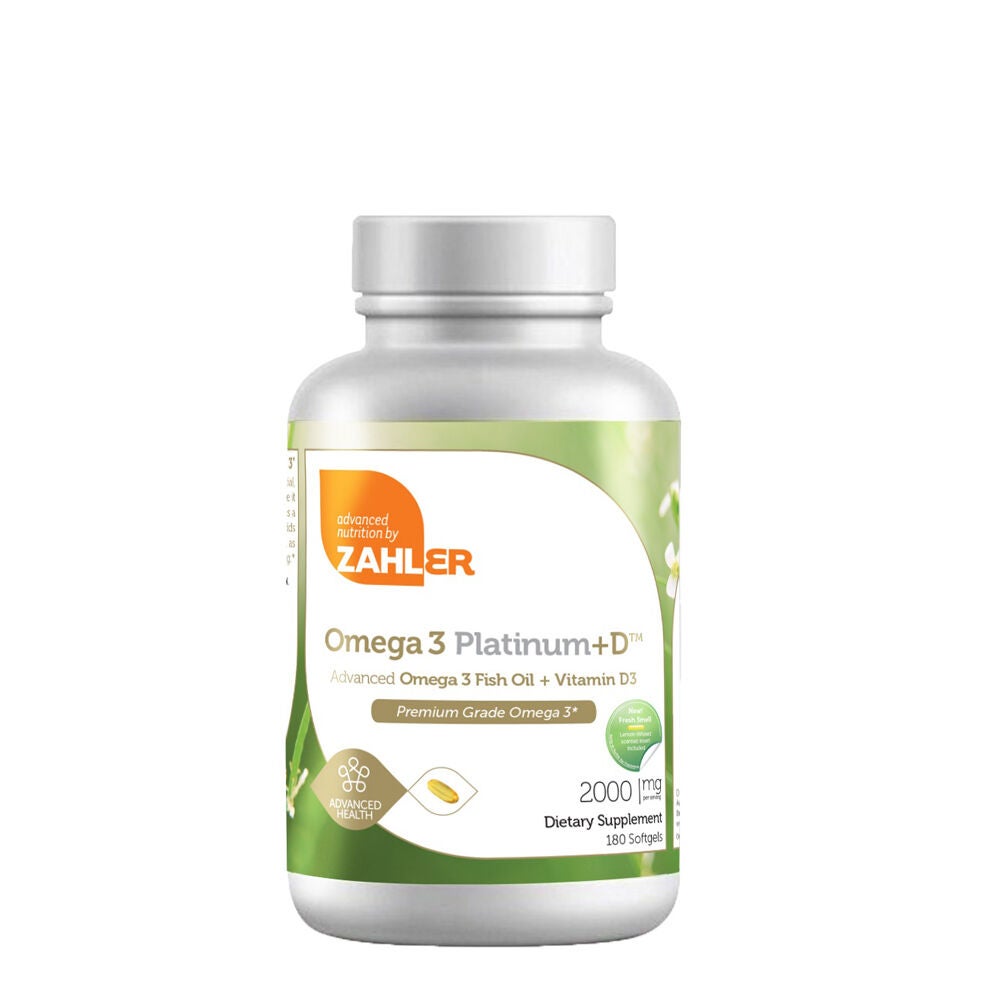


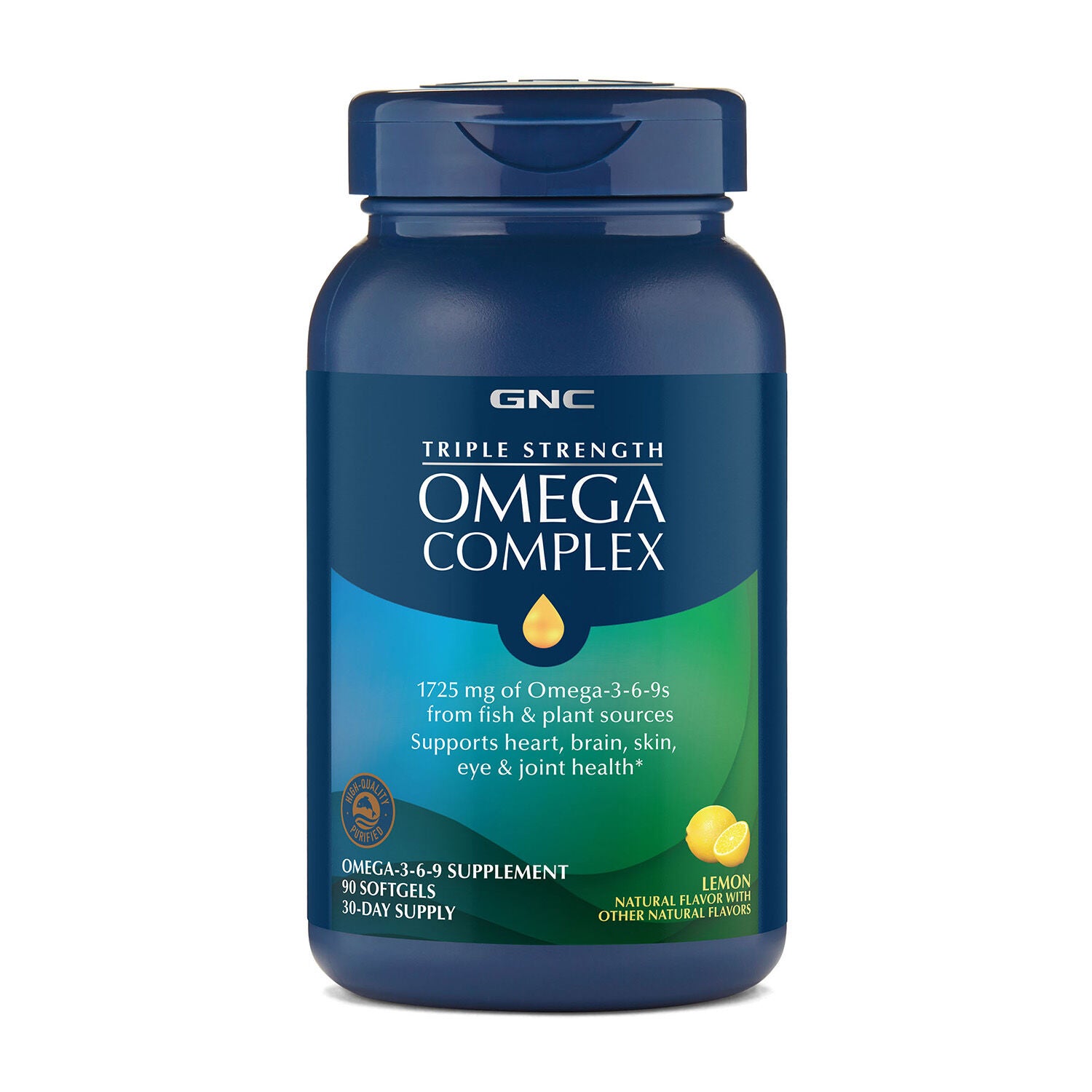
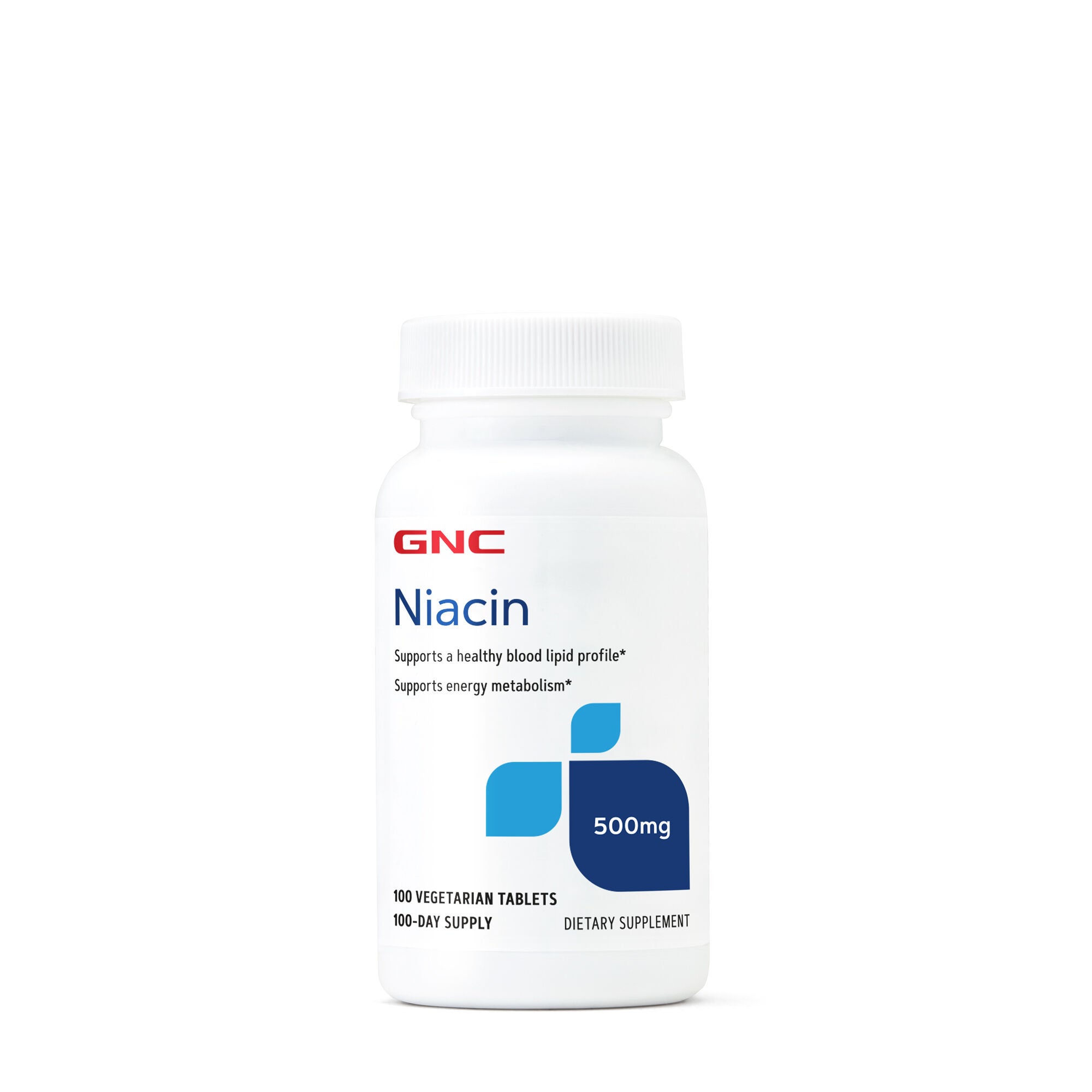
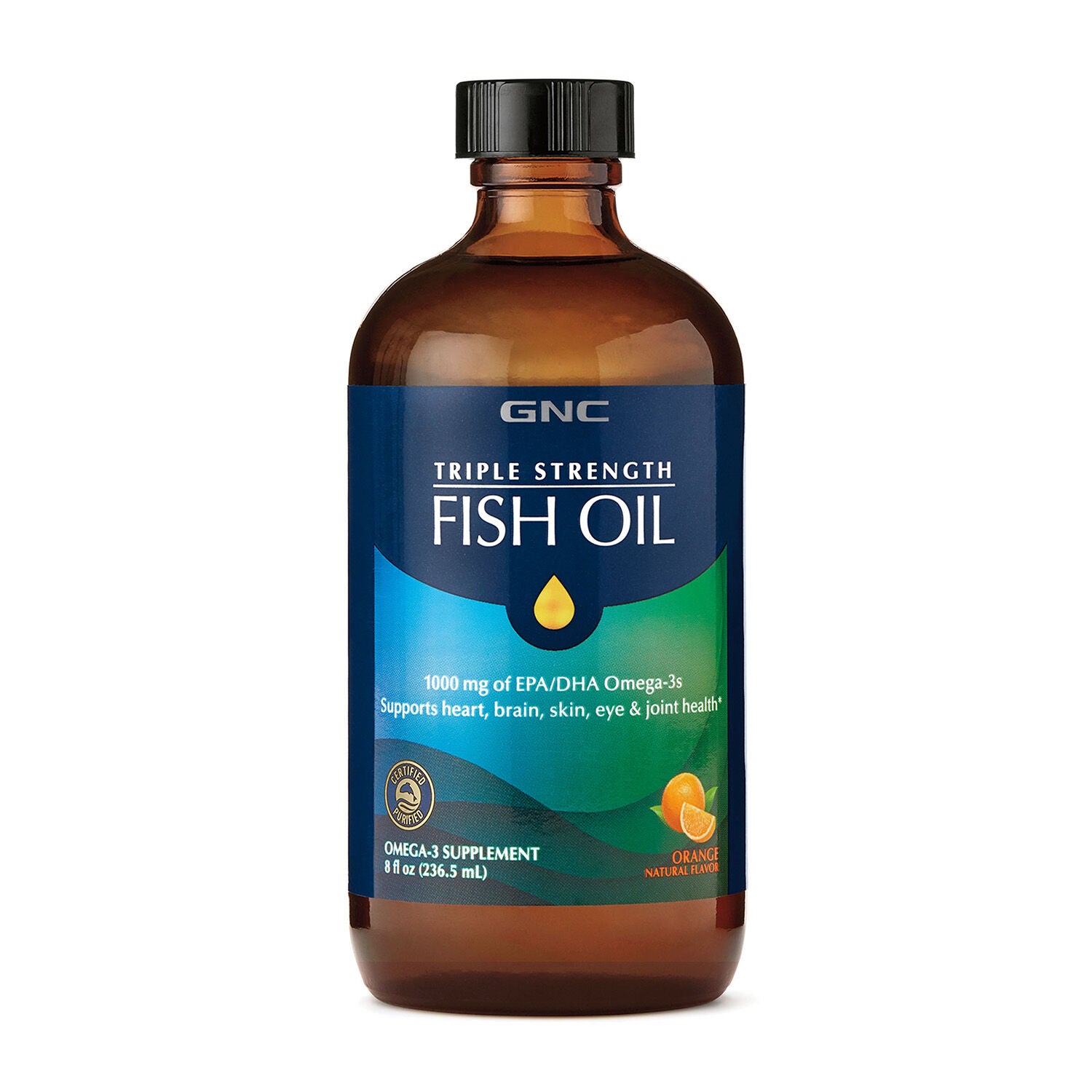
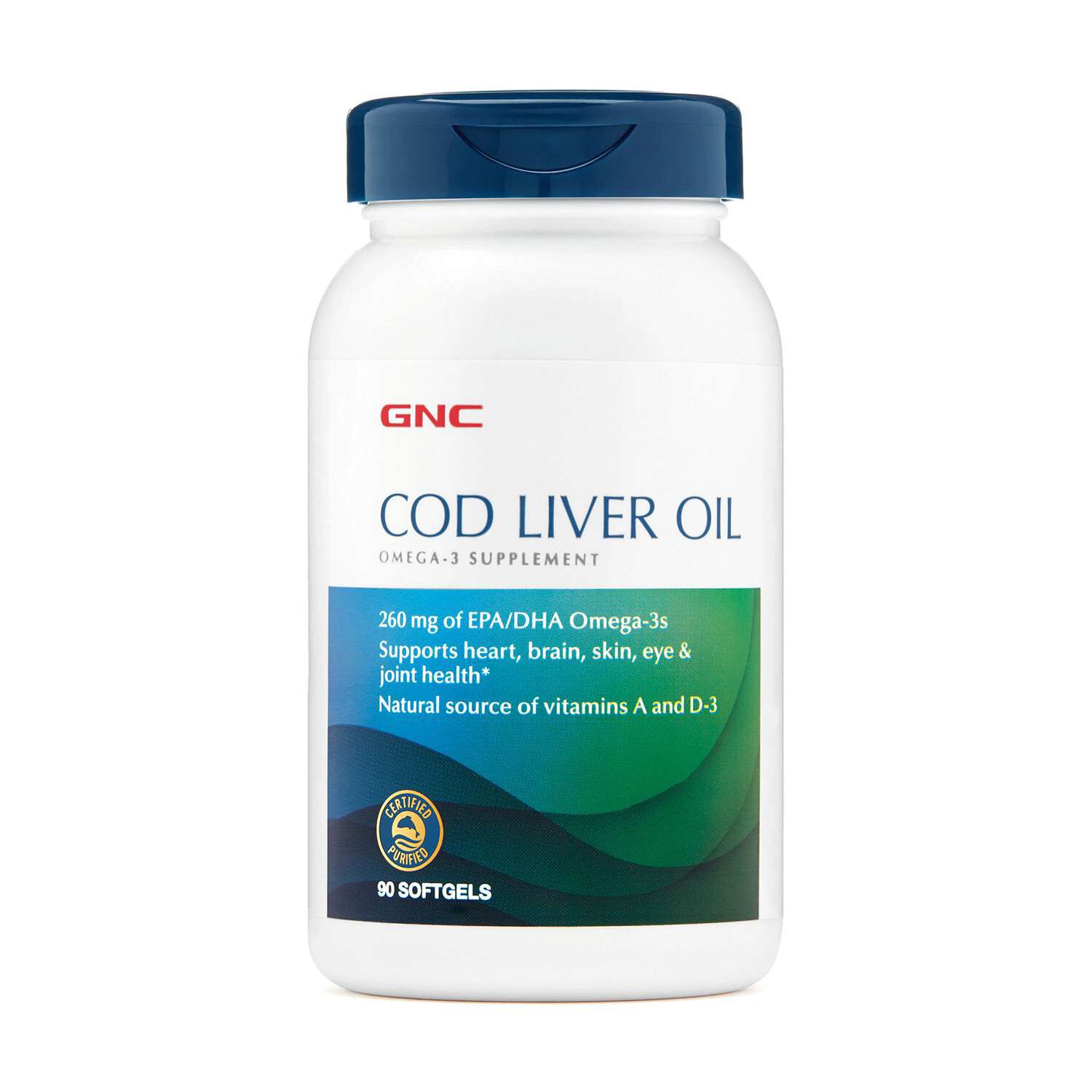
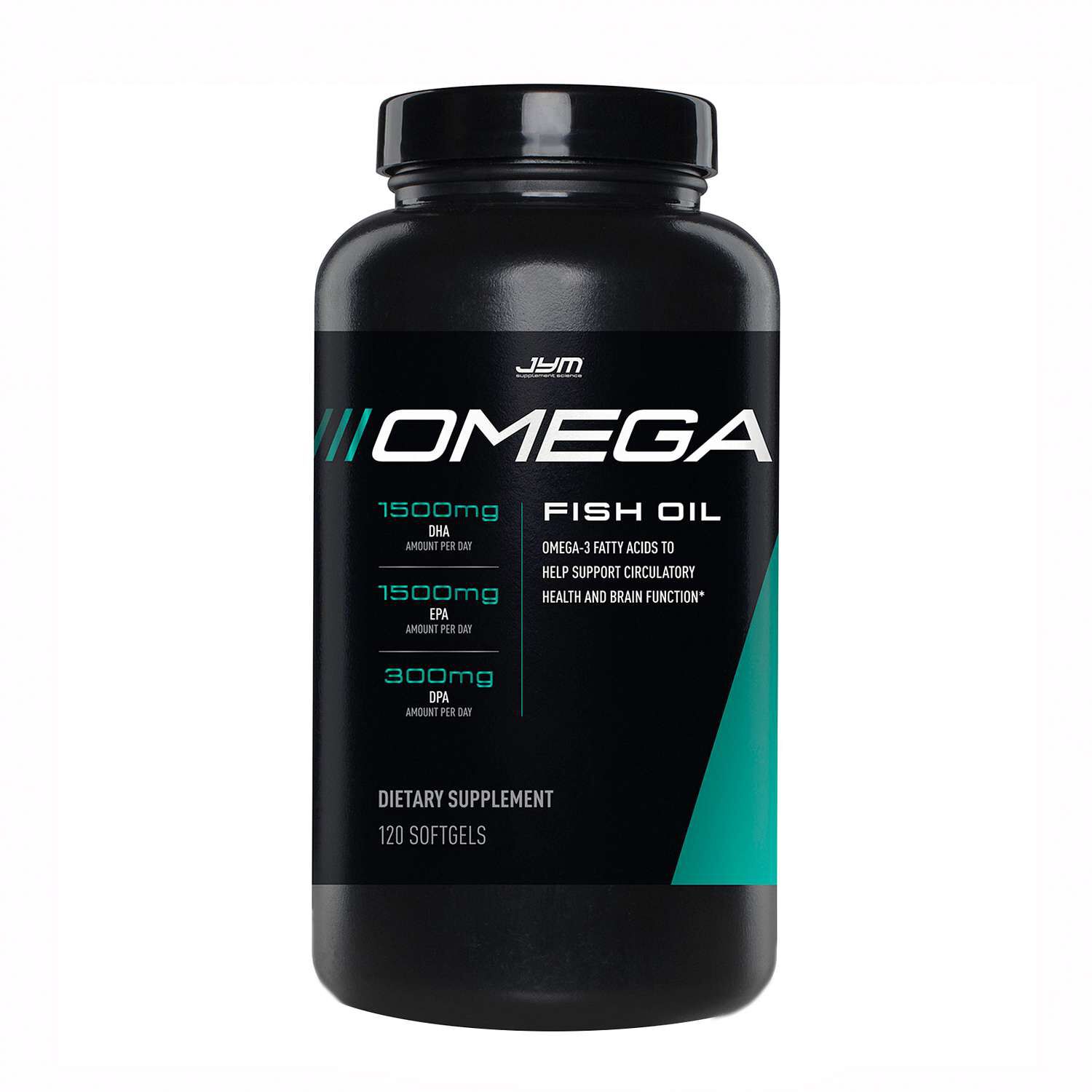
Supplements for seniors managing cholesterol sit within a broader range of dietary products, with differences in ingredients, serving sizes, and delivery formats. They are not a replacement for prescribed medication or individualized care, and a product’s name does not establish its suitability for every person. Shopping in this category centers on understanding what a formula contains and how its labeled use fits an existing routine, rather than assuming that every supplement serves the same purpose. Ingredient categories often discussed in this context include soluble fiber, plant sterols and stanols, and omega-3 fatty acids. These are distinct ingredients, not interchangeable names for one type of supplement. Soluble fiber occurs in foods such as oats, barley, and beans, while supplemental sources may include psyllium or oat-derived ingredients. Plant sterols and stanols are compounds naturally present in plant foods. Omega-3 ingredients may come from fish, algae, or other sources, with different fatty acids identified on the label. Those source details matter to shoppers with dietary preferences, ingredient restrictions, or a particular interest in how a formula is made. A front-label number also needs the context provided by the Supplement Facts panel: an amount listed for an oil blend is not necessarily the amount of an individual fatty acid within that blend. Likewise, the amount per serving is different from the amount in a single capsule when the serving consists of several capsules. Ingredient lists, serving information, and allergen statements provide a more useful picture than a short description on the front of the bottle. A single-ingredient formula may appeal to someone who prefers a straightforward label, while a blend involves several ingredients and amounts to compare. Neither approach is automatically suited to every older adult. For someone who already has an established nutrition routine, the meaningful distinctions are the actual composition, the labeled serving, and the format—not simply whether the packaging mentions seniors or cholesterol. Familiar terminology is a starting point for comparison, but the full label supplies the details that distinguish one formula from another.
Format is another practical consideration, especially when a supplement will become part of an ordinary morning or evening routine. Capsules, tablets, softgels, powders, and liquids have different handling requirements, and personal preference often shapes which format feels manageable. Someone who keeps a tidy breakfast counter might prefer a compact bottle, while another shopper might favor a powder with clearly printed preparation directions. A powder involves measuring and mixing; a liquid involves measuring a serving and checking any storage instructions after opening. Capsule and tablet dimensions also vary, so photographs and descriptions that show size and shape provide useful context. A serving that consists of several units presents a different experience from a single-unit serving, even when the bottle sizes look similar. Flavor, texture, and added sweeteners may be relevant for formats that are tasted, while capsule materials matter to people who follow vegetarian or other ingredient preferences. Capsule shells may use gelatin or plant-based materials, and the remaining ingredients may include binders, coatings, colors, or flavorings. Those details belong alongside the primary ingredients when comparing formulas. Packaging deserves attention, too. Clear print, a closure that is comfortable to grip, and an intact seal are practical features for everyday handling. For an older adult who uses reading glasses at the kitchen table, a legible serving statement may be more useful than a busy package design. Product care depends on the manufacturer’s directions, including storage location, moisture exposure, and any instructions that apply once the container is opened. A bathroom cabinet, for example, presents a different storage environment from a dry cupboard. Expiration dates, lot information, and the original label remain useful throughout the period of use. Package size is worth considering in relation to the stated serving and the expiration date, rather than as a number on its own. Quality information may describe ingredient sourcing, testing, or manufacturing practices, but those descriptions have specific meanings. Documentation about ingredient identity or label accuracy is different from evidence about an individual health outcome.
Older adults are not a single group with identical preferences or needs. Someone who prepares most meals at home may approach supplements differently from someone who regularly eats away from home, and a long-standing vegetarian may focus on different ingredient details than a shopper comfortable with fish-derived formulas. Existing supplement use, prescribed medication, and personal health history also make suitability an individual matter rather than something determined by age alone. A familiar daily routine might involve breakfast, a walk, and a few minutes reviewing the day’s appointments; a dietary product may be considered within that routine without becoming its centerpiece. Supplements do not establish a person’s cholesterol status, and a category label does not determine what belongs in an individual care plan. For shoppers comparing products on behalf of a parent, spouse, or other older relative, accurate information about the person’s preferences is more useful than assumptions about what seniors generally want. The preferred format, ingredient source, package closure, and serving instructions may all influence whether a selection feels familiar and practical. Gift purchases call for the same attention to personal preferences. A dietary supplement may be a welcome replenishment when the recipient has already identified a preferred formula, but an unexpected selection based only on age or a health concern is a different proposition. Related browsing for an older father, husband, or partner may include Men's Supplements For Healthy Cholesterol, another category for comparing dietary products through the same ingredient and format details. Gender-focused or age-focused wording does not replace the information on the package. Across these selections, the clearest comparisons come from reading the stated amounts, understanding the ingredient sources, and recognizing the difference between a formula’s description and an individual result. For seniors managing cholesterol, a supplement is a dietary product with a defined composition and labeled use—not a uniform solution. Thoughtful shopping stays grounded in those concrete details, whether the purchase is for personal use or for someone whose preferences are already well understood.
Best Sellers
-
 Nordic Naturals
-
Nordic Naturals
-
 Nordic Naturals
Related Pages


Top Collections
- Zinc Supplements | Top Brands at Great Prices | GNC
- Cortisol Supplements
- Joint Mobility Supplement Packs
- NAD+ Supplement Tablets
- Best Brand of Magnesium Glycinate
- Top Rated Collagen | Shop Customer Favorites | GNC
- Iron Supplements
- Peptide Supplements
- Protein Powders For Muscle Growth Support
- Vitamins That Help Support Weight Gain