

Men's Supplements For Healthy Cholesterol
(0 Results)
Men’s supplements for healthy cholesterol offer a variety of options that could support your wellness journey. Whether you’re looking to complement your daily routine or seeking targeted nutrition, these supplements may help you maintain an active lifestyle. Explore formulas designed with men’s unique needs in mind and discover how the right combination of vitamins, minerals, and other nutrients might make a difference in your approach to healthy cholesterol.
-
-

-

-

-
-
-

-
-
-
-
-

-
-
 $24.99
 -
-
-

-

-

-
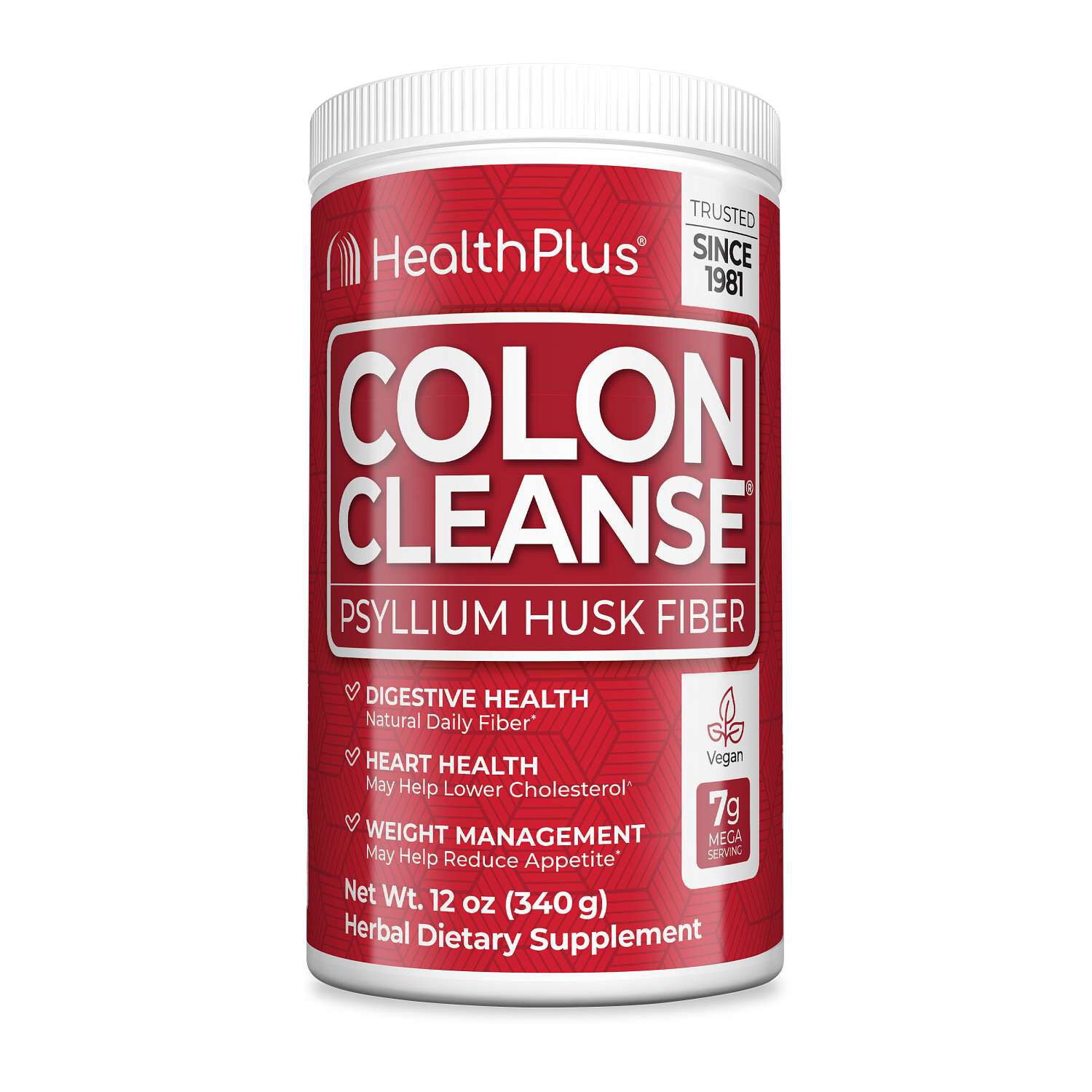


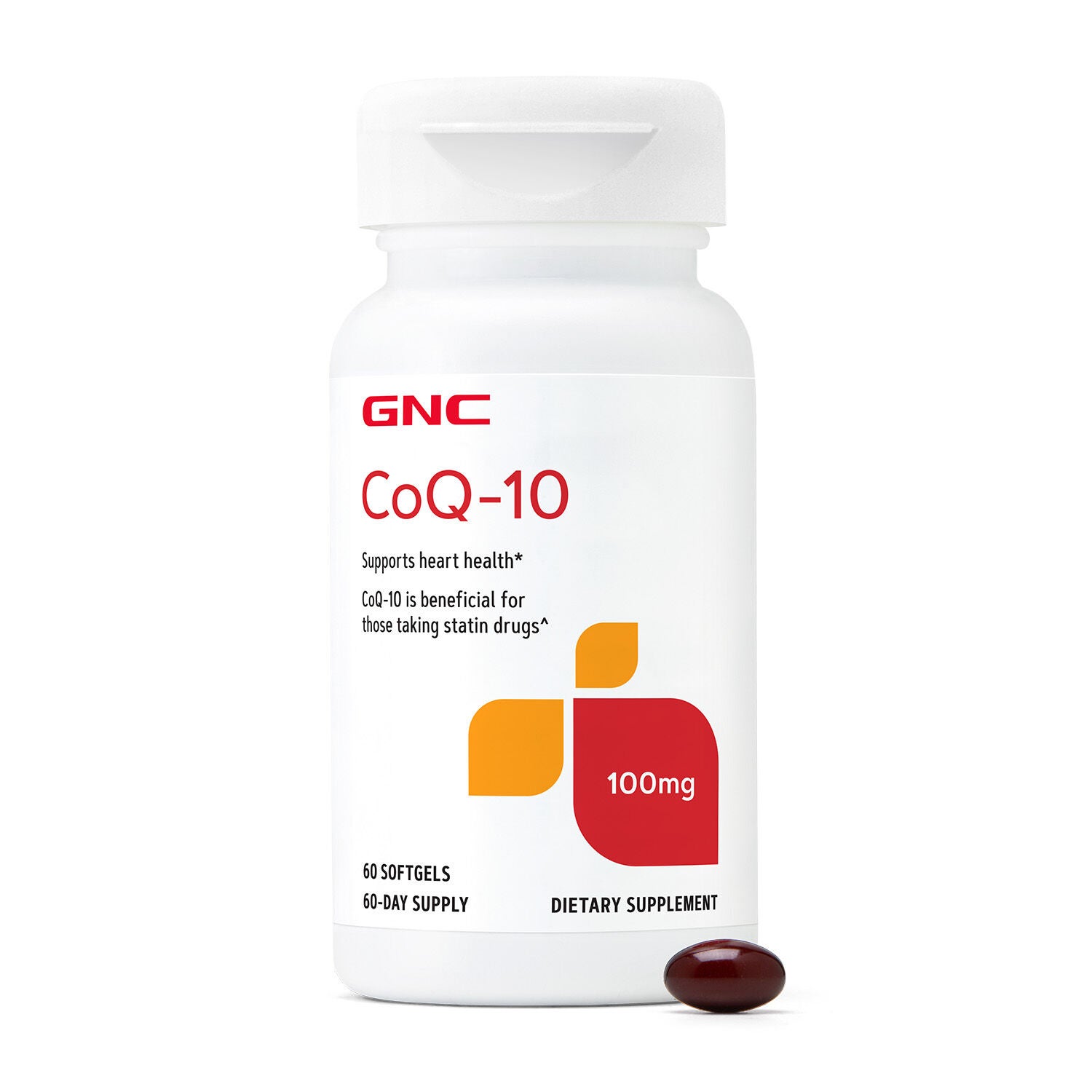
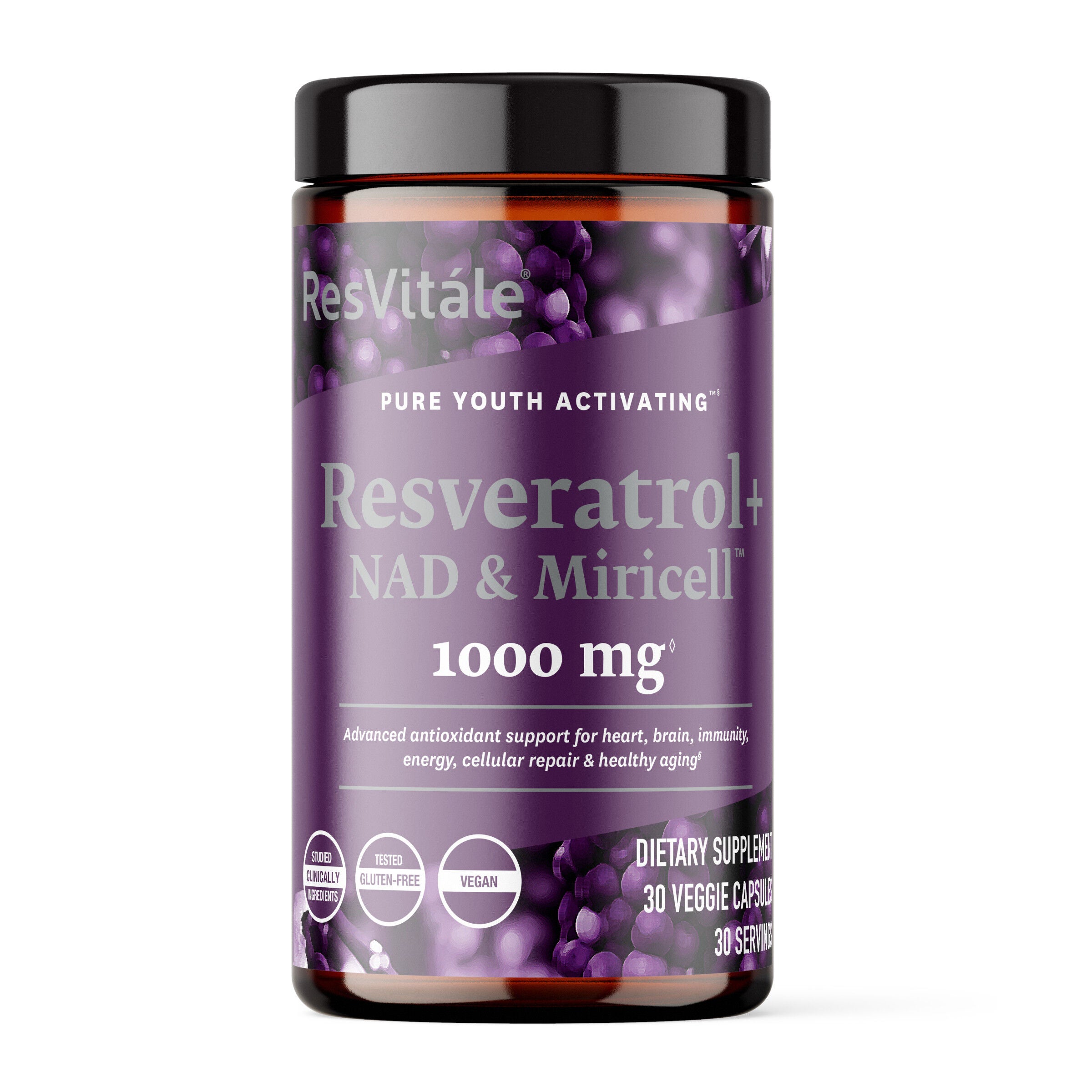
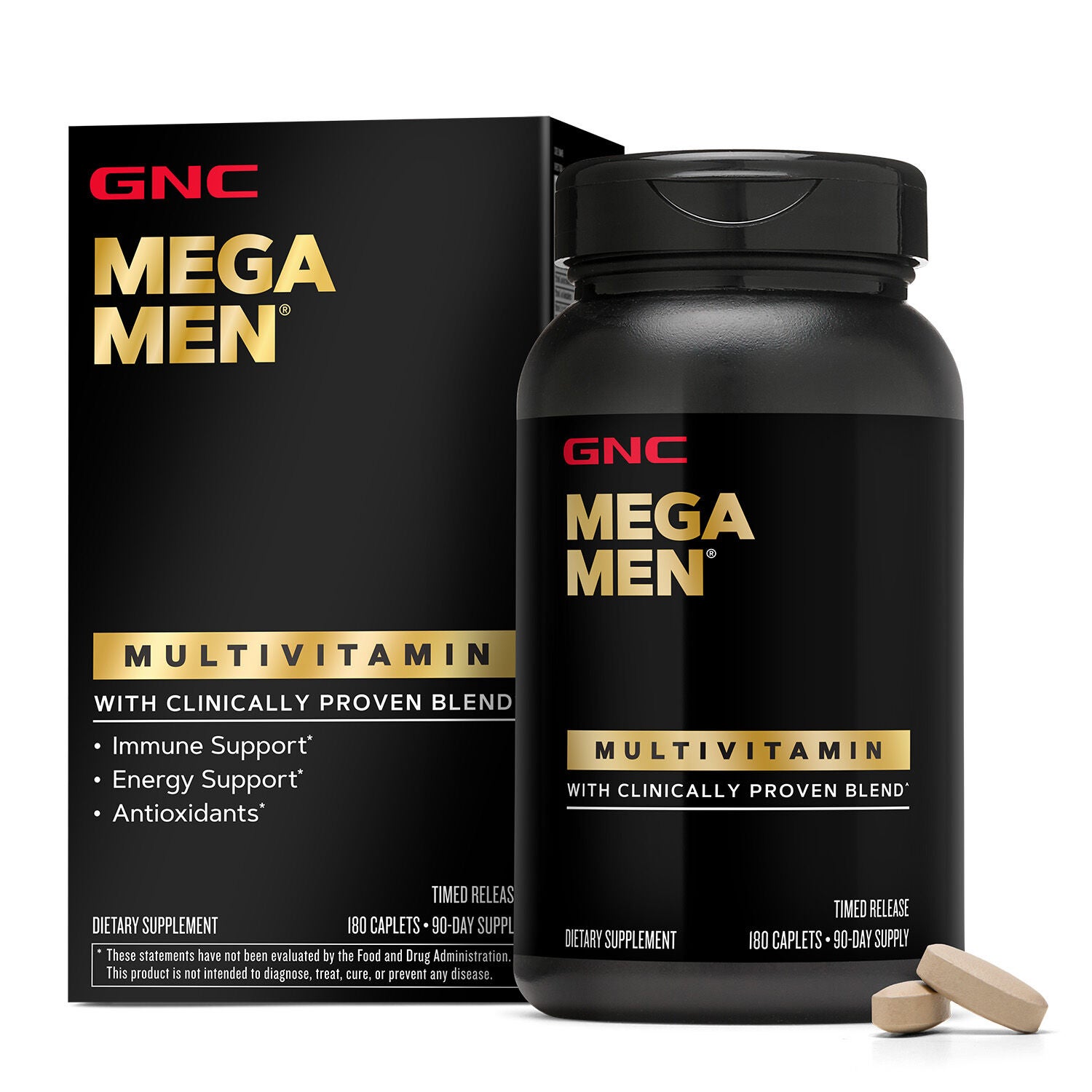
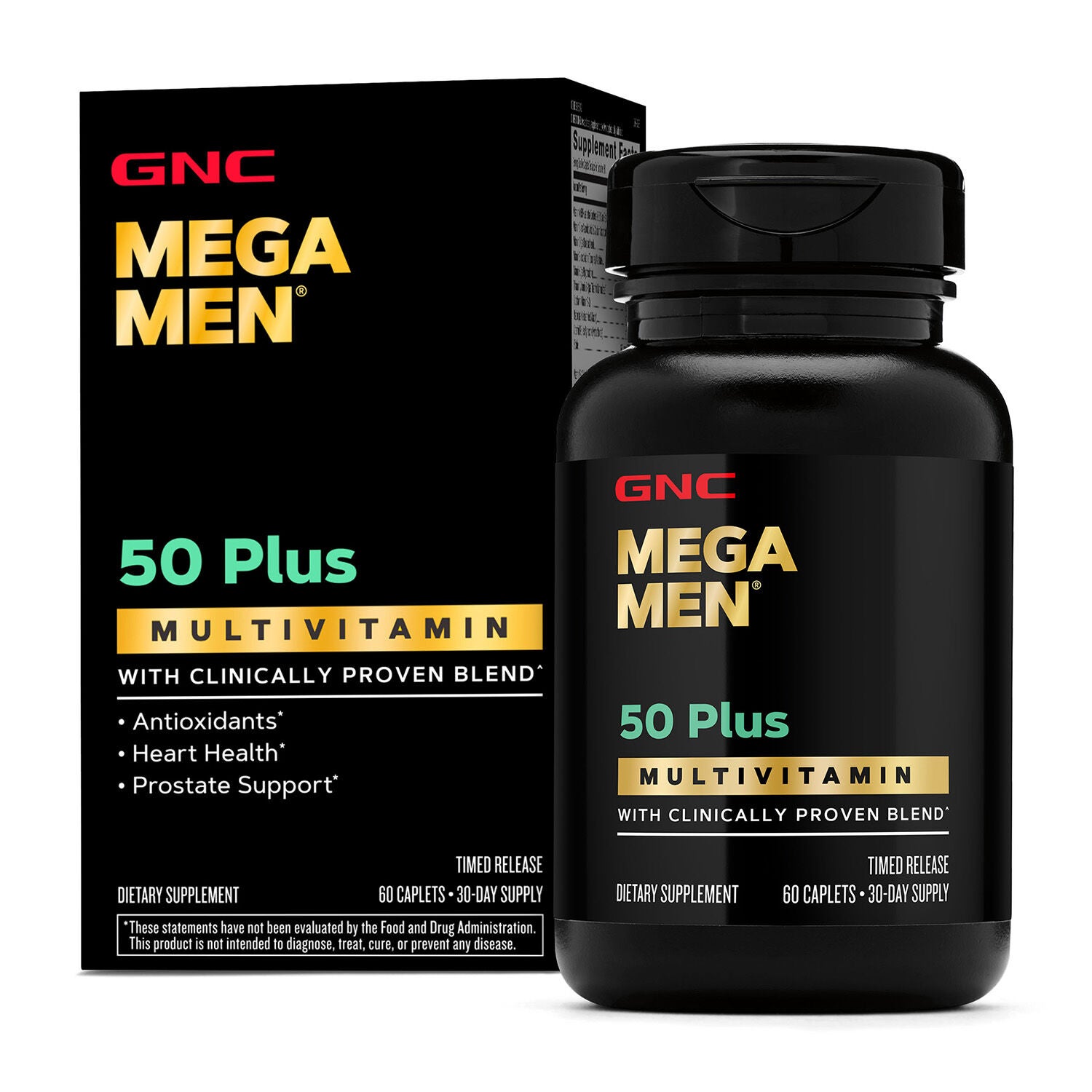
Men’s supplements for healthy cholesterol are a category of dietary products for shoppers whose wellness priorities include nutrition and cholesterol awareness. The category includes plant sterol formulas, soluble fiber supplements, and omega-3 products, with differences in ingredient source, serving size, and format. These are distinct supplement types, not interchangeable versions of the same formula. Plant sterols and stanols are compounds found in plant foods and are also used as supplemental ingredients. Psyllium husk is a source of soluble fiber that appears in powders and capsules. Fish oil supplies omega-3 fatty acids, including EPA and DHA, while some omega-3 formulas use algae as their source. Those ingredient names describe what a formula contains; they do not establish what an individual should expect from it. A category centered on healthy cholesterol brings together related dietary supplements rather than ranking them by medical outcomes. For men comparing these options, the Supplement Facts panel provides details beyond the broad wellness language on the front of a bottle. It identifies the stated serving size, ingredient amounts, and other information about the formula. A softgel’s fish oil amount is not necessarily the same as its EPA and DHA content, and a fiber powder’s serving weight is not necessarily its dietary fiber amount. Those separate entries are important distinctions when comparing labels. The same distinction applies to plant sterol formulas, where the ingredient amount and the number of tablets or capsules per serving are separate details. A bottle with fewer capsules is not automatically a smaller supply, because serving sizes can differ. Men who already pay attention to food choices, regular activity, and their broader wellness routines may be interested in how these formats fit into daily life. The relevant distinction is not simply whether a package says “for men,” but whether its ingredients, directions, and presentation match the shopper’s preferences. Dietary supplements are not substitutes for prescribed treatment, and category names should not be read as treatment claims.
Capsules, tablets, softgels, and powders each have practical characteristics worth considering alongside their ingredient panels. A capsule or tablet format involves no measuring or mixing, while a powder involves preparation with the liquid and serving measure specified on its label. For someone whose breakfast happens at a kitchen counter, a powder container and measuring scoop may fit naturally into that setting. For someone who prefers a simpler setup, a capsule format may be a better match for personal preferences. Powder texture, flavor, and preparation requirements are meaningful differences, especially with fiber supplements. Psyllium powders may thicken after mixing, so the package’s preparation directions are part of understanding the format. Flavored and unflavored options also have different ingredient lists; sweeteners, flavoring ingredients, and other components belong in the comparison alongside the featured fiber source. With omega-3 supplements, the source of the oil and the composition of the capsule shell are separate considerations. A fish oil formula may have a gelatin softgel, while an algae-sourced formula may use a different shell material. An ingredient’s plant origin does not, by itself, describe every component in the finished supplement. The other-ingredients list and allergen statement provide additional context for shoppers with dietary preferences or ingredient restrictions. Capsule dimensions, the number of units in a labeled serving, and the presence of a coating are also practical details. A single large softgel and several smaller capsules are different formats even when their labels feature the same ingredient category. Powders have their own distinctions, including scoop size, container opening, and whether the label specifies a particular mixing method. These characteristics matter because the format is part of the everyday experience, not just a detail beneath the ingredient name. Men shopping for healthy cholesterol supplements may prefer different presentations for equally ordinary reasons: a dislike of flavored powders, a preference for plant-sourced ingredients, or a routine organized around a particular meal. No single format is inherently the best fit for every shopper.
Packaging, label clarity, and storage requirements round out the comparison of men’s supplements for healthy cholesterol. A clearly printed label identifies the featured ingredients, the amount per serving, the suggested use, and the storage directions without requiring assumptions based on bottle size or front-label wording. Some dietary supplement labels reference independent testing or third-party certification. The scope of that testing matters: ingredient identity, declared amounts, and manufacturing standards are different subjects from an individual health outcome. A certification symbol does not establish how a supplement will affect a particular person’s cholesterol. Ingredient transparency also includes the less prominent components, such as capsule materials, flavorings, and ingredients used during manufacturing. For storage, the package directions remain the reference point. A bottle kept on a kitchen counter, a powder tub opened during breakfast preparation, and a container packed for travel each encounter different handling conditions. Keeping the original label with the product preserves access to its directions, ingredient information, lot number, and expiration date. The condition of the closure and any protective seal are also relevant packaging details, while the expiration date provides a stated reference for the product’s shelf life. Moisture, direct sunlight, and storage conditions outside the label’s directions are considerations for the container rather than reasons to judge quality by appearance alone. These practical details are useful across adulthood, although shopping preferences and personal circumstances can change with age. The related collection, Supplements For Seniors Managing Cholesterol, offers another way to browse this topic with an older audience in mind. Age-specific wording does not replace the details on an individual formula’s label. Whether the shopper is comparing supplements for a personal routine or helping a family member review ingredient information, the most meaningful distinctions remain concrete: ingredient source, stated amounts, serving format, additional ingredients, packaging, and intended use. Together, those details provide a grounded picture of the dietary products in this category without treating a supplement label as a forecast of personal results.