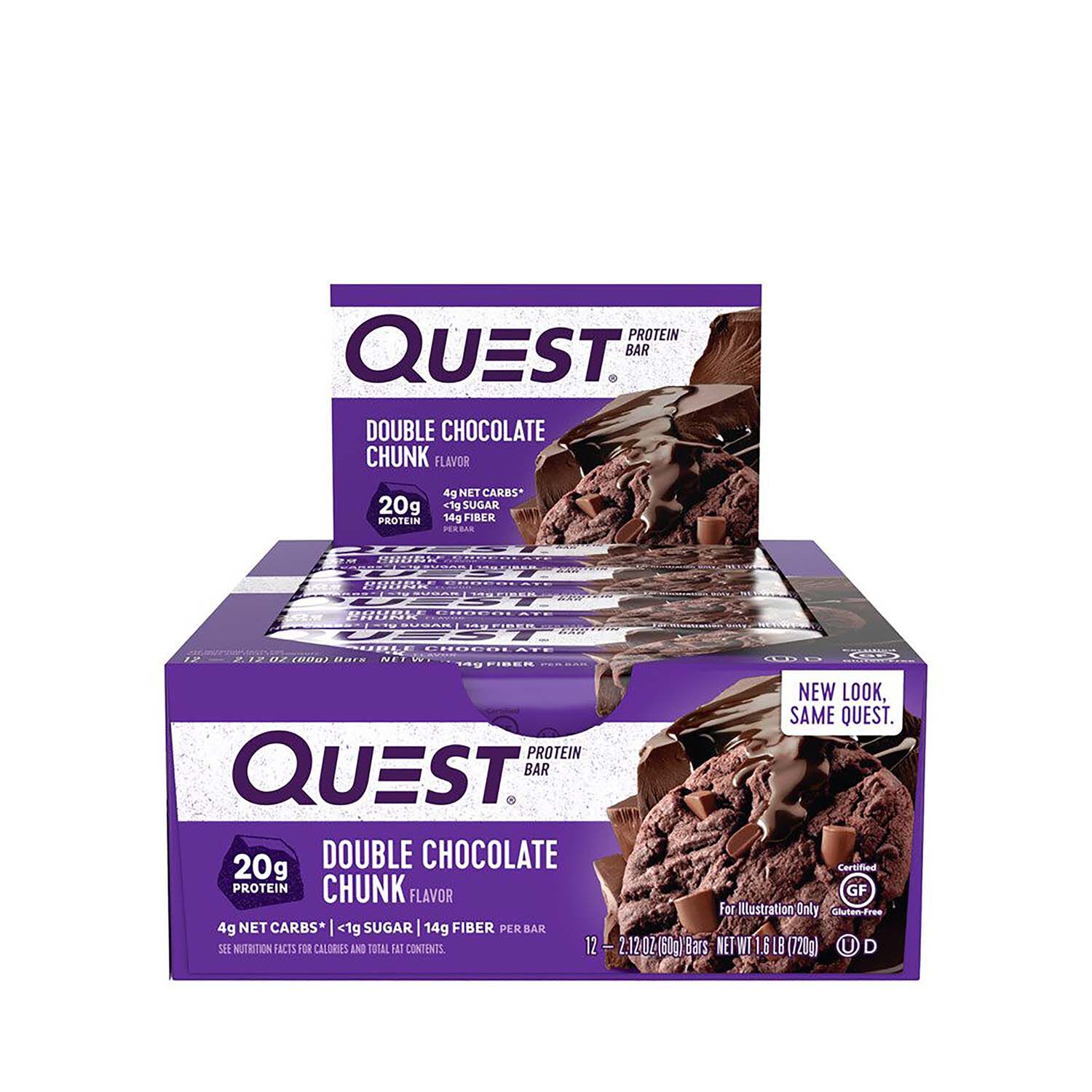
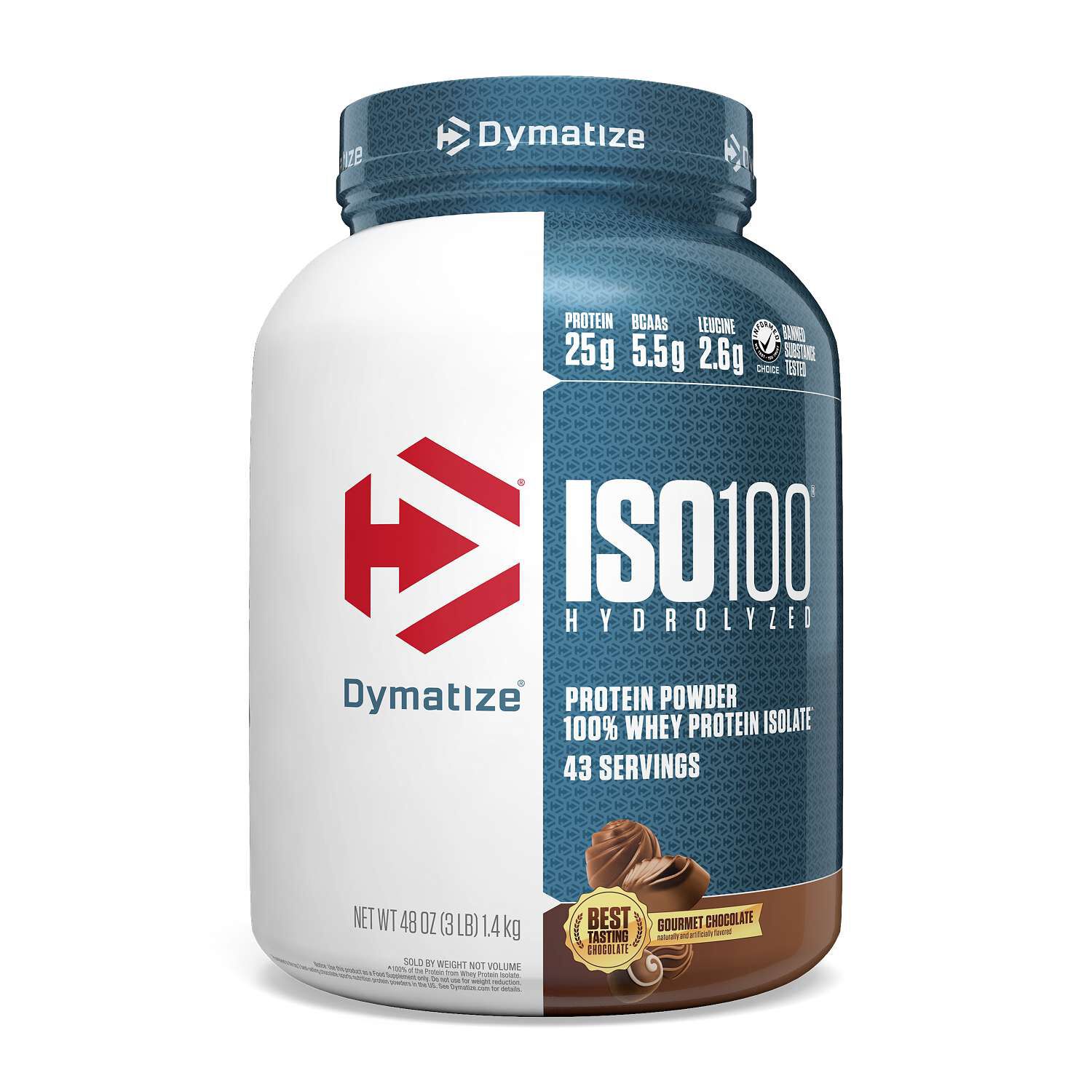
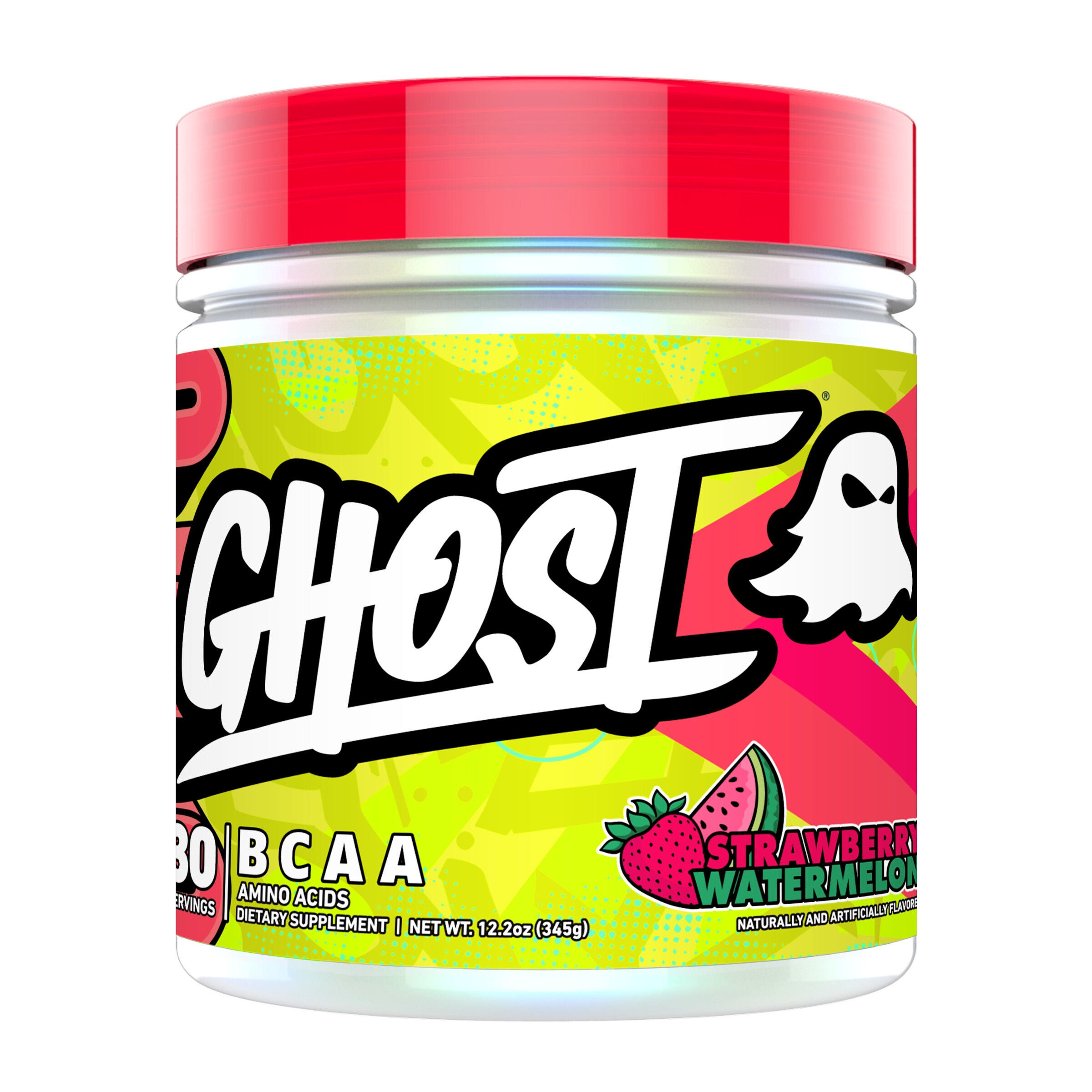
Support For Lean Muscle Building
(0 Results)
Support for lean muscle building starts with the right combination of nutrition, exercise, and targeted supplements. Whether you're aiming to enhance your workout routine or looking to optimize recovery, a variety of options may help you reach your fitness goals. Explore a curated selection designed for those seeking support for lean muscle building and discover products that could complement your active lifestyle.
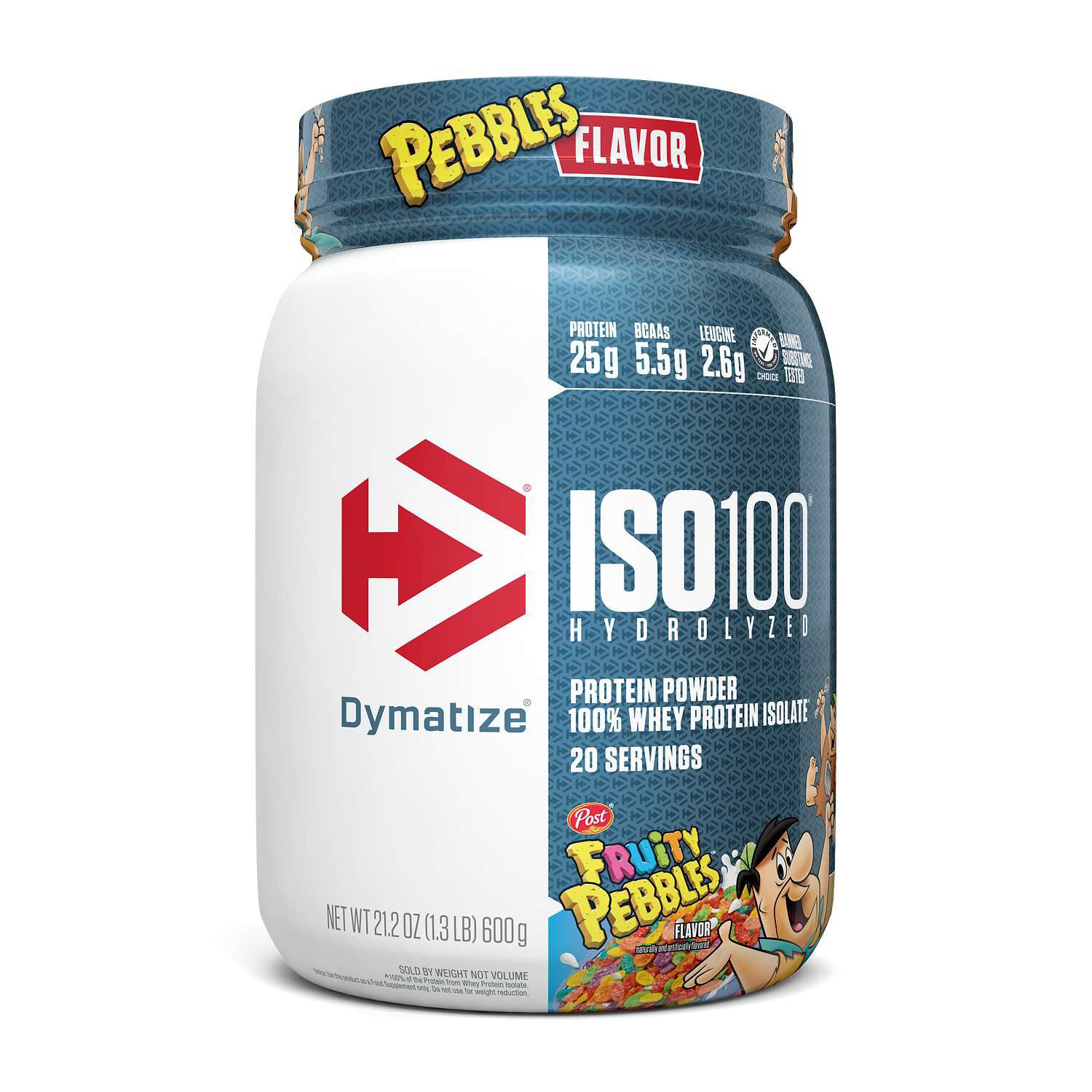

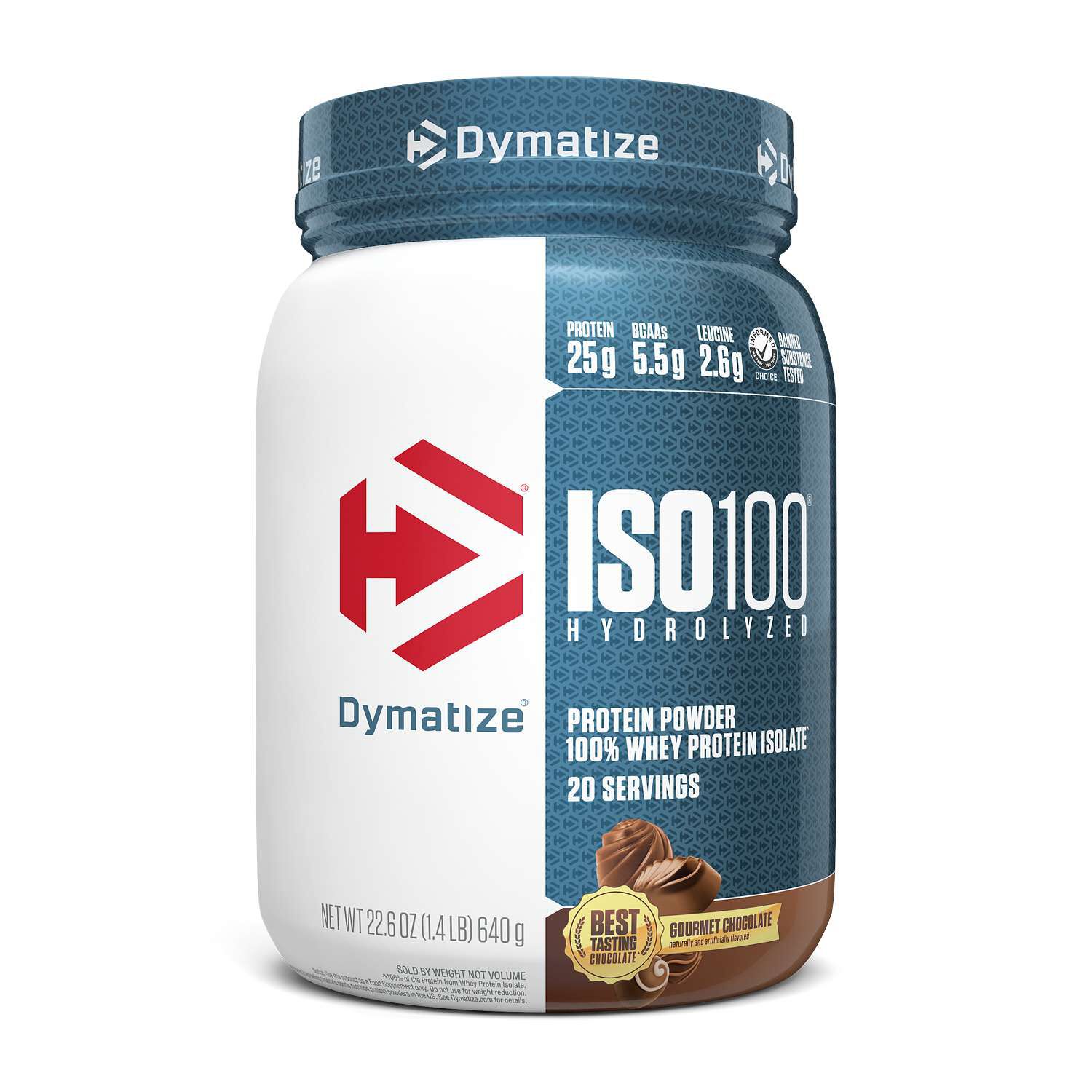
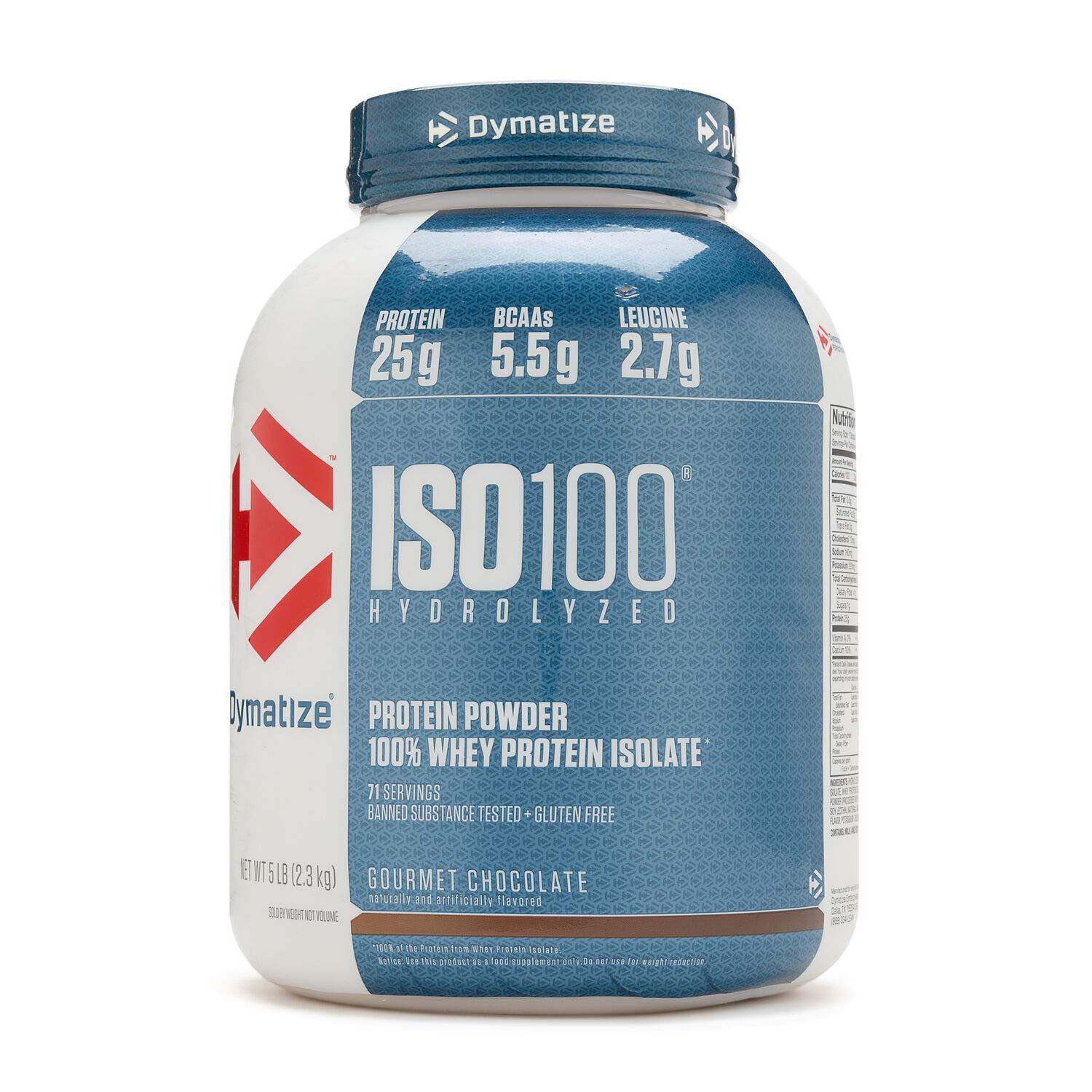


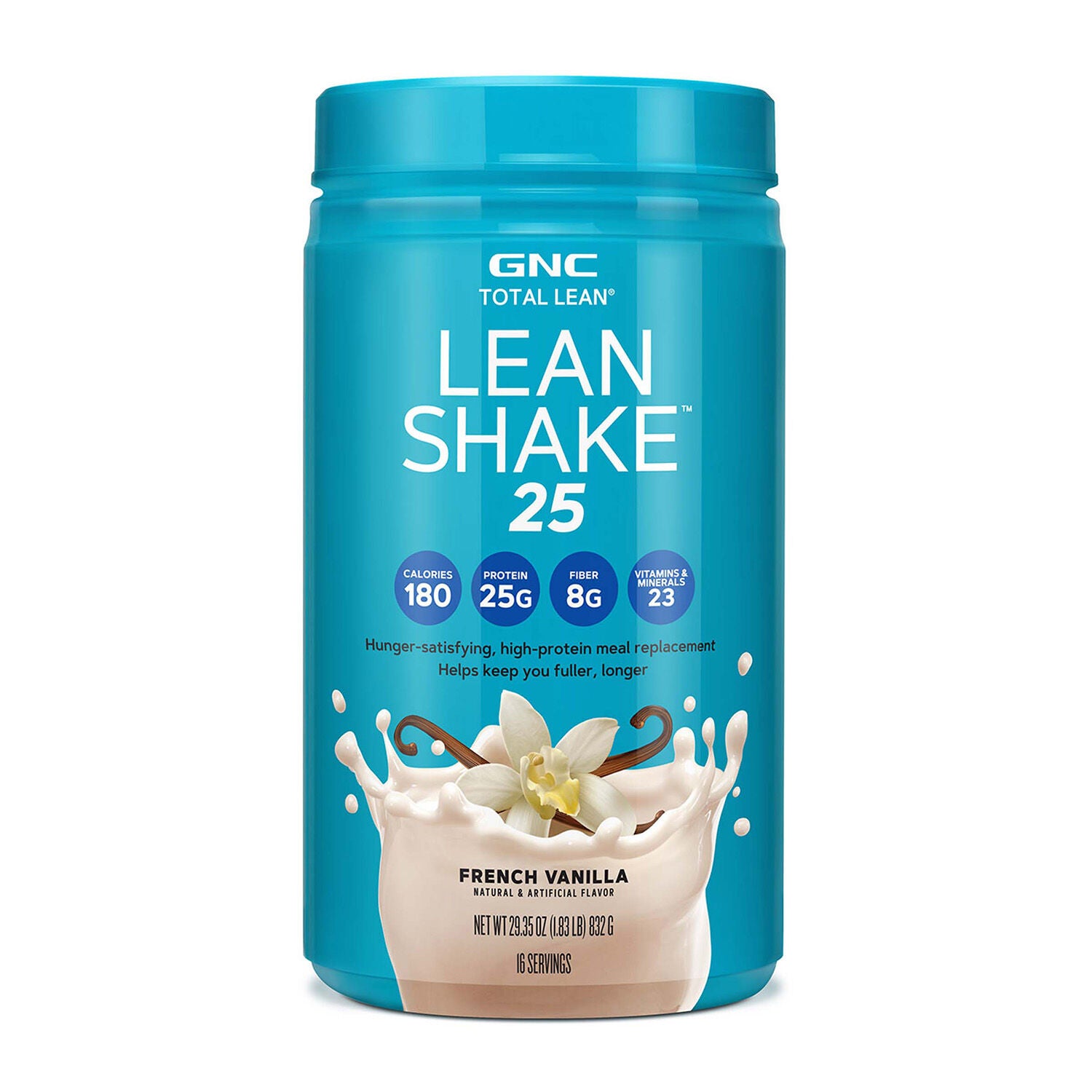
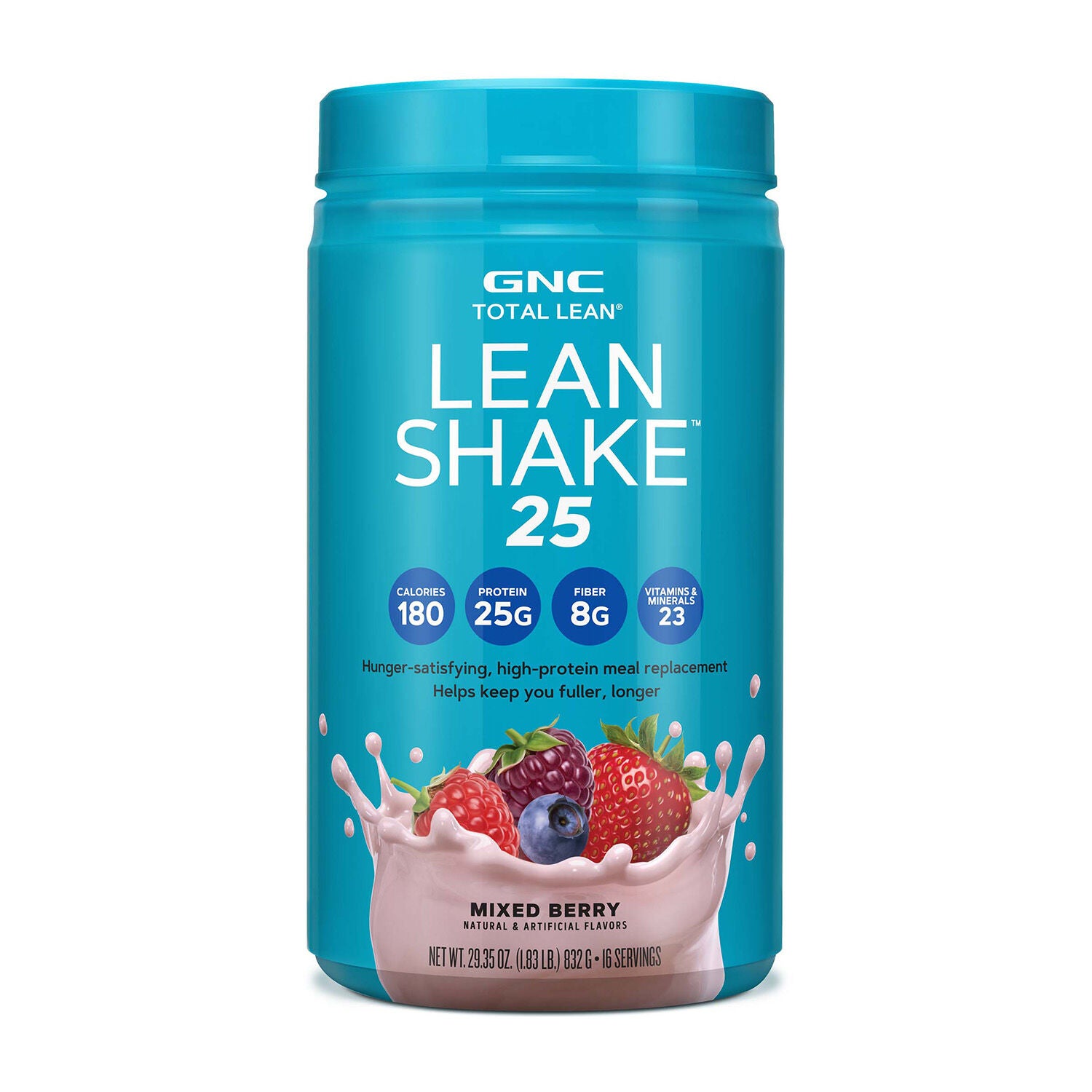
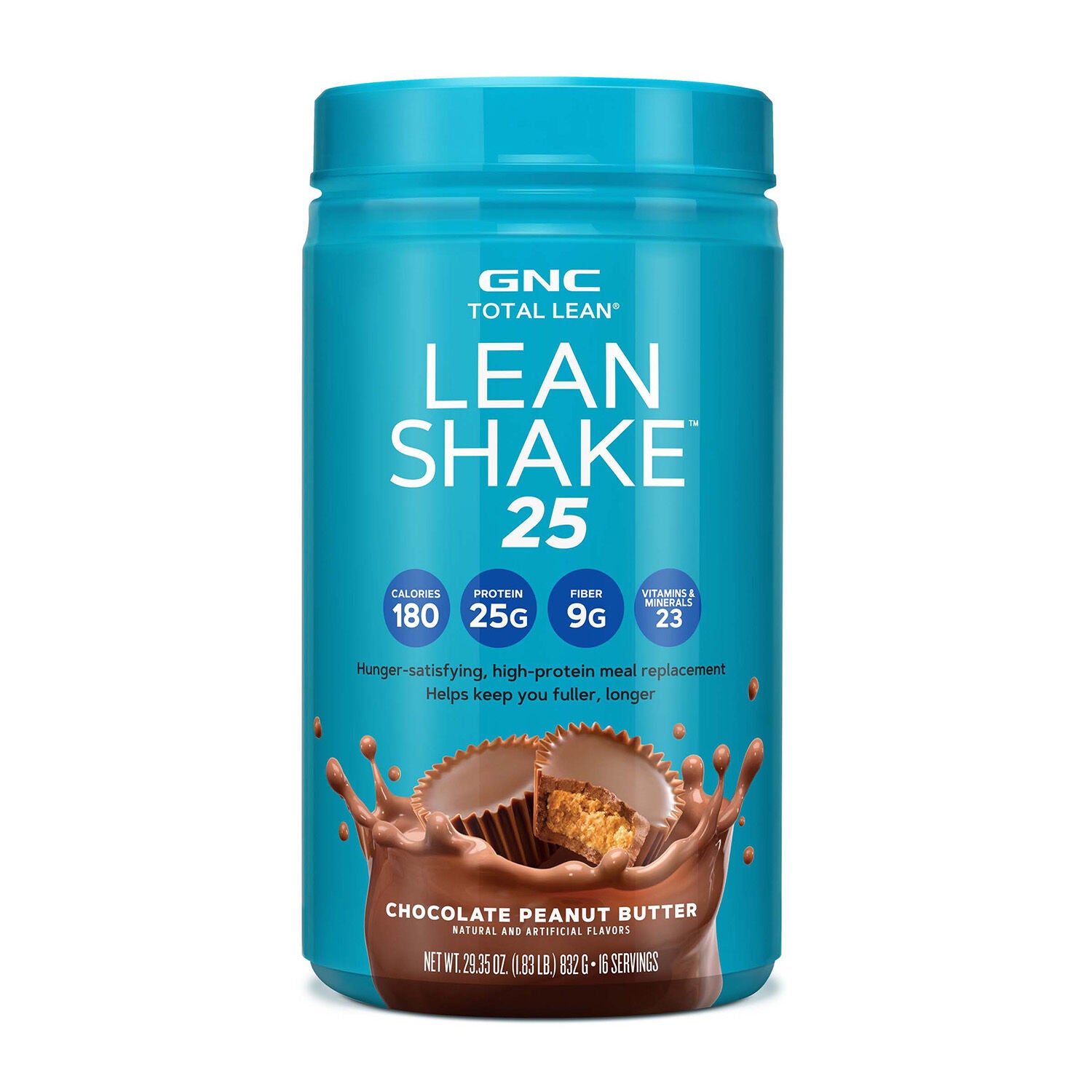


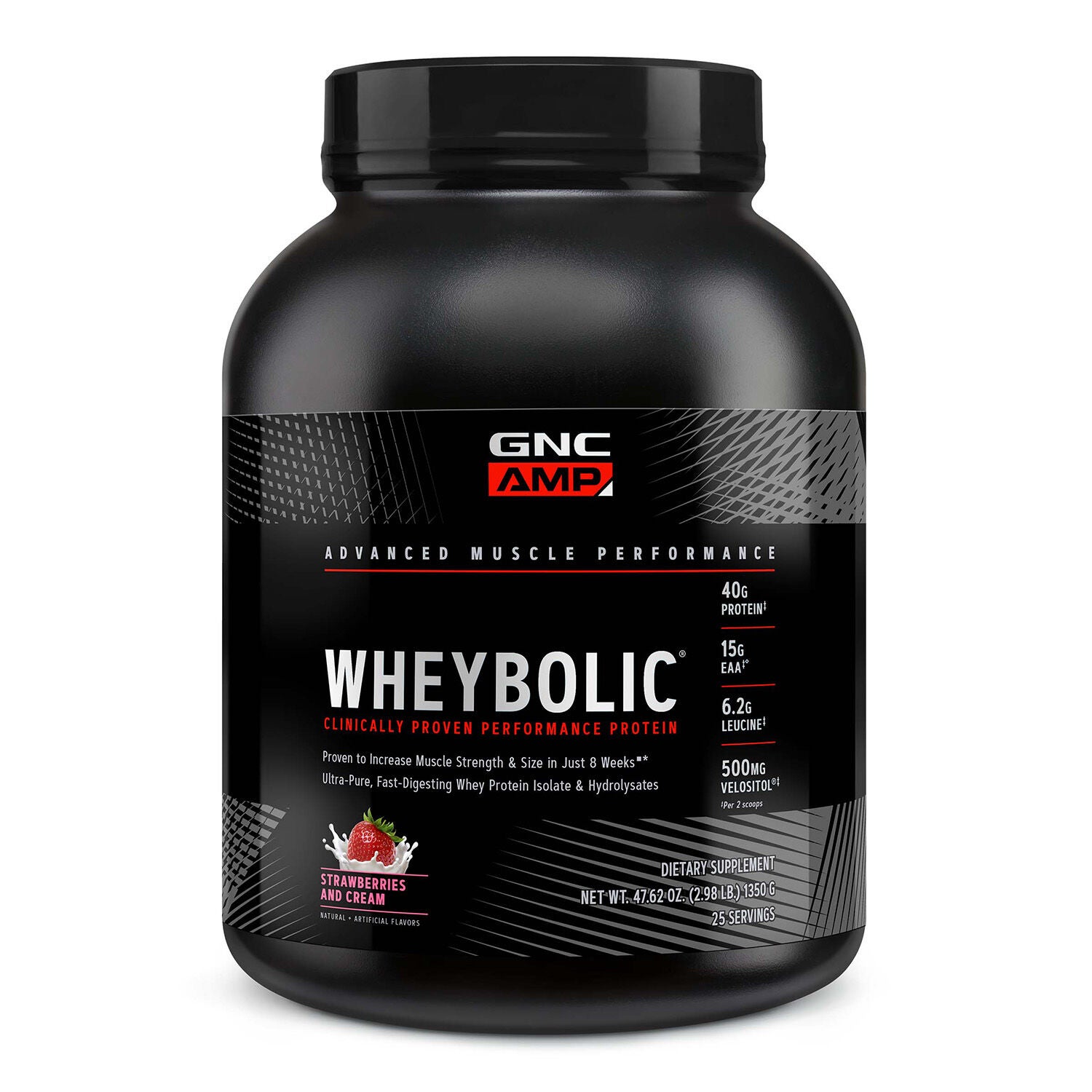


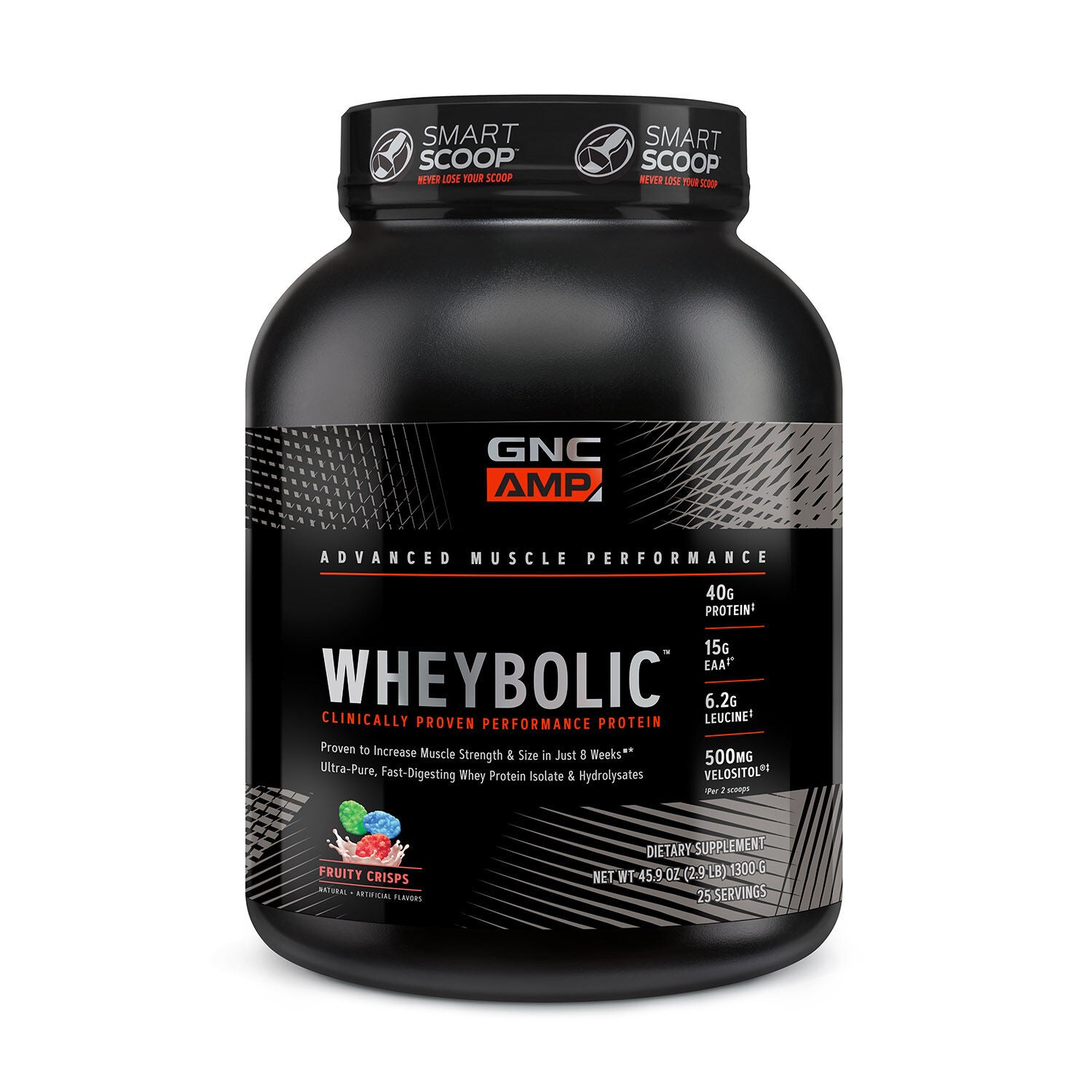

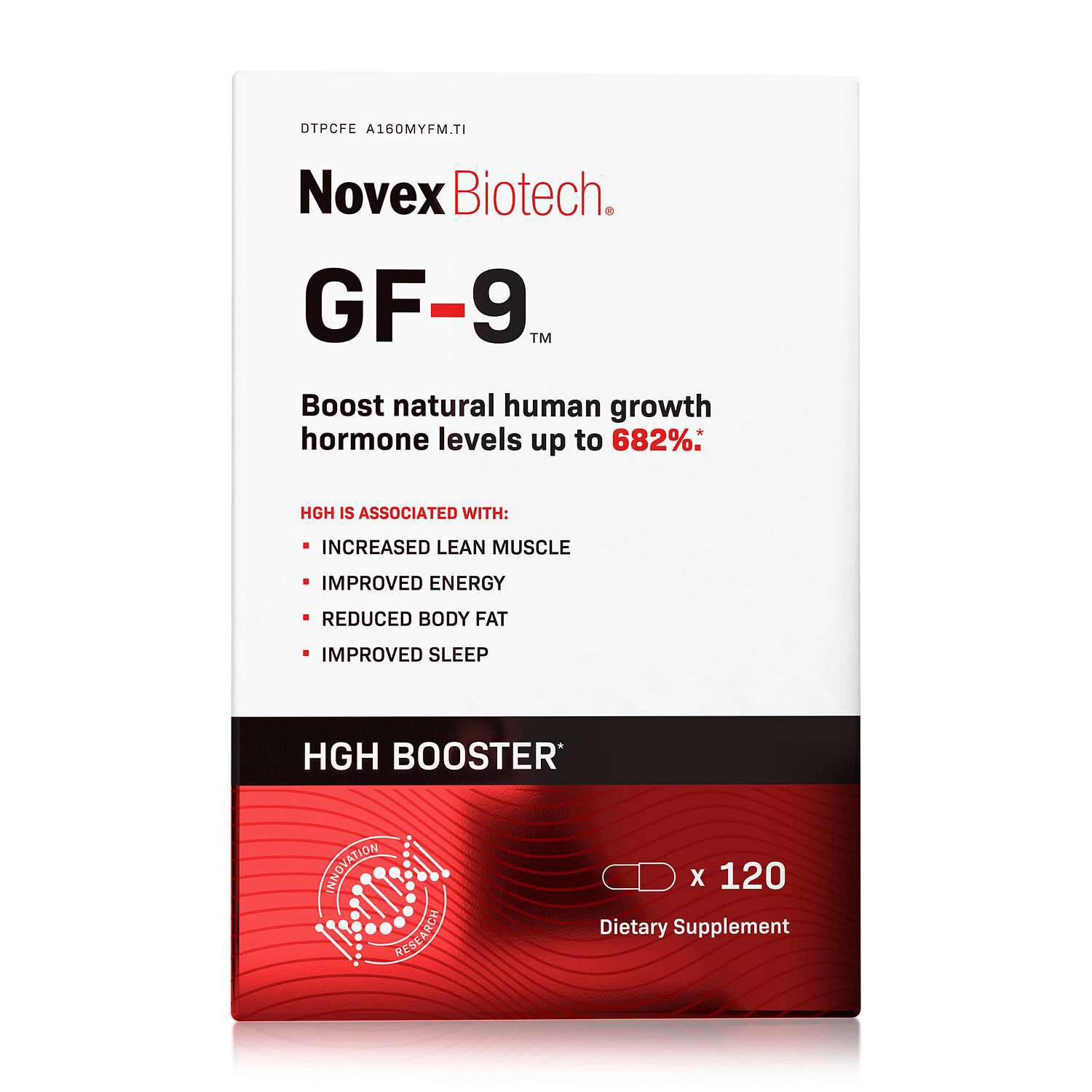


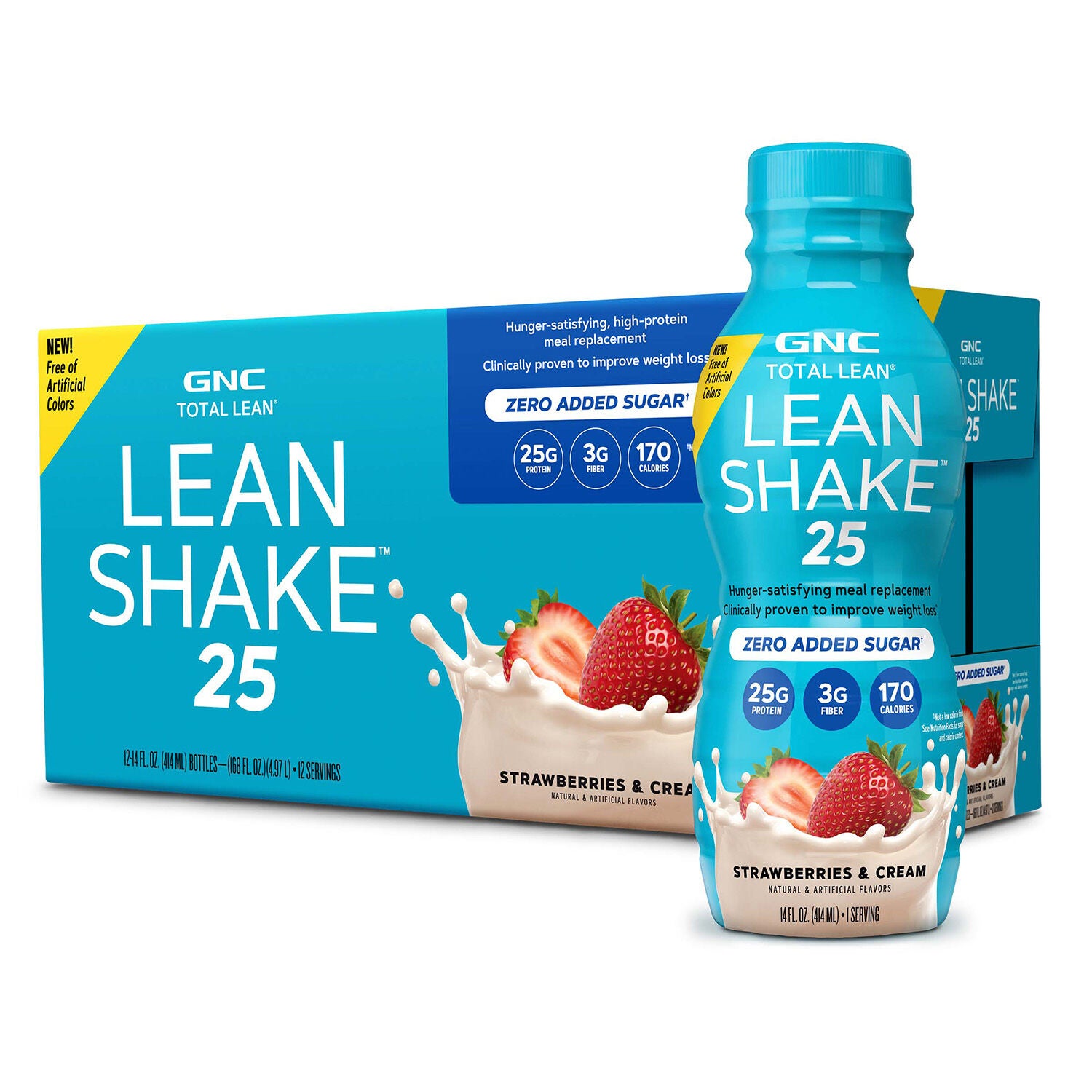
Building lean muscle typically involves more than choosing a supplement. A steady resistance-training routine, practical nutrition, and consistent rest all fit together like the plates on a well-organized meal-prep table. Training may include free-weight exercises, resistance machines, bands, or bodyweight movements such as squats, push-ups, rows, and pull-ups. Many routines include compound movements that work several muscle groups at once, along with focused exercises for areas that need extra attention. A common training structure uses three to five sets of roughly six to 12 repetitions, though the right format may vary with experience, exercise selection, schedule, and available equipment. Beginners may prefer simple full-body sessions on alternating days, while more experienced lifters may organize workouts around upper- and lower-body sessions or specific movement patterns. Good form, controlled movement, and gradual changes in resistance can help make each session purposeful without turning the routine into a race. Nutrition matters just as much. A balanced eating pattern may include protein from foods such as poultry, fish, eggs, Greek yogurt, cottage cheese, beans, lentils, tofu, and other plant-based options. Many active adults use a general protein range of about 1.4 to 2 grams per kilogram of body weight each day, or approximately 0.7 to 1 gram per pound, while personal needs may differ. Carbohydrates from oats, rice, potatoes, fruit, whole-grain bread, and similar foods may provide useful training fuel, while fats from nuts, seeds, olive oil, avocado, and fatty fish may round out meals. Supplements are best viewed as convenient additions to an already consistent routine rather than substitutes for varied food, thoughtful training, or adequate sleep. For shoppers comparing Lean Body Supplements, useful details may include serving size, protein amount, ingredient lists, flavor preferences, mixing instructions, and the ease of fitting a product into a normal day.
Protein powders may suit people who have trouble preparing a protein-rich meal after an early workout, during a busy commute, or between work and evening activities. A scoop mixed into a shake may pair well with fruit, oats, yogurt, or nut butter, while a simpler preparation may be convenient when the day already feels packed. Whey protein is a familiar option for people who include dairy, while plant-based blends may appeal to shoppers who prefer pea, rice, soy, or other non-dairy sources. The best choice often comes down to taste, dietary preferences, texture, allergen information, and how well the product fits a regular eating pattern. Creatine monohydrate is another widely used category for people following resistance-training programs; it may support repeated high-effort training and everyday workout consistency when used according to the label. Shoppers may also compare powdered drink mixes, ready-to-mix formulas, snack-style options, and products designed for use before or after training. Reading the Supplement Facts panel can make comparison easier, especially when checking protein per serving, added sugar, artificial flavors, sweeteners, and the number of servings in a container. Someone choosing a gift for a friend who enjoys the gym may appreciate a versatile protein powder, a simple shaker cup, or a convenient training-day formula, particularly when the recipient’s flavor preferences and dietary needs are known. For a gift, practical details often matter more than elaborate packaging: a product that travels well, mixes smoothly, and fits the recipient’s routine may see more use than one with a complicated preparation. People following vegetarian or vegan eating patterns, avoiding certain allergens, or managing a dietary restriction may want to review every ingredient and select options that match their preferences. A qualified nutrition professional may help personalize choices for individual goals, dietary patterns, or training demands.
Recovery gives the body time between training sessions, and sleep is a central part of that rhythm. Many adults aim for seven to nine hours of sleep each night, although schedules and personal needs vary. During the cooler months, a consistent evening routine, a comfortable sleep environment, and sensible workout timing may make it easier to keep rest on the calendar. Hydration, regular meals, and rest days may also help an exercise plan feel more sustainable. A person who trains before sunrise might keep a shake and shaker ready beside a work bag, while someone who exercises after work may prefer a shelf-stable option stored in a desk drawer or gym locker. These small preparations can turn good intentions into repeatable habits, especially when daylight shortens and busy routines settle in. Progress may be easier to assess through training notes, repetitions, resistance used, energy during sessions, and how consistently meals and sleep are managed rather than by relying on a single measurement. Muscle-building support is personal: a beginner may value straightforward instructions and mild flavors, an experienced lifter may prioritize ingredient details and serving flexibility, and an active traveler may look for compact packaging and quick preparation. Products in this category may complement a structured approach that includes resistance training, sufficient protein, balanced carbohydrates and fats, and dependable recovery. Before adding a supplement, shoppers may review label directions and consider allergies, dietary preferences, existing conditions, and guidance from a qualified healthcare professional. With realistic expectations and a routine that can survive busy workdays, changing weather, and occasional missed sessions, lean muscle building may become a steady part of an active lifestyle rather than a short-lived project.