Targeted Multivitamins
(0 Results)
Targeted multivitamins could offer a personalized approach to daily wellness, designed to address specific health goals and lifestyle needs. Whether focusing on support for energy, immune health, or other unique requirements, these specialized formulas may help fill nutritional gaps. Explore options that might align with your individual wellness journey and discover how targeted multivitamins could fit into your routine.
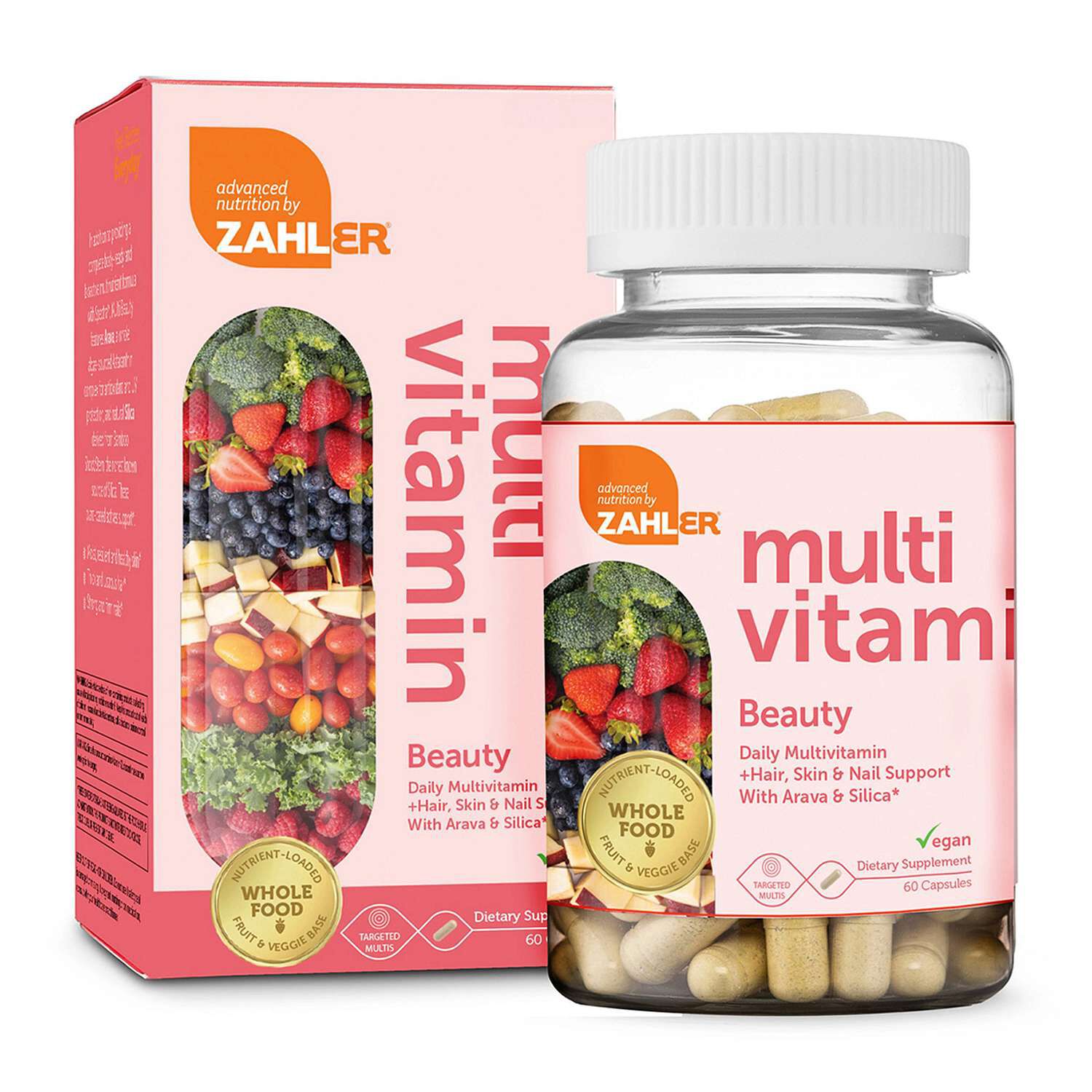
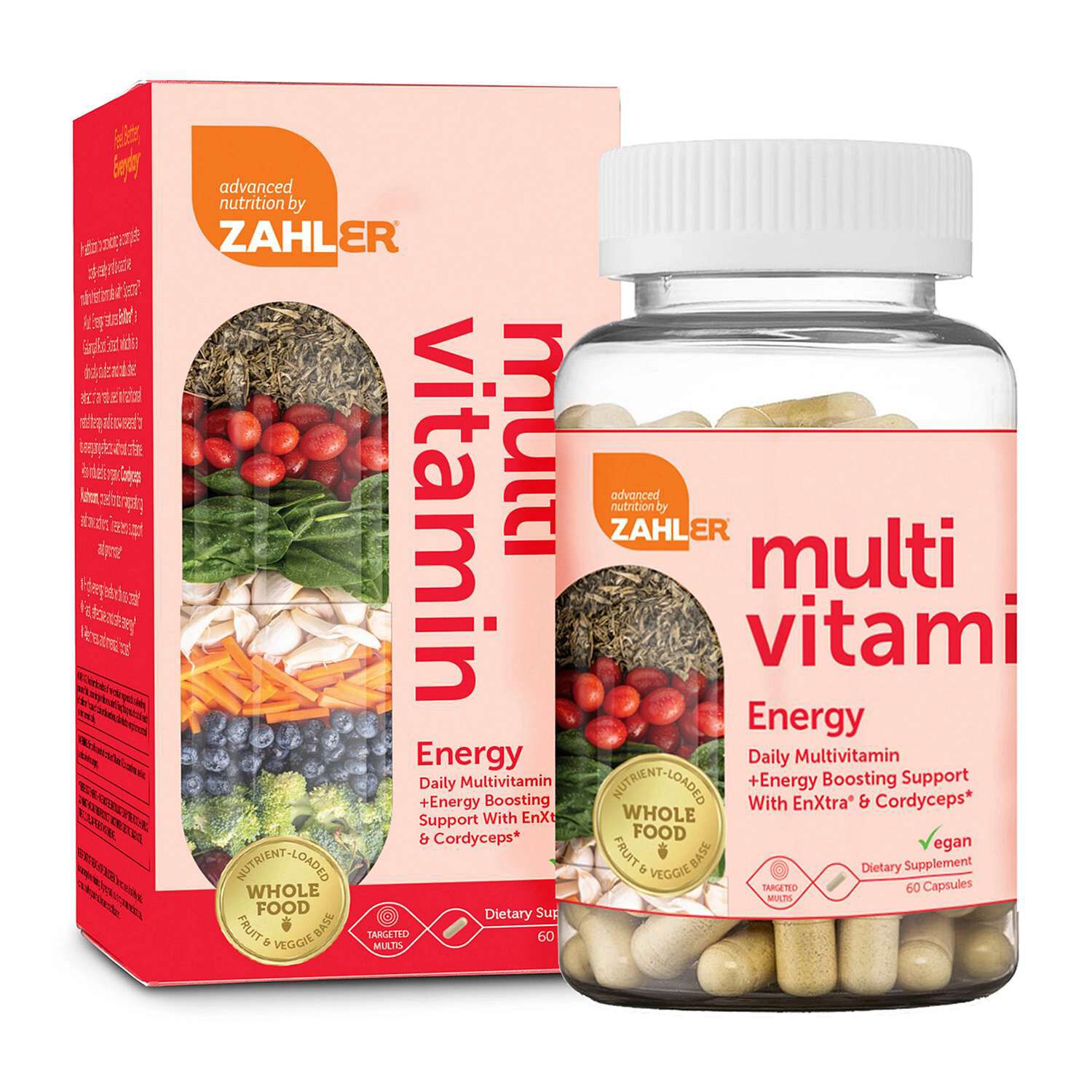
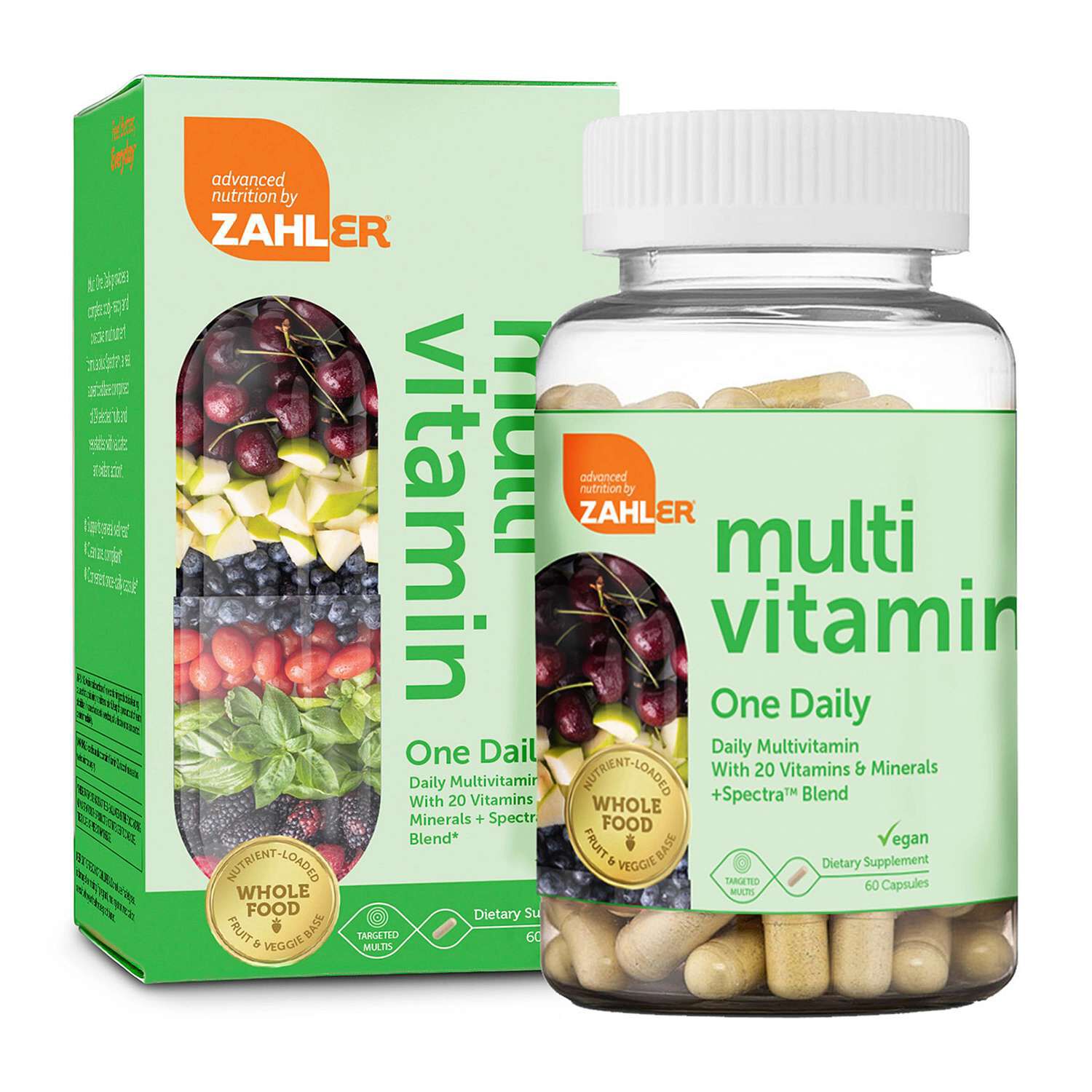
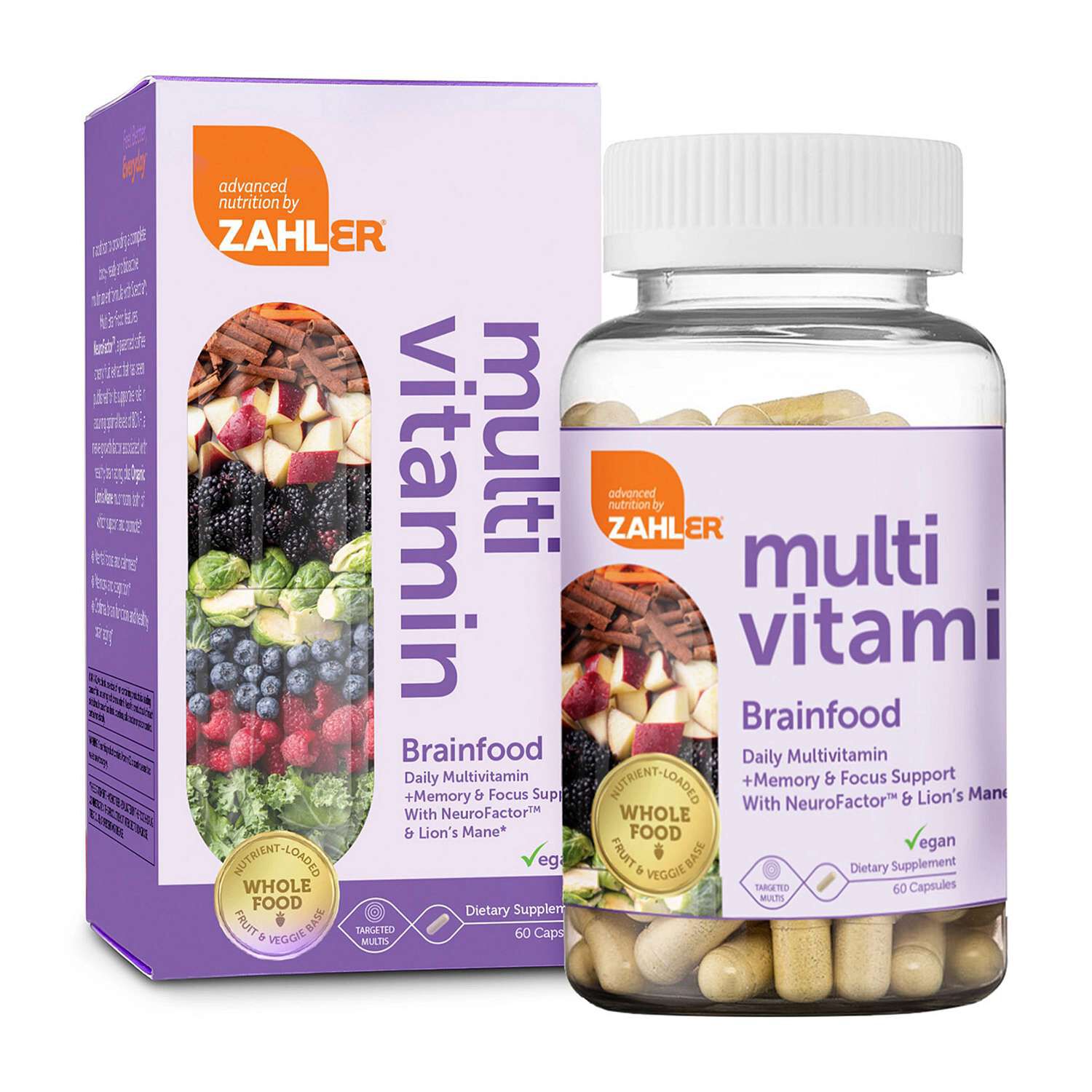


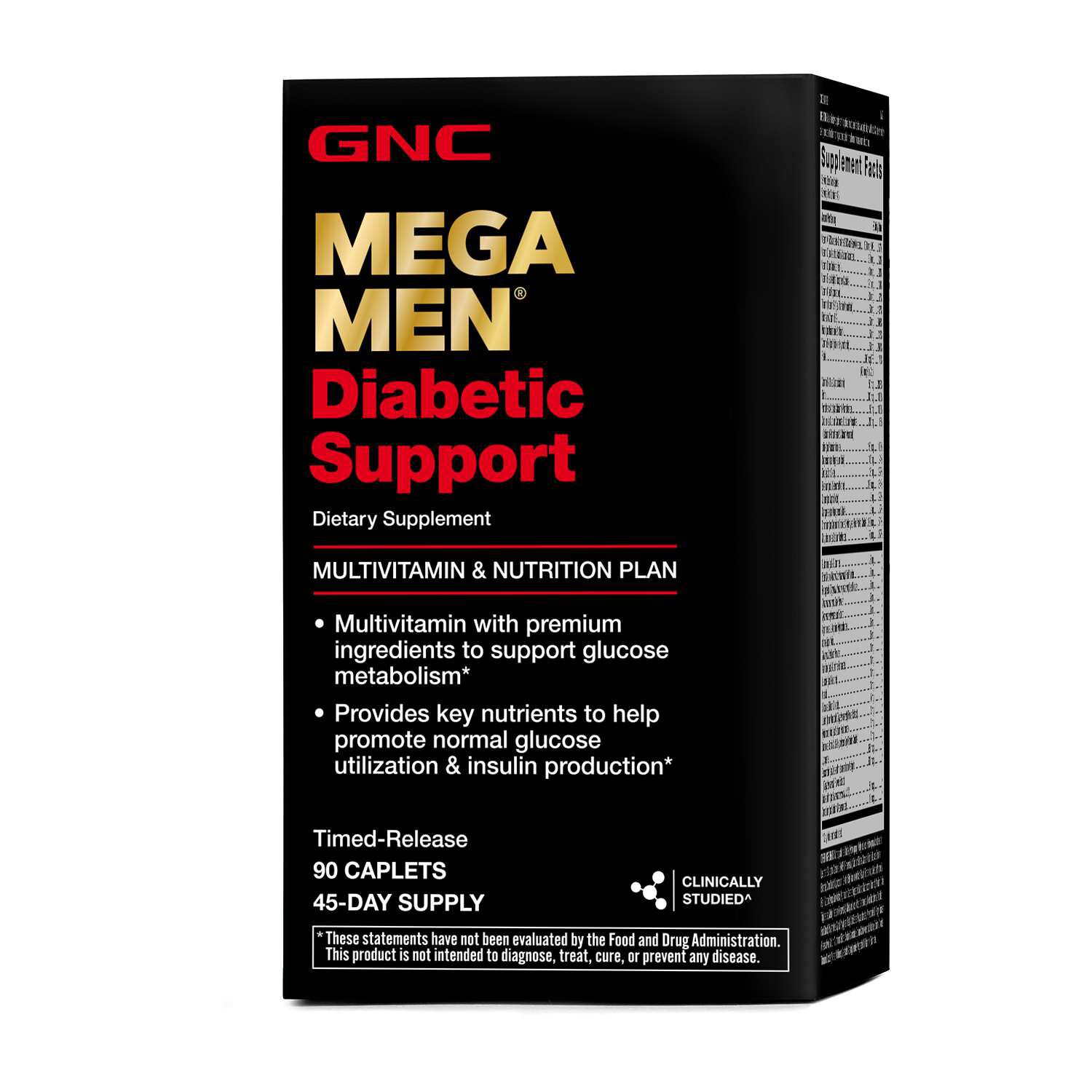
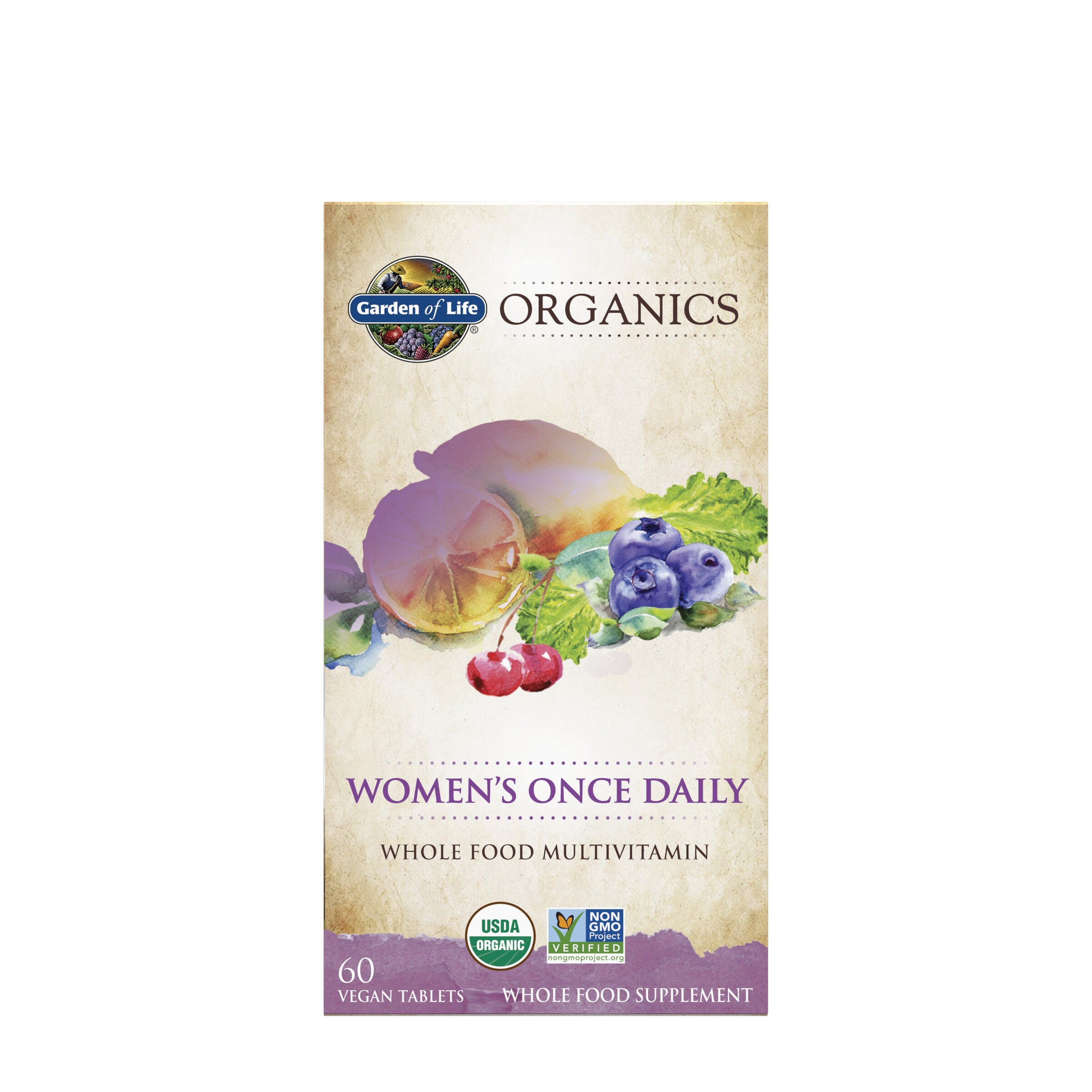
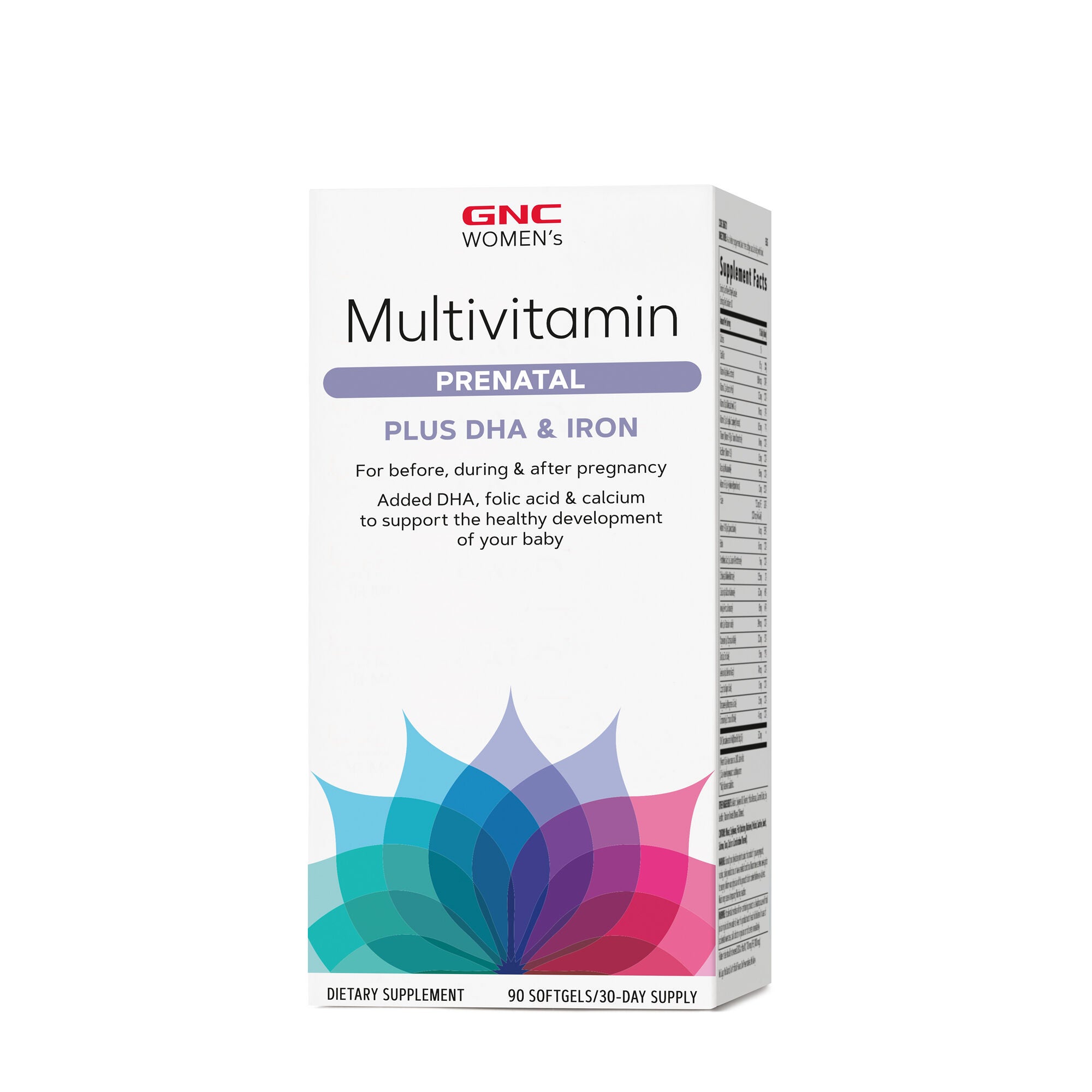





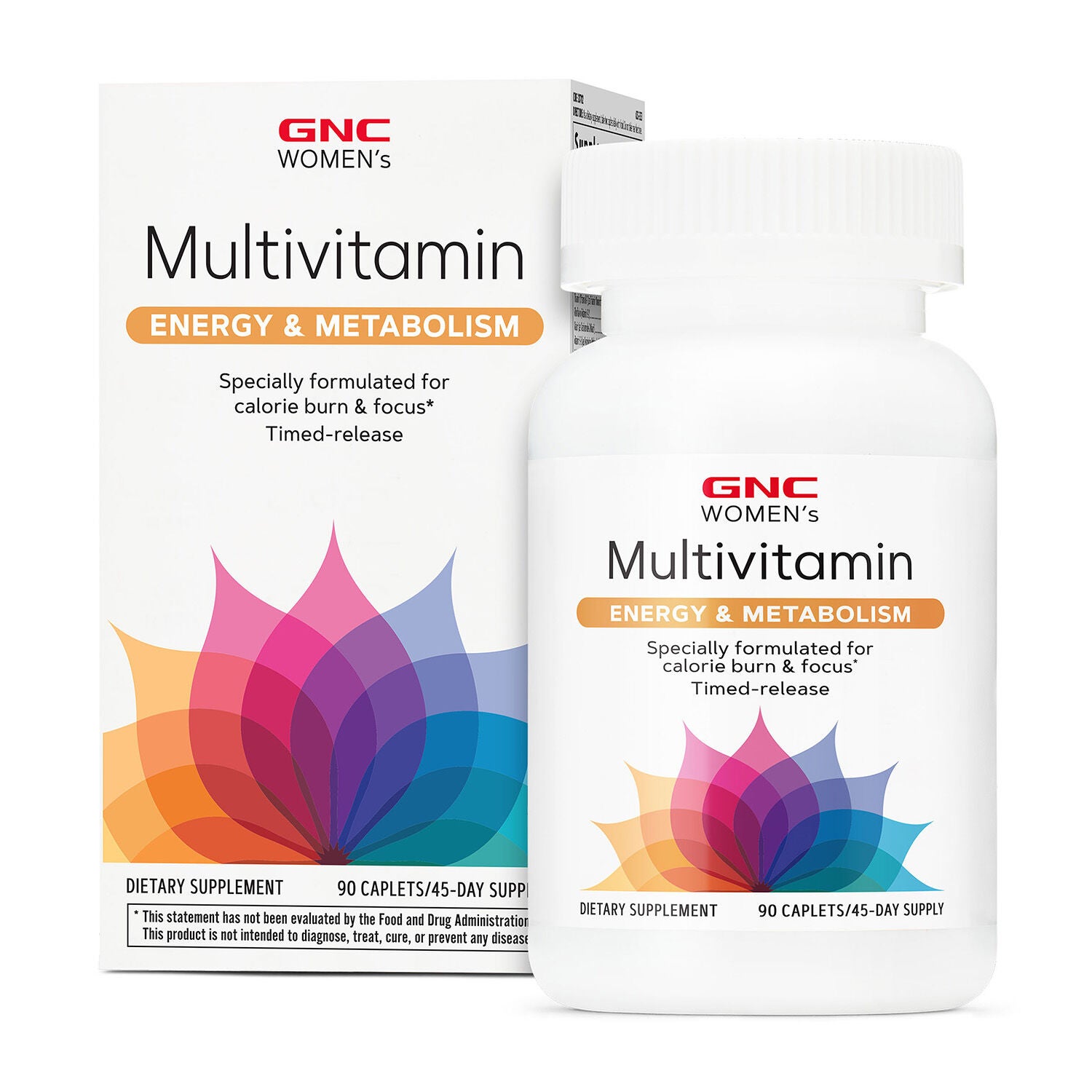



Targeted multivitamins are vitamin and mineral blends organized around a particular age group, life stage, or lifestyle rather than a single, uniform formula for every adult. Their distinguishing feature is the nutrient mix: the ingredients, amounts per serving, and serving format can differ according to the audience named on the label. Categories include multivitamins for women, men, adults over 50, and people with particular dietary preferences or active routines. Prenatal multivitamins represent another life-stage category, with their own ingredient profiles and intended use. These distinctions provide a starting point for comparing formulas, but the category name alone does not explain everything inside the bottle. Two multivitamins labeled for the same audience can have different amounts of vitamin D, different mineral combinations, or different serving sizes. Some women’s formulas contain iron, while other adult formulas omit it; the Supplement Facts panel identifies whether iron is included and how much each serving contains. Folate, vitamin B12, calcium, zinc, and iodine are other ingredients that can distinguish one blend from another. A targeted formula may complement an everyday eating pattern, but it is not a substitute for varied meals or a way to make every diet alike. Someone who eats a plant-based menu, an adult comparing age-specific options, and a person looking for a simpler supplement routine may approach the category with different preferences. The useful comparison is therefore more specific than women’s versus men’s or younger versus older adults. It includes the stated audience, the nutrient amounts, the ingredients outside the vitamin and mineral blend, and how the serving fits into an ordinary day. Targeted does not mean individually customized, and a demographic label does not establish that everyone within that group has the same nutritional needs. For shoppers browsing targeted multivitamins, that distinction keeps the focus on the actual formula rather than the name on the front of the package. The most informative details are often found by comparing the front label with the full ingredient list and Supplement Facts panel.
Format is another meaningful difference among targeted multivitamins, especially when a daily routine already includes breakfast preparation, a commute, or packing a bag for the day. Tablets, capsules, softgels, gummies, powders, and liquids offer different textures, serving methods, and packaging considerations. A serving might be one tablet, several capsules, two or more gummies, or a measured amount of liquid; the number of pieces in a container is not necessarily the number of servings. Tablets and capsules are worth comparing for their dimensions, coating, and number required per serving. Gummies introduce flavor and a chewable texture, along with ingredients such as sweeteners, pectin, or gelatin that matter to some shoppers. Their vitamin and mineral profiles can also differ from those of tablets, so matching the audience on the label does not make two formats interchangeable. Powders involve mixing and may have flavor or texture characteristics that influence how they fit into a meal routine. Liquid multivitamins involve a measured serving and may appeal to adults who prefer that format over tablets. Shoppers comparing these options can also explore High Potency Liquid Multivitamins, with attention to the listed nutrient amounts and serving directions rather than assuming that the format determines the formula. Dietary preferences add another layer to this comparison. Capsule shells, gummy bases, flavorings, colors, and other ingredients appear separately from the nutrients listed in the Supplement Facts panel. A vegetarian designation does not necessarily mean vegan, and a flavored format can contain ingredients that an unflavored tablet does not. Allergen statements and clear dietary labeling offer more detail than broad descriptions on the front of a package. Ingredient forms can vary as well: labels may identify methylfolate, methylcobalamin, or specific mineral compounds. These names describe what the formula contains; they do not, by themselves, establish that one multivitamin is the right match for every shopper. A thoughtful comparison considers the whole ingredient list, the labeled serving, and personal format preferences together, without treating a longer list or a larger number as the deciding factor.
The practical fit of a targeted multivitamin extends beyond its nutrient profile to the way it is packaged, stored, and used over time. A compact bottle may suit a small kitchen cabinet, while individually packaged servings may be convenient for an overnight bag when the packaging retains the product’s identification and directions. A liquid bottle has a different footprint and handling routine than a container of tablets, particularly if its label specifies refrigeration after opening. Measuring accessories, closure design, and clearly printed serving instructions are small details that can matter during an otherwise busy morning. For any format, labeled storage directions and the expiration date provide the relevant reference points for care; a package designed for repeated opening still needs the handling described on its label. Keeping supplements in their labeled containers and out of children’s reach also preserves important product information and separates adult supplements from ordinary foods. Container comparisons become clearer when based on servings rather than bottle size alone. A larger package can hold fewer days of use if the labeled serving contains several pieces, while a concentrated-looking liquid still requires a check of its measured serving. The same attention to detail applies when comparing a multivitamin with other supplements already in a routine, since more than one label may list the same vitamins or minerals. That overlap is a reason to examine ingredient amounts rather than judge each bottle only by its category. For someone who values a short morning routine, the number of serving steps may matter as much as flavor. For someone who avoids animal-derived ingredients, the capsule or gummy base may narrow the selection before nutrient comparisons begin. Others may prioritize an age-specific formula, straightforward labeling, or a format that fits neatly alongside breakfast. These are different shopping priorities, not a single ranking that applies to everyone. Targeted multivitamins bring those priorities into a more focused category, where the intended audience, ingredient composition, serving format, and everyday handling all contribute to a well-informed comparison.
Best Sellers
-
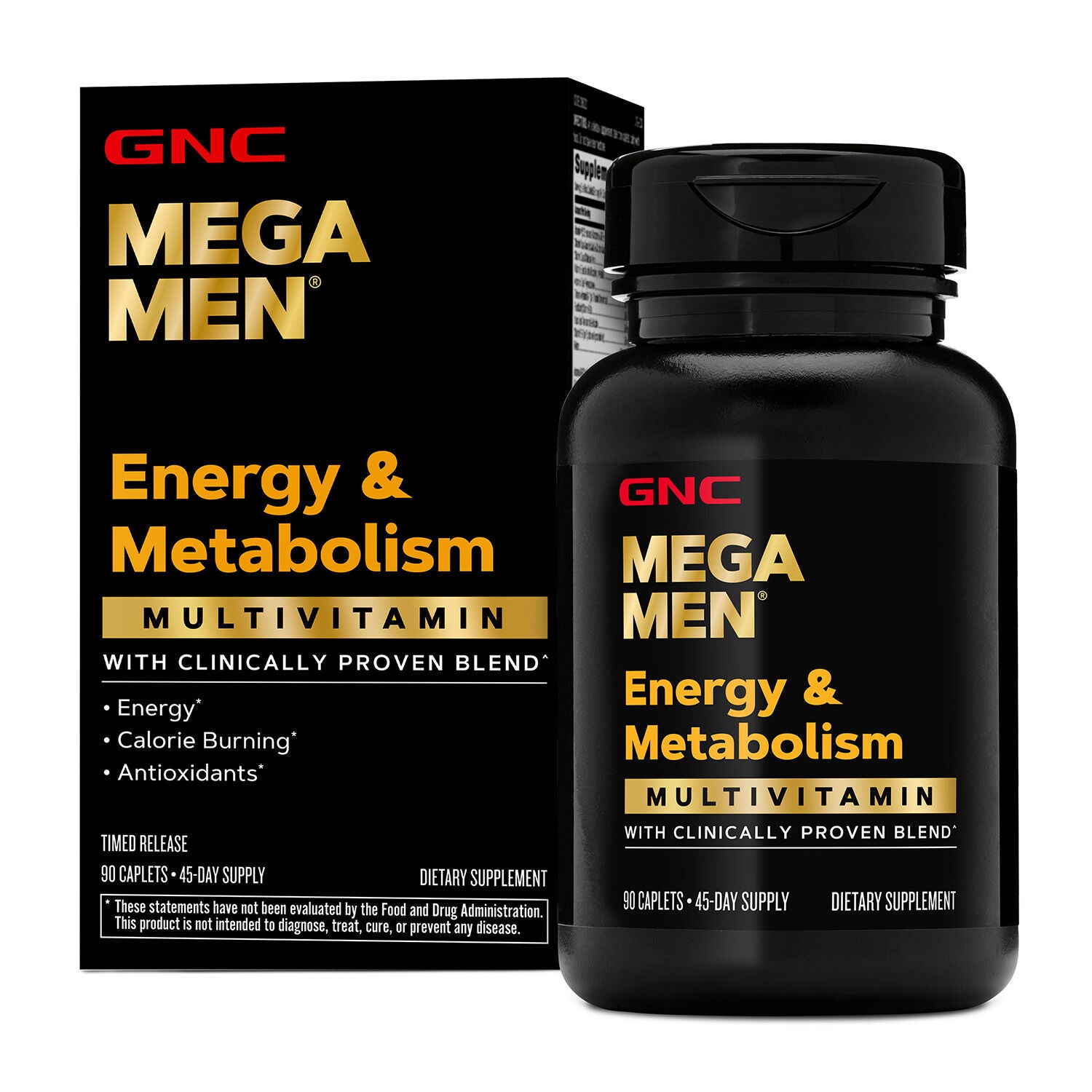
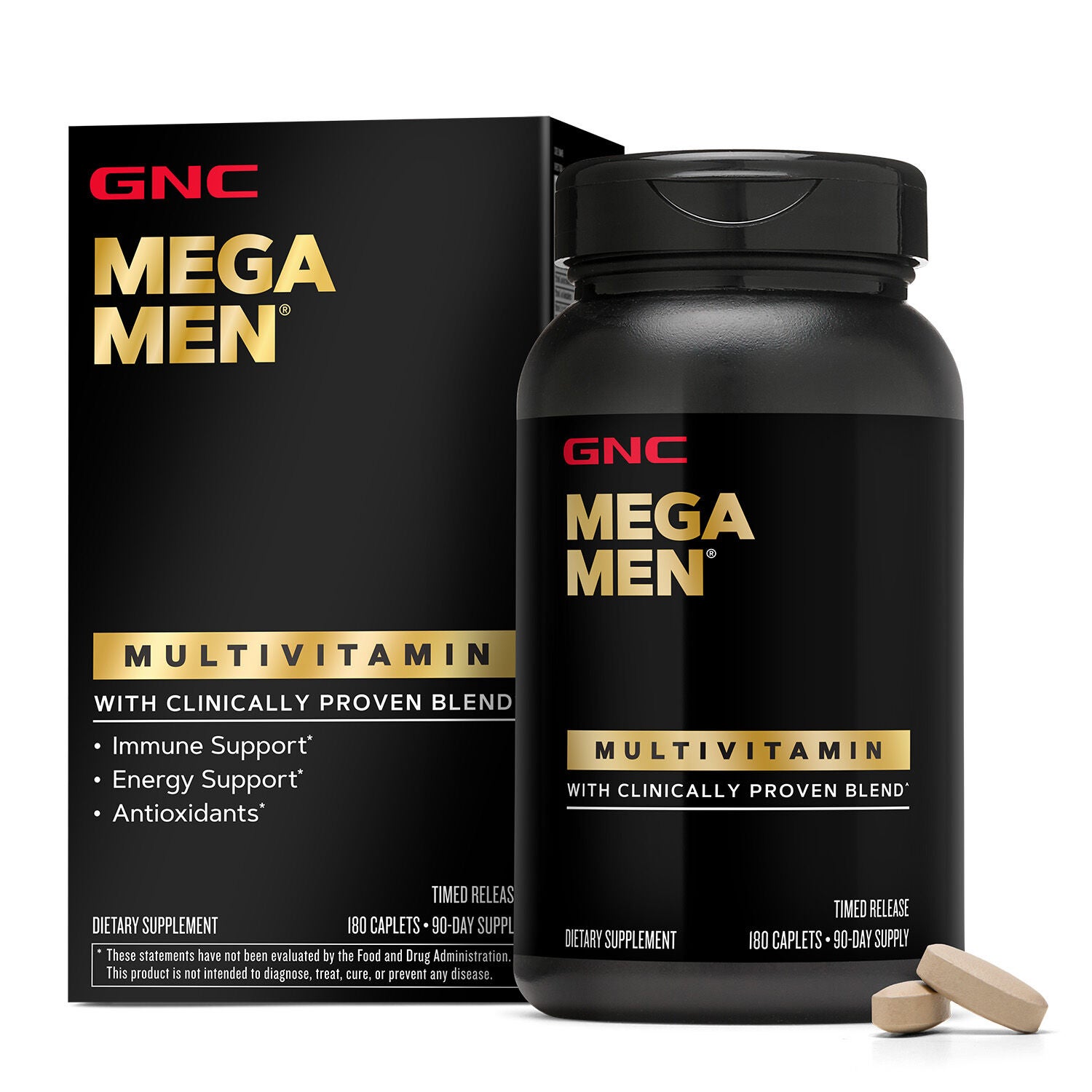 GNC Mega Men
 -
 GNC Mega Men
 -
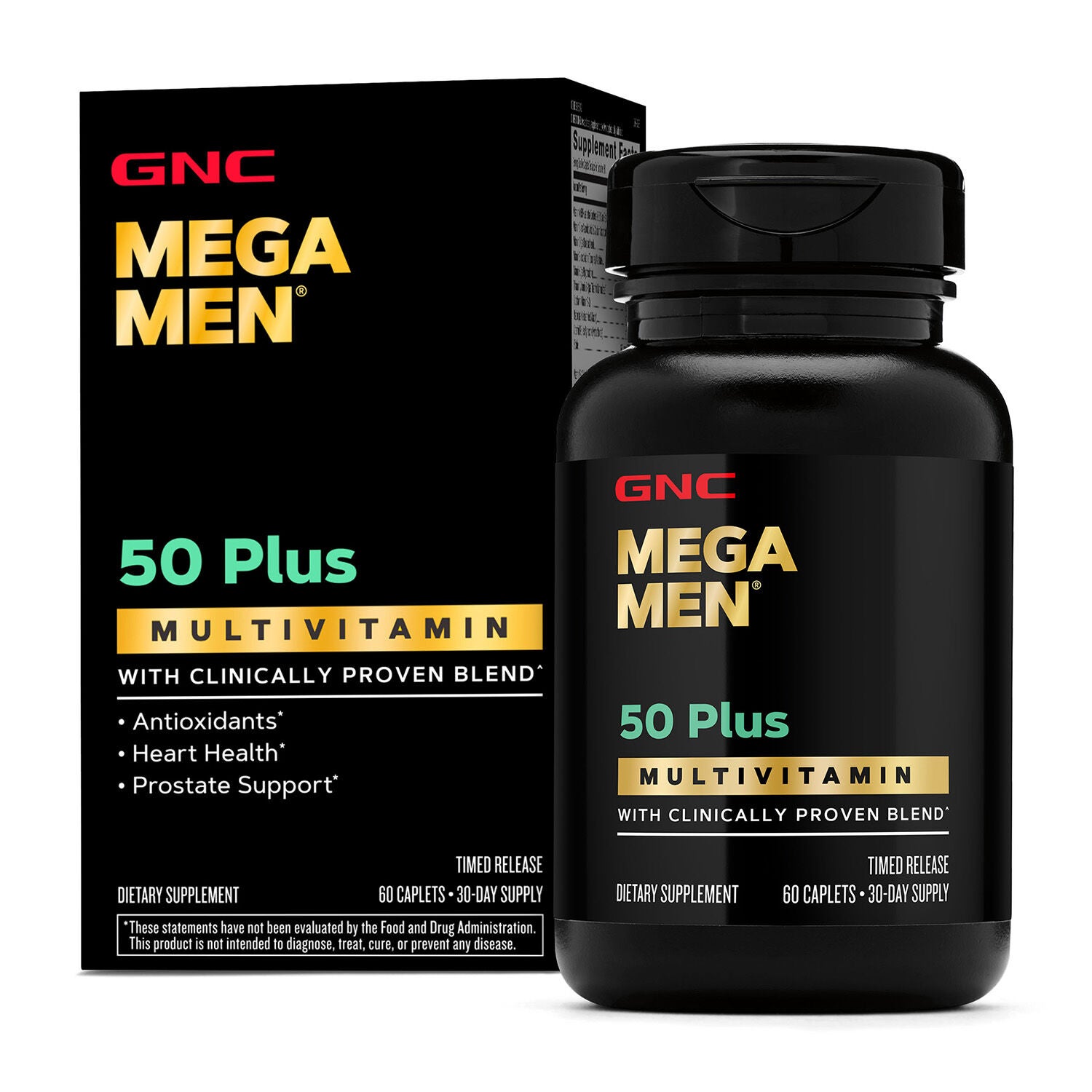 GNC Mega Men
 -
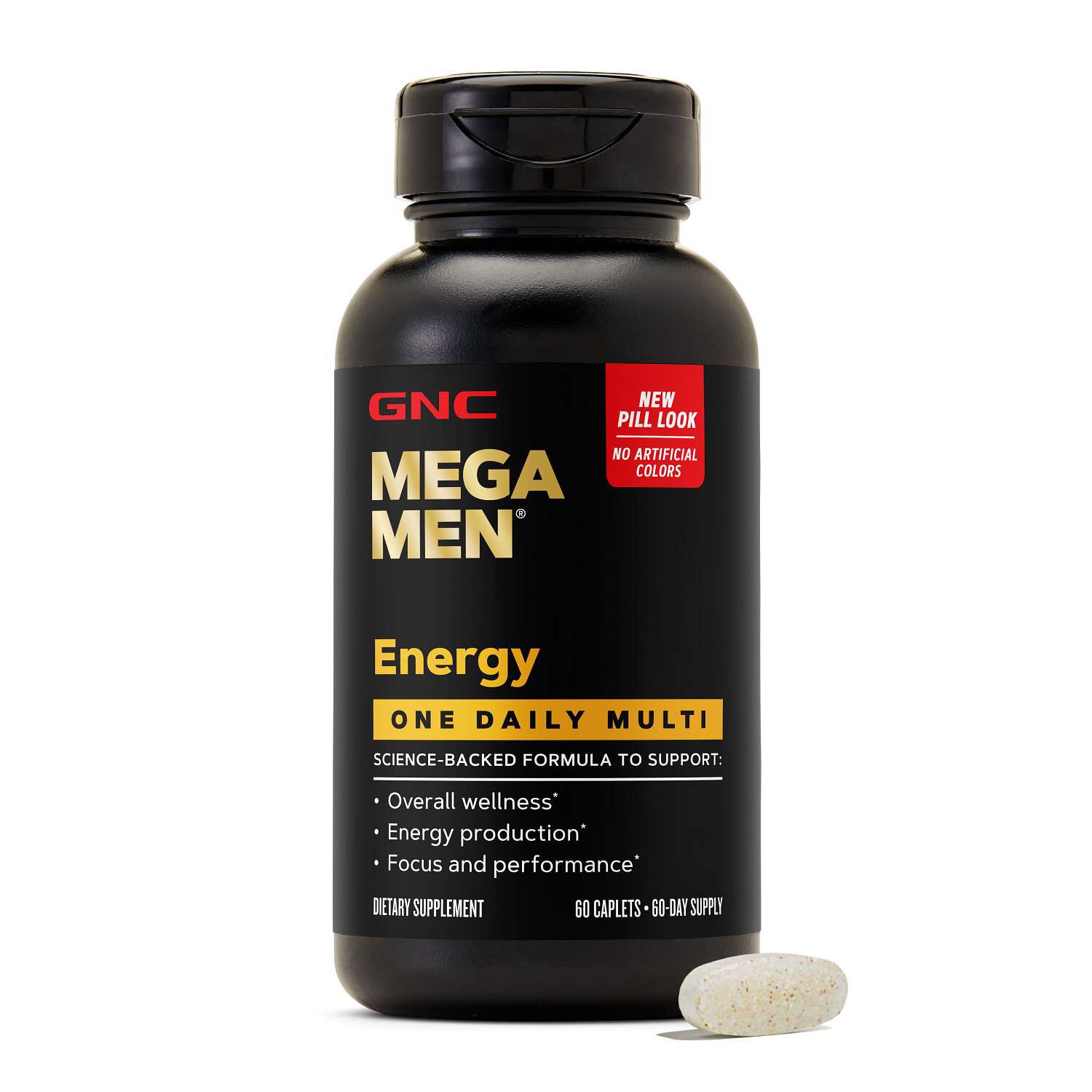 GNC Mega Men