Tropical Supplements
(0 Results)
Experience a burst of island-inspired wellness with tropical supplements. These vibrant and flavorful options may transport you to a paradise of health, offering a unique twist on traditional supplements. Whether you're looking to support your daily nutrition or add a touch of the tropics to your routine, these products might be just what you need. Embrace the essence of exotic fruits and natural ingredients that could help invigorate your body and mind. Dive into the world of tropical supplements and discover how they might elevate your wellness journey.
-
-

-
-
-

-
-

-

-

-

-

-
-
 $29.99
-
-
-

-
-

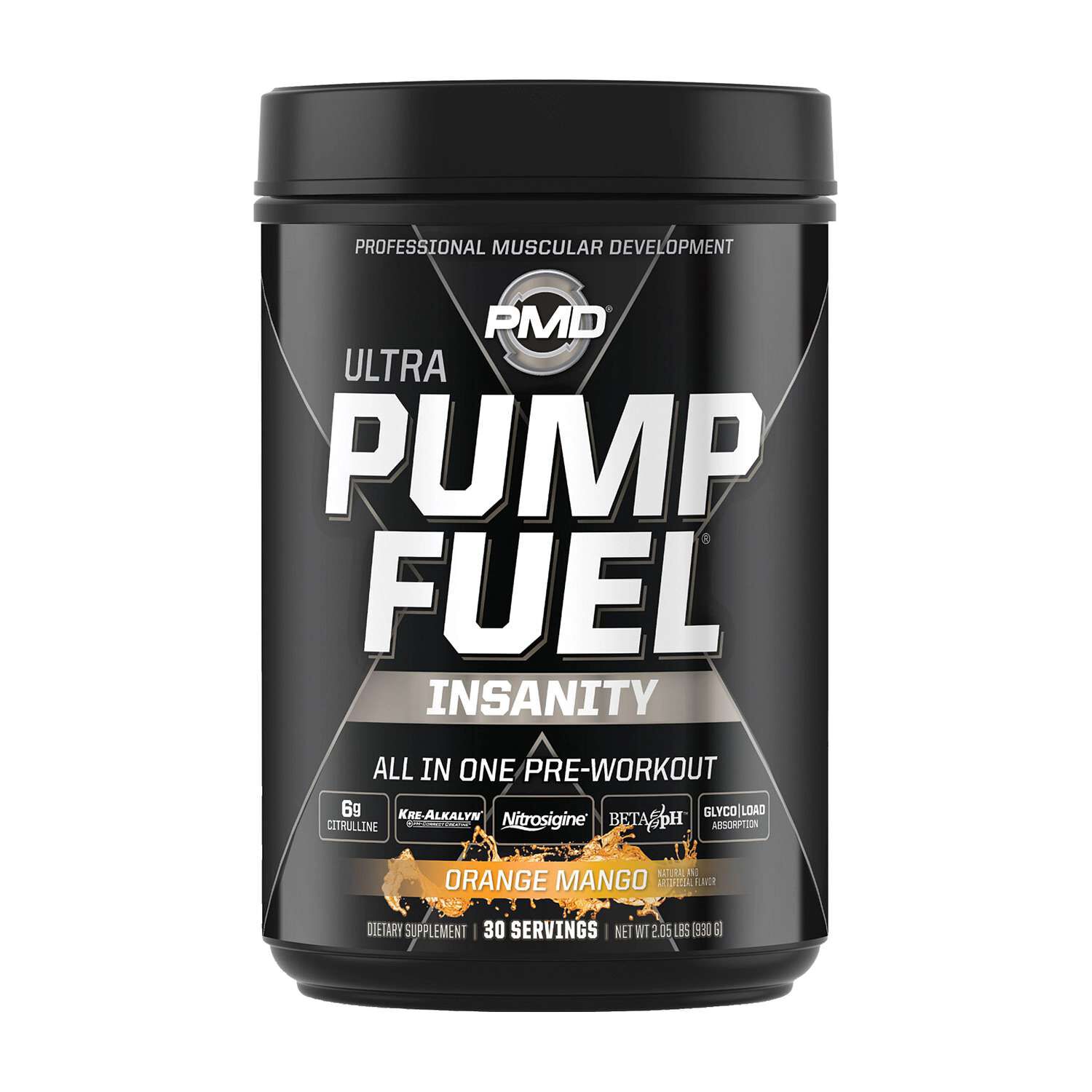
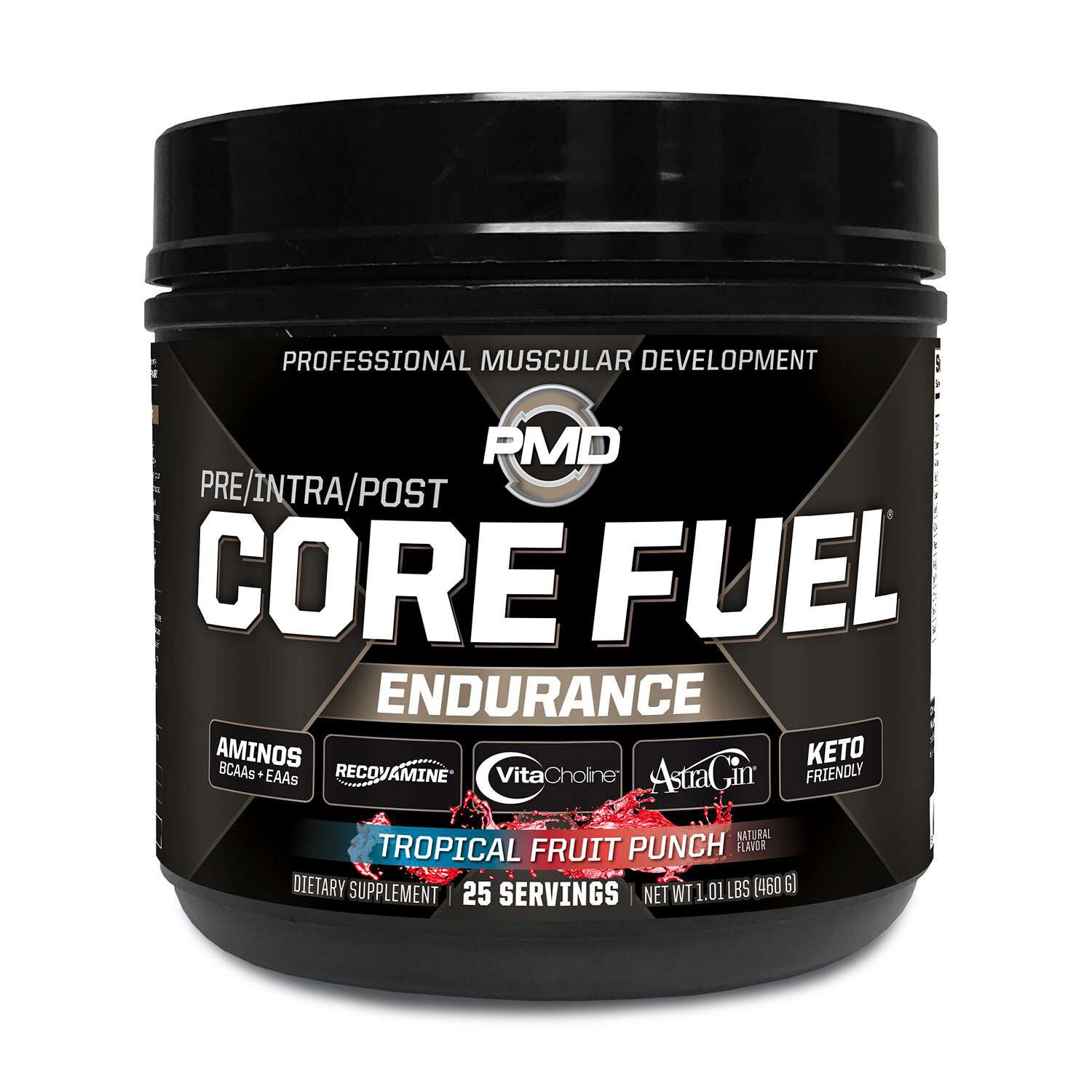
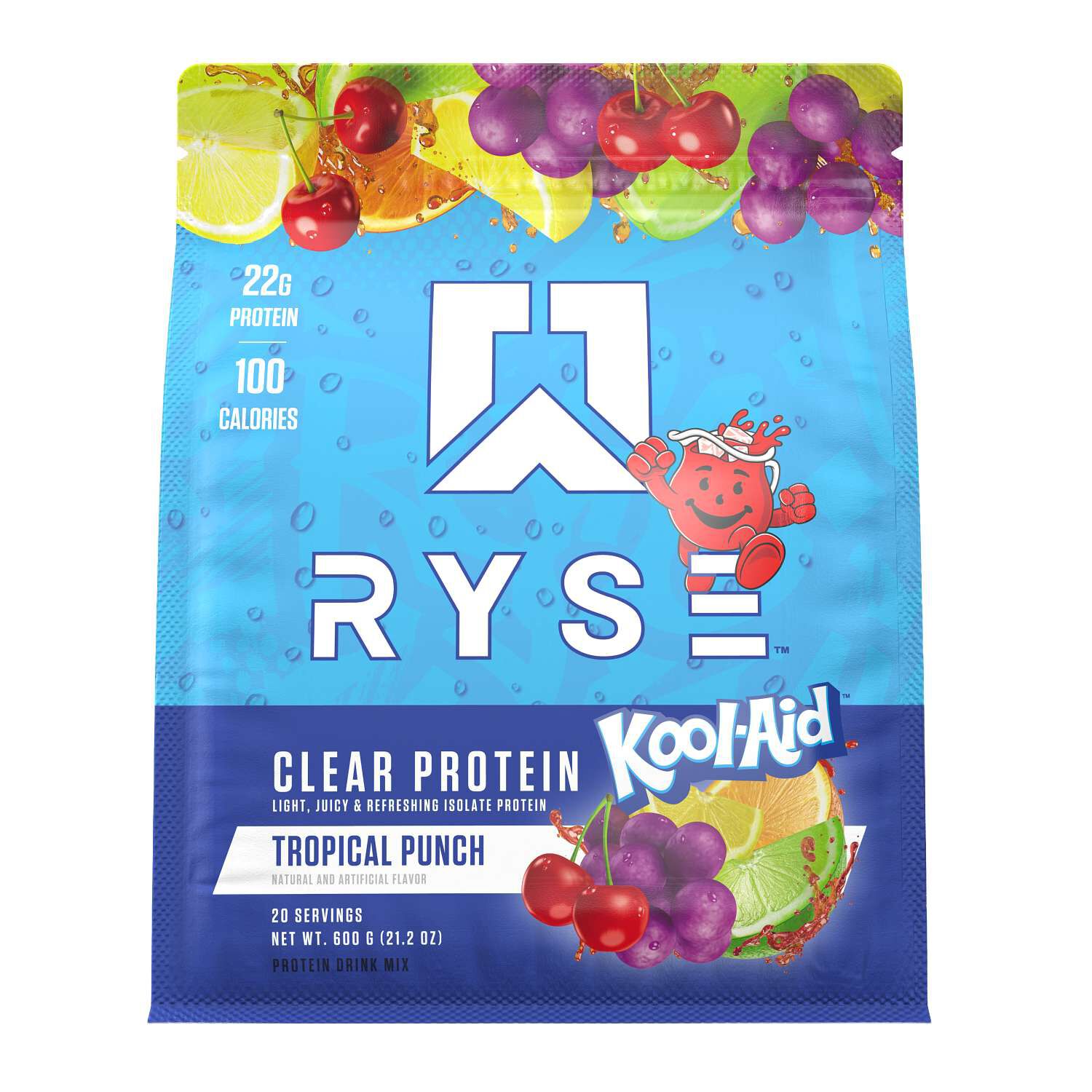
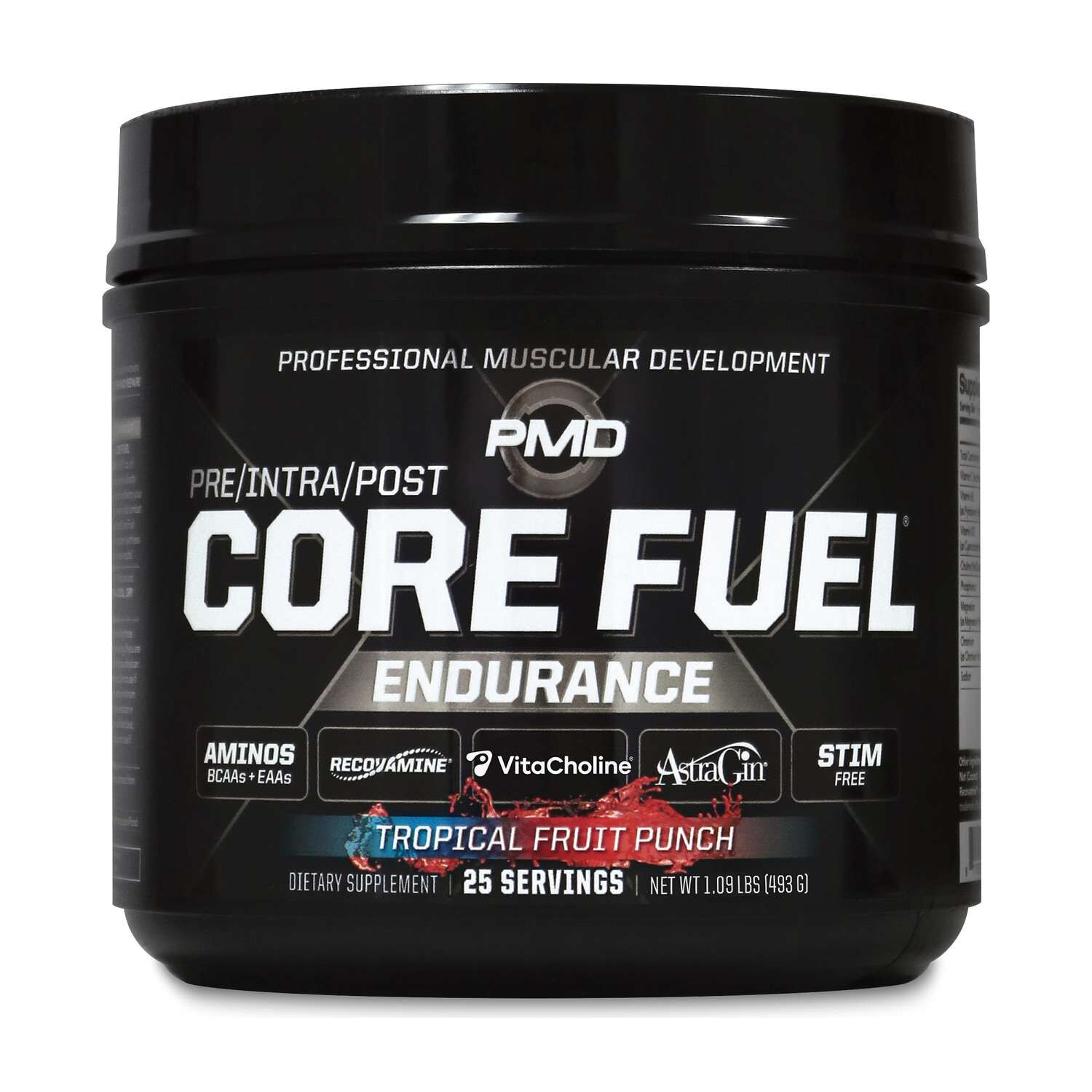
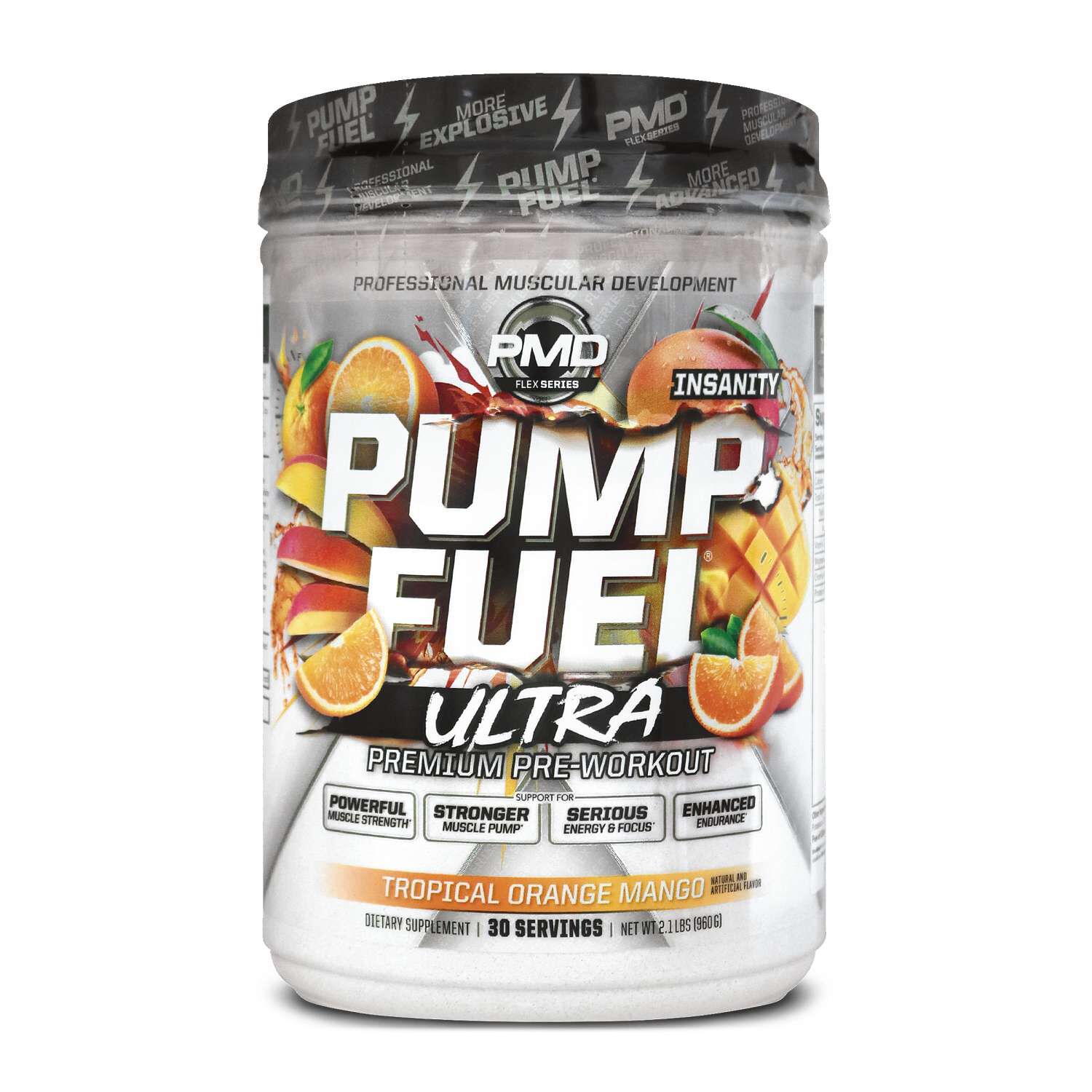
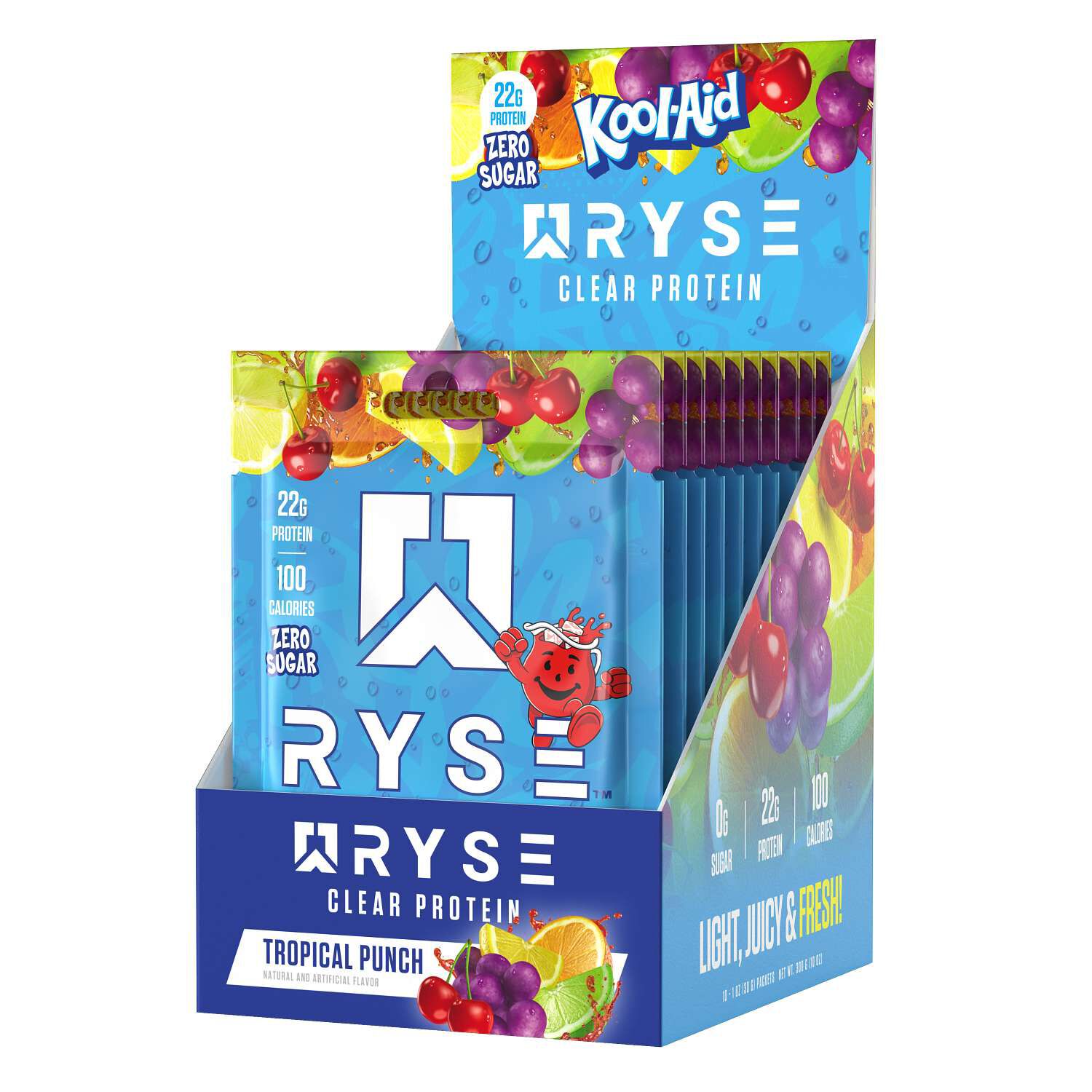
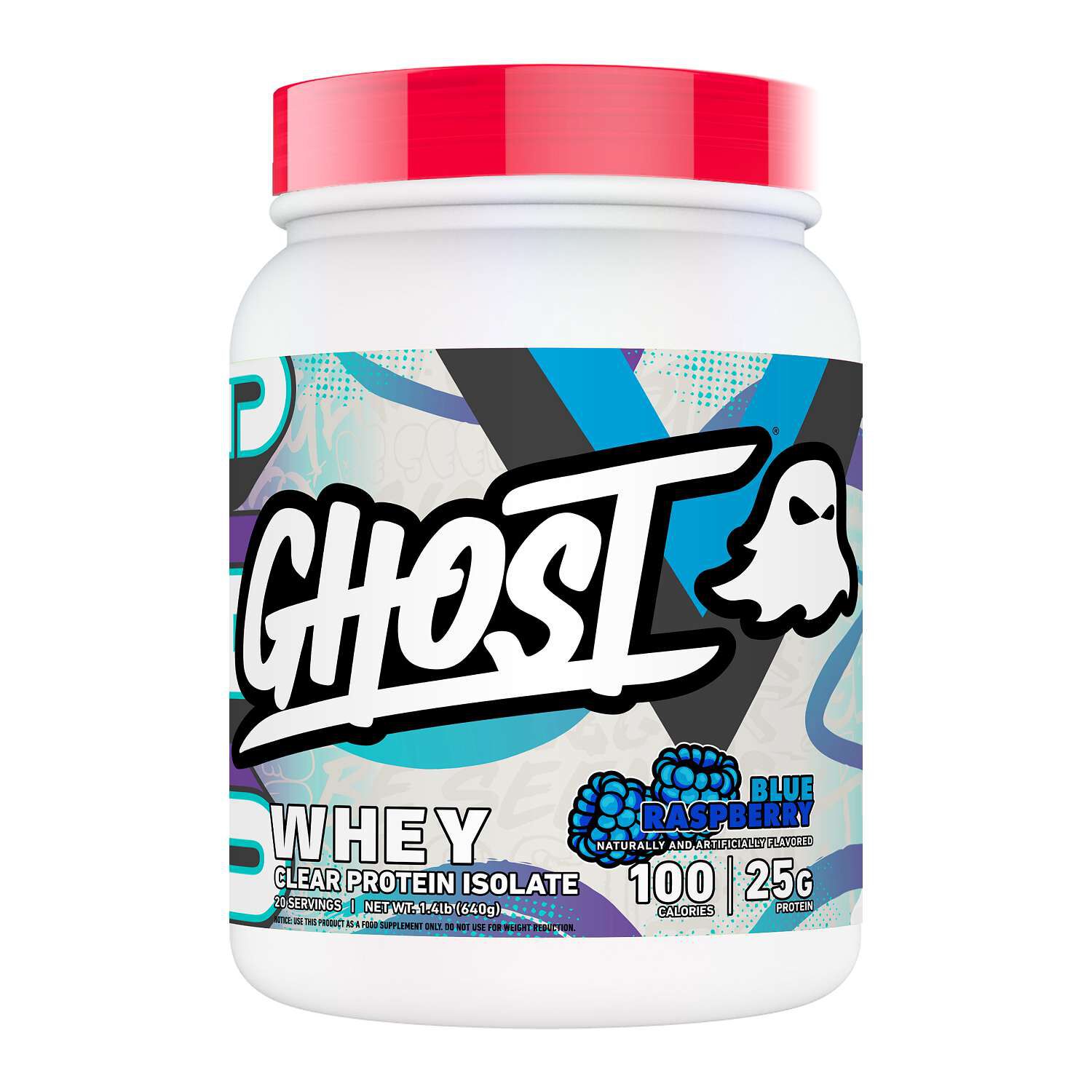
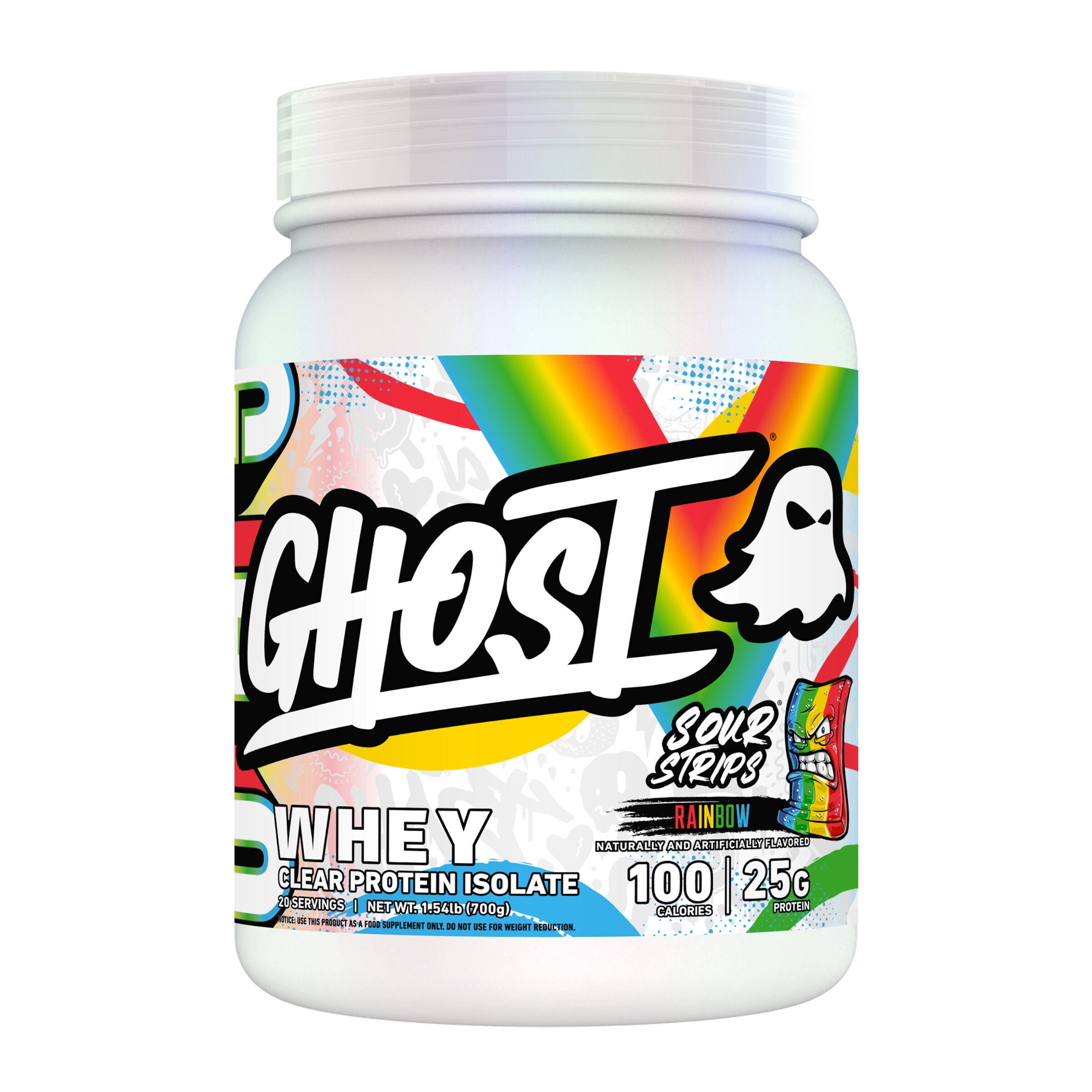
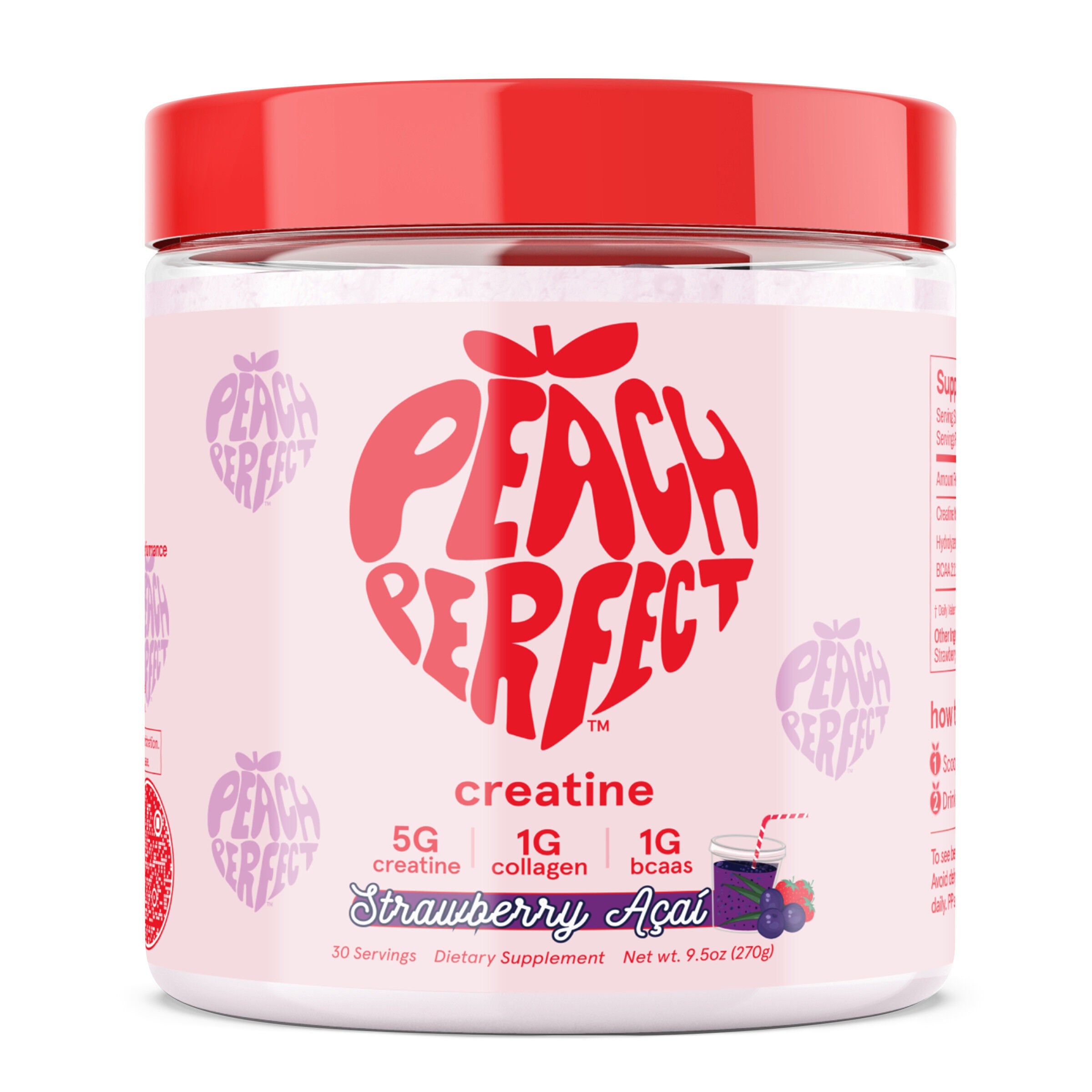
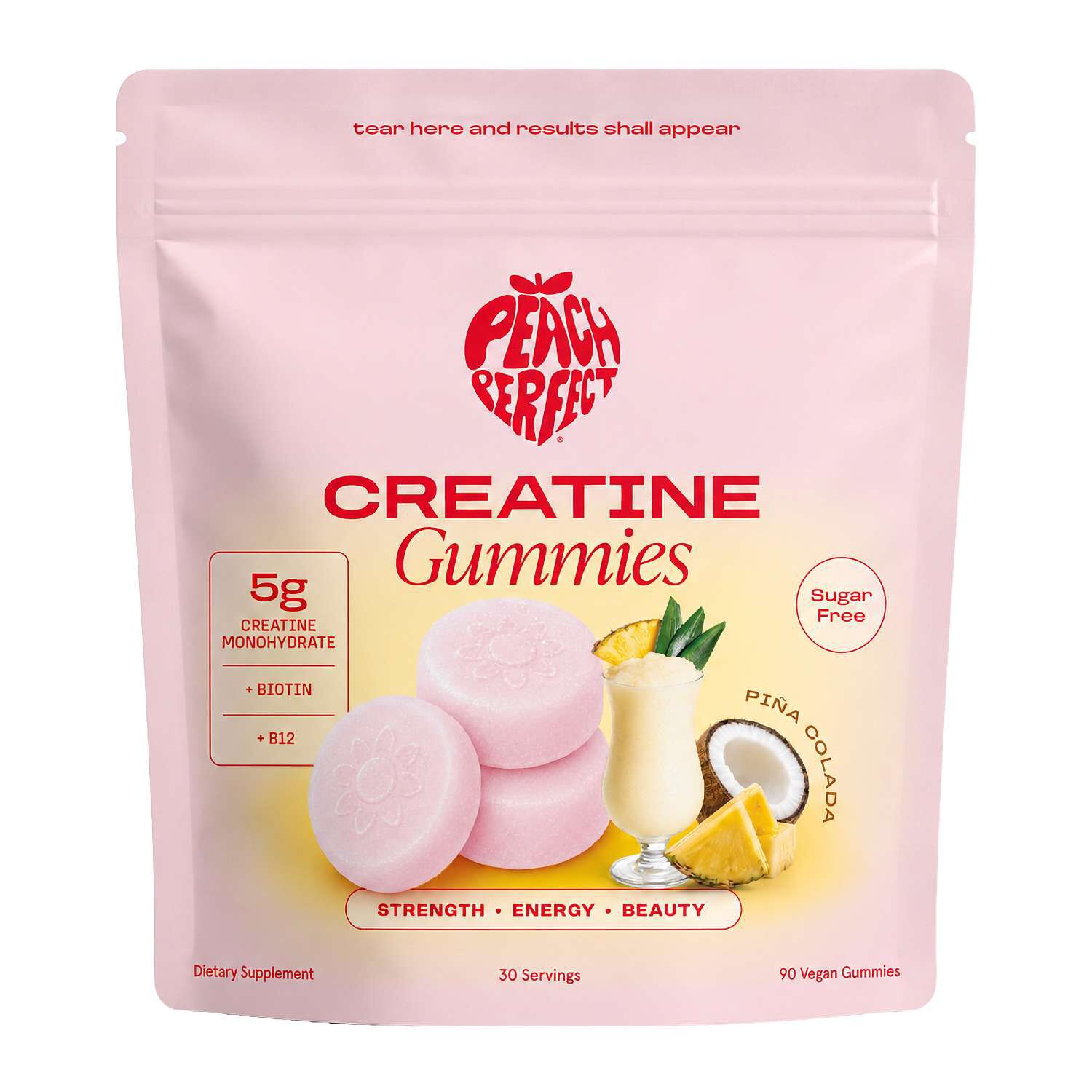
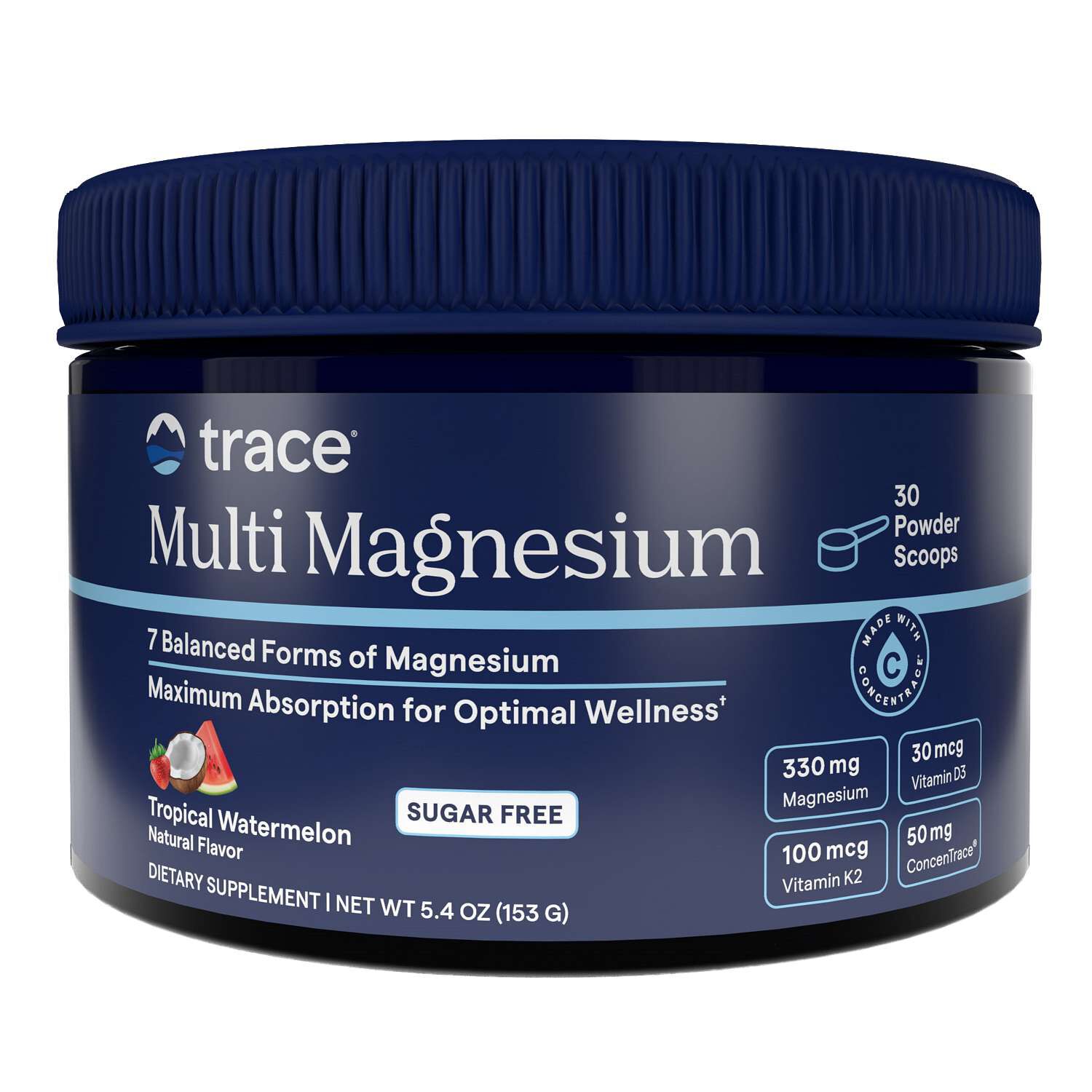
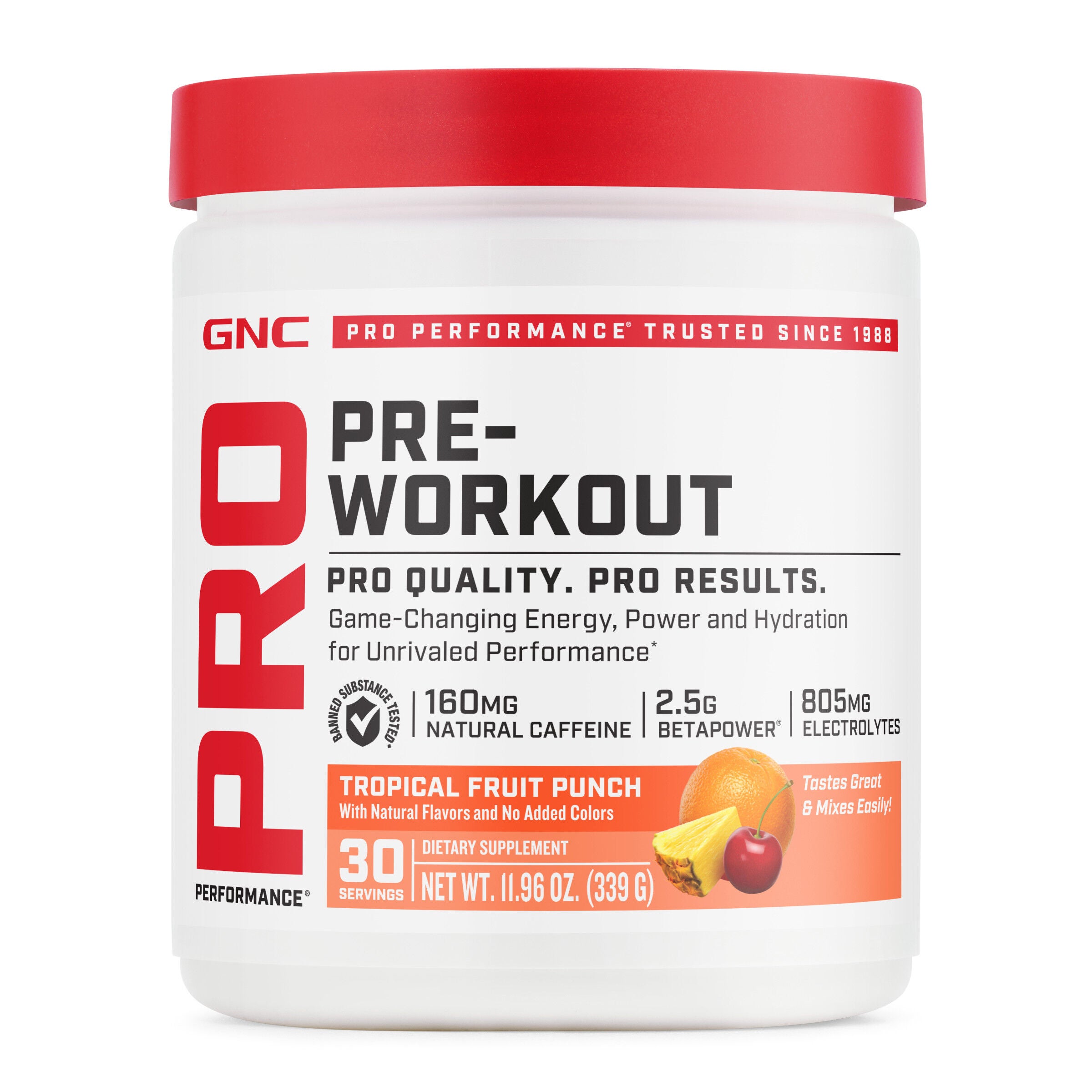
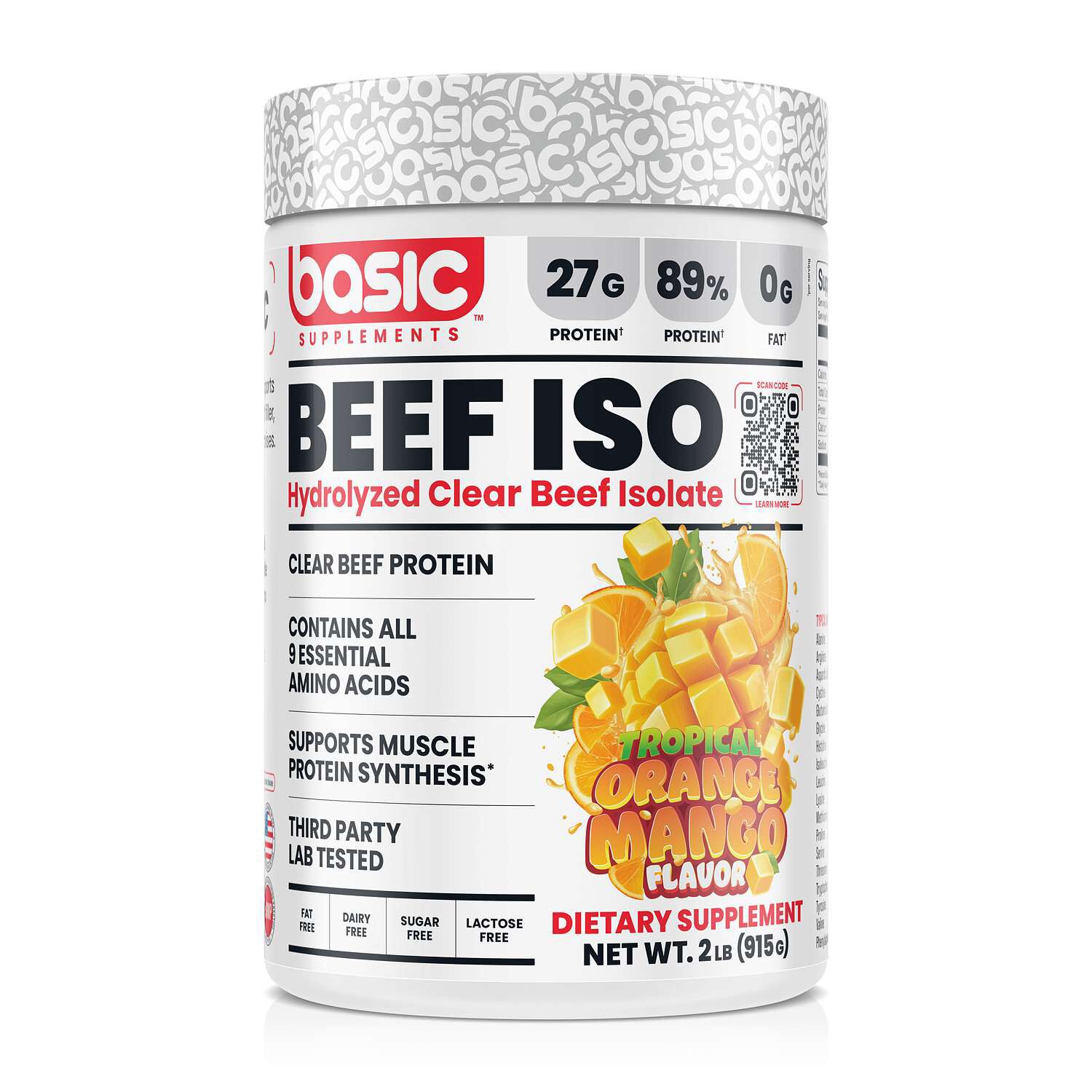
Tropical supplements are nutritional products with flavor profiles inspired by fruits such as mango, pineapple, passion fruit, guava, and coconut. The term describes a taste profile rather than a single ingredient, nutrient, or intended use. Across categories such as protein powders, amino acid blends, vitamin supplements, and drink mixes, the formula and serving information matter more than the tropical name on the package. A fruit-inspired flavor does not necessarily mean a supplement contains a meaningful amount of fruit, juice, or fruit-derived nutrients. Some formulas use fruit powders, while others rely on flavor ingredients, sweeteners, or a combination of both. The ingredient list provides that distinction. Tropical flavor descriptions also cover a broad range of tastes: mango may lean rounded and sweet, pineapple may have a sharper edge, and passion fruit may offer a tangy finish. Coconut combinations may have a softer, creamier character, particularly in milk-based preparations. For someone who prefers fruit flavors to chocolate or vanilla, these profiles could be an appealing match for an everyday supplement routine. Personal preference still matters, especially when a container includes many servings. A bold pineapple blend and a mellow mango blend can fall under the same tropical description while tasting quite different. Sweetness, tartness, aroma, and texture are all worth considering alongside the nutrition facts. Dietary preferences deserve the same attention. A tropical flavor name does not identify the protein source, establish whether a formula contains dairy, or explain its sweetener blend. Those details belong on the label. Comparing serving sizes, nutrient amounts, ingredient lists, and allergen statements gives a clearer picture of what each category represents. Flavor is a useful starting point for browsing, but the most relevant comparison is between formulas intended for the same purpose. A vitamin supplement, a protein powder, and an electrolyte mix are distinct categories, even when each has a similar mango-pineapple description. Their shared flavor family does not make their ingredients or serving directions interchangeable.
Format is another practical distinction within tropical supplements. Powders involve measuring and mixing, while chewable formats have their own serving directions and ingredient considerations. For drink mixes, the suggested amount of liquid is part of the preparation, not an incidental detail. A small scoop intended for a large bottle should not be compared with a larger scoop intended for a shorter drink by scoop size alone. Serving weight, servings per container, and the amounts listed in the Supplement Facts or Nutrition Facts panel provide a more consistent basis for comparison. Protein categories may use dairy-derived ingredients such as whey or plant sources such as pea, soy, and rice. The source, protein amount, and allergen information remain relevant regardless of the fruit flavor. Amino acid formulas are a separate category, with labels identifying the amino acids included and their amounts when disclosed. Amino acids are the building blocks of proteins, but an amino acid drink mix is not automatically equivalent to a serving of protein powder. Explore Tropical Flavored Amino Acid Supplements. Electrolyte drink mixes warrant a different comparison, including which minerals appear on the label and how much is included per serving. Across these categories, added sugars, sweeteners, sodium, calories, and other ingredients may influence which formula fits a shopper’s preferences. Someone planning to stir a powder into plain water may prefer a different flavor intensity from someone blending it with yogurt and fruit. A creamy coconut profile could suit a milk-based mixture, while a tart pineapple profile might be preferable in water. Package directions remain the reference for suitable mixing liquids and serving amounts. Labels also identify intended users and any age restrictions, so an adult-oriented formula should not be treated as a general household beverage. When comparing several supplements, overlapping ingredients deserve attention rather than assuming that different flavors represent different nutritional content.
Everyday handling can be just as relevant as flavor when choosing tropical supplements. A container kept beside a blender serves a different routine from individual portions packed into a work bag. For home use, a clearly marked scoop, readable preparation directions, and a lid that closes securely are practical details. For travel or a commute, portion format and packaging size may matter more than a large container. Any transferred portion should remain clearly identified, with the original label accessible for serving directions, ingredients, and storage information. Powders belong in their original packaging whenever practical, with the lid secured and the enclosed scoop kept dry. Moisture introduced by a wet utensil can affect the powder’s condition, so clean, dry handling matters. Follow the package’s storage instructions and check its best-by information rather than assuming every supplement has the same shelf life. Prepared drinks also require attention to their ingredients and the manufacturer’s directions, particularly when mixed with milk, yogurt, or other perishable foods. A shaker bottle or blender should be washed after use, including the lid threads, seal, and mixing components where residue can collect. In the glass, the final taste depends on more than the flavor printed on the container. Banana, yogurt, citrus juice, and nut butter each have a distinct character that may change the balance of a tropical mixture. Starting with the labeled preparation offers a useful reference before adding other ingredients, provided those additions suit the product directions. The supplement’s stated nutrient amounts apply to its labeled serving; any fruit, milk, juice, or yogurt contributes its own nutrients. For someone who already enjoys smoothies, a compatible tropical flavor could fit familiar preparation habits. Someone who prefers a simple drink may favor a formula intended for mixing with water. The strongest match is one with a suitable ingredient profile, clear serving instructions, and a flavor that fits the way it will actually be prepared. Tropical flavor is the common thread, while the formula, format, and intended use distinguish the choices.