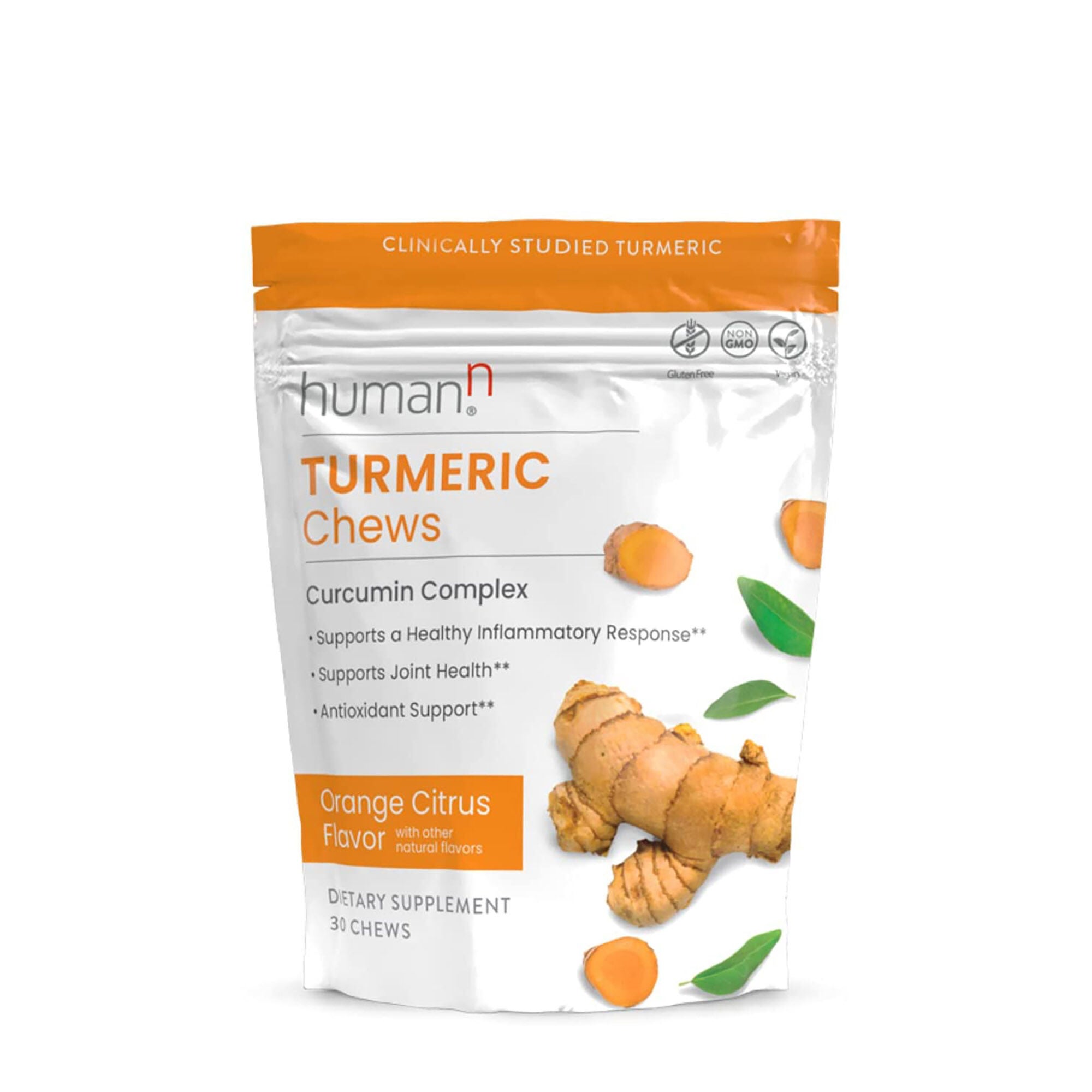


Turmeric For Brain Health
(0 Results)
Unlocking potential brain health benefits, turmeric has become a popular choice for those seeking natural ways to support cognitive function. Known for its vibrant color and rich history in traditional practices, turmeric may offer a range of advantages that could contribute to mental clarity and focus. Whether you're looking to incorporate it into your daily routine or explore its potential effects on memory and mood, turmeric supplements might be an exciting addition to your wellness journey. Discover how this golden spice could play a role in supporting your brain's well-being.
-

-

-
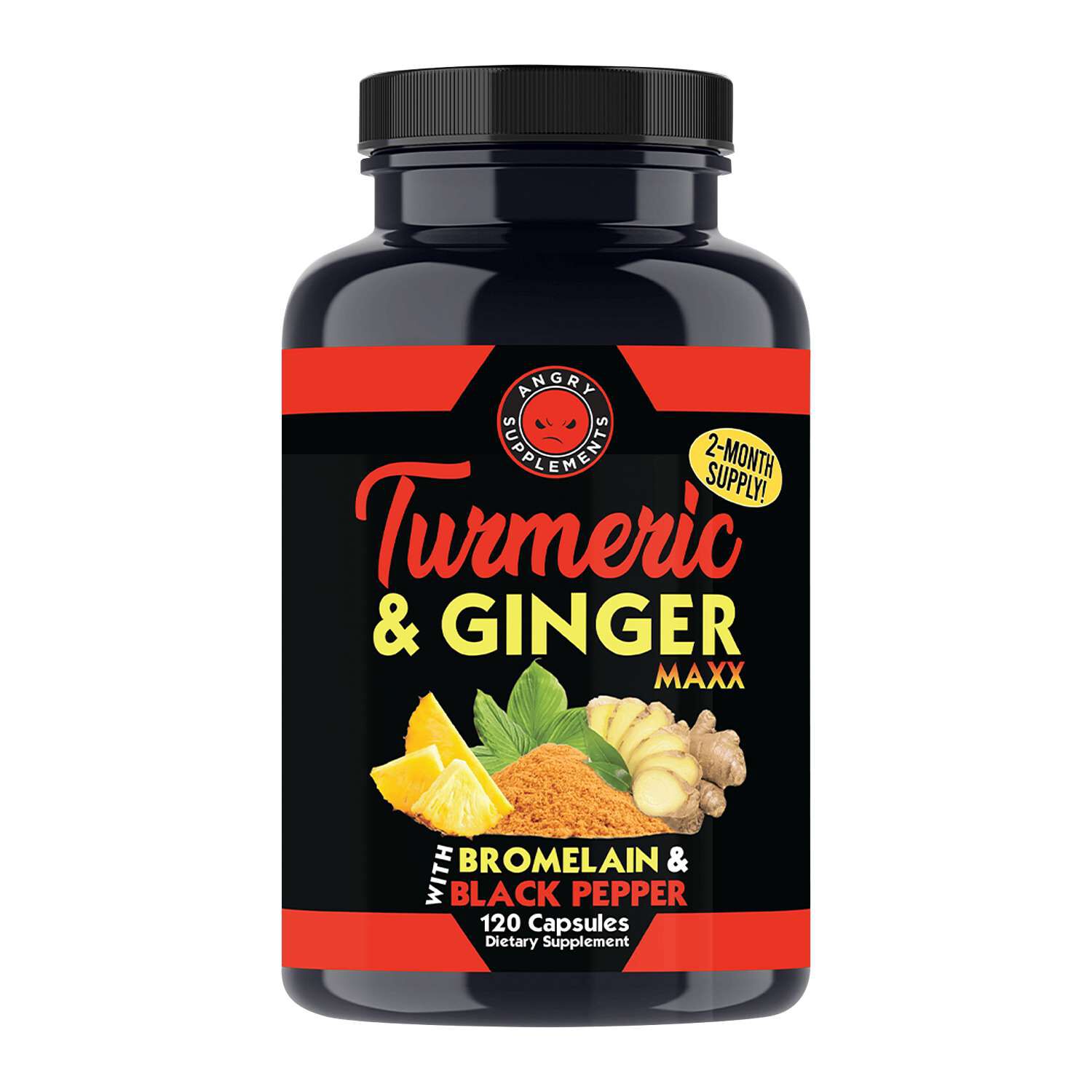 Angry Supplements1$24.99
 -


Turmeric has long been valued as a warm, golden spice in cooking, and modern supplement formulas often center on curcumin, one of the naturally occurring compounds found in turmeric. For shoppers exploring turmeric for brain health, these products may fit into a broader wellness routine focused on everyday mental clarity, memory, attention, and healthy aging. Research continues to examine how curcumin may interact with processes related to oxidative stress and inflammation, two areas often discussed in connection with overall brain wellness. Results may vary from person to person, and turmeric supplements are not intended to diagnose, treat, cure, or prevent any condition. A turmeric product may appeal to someone who enjoys traditional ingredients but prefers the convenience of a measured capsule, softgel, liquid, or powder rather than preparing turmeric in meals. It may also suit shoppers building a simple daily routine around nutrition, movement, restful sleep, hydration, and activities that keep the mind engaged, such as reading, music, puzzles, cooking, or time outdoors. During warmer days and cooler months alike, a turmeric supplement can fit easily into a morning or evening routine, whether kept beside a breakfast bowl, stored with other daily wellness products, or packed for travel.
When comparing turmeric products, start by looking closely at the ingredient panel and serving information. Some formulas feature turmeric root or turmeric extract, while others identify a specific amount of curcuminoids, the group of compounds commonly associated with turmeric research. Products may also include piperine, a compound from black pepper, because black pepper ingredients may support the body’s handling of curcumin. Other formulas use specialized preparations designed to make curcumin easier for the body to use. These differences can affect the product’s intended format, serving size, and place in a personal routine, so shoppers may prefer to compare labels rather than choosing by front-panel wording alone. The form can matter, too. Capsules and softgels may be convenient for people who appreciate a measured serving, while powders may work well for those who enjoy blending ingredients into smoothies or incorporating them into food. Oil-based options offer another format to consider, and shoppers interested in that style may explore Turmeric Oil Capsules. It can also be helpful to review directions, storage guidance, additional ingredients, and serving frequency before making a selection. People with dietary preferences may wish to check the capsule material, flavoring, sweeteners, and other components. Anyone who takes prescription products, manages an ongoing health concern, is pregnant or nursing, or is preparing for a procedure may wish to speak with a qualified healthcare professional before adding a concentrated turmeric supplement to a routine.
Turmeric products may be chosen for personal use or given as a thoughtful wellness gift, particularly for a parent, grandparent, partner, friend, or colleague who enjoys cooking with fragrant spices and exploring simple daily rituals. A supplement can feel personal without requiring the giver to guess at clothing sizes, home décor preferences, or flavor choices, although it remains wise to consider the recipient’s existing routine and dietary needs before gifting. For personal use, many shoppers prefer taking turmeric at the same time each day, following the label directions and pairing the habit with an established part of the day, such as breakfast or an evening meal. Consistency may make a new routine easier to remember, while a food-centered approach could include turmeric in soups, rice dishes, roasted vegetables, or warm beverages. Culinary turmeric and concentrated supplements are different choices, so one should not automatically be substituted for the other. Product selection may also depend on whether the shopper values a simple ingredient list, a particular capsule style, a black pepper component, an oil-based format, or a formula designed around curcumin content. Keeping expectations realistic is important: turmeric may complement a balanced lifestyle, but it is not a substitute for varied nutrition, regular movement, quality sleep, or professional guidance. With those considerations in mind, turmeric for brain health products may offer a convenient way to explore a familiar botanical while choosing a format that feels comfortable, practical, and easy to include throughout the year.