Turmeric Oil Capsules
(0 Results)
Discover the potential benefits of turmeric oil capsules, a popular choice for those seeking to incorporate the natural properties of turmeric into their daily wellness routine. Known for its vibrant color and rich history in traditional practices, turmeric might offer support for overall health and vitality. These convenient capsules could be an easy addition to your supplement regimen, providing a concentrated form of turmeric oil that may help you pursue a balanced lifestyle. Whether you're new to turmeric or looking to optimize your current intake, explore how turmeric oil capsules could complement your journey towards well-being.
-
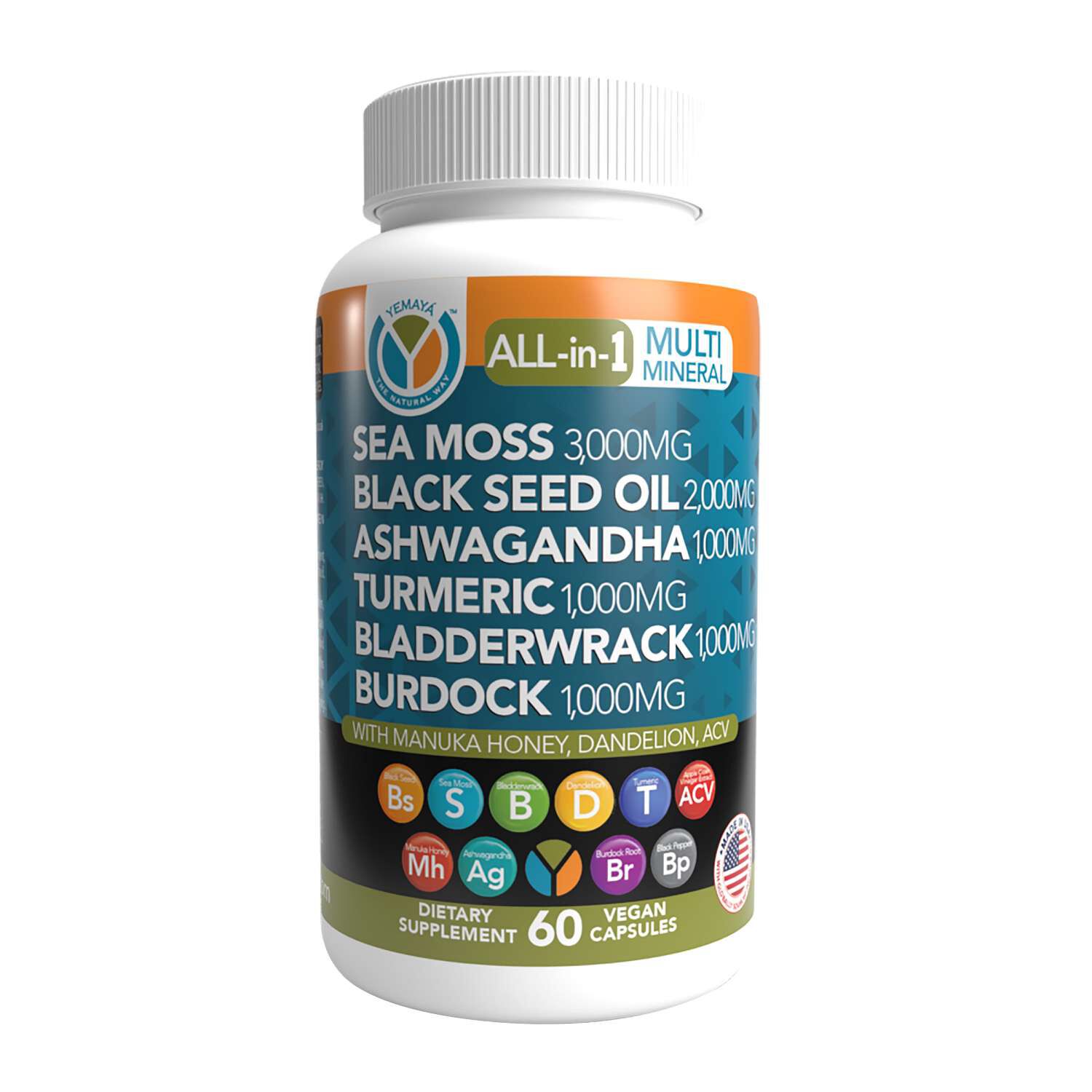 Yemaya Organics$28.99
 -

-

-

-

-
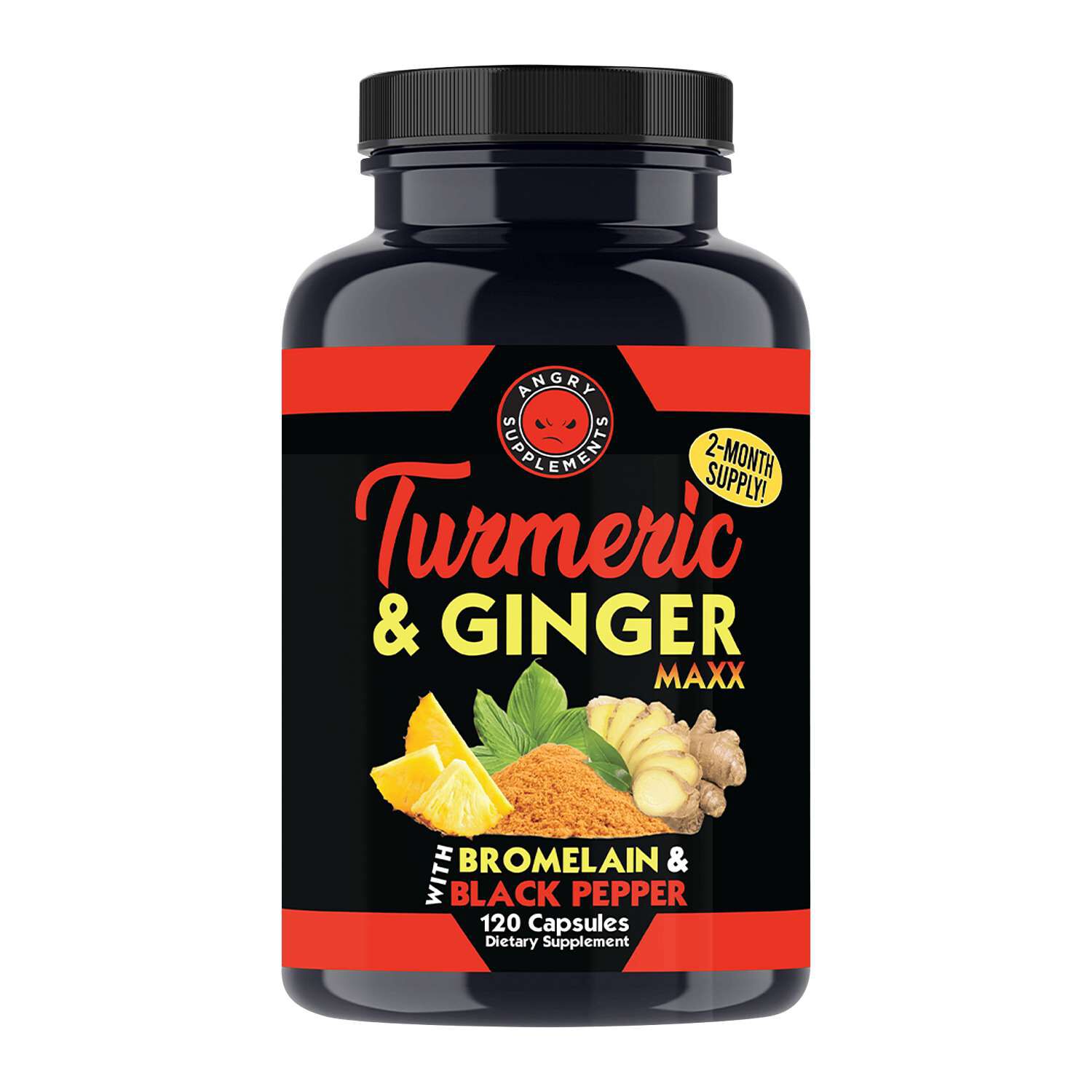 Angry Supplements1$24.99
 -

-
 Angry Supplements$14.99
 -
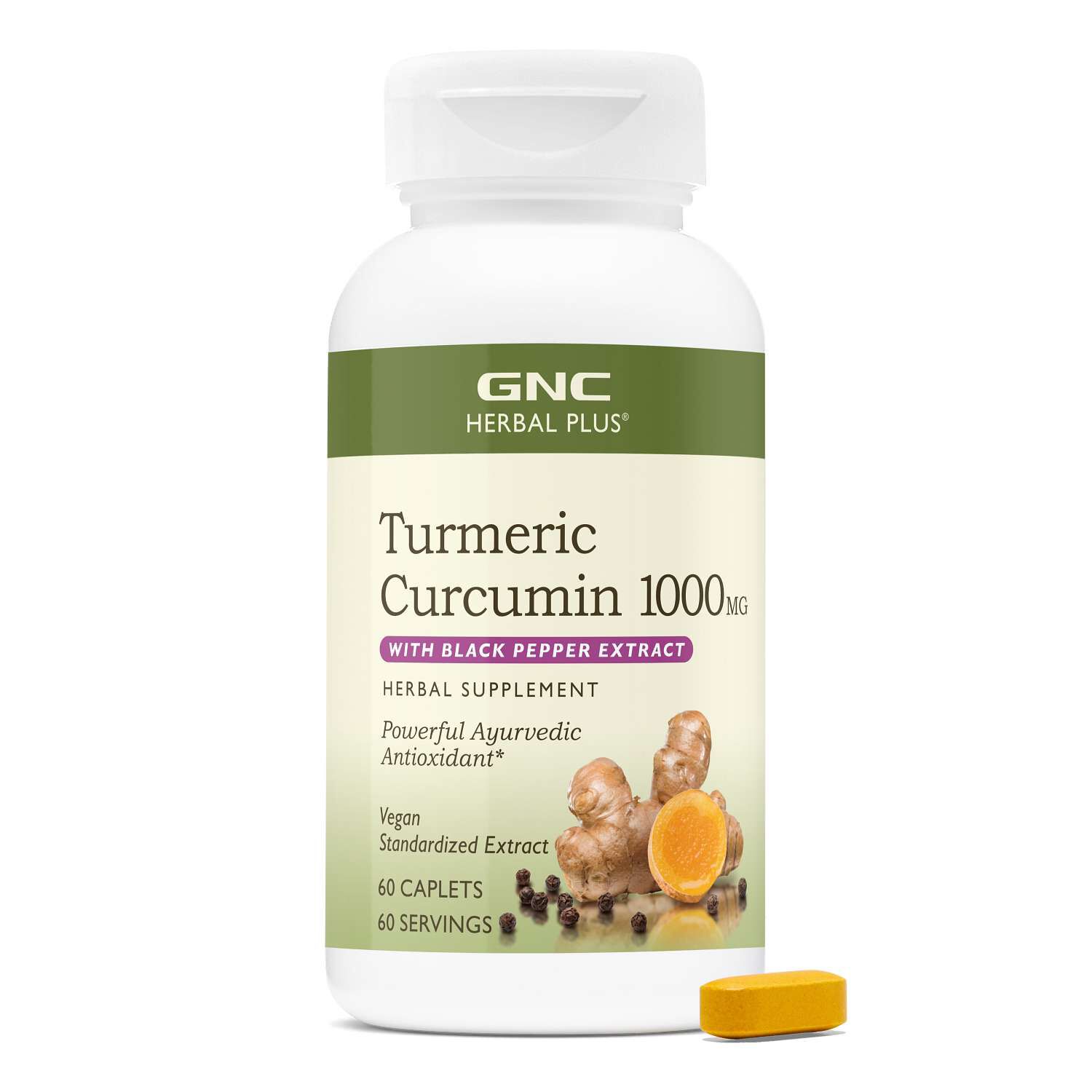 $44.99
 -
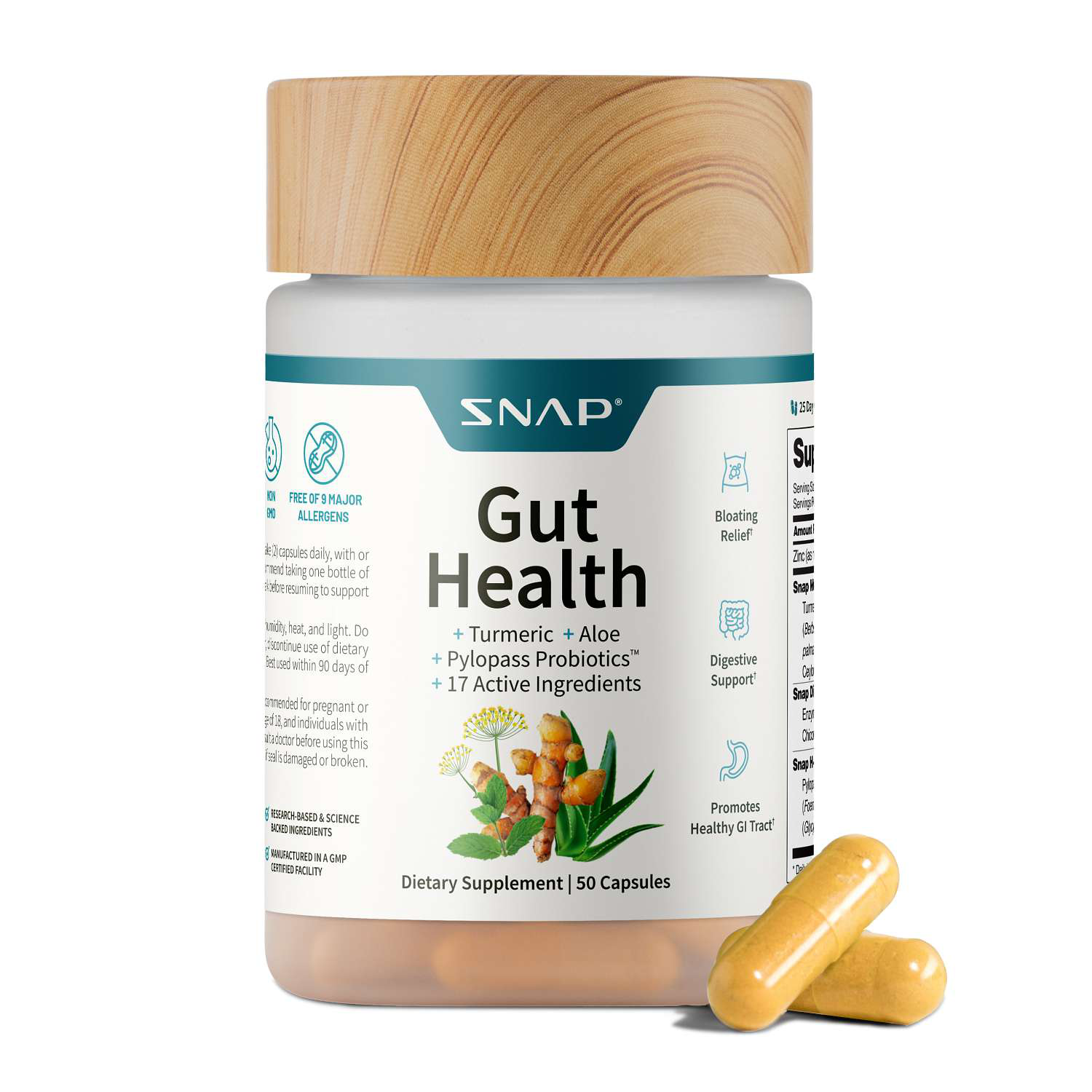


Turmeric oil capsules bring a familiar botanical into a measured supplement format, but the name can describe several different formulations. Some contain oil derived from turmeric itself, while others combine turmeric extract or curcumin with a carrier oil, such as coconut oil or medium-chain triglyceride oil. Still others pair a turmeric extract with turmeric-derived oil in the same capsule. These distinctions matter because turmeric oil, turmeric root powder, and curcumin extract are not interchangeable ingredients. Turmeric comes from the rhizome, or underground stem, of Curcuma longa, the plant associated with the golden color of ground turmeric used in cooking. Curcuminoids are naturally occurring compounds found in turmeric, and curcumin is one member of that group. Turmeric-derived oil contains a different mixture of plant compounds, including turmerones. A capsule described as oil-based does not necessarily contain turmeric-derived oil; the oil may instead serve as the carrier for another turmeric ingredient. The Supplement Facts panel and ingredient list provide a clearer picture than the product name alone. For example, a formula listing turmeric root powder alongside coconut oil differs from one listing a standardized turmeric extract alongside turmeric-derived oil, even if both use a softgel format. For adults who already include botanical supplements in their routines, those ingredient distinctions offer a practical starting point for comparing turmeric oil capsules. The format may appeal to someone who prefers a capsule rather than mixing a powder into a drink or adding turmeric to food. It also separates the supplement experience from cooking: a capsule has its own labeled serving, ingredients, and intended use, rather than functioning as a substitute for culinary turmeric. Understanding what the oil contributes to the formula, and which part of the turmeric plant is represented, gives this category more definition than the broad phrase “turmeric supplement” conveys on its own.
The most useful comparisons start with the amount and identity of each listed ingredient. A label may show milligrams of turmeric root, turmeric extract, curcuminoids, turmeric oil, or a blend, and each measurement describes something different. A larger milligram figure for root powder does not automatically mean more curcumin than a smaller amount of concentrated extract. When an extract is standardized, the label may identify a specified percentage of curcuminoids, providing another detail for comparing similar formulas. Serving size deserves equal attention: the amount shown on a Supplement Facts panel may refer to two or more capsules rather than one. Comparing the labeled serving alongside the number of capsules helps distinguish formulas that otherwise look similar at a glance. Carrier oils, black pepper extract, and ginger are other ingredients that may appear in this category. Black pepper extract may be identified by its piperine content, while ginger may be listed as root powder or extract. Their presence changes the composition of the formula, but does not make every combination equivalent. Curcumin has limited solubility in water, which helps explain the interest in oil-based formulations and other delivery approaches. An oil-containing capsule may affect how curcumin is dispersed or absorbed, although the ingredient name alone does not establish the performance of a finished formula. More ingredients are not automatically a better match for every shopper, either. Someone seeking a straightforward botanical supplement may prefer a shorter ingredient list, while another shopper may want to compare combinations that include both turmeric extract and turmeric-derived oil. Related selections appear on the Turmeric Curcumin Capsules For Inflammation page, where the same distinctions among ingredient forms, serving sizes, and capsule materials remain relevant. Across these related categories, the clearest comparison stays grounded in the label rather than assumptions based on color, capsule style, or the size of a number on the front of a bottle. A golden softgel can look much like another while containing a substantially different blend.
Capsule construction and packaging add another layer to choosing a format that fits an established routine. Oil-containing supplements often use softgels, which have a flexible shell surrounding a liquid or suspended filling, although other capsule designs also exist. Shell ingredients can include gelatin or plant-derived materials, so a softgel appearance alone does not establish suitability for vegetarian or vegan preferences. The other ingredients section may also identify glycerin, water, coloring ingredients, or materials used to maintain the filling’s consistency. For shoppers with dietary preferences or ingredient exclusions, these details can be just as important as the turmeric source. The origin of a carrier oil also matters when comparing formulations; coconut-derived oil and other oil sources should be identified through the label rather than inferred from the phrase “oil capsules.” Capsule dimensions, shape, and the number in a labeled serving are practical considerations for someone fitting a supplement into an existing daily schedule. A person who prefers fewer capsules may compare serving counts closely, while someone who already uses several supplements may prioritize a clearly differentiated bottle and readable labeling. Packaging deserves attention beyond appearance. A secure closure, an intact inner seal when supplied, a legible date marking, and clearly printed storage directions are useful features for handling an oil-filled format. The original container keeps the ingredient panel, serving information, and product-specific directions together, which may make later reference simpler than transferring capsules into an unmarked jar. Exposure to moisture or direct sunlight can affect supplement materials, making the package’s storage instructions relevant to preserving the capsule shell and filling as intended. For a countertop organizer or a packed travel bag, container dimensions and closure design are practical details worth considering alongside the formula itself. Turmeric oil capsules are a personal purchase rather than an automatic fit for every supplement user, and gifting them makes the most sense when the recipient’s preferences are already known. A thoughtful selection reflects the person’s preferred capsule materials, familiar ingredients, and established routine without assuming a particular health outcome. Ultimately, this category is best understood through its specific components: the turmeric ingredient, the type of oil, the capsule shell, and the labeled serving. Those concrete details make it easier to distinguish a turmeric-derived oil formula from an oil-based curcumin supplement and choose a format aligned with individual preferences.