





Turmeric Curcumin Capsules With No Soy
(0 Results)
Turmeric curcumin capsules with no soy are a popular choice for those seeking plant-based supplements without added soy ingredients. These capsules may offer a convenient way to incorporate turmeric into your daily routine. Explore a variety of options that could fit seamlessly into different wellness goals, all while avoiding soy-derived components. Discover turmeric curcumin capsules with no soy that might support your supplement preferences and dietary needs.
-

-

-

-

-
-
-

-

-
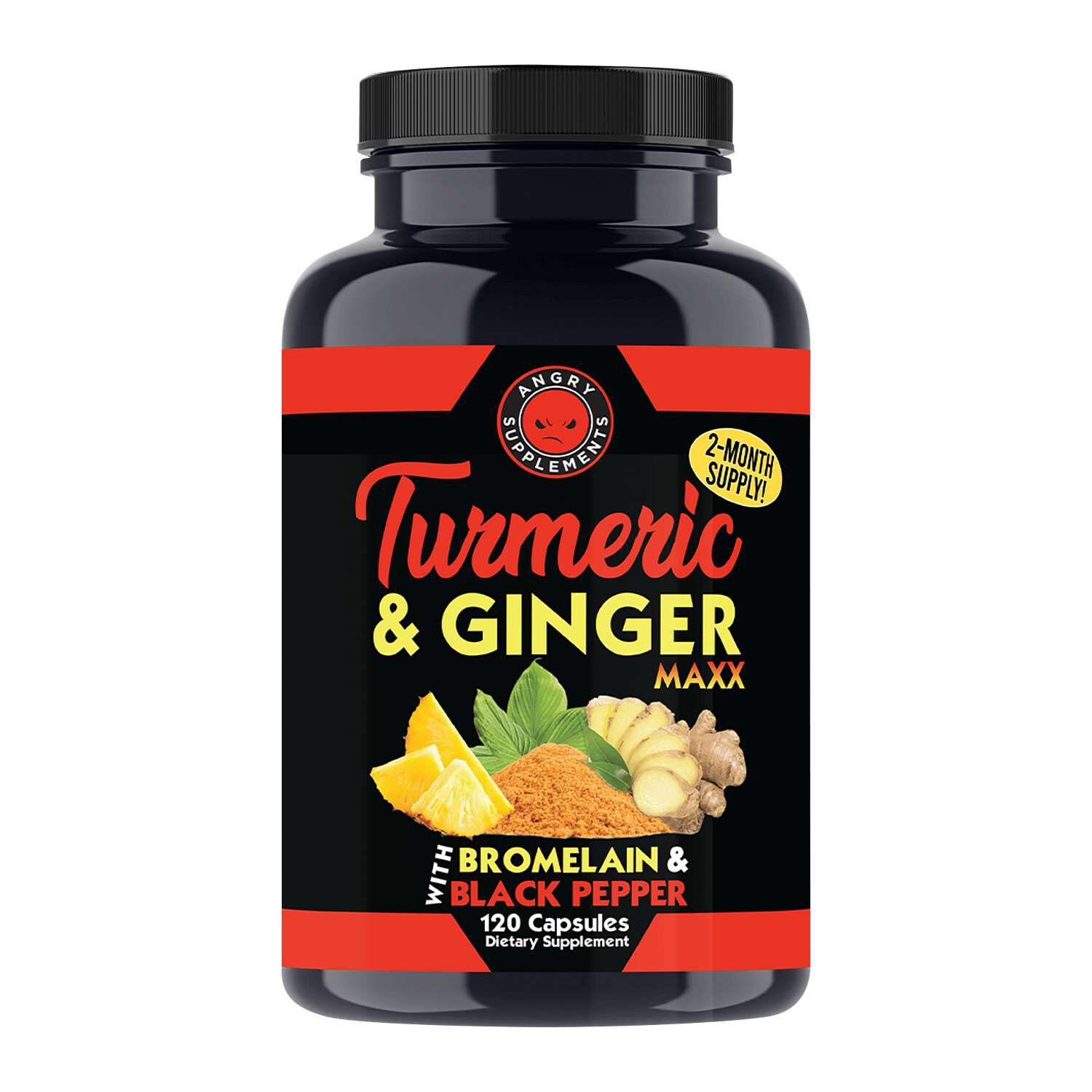 Angry Supplements1$24.99
-
 Angry Supplements$14.99


Turmeric curcumin capsules with no soy are dietary supplements for adults whose ingredient preferences exclude soy. Turmeric comes from the rhizome, or underground stem, of Curcuma longa, a plant in the ginger family. Its golden-orange color comes partly from naturally occurring compounds called curcuminoids, a group that includes curcumin. Although turmeric and curcumin often appear together on supplement labels, they are not interchangeable terms: turmeric root powder contains a range of plant constituents, while turmeric extracts are prepared to contain particular constituents in specified concentrations. Capsules in this category may contain root powder, extract, or a combination of both. The no-soy attribute is separate from those distinctions. Neither the botanical ingredient nor the capsule’s appearance establishes whether the finished formula contains soy. The shell, carrier ingredients, and other components all belong in that assessment. Vegetarian shells are often made with cellulose or other plant-derived materials, while gelatin shells come from animal sources. Neither shell type alone establishes the soy status of the ingredients inside. A cellulose capsule may suit someone who prefers a plant-derived shell, but vegetarian wording is not a substitute for a soy statement. Ingredients such as lecithin also deserve attention because their source matters; lecithin may come from soy or another source, such as sunflower. Likewise, the presence of an oil or a delivery-system blend calls for a closer look at its ingredient description rather than an assumption about its origin. A clearly identified soy statement, a readable ingredient list, and an explanation of capsule materials create a more useful picture than the front label alone. Manufacturing disclosures add another distinction: a formula’s ingredient composition and its shared-equipment information address different questions. An omitted soy ingredient does not, by itself, describe every aspect of manufacturing. For shoppers with a specific soy-related requirement, explicit labeling and manufacturer information matter more than assumptions based on a capsule’s color, plant-based wording, or simple-looking formula.
The Supplement Facts panel adds context to turmeric curcumin capsules with no soy by separating serving size, ingredient amounts, and extract specifications. An amount printed prominently on a bottle may refer to an entire serving rather than a single capsule, so comparisons are most meaningful when they use the same basis. Root powder and concentrated extract also represent different ingredient forms; a larger milligram number does not necessarily describe a larger amount of curcuminoids. Standardization offers another piece of information. For example, an extract described as standardized to 95% curcuminoids identifies the proportion of those compounds within that extract. It does not mean that 95% of everything inside the capsule is curcumin, and it does not establish the soy status of the formula. Curcumin is one member of the curcuminoid group, so wording that distinguishes the individual compound from the broader group is useful. Some formulations also contain black pepper extract, sometimes identified by its constituent piperine. Piperine may influence curcumin absorption, but that formulation feature is separate from the absence of soy. Other formulations use oils or specialized ingredient complexes, making the accompanying ingredient details particularly relevant to a no-soy preference. More ingredients do not automatically make a formula a closer match for every shopper. Someone who prefers a short ingredient list may approach the category differently from someone looking for a particular extract specification or capsule material. Physical format matters, too. Capsule dimensions, shell composition, and the number of capsules in a labeled serving are practical considerations for an everyday supplement routine. A bottle with a smaller serving count may contain a different number of capsules per serving than another bottle, so bottle size alone is not a reliable comparison. The most informative description brings these details together: what form of turmeric is included, how the extract is characterized, what constitutes a serving, and which other ingredients accompany it.
For adults who already use dietary supplements, turmeric curcumin capsules with no soy may fit a routine centered on clearly identified ingredients and a familiar capsule format. They may also appeal to someone who enjoys turmeric in cooking but prefers a separate, labeled supplement rather than measuring a culinary powder. The two formats have different intended uses: culinary turmeric belongs in foods and beverages, while capsules are packaged with supplement-specific serving information and directions. A golden curry or turmeric-seasoned rice does not provide a direct comparison with a standardized extract simply because both begin with the same plant. Dietary preferences also overlap without being identical. No soy does not necessarily mean vegetarian, vegan, made without preservatives, or made without added colors. Each description addresses a separate feature, and the combination that matters will differ from one household to another. Shoppers interested in preservative-related labeling may also consider Turmeric Curcumin Supplements With No Preservatives, while checking soy information as its own requirement. Practical details continue beyond the ingredient panel. A clearly printed label remains useful when the bottle sits beside other supplements, especially when capsule counts and serving sizes differ. Keeping capsules in their labeled container preserves access to directions, ingredient information, lot identification, and the expiration date. A dry cabinet away from direct light and moisture is a more suitable storage location than a steamy bathroom shelf, subject to the package’s storage directions. An intact seal and a legible expiration date are also relevant packaging details. For a household with several supplement users, keeping each formula clearly identified may make organization simpler. Preferences may change, and formulations may change as well, making the label on each new bottle worth reviewing rather than relying on a familiar appearance. Within this category, a thoughtful match rests on a specific combination of attributes: an explicit no-soy description, understandable turmeric and curcuminoid information, suitable capsule materials, and serving details that align with the shopper’s preferences.
- Q: What is turmeric curcumin and why is it popular as a supplement?
A: Turmeric curcumin is a compound found in the turmeric root. It is popular as a supplement for those looking to support overall wellness and maintain a healthy lifestyle. - Q: Why do some people prefer turmeric curcumin capsules without soy?
A: Some individuals choose turmeric curcumin capsules without soy due to dietary restrictions or ingredient preferences. Options without soy may allow these individuals to add turmeric curcumin to their routine while avoiding soy-derived ingredients. - Q: Are turmeric curcumin capsules without soy suitable for vegans or vegetarians?
A: Many turmeric curcumin capsules without soy are formulated to be vegan or vegetarian-friendly, but it's important to check the product label for confirmation regarding animal-derived ingredients. - Q: How should I store turmeric curcumin capsules without soy?
A: Turmeric curcumin capsules should be stored in a cool, dry place away from direct sunlight and moisture to help maintain their quality and potency. - Q: Can I take turmeric curcumin capsules without soy alongside other supplements?
A: Turmeric curcumin capsules without soy can typically be taken alongside other supplements. However, it's always best to consult with a healthcare professional if you have questions about combining supplements as part of your routine.
Best Sellers

Related Pages

Top Collections
- Supplements For Yoga Joint Flexibility
- GLP 1 Support For Adults
- Joint Mobility Supplement Packs
- Chronic Fatigue Supplements
- Adult Mobility Supplements
- Supplements For Balance
- Supplements For Anxiety Relief Support
- Capsule Supplements For Energy And Stamina
- Zinc Supplements | Top Brands at Great Prices | GNC
- Anti Aging Supplements For Women