





Turmeric Curcumin Supplements With No Preservatives
(0 Results)
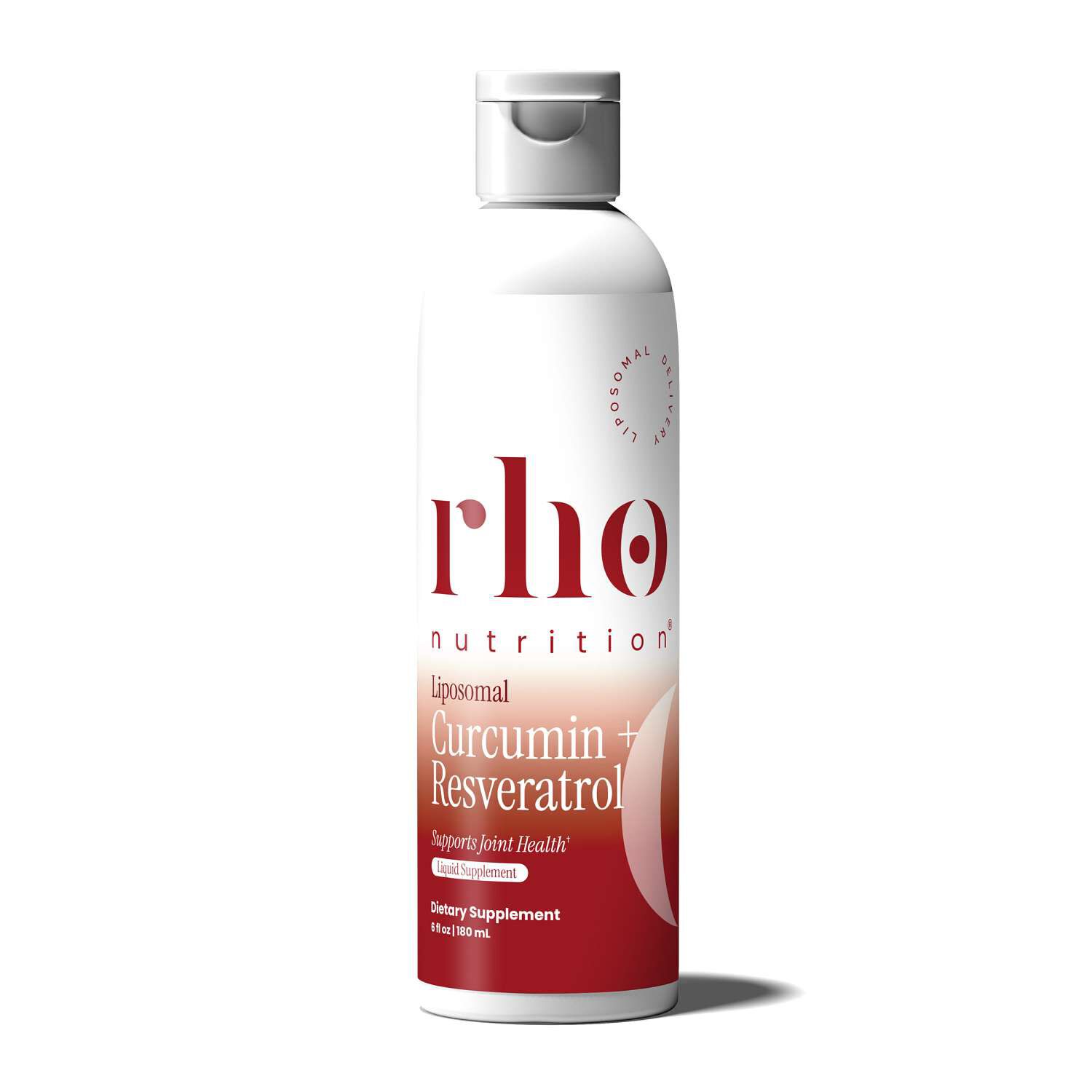
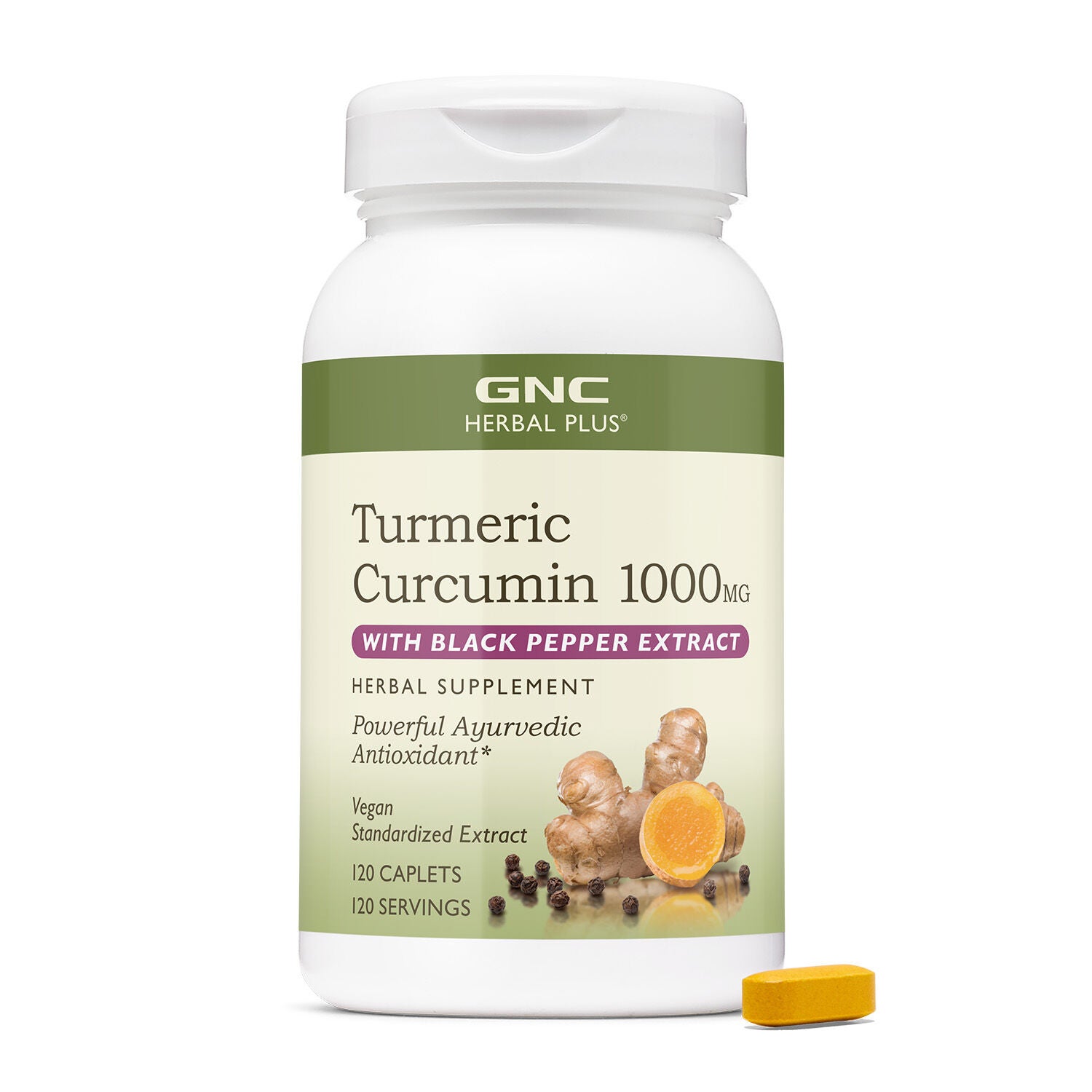
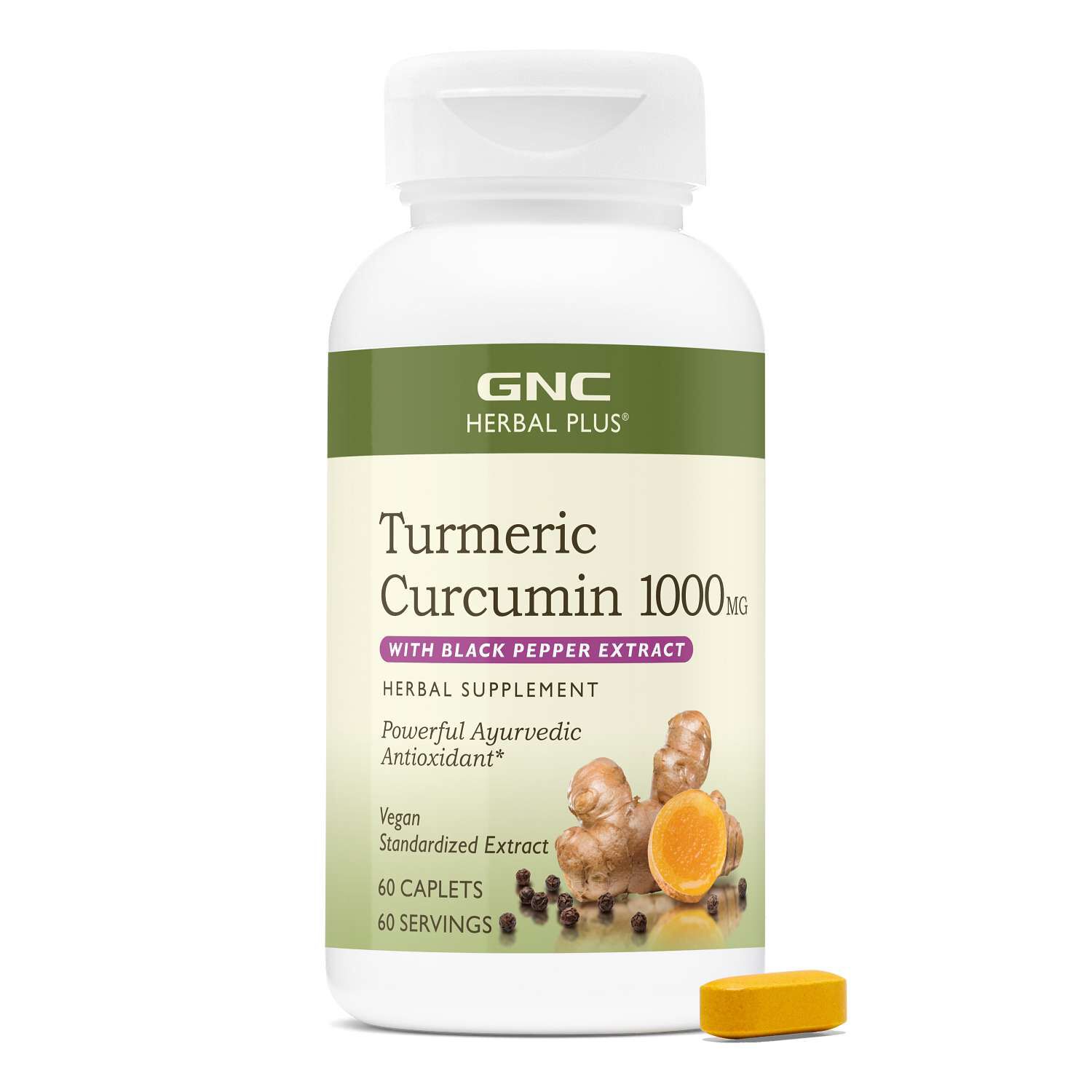
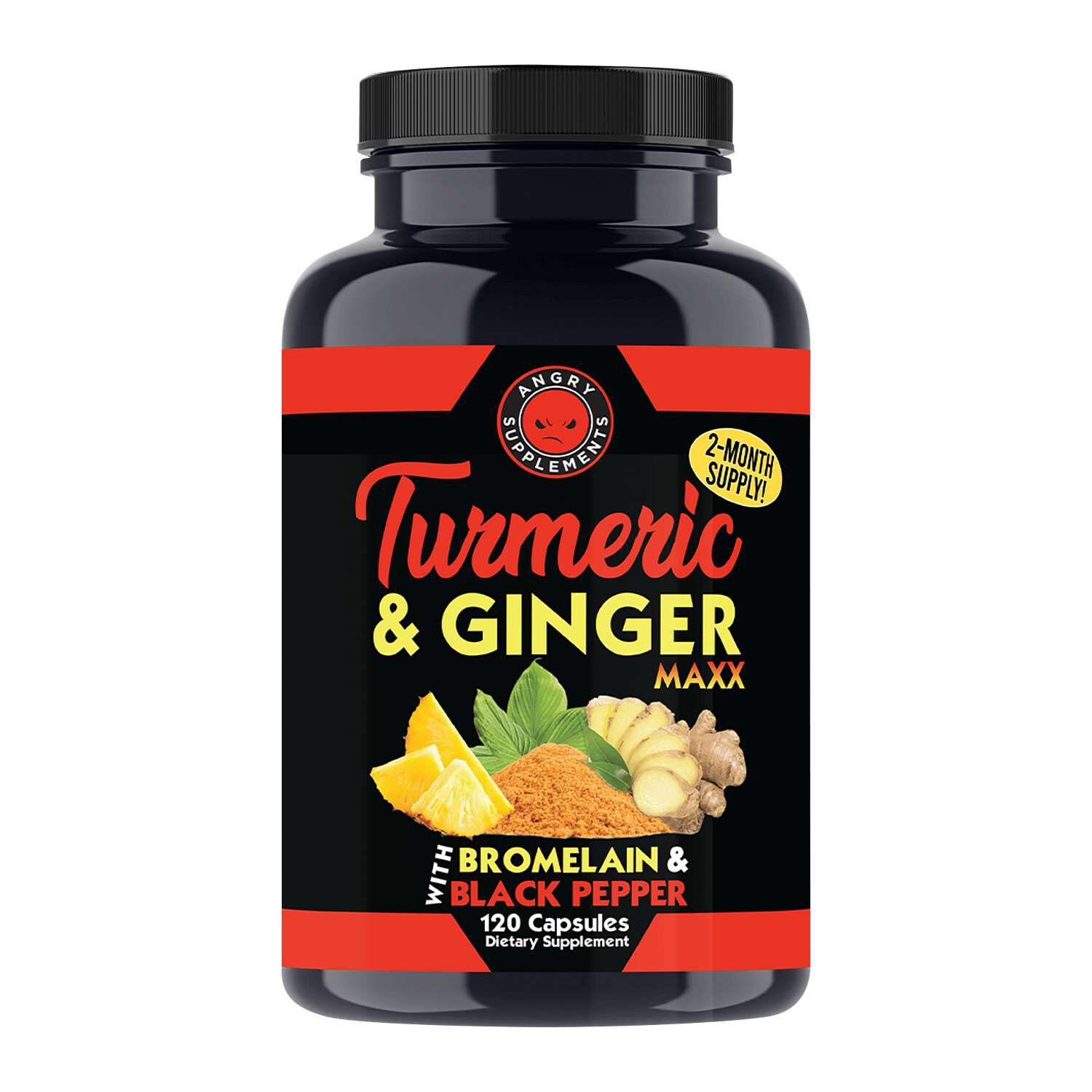
Turmeric curcumim supplements with no preservatives offer a convenient way to add this popular ingredient to your daily routine. Sourced from the vibrant turmeric root, these supplements are crafted for those who are mindful about what goes into their bodies. Explore options that may fit your wellness goals while choosing formulas made without added preservatives. Discover how turmeric curcumim supplements with no preservatives could become a part of your balanced lifestyle.
-

-
-
-

-
 $44.99
-

-

-

-

-
 Angry Supplements1$24.99
-

-

-
 Angry Supplements$14.99
-

-
-

-
 $15.99
-
 Yemaya Organics$28.99


Turmeric curcumin supplements with no preservatives feature turmeric root, curcumin extracts, or a combination of the two without added preservative ingredients. That description concerns the formula’s ingredients, not a particular strength, capsule material, or testing standard. Turmeric comes from the underground stem, or rhizome, of Curcuma longa, a plant in the ginger family. Curcumin is one of the curcuminoids naturally present in turmeric and contributes to its distinctive yellow-orange color. Although turmeric and curcumin often appear together on supplement labels, the terms are not interchangeable. Turmeric root powder contains a range of naturally occurring plant constituents, while an extract may concentrate selected compounds, including curcuminoids. A label that lists turmeric root powder therefore describes something different from a label that identifies a standardized turmeric extract. Standardization indicates a stated proportion of selected compounds in the extract, making that detail useful when comparing formulas. The amount of turmeric shown on the front of a container is not necessarily the amount of curcumin supplied per serving. Likewise, a root-equivalent amount describes the quantity of starting plant material represented by an extract, rather than the weight of the extract itself. These distinctions matter to shoppers seeking a straightforward botanical supplement as well as those interested in a more specifically defined curcuminoid content. For Curcumin Supplements, the absence of preservatives is one characteristic to consider alongside the botanical form, serving size, and supporting ingredients. A formula with a short ingredient list may appeal to someone who prefers fewer components, but length alone does not establish the identity or quality of the turmeric inside. More useful details include the plant part used, whether the formula contains powder or extract, and whether curcuminoid content is stated. Together, these label details give a clearer picture of what a serving contains than a large number or a prominent turmeric image on the package.
The distinction between “no preservatives” and “no artificial preservatives” deserves attention because those statements do not describe exactly the same formulation approach. Neither statement, by itself, establishes that a supplement contains no colors, flavors, capsule ingredients, or processing aids. The Supplement Facts panel identifies dietary ingredients and their amounts, while the other ingredients list provides additional formulation details. Capsule shells, for example, may use gelatin or plant-derived materials such as hypromellose or pullulan. Plant-derived capsule materials may suit a preference to avoid gelatin, although a vegan designation depends on the entire formula rather than the shell alone. Other ingredients may help powders flow during manufacturing or help a tablet hold its shape; their presence does not automatically mean a preservative has been added. For shoppers comparing dietary preferences, statements about vegan suitability, organic certification, or particular allergens address separate considerations and should be evaluated on their own terms. A no-preservatives statement does not establish any of those characteristics. Some turmeric curcumin formulas also contain ginger, black pepper extract, oils, or phospholipids. Black pepper extract may help support curcumin absorption, while other formulation approaches use different delivery systems. These differences can explain why two labels show different serving amounts or ingredient combinations, even when both emphasize curcumin. An additional botanical is still an additional ingredient, so a person seeking turmeric alone may prefer a different composition from someone interested in a blend. Testing information adds another layer of context. Documentation is more informative when it identifies what was assessed, such as botanical identity, curcuminoid content, or selected contaminants, rather than relying on a broad quality statement. A certification mark also has a defined scope; its meaning depends on the organization and the standard involved. Ingredient transparency, clearly stated serving information, and relevant testing documentation each answer different questions about a formula.
Format and everyday handling are practical parts of choosing turmeric curcumin supplements with no preservatives. Capsules enclose the ingredients in a shell, tablets use a compressed form, and powders require measuring according to the package directions. Capsule and tablet dimensions can vary, even when the labeled serving amounts look similar. A serving may also consist of more than one capsule or tablet, so the count on the front of a bottle does not necessarily equal the number of servings inside. For someone who keeps supplements beside a breakfast place setting, the number of units per serving may matter more than the container’s size. Someone who prefers a measured powder may instead pay closer attention to the serving instructions, included measuring tool, and whether the formula is intended for mixing. Turmeric’s earthy flavor and strong golden pigment can also make format a meaningful preference rather than a purely visual choice. Powder spilled across a pale countertop or onto clothing may leave a noticeable stain, making careful handling worthwhile. Capsules and tablets have different handling considerations, including keeping the closure secure and protecting the contents from moisture as directed. The absence of preservatives does not, on its own, mean a supplement requires refrigeration or has a particular shelf life. Storage requirements depend on the formulation and packaging, so the container’s directions remain the appropriate reference. Original packaging also retains the ingredient list, serving directions, lot information, and any stated expiration or best-by date. Leaving the bottle open near a sink or transferring its contents into an unmarked jar can make both storage and identification less straightforward. An intact seal, a readable label, and a closure that fits securely are useful packaging details to inspect before use. For adults comparing botanical supplements for an established routine, the most relevant choice brings together the desired turmeric form, clearly described curcuminoid content, suitable capsule or powder materials, and manageable serving directions. The no-preservatives preference then becomes part of a well-defined selection rather than a substitute for understanding the rest of the formula.
Best Sellers

Related Pages
Top Collections
- Supplements For Yoga Joint Flexibility
- Chronic Fatigue Supplements
- Joint Mobility Supplement Packs
- Adult Mobility Supplements
- Active Supplements
- GLP 1 Support For Adults
- Zinc Supplements | Top Brands at Great Prices | GNC
- Supplements For Anxiety Relief Support
- Supplements For Balance
- Capsule Supplements For Energy And Stamina