

Unflavored Collagen Hair Supplements
(0 Results)
Unflavored collagen hair supplements offer a convenient way to support your daily wellness routine without altering the taste of your favorite beverages or recipes. Perfect for those who prefer a neutral option, these supplements could blend seamlessly into smoothies, coffee, or even water. Explore a variety of unflavored collagen hair supplements that may fit effortlessly into any lifestyle, making it easy to prioritize your hair health goals.
-
-
-

-
-
-

-

-
-
 44$44.99
 -

-

-
-
-
-
-

-

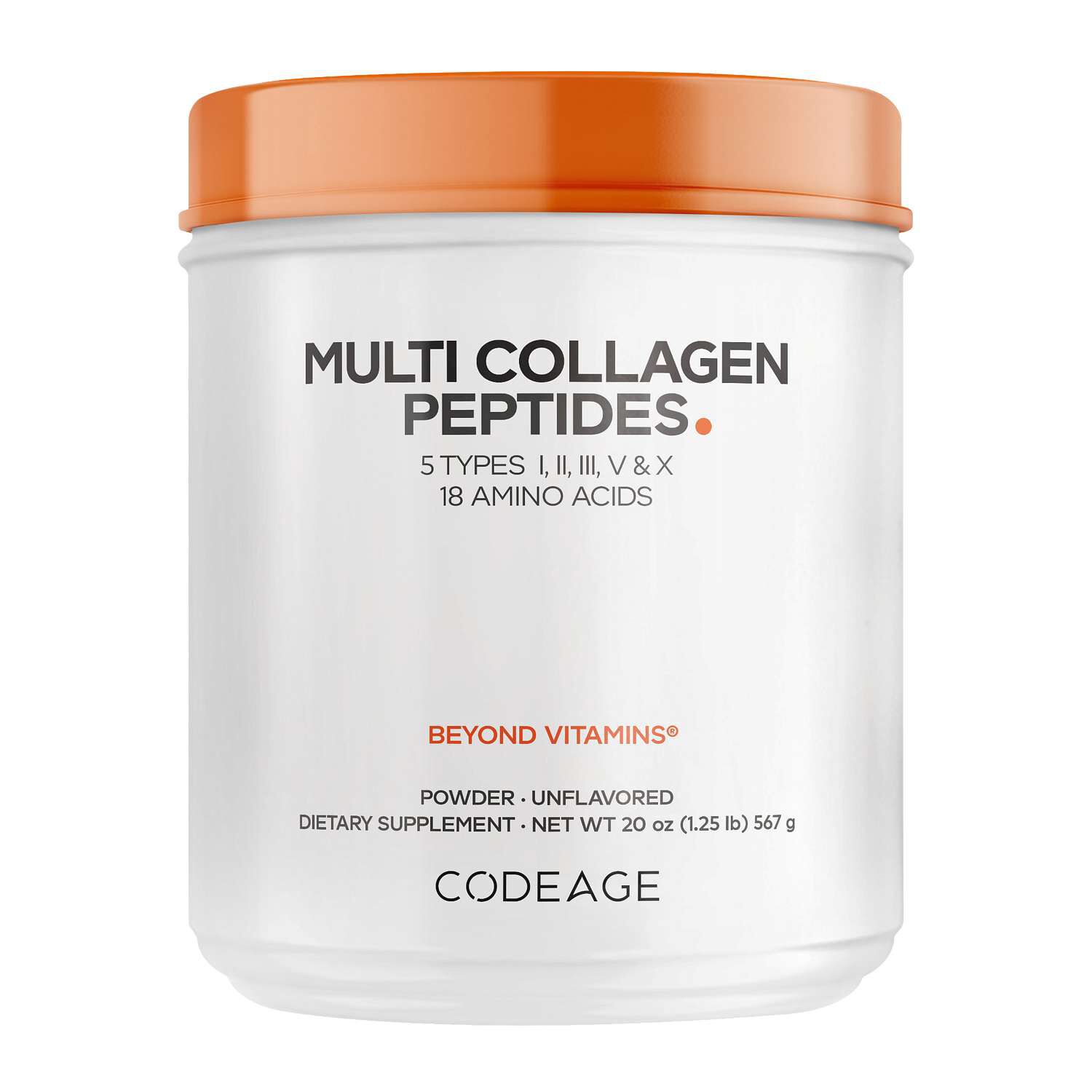
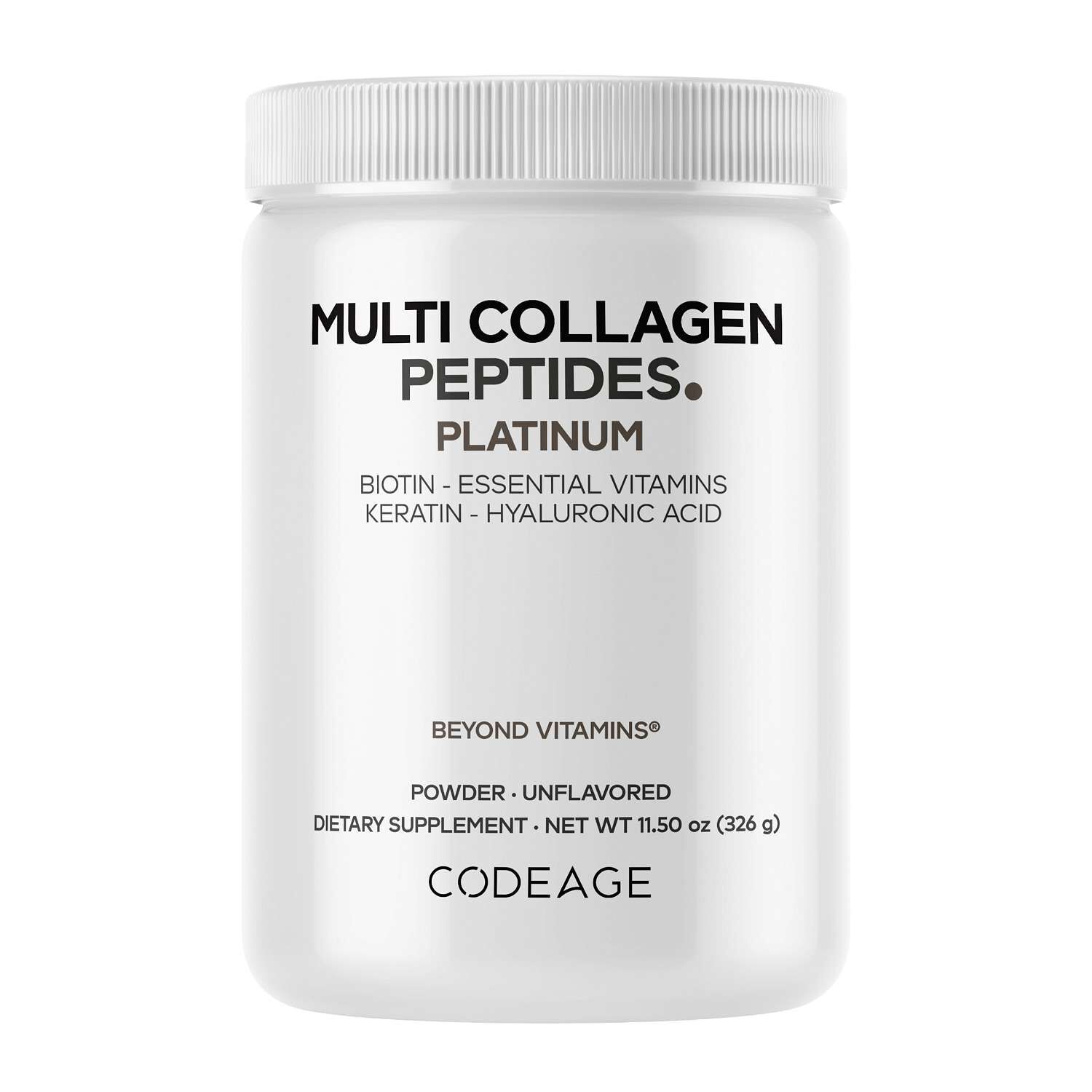
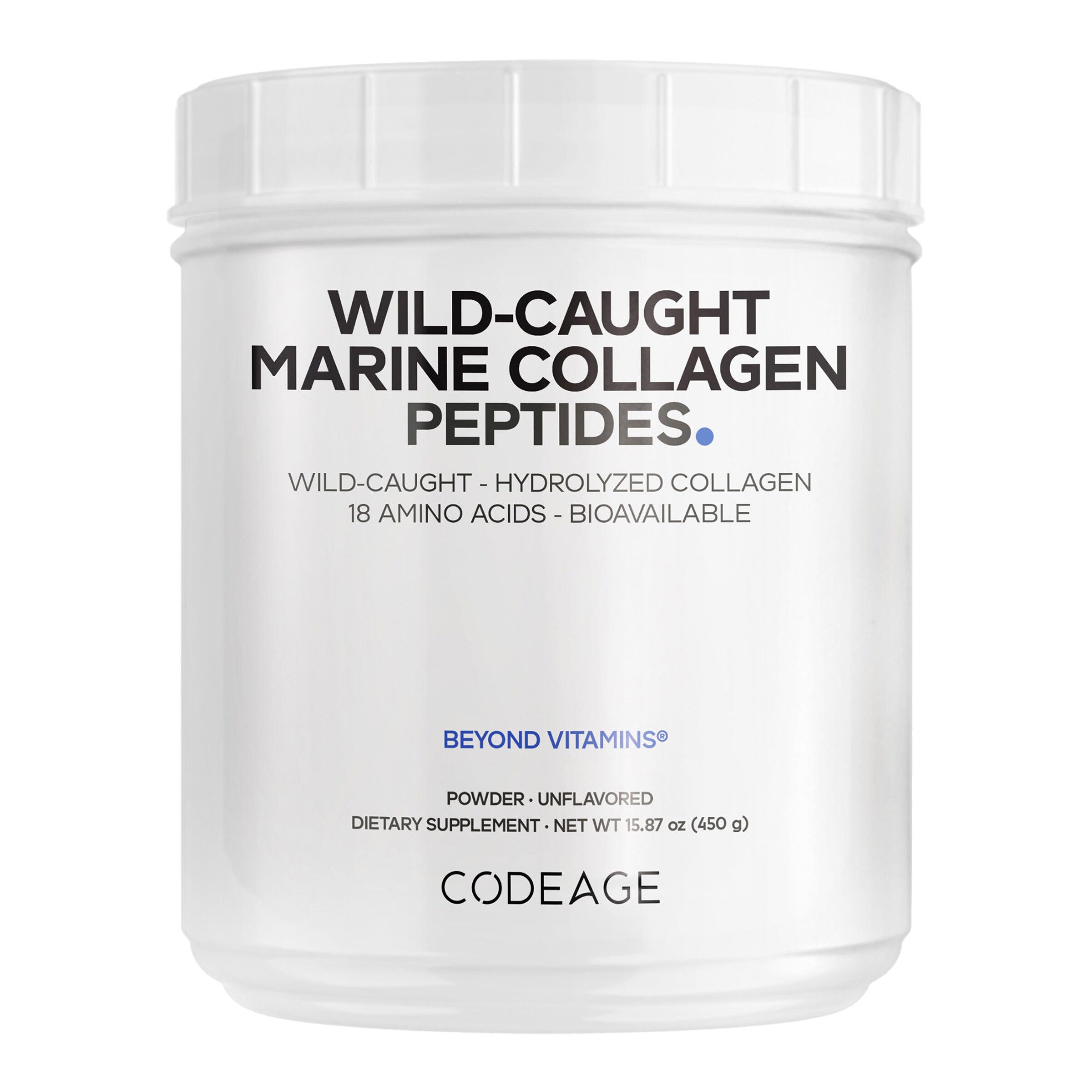


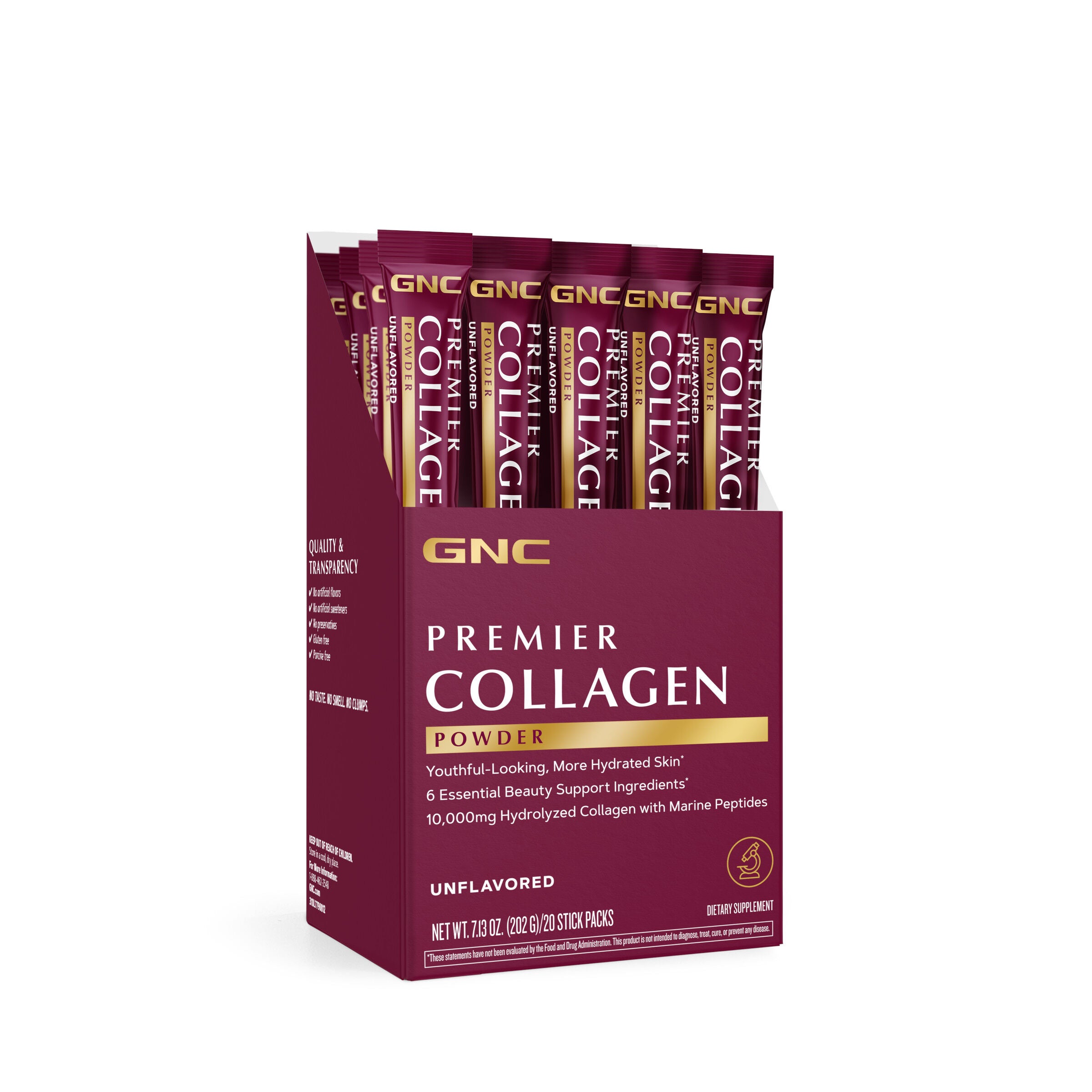
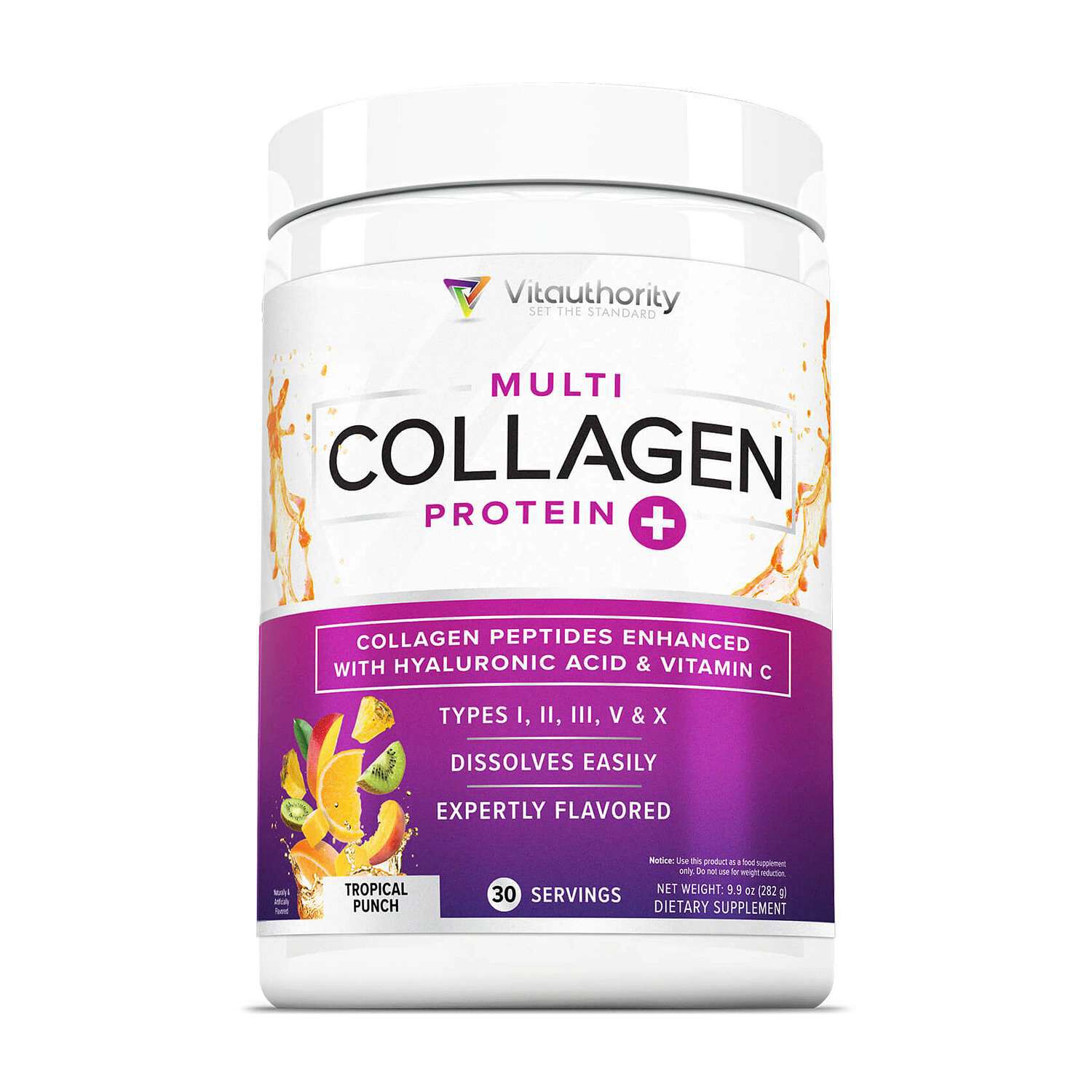
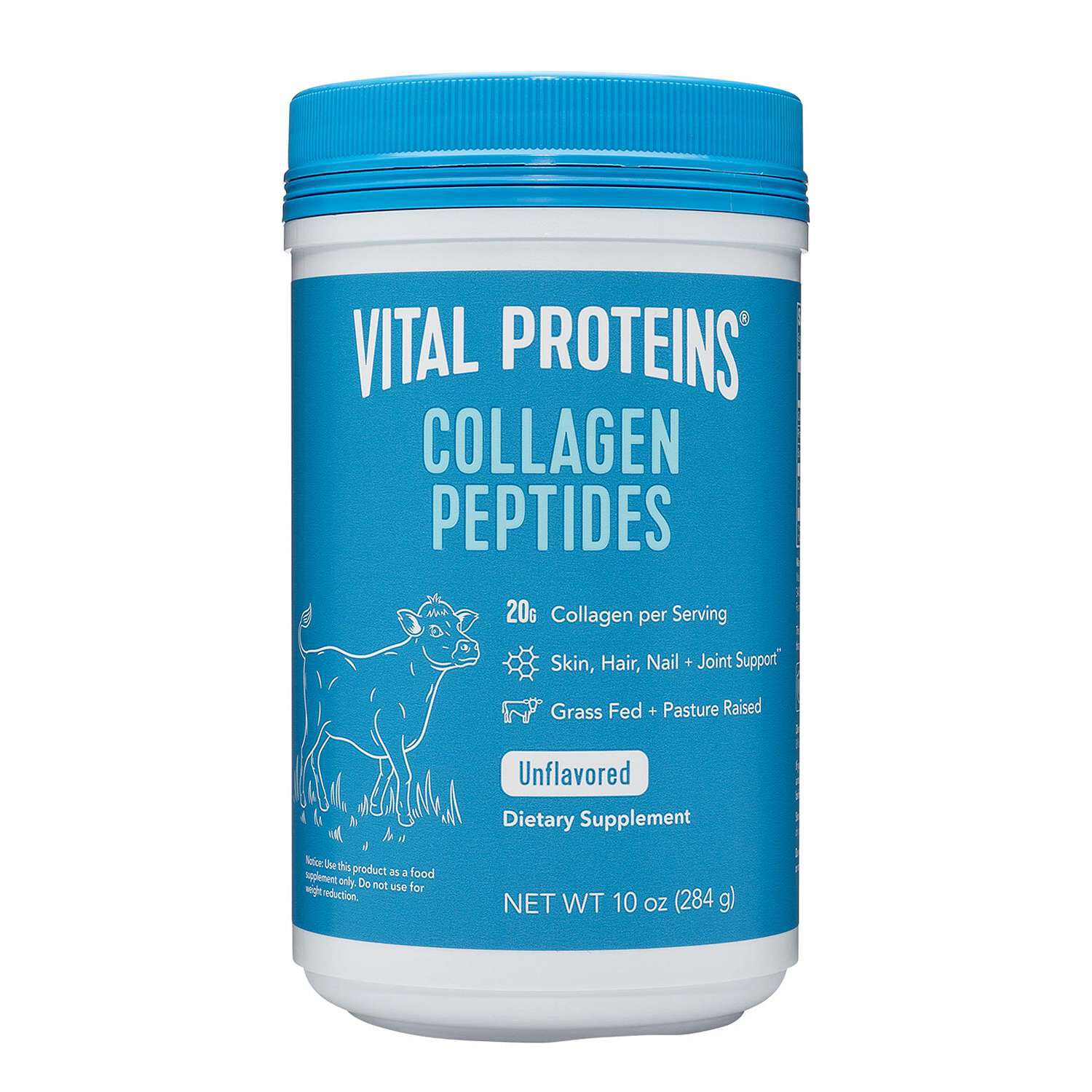
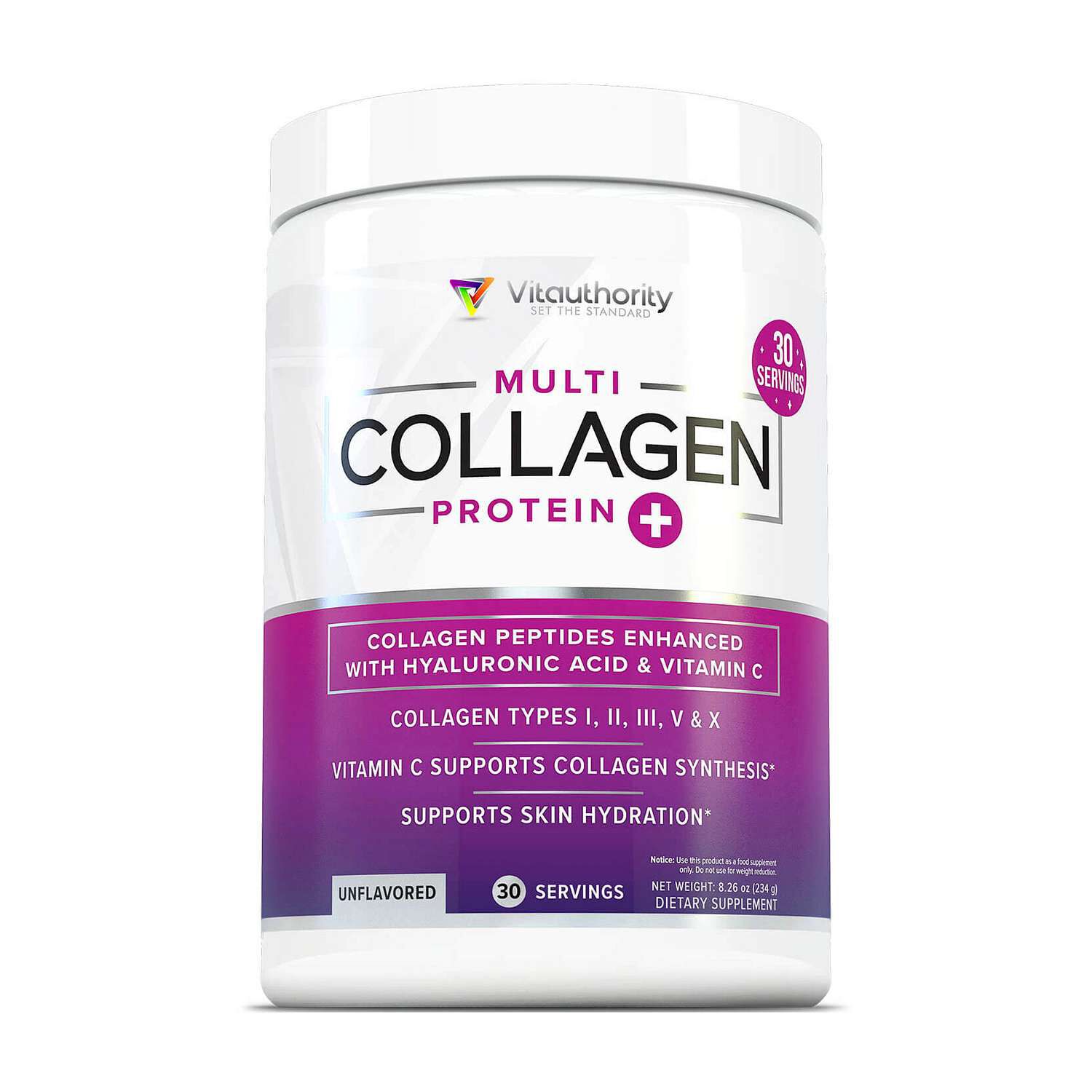
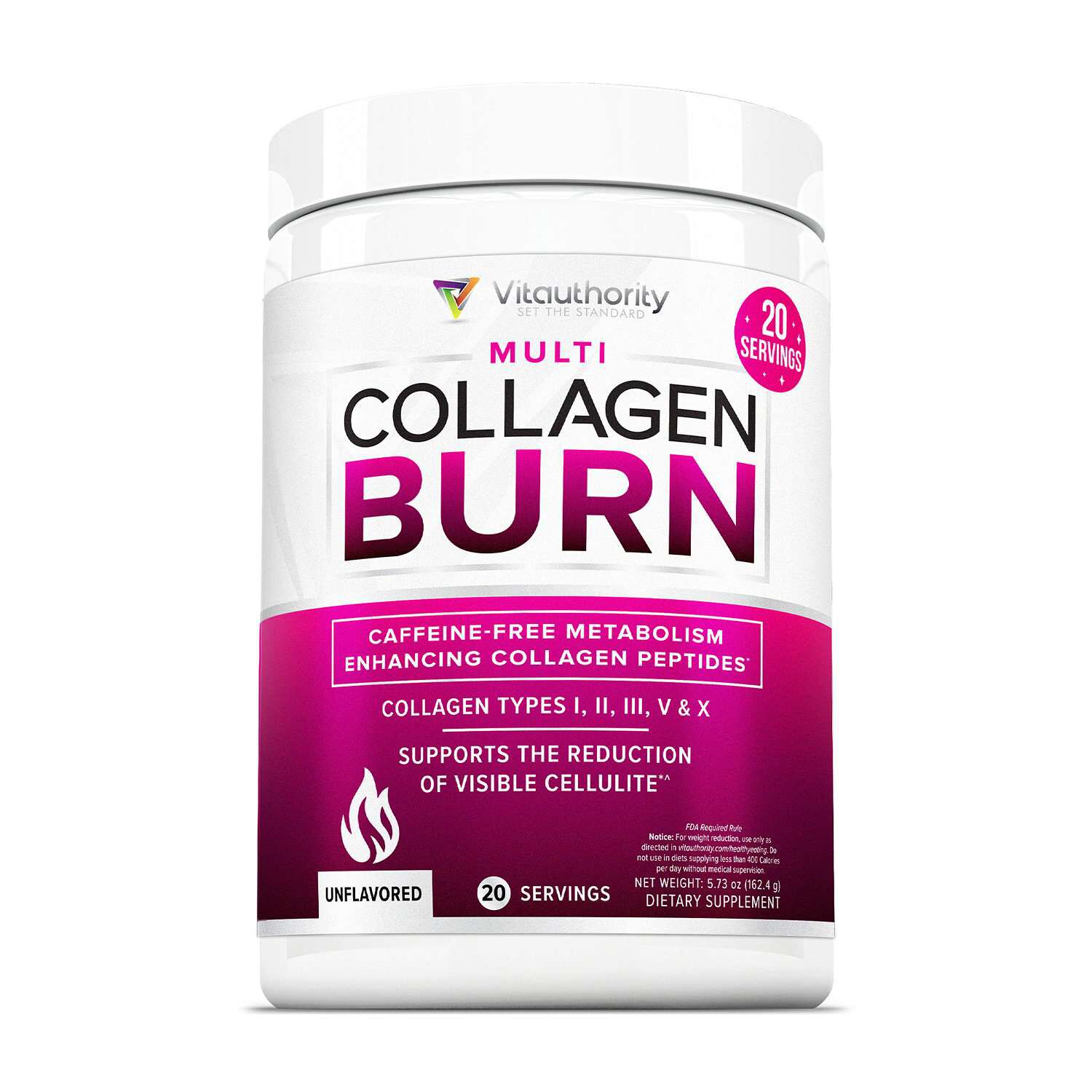
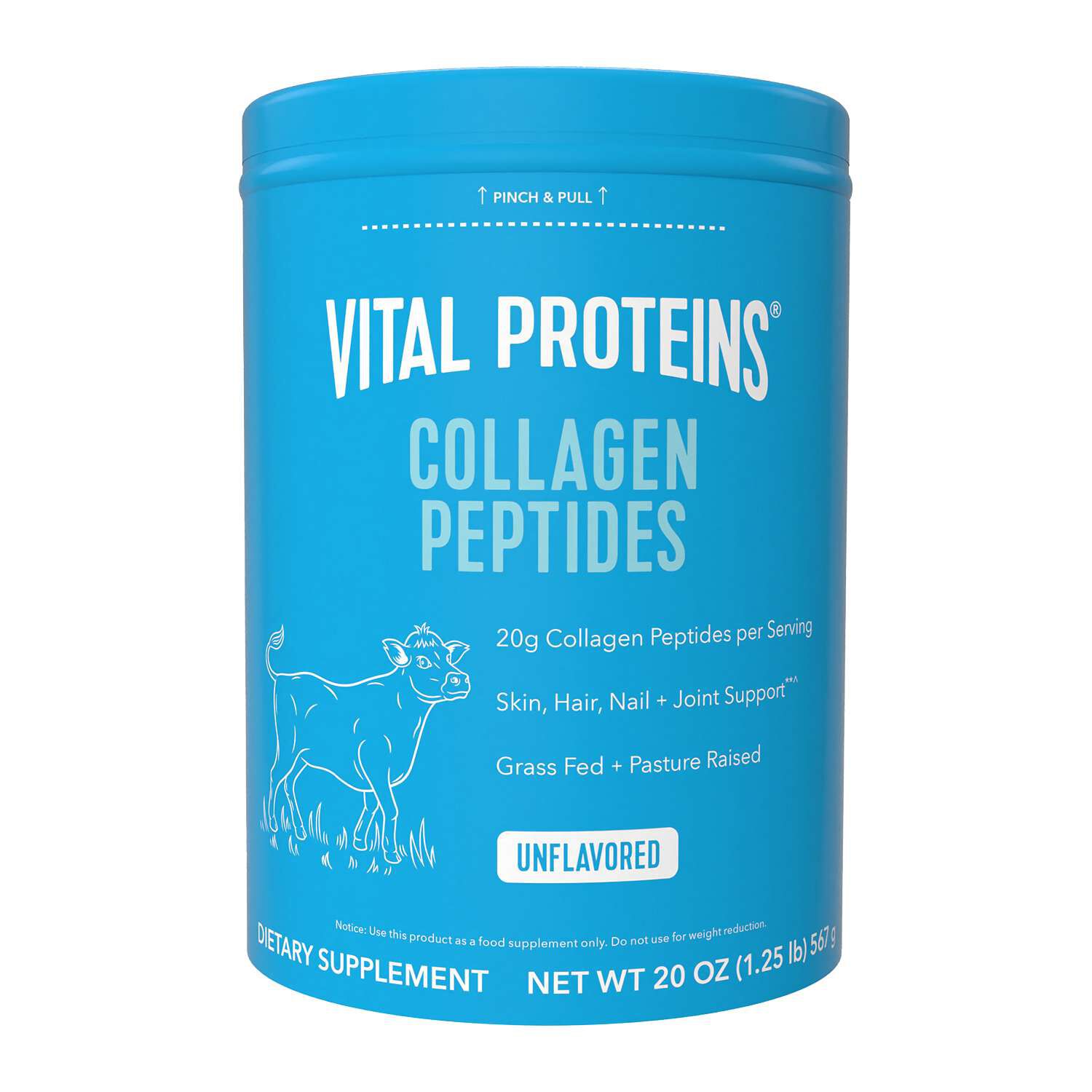
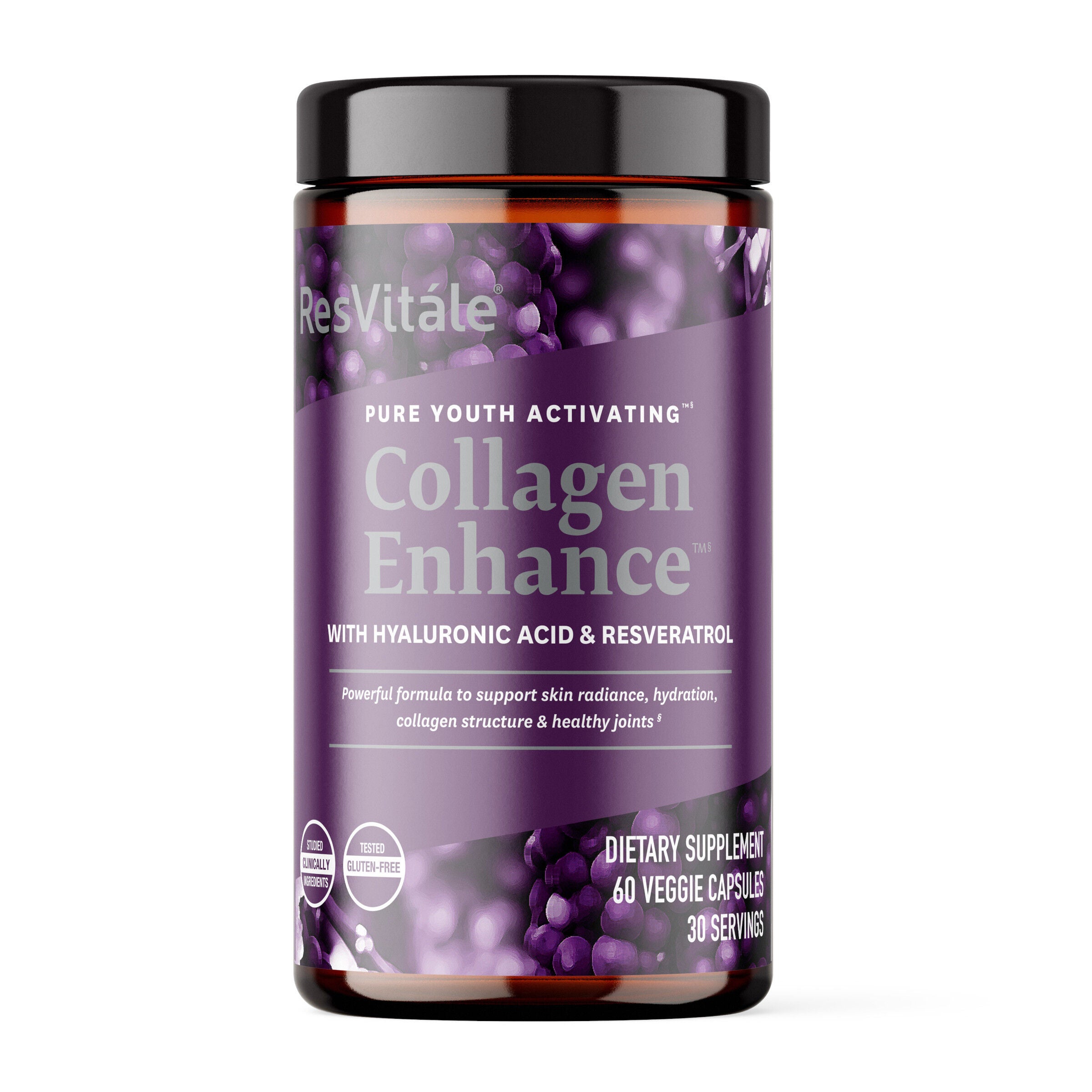
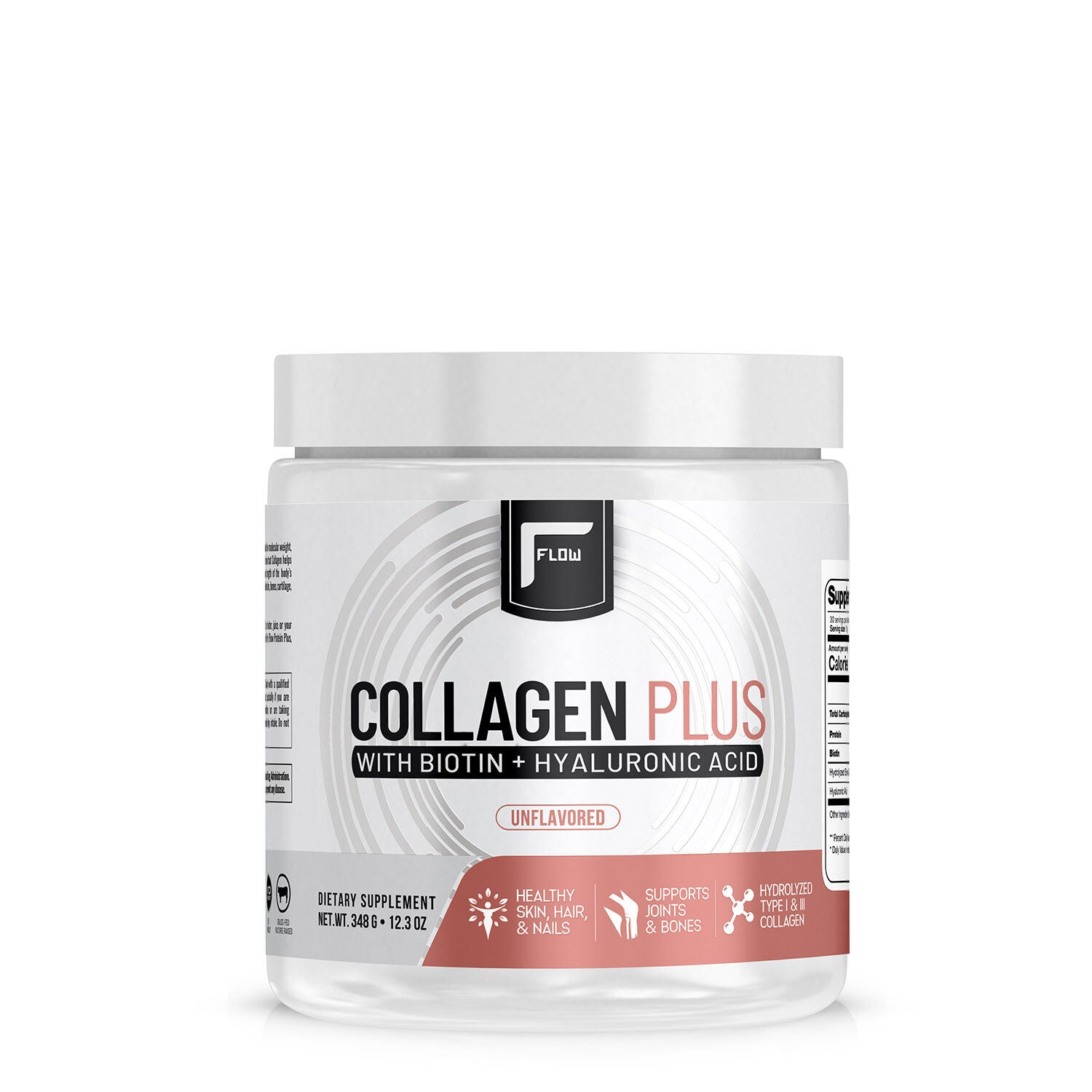
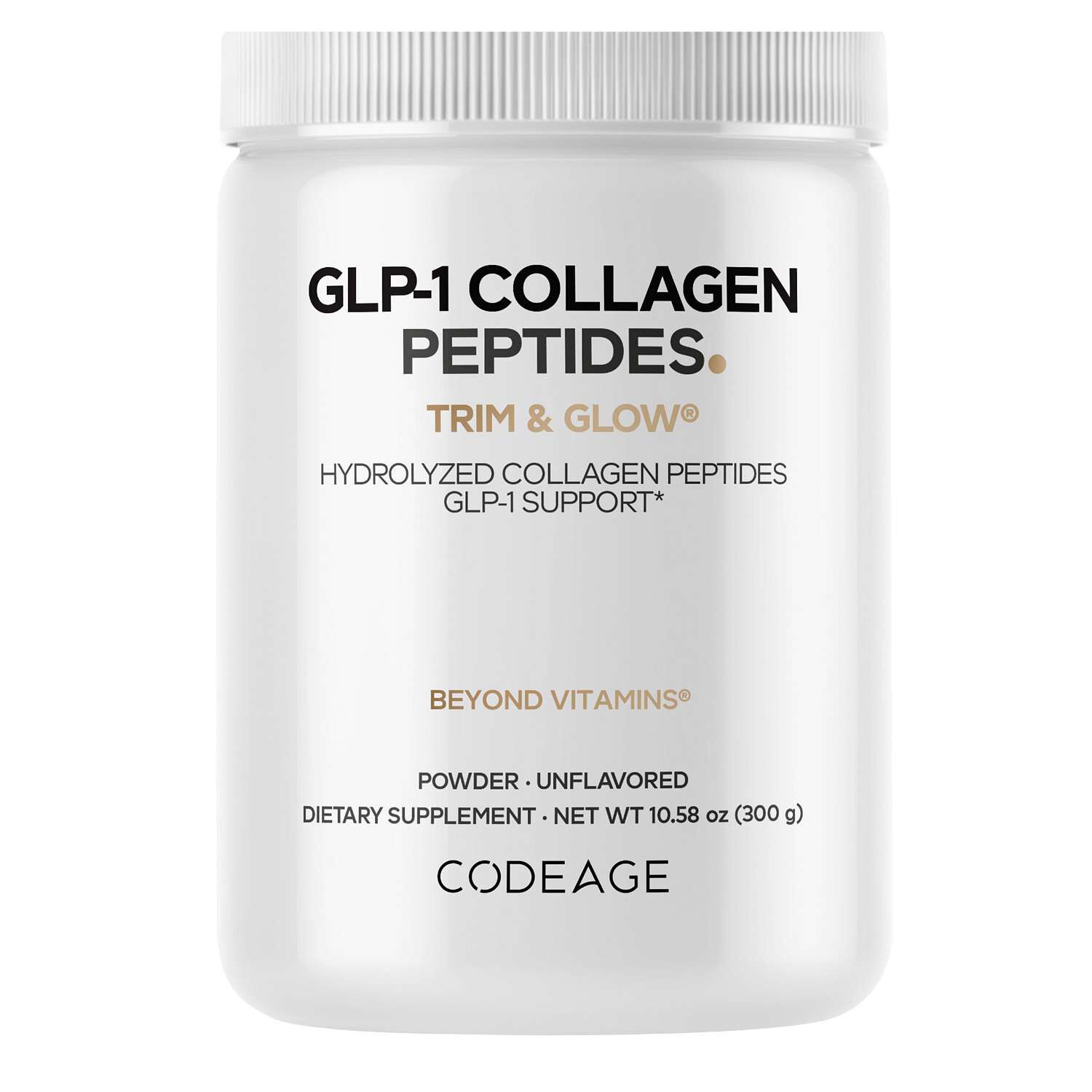
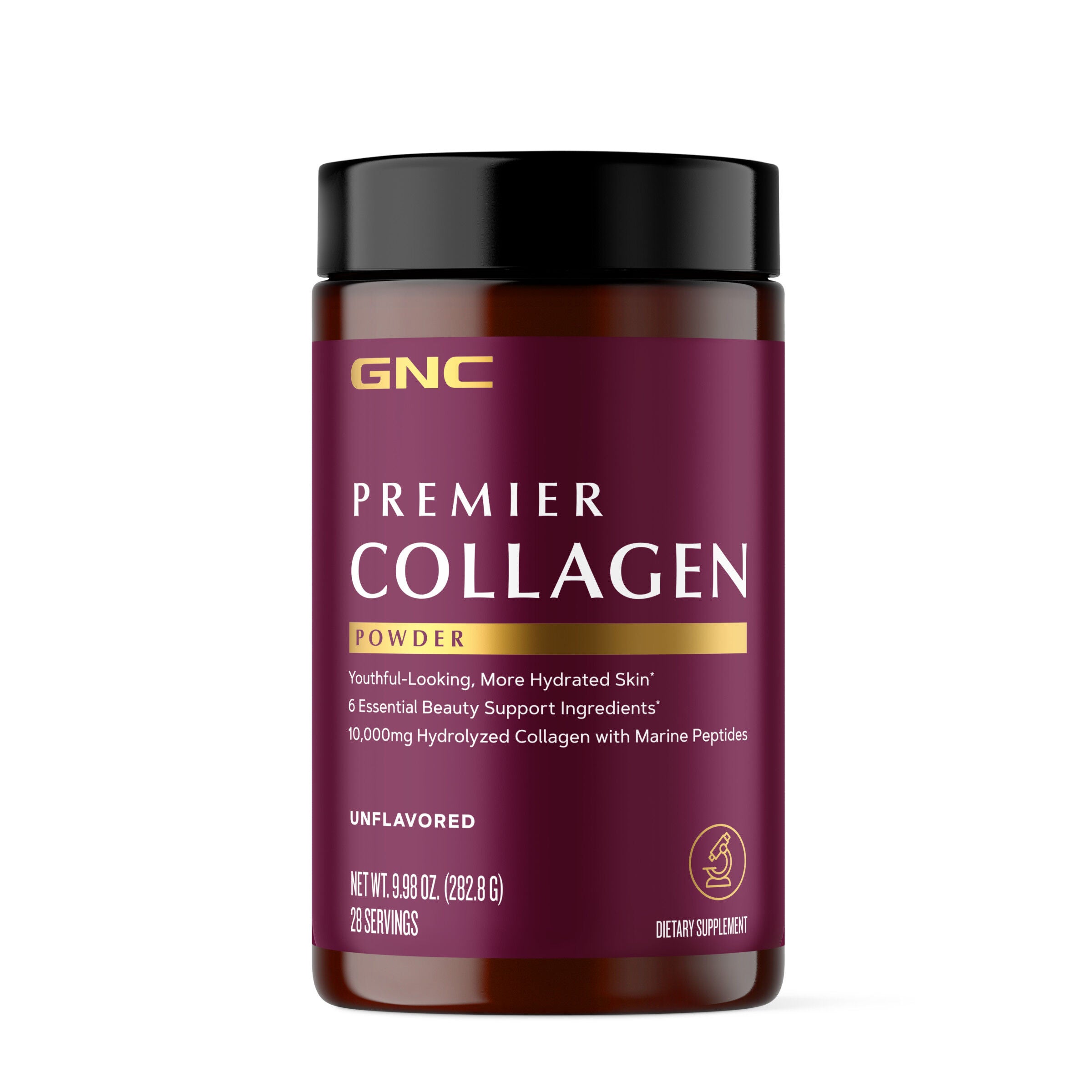
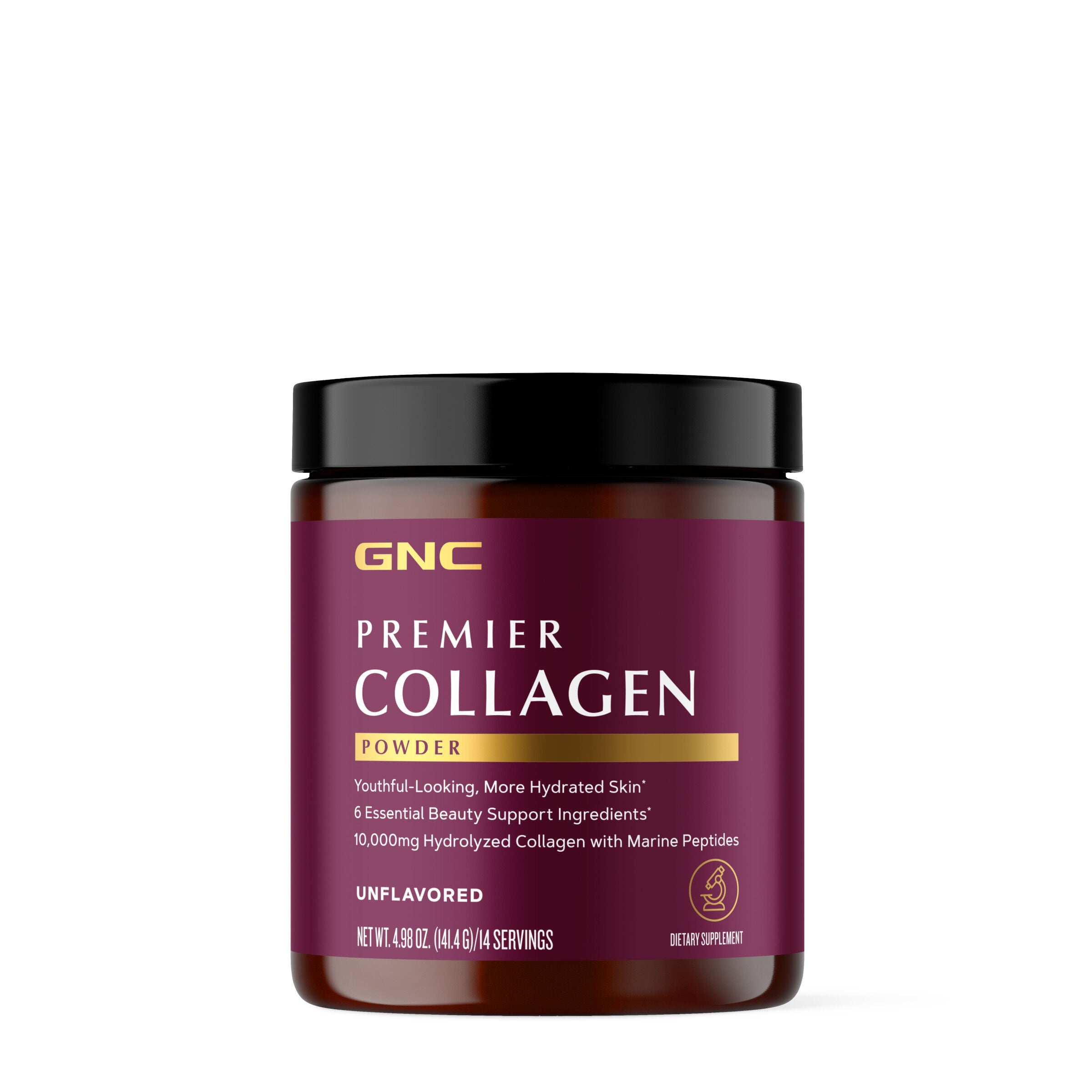
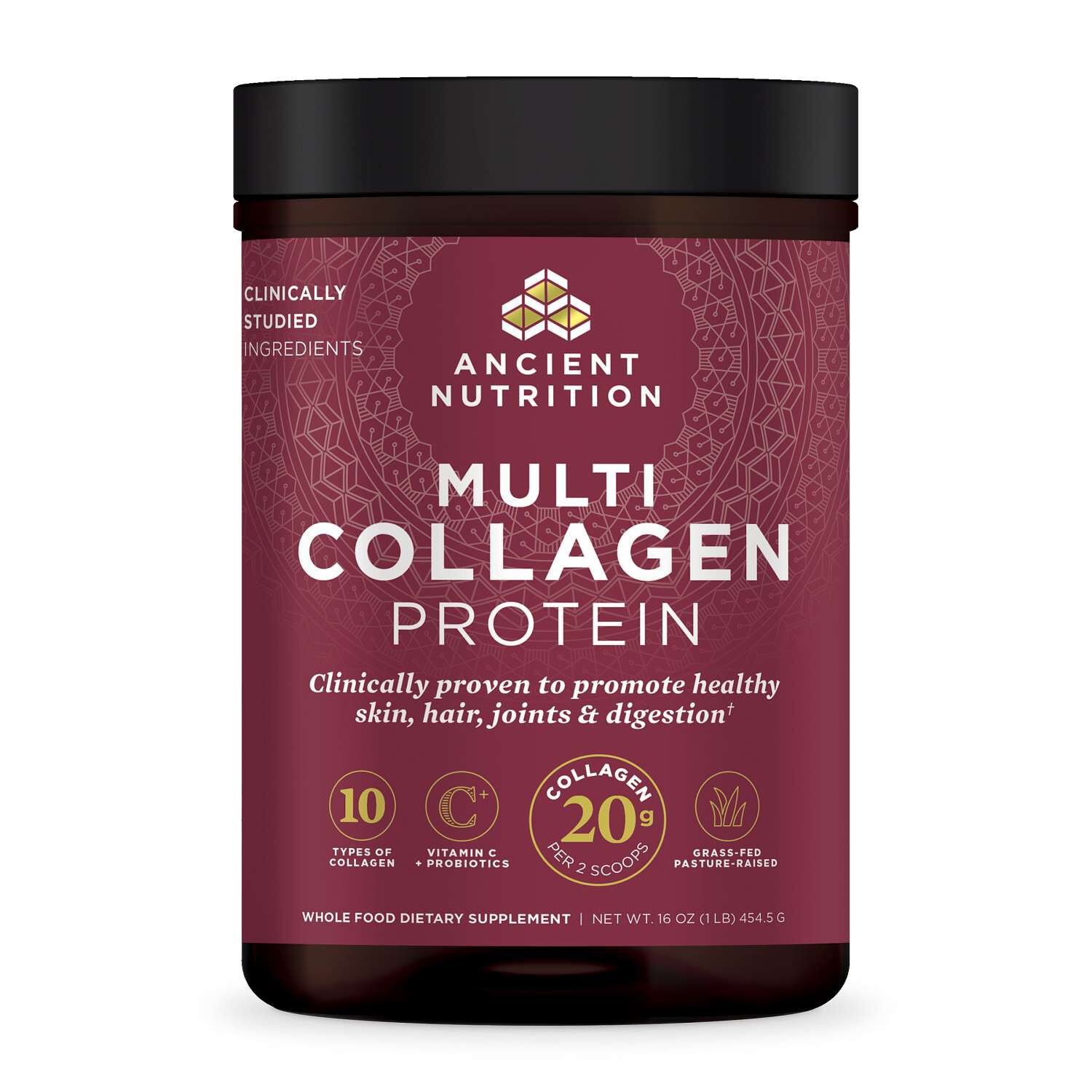
Unflavored collagen hair supplements are collagen-based dietary supplements intended for beauty-focused routines, commonly in powder form for adding to drinks or foods. They may appeal to adults who want to include collagen in their nutrition habits without choosing a fruit, chocolate, or vanilla flavor. The connection to hair deserves some context: hair is made primarily of keratin, a different protein from collagen. Collagen supplements belong to a nutrition routine rather than a topical hair-care routine, and their ingredients, serving directions, and suitability matter more than a beauty-focused name alone. Collagen is an animal-derived protein, with common sources including bovine, porcine, and marine ingredients. Bovine collagen comes from cattle, porcine collagen comes from pigs, and marine collagen typically comes from fish. Some formulas use one source, while others combine several. These distinctions are relevant to dietary preferences, food sensitivities, and personal choices about animal-derived ingredients. Conventional collagen is not vegetarian or vegan, and plant-based products marketed around collagen support are not the same as animal-derived collagen peptides. Hydrolyzed collagen, also called collagen peptides, has been processed into smaller protein fragments. That wording describes the ingredient’s form; it does not establish a particular outcome for hair. Labels may also identify collagen types, though the source and amount per serving remain useful points of comparison. Some formulas contain collagen alone, while others include nutrients such as vitamin C, biotin, or zinc. A short ingredient list may suit someone who prefers a straightforward addition to breakfast, while a blend may appeal to someone seeking several ingredients in one serving. Neither approach is automatically a better fit for every shopper. Unflavored also does not necessarily mean unsweetened or entirely without a detectable taste. Sweeteners, other ingredients, and the collagen source may influence the experience, so the ingredient list provides a more precise picture than the front label. For someone who already uses a multivitamin or another beauty supplement, comparing the listed nutrients across those products is a practical part of understanding what each serving contains.
The appeal of an unflavored powder is often its flexibility within familiar food and drink routines. A person who enjoys coffee with breakfast may prefer a powder that might blend into that existing habit, while someone who regularly makes smoothies may favor a format intended for blending with fruit, yogurt, or another preferred base. Unflavored does not mean that every formula will behave identically in every recipe. The amount of powder, the liquid used, preparation temperature, and stirring or blending method may all affect texture and how noticeable the ingredient becomes. Plain water offers little flavor to mask the powder’s own character, whereas a banana-and-oat smoothie has a more substantial flavor and texture. Coffee, oatmeal, and yogurt present different mixing conditions, making the suggested uses on the label especially relevant. Some powders may disperse with ordinary stirring; others may need more mixing or work better in a particular type of food or beverage. A smaller amount of liquid used for initial mixing may help with an even texture when the product’s directions allow that approach. For shoppers whose routine centers on blended drinks, Unflavored Collagen Powders For Smoothies is a related selection focused on that preparation style. A strawberry smoothie, a spoonable yogurt bowl, and a simple morning drink each create a different setting for the same general supplement format. The most suitable choice may be the one that fits a recipe already enjoyed rather than requiring an entirely new eating routine. A powder with no added flavor may also suit households where individual preferences differ, although each person still needs to consider the ingredient source and serving directions. Preparation details deserve attention alongside nutrition details: a scoop size is not interchangeable across formulas, and the stated serving may involve more than one scoop. The label’s measurement and mixing directions provide the reference for portioning. Collagen contributes protein, but it has a different amino acid profile from many other protein sources, so comparing powders involves more than looking at the protein amount alone.
Everyday fit also includes packaging, storage, and the practical details of using a powder repeatedly. A resealable pouch or lidded container may suit a home breakfast station, while individual serving packets may be convenient for an office drawer or travel bag. The distinction is less about the appearance of the package and more about where the supplement will be prepared, whether measuring is practical, and how the opened product will be stored. A wide opening may make a scoop easier to reach, while a compact package may occupy less cabinet space. A dry measuring utensil and a securely closed package help keep moisture out; storage directions and the date printed on the package remain important references. Powder is not a durable accessory, so care centers on protecting its condition rather than maintaining a surface or fabric. Steam from a nearby mug, a damp spoon, or an open container beside the sink introduces moisture that does not belong in the package. Keeping preparation and storage separate may make the routine tidier, especially in a busy kitchen. The amount of collagen in the stated serving is another useful detail, because container size alone does not describe how much each portion contains. Ingredient sourcing, allergen statements, and any documented testing information may also influence a shopper’s choice. Fish-derived ingredients warrant particular attention for someone who avoids fish, and a collagen blend may contain more than one animal source. For gifting, these supplements are most appropriate when the recipient has already expressed interest in collagen and their dietary preferences are known; a supplement is a more personal choice than a general kitchen accessory. Adults with an established smoothie or breakfast routine may find the unflavored format practical, while others may prefer a different format altogether. Hair-care preferences vary just as much as food preferences, and an unflavored collagen supplement does not replace grooming products, a varied eating pattern, or other familiar parts of personal care. A thoughtful match rests on clear labeling, suitable ingredients, manageable preparation, and a format that may fit comfortably into the recipient’s or shopper’s everyday habits.
Best Sellers
-
Ancient Nutrition
-
Vital Proteins