





Unflavored Fitness Liquids
(0 Results)
Unflavored fitness liquids offer a versatile option for those looking to support their nutrition and wellness routines without added taste. Perfect for mixing into your favorite beverages or recipes, these products may blend seamlessly into any lifestyle. Explore a range of unflavored fitness liquids designed to fit your unique goals while keeping things simple and straightforward.
-
 $29.99
-

-
-
-
-
 $36.99
-
 $24.99
-
 $27.99
-

-

-

-
-
-
-

-
-

-
-
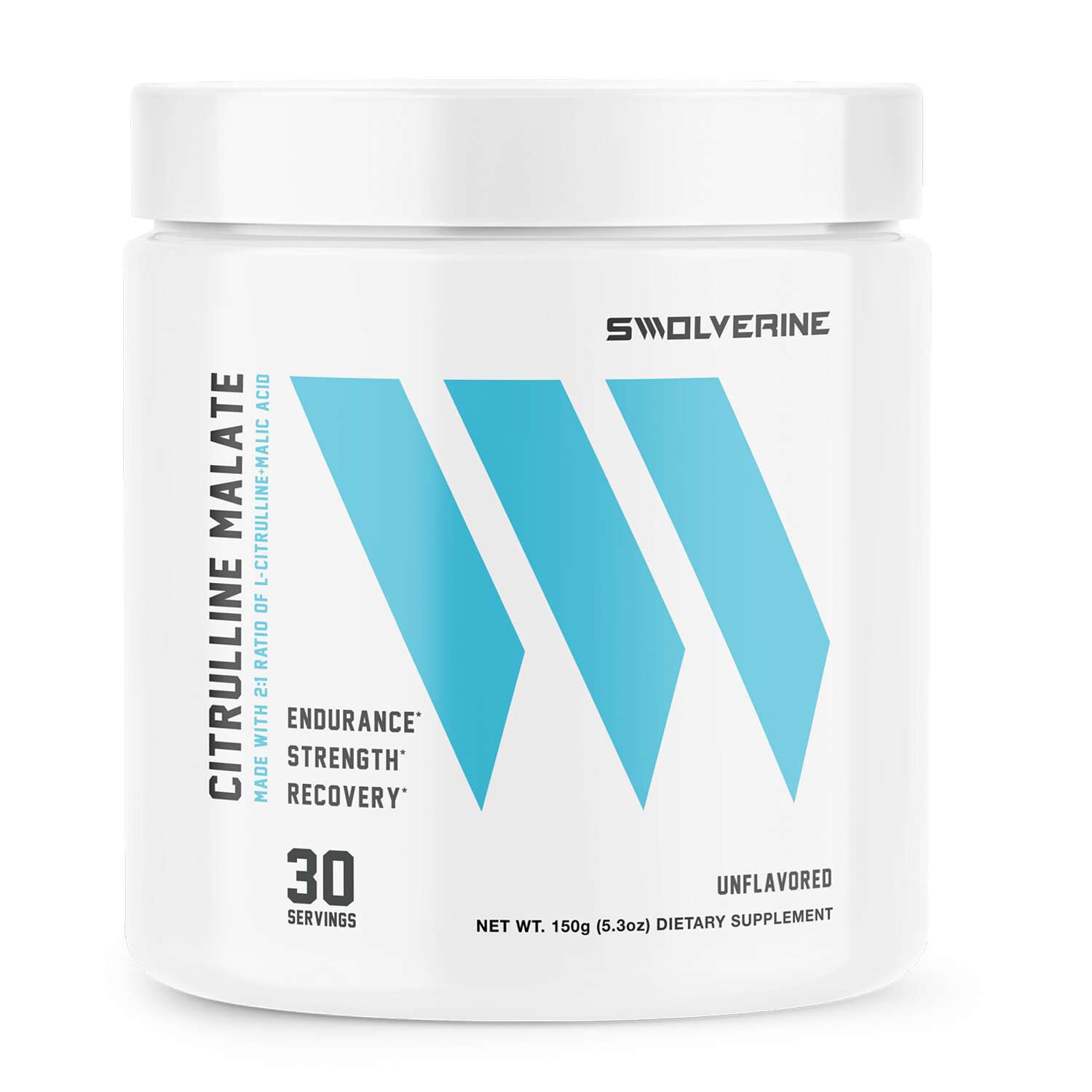 Swolverine$24.99
-
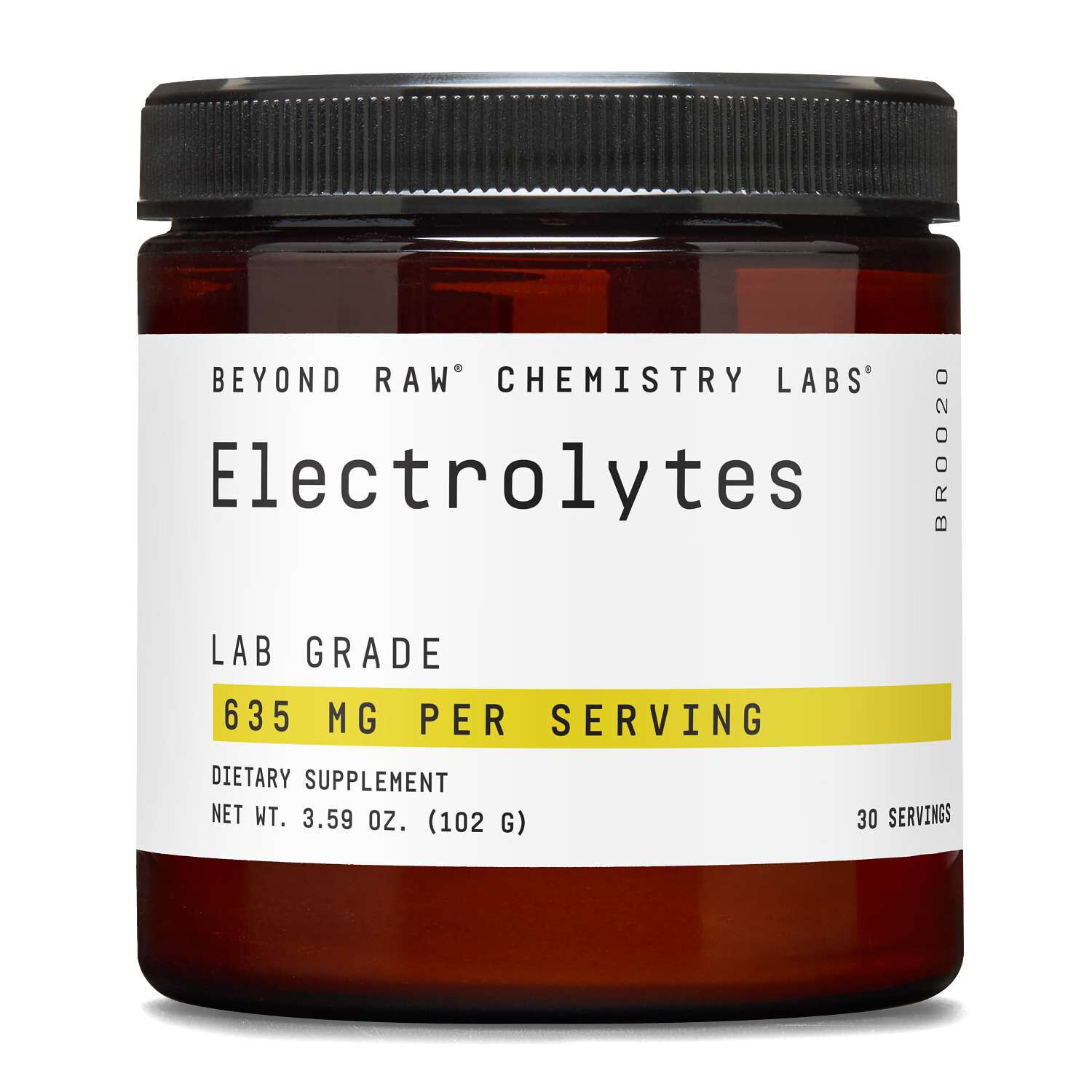 Beyond Raw$24.99
-

-
 Angry Supplements$34.99
-
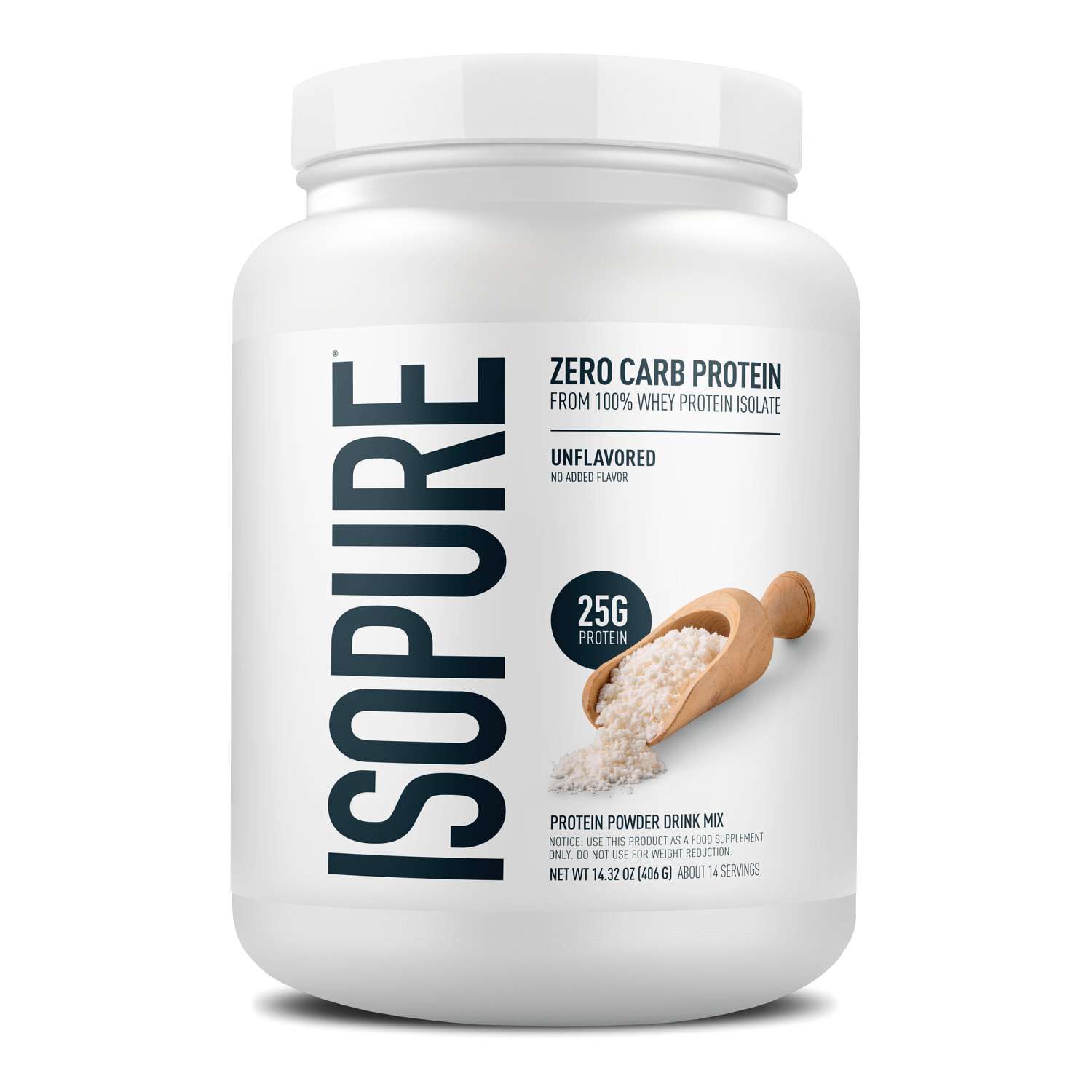
-

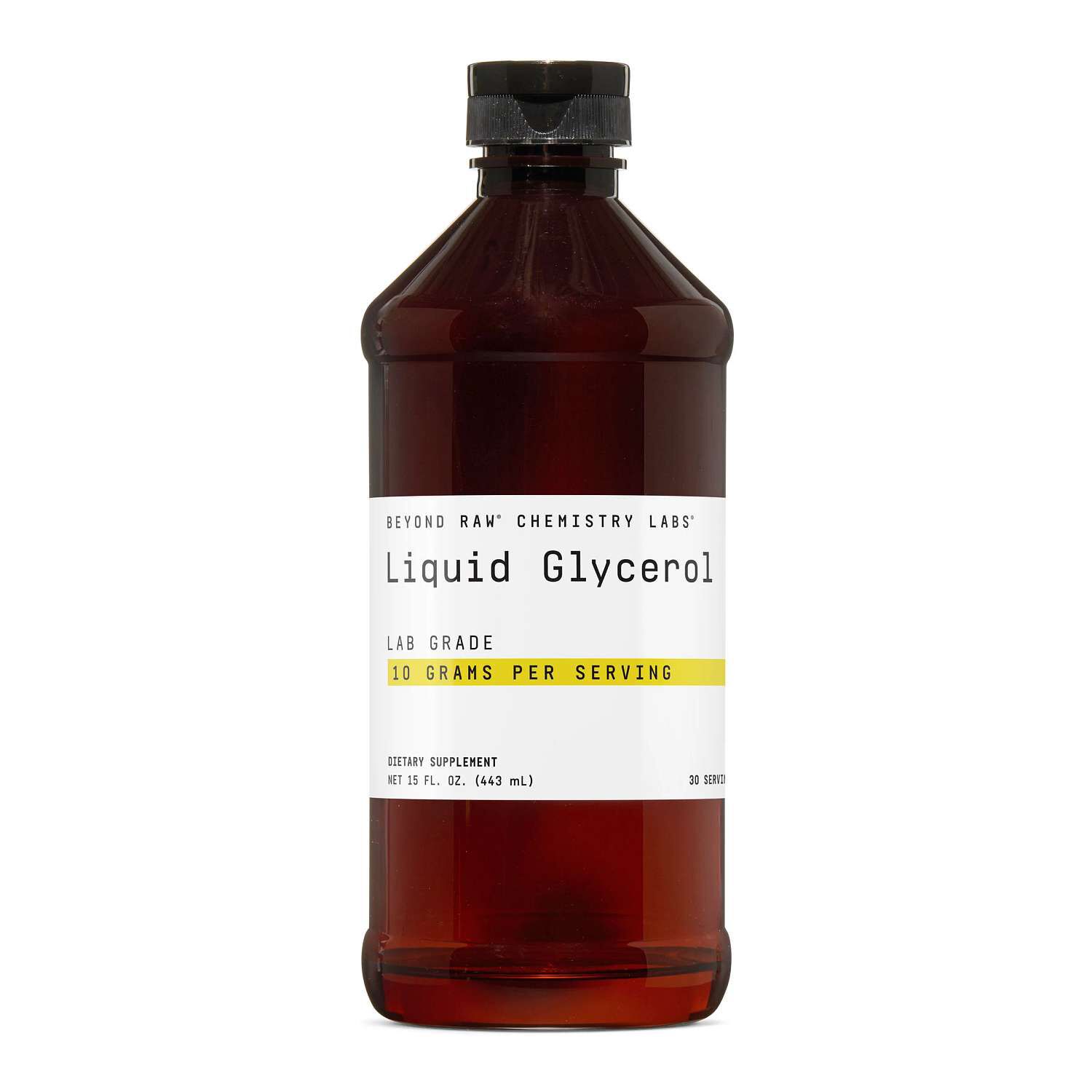
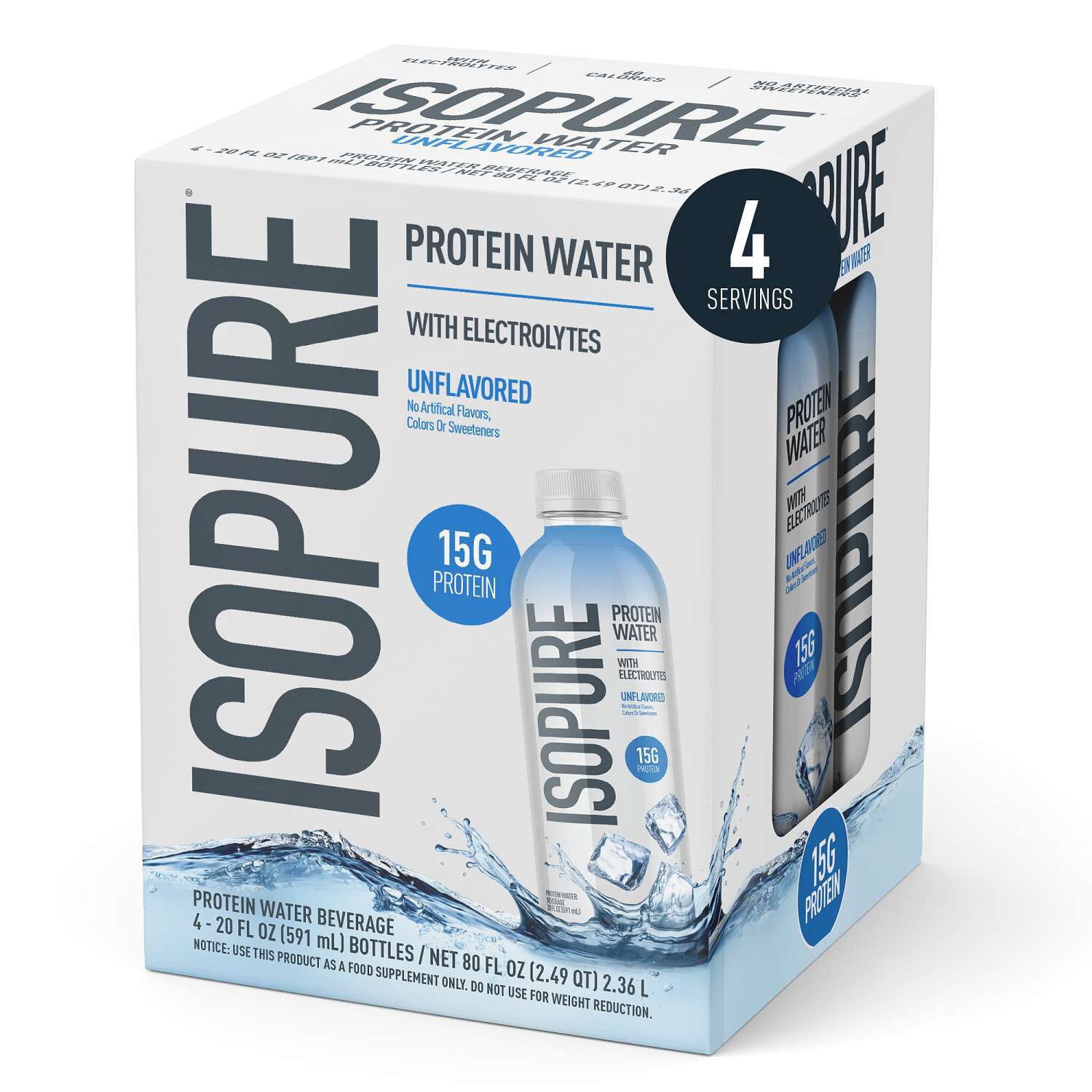
Unflavored fitness liquids are liquid supplements and beverage additions designed for active routines without an added flavor profile. The category includes formats such as concentrated drops, measured liquid servings, and ready-to-drink beverages, with ingredients and intended uses that vary by formula. Some focus on electrolytes, while others contain amino acids or other nutrients associated with sports nutrition. Their common thread is the absence of a named flavor such as berry, citrus, or chocolate, rather than a shared ingredient list or nutritional purpose. For someone who prefers plain water during a strength session, an unflavored liquid may offer a more understated option than a strongly flavored sports beverage. A person who already enjoys a particular shake might prefer a neutral addition instead of another competing taste. Unflavored does not necessarily mean tasteless, however. Minerals and other ingredients may contribute a salty, bitter, or slightly tangy note, especially in concentrated formulas. The beverage used for mixing and the amount specified on the label both matter to the finished drinking experience. Unflavored also does not automatically mean unsweetened, without sugar, or made without colors; those are separate characteristics described by the ingredient list and nutrition information. This distinction matters for shoppers seeking a particular taste, texture, or ingredient profile. A clear-looking liquid and a cloudy formula might both belong in this category, and appearance alone does not establish their nutritional content. The appeal is often flexibility: a measured addition to a familiar beverage, a bottle that fits an established gym routine, or a liquid format for someone who prefers it to capsules or powders. Runners, recreational lifters, cyclists, and people who move between several kinds of exercise may all have reasons to consider the format. The relevant comparison is not simply whether a liquid is unflavored, but how its composition, preparation, and serving format match the way it will be used.
Ingredient information gives unflavored fitness liquids their most useful context. Electrolyte formulas commonly feature minerals such as sodium, potassium, or magnesium, but the amounts and combinations are not interchangeable. A concentrated mineral liquid and a ready-to-drink beverage can have very different serving sizes even when their front labels use similar language. Nutrition information is most meaningful when read alongside the labeled serving size and preparation directions, rather than compared by bottle size alone. A small container might hold numerous measured servings, while a larger bottle might be intended for a single occasion. For concentrated formats, the suggested amount of mixing liquid is another important part of that comparison. A few drops, a measured capful, and a larger liquid serving are distinct delivery methods, not equivalent quantities. Formulas containing protein or amino acids also deserve a separate look from products centered on minerals, since they represent different nutritional choices. Protein source, the amount per serving, and any accompanying carbohydrate or fat belong in that assessment. Ingredient preferences extend beyond the featured nutrients to sweeteners, preservatives, colors, and other components used in the formula. Allergen information matters for shoppers with ingredient restrictions, and an unflavored label alone does not answer questions about milk, soy, or other sources. Texture is another consideration: some liquids are thin and waterlike, while others may have more body or leave a noticeable finish. Someone drinking between sets might prefer a different consistency than someone adding a measured serving to a shake after training. The rest of the beverage matters, too, because a mixer can contain its own sugar, protein, minerals, or sweeteners. Taken together, these details describe what is actually going into the bottle. They also keep comparisons grounded in the formula rather than assumptions about neutral flavor, clear appearance, or the word “fitness” on the label.
Everyday handling is another practical part of choosing among unflavored fitness liquids. Packaging shapes the experience from the first measured serving to the last: a dropper, dispensing opening, or marked cap provides a different way to portion a liquid, and a secure closure matters when a container travels in a gym bag. Clear measurement markings and readable preparation directions are useful details for an early workout or a quick stop between work and training. Container dimensions matter as well, particularly when a bottle needs to fit beside shoes, a towel, and a shaker rather than occupy a separate compartment. For a concentrated liquid, the carrying setup may also include the drink bottle used for mixing; a ready-to-drink format has a different preparation routine. Bottle material and closure design deserve attention for repeated handling, while the package’s storage and care directions remain the reference for use after opening. Some formulas have specific refrigeration, shaking, or handling instructions, so identical storage habits are not appropriate for every liquid supplement. Keeping the original label legible also preserves access to serving information, ingredients, and the date printed on the package. A gym-bag bottle that is easy to carry still needs a routine that matches those directions. For shoppers comparing liquid and dry formats, Unflavored Muscle Endurance Powders presents a related category with its own preparation and storage considerations. Powder generally involves measuring a dry serving and mixing it into a beverage, while liquid formats range from concentrated additions to drinks prepared for direct consumption. Neither format establishes an ingredient profile on its own, and serving information remains central to a meaningful comparison. A home shake station, a desk drawer, and a frequently packed training bag each place different demands on preparation and storage. Within an unflavored fitness routine, the most relevant details are the formula, the labeled use, the taste and texture preferences of the person drinking it, and the practical fit of the container.
Best Sellers


Related Pages


Top Collections
- Joint Mobility Supplement Packs
- Zinc Supplements | Top Brands at Great Prices | GNC
- Supplements For Yoga Joint Flexibility
- Supplements For Balance
- Capsule Supplements For Energy And Stamina
- Iron Supplements
- Supplements For Anxiety Relief Support
- Vitamins For Hair Loss
- Cortisol Supplements
- Adult Mobility Supplements