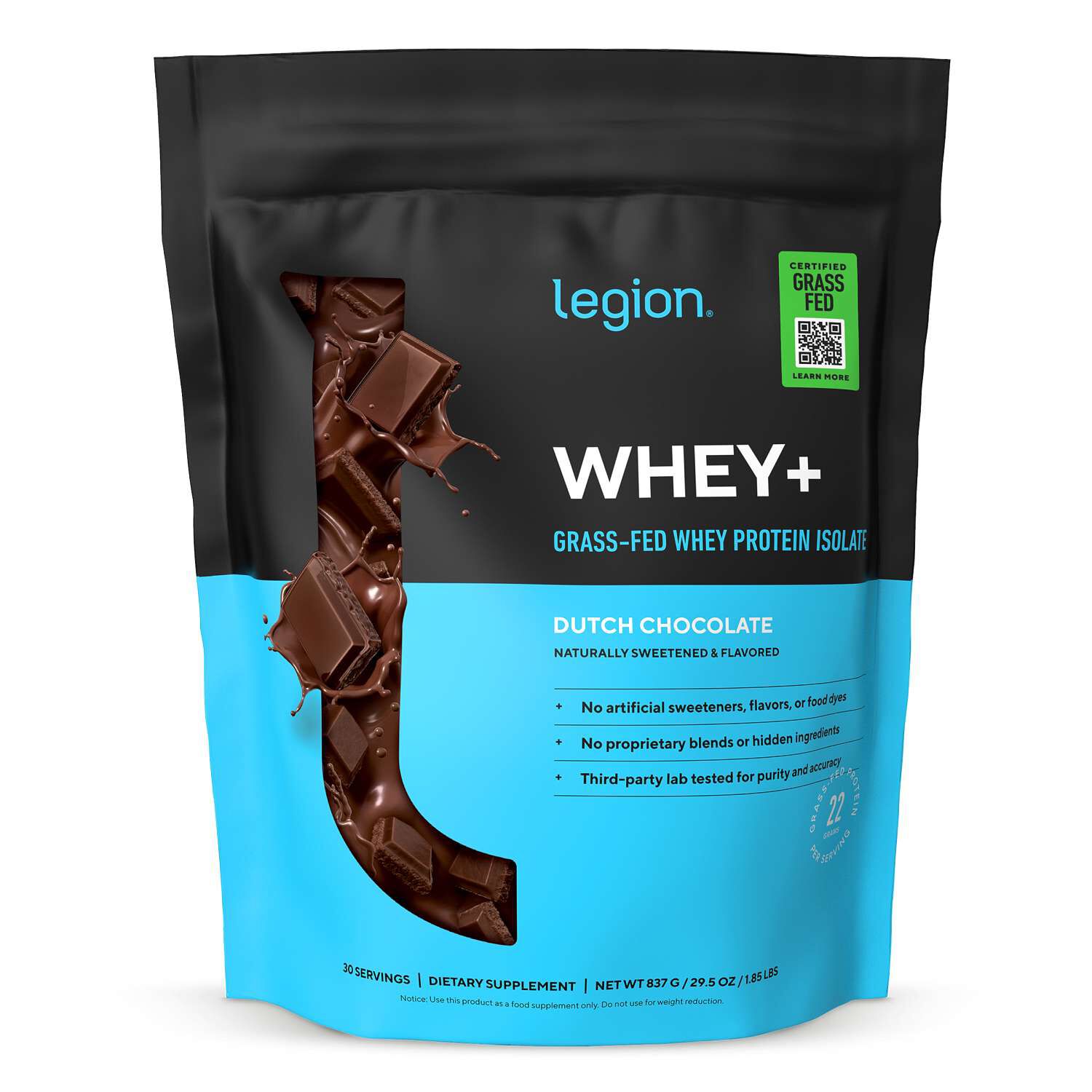
Protein Powders With Added Creatine
(0 Results)
Protein powders with added creatine could be an excellent choice for those looking to support their fitness goals and daily nutrition. These convenient blends may offer a simple way to incorporate both protein and creatine into your routine, which might help with muscle recovery and overall performance. Explore a variety of options to find the right fit for your lifestyle and preferences, whether you’re focused on strength training, endurance, or general wellness.
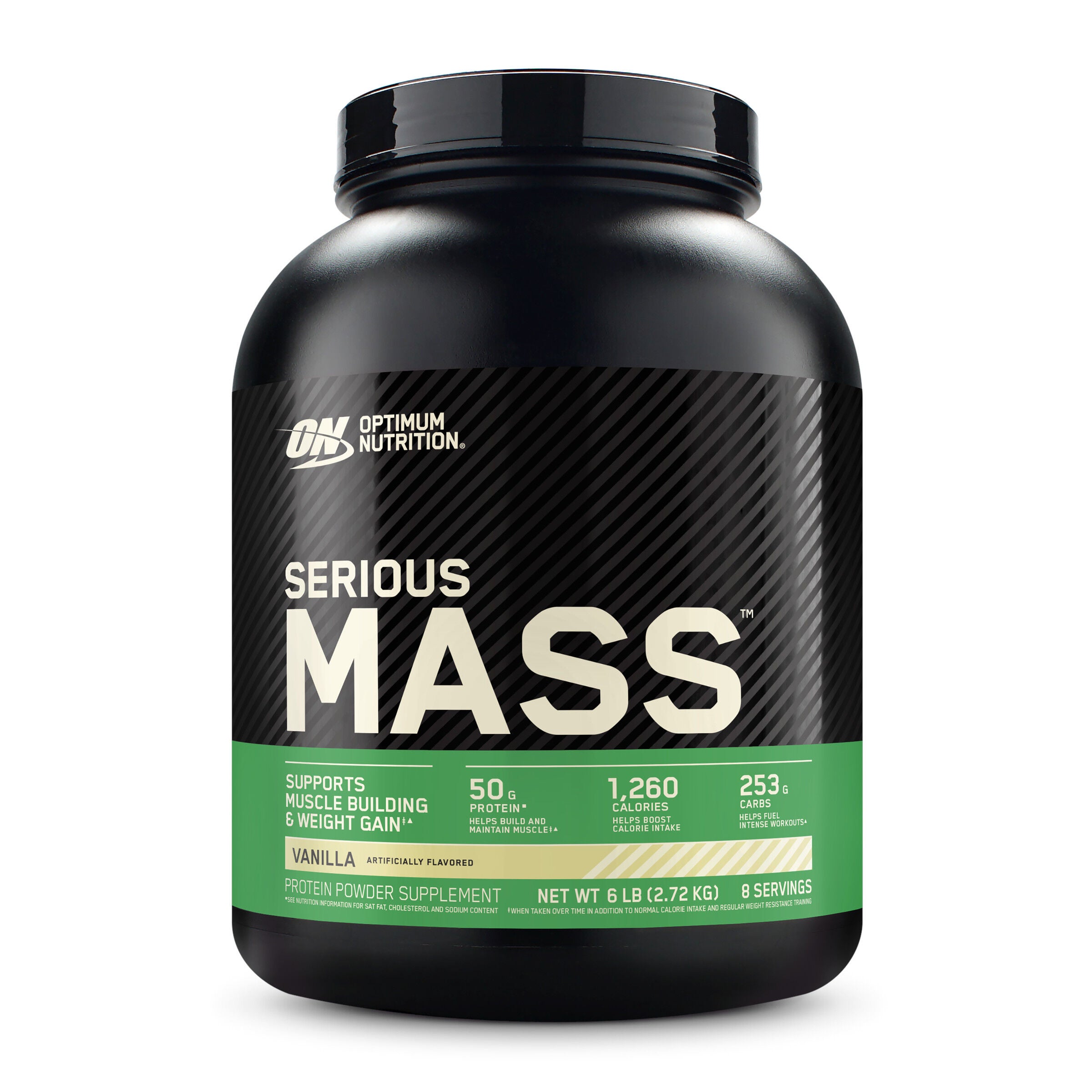


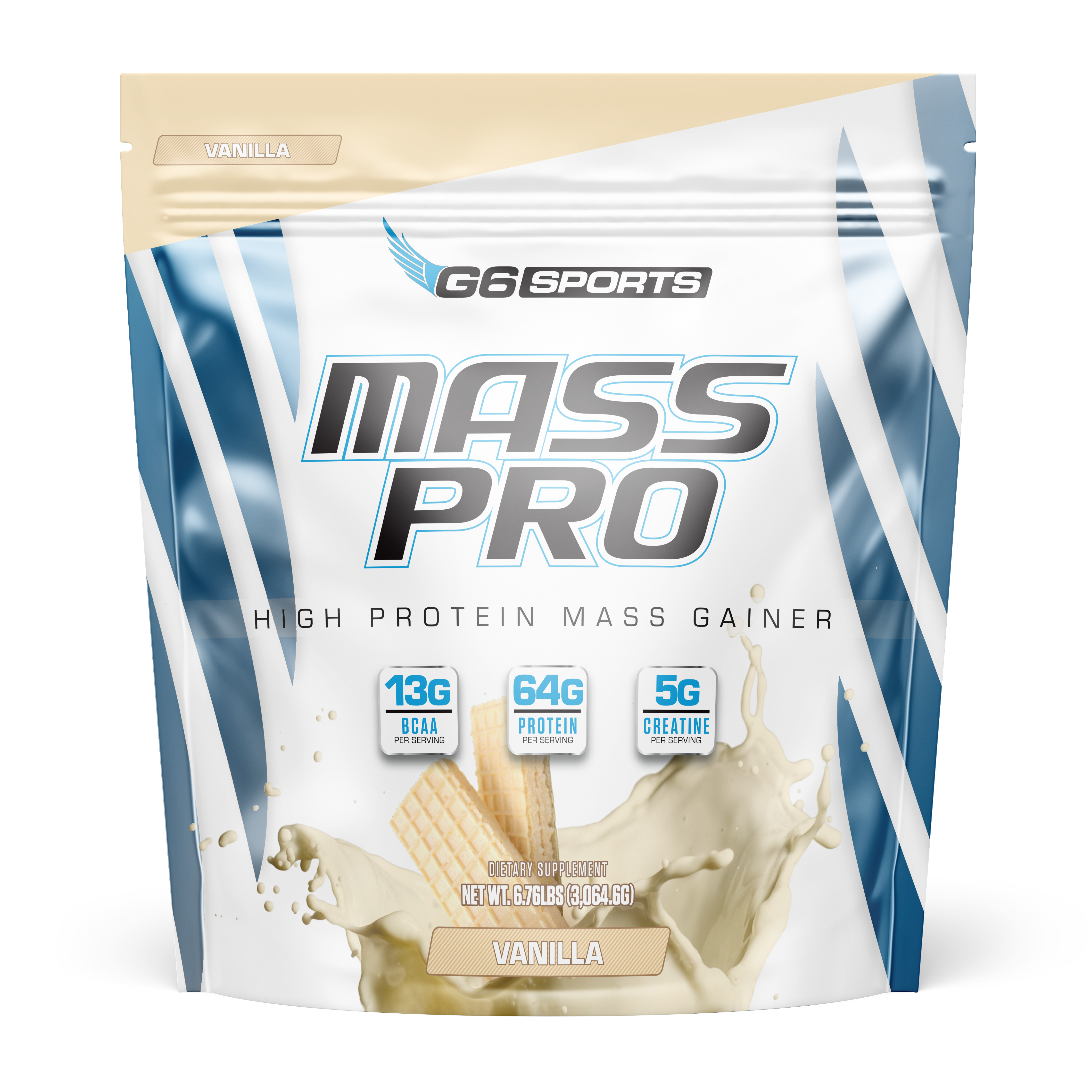

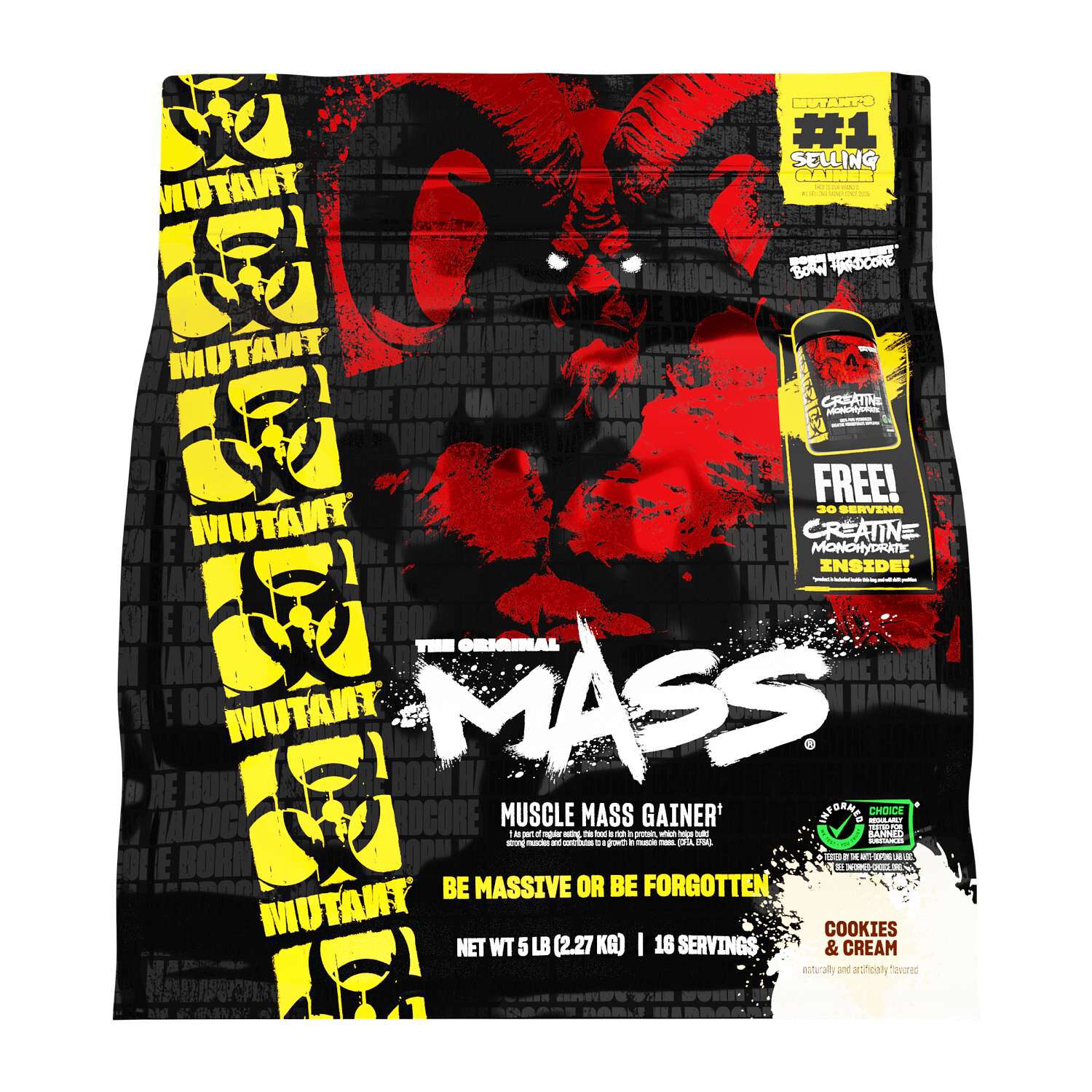


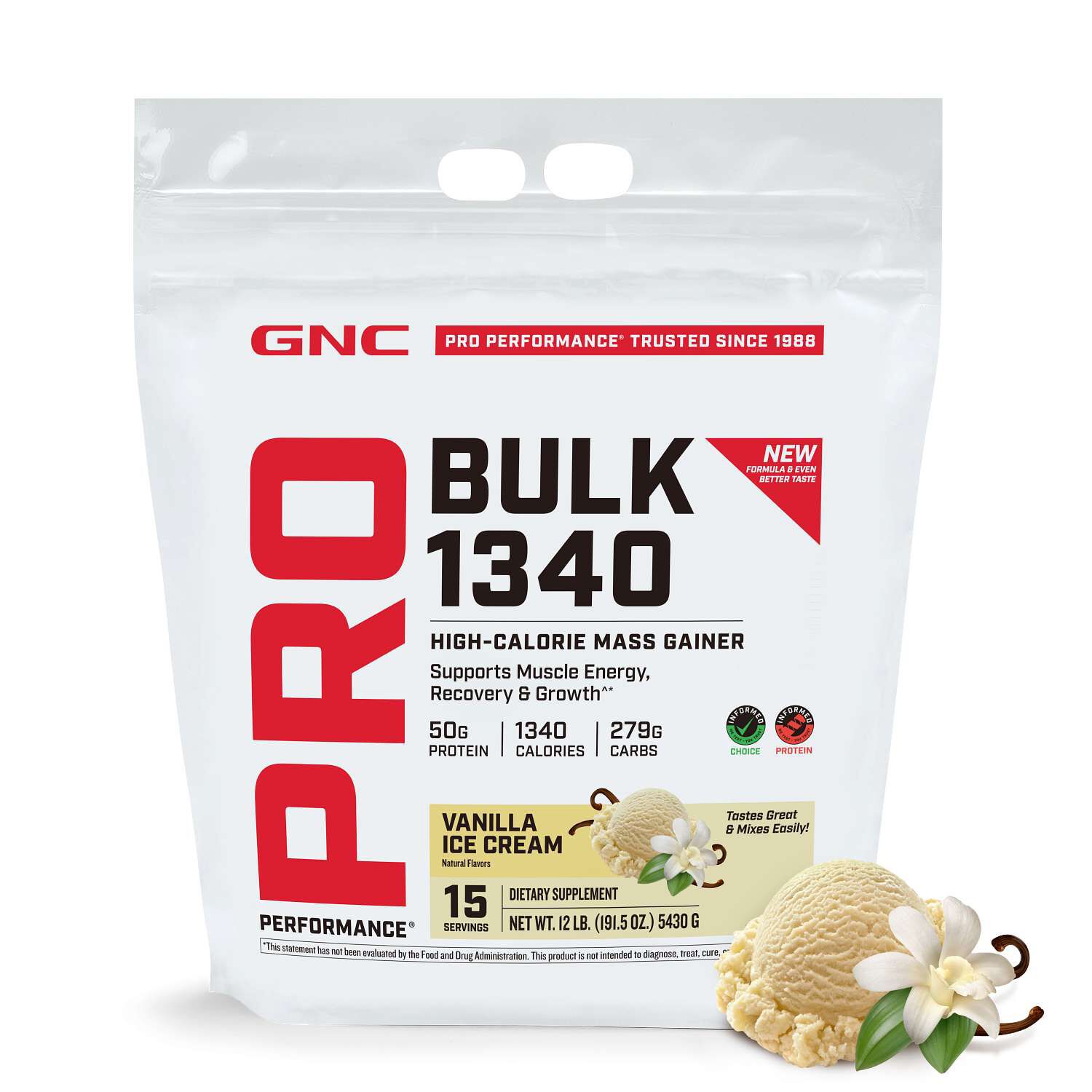
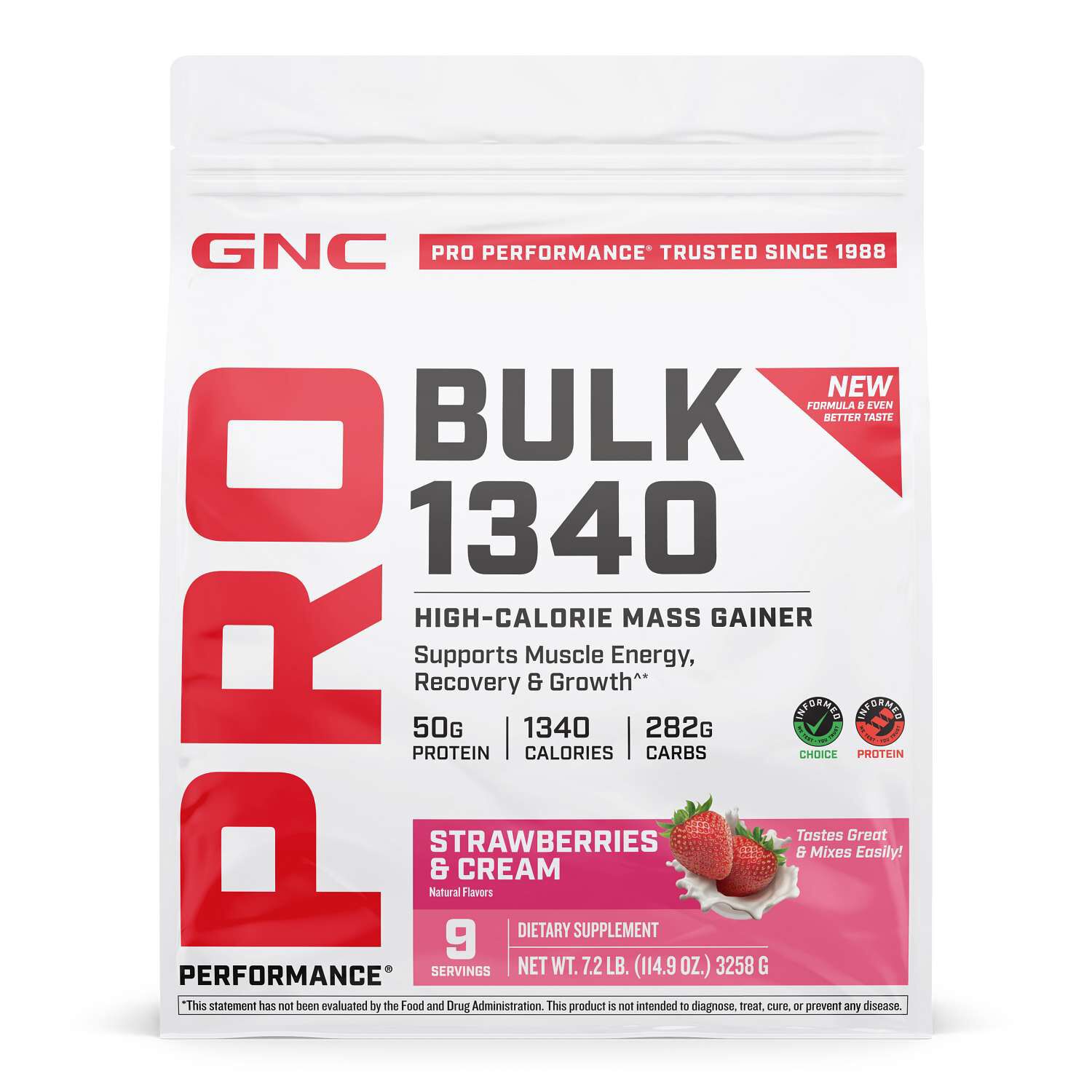


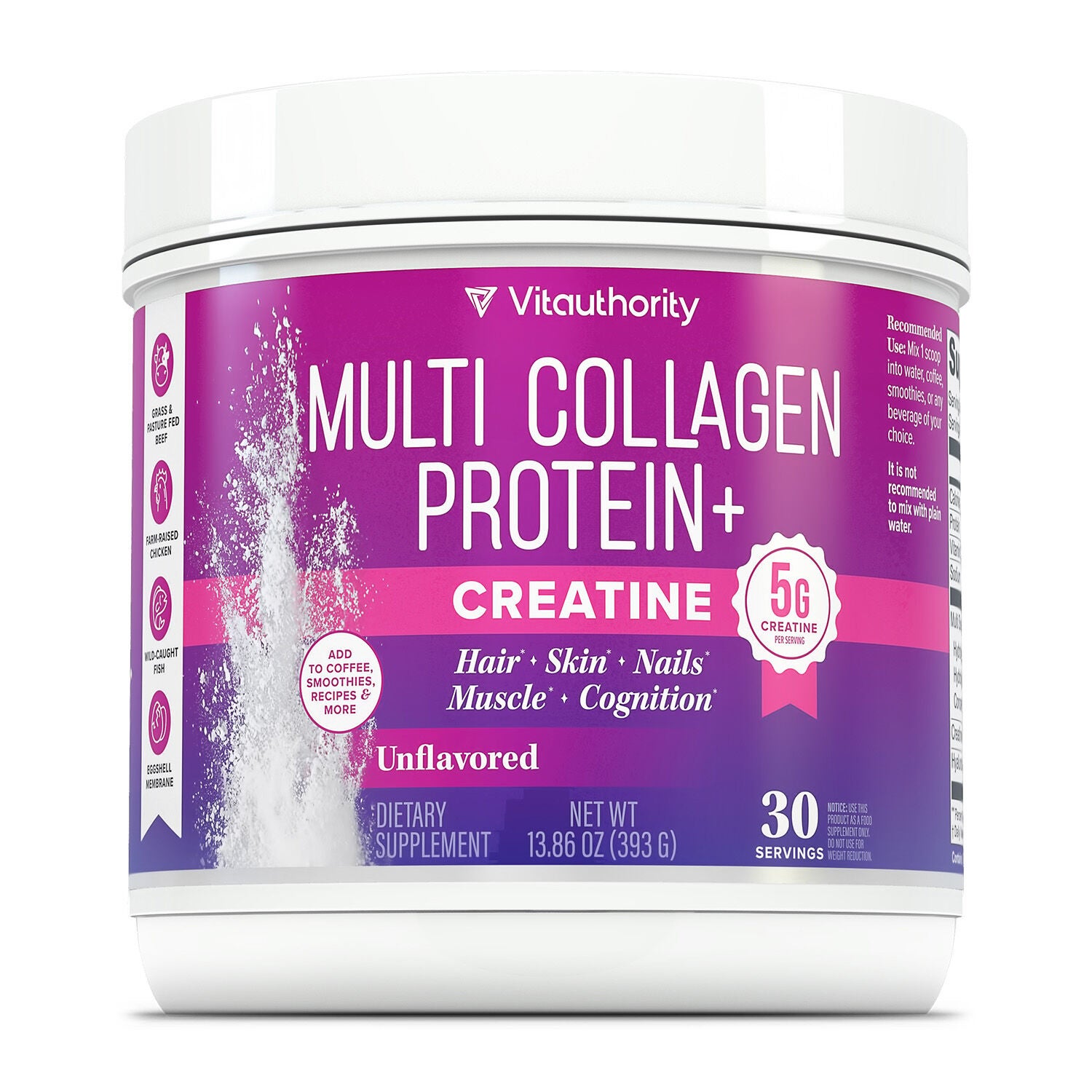
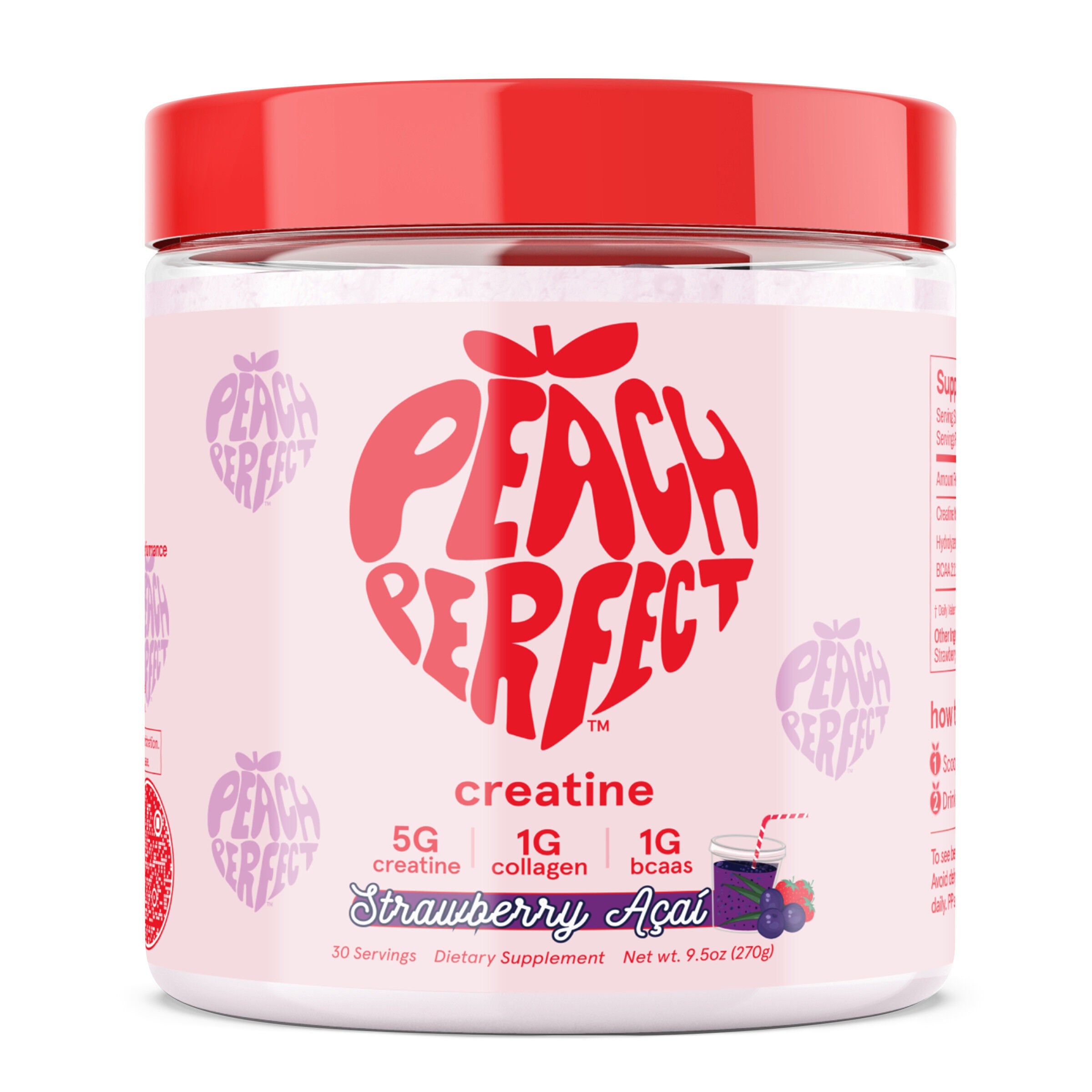

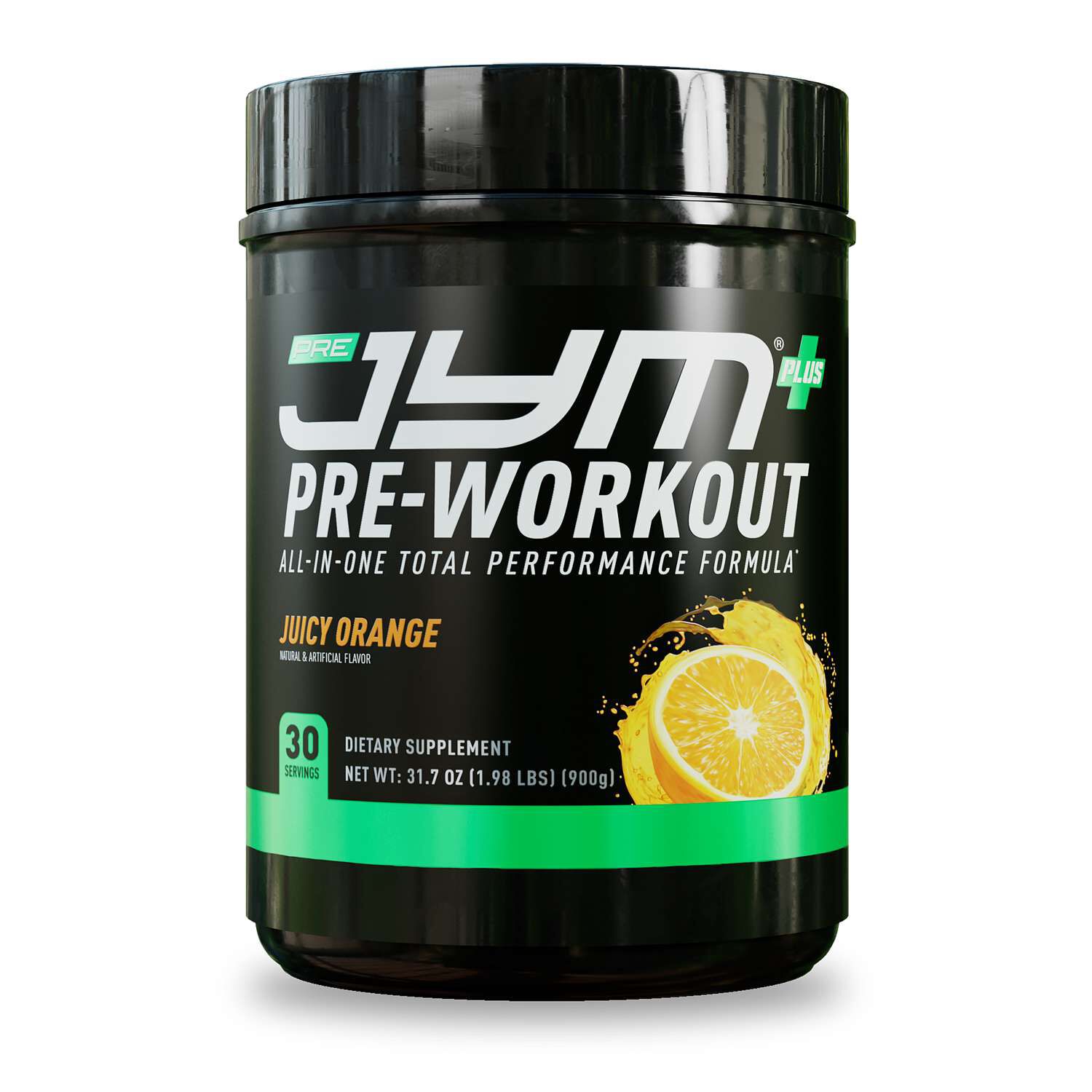
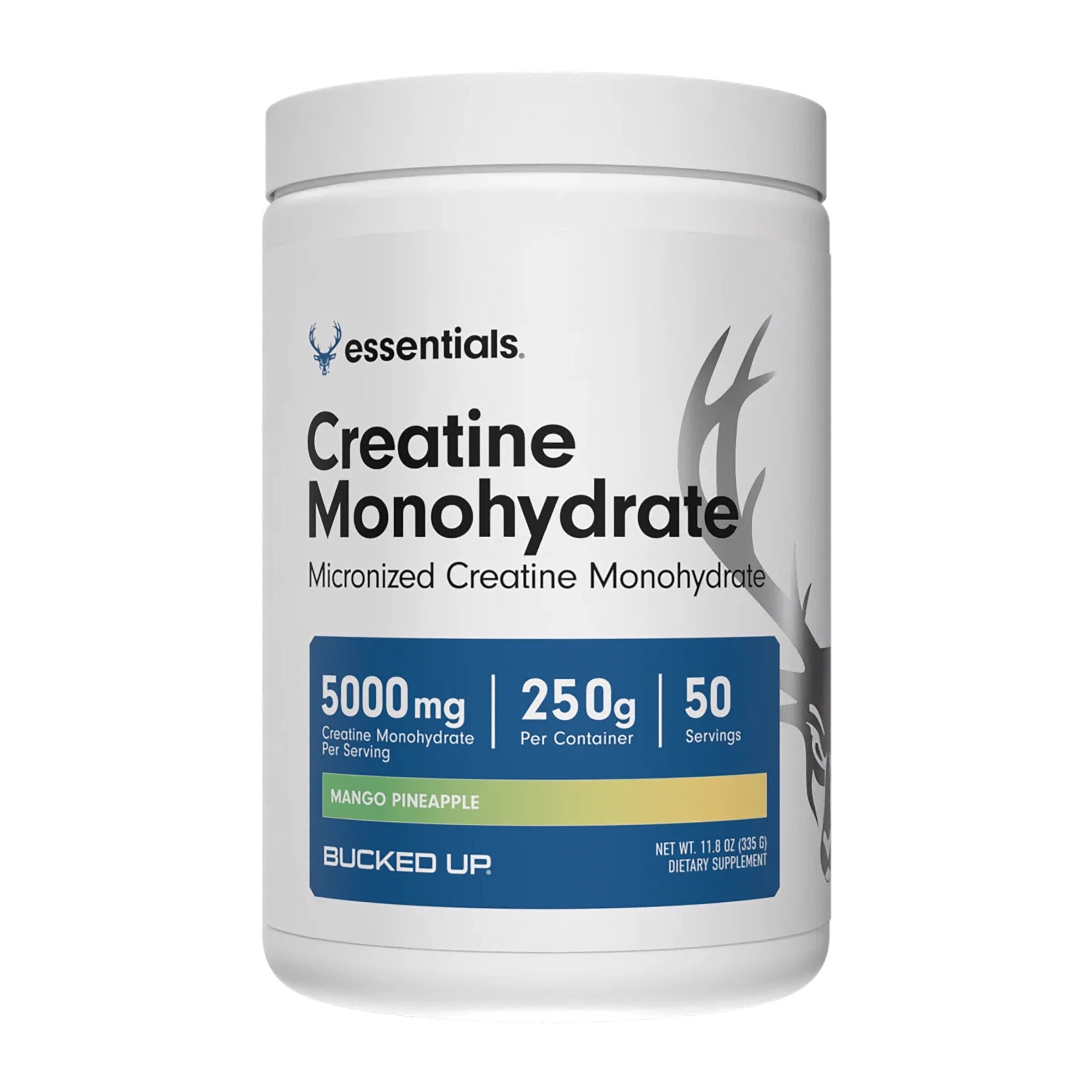
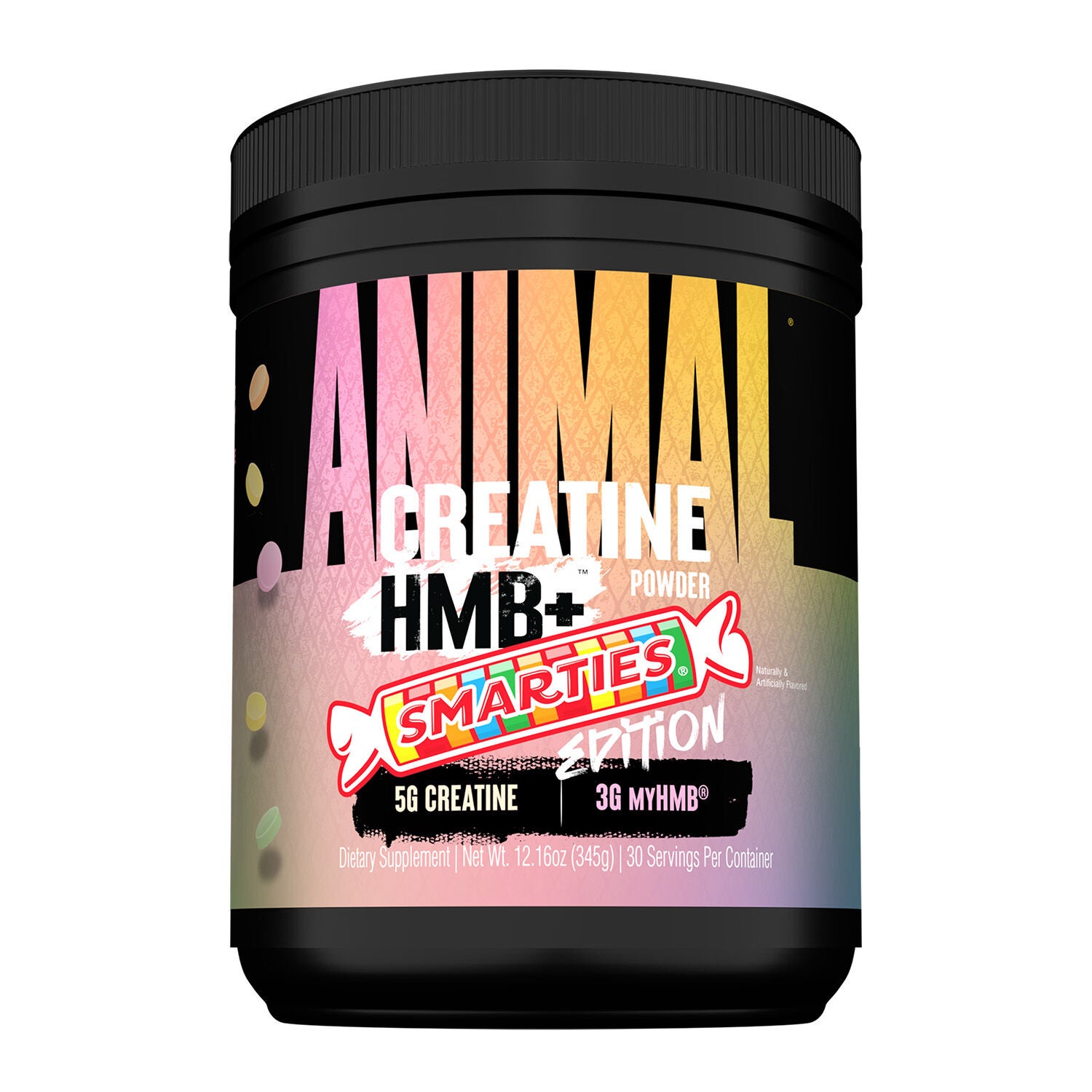
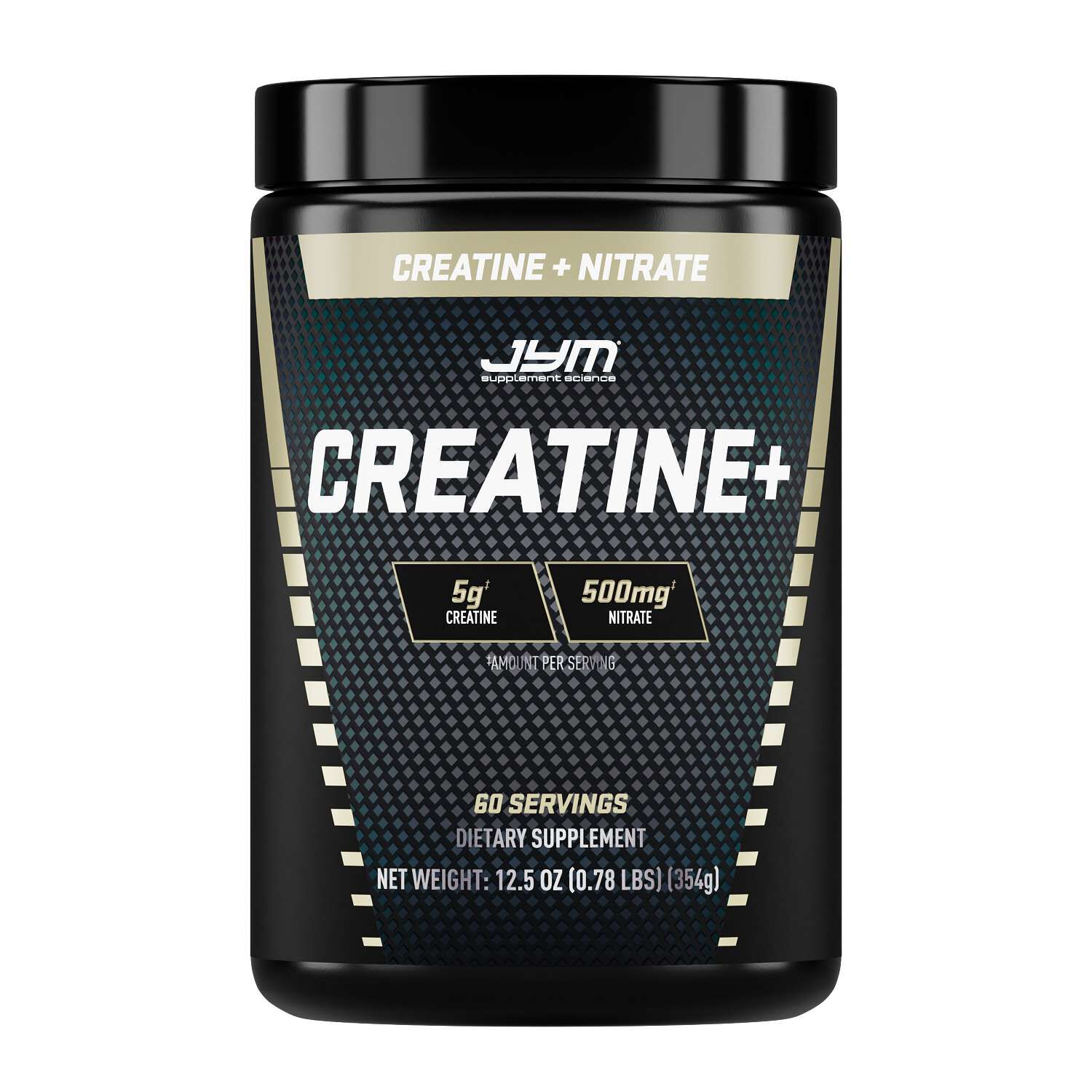
Protein powders with added creatine combine a protein source and creatine in one powdered supplement, bringing two familiar sports-nutrition ingredients into the same serving. These blends may support muscle-building goals, strength training, and recovery after exercise, depending on the formula and how it fits into an established routine. Protein supplies amino acids, while creatine is a separate ingredient commonly associated with resistance training and repeated, short bursts of demanding exercise. Creatine may support performance during activities such as lifting weights or sprinting; it is not another type of protein, and its amount is listed separately when the label provides that detail. The distinction matters when comparing formulas: a serving with more protein does not necessarily contain more creatine, and a larger scoop does not automatically mean a larger amount of either ingredient. Protein sources may include whey, casein, pea, rice, or combinations of sources, while creatine monohydrate is a common form of added creatine. Some powders keep the ingredient list relatively short, while others include carbohydrates, flavoring ingredients, sweeteners, or additional sports-nutrition components. Those differences shape the character of the formula, from a straightforward shake to a richer blend with a more substantial nutritional profile. For someone who already uses both protein and creatine, a combined powder may make preparation simpler by placing both ingredients in one container. That convenience comes with a practical distinction: the ratio of protein to creatine is set by the formula rather than adjusted independently. Comparing the stated serving size, protein grams, creatine amount, and directions gives a clearer picture than judging by the front label alone. A combined formula also differs from a package containing separate protein and creatine products, since the ingredients are already blended together. These powders are intended as additions to an eating and training routine, not substitutes for the variety of foods in regular meals. Their appeal is often a combination of ingredient preferences, fitness goals, and the practicality of preparing a shake that fits into an ordinary day.
The protein source is one of the most noticeable differences among protein powders with added creatine, particularly for shoppers with established preferences around dairy or plant-based ingredients. Whey comes from milk and appears in forms such as concentrate and isolate; blends may contain more than one form. Their protein content, accompanying carbohydrates and fats, and ingredient lists differ by formula, so the source name alone does not describe everything inside the container. Shoppers interested in milk-derived formulas can also explore Whey Protein Powders With Creatine for a more focused selection. Plant-based formulas may use pea protein, rice protein, or a combination of plant sources, with their own flavors and textures. Across either category, taste is a practical part of choosing a powder for repeated use. Chocolate may suit someone who enjoys a cocoa-forward shake after a gym session, while vanilla offers a familiar flavor alongside ingredients such as bananas, oats, or yogurt. An unflavored formula has a different role, particularly when the shake already contains strongly flavored ingredients. Sweetness, aroma, thickness, and the way a powder mixes can matter as much to the everyday experience as the protein source. A formula prepared with water may taste lighter than the same powder prepared with milk or a plant-based beverage, and the liquid contributes its own ingredients and nutritional content. A shaker bottle suits a straightforward powder-and-liquid serving, while a blender accommodates fruit, oats, and other additions. Preparation directions provide the starting point for liquid amounts and mixing methods, since powders vary in their consistency. For the person heading from the weight room to work, portability and a familiar mixing routine may be especially useful. For someone training at home, a countertop blender and a preferred flavor may be more relevant. Neither setting calls for the same texture or preparation style, which is why ingredient preferences and everyday habits belong alongside nutritional details when comparing these formulas.
The best fit also depends on how clearly a powder’s label aligns with the shopper’s existing routine. Serving size, servings per container, protein grams, added creatine, carbohydrates, fats, and added sugars all describe different aspects of the formula. A scoop is a measuring tool rather than a universal serving unit: one powder may specify one scoop, while another uses a different scoop size or more than one scoop per serving. When creatine appears within a blend without a separately stated amount, the label may offer less detail for comparing that ingredient across formulas. Milk and other allergen information, sweetener choices, and the presence of additional ingredients are also relevant, especially when a shopper has particular dietary preferences. Any testing or certification marks are worth reading for their stated scope rather than treating different marks as interchangeable. Beyond the label, container design and storage are practical considerations for a product opened repeatedly. A tub with a secure lid or a pouch with a resealable closure needs to be closed as directed, and a clean, dry scoop avoids introducing moisture into the powder. Storage instructions and the date printed on the package remain specific to each formula. Keeping the label readable is useful when the container sits beside several other supplements, particularly if more than one person uses the same kitchen or training space. For travel, the original packaging retains the ingredient list and preparation directions; any smaller container needs a secure closure and clear identification. Protein powders with added creatine may also be a thoughtful gift for an adult who has already expressed an interest in this type of supplement. Familiarity with the recipient’s preferred protein source, flavor, and ingredient preferences makes the choice more personal than selecting a formula solely because it is associated with fitness. Whether the powder belongs in a home workout routine or accompanies regular gym sessions, its appeal rests on a formula that matches the person’s preferences and a preparation style that feels practical enough to repeat.
Best Sellers
-
 GNC Pro Performance
-
 GNC Pro Performance
-
 GNC Pro Performance
-
 GNC Pro Performance