Vegan Amino Acid Drink Mixes
(0 Results)
Vegan amino acid drink mixes offer a convenient and flavorful way to support your active lifestyle while aligning with plant-based preferences. These mixes are designed for those seeking options that fit a vegan diet, making it easy to incorporate amino acids into your daily routine. With a variety of flavors and formulas available, vegan amino acid drink mixes may complement your wellness goals and help you stay refreshed throughout the day.
-

-

-

-

-

-

-

-
-
-

-

-
-
 459$24.99
 -
 Optimum Nutrition459$24.99
 -
-

-

-

-

-
-
-

-
-

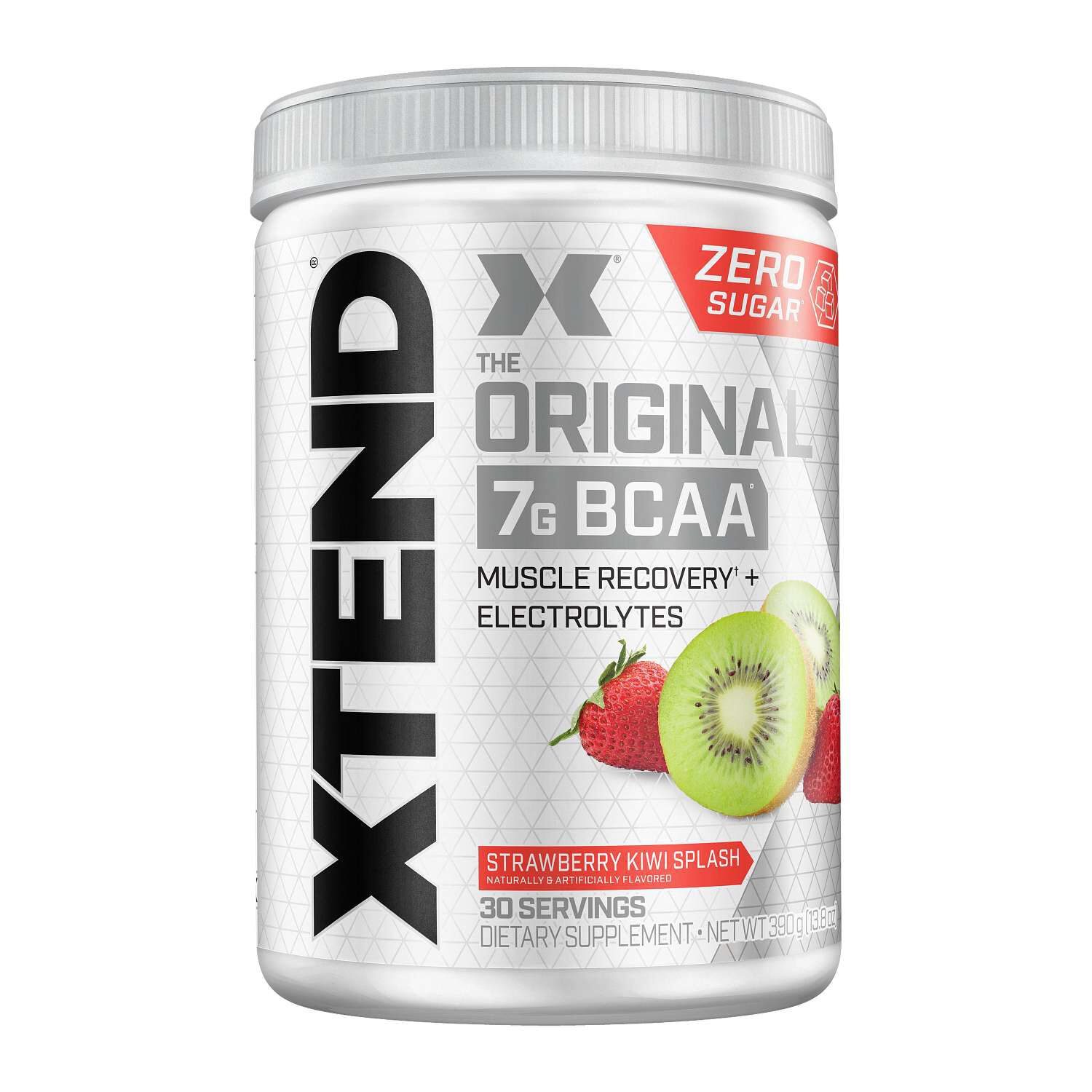
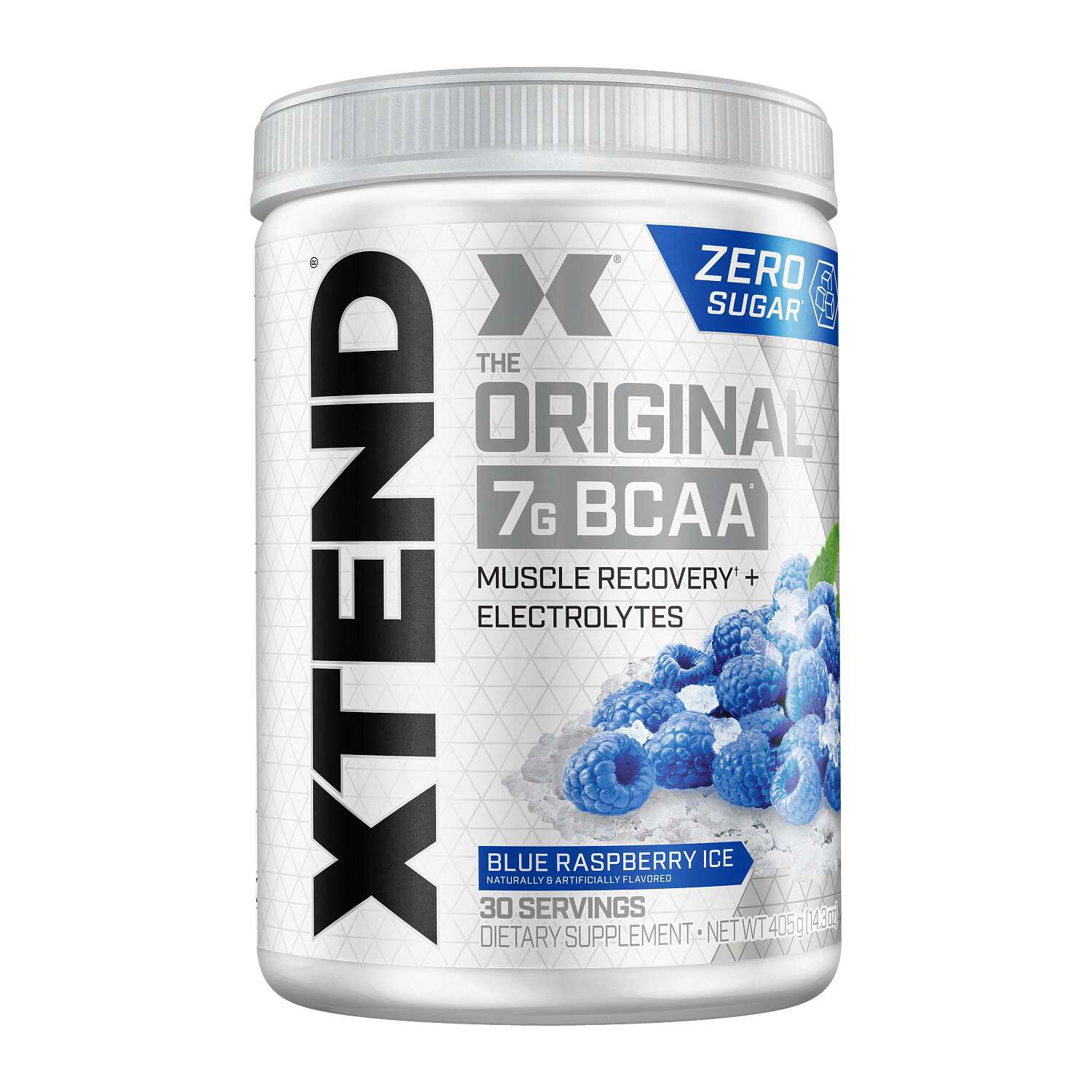
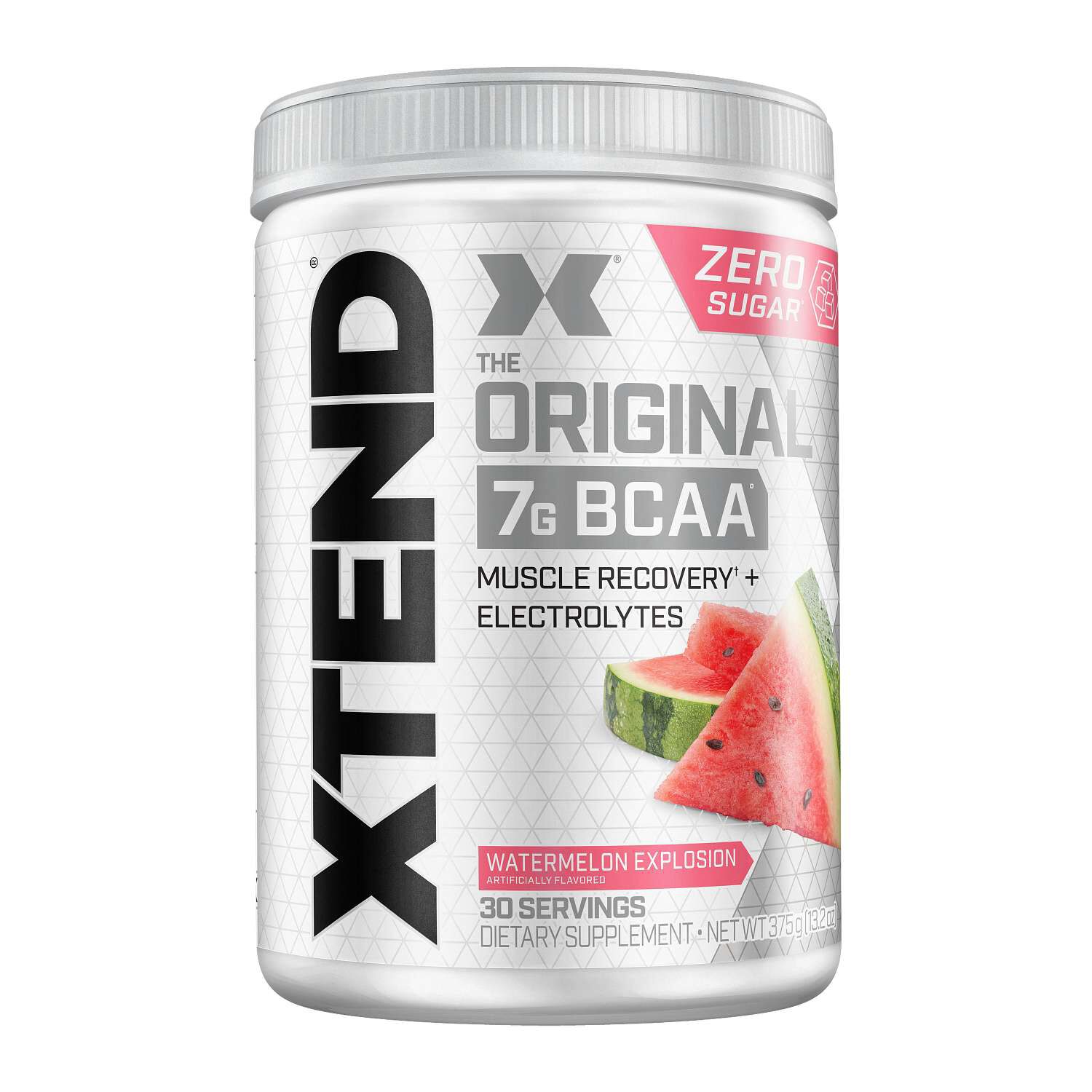
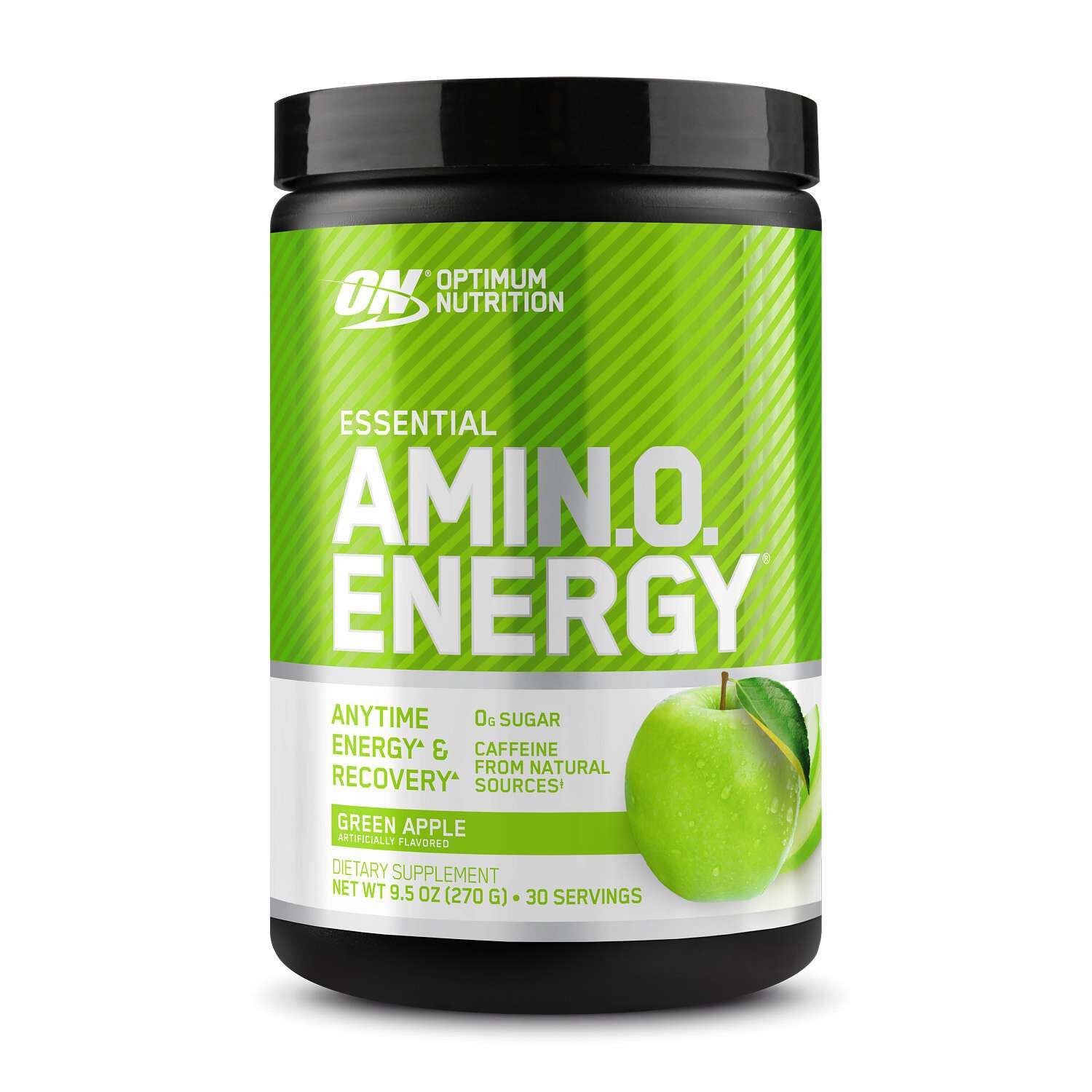
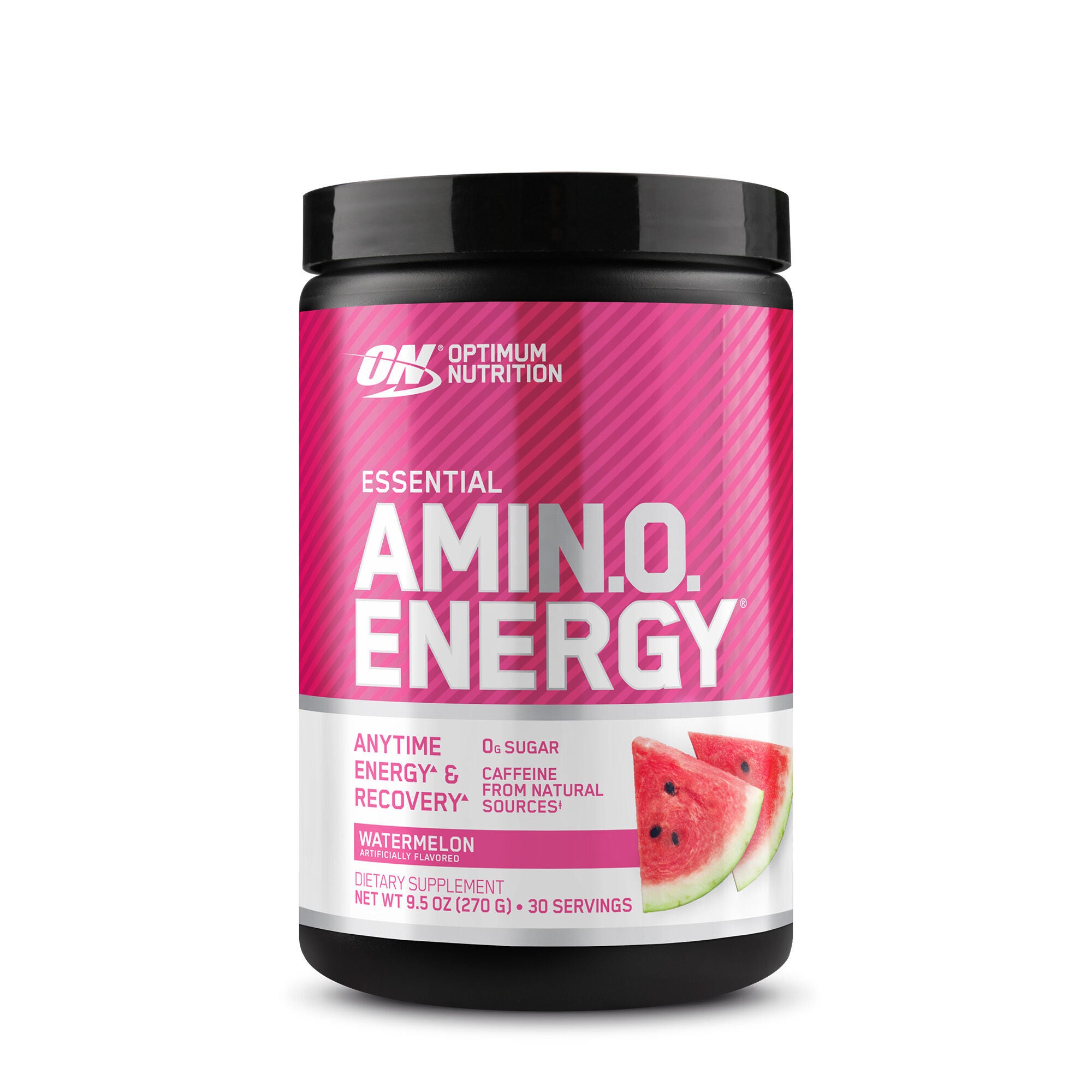
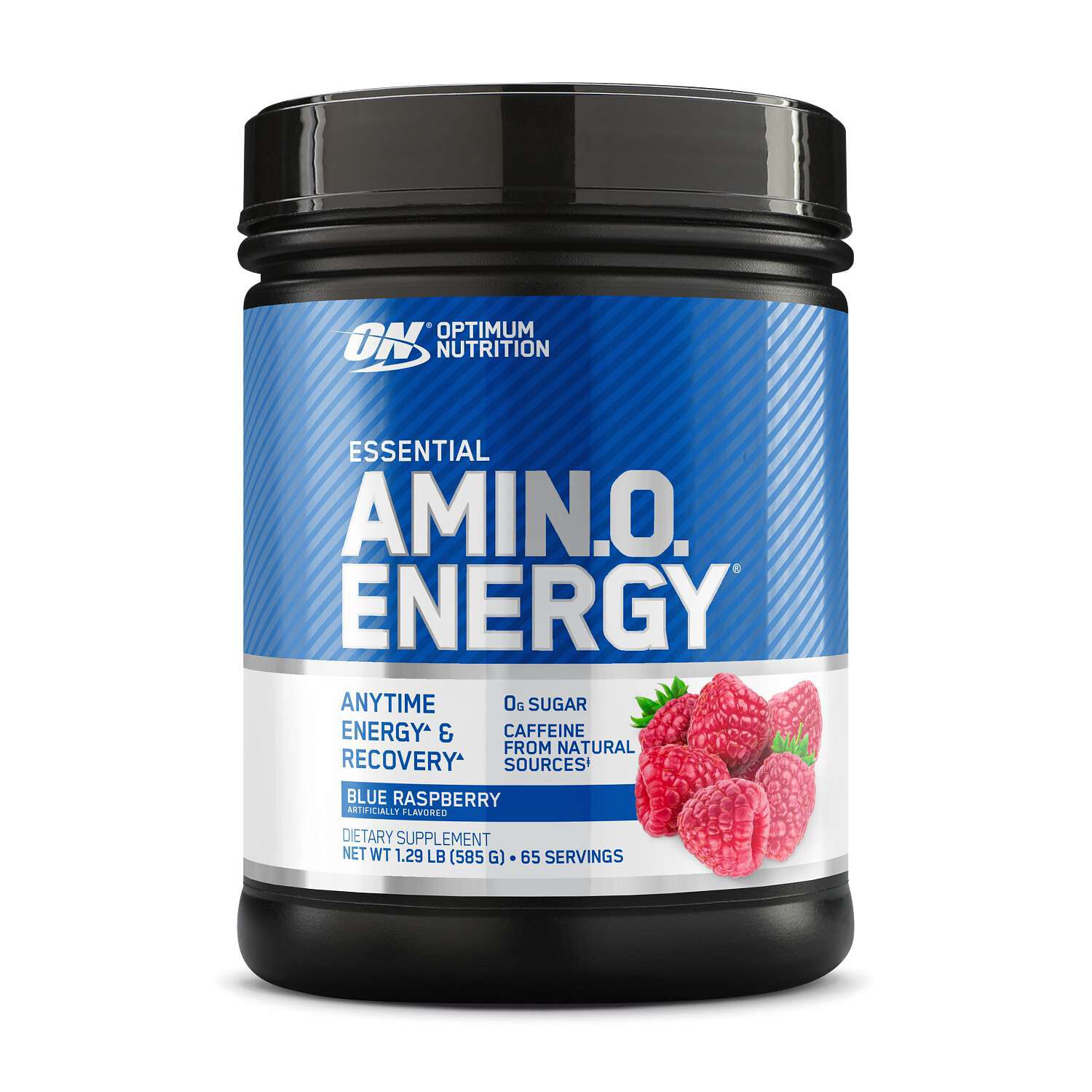
Vegan amino acid drink mixes are powdered supplements formulated with amino acids from non-animal sources and intended to be mixed with water. They offer a drinkable format for people who follow a vegan eating pattern or prefer supplements made without animal-derived ingredients. Amino acids are the building blocks of protein, but an amino acid drink mix is not necessarily the same as a protein powder. Many formulas focus on selected amino acids rather than the intact proteins found in foods such as beans, lentils, tofu, and peas. Two common descriptions on labels are BCAA and EAA. BCAA refers to the three branched-chain amino acids: leucine, isoleucine, and valine. EAA refers to a broader group of nine amino acids that the body cannot make in sufficient amounts and must obtain through the diet. A BCAA formula and a nine-amino-acid formula therefore have different compositions, even when their flavors or serving sizes look similar. Some vegan amino acid drink mixes may support muscle recovery after exercise, although their role depends on the formula, the amount consumed, and the person’s broader eating and training routine. These powders are not meal replacements, and an amino acid serving should not automatically be treated as equivalent to a serving of dietary protein. For shoppers comparing drink powders with other formats, the Vegan Aminos page offers a related category to explore. Within the drink mix category, meaningful distinctions include which amino acids are included, how much of each is listed per serving, whether other ingredients are present, and how the drink fits personal preferences. A person who enjoys a flavored beverage after a lifting session may look for something different from someone who wants a simple powder to mix at a desk. The most useful comparison starts with the actual formula rather than a bold name or a familiar fruit pictured on the container.
Ingredient sourcing is an important consideration for vegan amino acid powders because an amino acid’s name alone does not establish whether its source is animal-derived. Microbial fermentation can be used to produce amino acids suitable for vegan formulations, but sourcing and processing vary. A clear vegan designation, supporting manufacturer information, or an applicable third-party certification can provide more context than a flavor description or plant imagery on a label. The whole formula matters, including flavorings, colors, and other added ingredients, not just the amino acids highlighted on the front. Vegan labeling also does not address every individual ingredient restriction, so allergen statements and manufacturing disclosures remain separate considerations. Beyond sourcing, the Supplement Facts panel distinguishes a straightforward amino acid blend from a formula that also contains electrolytes, vitamins, minerals, or caffeine. Those additions change what is in a serving and deserve attention when the powder is used alongside other supplements. Electrolytes are not present in every amino acid drink mix, and a drink should not be assumed to have the same composition as a dedicated electrolyte powder. Caffeine content is another practical distinction for anyone choosing between a morning gym drink and something intended for an evening routine. Serving weight can also be misleading when viewed by itself: a larger scoop does not necessarily contain more amino acids, because flavoring and other ingredients contribute to the powder’s weight. Individually listed amino acid amounts make comparisons more transparent than a blend weight that does not show each component. A stated BCAA ratio describes the relative proportions of leucine, isoleucine, and valine; it does not, by itself, establish that one formula will suit every workout or preference. Likewise, the presence of several added ingredients is not automatically a reason to favor a more elaborate blend. For someone who already has a preferred beverage routine, a shorter ingredient list may be more appealing than a powder with many additional components.
Taste, texture, packaging, and preparation instructions often determine how naturally a vegan amino acid drink mix fits into everyday use. Fruit-inspired flavors can range from bright citrus to softer berry profiles, while sweetness and tartness depend on the particular formula. Sweeteners may include sugar, stevia-derived ingredients, sucralose, or other options, making the ingredient list useful for people with distinct taste preferences. An amino acid powder can have a different mouthfeel from a creamy protein shake, and the finished drink’s character depends partly on the amount of water specified on the label. Mixing directions matter because some powders call for stirring while others recommend shaking. A bottle with a secure lid is practical for carrying a prepared drink between home and the gym, while a wide opening makes it easier to add powder without scattering it across a countertop. For a shared kitchen or office, a separate mixing bottle can be more convenient than keeping utensils and a glass nearby. Packaging also affects portability: a tub works differently in a cupboard than a measured packet tucked into a gym bag. Where a scoop is provided, the labeled serving instructions are more reliable than assuming every scoop across different powders holds the same amount. Care is mostly about keeping moisture out of the container, closing the lid securely, and following the storage directions. A clean, dry scoop helps limit accidental moisture transfer, and the printed date and package condition deserve attention before use. Bottles and shaker lids benefit from thorough washing after each use, particularly around threads and removable seals where beverage residue can collect. For gifting, taste and ingredient preferences are personal enough that a familiar flavor profile and a clearly stated vegan designation are more useful starting points than an elaborate formula chosen at random. Whether the intended recipient enjoys strength training, recreational sports, or a regular gym routine, vegan amino acid drink mixes are best understood through their ingredients, preparation needs, and intended use—not as a substitute for varied meals or an assumption that every active person needs the same supplement.