Vegan B12 Supplement
(0 Results)
Exploring options for a vegan B12 supplement could be an important step for those following a plant-based lifestyle. Many people who choose vegan nutrition may look for convenient ways to support their daily routines, and a vegan B12 supplement might offer a simple addition to your wellness journey. Browse a variety of choices that are designed to fit into diverse lifestyles and dietary preferences.

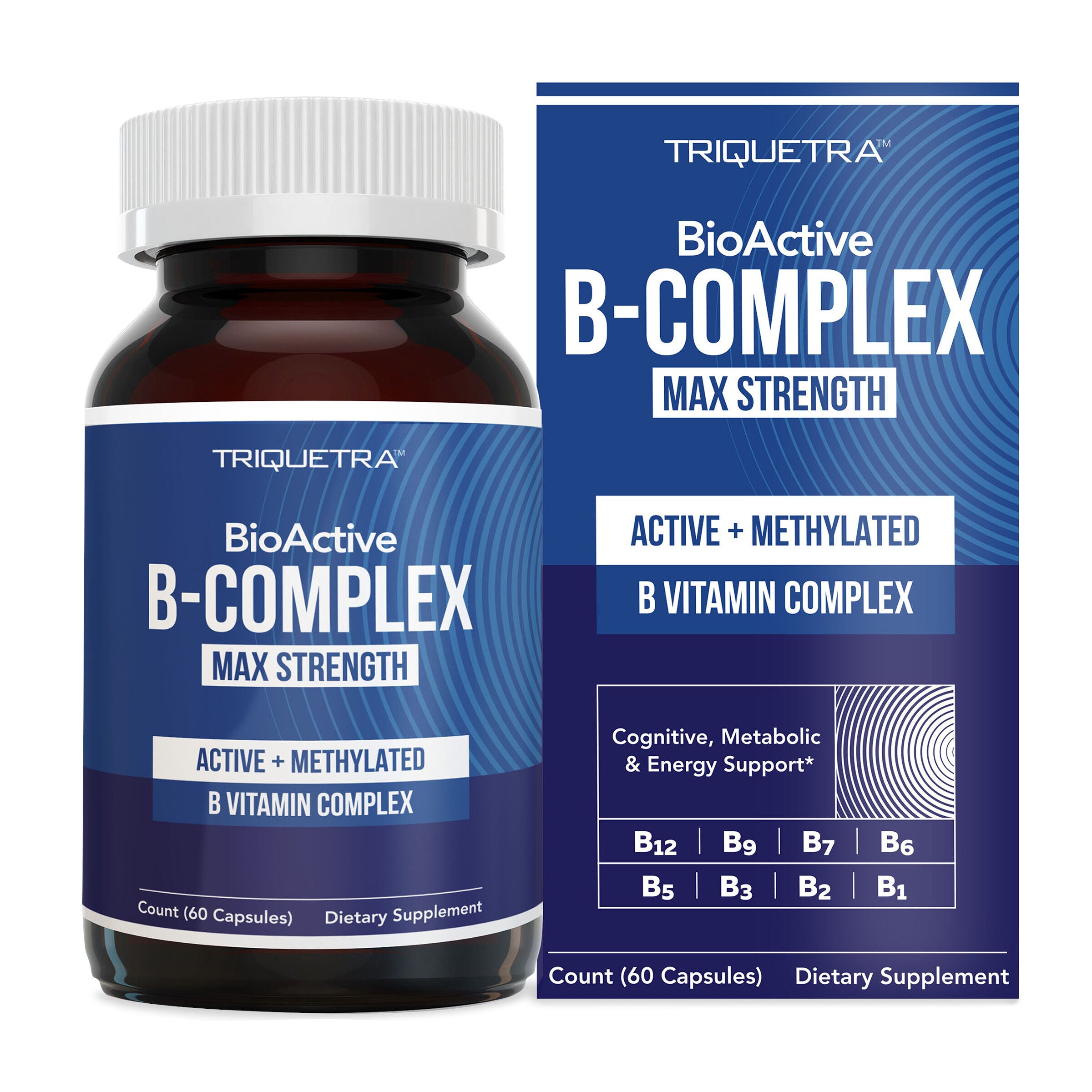
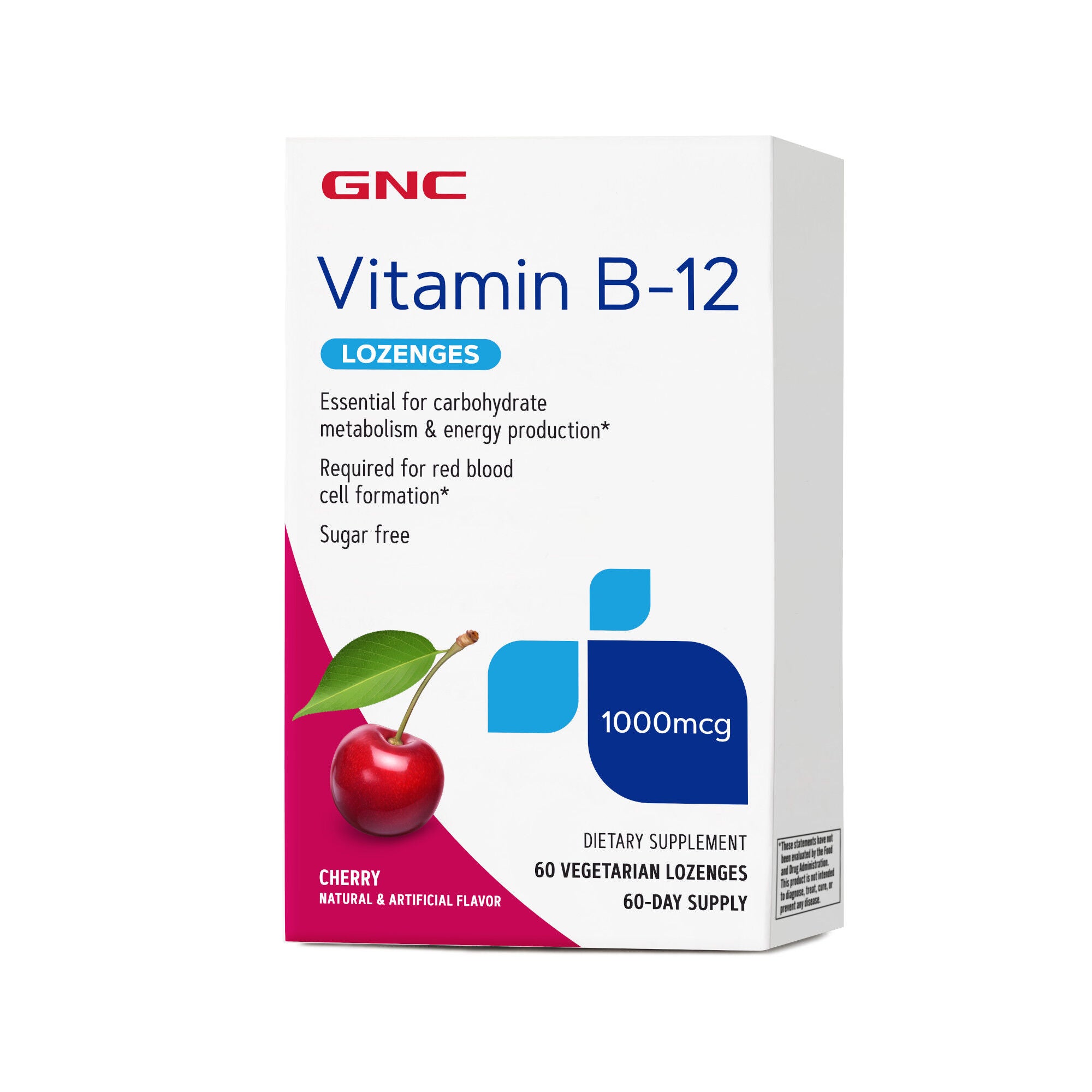


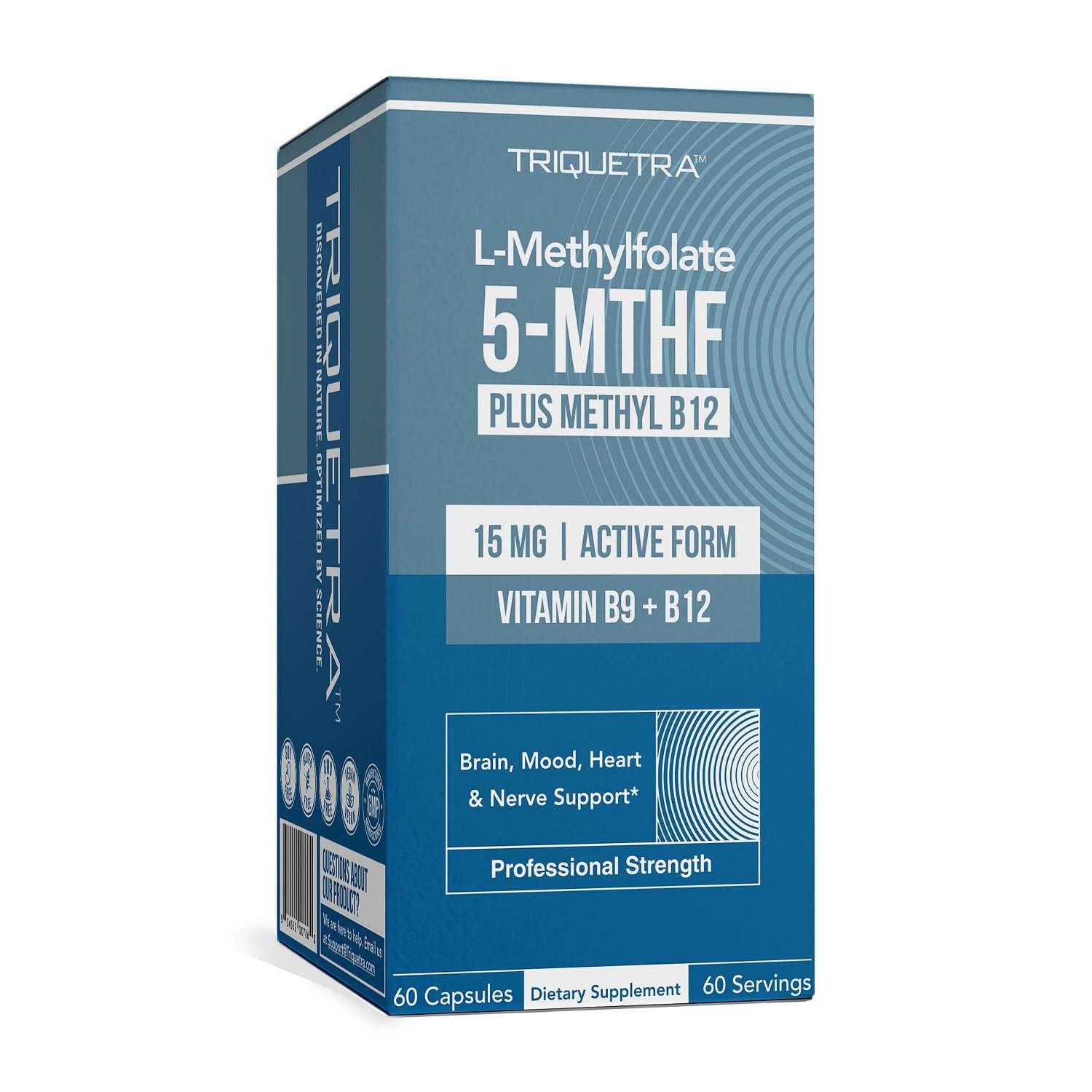

A vegan B12 supplement is a vitamin B12 product made without animal-derived ingredients, including the materials used in its capsule, tablet, liquid, or chewable base. Vitamin B12, also called cobalamin, is produced by microorganisms and occurs naturally mainly in animal foods. Unfortified fruits, vegetables, grains, and legumes are not dependable sources of this vitamin. Some plant-based beverages, breakfast cereals, and nutritional yeast contain added B12, although fortification differs by product and is shown on the nutrition label. That distinction makes vegan B12 supplements a relevant category for shoppers who follow a vegan eating pattern or prefer vitamin products with plant-compatible ingredients. The vegan designation applies to the finished formula, not simply to the B12 ingredient itself. Commercial B12 ingredients can be produced through microbial fermentation, while the surrounding formula may include capsule materials, binders, flavors, and coatings from different sources. Looking at those components helps distinguish an explicitly vegan formula from a supplement that happens to contain B12. Gelatin, for example, is animal-derived, whereas some capsules use cellulose and some gummies use pectin. Honey, beeswax, and certain glazing agents also matter when evaluating a formula against personal ingredient preferences. An ingredient list and a clearly stated vegan designation provide more useful context than a leaf illustration or green packaging. Cyanocobalamin and methylcobalamin are two B12 forms commonly named on supplement labels. Their names identify the form of the vitamin rather than whether the entire product is vegan. Either may appear in different delivery formats, and the ingredient panel remains the place to check what accompanies it. Shoppers may also encounter B12 offered on its own, as part of a B-vitamin combination, or within a multivitamin. A stand-alone vegan B12 supplement has a narrower ingredient focus, while combination formulas contain additional nutrients. Comparing those categories involves looking at the full panel rather than treating every bottle with B12 on the front as the same kind of product.
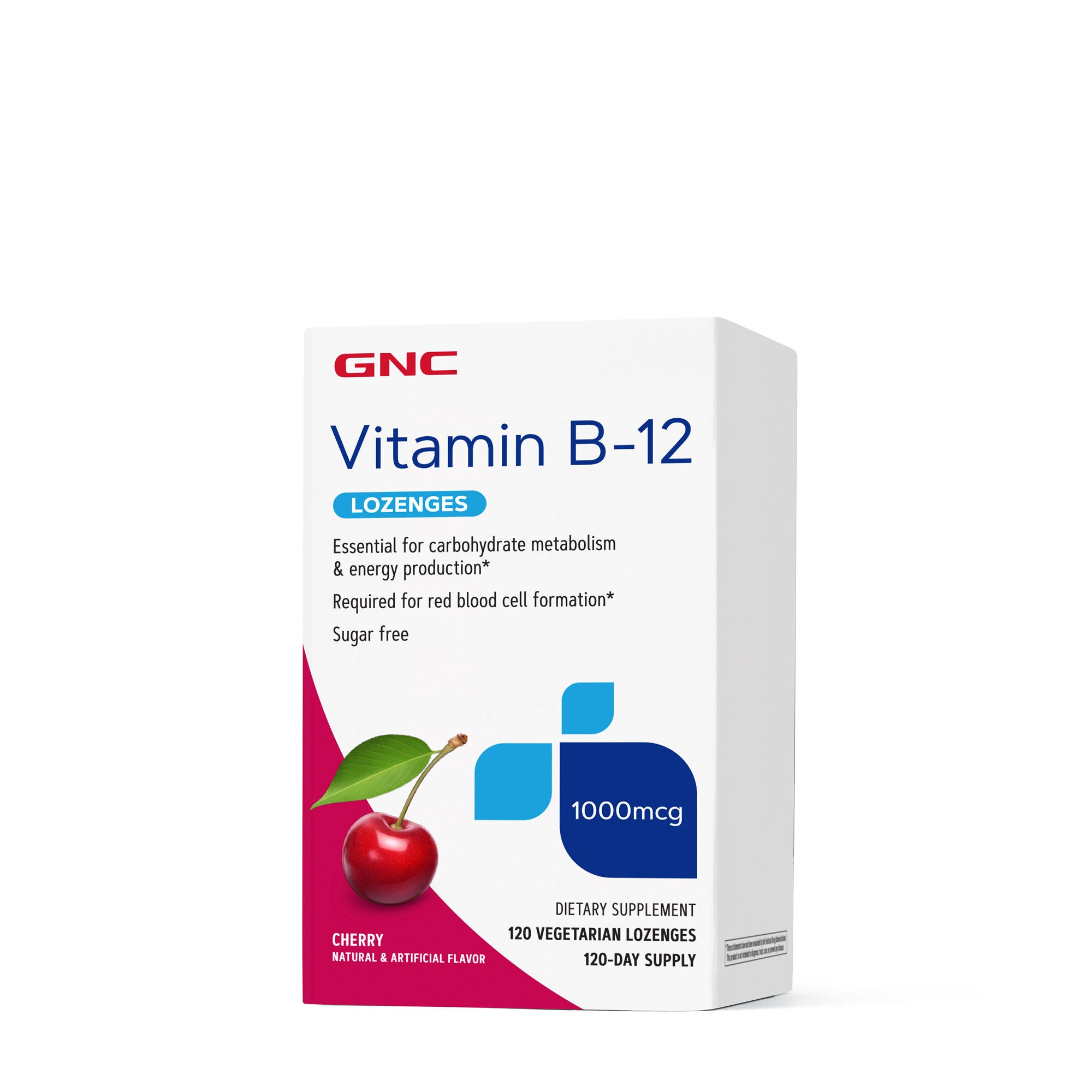
Format is often the most noticeable difference when browsing vegan B12 supplements. Standard tablets and capsules have a familiar shape and a straightforward presentation, while chewables and gummies introduce flavor, texture, and sweetener choices. Lozenges are designed to dissolve in the mouth, and products labeled sublingual have directions specifying placement under the tongue. Liquid formulas use a measured serving, often dispensed with a dropper or another measuring device supplied with the package. These distinctions describe how a product is used; they are separate from the B12 form and amount listed on its label. For someone who prefers a compact bottle in a kitchen cabinet, tablets or capsules may suit the space. For someone who dislikes that format, a chewable or liquid may be a more appealing match for personal preferences. Flavor deserves attention, especially with products that remain in the mouth: berry, citrus, and other flavor descriptions accompany different sweeteners and textures, so the ingredient list adds context beyond the front label. Gummies may contain sugars, sugar alcohols, or other sweetening ingredients, and chewable tablets can have a different texture from soft gummies. A vegan label describes ingredient sourcing; it does not, by itself, answer questions about allergens, sweetness, or serving size. The Supplement Facts panel provides another useful point of comparison. B12 amounts are typically expressed in micrograms, abbreviated mcg, and the listed amount corresponds to the stated serving rather than necessarily to one tablet, one gummy, or one drop. A serving might consist of multiple pieces or a specified volume of liquid. Bottle count and serving count can therefore describe different things. Reading those details together makes the differences between formats clearer without assuming that a larger number on the front determines the right choice. Combination formulas also deserve a full-panel comparison because their other vitamins and minerals vary. For shoppers who already have a vitamin routine, seeing each formula’s ingredients side by side provides a clearer picture of what each category contains. The practical comparison is the finished formula, its labeled serving, and its intended method of use—not just the color or shape of the container.
Packaging and storage are part of the shopping decision, particularly for supplements that will sit in a cabinet, travel in a bag, or share shelf space with other everyday items. A small bottle may fit neatly into a narrow cupboard, while a liquid container needs room to remain upright and space for its measuring tool. Closures, bottle openings, and label readability are worth noticing, too. A clearly printed serving statement and an ingredient panel that is easy to read may make routine handling more convenient. Storage directions vary, so the package is the reference for temperature, moisture, and light considerations, as well as any instructions that apply after opening. A bathroom shelf, for example, introduces moisture that a dry storage location does not. Keeping the original container preserves access to the ingredient list, directions, expiration date, and identifying information. Loose tablets in an unmarked travel pouch lose that context, even if the pouch takes up less room. For travel, the container’s closure and the space it occupies are useful details to consider alongside the preferred format. Liquid bottles may need particular attention to upright placement and a securely closed cap, while chewables and gummies should remain in the packaging and conditions specified on their labels. Supplements should also be stored out of children’s reach. Shoppers comparing individual nutrients for a plant-based routine can also browse Vegan Biotin Supplements, a related category where finished-formula ingredients and serving information remain useful distinctions. Within the vegan B12 category, a readable label, an identifiable B12 form, a suitable delivery format, and clear vegan ingredient information give the comparison substance. Those details connect the product on the shelf to ordinary preferences: a tablet rather than a gummy, an unflavored option rather than a fruit-flavored chewable, or a single-nutrient formula rather than a broader vitamin blend.