





Vitamins For Vegan Diet Support
(0 Results)
Vitamins for vegan diet support offer a convenient way to help fill potential nutrient gaps that may occur when following a plant-based lifestyle. With a variety of options designed to complement vegan dietary choices, these vitamins can help support overall wellness goals. Explore selections that align with your nutritional preferences and enjoy the confidence that comes from making mindful choices for your daily routine.
-

-
-

-

-
-
-
 $34.99
-
 $34.99
-
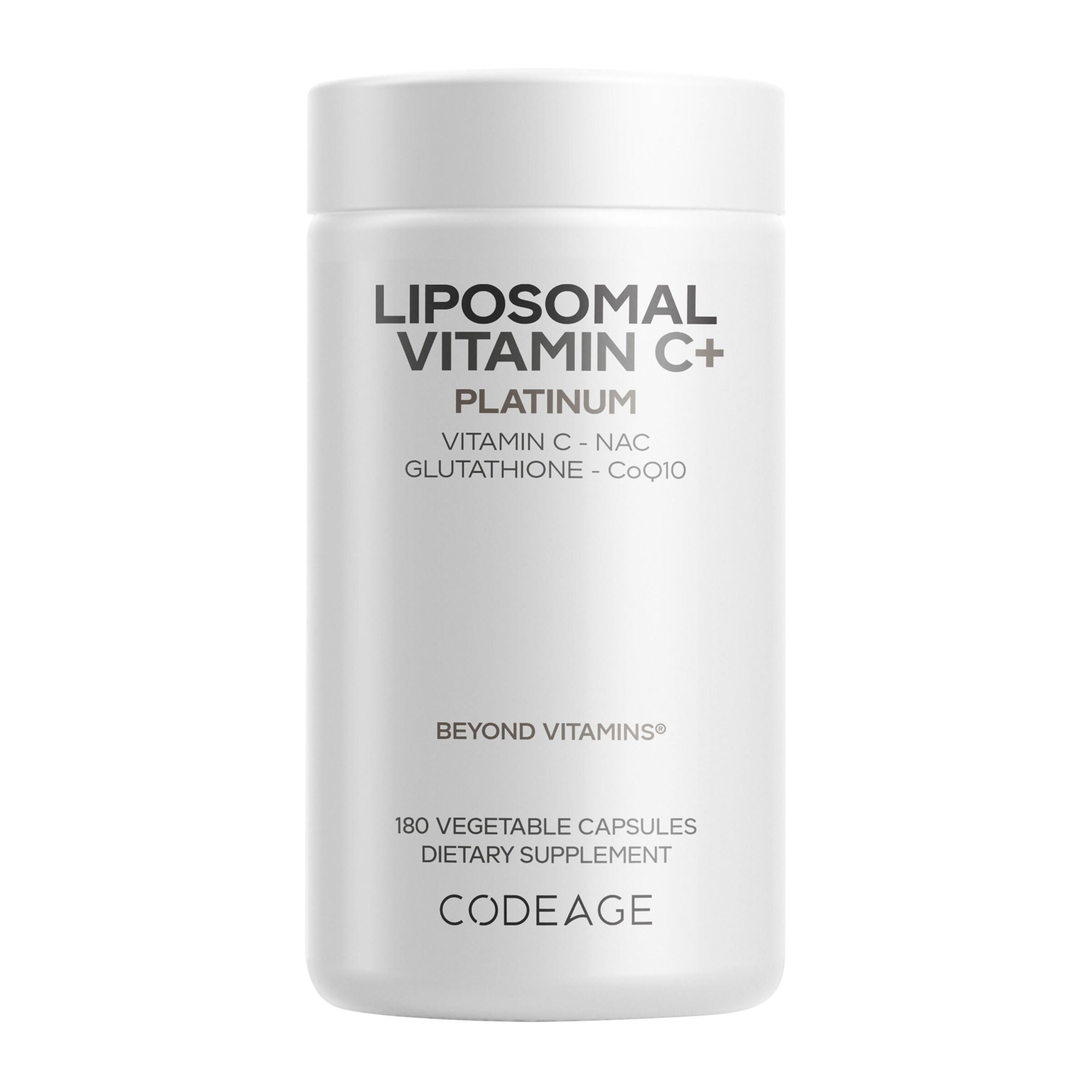 Codeage$69.99
-
 $15.99
-
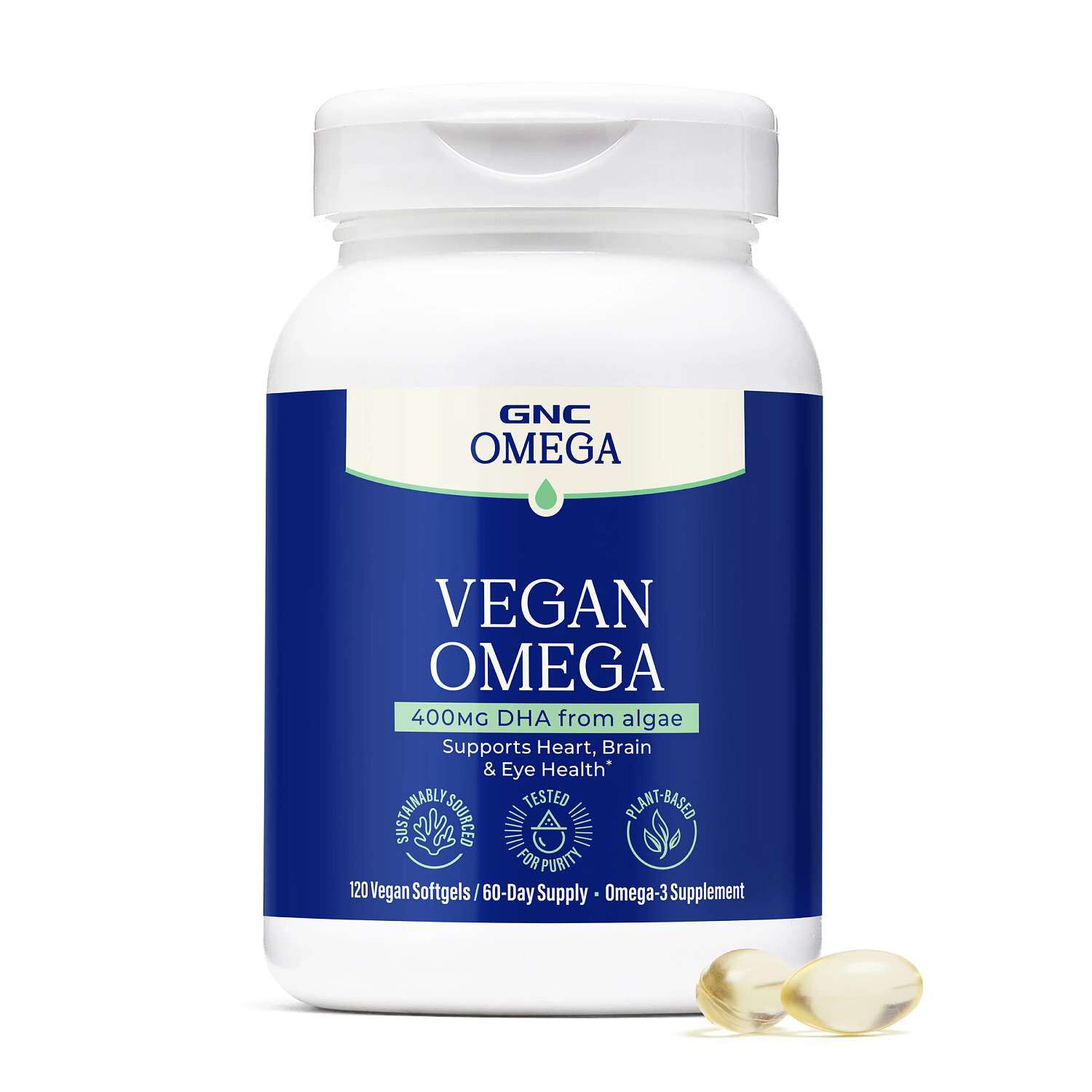 $44.99
-

-
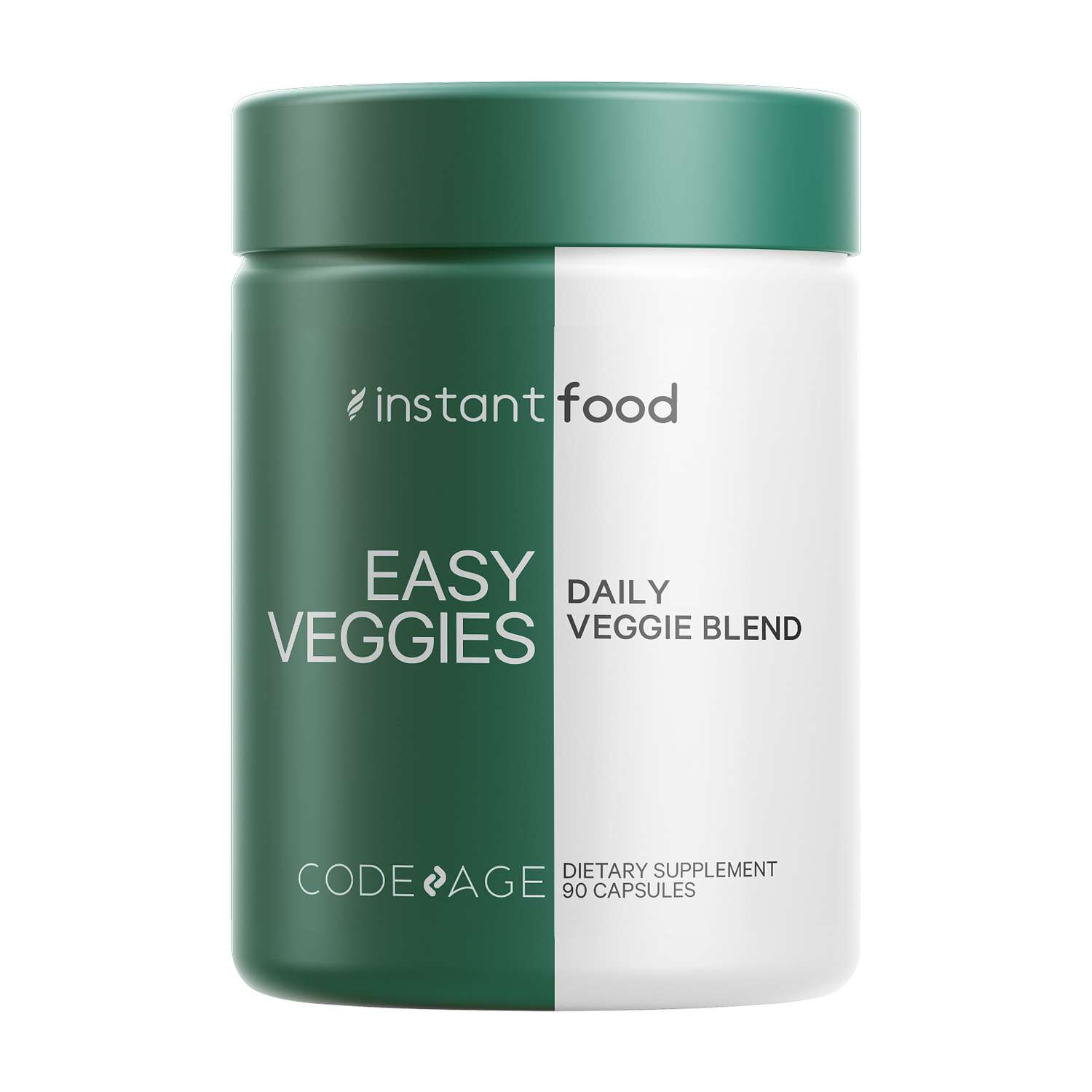
-

-

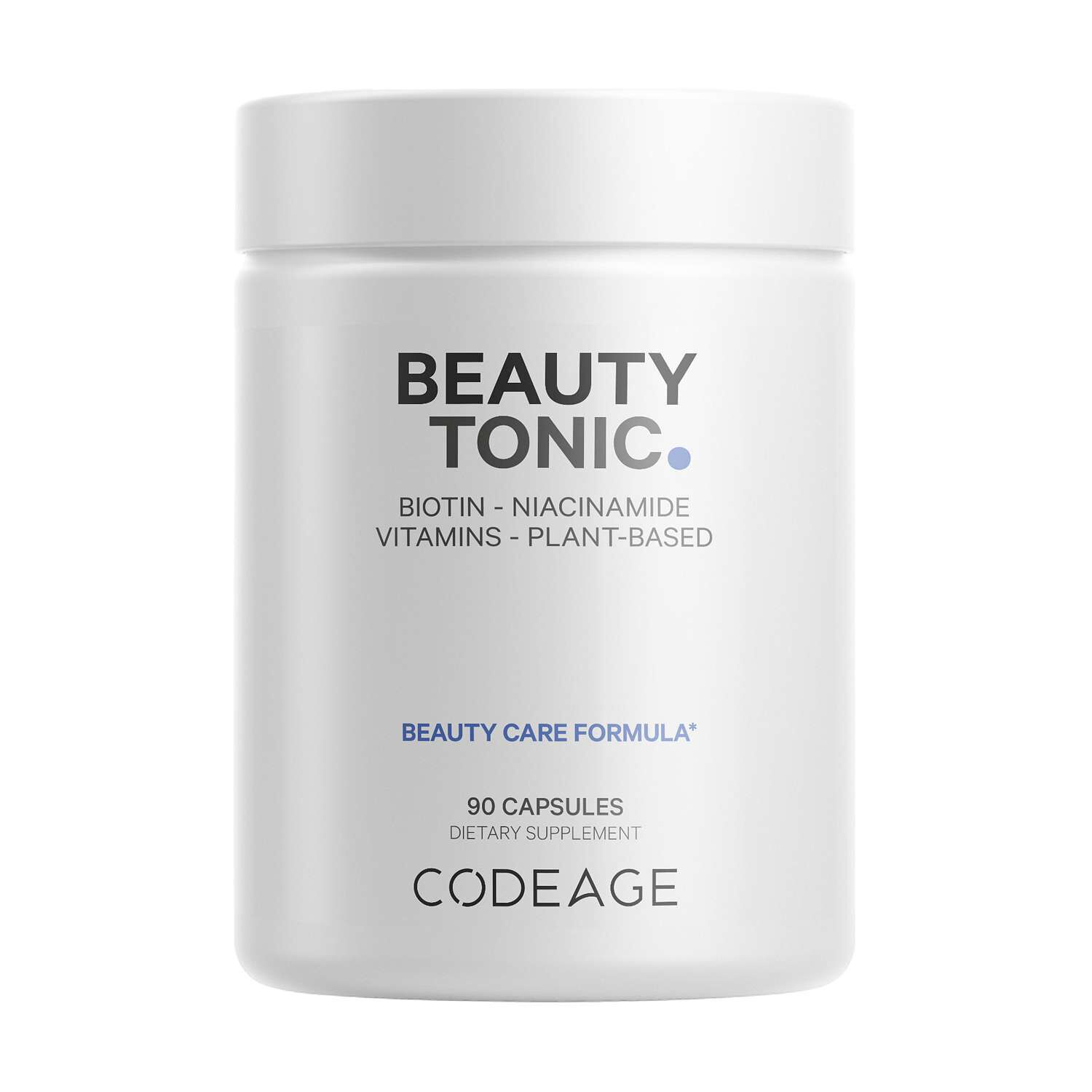
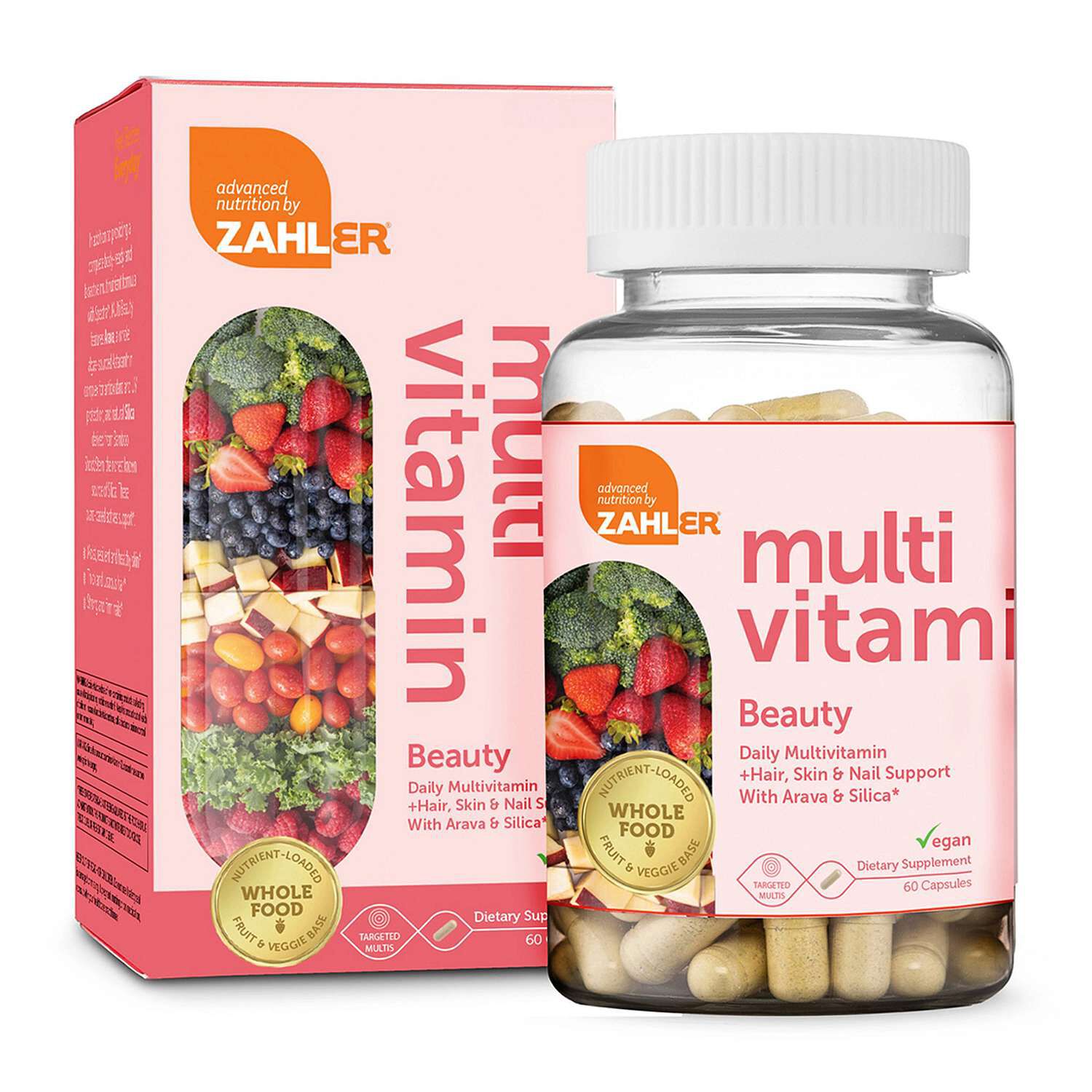

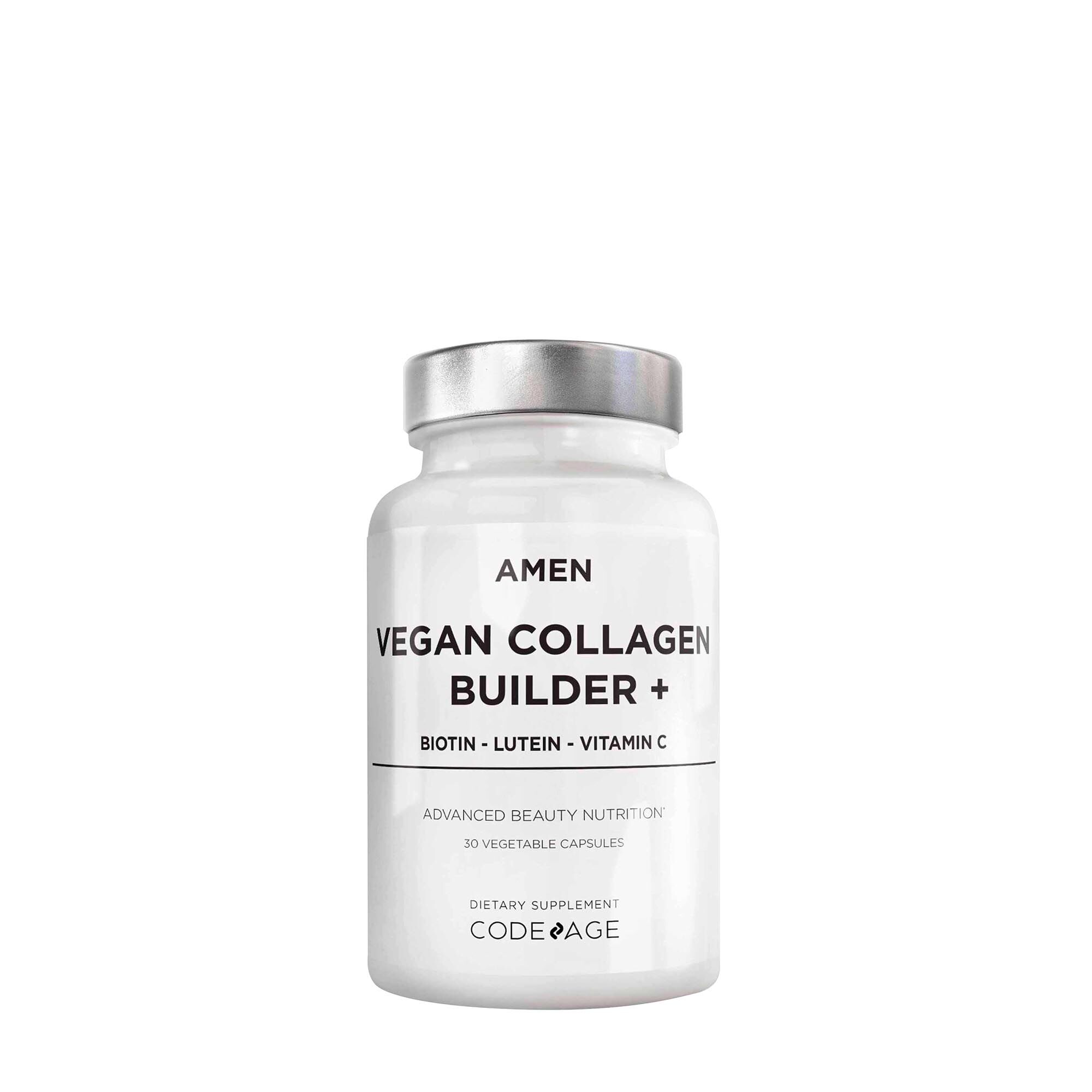

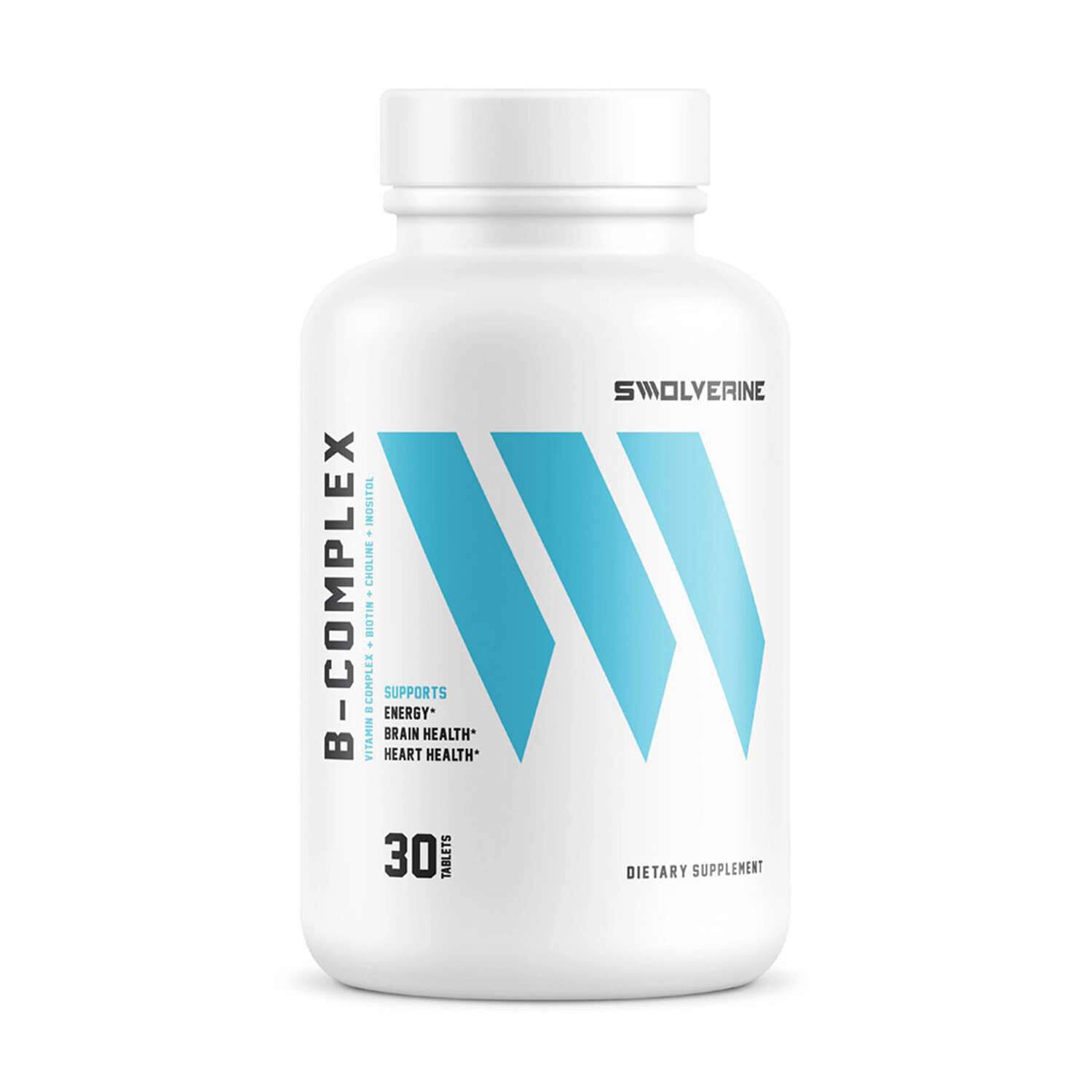
Vitamins for vegan diet support are designed around an eating pattern that excludes animal-derived foods, with attention to both nutrient content and ingredient sourcing. A vegan menu can include beans, lentils, tofu, whole grains, vegetables, fruit, nuts, and seeds, but its vitamin and mineral content varies with the foods and fortified options it contains. Vitamin B12 is a frequent focus because unfortified plant foods are not reliable sources of this vitamin. Fortified nutritional yeast, plant-based beverages, and certain breakfast cereals can contain B12, while supplements may offer another source in a measured serving. B12 labels commonly identify cyanocobalamin or methylcobalamin as the ingredient form. That distinction describes the ingredient, not whether the entire formula meets a shopper’s vegan preferences; the capsule, coating, flavoring, and other ingredients also matter. Vitamin D is another common category consideration, and its origin deserves a closer look. Vitamin D2 is generally made from non-animal sources, while vitamin D3 can come from lanolin or vegan sources such as lichen. A D3 designation by itself does not establish that a formula is vegan. Clear source information and a vegan label make these differences easier to recognize. Some formulas combine B12 and vitamin D with additional vitamins, while others keep the ingredient list focused on one nutrient. That variety may suit shoppers who want a broad multivitamin format or a separate formula to sit alongside an established routine. A breakfast built around fortified soy milk and cereal presents different comparison points from one built around oats, berries, and nuts without fortified ingredients. The distinction is not whether either meal looks plant-based, but which nutrients its ingredients actually contain. For this category, useful product details include nutrient names, amounts per serving, serving size, ingredient origins, and the format inside the bottle. Those details give a more specific picture than a general plant-based description on the front label.
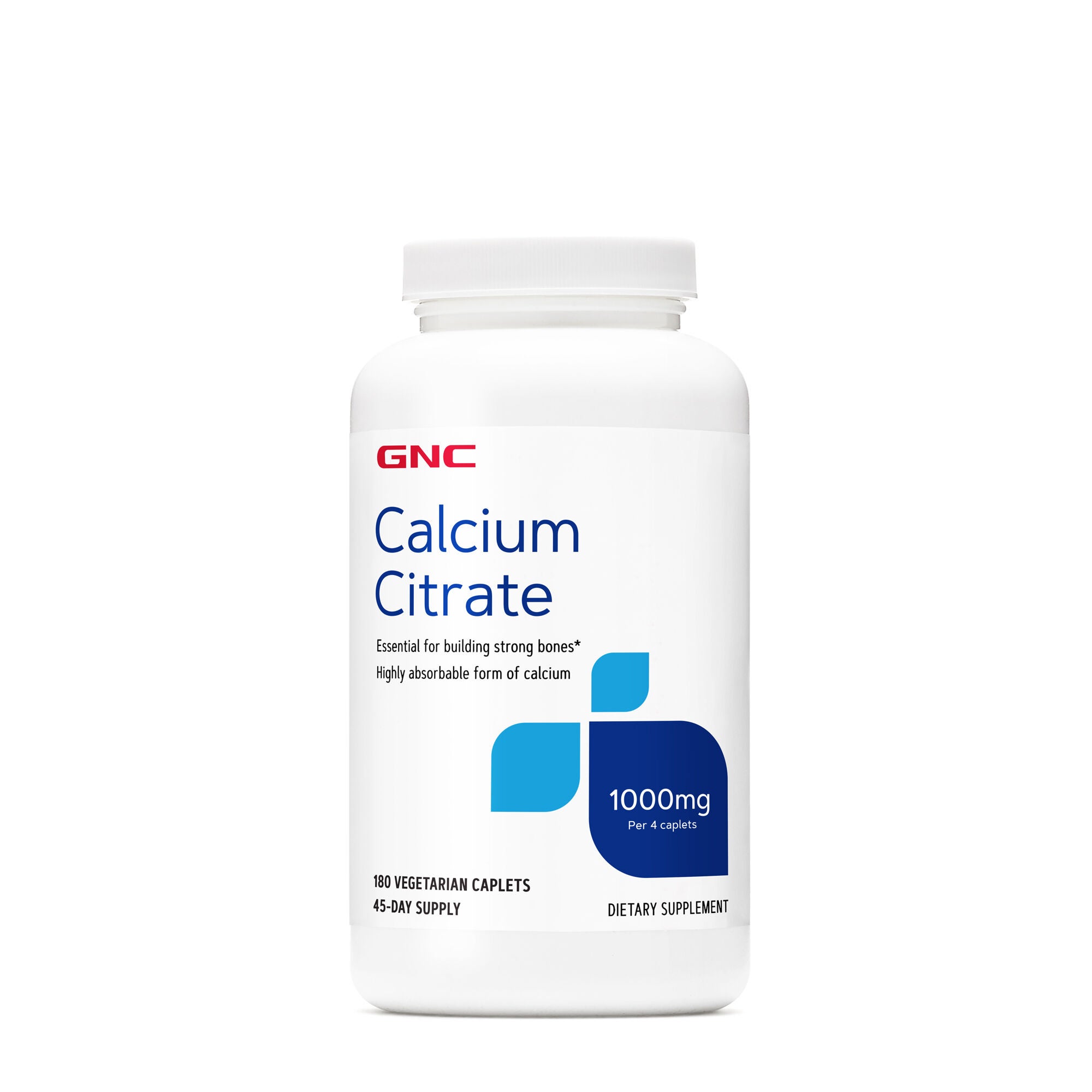
Minerals often appear alongside vitamins in vegan multivitamins, so the category extends beyond vitamins alone. Calcium, iodine, iron, zinc, and selenium are among the nutrients shoppers may see on these labels. Calcium occurs in foods such as calcium-set tofu and certain leafy greens, and it is also added to some plant-based beverages. The calcium content of tofu depends partly on the ingredients used to make it, while fortified beverage labels identify the amount in a serving. Iodine content also varies across foods: iodized salt contains added iodine, but many specialty salts do not, and the iodine content of sea vegetables can differ substantially. A supplement label offers a stated amount rather than an estimate based on a loosely measured food portion. Iron appears in beans, lentils, tofu, and seeds, although an iron-containing supplement is a distinct formulation choice rather than a feature of every vegan multivitamin. Zinc and selenium may also appear in multi-nutrient formulas, with amounts that differ from one formulation to another. These differences make the Supplement Facts panel particularly relevant for shoppers comparing a multivitamin with several separate bottles. It shows which nutrients are included, the quantity in each serving, and the listed Daily Value percentages where established. A serving can consist of more than one tablet, capsule, or gummy, so the amount listed on the panel does not always correspond to a single piece. Algae-derived omega-3 supplements are another related option, although omega-3s are fats rather than vitamins or minerals. Their labels may identify DHA, EPA, or both. Flaxseeds, chia seeds, and walnuts contain a different omega-3, ALA, so those ingredient descriptions are not interchangeable. Across these categories, a longer ingredient list does not by itself establish a closer match to someone’s preferences. A focused formula and a multivitamin serve different shopping purposes, and their labels make those differences visible. Shoppers comparing several formats can also distinguish nutrient amounts from the weight of a broader ingredient blend, since those figures describe different parts of the formula.
Format and packaging shape the everyday experience of using vegan vitamins as much as the ingredient list shapes the comparison. Tablets offer a familiar, compact option, while capsules have a shell that may be made from cellulose or another non-animal material. Softgels require particular attention to shell ingredients because some contain gelatin, and a plant-derived nutrient inside does not make an animal-derived shell vegan. Gummies and chewables add texture and flavor considerations, including sweeteners, colors, and gelling ingredients such as pectin. Liquid formulas introduce different practical details, including the measuring device, serving volume, and any directions that apply after opening. A capsule’s dimensions, a tablet’s coating, or a liquid’s flavor may influence which format feels manageable within a regular routine. Someone who keeps breakfast simple and leaves home early may prefer a compact bottle, while another shopper may value a chewable format kept with other pantry items. The labeled serving size remains part of that comparison, especially when several pieces make up one serving. Ingredient statements can also identify soy, wheat, or other ingredients relevant to personal dietary preferences, separate from whether a formula is vegan. Packaging deserves attention beyond appearance: a readable label, legible date, intact seal, and clearly stated storage directions are useful details. Shelf life is tied to the formula and its packaging, not merely to whether the contents are tablets, gummies, or liquids. Heat, moisture, and light can affect product quality, making the original container and its storage instructions relevant to everyday care. Related shopping interests may lead to Vegan Weight Support Supplements, a separate category from nutrient-focused vegan vitamins. Here, the comparison centers on vitamin and mineral content, animal-derived ingredient exclusions, serving format, and intended use. Together, those details may help shoppers find a format that fits a plant-based routine without treating every vegan supplement as interchangeable.
Best Sellers

Related Pages

Top Collections
- Joint Mobility Supplement Packs
- Daily Collagen Supplements | Top Brands & Deals | GNC
- GLP 1 Support For Adults
- Zinc Supplements | Top Brands at Great Prices | GNC
- Supplements For Yoga Joint Flexibility
- Supplements For Balance
- Capsule Supplements For Energy And Stamina
- Adult Mobility Supplements
- Chronic Fatigue Supplements
- Vitamins For Hair Loss