





Vegan Protein Powders With Wholefood Carbs
(0 Results)
Vegan protein powders with wholefood carbs offer a convenient way to support plant-based nutrition goals. Featuring a blend of protein sources and carbohydrates from whole foods, these options may fit seamlessly into a variety of lifestyles. Whether you're looking for a post-workout shake or a nourishing addition to your daily routine, vegan protein powders with wholefood carbs could be a versatile choice to help you fuel your day. Explore the selection and discover how these plant-powered formulas might complement your wellness journey.


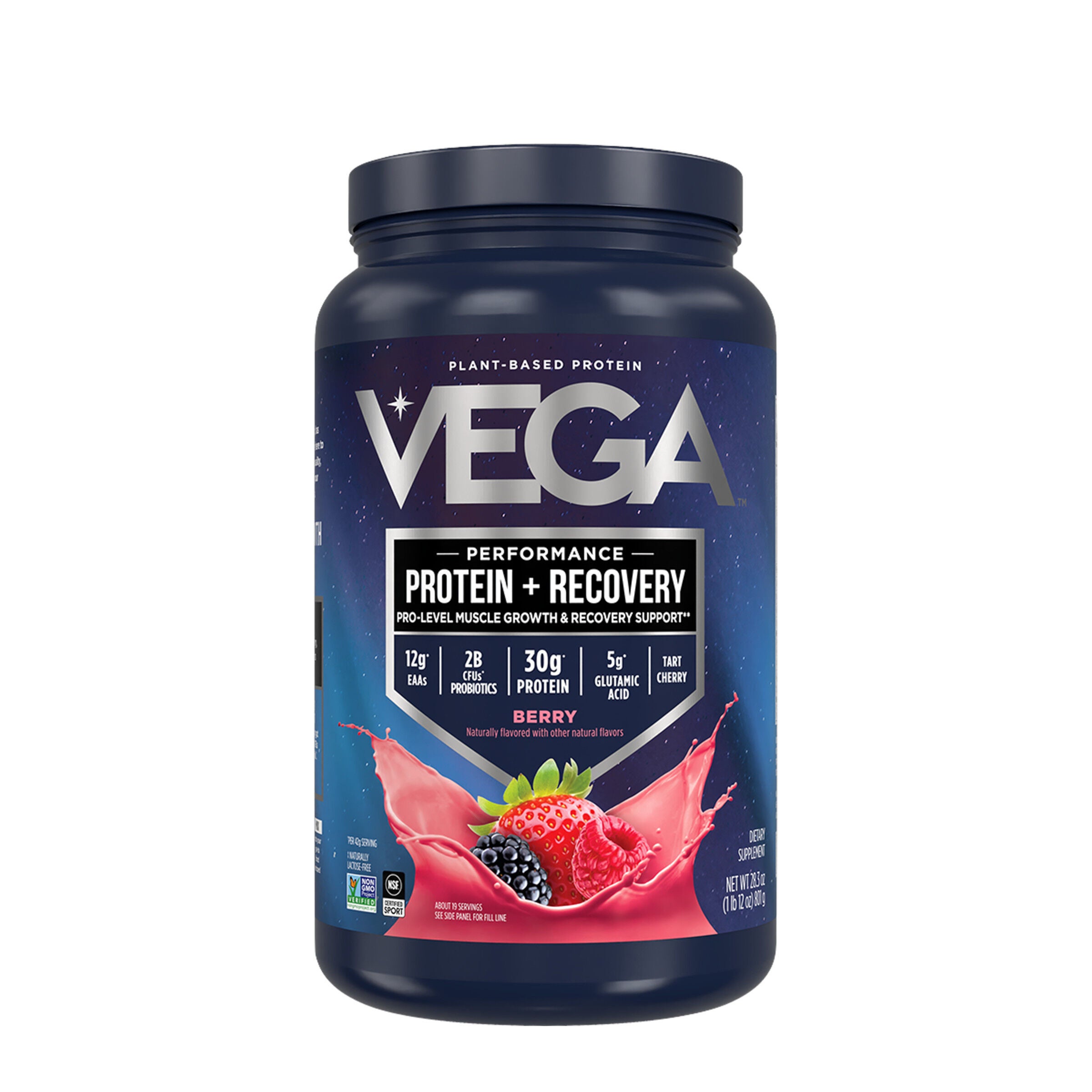
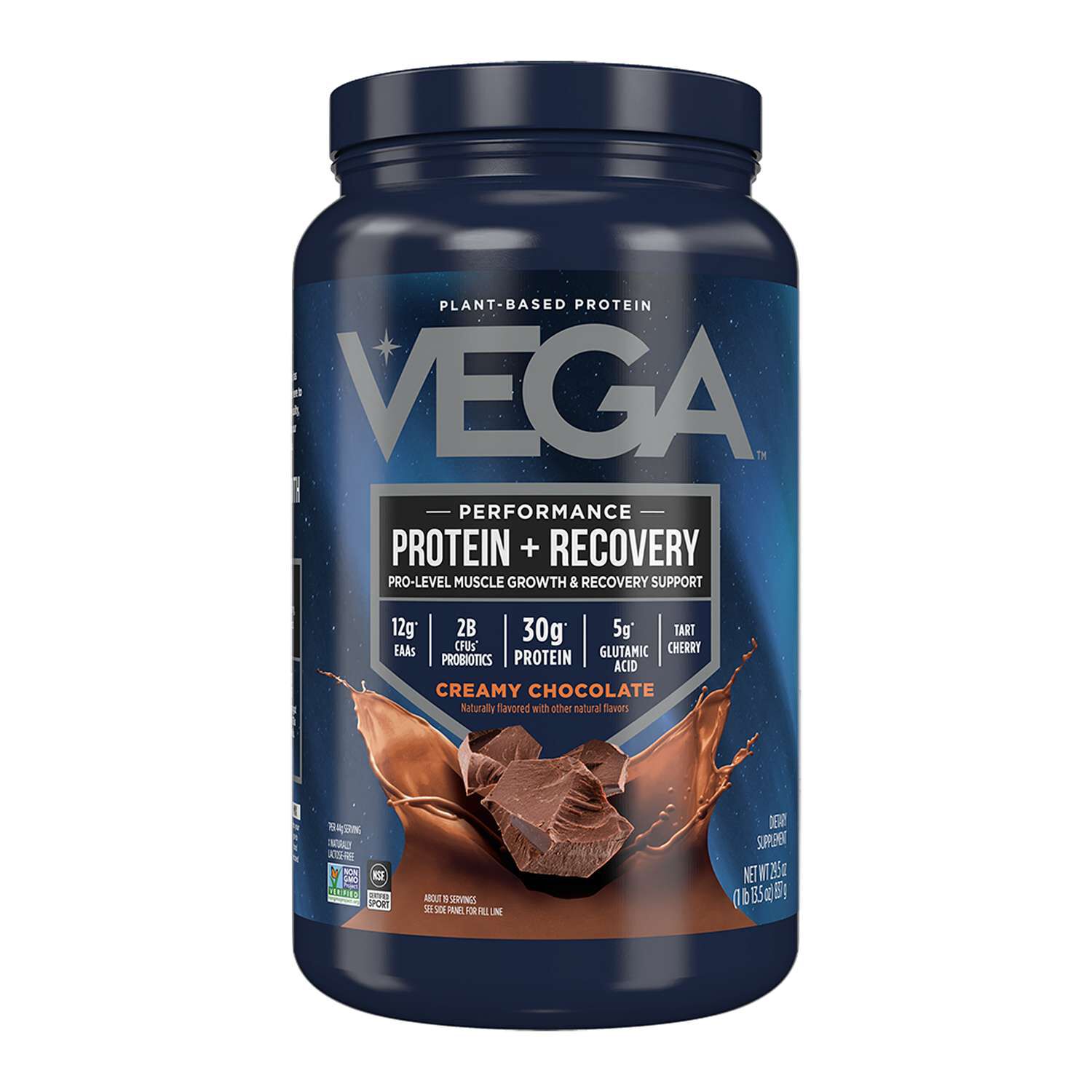

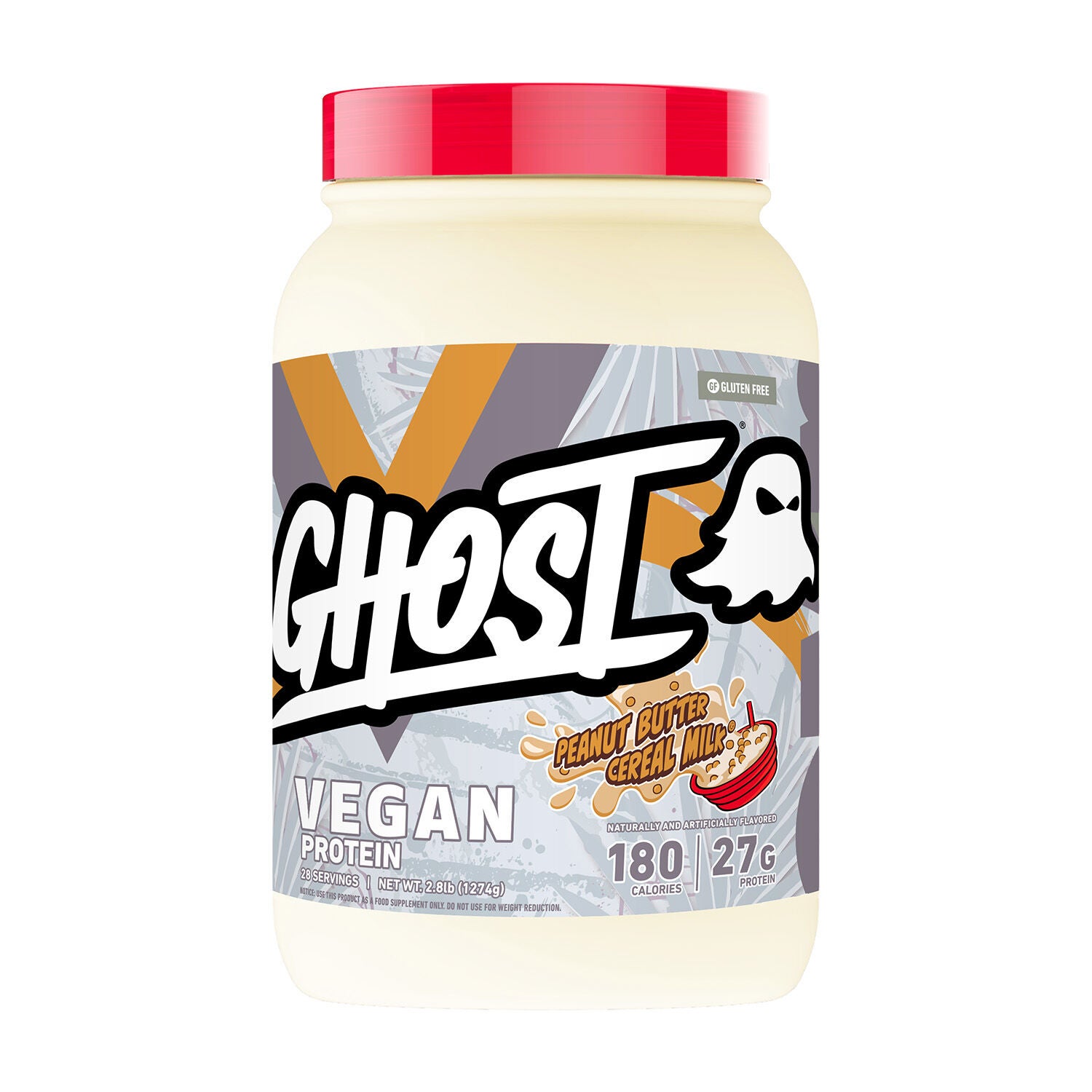
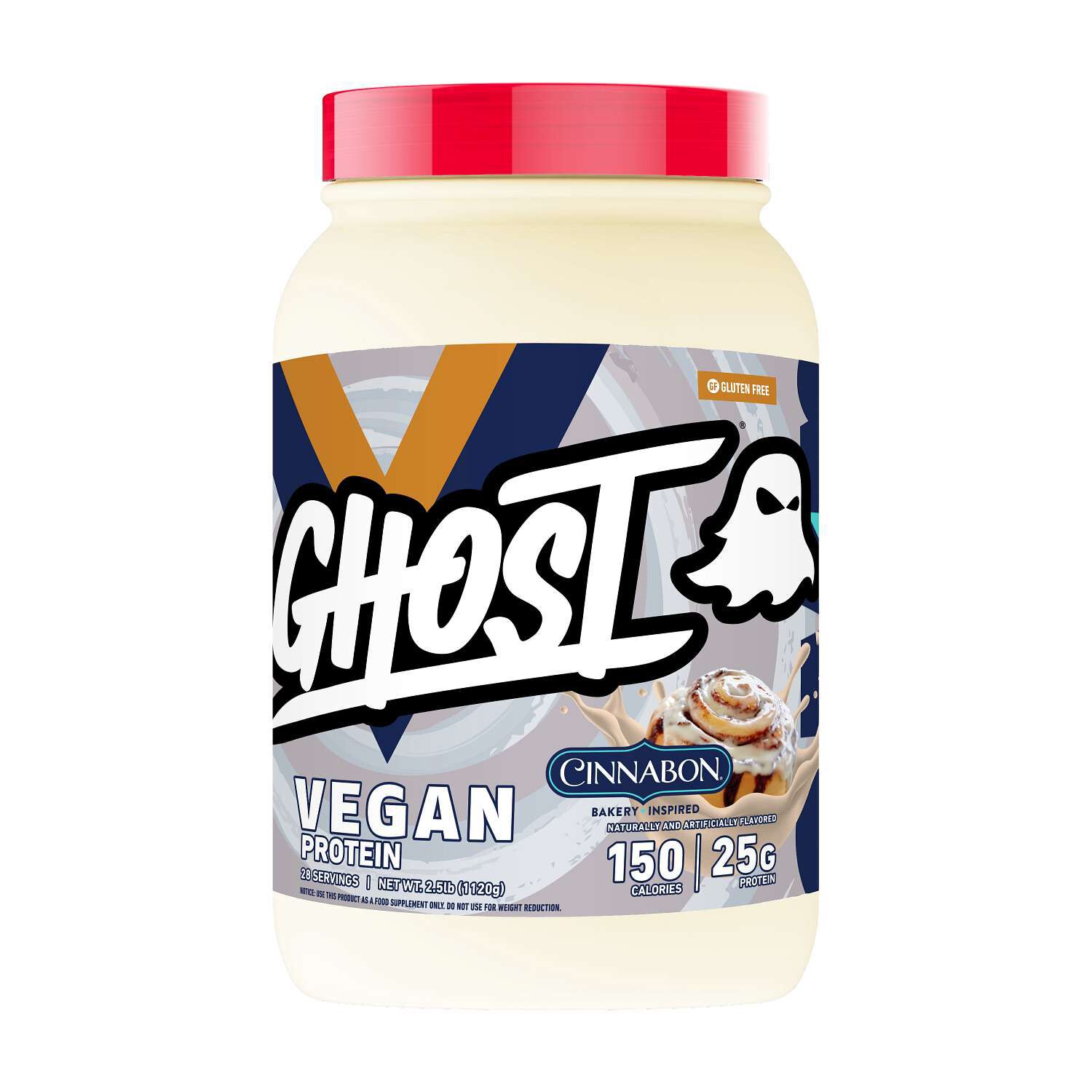
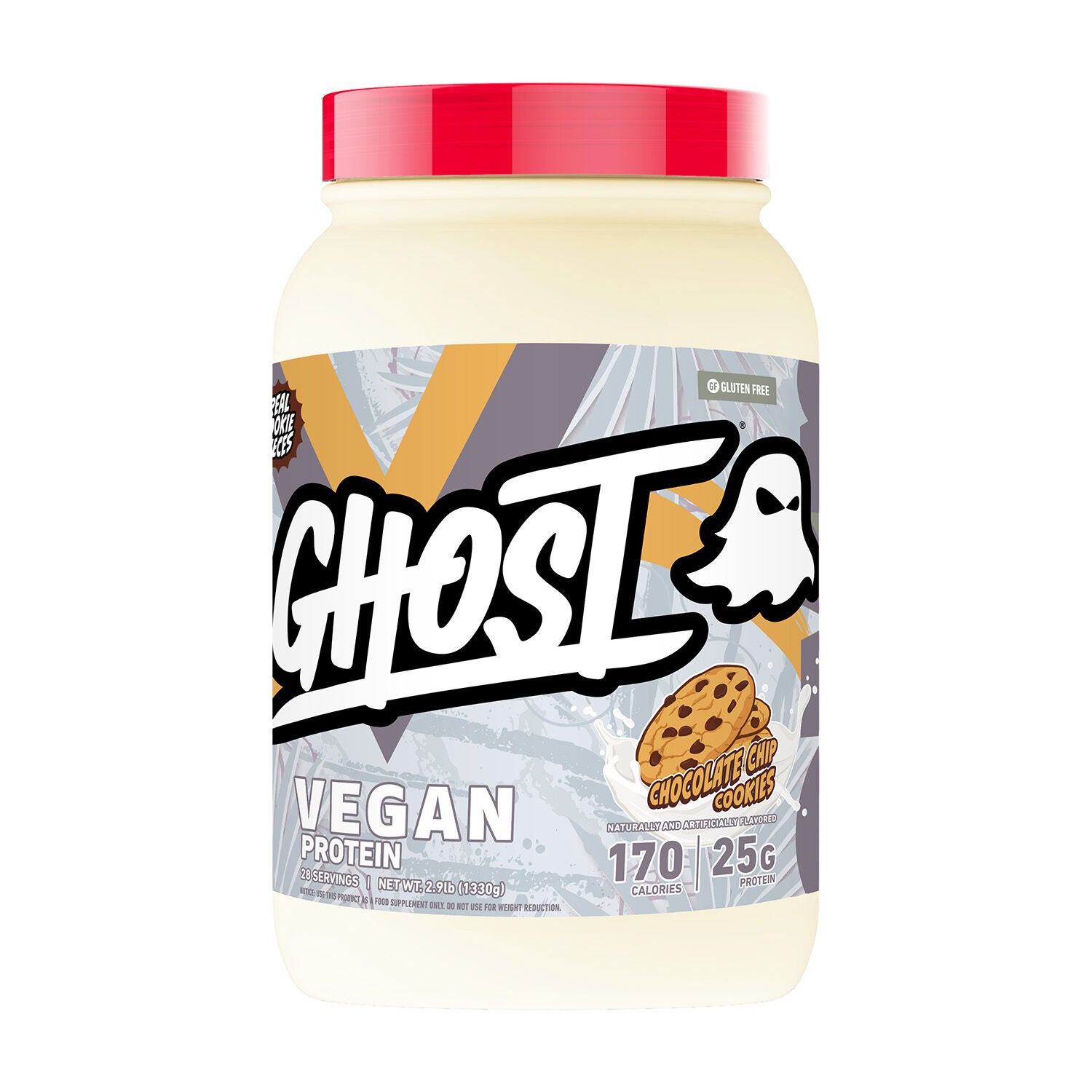
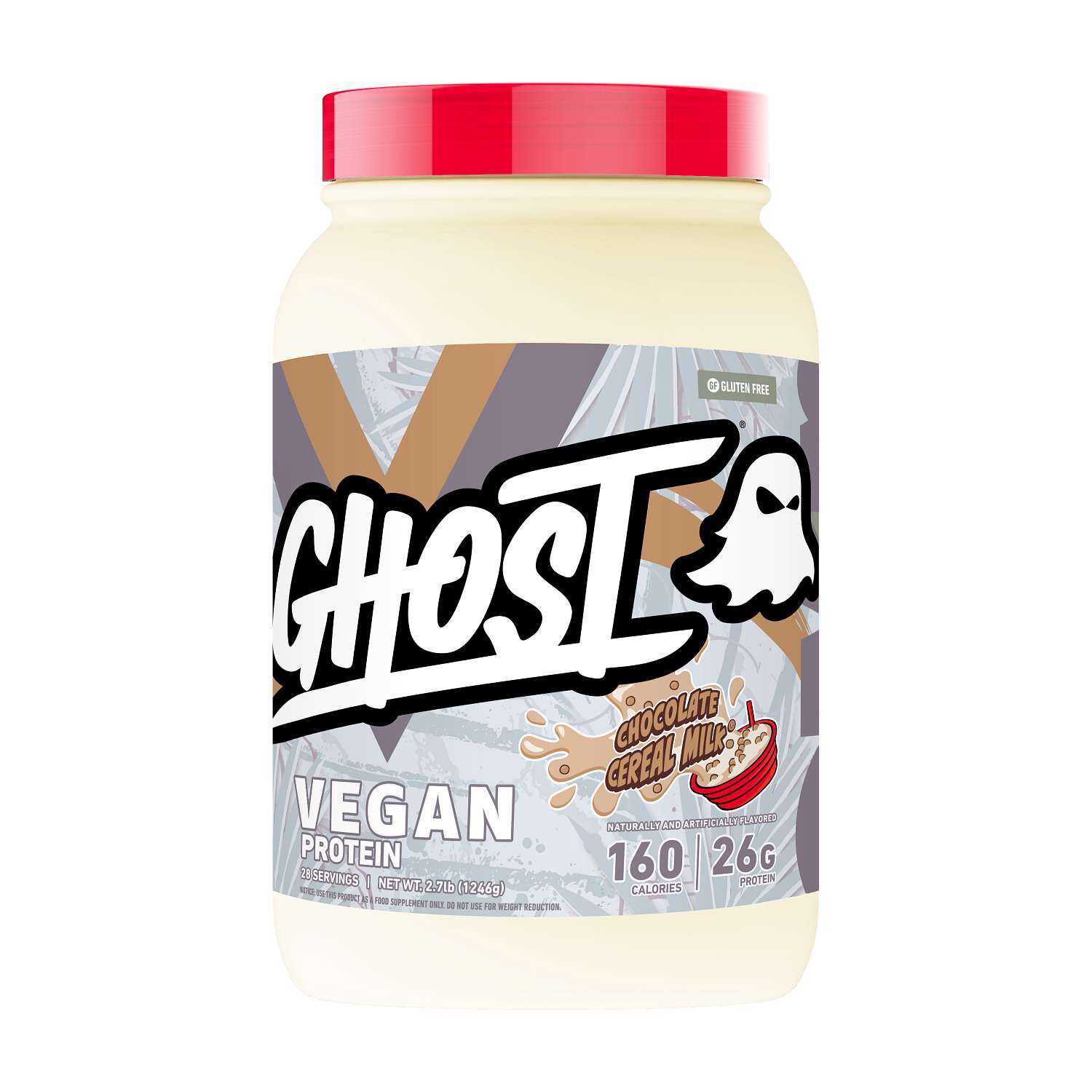
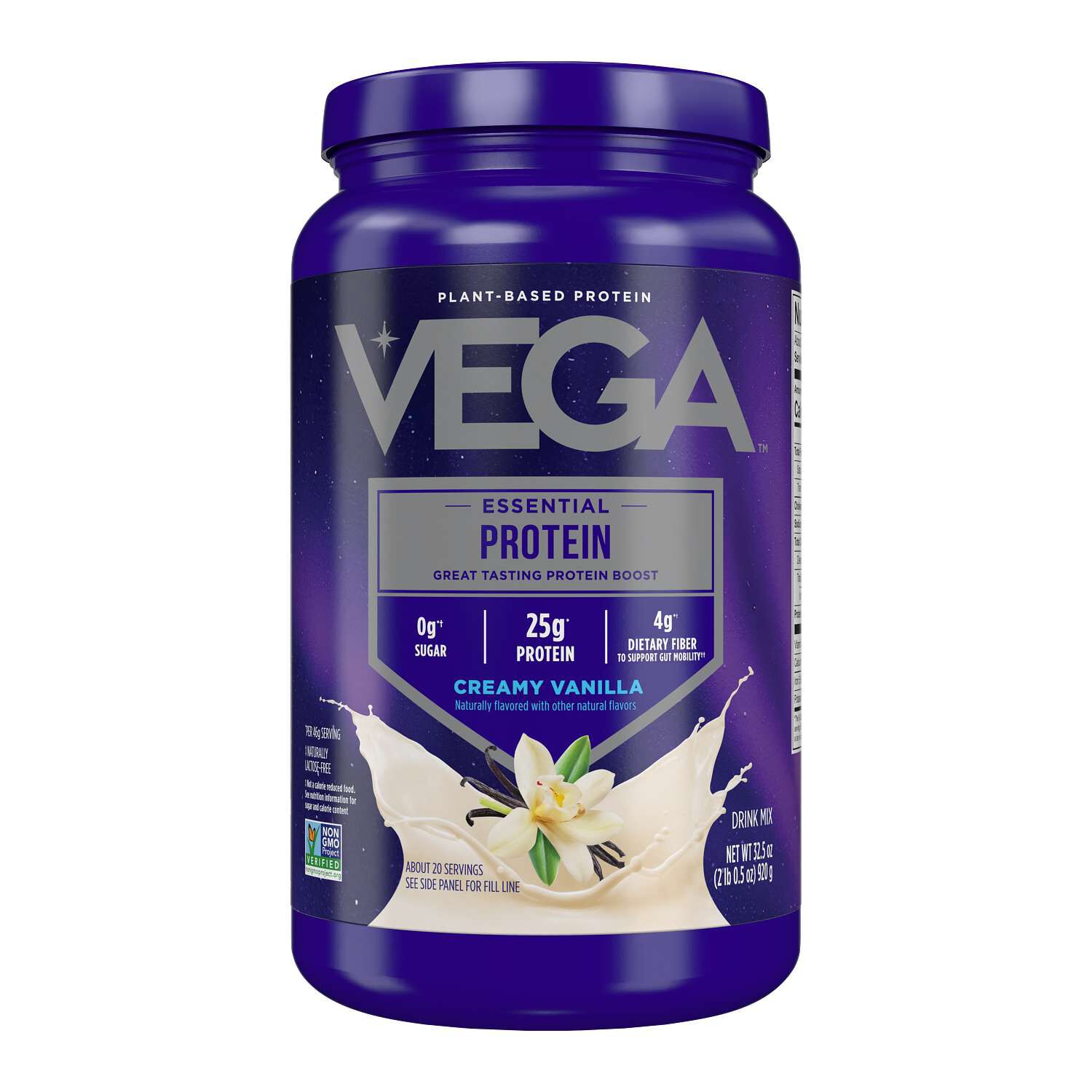


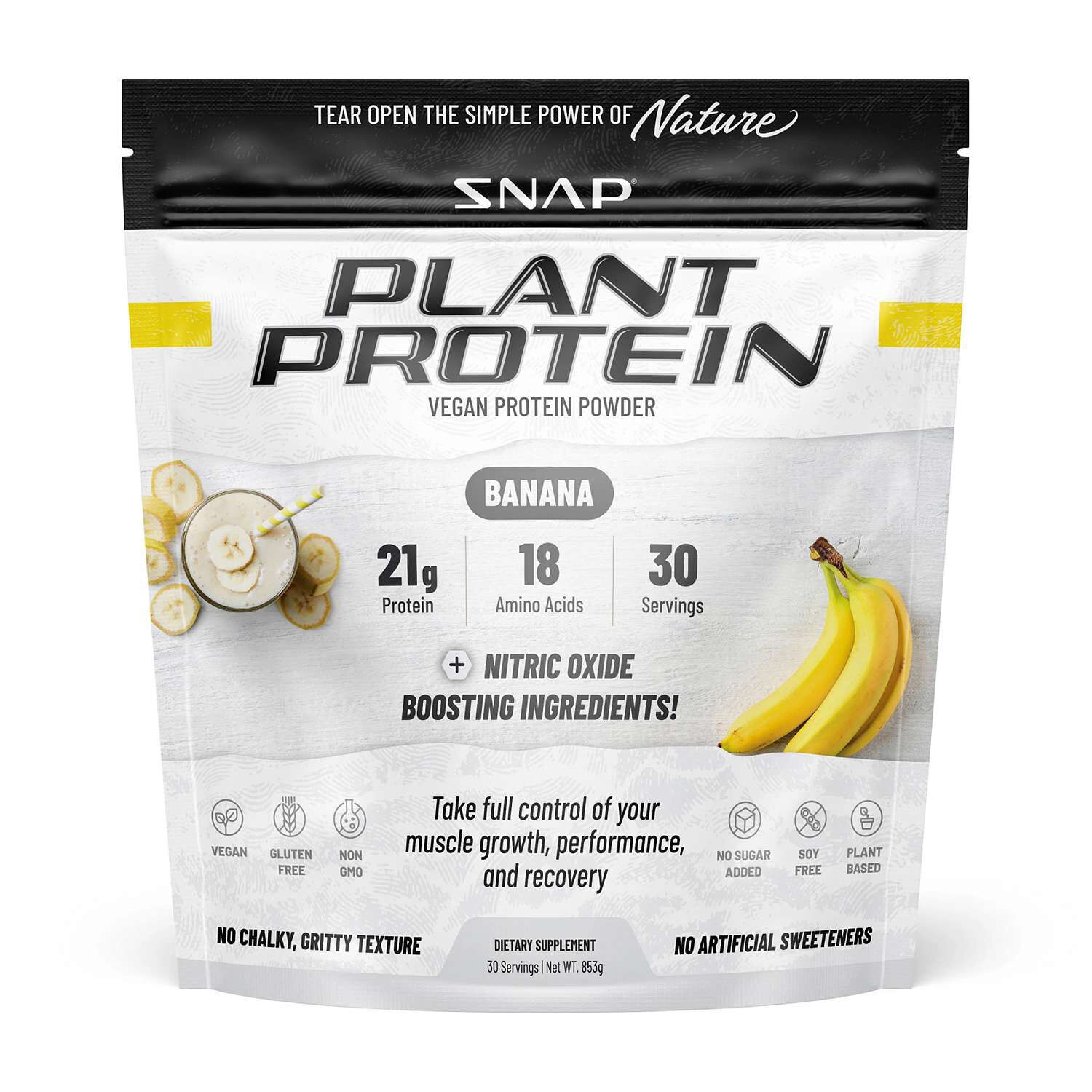
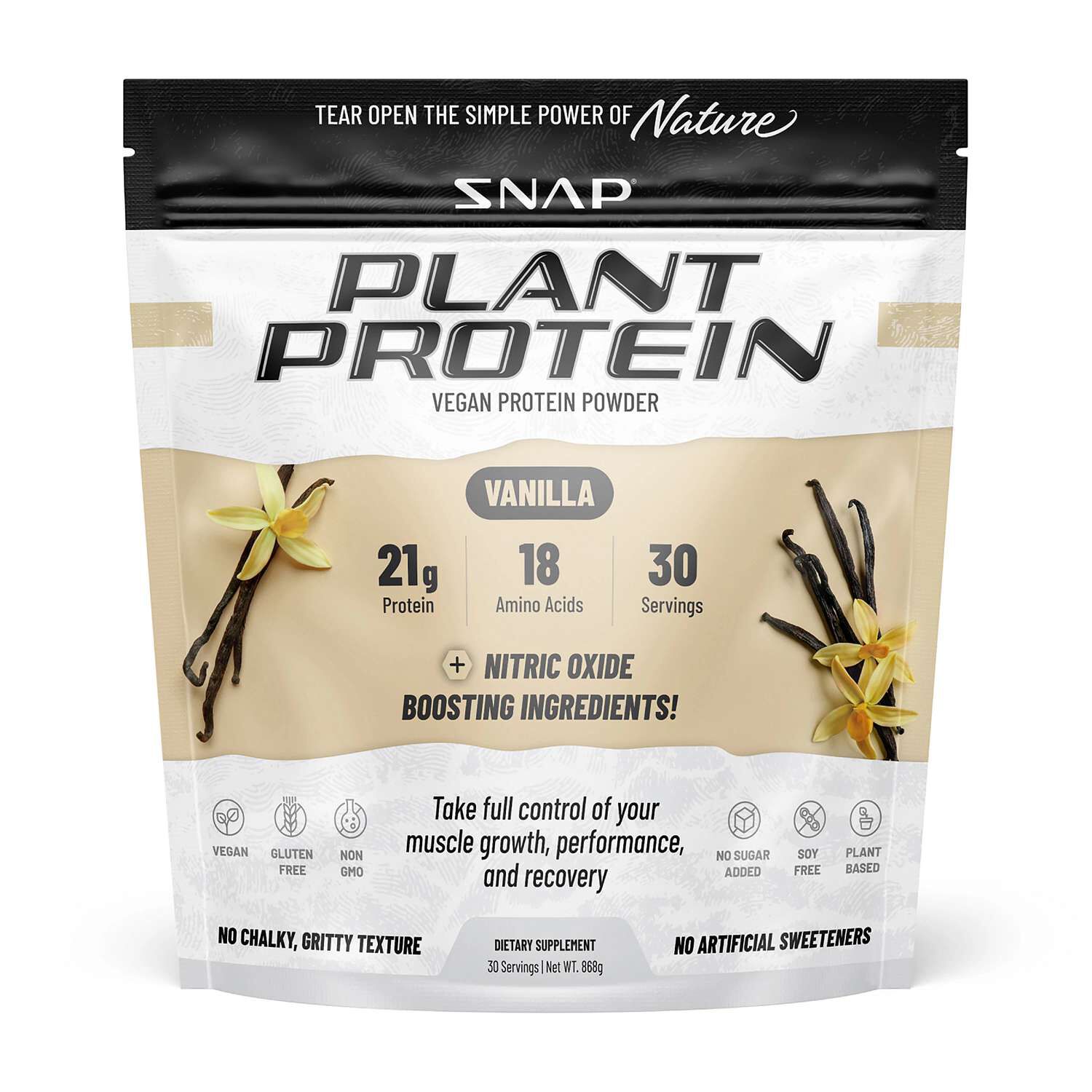
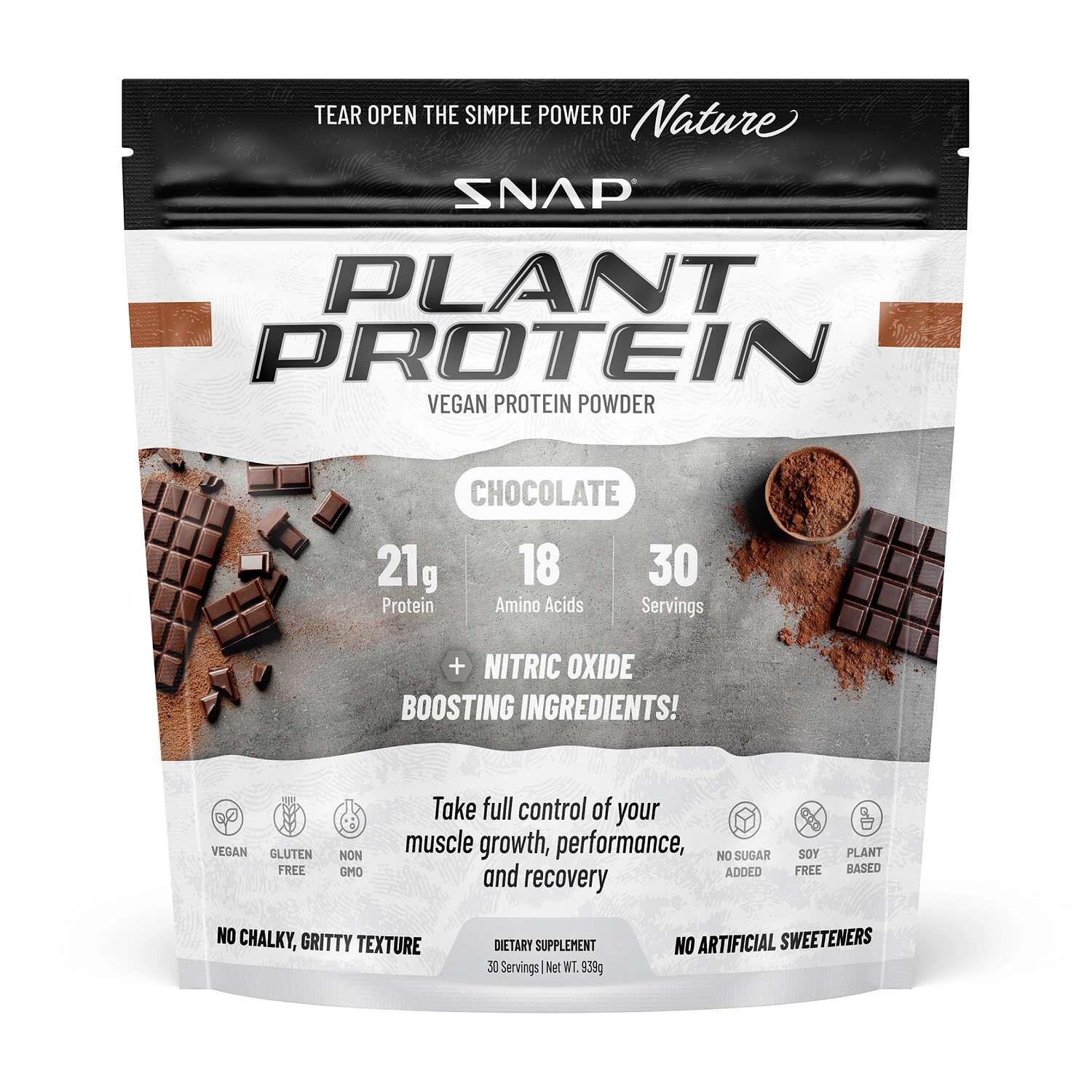


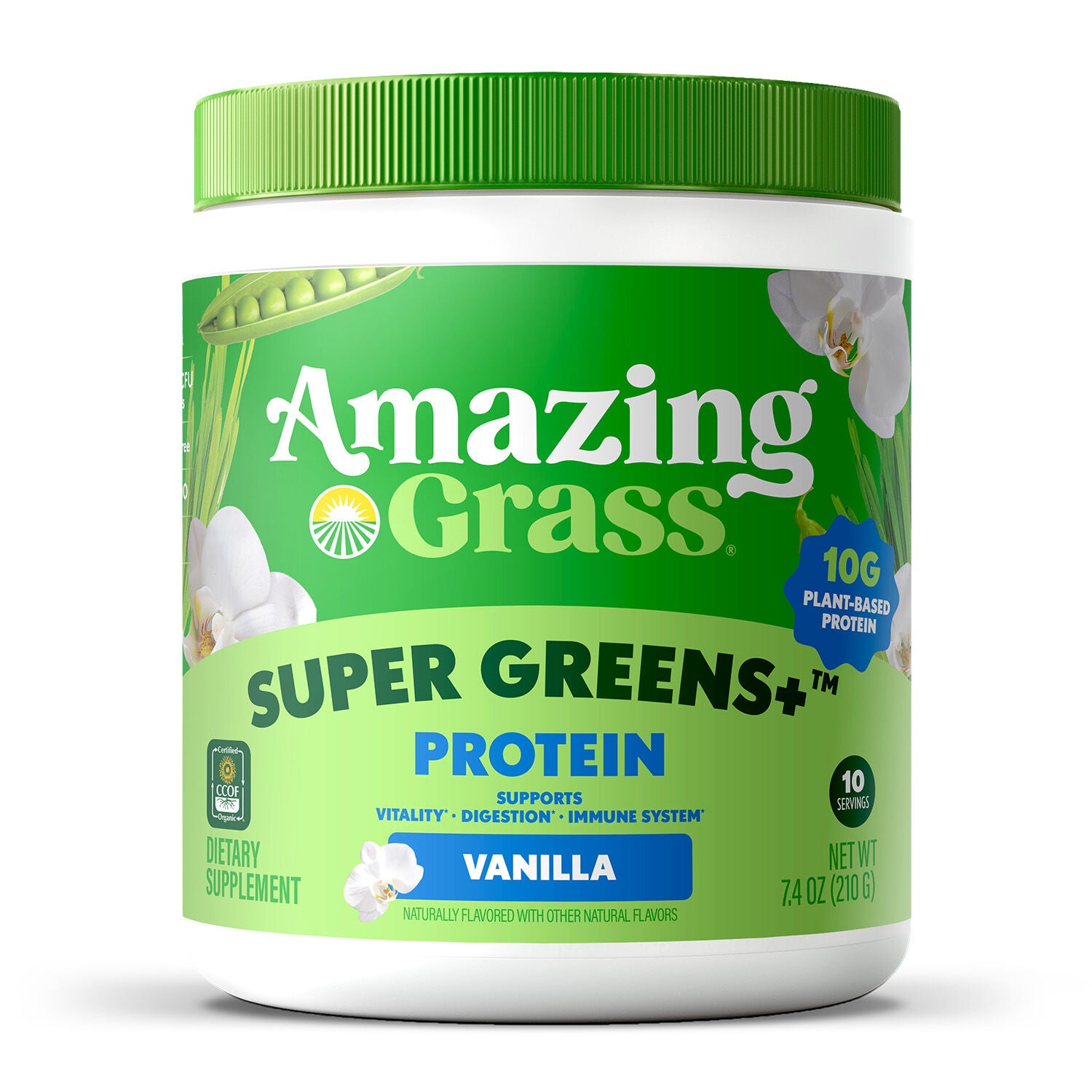

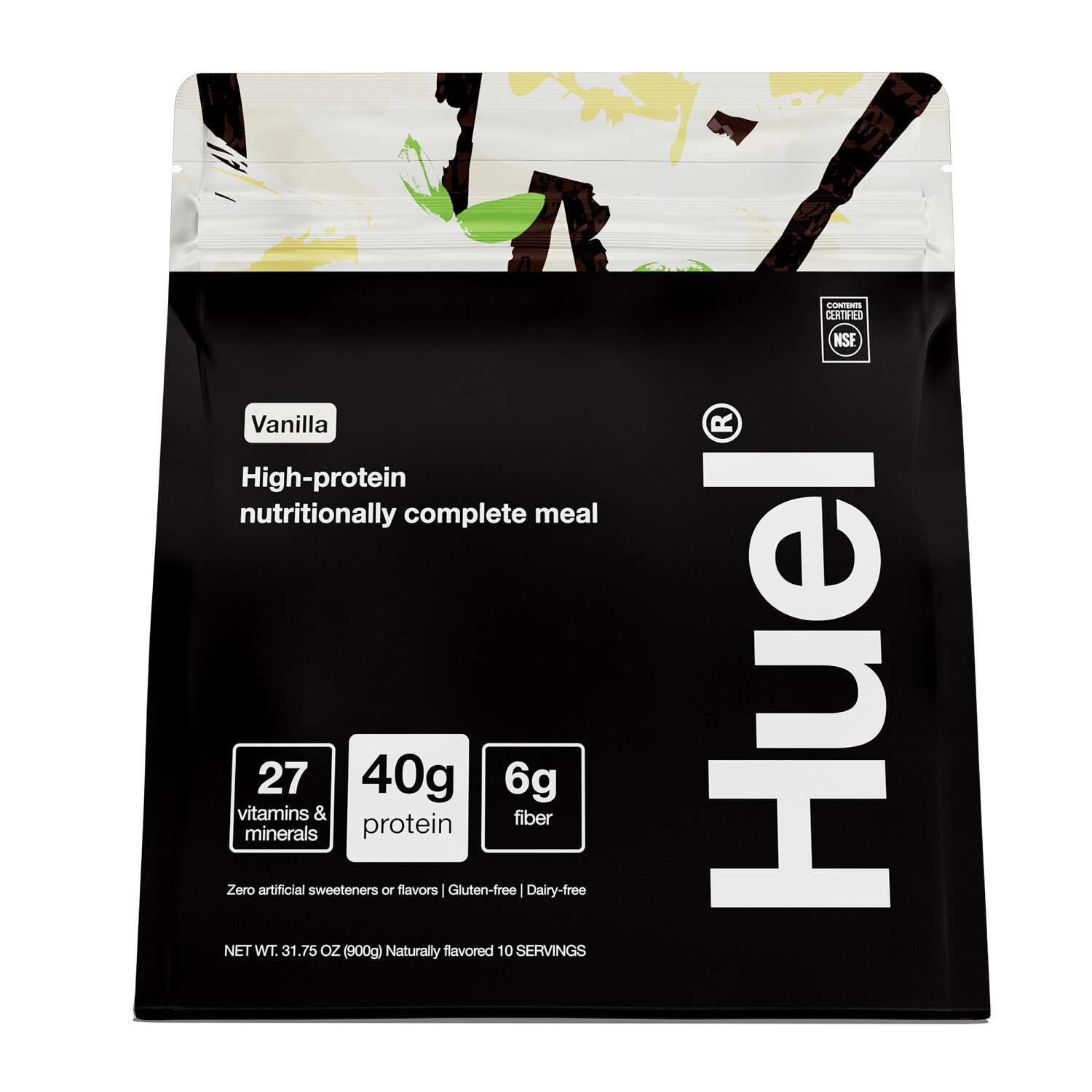
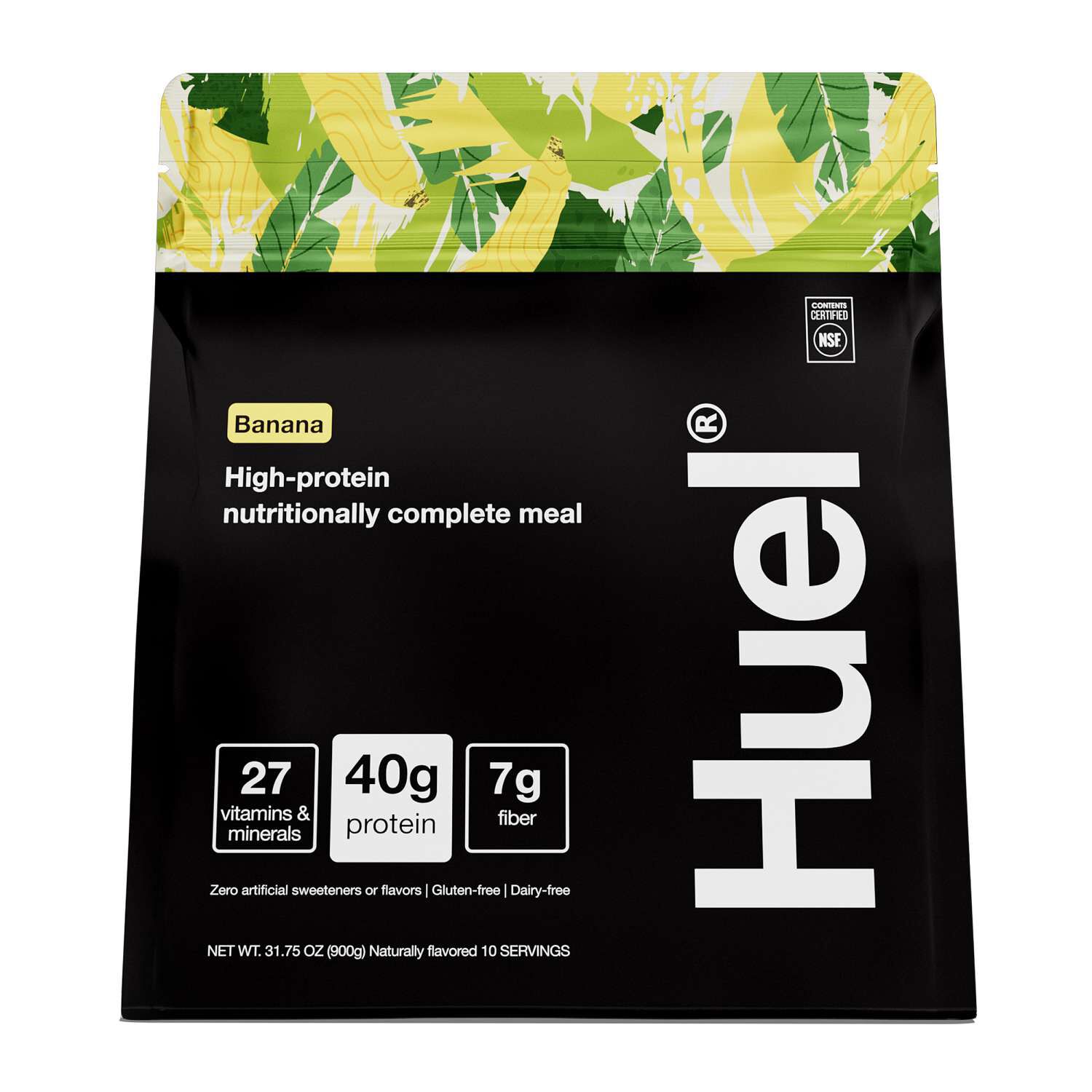
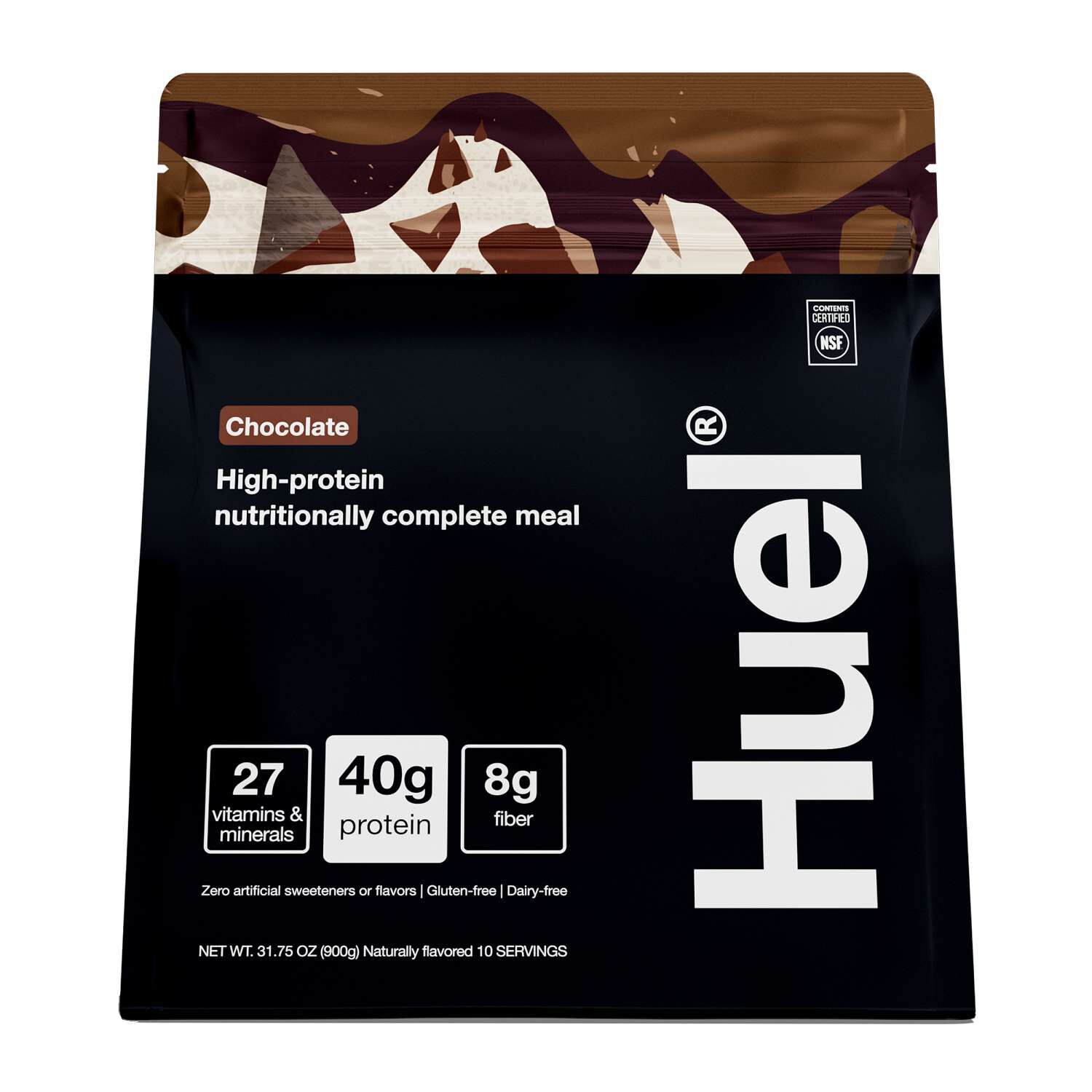
Vegan protein powders with wholefood carbs pair plant-derived protein with carbohydrate ingredients made from foods such as oats, quinoa, buckwheat, sweet potatoes, or bananas. The protein portion often comes from peas, brown rice, soy, pumpkin seeds, or a blend of plant sources, while the carbohydrate portion adds another dimension to the formula beyond protein alone. These powders may suit people who prefer plant-based eating, enjoy a substantial smoothie, or want both protein and carbohydrates in the same scoop. The distinction matters because a vegan protein powder is not automatically a meaningful source of wholefood carbohydrates. A formula built mainly around isolated protein can have a very different nutrient profile from one containing oat flour or powdered sweet potato. Likewise, a long list of fruits, vegetables, and seeds does not establish how much carbohydrate a serving supplies. The ingredient list identifies the sources, and the nutrition panel shows the amounts of protein, carbohydrates, dietary fiber, sugars, and fat per serving. Wholefood is also a description worth looking beyond: grains, roots, and fruits can be dried, milled, or otherwise processed into powder, and their nutritional contributions depend on the ingredient and quantity used. Ancient grains such as quinoa and amaranth are possible additions, but their presence does not make every blend nutritionally alike. Seeds can contribute protein and fat as well as some carbohydrate, so a seed-rich formula is not necessarily comparable to an oat-based one. Organic certification, a vegan designation, and the presence of whole grains describe different attributes rather than interchangeable measures of a powder’s composition. For shoppers comparing vegan protein and carb powders, the clearest picture comes from considering the main ingredients alongside the stated serving size. This category spans lighter additions to everyday recipes and more substantial blends with larger carbohydrate portions, making intended use an important part of the comparison.
Flavor and texture play a large role in how vegan protein powders with wholefood carbs fit into everyday food routines. Pea protein can have an earthy character, rice protein can feel slightly grainy, and oat ingredients often bring a mild cereal note. Cocoa, vanilla, cinnamon, and fruit flavors create different pairings with those foundations, while an unflavored powder leaves more room for the other ingredients in a recipe. A chocolate blend stirred into a banana smoothie has a different character from a neutral blend mixed with oats and cinnamon. Sweeteners matter, too: some formulas contain added sugar, while others use ingredients such as stevia or monk fruit, which have their own flavor profiles. The carbohydrate source can influence the finished consistency as much as the protein source. Finely milled grains and ingredients containing fiber may produce a thicker drink, especially after the mixture sits. Water keeps the preparation simple, while oat, soy, almond, or other plant-based beverages change both the taste and the nutrition of the finished serving. The chosen liquid matters for a vegan preparation just as much as the powder itself. A shaker bottle may be suitable for a smooth formula mixed with liquid, whereas a blender may work better when frozen fruit, nut butter, or other textured ingredients are involved. Preparation directions provide a useful starting point for the liquid-to-powder ratio; a dense blend can behave differently from a lighter protein powder. In overnight oats, the powder becomes part of a spoonable breakfast rather than a drink, and extra liquid may be needed as the grains absorb moisture. For baking, protein and grain powders do not behave exactly like standard flour, so recipes developed for those ingredients offer a more predictable starting point than a direct substitution. During cooler months, familiar combinations such as cocoa with oats or vanilla with cinnamon may fit naturally into breakfast routines without depending on a chilled smoothie.
Choosing among plant-based protein powders with wholefood carbohydrates also involves practical details that are easy to overlook beside a flavor name. A serving might mean one scoop, several scoops, or a stated weight that differs considerably between formulas. Comparing the same amount of powder, as well as the suggested serving, puts differences in protein and carbohydrate content into context. A larger serving is not necessarily more concentrated; it may simply contain more powder. The balance that makes sense for a small snack can differ from the balance preferred for a substantial breakfast smoothie or a shake prepared around a workout. Neither the word vegan nor the inclusion of wholefood ingredients means a powder is intended to replace a meal. That distinction depends on the formula, its labeling, and the other foods included in the eating occasion. People avoiding animal-derived ingredients can check the vegan designation along with the ingredient list, particularly when a blend includes added nutrients or flavor components. Anyone with food allergies also has a reason to review the allergen statement and manufacturing information rather than relying on the category name. Soy, tree nuts, and wheat can appear in plant-based formulas, and oats warrant a closer look when wheat or gluten avoidance is part of someone’s food requirements. Package size is another everyday consideration: frequent smoothie drinkers, households sharing a powder, and people preparing several breakfasts ahead may find Bulk Vegan Protein Powder relevant when comparing formats for regular use. A larger container still needs a suitable place in the kitchen, with enough room to close the lid securely and keep the scoop dry. Storage directions on the package take priority, and a cool, dry cupboard away from steam and direct sunlight is a practical setting for many powders. Keeping the container sealed between servings helps limit exposure to moisture. Together, ingredient transparency, a workable serving size, enjoyable flavor, and straightforward preparation give this category its place in a plant-based pantry.
Best Sellers
Related Pages

Top Collections
- Daily Collagen Supplements | Top Brands & Deals | GNC
- Natural Collagen Supplements | Top Brands & Deals | GNC
- Top Rated Collagen | Shop Customer Favorites | GNC
- Cortisol Supplements
- Vitamins For Hair Loss
- Spirulina Tablets
- NAD+ Supplement Tablets
- Peptide Supplements
- Best Brand of Magnesium Glycinate
- Vitamins That Help Support Weight Gain