






Vegetarian Vitamin D Supplements
(0 Results)
Vegetarian vitamin D supplements may offer a convenient way for those following plant-based lifestyles to support their nutritional goals. With options designed to align with vegetarian preferences, these supplements could fit seamlessly into your daily routine. Explore a variety of vegetarian vitamin D supplements that may help you find the right addition to your wellness journey.
-

-

-

-

-

-

-

-
-

-

-
-
 $12.99
 -
 $17.99
 -
 $14.99
 -
 $15.99
 -
 $24.99
 -
 $22.99
 -
 Portions Master$24.99
 -
 $14.99


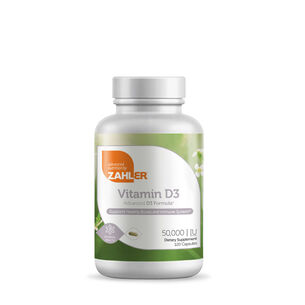
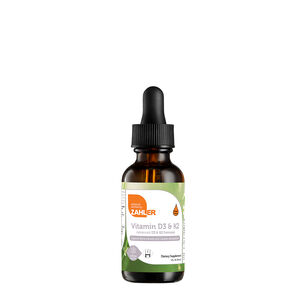
As the days of February unfold and sunlight feels scarce, many individuals who follow plant-based or vegetarian lifestyles may find themselves exploring vegetarian vitamin D supplements as a thoughtful way to support their nutritional routines. The winter season often means less time outdoors and limited sun exposure, which can make it more challenging for the body to synthesize vitamin D naturally. For those who choose not to consume animal-derived ingredients, traditional sources of vitamin D—such as those derived from lanolin, a substance found in sheep’s wool—are not always suitable. Instead, vegetarian vitamin D supplements often utilize innovative plant-based sources like lichen, a unique organism that grows on rocks and trees, and is known for its ability to produce vitamin D3. This plant-based approach aligns with vegetarian and vegan values while offering a convenient way to add a supplement that may fit seamlessly into daily routines. Whether it’s a softgel, tablet, or even a spray, these products are crafted with attention to ingredient sourcing, often being free from dairy, eggs, and fish, and sometimes utilizing natural oils such as sunflower oil to aid absorption.
When selecting a vegetarian vitamin D supplement, it’s helpful to consider several factors to ensure the product aligns with personal preferences and dietary needs. Checking for certifications on the label, such as vegan or vegetarian verification, can provide peace of mind that the supplement is truly plant-based. For those who are mindful of allergens or sensitivities, reviewing the ingredient list for common additives is a wise step. Dosage is another consideration, with products typically ranging from 1,000 IU to 5,000 IU, allowing users to select an option that may align with their unique wellness goals. The versatility of these supplements makes them an appealing choice not only for individuals but also as a thoughtful gift for friends or family members who embrace a plant-based lifestyle. Gifting a bottle of vegetarian vitamin D can be a caring gesture, especially during the colder months, and can show support for someone’s commitment to their dietary choices. Some may prefer the convenience of a softgel or the portability of a spray, while others might appreciate the simplicity of a tablet that fits easily into their existing supplement regimen. For those interested in exploring a popular option, the Vegetarian Vitamin D3 Softgels page offers a closer look at a softgel format designed with plant-based ingredients in mind.
People who prioritize plant-based eating or have dietary restrictions may find vegetarian vitamin D supplements to be a valuable addition to their wellness journey. These supplements might also appeal to those who live in northern climates or spend extended periods indoors, where sunlight is limited—think of cozy winter mornings spent reading by the window, or long workdays under fluorescent lights. For families with varying dietary needs, having a vegetarian vitamin D supplement on hand could make it easier to accommodate everyone’s preferences. Some individuals may even choose to pair these supplements with fortified foods, such as plant-based milks or yogurts, or incorporate vitamin D-rich mushrooms like maitake or portobello into their meals for a well-rounded approach. No matter the motivation, the thoughtful selection of a vegetarian vitamin D product can reflect a commitment to both personal values and well-being, making it a meaningful choice for those seeking plant-based alternatives during every season, but especially as winter’s shorter days continue.
