Vitamin B12 Drops For Adults
(0 Results)
Vitamin B12 drops for adults offer a convenient way to incorporate this important nutrient into your daily routine. These easy-to-use liquid supplements may be ideal for those looking for an alternative to traditional tablets or capsules. With a variety of options available, finding the right vitamin B12 drops for adults could help support your wellness goals. Explore different flavors and strengths to discover what best fits your preferences and lifestyle.
-
-

-
 $15.99
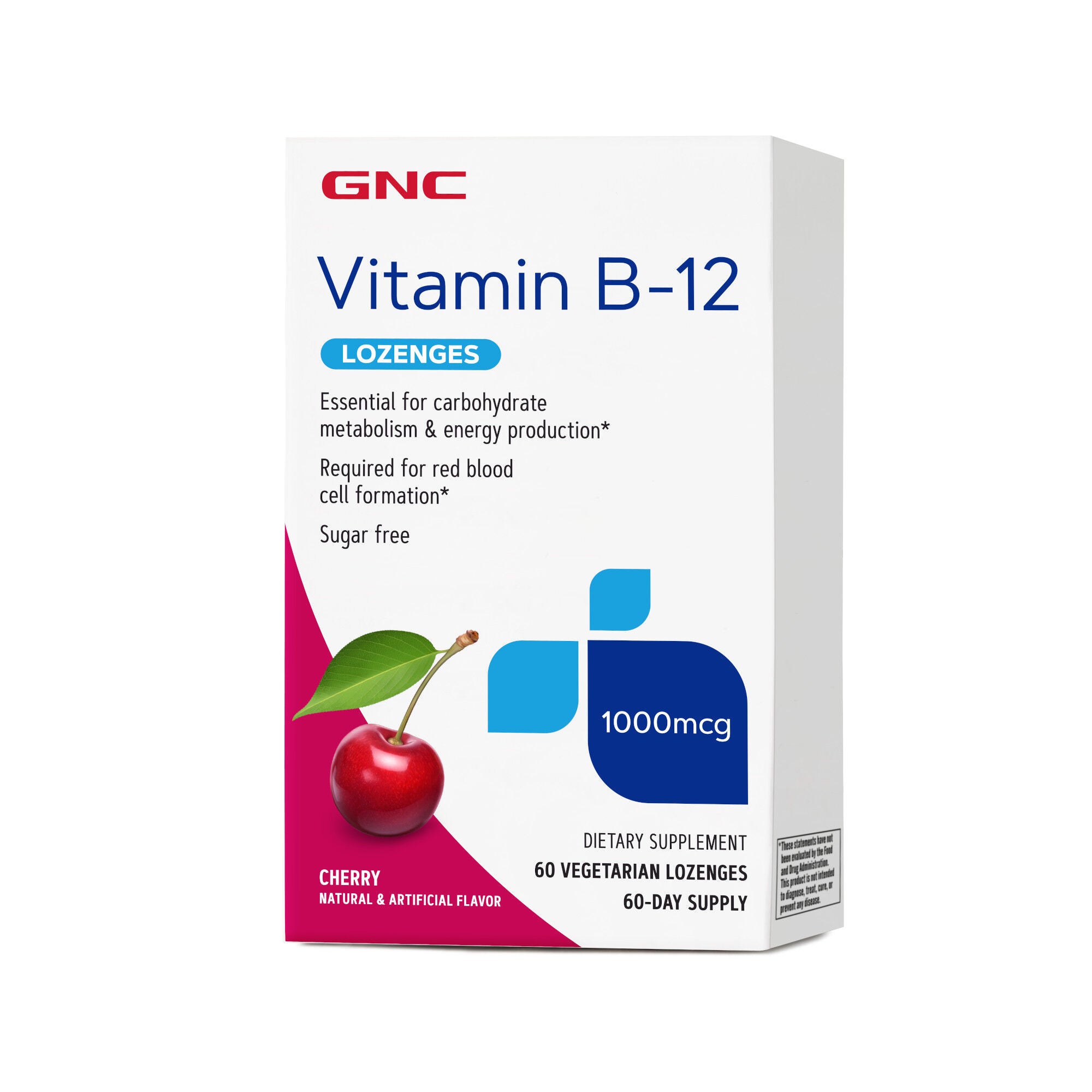
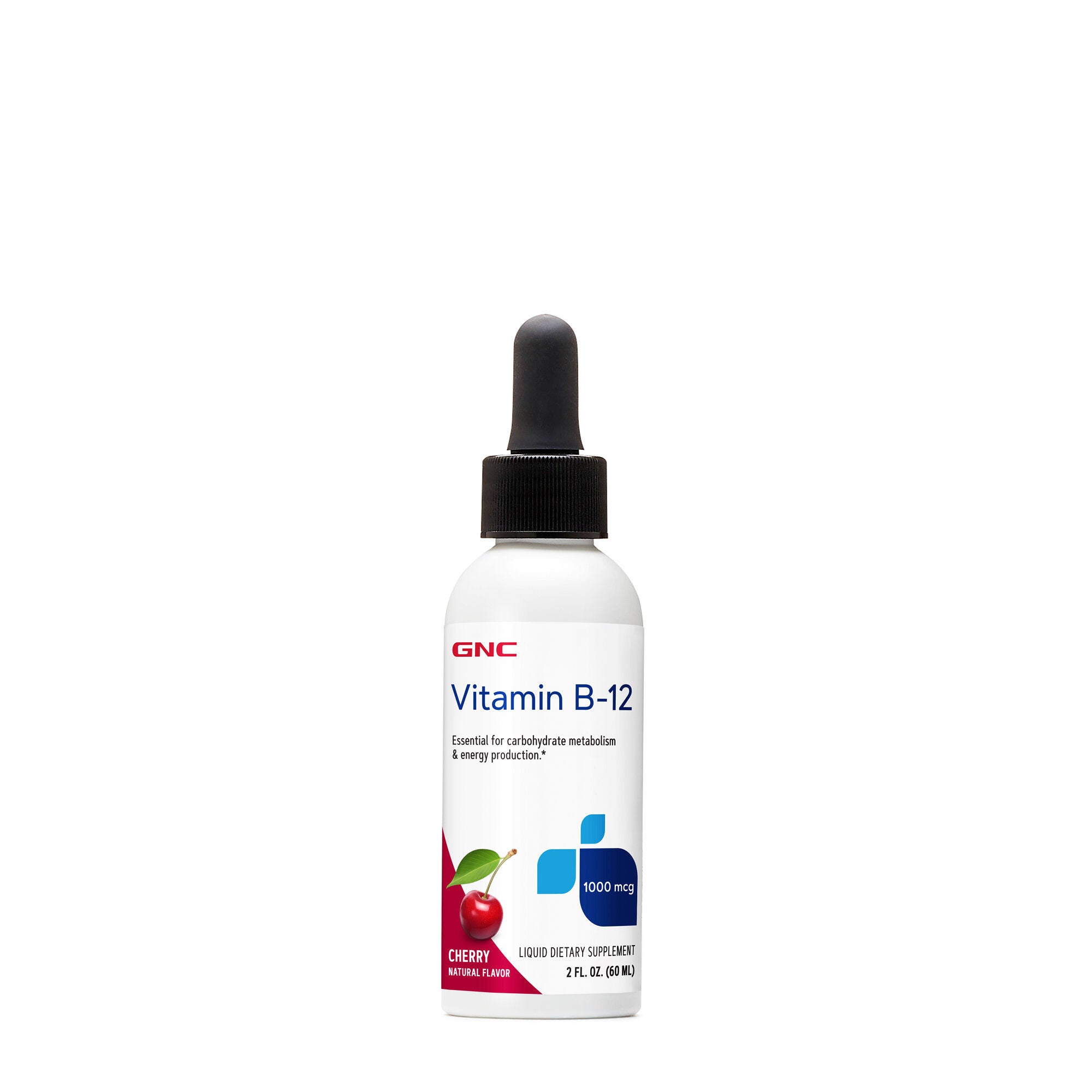
Vitamin B12 drops for adults offer a liquid alternative to tablets, capsules, and chewable supplements, with packaging that centers on a measured serving rather than a pill count. For someone who prefers a liquid texture or already has an established supplement routine, this format may be a convenient fit. Vitamin B12 occurs naturally in animal-derived foods such as fish, meat, eggs, and dairy, and it is also added to certain fortified foods. Adults who eat little or no animal-derived food may have a particular interest in this nutrient, although dietary preference alone does not determine which supplement is appropriate for an individual. For nutritional context, the recommended dietary allowance for adults who are not pregnant or nursing is 2.4 micrograms per day. That reference amount is distinct from the serving amount printed on a supplement label. Liquid B12 formulas can differ considerably in concentration, so bottle size and nutrient amount describe different things. A larger bottle contains more liquid, but it does not necessarily contain more B12 per serving. Likewise, a larger number on the front label is not a personalized recommendation. The Supplement Facts panel identifies the amount of vitamin B12 in a stated serving and the number of servings in the container. Micrograms, abbreviated mcg, describe the nutrient amount, while milliliters, abbreviated mL, describe liquid volume. Methylcobalamin and cyanocobalamin are two forms of B12 that may appear on labels; some formulations also contain adenosylcobalamin. These names identify the form of the nutrient rather than the flavor, serving volume, or dispensing method. Single-nutrient drops keep the formula centered on B12, while combination liquids include other nutrients and require a different label comparison. The distinction matters for adults who already use a multivitamin or other supplements, since similar-looking bottles can have quite different ingredient lists. Clear labeling gives these adult liquid supplements much of their practical context, especially when comparing serving amounts across different bottle designs.
The dropper and bottle are also part of the experience of choosing vitamin B12 liquid drops. A marked dropper may make the stated serving easier to identify, while a narrow dispensing opening may suit a different serving design. A single drop, one full dropper, and one milliliter are not interchangeable descriptions; the relevant measurement is the one specified on the package. Some liquid B12 supplements are labeled for placement under the tongue, while others are intended to be swallowed according to their directions. The word “liquid” does not establish the same serving method for every formulation, and a bottle’s appearance does not reveal its concentration. Taste and texture offer another useful point of comparison. Berry, citrus, or mint flavoring may appeal to adults who prefer a familiar taste, while an unflavored option may suit someone who wants fewer added flavor notes. Unflavored does not necessarily mean tasteless, since the nutrient and other ingredients can contribute their own character. Water and glycerin are examples of ingredients that can form the liquid base, with glycerin contributing a slightly thicker feel. Sweeteners, flavorings, preservatives, and other ingredients vary by formula, making the ingredient panel as relevant as the front label. Vegan, vegetarian, and organic designations describe different attributes rather than a single interchangeable standard. For adults with particular ingredient preferences, the source of an ingredient and the wording of any certification provide more useful detail than the general appearance of the bottle. Packaging materials vary as well. Glass bottles have a different weight and handling feel from plastic containers, while the dropper assembly may contain several materials of its own. An opaque or tinted container can limit light exposure, but its color does not establish nutrient strength or product quality by itself. Legible markings, a closure that seats securely, and clear directions may matter more in everyday handling than decorative packaging. Together, these details distinguish the practical experience of using drops from simply choosing a B12 amount.
For many adults, the appeal of B12 drops is how the format may fit into an ordinary day. A compact bottle may suit a designated supplement cabinet, a breakfast-area organizer, or a toiletry pouch used for travel. The best physical fit depends on the actual dimensions, closure, and serving method rather than a photograph that makes every bottle appear similar in size. Someone packing for an overnight stay may value a securely closing cap and readable directions, while an adult keeping supplements at home may place more emphasis on comfortable handling and a clearly marked dispenser. A dropper involves measuring and handling a liquid, which is a different experience from counting capsules. That difference may appeal to some shoppers and feel less convenient to others. Care requirements also belong in the comparison. Storage directions, the expiration date, and any instructions that apply after opening provide information specific to the formula and container. Keeping the original packaging preserves access to the ingredient list, serving directions, and other label details. Clean handling of the dispenser and a properly closed bottle are practical considerations for a liquid supplement, particularly when the same container is opened repeatedly. The number of servings stated on the label can help describe how the bottle fits a routine without assuming that every adult uses the same amount or schedule. Because supplement preferences are personal, adult B12 drops are often a more natural choice for an individual purchase than a surprise gift. Even when someone has expressed interest in liquid vitamins, flavor preferences, ingredient requirements, and serving style can differ. The broader category of Liquid B12 Vitamins offers another point of comparison for shoppers focused on this format. Across adult B12 drops, the most meaningful distinctions remain concrete: the nutrient form, amount per labeled serving, other ingredients, dispenser design, and package care requirements. Those details give a clearer picture of the supplement than bottle size or front-label wording alone.
- Q: What are vitamin B12 drops for adults?
A: Vitamin B12 drops for adults are a liquid supplement designed to provide an easily absorbed form of vitamin B12, which supports energy production, red blood cell formation, and nervous system function. - Q: How do you use vitamin B12 drops?
A: Vitamin B12 drops are typically taken by placing the recommended number of drops under the tongue, allowing for quick absorption into the bloodstream. Always follow the usage instructions provided on the product label. - Q: Who might benefit from taking vitamin B12 drops?
A: Adults who have difficulty absorbing vitamin B12 from food, such as older adults, vegetarians, vegans, or those with certain digestive conditions, may benefit from using vitamin B12 drops. - Q: Are there different types of vitamin B12 found in liquid drops?
A: Yes, vitamin B12 drops may contain different forms of B12, such as methylcobalamin or cyanocobalamin. Methylcobalamin is a naturally occurring form that is often preferred for its bioavailability. - Q: Can vitamin B12 drops be taken with other supplements?
A: Vitamin B12 drops can generally be taken alongside other supplements. However, it's recommended to consult with a healthcare professional to ensure your supplement routine meets your individual needs.