Vitamin B12 Lozenges For Healthy Aging
(0 Results)
Vitamin B12 lozenges for healthy aging offer a convenient way to support your daily wellness routine. As people focus on maintaining vitality and energy as they age, these easy-to-take supplements may fit seamlessly into any lifestyle. Explore a variety of options designed to help you meet your nutritional needs, with formulas that could be ideal for those seeking an alternative to traditional tablets or capsules. Discover how vitamin B12 lozenges for healthy aging might become a simple addition to your everyday regimen.
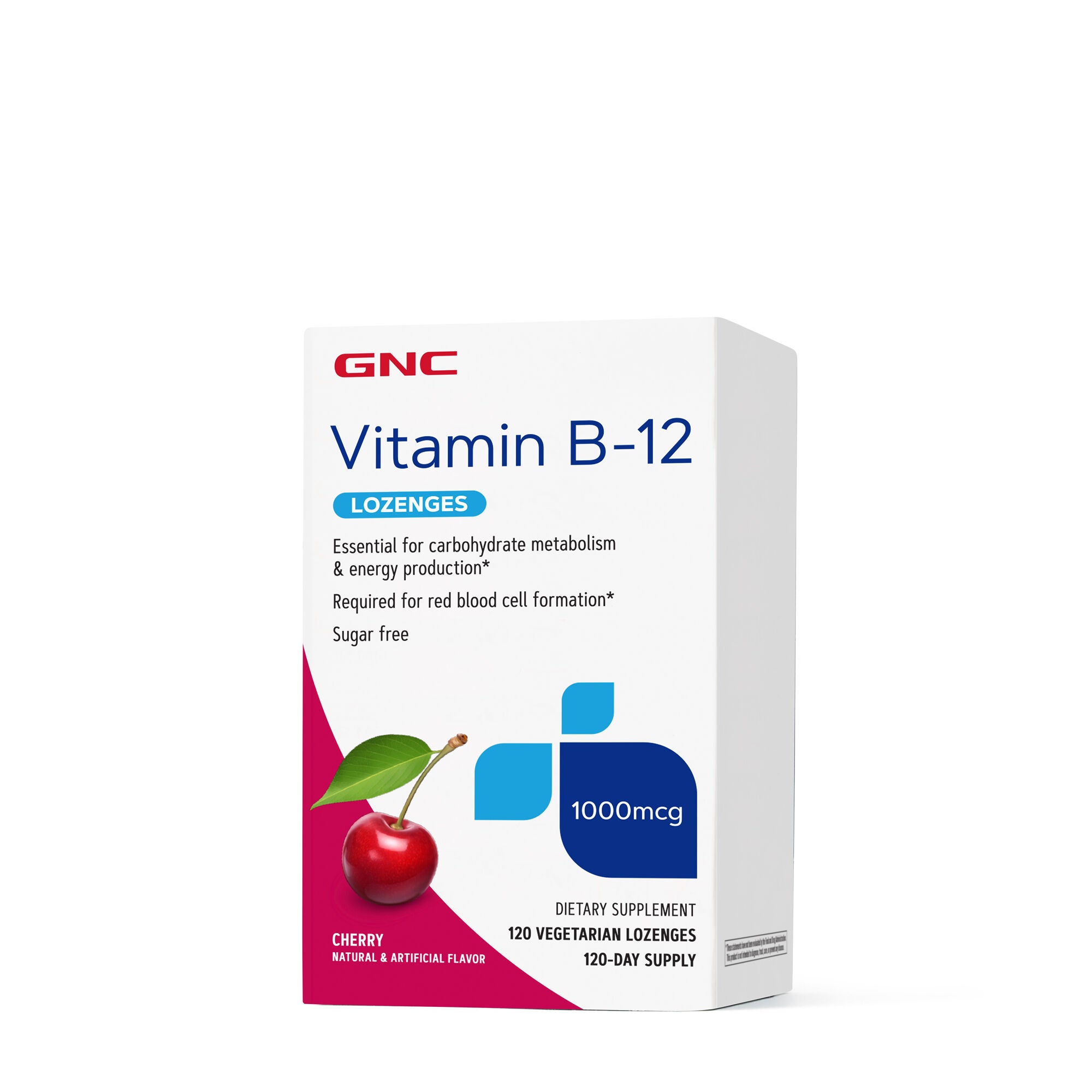
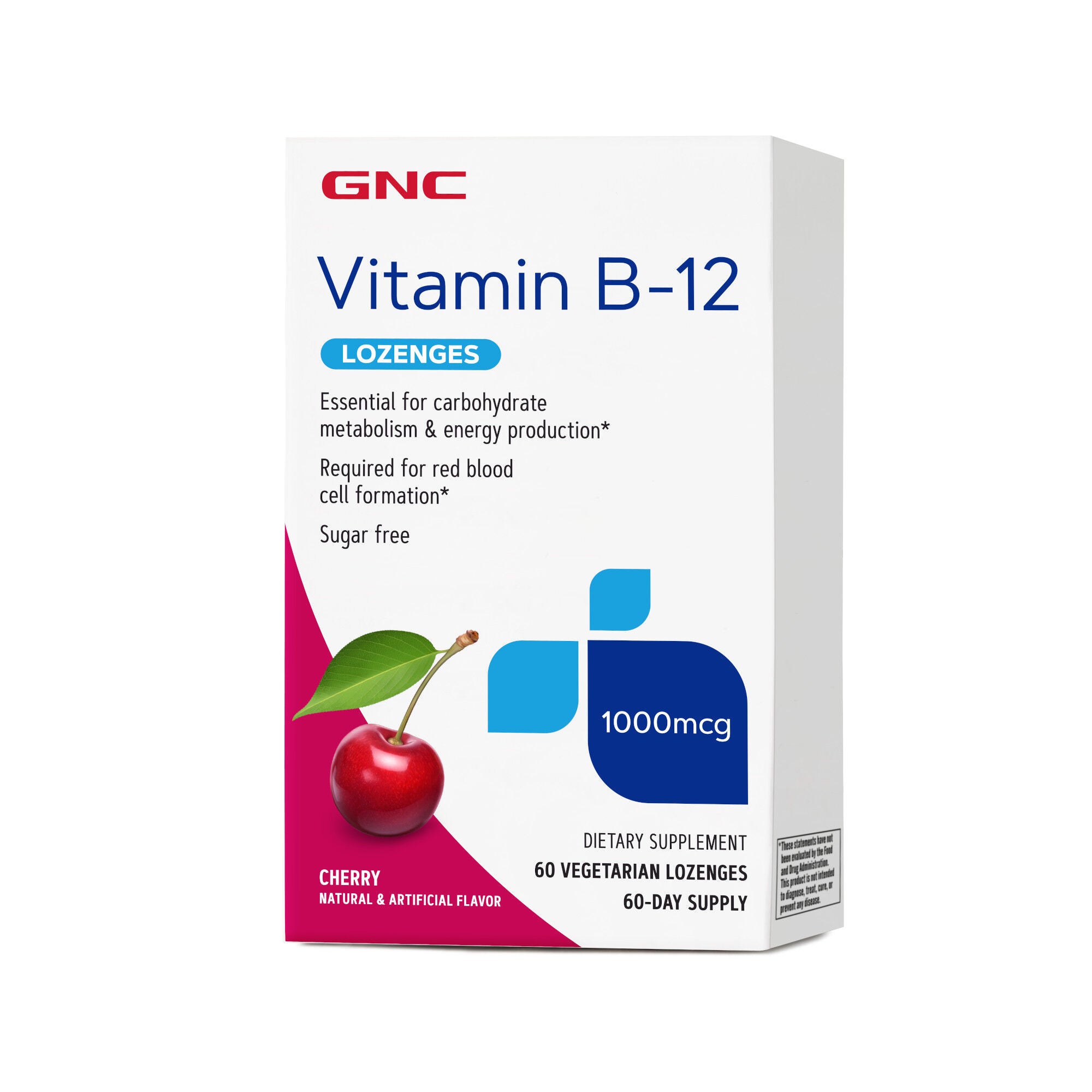

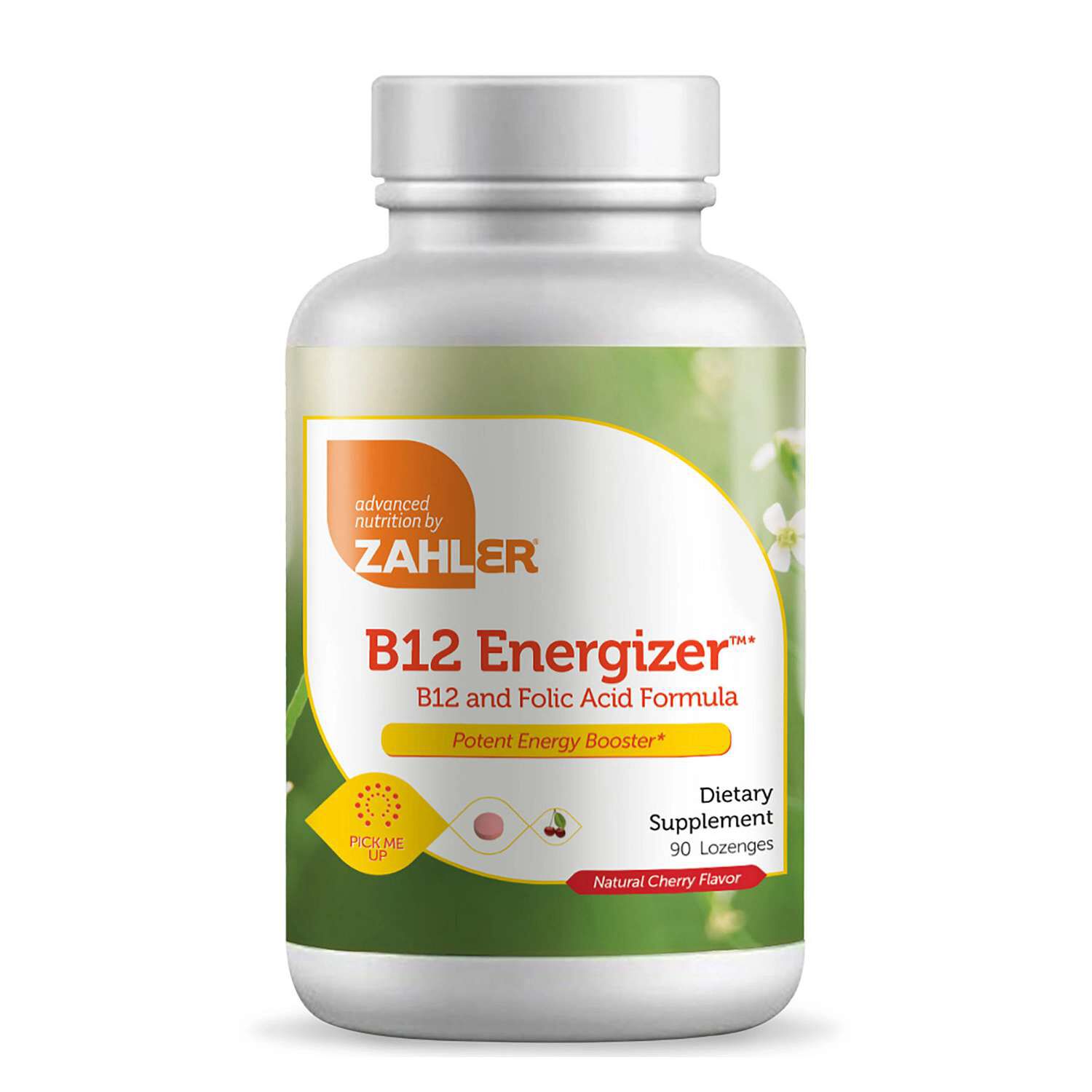

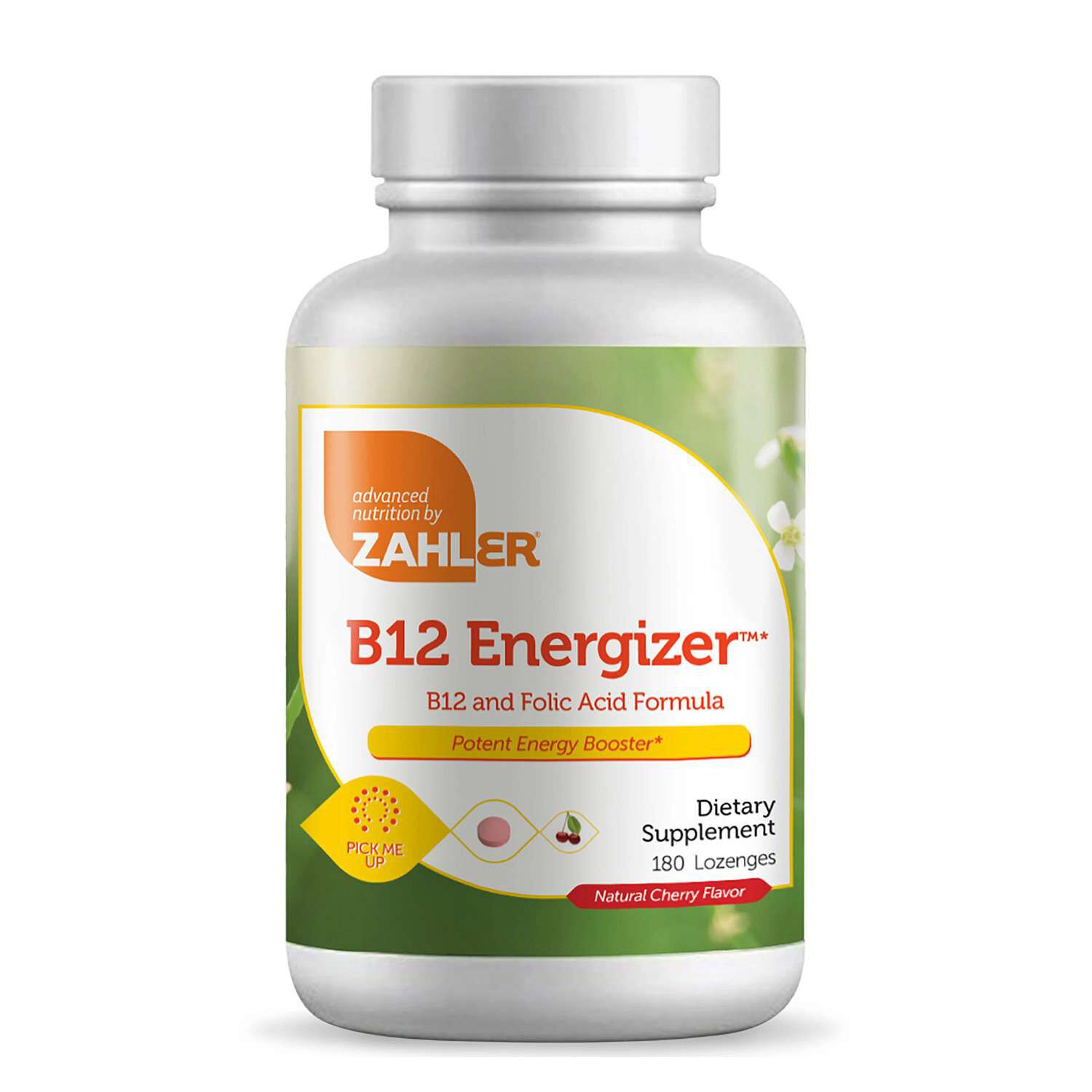

Vitamin B12 lozenges for healthy aging bring a familiar nutrient into a dissolvable format, with choices that differ in serving size, flavor, ingredients, and directions for use. For adults building a thoughtful supplement routine as they get older, those everyday details can matter as much as the name on the front of the bottle. A lozenge is generally intended to dissolve in the mouth rather than be swallowed whole like a conventional capsule, although the exact method of use depends on the label. Some formulas are described as sublingual, meaning their directions call for placement under the tongue; others have different dissolving instructions. The terms are worth checking rather than treating every small tablet as interchangeable. Vitamin B12 occurs naturally in foods such as fish, meat, eggs, and dairy, and it is also added to some fortified foods. Supplements offer another source of the nutrient, including options suited to different ingredient preferences. Adults who eat mostly plant-based meals, shoppers who already include B12 in their routine, and people who prefer dissolvable formats may all have different reasons for exploring this category. Healthy aging provides the context for the selection, not a uniform formula for every person. A birthday does not, by itself, determine which serving amount or ingredient list is the right match. Likewise, a healthy-aging label should not be read as an assurance of a particular outcome. The useful distinctions are more concrete: what form of B12 the formula contains, how much is listed per serving, whether a serving consists of one or more lozenges, and how the product is intended to be used. Someone who enjoys a lightly flavored dissolving tablet may prioritize taste, while another shopper may care more about a short ingredient list or clearly printed directions. Those preferences give vitamin B12 lozenges a place within a personal routine without making the format a substitute for varied meals or other everyday habits.
Comparing B12 lozenges starts with separating the nutrient itself from the ingredients that give the tablet its shape, flavor, and texture. Methylcobalamin and cyanocobalamin are two forms of vitamin B12 that may appear on supplement labels. Their names identify the form included, but neither name alone describes the entire formula or establishes a better choice for every older adult. The Supplement Facts panel supplies a different set of details, including the amount of B12 per serving, typically expressed in micrograms, or mcg. That amount is distinct from the number of lozenges in the container. A bottle with a larger tablet count does not necessarily contain more servings if the directions specify multiple lozenges for each serving. Reading those entries together makes the comparison more meaningful than judging by bottle size or a prominent front-label number. A higher amount is not automatically a better match for a personal routine, and flavor is not an indication of nutrient content. Beyond the nutrient panel, the other ingredients list describes components such as sweeteners, flavorings, binders, and coloring ingredients. Because a lozenge stays in the mouth while dissolving, these details are especially relevant to the experience of using it. A fruit-flavored tablet and a mint-flavored tablet can have noticeably different tastes, and the same flavor description can vary between formulas. Sweeteners such as xylitol or sorbitol may appear in some ingredient lists, while other formulas use different ingredients. Dietary designations also deserve a closer look. A fruit flavor does not establish that a formula is vegan, and a simple-looking tablet does not reveal every ingredient used to make it. For shoppers with specific dietary preferences, an explicit label statement is more useful than assumptions based on color, shape, or packaging. Tablet dimensions and the described dissolving method are additional considerations when that information is provided. These are practical matters of fit: whether the format, taste, serving instructions, and ingredient profile suit the person who will actually use the supplement.
The best fit for an everyday supplement routine often becomes clear through ordinary moments: reading the label at the kitchen counter, opening the container, or packing the original bottle for a weekend visit with family. Vitamin B12 lozenges differ from capsules not only in their format but also in the attention their directions require. Instructions may specify where to place the tablet and whether to let it dissolve without chewing, so the label remains the reference for intended use. Flavor does not turn a supplement into a snack, and a dissolvable format does not mean that extra servings belong in the routine. Packaging matters here, too. A clearly marked cap, readable print, and a container that closes securely are useful features to consider when evaluating how a bottle will fit into daily life. For storage and care, the package directions provide the appropriate conditions, and keeping the original container preserves access to the ingredient list, serving information, and date markings. Leaving lozenges loose in a pocket or an unlabeled travel container separates them from that information and may expose them to moisture. The condition of the seal and the legibility of the label are more relevant measures of packaging quality than decorative details. When choosing a supplement for another adult, knowing that person’s established preferences is more useful than making assumptions about age. A familiar flavor or format may be welcome, but supplements are personal purchases rather than universal gifts for a milestone birthday or retirement celebration. Shoppers considering the same format beyond an age-focused selection can also explore B12 Lozenges For Healthy Lifestyles for a related everyday-wellness perspective. Across either theme, the most informative comparisons stay grounded in the label: nutrient form, amount per serving, ingredient composition, dissolving directions, and storage requirements. Together, those details offer a clear way to distinguish vitamin B12 lozenges while keeping the focus on individual preferences and intended use rather than broad expectations about aging.