





Vitamin B12 Supplements For Vegetarian Diets
(0 Results)
Browse vitamin B12 supplements for vegetarian diets and compare options by B12 amount per serving, ingredient sources, and suggested use. Check each product’s label for vegetarian suitability to help you choose a supplement that fits your dietary preferences and daily routine.


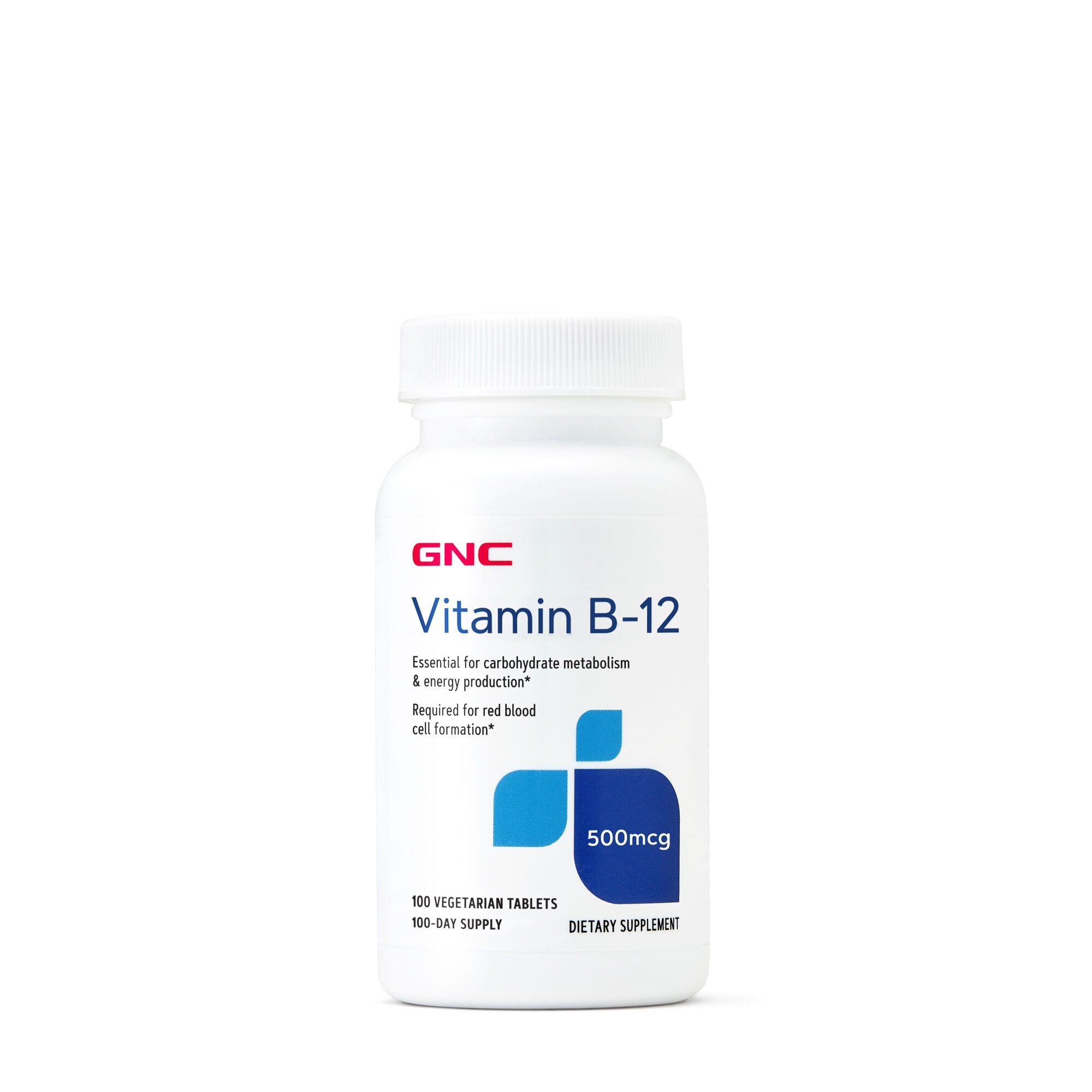
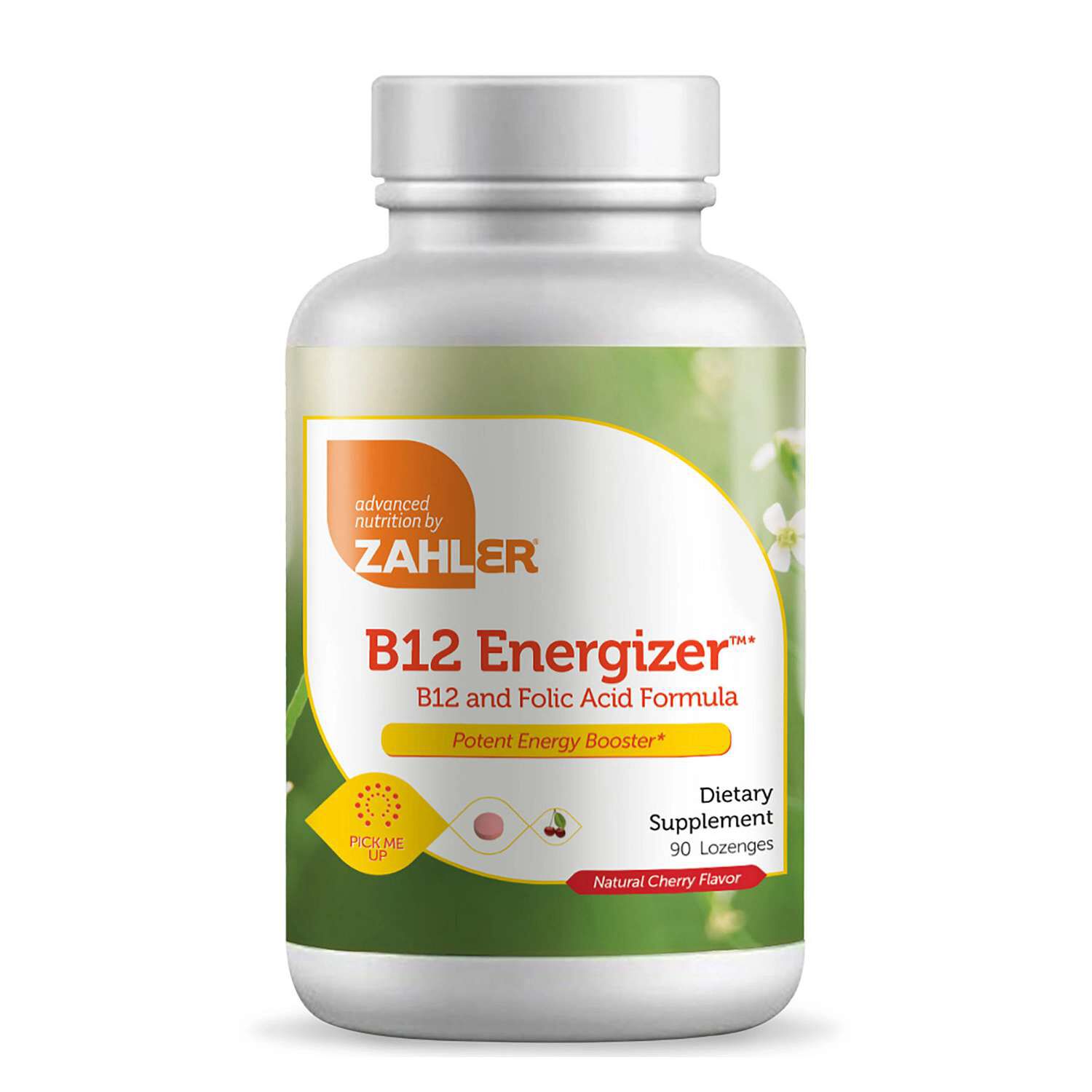

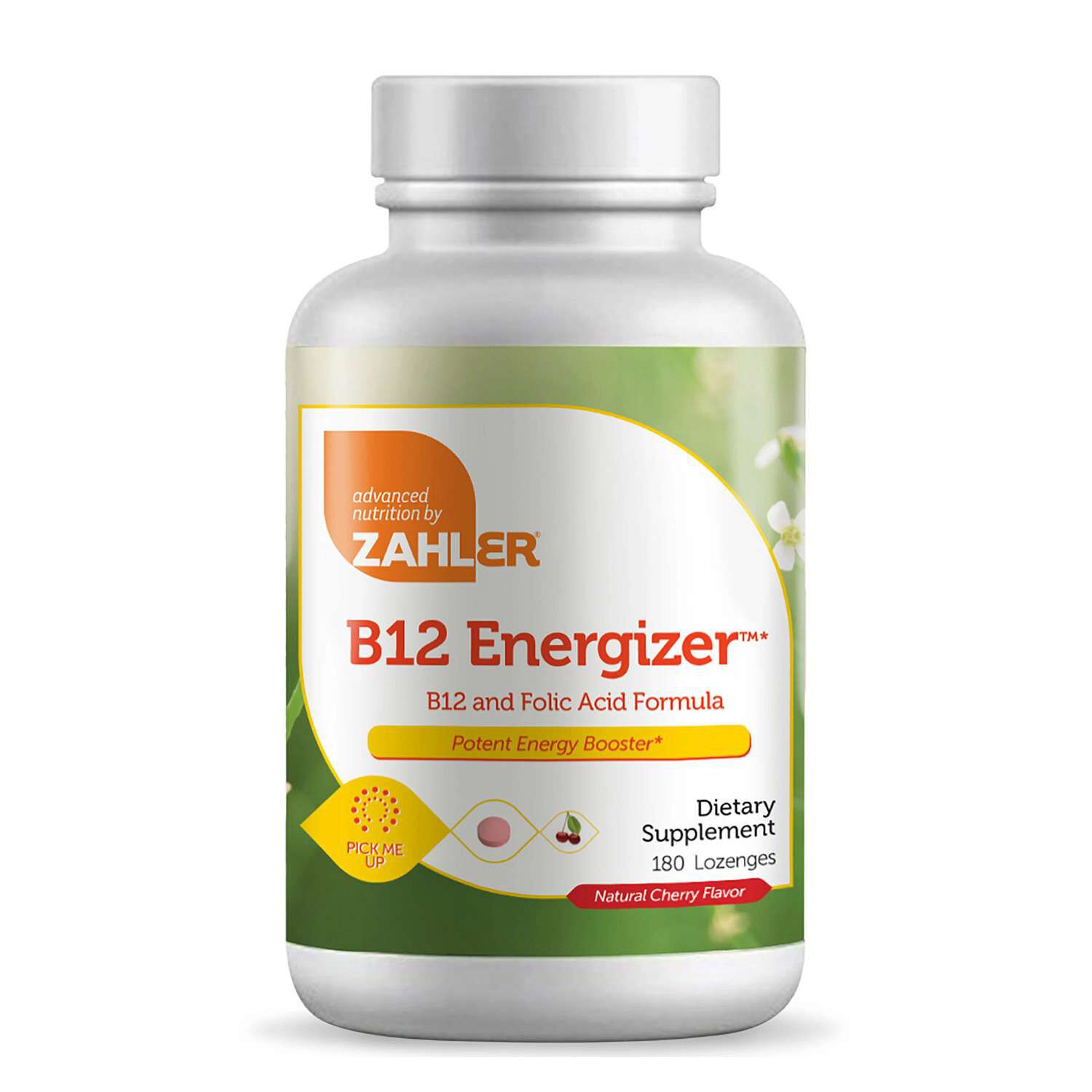

Vitamin B12 supplements for vegetarian diets come in formats such as tablets, capsules, liquids, gummies, and lozenges, with ingredient choices that matter as much as the format itself. Vitamin B12 occurs naturally mainly in animal-derived foods, while plant foods are not generally reliable sources unless they have been fortified. That distinction is useful when comparing vegetarian eating patterns. A lacto-ovo vegetarian diet includes dairy foods and eggs, whereas a vegan diet excludes animal-derived foods. Someone who eats yogurt or eggs has a different food pattern from someone whose meals center on beans, vegetables, grains, nuts, and seeds. Even within the same eating pattern, the frequency and portions of those foods vary. Fortified breakfast cereals, nutritional yeast, and plant-based beverages can contain added B12, but fortification differs by product, so the food label matters. A familiar breakfast of oatmeal with a plant-based beverage does not necessarily contain the same amount of B12 as another breakfast that looks nearly identical. Supplements may complement B12 intake when food choices offer limited sources, although the appropriate choice depends on individual circumstances rather than the vegetarian label alone. For shopping purposes, the most useful starting points are the amount of vitamin B12 per serving, the number of pieces or drops in that serving, the ingredient list, and any vegetarian or vegan labeling. A bottle described as a B12 supplement is not automatically suitable for every plant-based eating pattern. The vitamin ingredient and the rest of the formula need separate consideration, particularly when a shopper avoids all animal-derived ingredients. For adults exploring vitamin B12 supplements for vegetarian diets, that distinction makes the category easier to compare without assuming that every capsule, chewable, or liquid has the same composition. A narrowly focused B12 formula also differs from a B-complex supplement or multivitamin, which contains other nutrients. Those are different product types, even when B12 appears prominently on the front label.
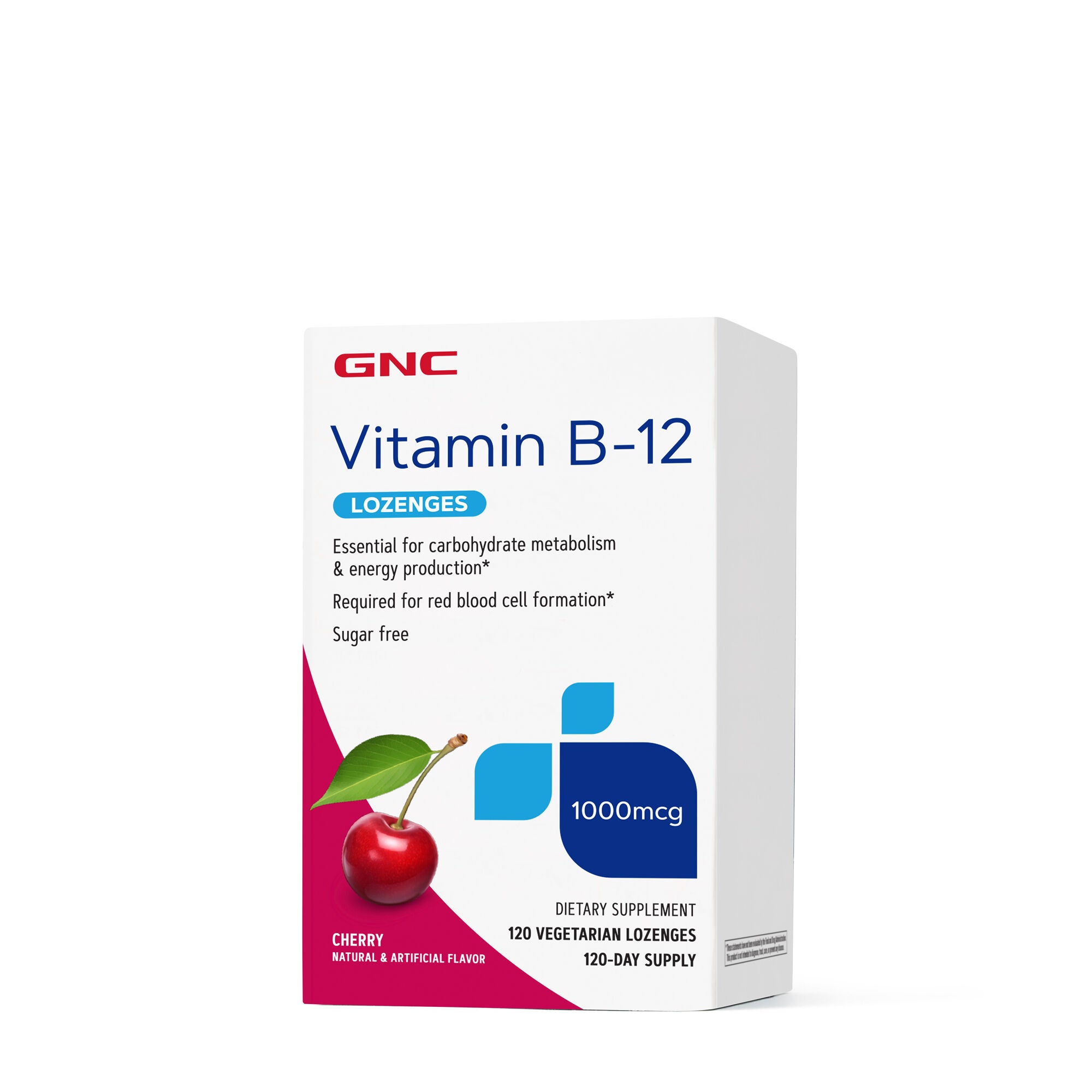
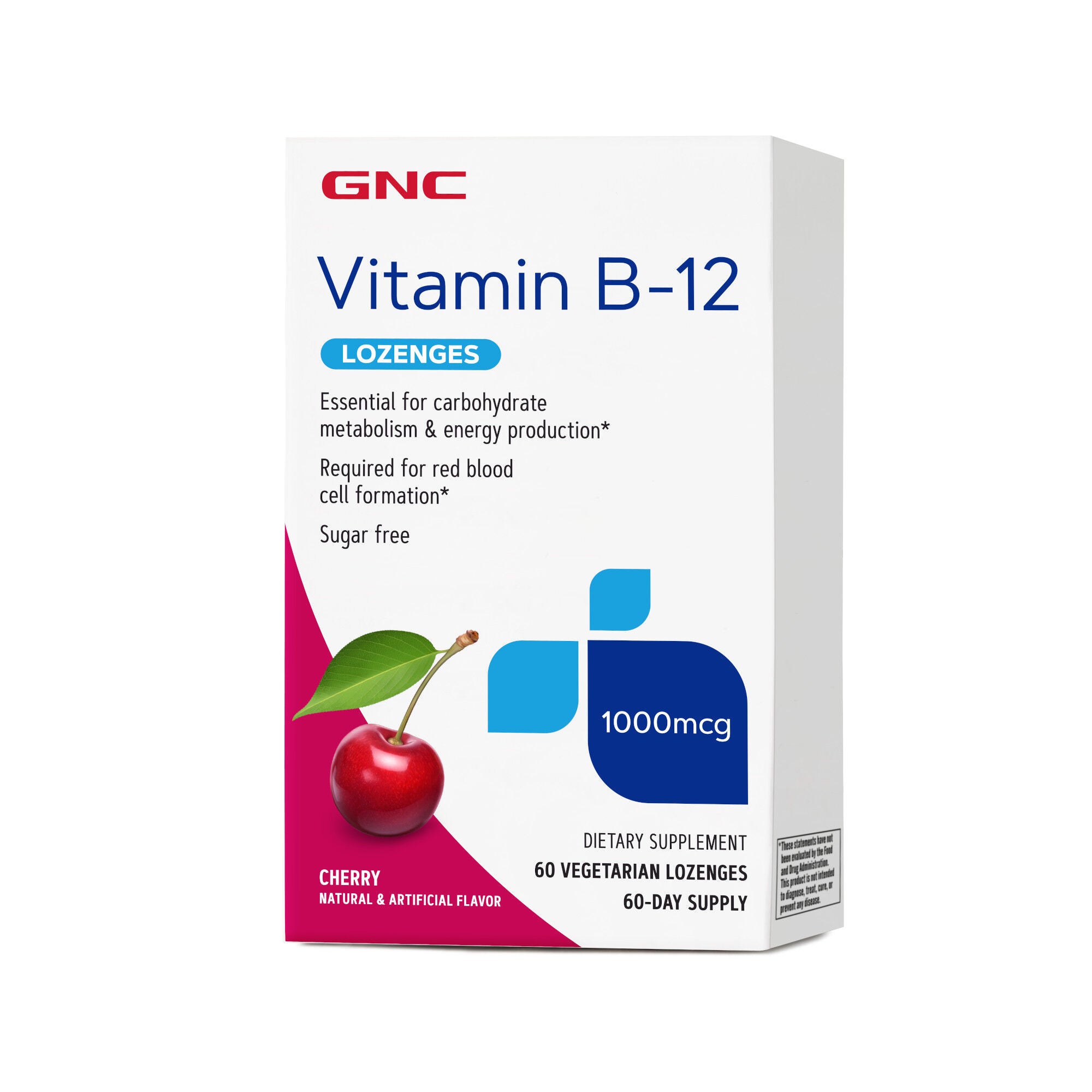
Format is often the most noticeable difference when browsing, but practical details can reveal whether a supplement fits an everyday routine. Tablets and capsules are familiar choices for someone who prefers a measured serving without flavoring, though their dimensions, coatings, and directions vary. Gummies and chewables introduce texture and taste into the comparison, along with sweeteners, colors, and other ingredients that deserve a closer look. Liquids have their own considerations, including the measuring device, the amount listed per serving, and whether the directions call for shaking before use. A drop and a full dropper are not interchangeable measurements, so the product’s own serving description is more informative than the bottle’s appearance. Shoppers interested in a dissolving format can compare vitamin B12 lozenges for vegetarians, paying attention to flavor, texture, serving size, and directions. The word lozenge describes a format rather than establishing whether every ingredient suits a vegetarian diet. Likewise, a label describing sublingual use refers to placement under the tongue; it does not, by itself, establish that the product is a better choice than another format. Vitamin B12 ingredient names commonly include cyanocobalamin and methylcobalamin. Those names identify forms of the vitamin, not the origin of every coating, capsule shell, or flavoring ingredient in the formula. For someone comparing two bottles at a kitchen counter, the clearest comparison comes from matching the amount per serving and the serving directions before considering the shape or color of the supplement. Amounts are typically listed in micrograms, often abbreviated as mcg. A larger number on the front label is not a stand-alone measure of suitability, and a larger bottle does not necessarily contain more servings if each serving uses several pieces. These distinctions make label comparisons more meaningful than judging by packaging size or format alone. Personal preferences matter, too: a flavor that seems appealing at first may feel less welcome as part of a regular routine, while a simpler format may suit someone who prefers fewer sensory details.
Vegetarian suitability extends beyond the vitamin itself to the ingredients used to shape, sweeten, coat, and package each serving. Capsule shells can be made with gelatin or plant-derived materials, and gummies may use gelatin or pectin. Dairy-derived ingredients can suit some vegetarian diets but do not fit a vegan eating pattern. Honey is another ingredient that some vegetarians accept and vegans generally avoid. Rather than treating vegetarian and vegan as interchangeable descriptions, compare the wording on the label with the eating pattern the supplement is intended to accompany. Clearly identified third-party certifications can add context, but the meaning belongs to the specific certification shown; a symbol should not be assumed to cover attributes it does not name. Ingredient lists and allergen statements are particularly relevant in households where several people share a pantry but have different dietary preferences. A supplement chosen for one person’s vegetarian routine may not match another person’s ingredient requirements. Packaging and storage deserve the same attention as formula details. A tightly closing cap, a readable label, and clear storage directions are useful features for a bottle that will be opened repeatedly. Follow the stated storage conditions and any directions that apply after opening, especially for liquid formats. A bathroom shelf exposed to shower moisture or a bottle left in a vehicle may not match those conditions. Keeping the original container also preserves the serving information, ingredient details, lot identification, and any printed expiration date. When comparing vitamin B12 supplements for vegetarian diets, practical fit comes from the combination of dietary suitability, a clearly understood serving, and a format that feels manageable to use as labeled. Someone who prepares mostly plant-based meals at home may prioritize a straightforward ingredient list, while someone who travels often may value packaging that is easy to close and keep upright. Neither preference makes a formula universally better. The strongest shopping comparison stays grounded in the label and the person’s established eating pattern, rather than assumptions about what a supplement can do.
- Q: What types of vitamin B12 supplements are available for vegetarian diets?
A: Vitamin B12 supplements come in tablets, capsules, chewables, gummies, lozenges, and liquids. Vegetarian suitability depends on the full ingredient list, including capsule materials and gummy ingredients. - Q: What is the difference between vegetarian and vegan vitamin B12 supplements?
A: Vegetarian vitamin B12 supplements may contain ingredients derived from milk or eggs. Vegan formulas are made without animal-derived ingredients. Vegetarian or vegan labeling can help identify formulas that match your dietary preferences. - Q: What forms of vitamin B12 appear on supplement labels?
A: Cyanocobalamin and methylcobalamin are common forms of vitamin B12 in supplements. Some formulas contain adenosylcobalamin or hydroxocobalamin. The form is typically identified on the Supplement Facts panel or ingredient list. - Q: How is vitamin B12 listed on a Supplement Facts panel?
A: Vitamin B12 is typically listed in micrograms, abbreviated as mcg, alongside its percent Daily Value. Labels may also identify whether B12 is the only vitamin in the formula or part of a B-complex or multivitamin. - Q: Which vegetarian foods contain added vitamin B12?
A: Some breakfast cereals, plant-based beverages, meat alternatives, and nutritional yeast contain added vitamin B12. Fortification varies by product, so the Nutrition Facts panel and ingredient list are useful places to check for B12.
Best Sellers

Related Pages
Top Collections
- Daily Collagen Supplements | Top Brands & Deals | GNC
- Cortisol Supplements
- Top Rated Collagen | Shop Customer Favorites | GNC
- Vitamins For Hair Loss
- NAD+ Supplement Tablets
- Peptide Supplements
- Best Brand of Magnesium Glycinate
- Protein Powders For Muscle Growth Support
- Vitamins That Help Support Weight Gain
- Peptide Supplements for Muscle Growth