





Vitamin C Powders For Immune Boosting Drinks
(0 Results)
Vitamin C powders for immune boosting drinks could be a convenient way to add a burst of citrus flavor and essential nutrients to your daily routine. These versatile powders may easily mix into water, smoothies, or your favorite beverages, making it simple to enjoy vitamin C at home or on the go. Explore a range of vitamin C powders for immune boosting drinks that might fit your wellness goals and support your active lifestyle.
-
 $34.99
-
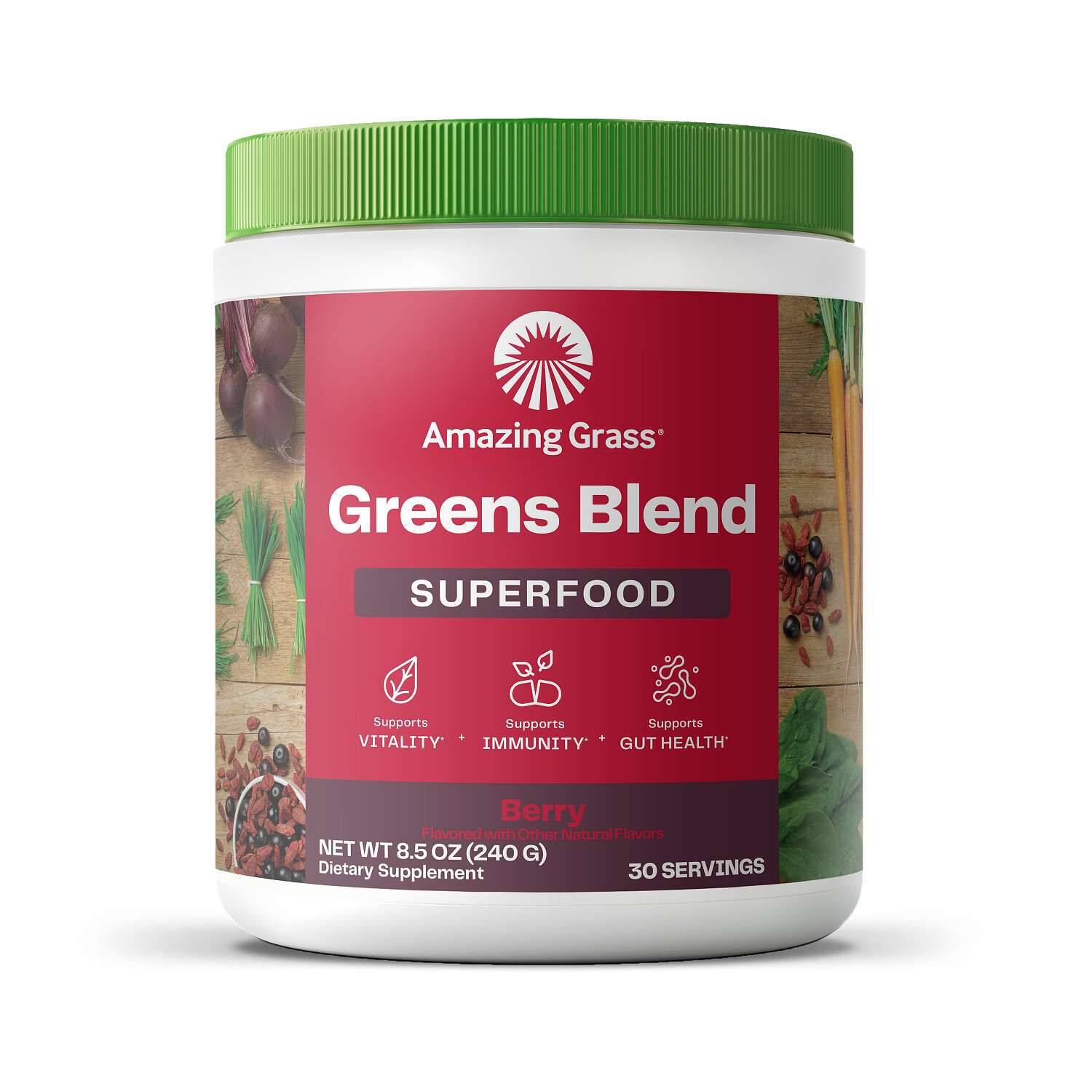
-
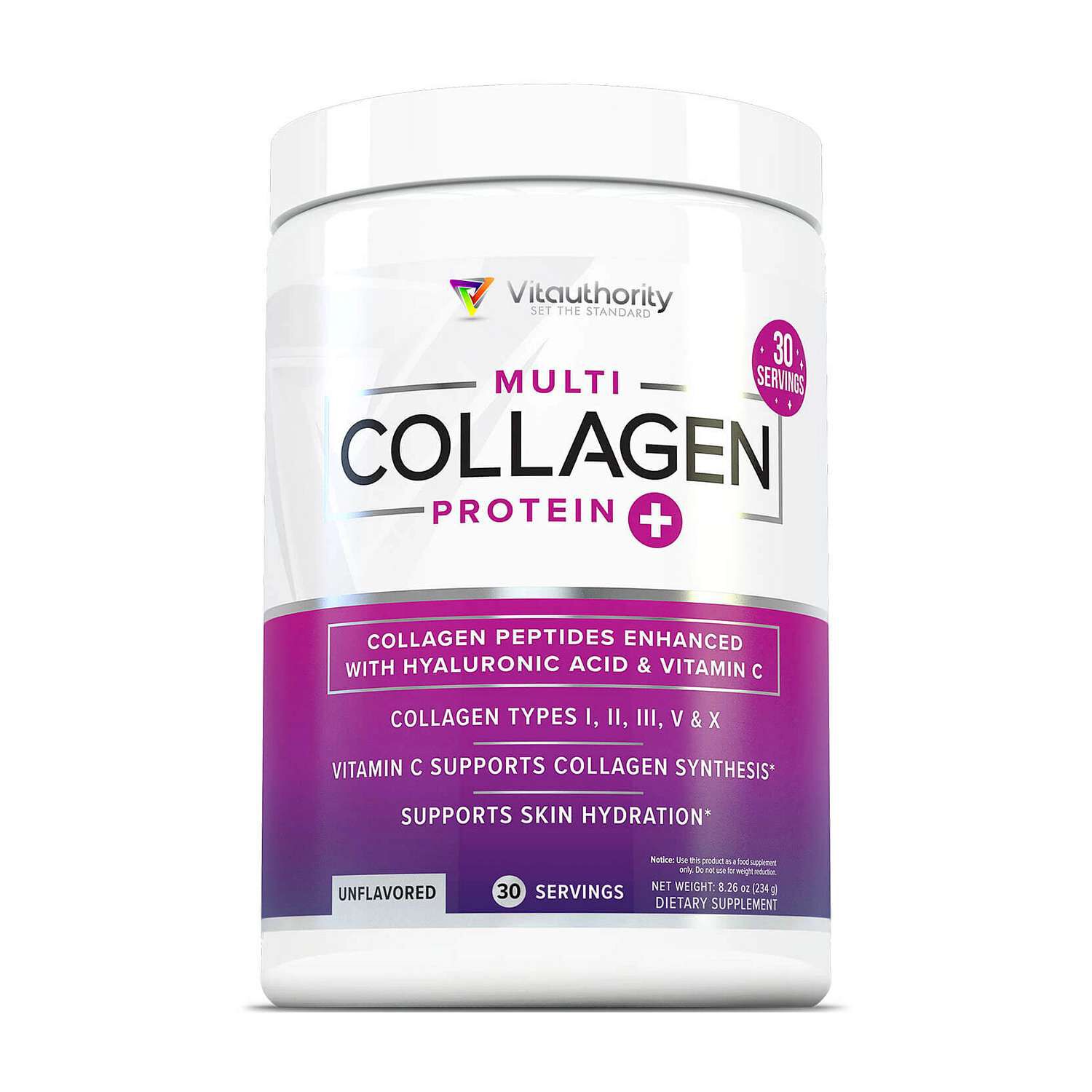
-
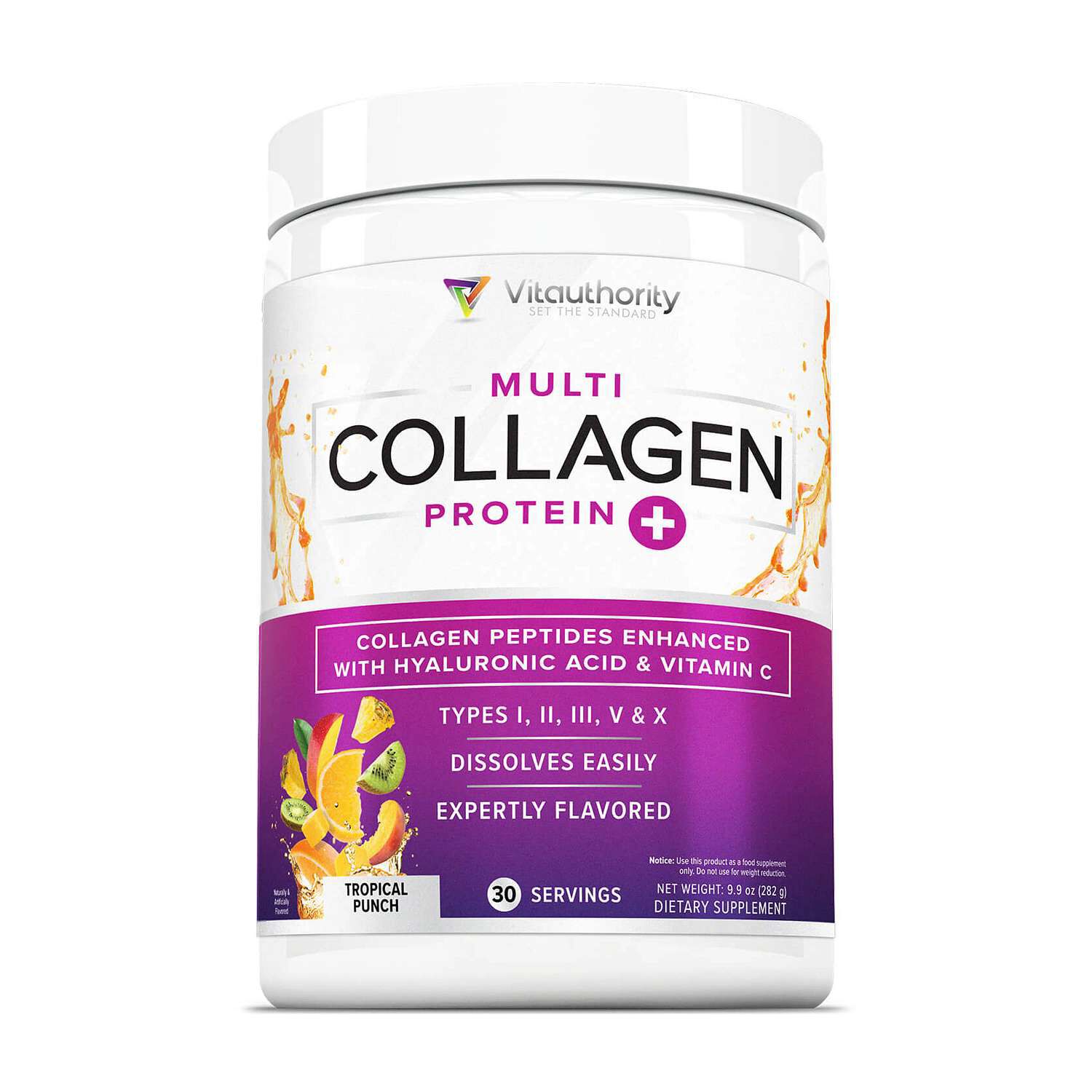
-
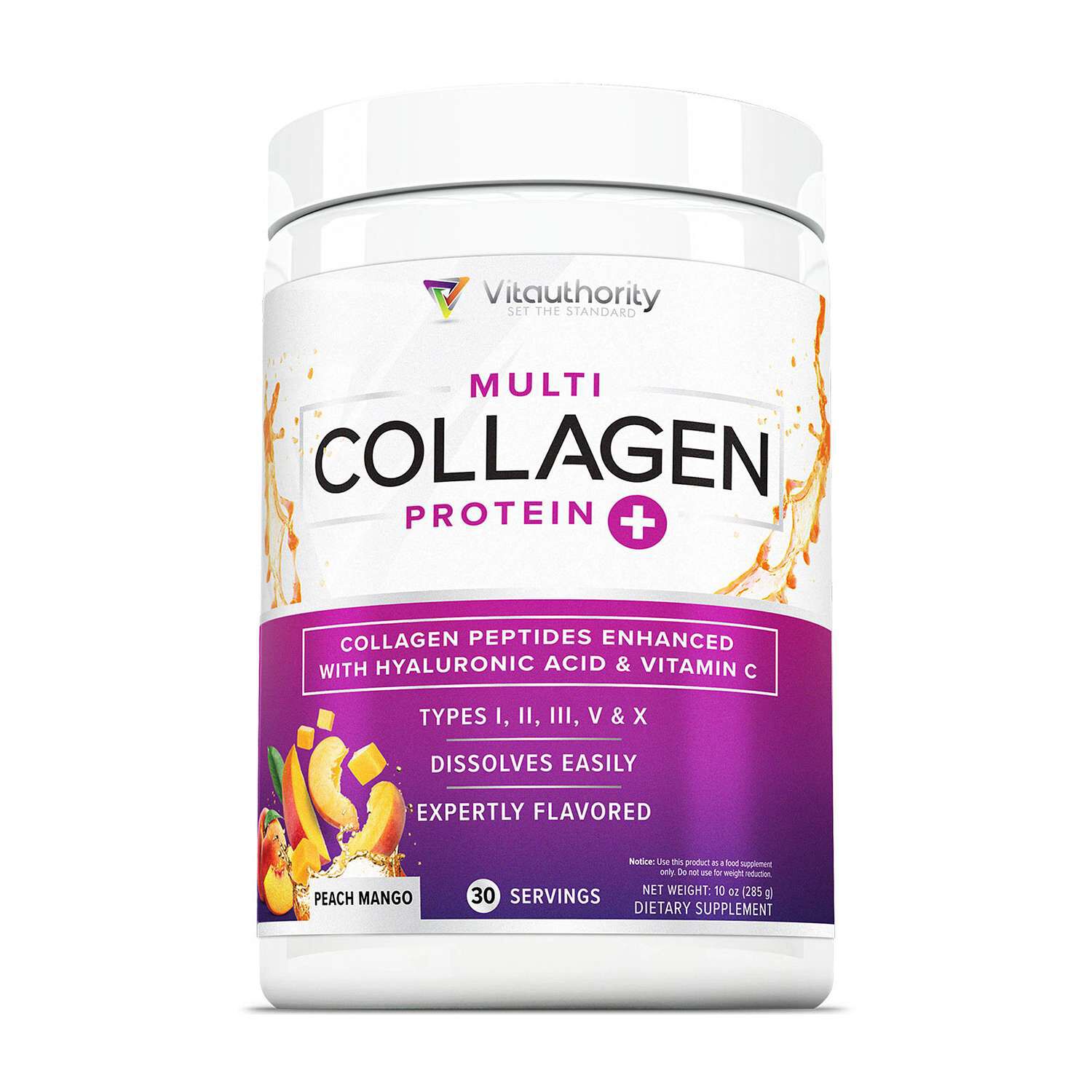
-

-

-

-
-
-

-
-

-
-
 4$59.99
-
-

-
-
-

-
 $34.99
-
 $34.99

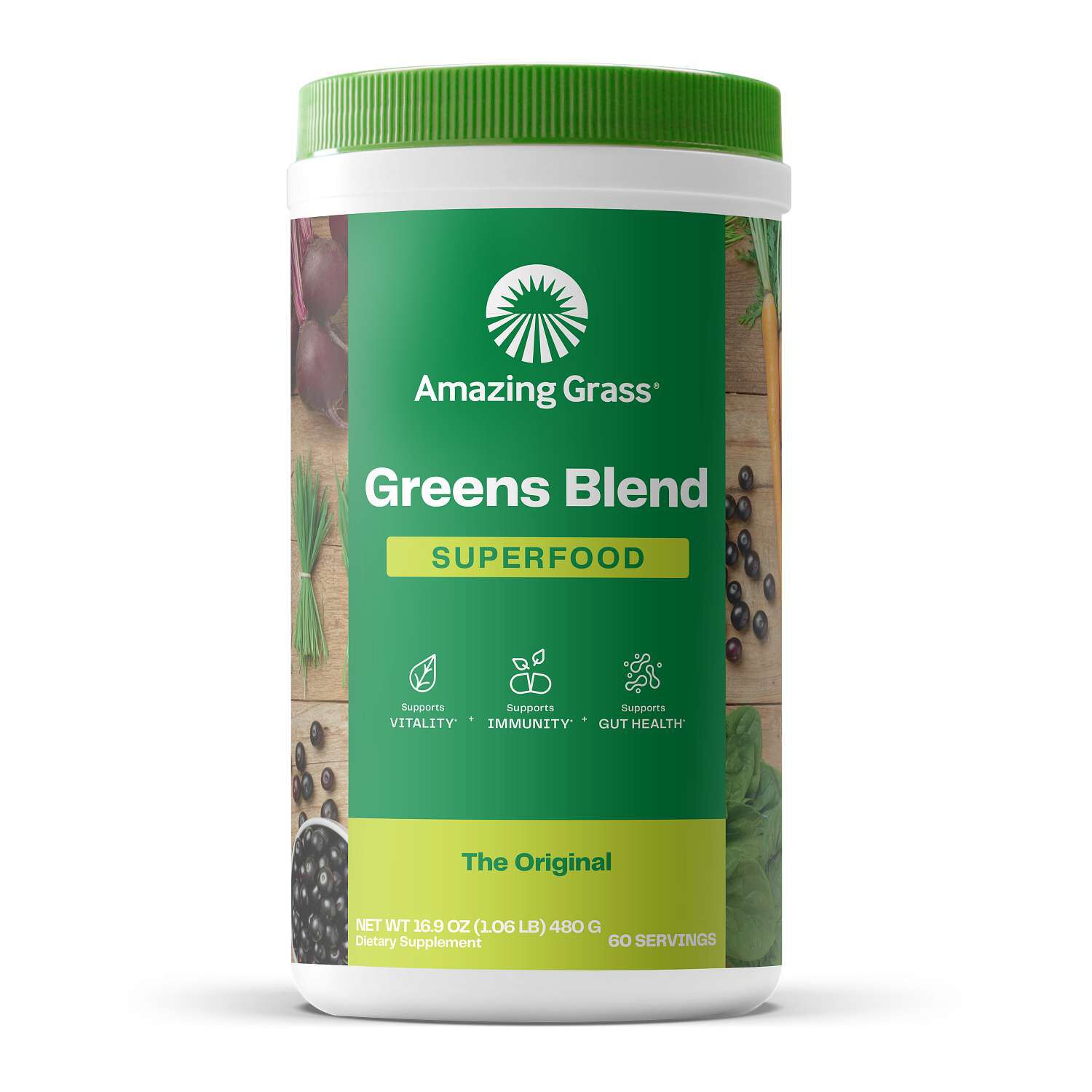
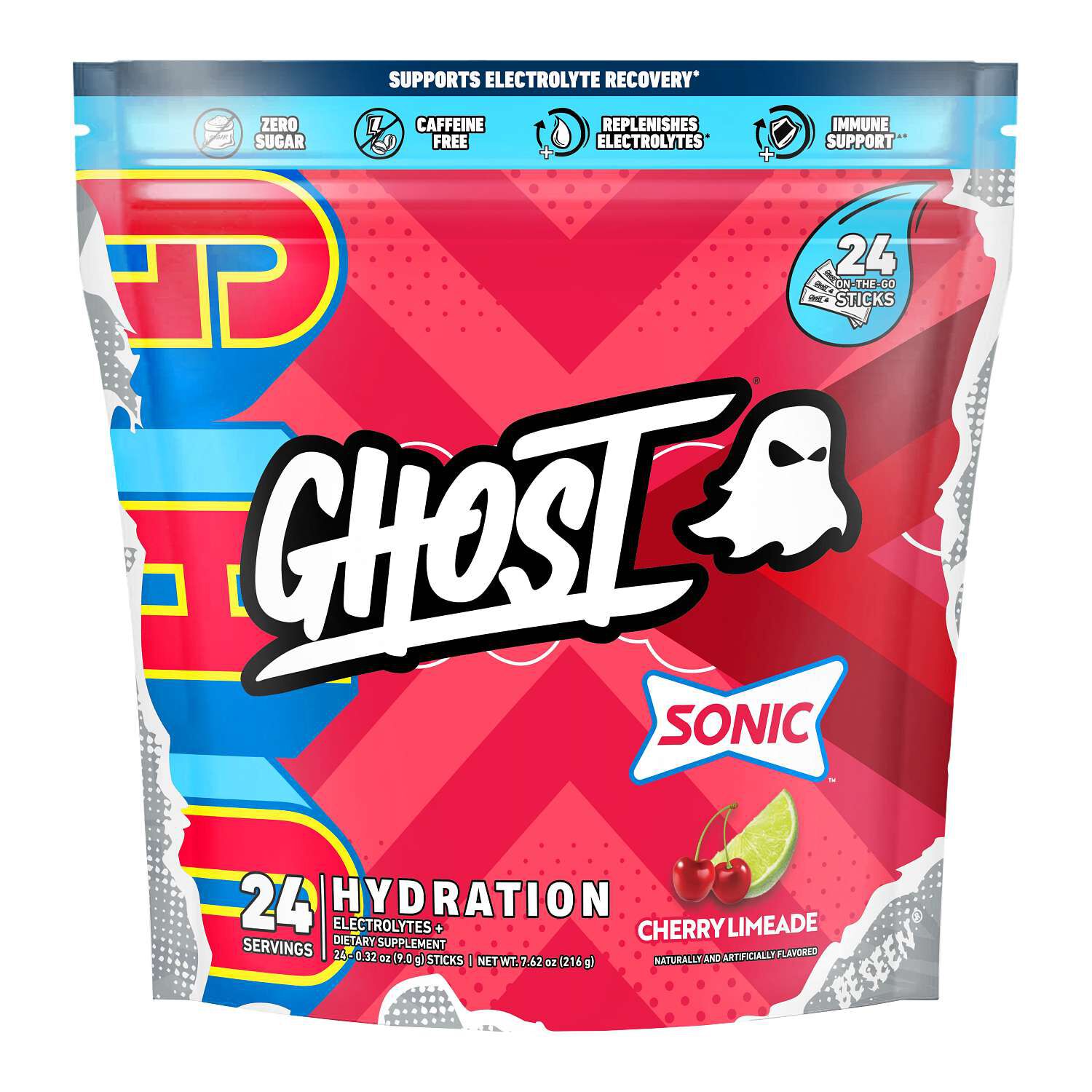
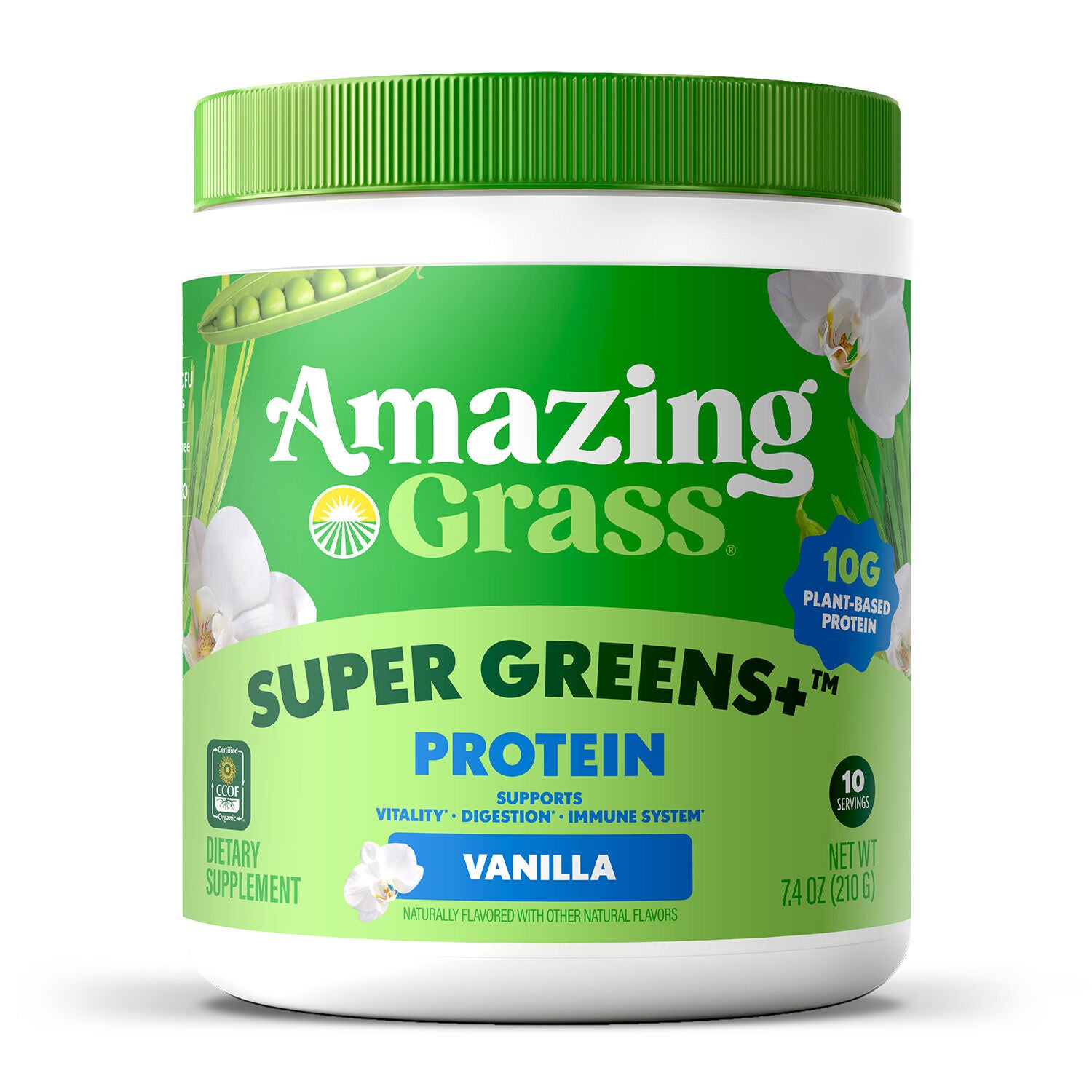
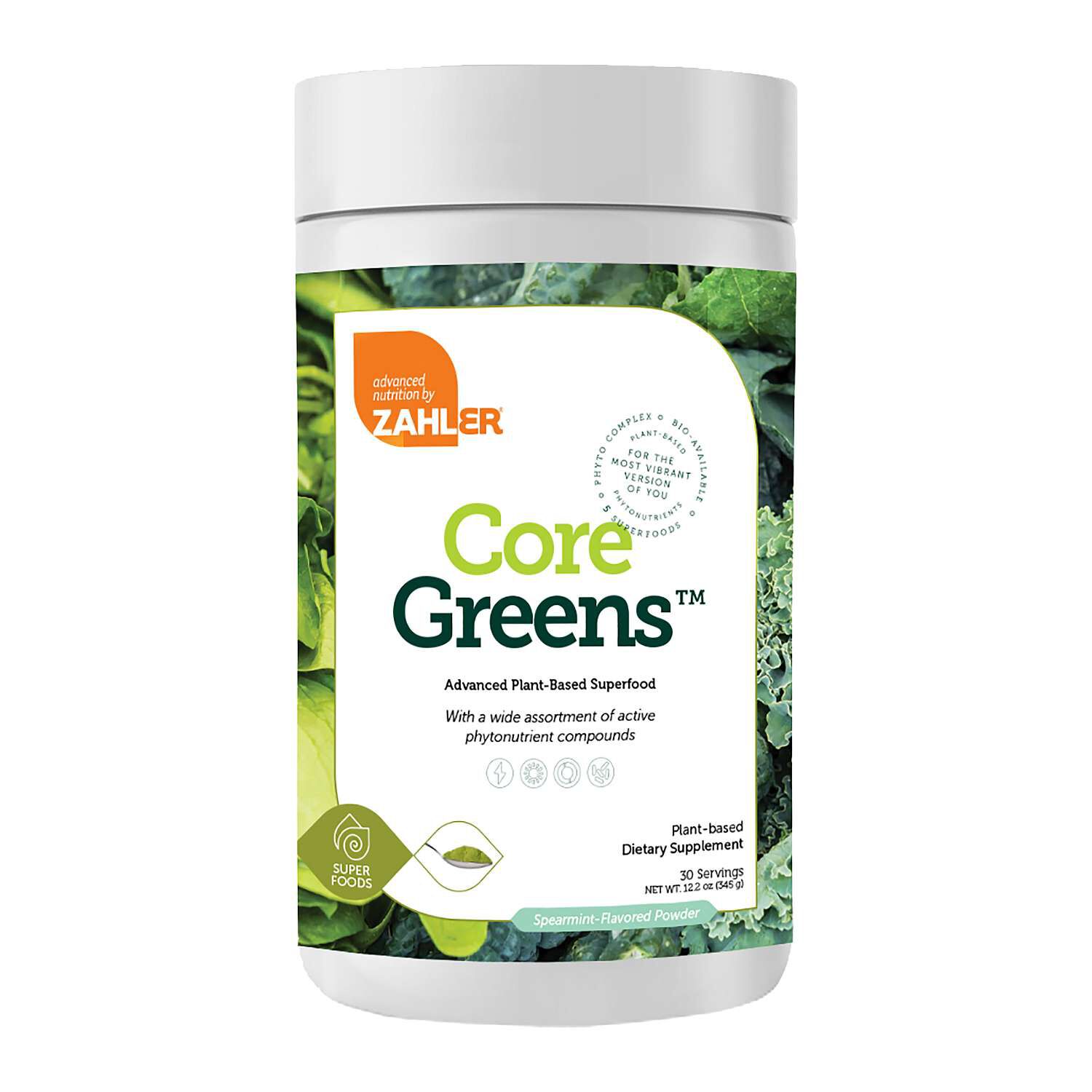
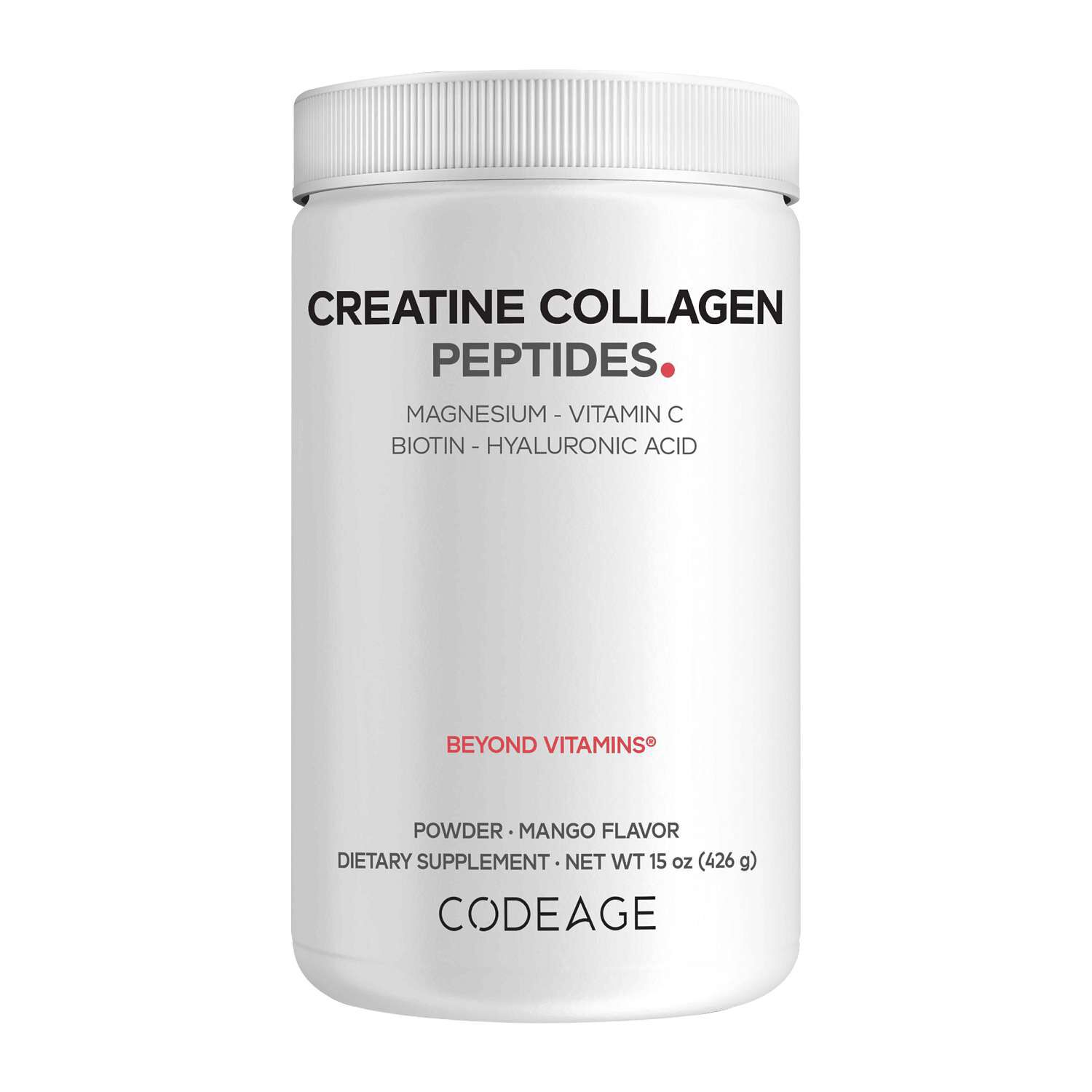
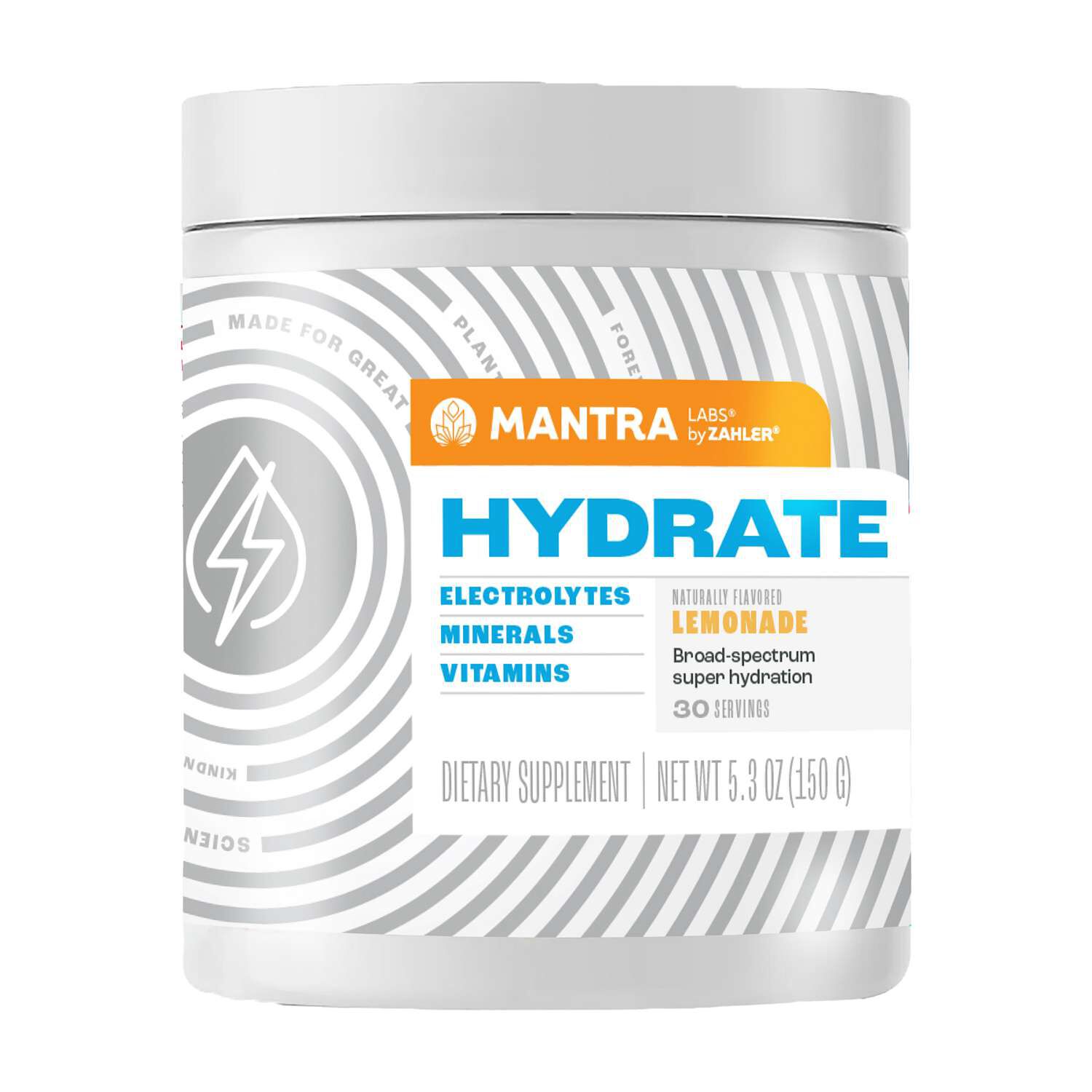
Vitamin C powders bring a familiar nutrient to drink mixes for shoppers with everyday wellness and immune support in mind. This format centers on a powder that is measured or portioned before being mixed with a beverage, rather than a tablet or capsule. Vitamin C also occurs naturally in foods such as citrus fruits, strawberries, and bell peppers; powdered supplements provide another format for including the nutrient in a personal routine. Within this category, the differences extend well beyond the flavor printed on the package. Some formulas contain vitamin C as the primary ingredient, while others combine it with zinc, B vitamins, minerals, or additional ingredients. Labels may identify the vitamin C source as ascorbic acid, sodium ascorbate, or calcium ascorbate, so the ingredient list provides useful detail that a fruit illustration alone cannot convey. Flavor profiles range from orange and lemon to berry and tropical combinations, with unflavored versions offering another approach for shoppers who prefer fewer competing flavors. Unflavored does not necessarily mean tasteless: a powder may contribute a tart note, particularly when mixed into plain water. Sweetness also varies, with formulas using sugar, alternative sweeteners, or different combinations of both. Some mixes are effervescent, while others are designed for a still drink. A lightly flavored glass beside breakfast and a fruity mix prepared in a reusable bottle represent different drinking experiences, even when both contain vitamin C. Comparing the ingredient list, labeled serving amount, sweetener, and mixing directions may help shoppers distinguish between those experiences. The amount of vitamin C is generally listed in milligrams per serving, and that number is more informative when considered alongside the serving size and other ingredients. A larger number alone does not describe the flavor, texture, packaging, or suitability of a mix for a particular routine. For shoppers browsing vitamin C drink powders, those everyday details deserve as much attention as the nutrient name.
Packaging is another practical distinction, especially for people who move between home, work, and travel. Single-serving packets contain individually portioned powder and may suit a desk drawer, lunch bag, or carry-on, while a resealable pouch or tub generally holds multiple servings for use in one place. Someone who usually mixes a drink at the kitchen counter might prefer a larger container with a labeled scoop; someone who prepares a beverage away from home might find individually sealed portions more convenient. The package directions establish the intended serving and liquid amount, which can differ between formulas. Scoop size should not be assumed to be interchangeable across containers, and a serving may involve more than one scoop. Comparing the labeled serving rather than the apparent size of the package provides a clearer picture of how each format is intended to be used. Preparation matters to the drinking experience, too. Some powders are intended for stirring into water, while others include directions for blending into a smoothie or another beverage. A plain formula may add tartness to a fruit smoothie, whereas a sweetened citrus blend may noticeably change the flavor of an already flavored shake. A finely textured powder and a granular mix can also behave differently during preparation, making the stated mixing method worth reading. Effervescent formulas may foam as they dissolve, so their preparation directions are especially relevant when choosing a glass or bottle. For someone who dislikes a strong fruit flavor, a formula with a lighter flavor profile may be more appealing than a richly sweetened mix. For someone who enjoys a distinct beverage flavor, berry or citrus options may fit that preference better. These considerations keep the focus on intended use: a drink powder should fit the place it will be prepared, the beverage it will be mixed with, and the amount of preparation the shopper wants to include in the day.
Ingredient preferences and storage requirements round out the comparison. Vitamin C powders can differ in their added sugars, sweeteners, flavors, colors, and accompanying nutrients, even when their front labels emphasize the same vitamin. Shoppers comparing a straightforward vitamin C powder with a multi-ingredient drink mix can look at the full ingredient list and the Supplement Facts or Nutrition Facts panel, as applicable. A formula containing added caffeine is a different beverage choice from one without it, and botanical ingredients add another point of distinction. Dietary preferences also belong in that comparison: vegetarian or vegan labeling, ingredient sources, and allergen information provide more useful detail than flavor names alone. The same attention applies when a powder will be mixed into an existing protein shake or other formulated beverage, since both products have their own ingredients and labeled servings. For a broader view of beverage formats centered on this nutrient, shoppers can explore Vitamin C Drinks alongside powder mixes. Once a format is chosen, care is primarily about protecting the powder and its packaging. Storage directions vary, but moisture is an important consideration for a dry mix. A tightly closed lid, an intact packet, and a dry measuring utensil may help keep the contents in the condition intended by the manufacturer. A tub left open beside a splashing sink presents a different storage situation from a sealed container kept in a cabinet according to its label. Individually wrapped portions also need intact seals, while resealable pouches need a properly closed top between uses. Package dates, handling instructions, and any directions for a prepared drink remain relevant whether the powder is used at home or carried elsewhere. Ultimately, vitamin C powders for immune-focused drinks are best understood through their combination of nutrient content, flavor, format, and preparation requirements. Those concrete differences may help shoppers choose a powder that fits an established routine without relying on broad wording on the front of a package.
Best Sellers
-
 Ancient Nutrition
-
 Vital Proteins
